
Amazon Leather Products: The Reality Most Factories Don’t Talk About
Amazon does not forgive manufacturing mistakes. Leather products that pass sampling often fail after launch due to issues that only appear at scale: inconsistent leather feel, edge cracking, odor complaints, or damage during FBA handling.
At Szoneier Leather, established in 2007 and operating two dedicated leather goods factories in Guangdong, we have spent years supporting Amazon-focused leather projects where success is measured by reviews, return rate, and reorder stability, not by how good the first sample looks.
With 25+ engineers & technicians and 10+ in-house designers, our manufacturing decisions are made specifically for Amazon’s operating environment.
Who Needs Amazon Leather Products Manufacturing & Typical Selling Scenarios
- Small initial order required
- High risk if first batch quality fails
- Limited tolerance for trial-and-error
What manufacturing must support: Low MOQ (20–100 pcs), stable sampling, and predictable bulk output.
- Restock cycles are tight
- Reviews depend on consistency
- Any variation triggers complaints
What manufacturing must support: Batch-to-batch consistency and documented production standards.
- Visual consistency across listings
- Unified leather feel and finish
- Controlled cost structure
What manufacturing must support: Material standardization and repeatable construction systems.
- Edge peeling
- Leather odor
- “Not as described” feedback
What manufacturing must support: Defect prevention at the factory level, not post-sale fixes.
Why Amazon Requires a Different Leather Manufacturing Logic
Instead of asking “Can you make this bag?”, Amazon requires asking “Can this bag survive Amazon?”
Amazon-Specific Stress Factors
| Amazon Reality | Manufacturing Impact |
|---|---|
| Instant customer inspection | Visual consistency becomes critical |
| Easy returns | Small defects cause high return rates |
| FBA storage & handling | Packaging and structure must be reinforced |
| Listing image comparison | Leather color & finish must match exactly |
| Fast restock cycles | Lead time must be stable, not rushed |
Many factories fail here because they manufacture for appearance, not for platform behavior.
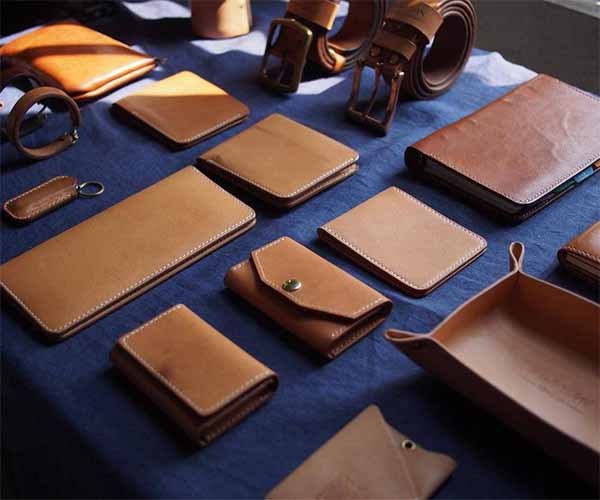
Typical Failure Points of Leather Products on Amazon
Where Amazon leather products fail — and why these failures appear fast
Most leather products that fail on Amazon do not fail because of poor craftsmanship. They fail because small manufacturing weaknesses are amplified by Amazon’s platform mechanics: fast customer inspection, easy returns, and side-by-side comparison.
Below are the most common failure points we repeatedly see in Amazon leather projects—and what actually causes them.
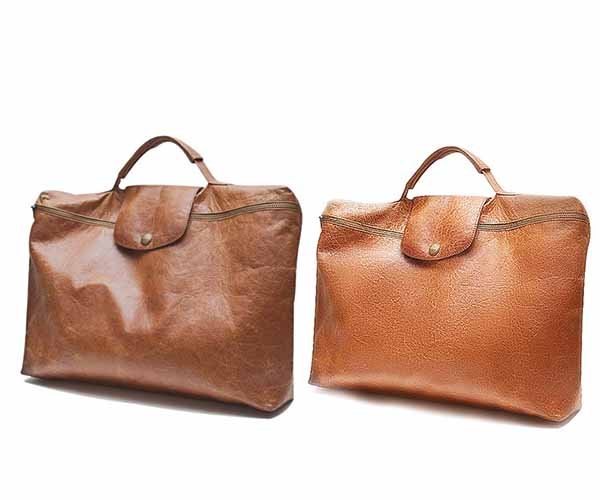
Failure Point 1 — Unit-to-Unit Leather Inconsistency
What Amazon customers complain about
- “The color is slightly different from the pictures”
- “Doesn’t look the same as the one I ordered before”
- “Leather feels cheaper than expected”
Why this happens
- Leather approved as a single sample hide, not as a production range
- No control over grain direction or cutting zones
- Mixing hides with different surface behavior in one batch
On Amazon, even small variation becomes obvious because customers compare:
- product vs listing photos
- new order vs previous order
Why this is critical This issue alone can trigger:
- “Not as described” returns
- Review score drops
- Listing conversion decline
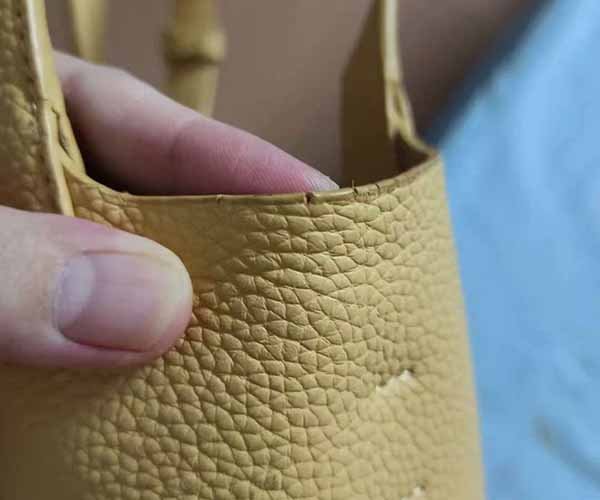
Failure Point 2 — Edge Peeling, Cracking, or Early Wear
What Amazon customers complain about
- “Edges are peeling after a few weeks”
- “Looks worn too fast”
- “Paint cracking at corners”
Why this happens
- Edge paint chosen for appearance, not flexibility
- Thick, single-layer edge coating used to make samples look perfect
- Leather oil content ignored during edge system selection
Edge issues usually appear within the first 2–4 weeks, exactly when Amazon customers are most likely to leave reviews.
Why this is critical Edge failure is one of the fastest paths to negative reviews, even if the rest of the product is solid.
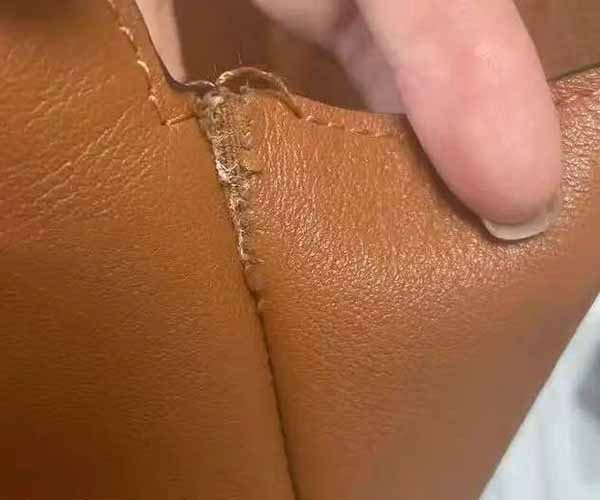
Failure Point 3 — Stitching Irregularities and Stress-Point Weakness
What Amazon customers complain about
- “Stitching looks uneven”
- “Threads coming loose”
- “Strap feels weak”
Why this happens
- Stitch density not matched to leather thickness
- Decorative stitching used in load-bearing areas
- Stress points (strap base, zipper ends) under-reinforced
On Amazon, customers judge quality visually first—before testing durability.
Why this is critical Even minor stitching inconsistency:
- Reduces perceived quality
- Lowers trust in the brand
- Leads to returns even when the bag is still usable
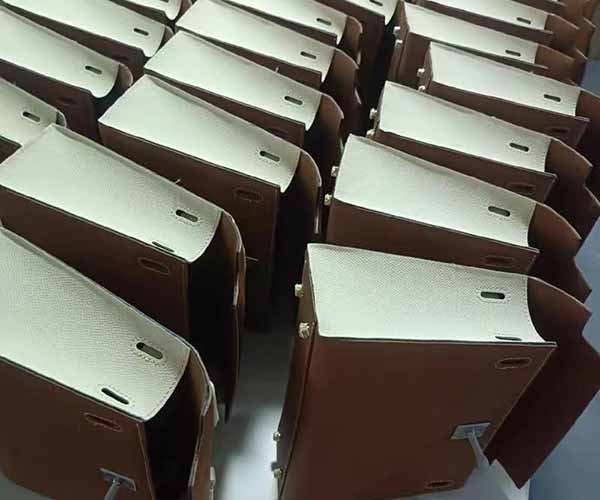
Failure Point 4 — Odor Complaints After Unboxing
What Amazon customers complain about
- “Strong chemical smell”
- “Not suitable as a gift”
- “Had to air it out for days”
Why this happens
- Insufficient resting time after finishing
- Packing products while moisture or solvents are still present
- Packaging materials trapping odor
Odor issues are especially damaging for:
- gift-oriented listings
- higher-priced leather items
Why this is critical Odor complaints often result in immediate returns, regardless of product quality.
Failure Point 5 — Shape Deformation During FBA Storage & Handling
What Amazon customers complain about
- “Bag arrived misshapen”
- “Creases that won’t go away”
- “Looks used or compressed”
Why this happens
- Structure designed only for showroom conditions
- No internal support for soft or semi-structured bags
- Packaging not designed for compression and stacking
FBA exposes products to long storage periods and repeated handling.
Why this is critical Customers blame the product—not logistics—when shape is compromised.
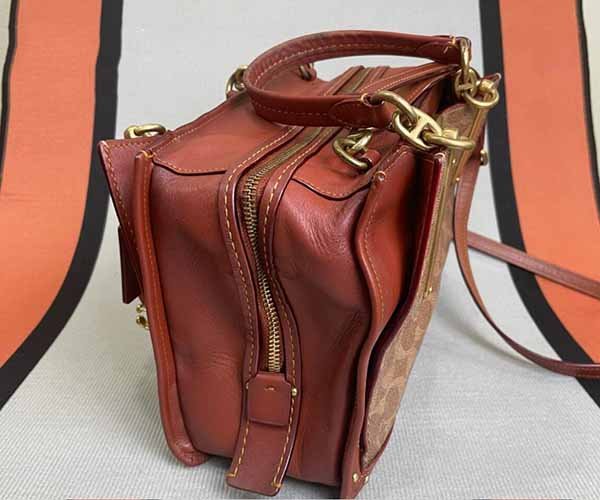
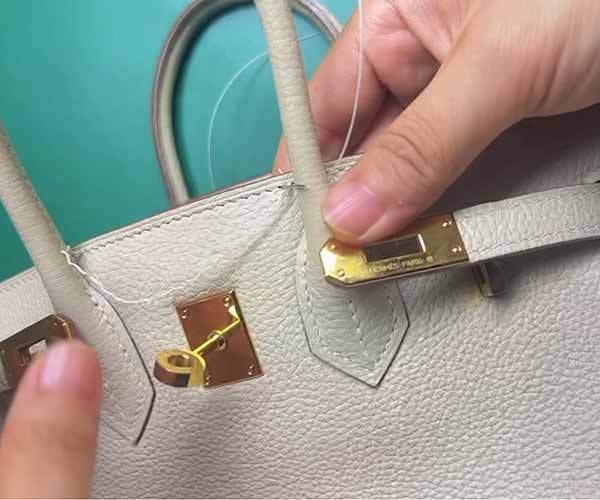
Failure Point 6 — Hardware Loosening or Misalignment
What Amazon customers complain about
- “Metal parts feel loose”
- “Hardware scratches the leather”
- “Zipper doesn’t run smoothly”
Why this happens
- Hardware treated as decoration, not load-bearing
- No stress distribution at attachment points
- Inadequate testing of movement under daily use
Hardware issues quickly reduce perceived value, especially in leather products.
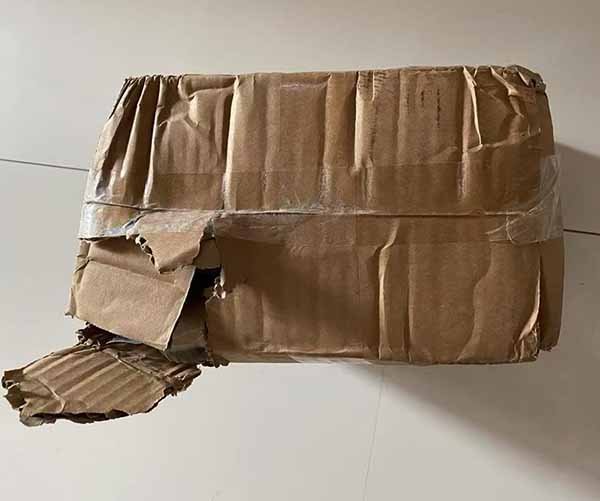
Failure Point 7 — Packaging-Related Damage and Presentation Issues
What Amazon customers complain about
- “Packaging was damaged”
- “Not presentable as a gift”
- “Product looked crushed”
Why this happens
- Over-tight compression to save shipping space
- No internal shape protection
- Packaging not designed for Amazon handling
On Amazon, packaging is part of the product experience.
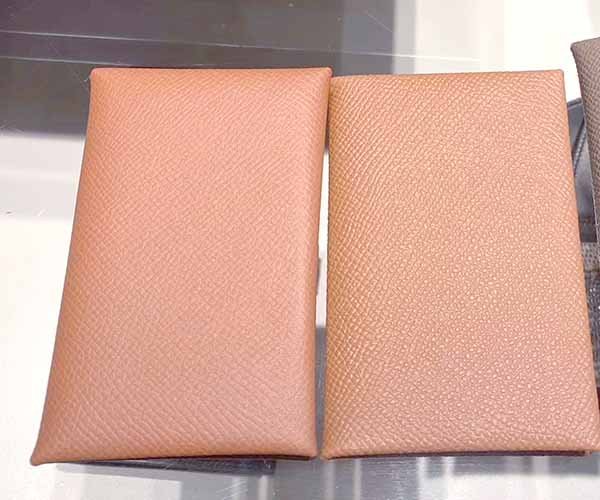
Failure Point 8 — Reorder Inconsistency
What Amazon customers complain about
- “The second one I ordered is different”
- “Quality changed over time”
Why this happens
- Each order treated as a new project
- No archived specs or reference standards
- Material substitutions without control
This failure point often kills listings that initially performed well.
How Szoneier Approaches Amazon Leather Manufacturing Differently
How we actually build leather products that work on Amazon, not just on the sample table
At Szoneier Leather, we do not treat Amazon projects as normal OEM orders. We treat them as long-term SKUs that will be judged publicly, repeatedly, and quickly.
We Start by Identifying Where Amazon Products Usually Fail
Before we talk about leather, price, or design details, our engineers review the product from a simple angle:
- Where will customers touch it first?
- Where will wear show within the first few weeks?
- What issues usually lead to returns on Amazon for this product type?
This review often focuses on:
- Edges and corners
- Straps, handles, and zipper ends
- Areas affected by FBA compression and storage
Only after this discussion do we move into material and construction decisions. This step alone helps us avoid developing products that look good as samples but fail once sold.
We Approve Leather as a Usable Range, Not a Single Hide
One of the biggest Amazon risks is inconsistency between units and reorders.
In our factory:
- Leather is approved within defined tone, grain, and hand-feel ranges
- We control cutting zones for visible panels
- Incoming leather is checked against behavior standards, not just appearance
This approach allows us to keep Amazon reorders stable, even when production is repeated months later.
We Adjust Construction to Reduce Amazon-Specific Risk
When a design creates unnecessary risk on Amazon, we say it clearly.
Common adjustments we make include:
- Adding internal reinforcement to prevent early collapse
- Simplifying structure to reduce deformation during FBA storage
- Moving reinforcement inside the bag instead of increasing leather thickness
These changes usually do not affect the external appearance, but they greatly improve durability and consistency.
We Choose Edge Construction Based on Leather Behavior
Edge cracking and peeling are among the fastest ways to receive negative Amazon reviews.
Our team does not choose edge systems based on appearance alone. We consider:
- Leather oil content
- Flexibility at corners
- Frequency of handling
Depending on the product, we may use:
- Multi-layer edge finishing with proper curing time
- Folded or turned edges for high-friction areas
These decisions are made during development, not after problems appear.
We Treat Stitching as a Visual Quality Requirement
On Amazon, stitching is inspected visually before it is tested structurally.
In our production:
- Stitch density is defined per leather type
- Thread thickness is matched to surface texture
- Stress points are reinforced structurally, not decorated
This helps us keep stitching consistent across larger Amazon batches, not just the first run.
We Manage Odor as Part of the Production Process
Odor complaints are common reasons for Amazon returns, especially for leather gifts.
At Szoneier Leather:
- Finished products rest after production
- Packing only starts once odor stabilizes
- Packaging materials are selected to avoid trapping smell
This step is simple, but skipping it causes many Amazon issues.
We Design Products with FBA Handling in Mind
We assume that every Amazon-bound product will be:
- Stored for long periods
- Stacked and compressed
- Handled multiple times
Because of this, we:
- Reinforce areas vulnerable to compression
- Add internal support where shape matters
- Design packaging to protect structure during storage
Our goal is not just to ship products safely, but to ensure they arrive to customers in proper condition.
We Apply Full Standards Even on Low-MOQ Pilot Runs
Many Amazon projects start small. For us, that does not mean lower standards.
For 20–100 pcs pilot runs, we use:
- The same materials as bulk production
- The same construction methods
- The same QC logic
This allows pilot runs to provide real data, not misleading results.
We Keep Specifications for Stable Reorders
Once an Amazon product is approved, we treat it as a continuing project.
We retain:
- Approved leather ranges
- Construction details
- Reference samples
Reorders are handled as extensions of the same SKU, not new developments. This helps protect review consistency and customer trust.
We Communicate in Terms of Trade-Offs, Not Promises
We do not promise that everything is possible at the lowest cost.
Instead, we explain:
- Where risks exist
- What adjustments reduce returns
- What choices support long-term stability
Our role is to help Amazon sellers make decisions before problems appear, not after reviews are damaged.
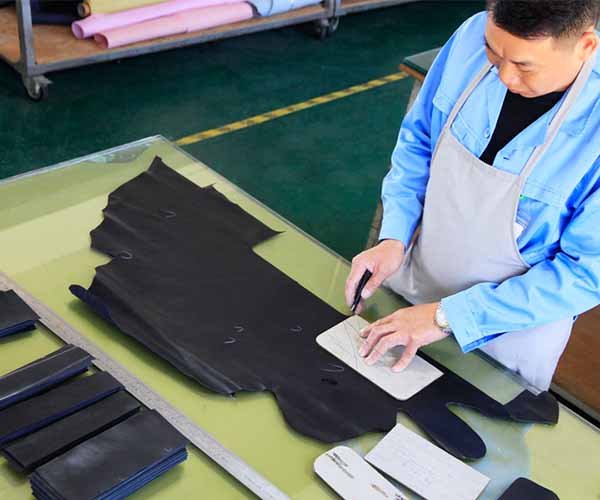
Key Manufacturing Factors Amazon Leather Products Must Control
These factors decide reviews, returns, and reorder stability
For Amazon leather products, manufacturing success is not defined by how good a sample looks on the table. It is defined by how consistent, durable, and predictable the product remains once hundreds or thousands of units reach end customers.
Based on long-term Amazon-focused projects handled at Szoneier Leather (established 2007, Guangdong), the following factors consistently determine performance on Amazon.
Factor 1
Leather Consistency Across Units and Batches
Why this matters on Amazon Amazon customers compare products directly against listing images and previous purchases. Even small differences in leather tone, grain, or hand feel can trigger “not as described” complaints.
Common factory mistake Using one approved sample hide as reference, without defining acceptable variation for bulk production.
How Szoneier controls this
- Leather is approved as a range, not a single hide
- Incoming material inspection focuses on tone, grain behavior, and flexibility
- Cutting zones are controlled for visible panels
This allows Amazon sellers to reorder without restarting material discussions each time.
Factor 2
Edge Construction That Survives Early Use
Why this matters on Amazon Edge cracking and peeling are among the fastest triggers of negative reviews for leather goods.
Common factory mistake Using thick edge paint to achieve a “perfect” sample appearance, ignoring long-term behavior.
How Szoneier controls this
- Edge systems are selected based on leather oil content and flexibility
- Multi-layer edge finishing with controlled curing time
- Turned or folded edges recommended when risk is high
These decisions are made during development, not after problems appear.
Factor 3
Stitching Stability and Visual Uniformity
Why this matters on Amazon Customers notice inconsistent stitching immediately, even if structure is sound.
Common factory mistake Treating stitching as a purely functional step.
How Szoneier controls this
- Stitch density defined per leather type
- Thread thickness matched to surface texture
- Reinforcement engineered at stress points (handles, straps, hardware zones)
This helps maintain visual consistency across large Amazon batches.
Factor 4
Odor Control and Leather Handling
Why this matters on Amazon Leather odor complaints lead to returns even when products are structurally sound.
Common factory mistake Rushing production and packing without sufficient ventilation time.
How Szoneier controls this
- Controlled drying and resting periods after finishing
- Packaging only after odor levels stabilize
- Material selection avoids excessive chemical finishes when possible
This is particularly important for FBA-bound inventory.
Factor 5
Structure Designed for FBA Handling
Why this matters on Amazon FBA storage and transport subject products to compression, stacking, and repeated movement.
Common factory mistake Designing structure only for showroom conditions.
How Szoneier controls this
- Reinforced bases and load zones
- Internal support layers where collapse risk exists
- Packaging engineered to protect shape during storage
Products are engineered to arrive intact, not just leave the factory intact.
Factor 6
Batch Repeatability for Reorders
Why this matters on Amazon Once a listing performs well, sellers depend on stable restocks.
Common factory mistake Treating each order as a new project.
How Szoneier controls this
- Production specs archived per SKU
- Reference samples retained
- Same construction logic applied even when quantities increase
This allows Amazon sellers to scale without quality drift.
Szoneier’s Step-by-Step OEM Process for Amazon Leather Products
A process designed for Amazon timelines, risks, and scaling
At Szoneier Leather, Amazon leather projects follow a structured OEM workflow built to reduce trial-and-error and protect listing performance.
Step 1
Amazon-Oriented Requirement Review
Instead of focusing only on design, we review:
- Target price range on Amazon
- Expected order volume and growth path
- FBA vs FBM logistics
- Review sensitivity and risk points
This helps align manufacturing decisions with platform realities from the start.
Step 2
Material & Construction Matching
Based on the use scenario, we define:
- Suitable leather types
- Edge construction systems
- Internal structure requirements
This step prevents later revisions that delay launch.
Step 3
Sampling with Production Logic
Samples are developed using:
- Real production materials
- Actual construction methods
- Approved stitching and edge systems
This avoids the common gap between “nice sample” and unstable bulk production.
Step 4
Low-MOQ Pilot Run (20–100 pcs)
For many Amazon sellers, we recommend:
- Small initial production
- Full QC application
- Real packaging and labeling
This validates the product before large FBA commitments.
Step 5
Bulk Production & Quality Control
Once approved:
- Bulk production typically completes within 15–25 days
- QC focuses on appearance consistency, structure, and finishing
- Packaging is checked for FBA readiness
Step 6
Reorder Support & Specification Retention
After launch:
- Specs are retained for fast reorders
- Material ranges remain consistent
- Adjustments are controlled, not improvised
This supports long-term Amazon SKUs rather than one-off orders.
Leather Product Types That Actually Work on Amazon
Not every leather product is suitable for Amazon, even if it sells well elsewhere
One of the biggest mistakes Amazon sellers make is assuming that a leather product that works in offline retail or boutique channels will automatically perform well on Amazon. In reality, Amazon favors leather products that are structurally forgiving, visually consistent, and resistant to early-use complaints.
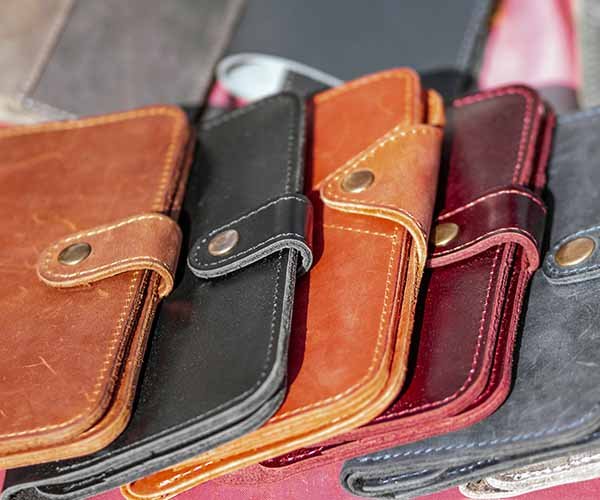
1. Leather Wallets & Card Holders
Why these work well on Amazon
- Small size limits visible leather variation
- Simple structure reduces failure points
- Clear customer expectations
What we focus on in production
- Tight control of leather thickness and hand feel
- Edge construction designed for frequent handling
- Consistent logo positioning across units
When we recommend this category
- First Amazon leather launch
- Testing brand positioning with low risk
- Price-sensitive but quality-driven listings
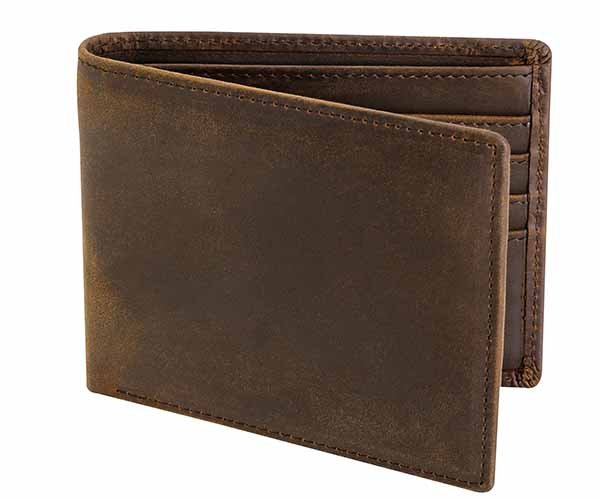
Wallets are often used by Amazon sellers as entry SKUs, and they allow fast validation with low MOQ (20–100 pcs).

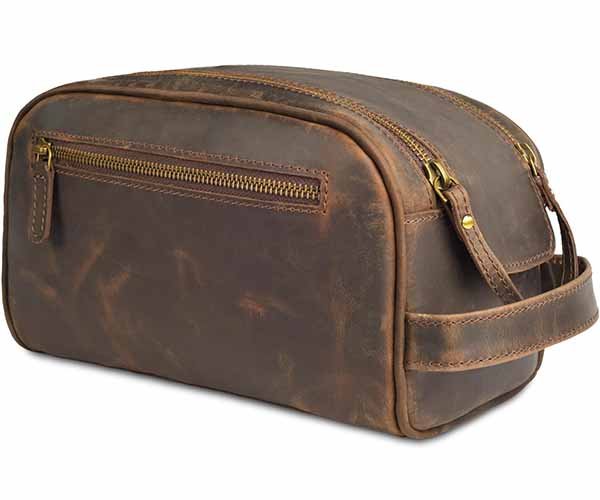
2. Leather Pouches & Organizer Bags
Why these work well on Amazon
- Flexible structure reduces shape complaints
- Broad usage scenarios (travel, cosmetics, electronics, tools)
- Fewer hardware-related risks
What we focus on in production
- Reinforcement at zipper ends
- Smooth zipper selection with controlled tolerance
- Interior lining stability under repeated opening
Our experience Leather pouches are among the most forgiving products for Amazon. They tolerate minor variation better and rarely trigger structural complaints when engineered properly.
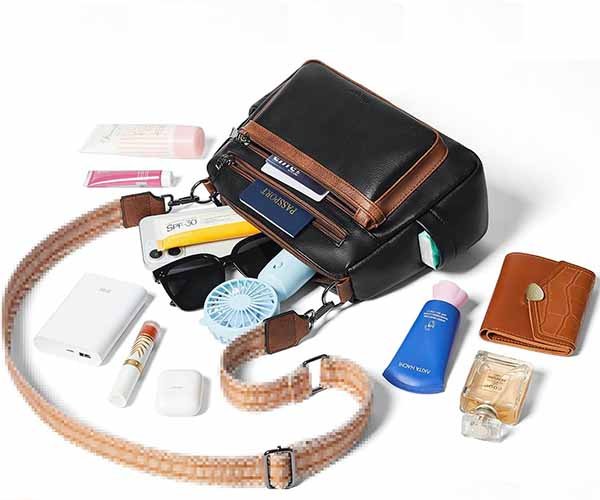
3. Soft or Semi-Structured Crossbody Bags
Why these work well on Amazon
- Smaller panels reduce visual inconsistency
- Lightweight design lowers strap stress
- Clear everyday-use value for customers
What we focus on in production
- Internal strap reinforcement without adding bulk
- Stitching tension adjusted to avoid surface marking
- Hardware integration tested under movement
When we recommend this category
- Lifestyle or casual leather brands
- Mid-price Amazon segments
- Sellers looking for one strong “hero SKU”
Soft construction absorbs variation better than rigid designs.

4. Simplified Leather Backpacks
Why these can work on Amazon
- Strong demand across commuter and lifestyle categories
- Higher perceived value compared to small goods
Where sellers often fail
- Overcomplicated internal structure
- Insufficient load distribution
What we focus on in production
- Reinforced load-bearing zones
- Internal support layers to prevent collapse
- Strap anchoring engineered for repeated use
We often advise simplifying designs before Amazon launch to reduce early complaints.
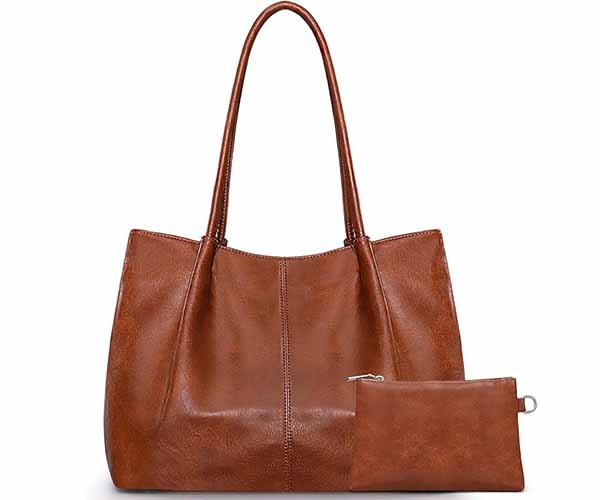
5. Soft Leather Tote Bags
Why these can work
- Clear daily-use scenario
- Strong visual appeal in listings
Main risk
- Large panels make leather variation more visible
What we focus on in production
- Controlled cutting zones for visible panels
- Leather selection prioritizing consistency over rarity
- Light internal reinforcement to maintain shape without stiffness
Totes can perform well when structure is kept forgiving.
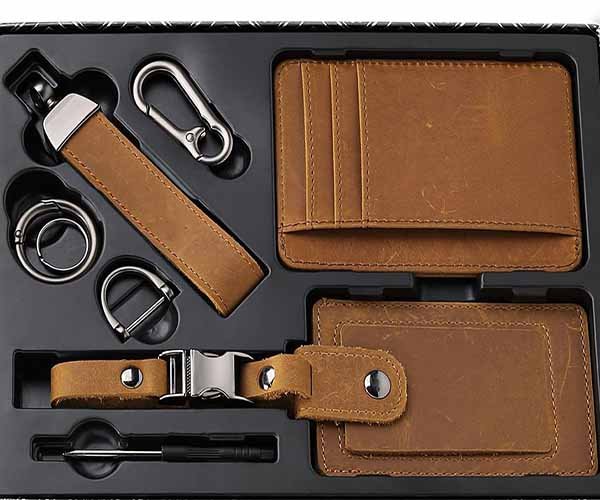
6. Leather Gift Sets - Wallet + Pouch, Small Accessories
Why these work well on Amazon
- Higher perceived value
- Strong gifting appeal
- Customers focus on overall presentation
What we focus on in production
- Unified leather sourcing across all items
- Consistent edge and stitching systems
- Odor control and packaging presentation
Gift sets perform best when all pieces feel coherent, not mixed in quality.
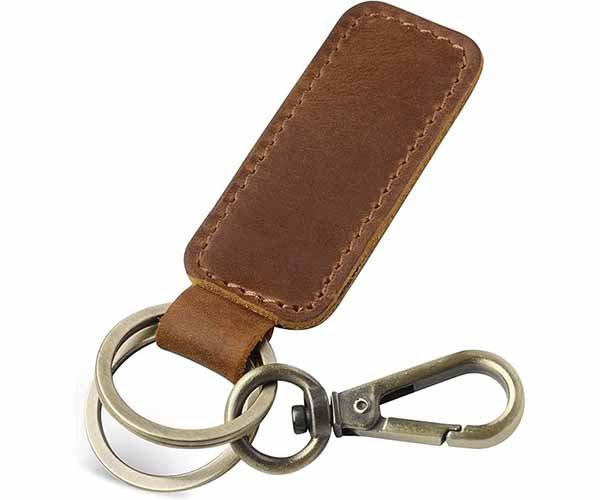
7. Leather Accessories Supporting Existing Listings
Examples include:
- Key holders
- Small zip cases
- Tech accessories
Why these work
- Lower customer expectations on structure
- Easy to match existing brand style
What we focus on in production
- Matching leather look and feel to existing SKUs
- Consistent branding execution
These products are often used to expand a brand’s Amazon lineup safely.
Product Types We Usually Advise Caution With on Amazon
From our experience, the following products require much higher control and cost and are usually not ideal for early Amazon launches:
- Highly structured luxury handbags
- Multi-compartment briefcases with rigid frames
- Aniline or extremely natural leather bags without customer education
These products are not impossible—but they demand stronger QC, clearer listings, and higher tolerance for returns.
How We Help Decide What to Launch First
When working with Amazon sellers, our team often recommends:
- Starting with structurally forgiving products
- Validating performance with a low-MOQ pilot run
- Scaling only after reviews and returns stabilize
This approach helps protect listings and avoids costly relaunches.
Leather Products That Often Struggle on Amazon
These products are not impossible—but they require higher control and cost
Not all leather products fail on Amazon, but some categories carry significantly higher risk.
Highly Structured Luxury Handbags
Common issues
- Shape distortion during FBA storage
- Visible panel inconsistency
- High customer expectations
These products require extremely tight control and often lead to higher return rates if launched too early.
Complex Multi-Compartment Briefcases
Common issues
- Zipper alignment complaints
- Interior structure collapse
- Weight-related handling damage
We usually recommend launching these after a brand has stabilized its manufacturing standards.
Aniline or Highly Natural Leather Bags
Common issues
- Tone variation
- Scratch sensitivity
- Customer misunderstanding of natural aging
These products can perform well only with very clear product education and strict QC
Specific Leather Material & Construction Choices We Use to Reduce Amazon Returns
Exact leather and construction combinations we apply in Amazon production
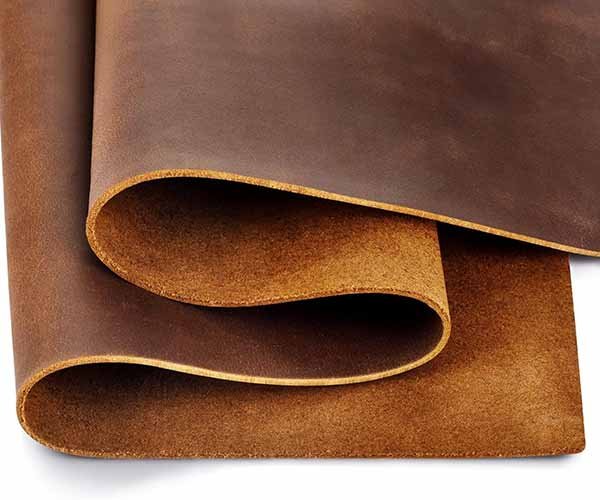
1. Full-Grain / Top-Grain Smooth Leather
Where we use it
- Wallets
- Crossbody bags
- Soft totes
- Everyday leather accessories
Material behavior
- Natural surface, visible grain
- Medium firmness
- Shows scratches if structure is wrong
Construction choices we apply
- Medium stitch density to avoid surface marking
- Multi-layer edge paint with long curing time
- Internal reinforcement instead of thicker leather
- Rounded corners instead of sharp folds
Amazon return issues this prevents
- “Leather scratches too easily”
- “Edges cracking after a few weeks”
- “Feels cheap compared to photos”
We use smooth leather only when structure supports it. Without correct edge and stitch control, smooth leather fails fast on Amazon.
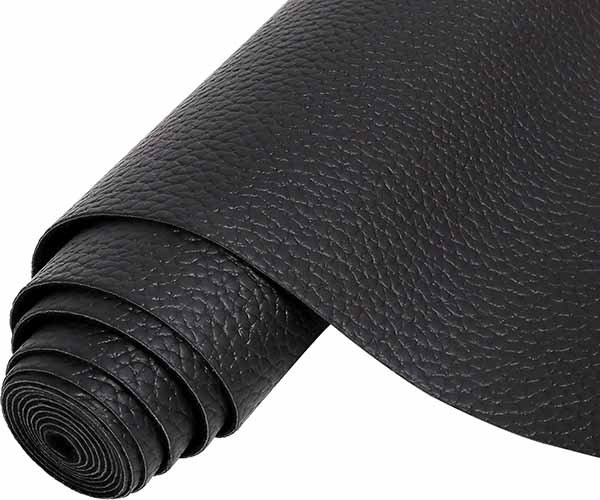
2. Pebbled / Corrected-Grain Leather
Where we use it
- Crossbody bags
- Small backpacks
- Organizer bags
- Daily-use items
Material behavior
- Embossed grain hides small defects
- Softer feel
- More stretch under load
Construction choices we apply
- Hidden reinforcement at strap bases
- Slightly higher stitch density at stress zones
- Flexible edge paint system
- Structured lining to help shape retention
Amazon return issues this prevents
- “Bag loses shape quickly”
- “Strap feels weak”
- “Leather stretches after use”
Pebbled leather performs very well on Amazon when stretch is controlled by internal structure.
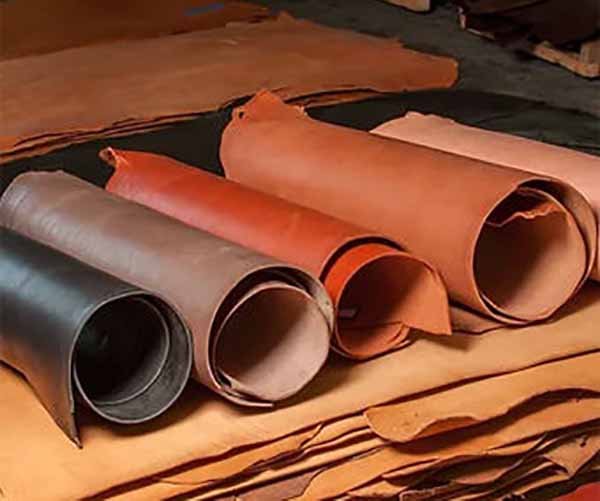
3. Semi-Aniline Leather - Lightly Protected Natural Leather
Where we use it
- Premium wallets
- Gift-oriented products
- Limited Amazon SKUs
Material behavior
- Natural look with light protection
- Sensitive to oil, moisture, and handling
Construction choices we apply
- Folded or turned edges instead of edge paint
- Lower stitch tension
- Minimal hardware contact
- Longer resting time before packing
Amazon return issues this prevents
- “Color uneven”
- “Strong leather smell”
- “Looks used when opened”
We only recommend semi-aniline leather on Amazon when the construction is deliberately simplified.
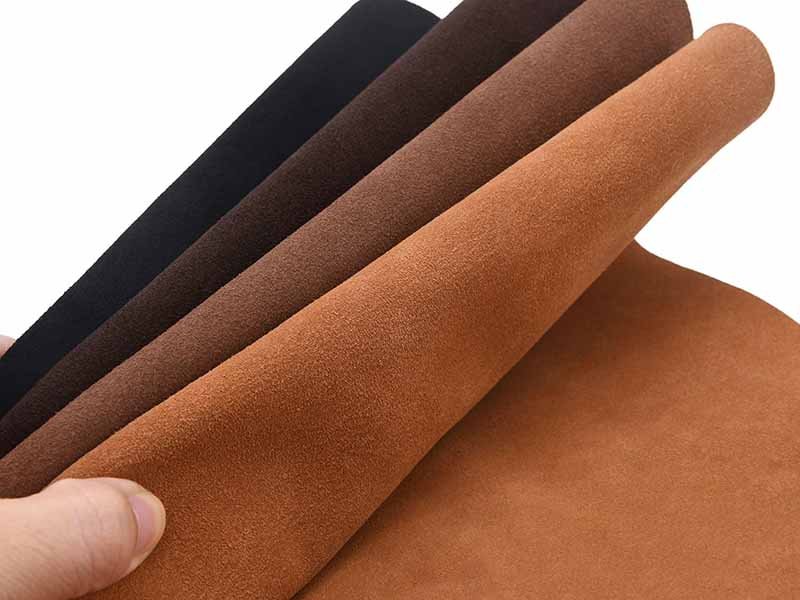
4. Suede / Nubuck Leather
Where we use it (very selectively)
- Pouches
- Soft accessories
- Fashion-driven items
Material behavior
- Open surface
- Directional color shading
- High friction sensitivity
Construction choices we apply
- Strict panel direction control
- Turned edges only (no edge paint)
- Reinforced corners inside the bag
- Protective lining separation
Amazon return issues this prevents
- “Color looks different on different parts”
- “Edges look messy”
- “Wears too fast”
We are very conservative with suede on Amazon and only use it when clients accept the risk.
5. Coated / Hybrid Leather - Split Leather with PU Layer
Where we use it
- Structured bags
- Price-sensitive Amazon categories
- High-volume SKUs
Material behavior
- Very consistent surface
- Lower breathability
- Sensitive to sharp folds
Construction choices we apply
- Larger fold radius at corners
- Internal padding to improve hand feel
- Controlled heat exposure during production
- Edge sealing matched to coating flexibility
Amazon return issues this prevents
- “Cracking at folds”
- “Feels too stiff”
- “Looks artificial after use”
This material performs well on Amazon when fold and edge engineering are done correctly.

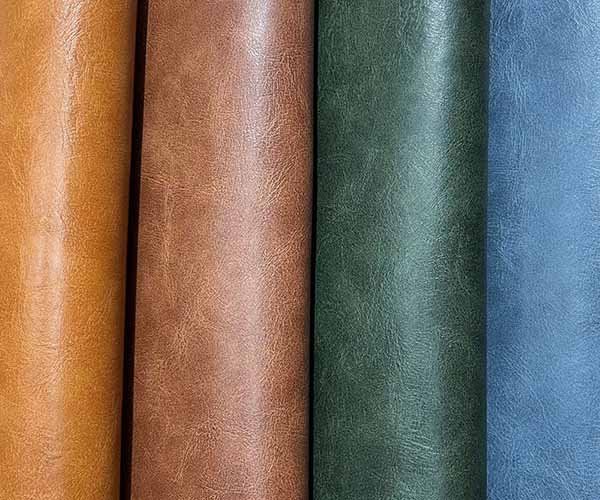
6. Mixed-Leather Construction - Different Leathers in One Product
Where we use it
- Backpacks
- Multi-panel bags
- Function-driven designs
Material behavior
- Different stretch and thickness behavior
- Different aging speed
Construction choices we apply
- Match leathers by behavior, not appearance
- Adjust stitch length per panel
- Separate stress paths for each material
- Test interaction during pilot run
Amazon return issues this prevents
- “One part feels different from another”
- “Bag deforms unevenly”
- “Quality feels inconsistent”
Mixed-leather products only work when construction compensates for material differences.
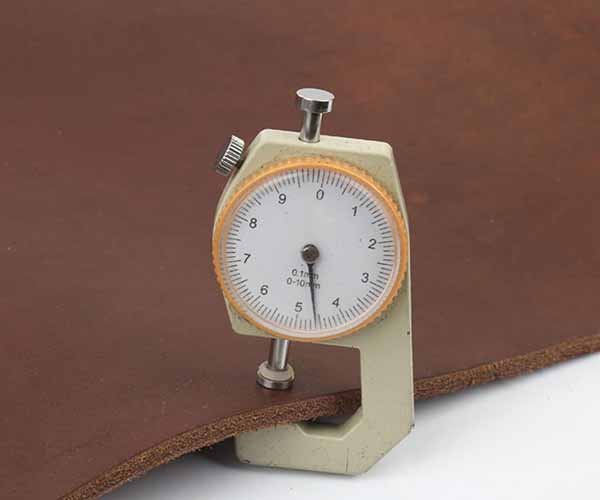
7. Leather Thickness Control
What we actually do
- Thickness defined as a range, not a fixed number
- Different thickness for different zones
Typical execution
- Body panels → stable mid-range thickness
- Fold zones → slightly thinner
- Load zones → reinforced, not thicker leather
Amazon return issues this prevents
- “Too stiff”
- “Too soft”
- “Feels different between units”
Thickness control is one of the most underestimated Amazon risk factors.
How Szoneier Adjusts Design for Amazon Without Killing Aesthetics
Amazon-friendly does not mean cheap or generic
A common fear among sellers is that adapting for Amazon will lower perceived quality. In practice, the opposite is true.
At Szoneier Leather:
- Structure is simplified where it reduces risk
- Reinforcement is hidden, not removed
- Visual elements are preserved while weak points are engineered out
This approach protects both brand image and review performance.
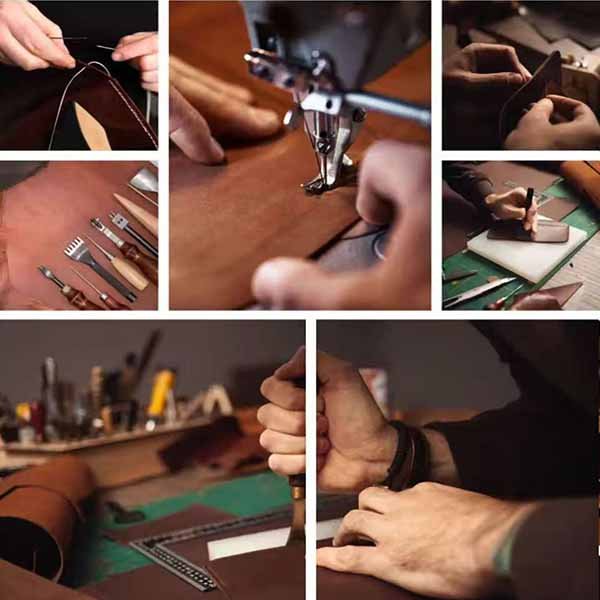
Quality Control Logic for Amazon Leather Products
What is actually checked before products enter Amazon FBA
For Amazon leather products, quality control is not about “general inspection”. It is about blocking the exact problems that trigger returns and negative reviews.
At Szoneier Leather (established 2007, Guangdong, 2 leather goods factories), Amazon-related QC follows a risk-driven inspection logic, not a generic checklist.
Below is how QC is structured specifically for Amazon-bound leather products.
QC Layer 1
Visual Consistency Inspection
What is checked
- Leather tone consistency within the same SKU
- Grain pattern alignment on visible panels
- Stitch spacing uniformity
- Logo position accuracy
Why this matters on Amazon Amazon customers compare units against listing photos and previous purchases.
Typical issues intercepted
- “Color not exactly as shown”
- “Looks different from the one I bought before”
How Szoneier handles it
- Side-by-side comparison during mid-line inspection
- Visual tolerance standards defined during sampling
- Units outside range removed before packing
QC Layer 2
Edge & Corner Durability Check
What is checked
- Edge paint flexibility
- Corner thickness consistency
- Early cracking or flaking signs
Why this matters on Amazon Edge defects often appear within the first 2–4 weeks of use.
Typical issues intercepted
- “Edges peeling”
- “Looks worn too fast”
How Szoneier handles it
- Manual bend testing on finished edges
- Random corner stress checks
- Edge systems validated by leather type, not visually only
QC Layer 3
Stitching & Stress-Point Inspection
What is checked
- Reinforcement at strap bases
- Zipper end stitching
- Handle attachment integrity
Why this matters on Amazon Structural failures trigger immediate returns regardless of aesthetics.
Typical issues intercepted
- “Strap feels loose”
- “Zipper came off”
How Szoneier handles it
- Pull checks at critical stress points
- Stitch density verified against approved specs
- Reinforcement reviewed during both mid-line and final QC
QC Layer 4
Odor & Finishing Control
What is checked
- Residual chemical smell
- Moisture trapped after finishing
- Packaging timing
Why this matters on Amazon Odor complaints lead to returns even when products are otherwise perfect.
Typical issues intercepted
- “Strong smell”
- “Not suitable as a gift”
How Szoneier handles it
- Resting period enforced after finishing
- Products packed only after odor stabilizes
- Packaging materials selected to avoid odor retention
QC Layer 5
Packaging & FBA Readiness
What is checked
- Shape protection during compression
- Inner packing stability
- Label placement and scannability
Why this matters on Amazon Damage during FBA handling is often blamed on the product, not logistics.
Typical issues intercepted
- Shape deformation
- Surface creasing
- Packaging collapse
How Szoneier handles it
- Product-specific inner support
- Compression-aware packing methods
- FBA-oriented packaging review before shipment

Amazon Leather Projects We Have Delivered
Real product types, real constraints, real execution
Instead of naming brands, below are project patterns Szoneier Leather has handled repeatedly for Amazon-focused teams.
Case A — Leather Wallet Line for a US Amazon Brand
Project context
- 5 SKUs
- Initial order: 100 pcs per SKU
- Price-sensitive category
Key challenges
- Leather feel consistency
- Edge durability under daily use
Szoneier execution
- Standardized leather thickness range
- Multi-layer edge finishing system
- Shared QC standard across all SKUs
Result
- Stable reorders without spec changes
- Low early return rate
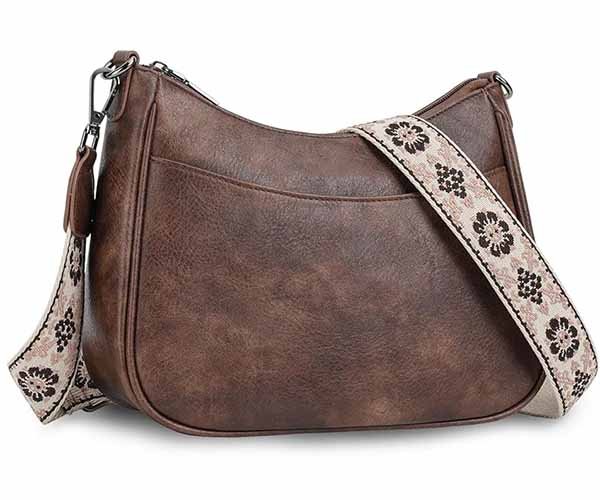
Case B — Leather Crossbody Bag for Lifestyle Amazon Store
Project context
- Single hero SKU
- FBA fulfillment
- Soft structure design
Key challenges
- Strap stress
- Hardware movement
- Shape retention during storage
Szoneier execution
- Internal strap reinforcement
- Hardware load testing during sampling
- Packaging engineered to protect silhouette
Result
- Positive review focus on “solid feel”
- No structural complaints in early batches
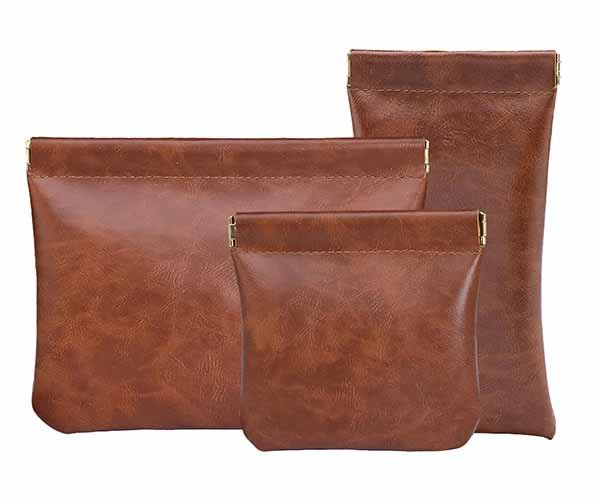
Case C — Leather Pouch Set for Gift-Oriented Listing
Project context
- Multi-piece set
- Strong focus on unboxing experience
Key challenges
- Odor control
- Visual consistency across pieces
Szoneier execution
- Controlled finishing cycle
- Unified leather sourcing for all items
- Packaging review aligned with gifting use
Result
- Reduced “smell” related feedback
- Strong repeat purchase rate
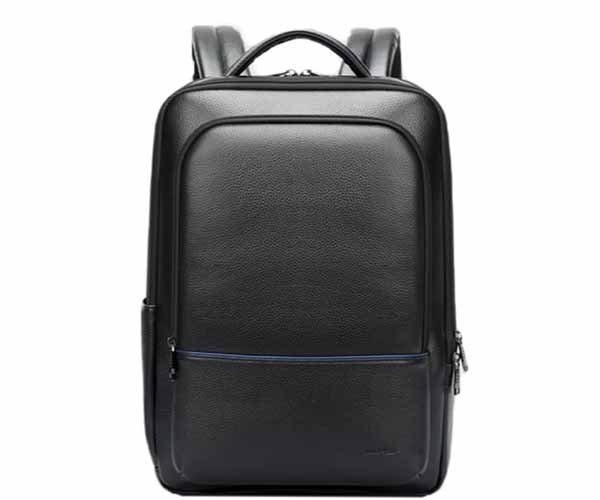
Case D — Leather Backpack for Urban Commuter Category
Project context
- Medium price point
- Load-bearing use
Key challenges
- Strap fatigue
- Base deformation
Szoneier execution
- Reinforced load zones
- Internal support layers
- Stress-point QC checks
Result
- Stable performance through multiple restocks
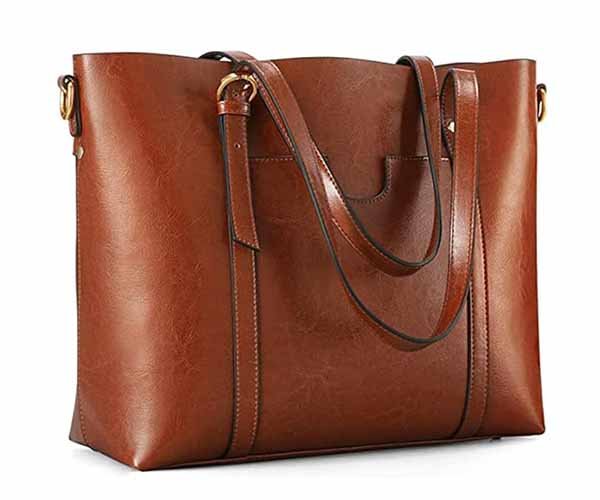
Case E — Seasonal Leather Tote for Amazon Test Launch
Project context
- Limited initial run (50 pcs)
- Fast validation required
Key challenges
- Large panel leather variation
- Short timeline
Szoneier execution
- Controlled cutting zones
- Simplified internal structure
- 20-day bulk completion after approval
Result
- Clear data for scaling decision
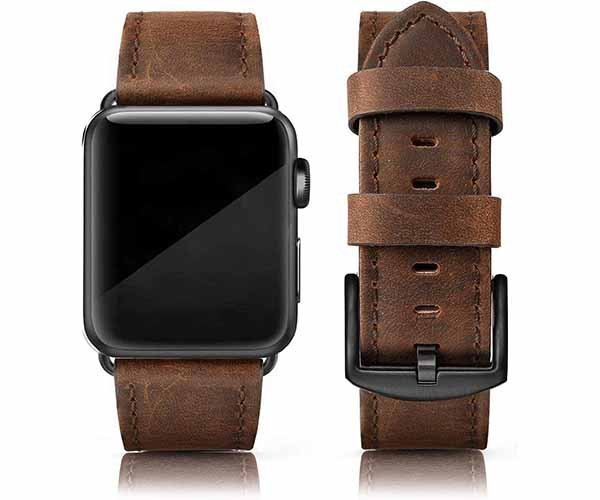
Case F — Leather Accessory SKU for Brand Expansion
Project context
- Supporting SKU for existing listings
Key challenges
- Matching look and feel of existing products
Szoneier execution
- Reference sample matching
- Shared material and construction logic
Result
- Seamless integration into brand lineup
Practical Decision Checklist Before Working with a Leather Manufacturer for Amazon
A factory that fits Amazon must answer these questions clearly
Before committing to a leather manufacturer for Amazon-focused products, experienced sellers usually run through a short internal checklist. Below is the same checklist we encourage teams to use when evaluating Szoneier Leather—or any factory.
Product & Material Control
- Can the factory define acceptable leather variation ranges, not just approve one sample?
- Do they explain why a specific leather type is suitable for Amazon, not just that it looks good?
- Can they adjust leather choice based on return risk, not just cost?
Construction & Durability
- Can they explain how edges, corners, and stress points are engineered?
- Do they recommend design simplification when it reduces Amazon risk?
- Can they show how construction changes for FBA handling?
Sampling & MOQ Reality
- Is low MOQ truly supported, or only “possible in theory”?
- Are samples made using real production materials and methods?
- Can the factory support 20–100 pcs pilot runs without lowering standards?
At Szoneier Leather, low-MOQ runs follow the same engineering and QC logic as bulk production.
Quality Control Logic
- Is QC focused on Amazon-specific failure points?
- Are odor, edge durability, and unit-to-unit consistency checked?
- Can the factory explain what they block before packing, not just what they inspect?
Reorders & Scaling
- Are specs archived for future restocks?
- Will reorders match earlier batches visually and structurally?
- Is there a clear path from pilot run to stable bulk production?
Communication & Project Ownership
- Does the factory ask about Amazon use scenarios, not just drawings?
- Can they explain trade-offs clearly instead of promising everything?
- Do they speak in terms of risk and execution, not just pricing?
If these questions are answered clearly, manufacturing risk is already reduced by more than half.
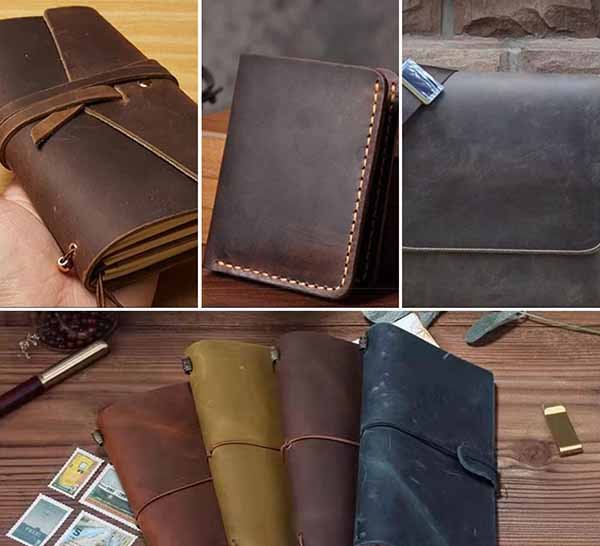
Make A Sample First
If you have your own tech packs, logo design artwork, or just an idea,please provide details about your project requirements, including preferred fabric, color, and customization options,we’re excited to assist you in bringing your leather goods designs to life through our sample production process.
FAQ: Leather Manufacturing for Amazon Sellers
Straight answers to common Amazon-specific concerns
What is your typical MOQ for Amazon leather products?
For most Amazon-focused projects, our MOQ starts from 20–100 pcs per style, depending on leather type and construction. Pilot runs are encouraged before scaling.
Can bulk production really match the approved sample?
Yes—because samples are made using actual production materials and construction methods, not temporary shortcuts. Leather is approved as a range, not a single hide.
How long does bulk production take after approval?
Typical bulk lead time is 15–25 days after final sample approval, depending on complexity and order size.
How do you reduce return-related issues like edge peeling or odor?
Edge systems are selected based on leather behavior, not appearance. Products rest after finishing before packing, and odor stability is checked before shipment.
Can you support FBA-ready packaging?
Yes. Packaging is reviewed based on shape protection, compression resistance, and labeling needs before shipment.
What types of leather products are best for first Amazon launches?
Wallets, pouches, soft crossbody bags, and simplified backpacks usually perform more reliably than highly structured luxury handbags.
Do you support reorders without restarting development?
Yes. Approved specs, reference samples, and material ranges are retained to support fast and consistent reorders.
Can you help adjust designs to reduce Amazon risk?
Yes. Many Amazon projects involve minor structural or material adjustments to improve durability and review performance without changing appearance.
Where is your factory located?
Szoneier Leather operates from Guangdong, China, with two dedicated leather goods factories and an internal engineering and design team.
Do you only work with large Amazon brands?
No. Many projects start as small pilot runs. The key factor is whether the team plans to operate the product long-term, not initial volume.
What usually causes Amazon leather projects to fail?
Inconsistent leather, weak edge construction, poor odor control, and lack of batch repeatability are the most common causes—not pricing.
Start with a Controlled Amazon Leather Project
If you are planning to launch or scale a leather product on Amazon, the safest way to start is not with a large order, but with a controlled, production-grade pilot run.
At Szoneier Leather:
- Projects start with clear use scenarios
- Materials and construction are selected for Amazon conditions
- Low-MOQ pilot runs validate real performance
- Reorders are supported without restarting from zero
If you already have a product idea, sample, or existing Amazon listing, you can share it with us. We will review it from a manufacturing risk and execution standpoint, not a sales angle.
Next steps typically include:
- Reviewing your product concept or existing SKU
- Identifying risk points before production
- Recommending a practical pilot run plan
This approach helps Amazon sellers avoid early mistakes—and build leather products that remain stable across reviews, restocks, and growth.
If you have any questions or need a quote, please leave us a message. Our experts will respond within 12 hours to assist you in selecting the ideal fashion products tailored to your needs.
Exclusive Offer for You
As a first-time buyer, you’ll receive a Free bags Color Card to help you select the right material and shade. Once confirmed, we’ll also provide a Free Sample made by our factory—no extra cost.
For our regular partners, we send New Color Charts multiple times a year—completely free—to support your latest collections.