 Skip to content
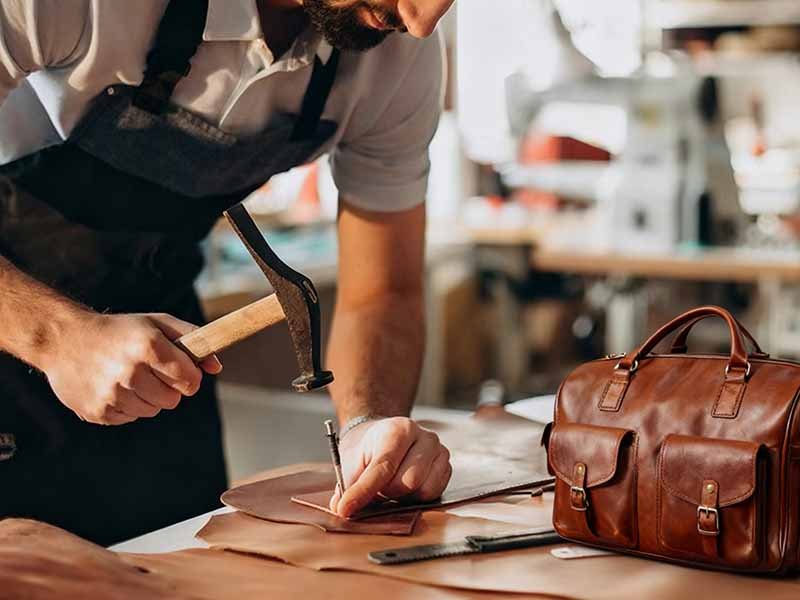
Leather bag making is one of the few manufacturing processes where tradition, craftsmanship, engineering, and luxury branding intersect. Whether it’s a high-end full-grain leather tote or an affordable chrome-tanned crossbody, every leather bag goes through a sequence of decisions—material selection, pattern drafting, cutting, stitching, assembly, and quality inspection—that directly determine its durability, aesthetics, cost, and long-term performance.
Leather bags are made through a structured multi-step manufacturing process that includes material selection, design and pattern creation, leather cutting, stitching, hardware installation, edge finishing, and final quality inspection. Professional leather bag factories follow strict workflows to ensure consistency, durability, and craftsmanship. Every detail—from grain quality to thread tension—affects the final look, strength, and longevity of the bag.
As consumer expectations continue to rise, brands need more than a stylish sketch—they need the right factory partner who understands leather engineering, production efficiency, and market-level quality. That’s why leather bag manufacturing is both an art and a technical discipline. And to understand how brands create world-class leather collections, we must begin with what leather bag manufacturing truly involves.
What Does “Leather Bag Manufacturing” Actually Involve?
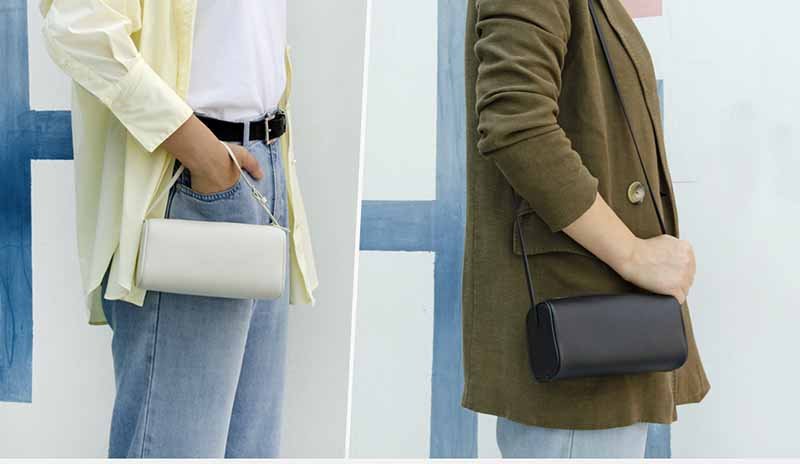
Leather bag manufacturing involves a multi-stage process that includes design development, material sourcing, pattern drafting, leather cutting, stitching and assembly, hardware installation, edge finishing, quality inspection, and packaging. Each step requires specialized skills, precise tools, and strict quality control to ensure durability, structure, and consistent craftsmanship. Premium leather bags rely heavily on professional engineering, reinforcement techniques, and material expertise.
The Full Leather Bag Manufacturing Process
Leather bag manufacturing is not simply sewing pieces of leather together—it is a sophisticated production system that blends craftsmanship, material science, industrial engineering, and brand-level quality control. Every stage directly impacts the final bag’s durability, structure, style, and long-term performance. For brands, understanding this workflow is essential for planning production timelines, pricing strategies, and product differentiation.
To understand what truly happens inside a professional leather bag factory, we must examine the process in its complete sequence, from idea to finished shipment.
1. Concept, Function, and Market Positioning
Every leather bag begins with a purpose. Before a pattern is drawn or a hide is cut, brands must determine:
- What type of bag is being made? (tote, briefcase, crossbody, backpack…)
- Who is the end user? (luxury buyers, office professionals, travelers, students…)
- What is the target retail price?
- What features does the customer value? (structure, softness, large capacity, anti-theft, etc.)
- What leather type fits the brand identity?
This strategic direction influences all downstream decisions—materials, construction methods, reinforcement levels, and hardware selection.
2. Technical Design & Engineering (The “Blueprint Phase”)
Once the concept is clear, designers and technicians convert the idea into a technical blueprint, also known as a tech pack. This step is essential because it transforms creative sketches into factory-ready specifications.
A tech pack includes:
- Bag dimensions (length, width, depth, gusset width)
- Leather type, thickness, finishing, tanning method
- Lining materials and reinforcement layers
- Stitch length (SPI), thread type, and seam type
- Hardware specifications (zippers, D rings, buckles, snaps, clasps)
- Edge finishing style (edge paint vs folded leather)
- Construction method (turned, raw edge, saddle stitch…)
- Layer structure for straps, handles, and bottom panels
- Logo position, embossing type, or custom metal plate
This document eliminates guesswork and ensures the factory understands the exact requirements.
3. Pattern Making (Turning Design into Templates)
Pattern making is the engineering heart of leather manufacturing. Skilled pattern makers create:
- paper or digital templates
- die-cutter shapes
- seam allowances
- reinforcement placements
- lining structures
- pocket geometry
- strap lengths and curves
A single leather bag may require 10–40 pattern pieces, each contributing to structure and shape. Even a 2 mm deviation can distort proportions or cause misalignment.
High-end factories create digital CAD patterns, ensuring optimal precision and minimizing waste during cutting.
4. Leather Selection, Sorting, and Preparation
Not all leather hides are equal. During sourcing, hides are sorted based on:
- grain clarity
- natural marks or scars
- thickness consistency
- softness & handfeel
- tensile strength
- color matching across multiple hides
Because leather is natural, a factory must check each hide individually before cutting. Panel placement avoids scars or loose grain on visible areas like the front panel of a tote or briefcase.
Large brands often specify:
- full-grain or top-grain requirement
- allowed scar percentage
- minimum usable area per hide
- thickness tolerance (±0.1–0.2 mm)
Leather is also split, skived, or laminated to achieve the correct thickness for stitching, folding, or edge painting.
5. Cutting: Manual, Die-Cutting, or CNC Laser Cutting
Cutting is one of the most technical stages because leather stretches differently across the hide. Factories may use:
Hand-Cutting (for luxury and small batch production)
- Highest flexibility
- Ideal for premium full-grain leather
- Ensures every piece avoids defects
Die-Cutting (for medium to large production)
- Metal dies ensure identical shapes
- Best for repetitive, high-volume orders
CNC Cutting (modern, precise, scalable)
- Perfect accuracy
- Optimal hide utilization
- Reduced waste and labor cost
Proper cutting also involves “nesting”—arranging pattern pieces to maximize usable area and minimize cost.
6. Stitching, Assembly & Reinforcement
This is the most labor-intensive stage. Leather is unforgiving: once a needle pierces the surface, the hole is permanent. That’s why craftsmanship here defines 70% of the final product quality.
Stitching considerations include:
- stitch length
- needle type
- thread material (polyester, nylon, or bonded thread)
- seam type (lockstitch, saddle stitch, topstitch)
- tension balance
Reinforcement techniques include:
- bar-tacking stress points
- adding reinforcement leather or fiberboard
- heat-press gluing
- installing rivets in load-bearing areas
Internal construction—such as zipper pockets, card compartments, or padded laptop sections—is assembled before the final closure of the bag.
7. Hardware Installation (Metal Components & Closures)
Premium hardware dramatically elevates bag value. These include:
- YKK zippers
- custom metal logos
- magnetic snaps
- buckles
- swivel hooks
- D-rings
- feet studs
Hardware must be installed with precise pressure to avoid cracking or marking the leather.
8. Edge Finishing, Polishing & Conditioning
Edges are sanded, sealed, and painted (often 2–5 layers). Luxury brands require:
- ultra-smooth, rounded edges
- uniform paint thickness
- hand-burnished finishing
Conditioners and wax are applied to soften the surface and enhance color depth.
9. Final Quality Inspection
Every bag is inspected for:
- seam alignment
- stitch density
- edge paint adhesion
- color consistency
- hardware smoothness
- interior cleanliness
- structural symmetry
- odor control
- packaging accuracy
High-end factories maintain AQL standards (Acceptable Quality Level) to ensure consistency.
10. Packaging & Shipping
Bags are packaged in:
- dust bags
- brand boxes
- tissue protection
- bubble wrapping
- customized cartons
Correct packaging prevents scratches, moisture exposure, and deformation during transport.
Which Types of Leather Are Commonly Used for Making Bags?
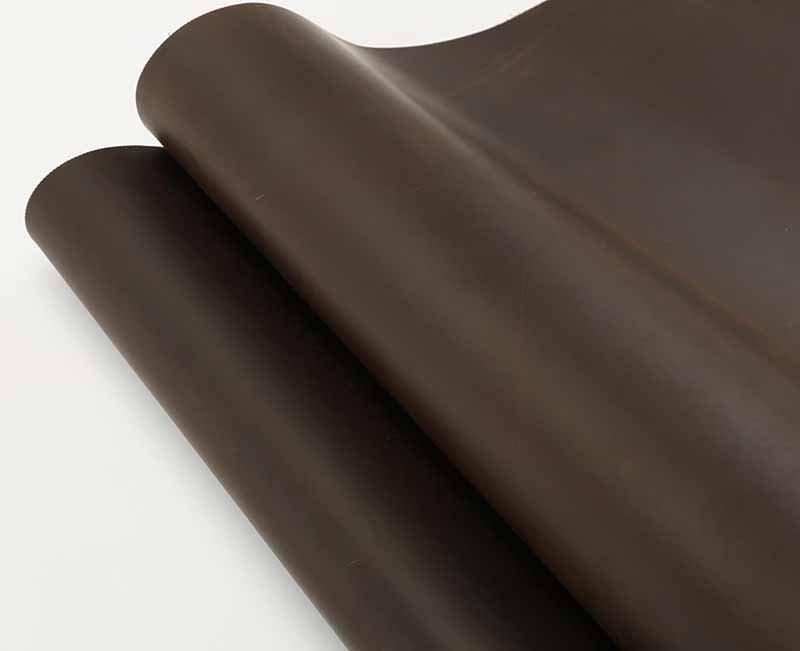
The most common types of leather used for bags include full-grain, top-grain, corrected-grain, genuine leather, suede, and nubuck. Tanning methods such as chrome tanning and vegetable tanning also affect durability, structure, color depth, and price. Full-grain and top-grain leather are preferred for luxury bags, while corrected-grain and PU/microfiber alternatives are used for affordable or vegan-friendly collections.
Choosing the right leather is the single most important decision in bag manufacturing. Leather determines not only the look, texture, and smell of the bag, but also its durability, price point, structure, weight, scratch resistance, and aging behavior.
Professional leather bag factories—like Szoneier Leather—must evaluate leather from both an aesthetic and engineering perspective. Designers consider color, feel, and branding appeal. Engineers consider stretch resistance, fiber alignment, thickness, tensile strength, and how well the leather behaves during cutting, stitching, folding, and edge painting.
Below is the most comprehensive guide of leather types used in bag making.
1. Full-Grain Leather: The Highest Grade
Full-grain leather retains the natural grain surface of the hide. No sanding or buffing is used.
Key Qualities:
- Strongest and most durable leather
- Develops a rich, natural patina over time
- Shows natural markings (high authenticity, luxury appeal)
- Breathable and ages beautifully
Best For:
- Luxury handbags
- Premium briefcases
- High-end travel bags
- Heritage-style leather goods
Manufacturing Considerations:
Full-grain is stiff at first and requires experienced cutting and skiving. It cannot hide imperfections, so factories must use premium A-grade hides only.
2. Top-Grain Leather: The Most Versatile High-End Option
Top-grain leather has the upper layer of the hide but is slightly sanded or corrected for a cleaner, more uniform look.
Key Qualities:
- Smoother and more uniform than full-grain
- Slightly softer and more flexible
- Still very durable
- Easier to mass-produce with fewer defects
Best For:
- Handbags
- Totes
- Structured satchels
- Office bags
- Lifestyle leather bags
Manufacturing Considerations:
Accepts embossing (like Saffiano or crosshatch finishes) very well, making it perfect for brands seeking consistent, high-volume production.
3. Corrected-Grain Leather: Mid-Range & Affordable
Leather that has been sanded, buffed, and treated to remove imperfections, then embossed to mimic natural grain.
Key Qualities:
- More affordable than full/top grain
- Very uniform in appearance
- Scratch-resistant with protective surface coating
Best For:
- Fashion handbags
- Wallets
- Small leather goods
- Affordable mass-market collections
Manufacturing Considerations:
The protective coating makes it durable and stain-resistant but less breathable. However, it provides great cost-value ratio for brands targeting mid-range markets.
4. Genuine Leather (Split Leather): Budget-Friendly Option
The lowest real-leather tier made from the layers below the grain. Often coated or embossed to mimic higher-grade leather.
Key Qualities:
- Economical
- Lightweight
- Suitable for fast-fashion markets
Best For:
- Entry-level handbags
- Promotional bags
- Casual wallets
Manufacturing Considerations:
Not as strong as top or full-grain; used where cost is more important than long-term durability.
5. Suede: Soft, Velvety Finish
Made from the underside of the hide, giving it a velvety, soft texture.
Key Qualities:
- Luxurious soft feel
- Lightweight and flexible
- Unique matte appearance
Best For:
- Fashion handbags
- Small accessories
- Shoe panels
- Soft-structure bags
Manufacturing Considerations:
Requires lining to maintain shape; sensitive to moisture and stains.
6. Nubuck: Luxury Soft-Sanded Grain Leather
Top-grain leather that is lightly buffed to create a velvety texture—similar to suede but stronger.
Key Qualities:
- More durable than suede
- Rich, premium look
- Softer feel with strong structural integrity
Best For:
- High-end handbags
- Luxury accessories
Manufacturing Considerations:
Requires protective treatments against stains; more expensive than suede.
7. Exotic Leathers (Niche & Premium)
Examples:
- Crocodile
- Ostrich
- Snakeskin (python)
- Lizard
Key Qualities:
- Unique visual texture
- Very expensive
- Often used for luxury brands
8. Chrome-Tanned Leather: The Modern Standard
Leather tanned using chromium salts—fast, flexible, color-stable.
Key Qualities:
- Soft and versatile
- Available in a huge color range
- Less expensive than veg-tan
- Resistant to water and heat
Best For:
- Handbags
- Wallets
- Fashion accessories
- Backpacks
Why It’s Common:
90% of global leather production is chrome-tanned due to speed, cost efficiency, and softness.
9. Vegetable-Tanned Leather: Traditional, Natural & Premium
Tanned using natural plant extracts, takes 30–60 days to produce.
Key Qualities:
- Strong, firm, structured
- Ages beautifully (darkens over time)
- Eco-friendly tanning process
- Excellent for structured bags
Best For:
- Briefcases
- Belts
- Straps
- Luxury heritage bags
10. Alternative Leathers (PU, Microfiber, Vegan Leather)
Types:
- PU leather
- Microfiber leather
- Recycled leather composites
- Plant-based vegan leather
Why Brands Use Them:
- Budget-friendly
- Color-stable
- Scratch-resistant
- Widely accepted in vegan markets
Best For:
- Entry-level fashion bags
- Fast-moving consumer brands
- Vegan leather product lines
Which Leather Should Brands Choose?
| Leather Type | Durability | Price Level | Best For | Market Position |
|---|---|---|---|---|
| Full-Grain | ★★★★★ | High | Luxury bags | Premium brands |
| Top-Grain | ★★★★☆ | Mid–High | Everyday bags | Mid–Premium |
| Corrected-Grain | ★★★☆☆ | Mid | Fashion bags | Mass market |
| Genuine Leather | ★★☆☆☆ | Low | Entry-level | Budget |
| Suede | ★★★☆☆ | Mid | Soft bags | Fashion |
| Nubuck | ★★★★☆ | High | Premium bags | Luxury |
| Chrome-Tanned | ★★★★☆ | Mid | Most bags | Universal |
| Veg-Tanned | ★★★★★ | High | Structured bags | Premium heritage |
| PU/Microfiber | ★★★☆☆ | Low | Vegan bags | Budget–Mid |
How Do You Design and Develop a Leather Bag for Production?
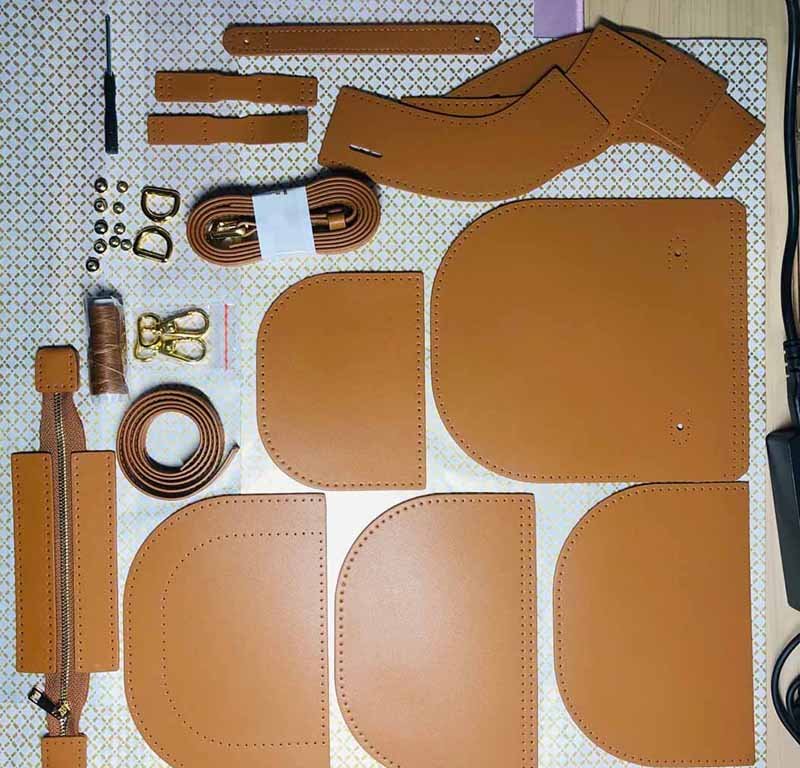
Designing and developing a leather bag for production involves concept creation, market positioning, technical drawing, drafting a complete tech pack, choosing materials and hardware, pattern making, prototyping, revising samples, and preparing the product for mass manufacturing. Each step ensures the bag’s structure, usability, durability, and cost efficiency while aligning with brand identity and quality standards.
Designing a leather bag is not simply sketching a shape or choosing a leather swatch—it is a multidisciplinary engineering process that defines functionality, aesthetics, cost, manufacturing feasibility, and brand value. For brands, this phase ultimately determines whether the product will succeed in the market or fail due to poor structure, uncomfortable proportions, or manufacturing complications.
Here is the complete professional workflow, used by top leather factories such as Szoneier Leather.
1. Concept Development & Market Positioning
Before a single line is drawn, brands must define:
1) Purpose of the bag
Is it a fashion tote? A structured luxury briefcase? A soft crossbody? A large travel duffel? Purpose determines:
- shape
- reinforcement level
- material class
- hardware selection
- target retail price
2) Target audience
- Luxury consumers
- Office professionals
- Travelers
- Students
- Minimalist fashion buyers
- Outdoor users
Understanding the user helps ensure ergonomic design and relevant functionality.
3) Price positioning
A $350 full-grain luxury tote requires different construction techniques than a $60 PU handbag.
4) Features and functions
Examples:
- laptop compartment
- multiple pockets
- security zipper
- adjustable straps
- hidden compartments
- water-resistant lining
- premium hardware
A professional leather bag factory needs these answers before development begins.
2. Turning Creative Ideas into Technical Drawings
Once brand vision is defined, the design department transforms conceptual sketches into technical drawing sets.
These include:
- front view
- back view
- side/gusset view
- top/bottom view
- internal structure diagram
- pocket layout diagrams
- hardware placement map
Each drawing must include precise measurements down to the millimeter.
Technical drawings ensure:
- consistency during sampling
- predictable pattern making
- accurate leather cutting
- factory alignment across teams
Without these drawings, mass production results become inconsistent.
3. Creating a Complete Leather Bag Tech Pack (The “Blueprint”)
A tech pack is the most important document in leather bag production. It ensures that 100 bags—or 100,000 bags—are made exactly the same way.
A complete leather bag tech pack includes:
A. Dimensions & Pattern Mapping
- All panel measurements
- Seam allowances
- Gusset width
- Strap length, thickness, and layer composition
B. Leather Specifications
- Leather type (full grain, top grain, veg-tan, etc.)
- Thickness range (e.g., 1.6–1.8 mm)
- Softness (firm, semi-soft, buttery soft)
- Surface treatment (pebble, smooth, pull-up, embossed)
C. Lining & Reinforcement
- Polyester, microfiber, suede lining
- Foam inserts
- Fiberboard or reinforcement leather
- Bottom base reinforcement panel
D. Hardware List
- Zippers (YKK, SBS, custom metal)
- Buckles, D-rings, strap adjusters
- Rivets and screw studs
- Magnetic snaps
- Metal logo plates
E. Stitching & Construction Details
- Stitch length (SPI)
- Thread material (nylon, polyester, bonded thread)
- Edge painting type & number of layers
- Backing material behind stress points
F. Branding Requirements
- Logo embossing
- Placement of metal nameplates
- Woven labels
G. Packaging Instructions
- Dust bag specifications
- Box dimensions
- Protective wrapping
- Barcode placement
4. Pattern Making: Turning 2D Designs into 3D Structures
Pattern makers convert the tech pack into real templates. They engineer:
- leather panels
- pocket pieces
- lining templates
- reinforcement inserts
- handle and strap layers
- zipper panels
- gussets and curves
- top and bottom panels
Patterns must account for:
- grain stretch
- fold thickness
- edge paint thickness
- seam allowance
- turning radius
- bag structure under load
Even a 2 mm miscalculation can alter bag shape and cause structural imbalance.
High-end factories like Szoneier use:
- CAD (computer-aided design) software
- laser or CNC cutting machines
- calibrated pattern boards for manual cutting
Accurate pattern making ensures consistent mass production and reduces waste.
5. Prototyping: Bringing the Design to Life
Prototyping is where brands see the first real version of the bag.
This stage includes:
A. Cutting the correct leather sample hide
Leather behavior varies by finish—smoother, stretchier, or firmer.
B. Testing the structure
Questions answered at this stage include:
- Does the bag keep its shape?
- Does it sag?
- Are the handles comfortable?
- Is the strap length correct?
- Does the zipper open smoothly?
- Is the weight balanced?
C. Checking pocket practicality
Internal pockets are often redesigned based on actual user experience.
D. Adjusting thickness, reinforcement & hardware
If the bag feels too soft or too heavy, technicians adjust:
- reinforcement materials
- leather thickness via skiving
- foam padding
- hardware type
E. Reviewing finish quality
Edges, stitching, and panel alignment are inspected.
F. Creating the revised prototype
Most bags require 2–3 rounds of prototyping before approval.
6. Cost Engineering for Mass Production
Brands must balance quality and cost. Factories help optimize:
- leather yield
- panel layout
- reinforcement materials
- stitching complexity
- hardware combinations
- packaging costs
Small adjustments can reduce costs by 10–30% without changing appearance.
7. Pre-Production Sample (PPS) Approval
Before mass production begins, the factory produces a pre-production sample:
- Using the exact materials
- Using final patterns
- Using final stitching settings
- Using final hardware
- Using final packaging
8. Production Preparation
Once the PPS is approved, the factory prepares:
- large-scale cutting dies
- leather allocation plans
- production-line instructions
- quality checkpoints
- hardware inventory
- sewing machine tension settings
- edge paint color batches
Efficient preparation ensures smooth production.
How Is a Leather Bag Cut, Stitched, and Assembled in the Factory?
A leather bag is produced through a precise manufacturing workflow that includes cutting leather panels, skiving edges, reinforcing structural areas, stitching components together, assembling hardware, attaching straps and handles, turning the bag right-side-out, edge painting, and final quality inspection. The process requires skilled craftsmanship, industrial machinery, and strict control of leather thickness, grain direction, tension, and reinforcement to achieve consistent quality in mass production.
Turning a flat piece of leather into a fully constructed luxury bag is a combination of engineering, craftsmanship, and controlled production systems. Factories like Szoneier Leather use a blend of traditional craftsmanship and modern industrial techniques to ensure high durability, consistent shape, and premium finish.
Below is the step-by-step professional manufacturing process used in real leather bag factories.
1. Material Preparation and Leather Selection
Before cutting begins, the factory inspects and categorizes leather hides.
A. Inspecting Leather Quality
Every hide is checked for:
- scars
- insect bites
- loose fibers
- stretch marks
- uneven grain
- soft/weak spots
- color variations
A-grade hides are reserved for front panels, handles, and visible areas. B- and C-grade hides are used for internal or less noticeable panels.
B. Moisture Conditioning
Leather may be conditioned (humidified lightly) to make cutting and folding more consistent, especially for vegetable-tanned leather.
C. Determining Leather Yield
Optimizing cutting patterns reduces waste and lowers production cost. Szoneier technicians calculate exact hide yield per bag model before cutting starts.
2. Cutting the Leather Panels
Cutting is one of the most crucial steps because it determines the bag’s symmetry and structure.
Factories use three methods:
A. Hand Cutting (High-End & Small Batch)
Skilled artisans use:
- rotary knives
- skiving blades
- straight knives
- clicking knives
Hand cutting is best for:
- small production runs
- bespoke bag designs
- exotic leathers
Advantages:
- maximum precision
- zero heat damage
- flexibility for complex shapes
B. Die Cutting (Standard Mass Production)
Metal cutting dies (cookie-cutter shapes) ensure perfect consistency.
Benefits:
- fast
- exact shape every time
- optimized for high volume
Each pattern piece gets its own cutting die.
C. Laser or CNC Cutting
For ultra-precise cutting and prototyping.
Benefits:
- clean edges
- perfect curves
- digital pattern integration
Used for modern full-grain and microfiber leather production.
Grain Orientation Matters
Cutters must follow:
- grain direction
- stretch direction
- fiber density
Incorrect grain alignment may cause:
- sagging
- twisting
- uneven shape
- weak handles
This makes cutting a high-skill, high-responsibility role in leather manufacturing.
3. Skiving: Thinning the Leather for Assembly
Leather edges are skived (thinned) to reduce bulk when folded or stitched.
Why Skiving Is Essential
- prevents edge cracking
- ensures flat seams
- allows smooth turning
- reduces tension on corners
- maintains clean finish
Parts Commonly Skived
- handles
- straps
- pocket edges
- gusset corners
- zipper panels
- folded edges
Typical target thickness after skiving:
- handles: 1.2–1.4mm
- body panels: 1.6–1.8mm
- pocket edges: 0.8–1.0mm
Skiving can be:
- feather skiving (tapered)
- straight skiving
- channel skiving
- double-skiving (two-step thinning)
Factories like Szoneier use industrial skiving machines to maintain exact consistency.
4. Reinforcing Structural Areas
Different reinforcement materials are used based on bag style:
A. Reinforcement Types
- fiberboard
- foam padding
- PE board
- heavy interfacing
- reinforcement leather
- canvas backing
- EVA sheet (for structured bags)
B. Areas That Require Reinforcement
- bottom panel
- zipper line
- handle attachment point
- D-ring section
- shoulder strap connectors
- pocket openings
C. Stitch Stress Testing
Reinforced areas must pass:
- pull resistance
- tear strength
- cycle testing
A well-reinforced leather bag lasts 5–10+ years.
5. Preparing Pockets, Linings & Sub-Assemblies
Before the main body is stitched, factories create small components:
- zipper pockets
- slip pockets
- padded laptop compartments
- exterior patch pockets
- smartphone pockets
- decorative flaps
- logo patches
These are stitched separately and prepared for final assembly.
Lining Construction
Factories use:
- polyester
- microfiber
- suede lining
- cotton canvas
Each lining piece is cut, stitched, and sometimes reinforced before being attached to the leather shell.
6. Stitching the Leather Panels & Components
The leather assembly phase uses industrial sewing machines such as:
- DURKOPP-ADLER
- JUKI
- Pfaff
- Highlead
A. Stitch Length (SPI)
Standard ranges:
- luxury bags: 6–8 SPI
- mass-market bags: 5–6 SPI
Fine stitching improves aesthetics but increases production cost.
B. Thread
Thread affects durability:
- bonded nylon (strongest)
- polyester thread (stable & colorfast)
- linen thread (for hand stitching)
C. Machine Stitching vs Hand Stitching
- Machine stitching = speed + consistency
- Saddle stitching (hand-stitched) = luxury finish but expensive
D. Common Stitching Techniques
- topstitching
- edge stitching
- folded seam
- turned seam
- binding with leather or fabric tape
- french seam
- hidden seam
Each method changes the bag’s structural feel.
7. Attaching Hardware
Hardware components include:
- zippers
- buckles
- D-rings
- rivets
- metal logos
- swivel hooks
- magnetic snaps
Hardware Attachment Methods
- rivet press machine
- screw-in hardware
- reinforced sewing
- welded attachment rings
- double-layer reinforcement
Hardware must align precisely with load-bearing areas.
8. Main Body Assembly & Turning the Bag
Once panels are stitched:
A. Assembling Outer Shell
The outer leather body is stitched together panel by panel:
- front + back
- bottom + gusset
- sides
- zipper line
B. Turning the Bag Right-Side-Out
The bag is turned through a small opening—this requires:
- softening corners
- shifting reinforcements
- reshaping structure
C. Attaching the Lining
Lining is inserted and closed with a hidden stitch or topstitch.
D. Attaching Handles & Straps
Handles are:
- glued
- stitched
- reinforced with rivets or screw studs
Shoulder straps must be tested for load-bearing capacity.
9. Edge Painting, Polishing & Finishing
A. Edge Painting
Leather edges are sealed with:
- Italian polyurethane edge paint
- water-based edge coat
Number of layers: 3–8 layers depending on luxury level.
B. Burnishing
Vegetable-tanned leather edges may be burnished with:
- wax
- gum tragacanth
- canvas cloth
C. Polishing & Conditioning
Bags are polished to:
- remove glue marks
- even out surface tone
- enhance luster
Leather conditioner may be applied for protection.
10. Final Quality Control (QC)
Before packaging, each bag undergoes:
Structural Tests
- handle pull test (≥ 20kg)
- strap tension test
- zipper stress test
Visual Checks
- grain uniformity
- stitching straightness
- edge paint smoothness
- hardware alignment
Functional Tests
- pocket usability
- zipper smoothness
- weight distribution
Only after passing QC is the bag approved for packaging.
Which Quality, Testing, and Finishing Steps Matter Most?
The most important quality, testing, and finishing steps in leather bag manufacturing include material inspection, thickness and tensile-strength testing, colorfastness checks, stitch integrity testing, hardware durability tests, edge-paint quality checks, zipper smoothness assessment, final structural evaluation, and strict visual inspection. These steps ensure that the bag meets durability, aesthetic, and safety standards before being approved for packaging and shipment.
High-quality leather bags do not happen by accident—they result from a disciplined quality control (QC) system, combined with skilled craftsmanship, modern machinery, and scientific testing. A professional manufacturer such as Szoneier Leather uses more than 20 quality checks throughout production to ensure every piece is consistent, durable, safe, and retail-ready.
Below is the full guide of the most critical quality, testing, and finishing procedures in leather bag manufacturing.
1. Raw Material Quality Inspection
Leather quality determines 60% of a bag’s performance, so inspection begins immediately upon receiving raw materials.
A. Leather Surface Inspection
Technicians inspect the full hide under bright, even lighting:
- scars and cuts
- insect bites
- bruises
- wrinkles
- loose grain
- uneven coloration
- fiber density consistency
Visual grading (A, B, C grades) determines how different parts of the hide will be used.
B. Thickness Calibration
A digital caliper measures leather thickness:
- Outer panels: 1.6–2.0 mm
- Handles: 1.8–2.4 mm (after reinforcement)
- Pockets: 1.0–1.2 mm
- Lining leather: 0.6–0.8 mm
Accuracy is essential—too thick causes stiffness; too thin compromises strength.
C. Softness & Elasticity Testing
Leather that is too stretchy can deform during stitching. Technicians examine:
- fiber firmness
- stretch percentage
- recovery ability
This determines whether additional reinforcement is needed.
D. Colorfastness Testing
A colorfastness rub test uses:
- a dry cloth
- a wet cloth
- alcohol
If color transfers easily, the batch is rejected or coated before use.
2. Cut Panel Inspection (Post-Cutting QC)
Once leather panels are cut, QC ensures all pieces meet dimensional and visual standards.
A. Dimensional Accuracy Check
Pattern tolerances must be within ±1–2 mm.
Technicians measure:
- panel size
- corner radius
- hole location
- gusset width
- zipper length area
B. Grain Direction Verification
Panels must align correctly to prevent twisting or sagging.
C. Edge Condition
Edges must be:
- smooth
- free of frays
- free of cracks
If edges are weak, the piece must be re-cut or reinforced.
3. Reinforcement & Internal Structure Testing
A bag’s lifespan depends heavily on internal reinforcement—much of which customers never see.
A. Handle Load Test
Handles must support 20–40 kg depending on design.
B. Strap Anchor Tension Test
Strap attachment points undergo:
- pull testing
- cycle load testing
- seam tear resistance tests
C. Bottom Panel Strength
For totes, duffels, and travel bags, the bottom panel must withstand continuous load pressure.
D. Foam & Board Reinforcement Check
Technicians verify:
- foam density
- board thickness
- placement coverage
Incorrect internal reinforcement leads to customer dissatisfaction and product failure.
4. Stitching Quality & Seam Integrity Testing
Stitching is the most visible craftsmanship element. Factories test it thoroughly.
A. Stitch Density (SPI) Inspection
Luxury bags: 6–8 SPI Affordable bags: 5–6 SPI
Consistent SPI ensures:
- strength
- visual uniformity
- predictable tension
B. Seam Strength Testing
QC performs:
- pull tests at seams
- tear resistance tests
- handle-seam joint reinforcement check
Seam failure is unacceptable for premium leather goods.
C. Thread Quality
Bonded nylon and polyester threads are tested for:
- tensile strength
- UV resistance
- chemical resistance
Cheap thread can cause delayed failures months after purchase.
D. Visual Stitch Inspection
Inspectors check:
- straightness
- alignment
- skip stitching
- knot exposure
- inconsistency
- tension imbalance
High-end brands require exceptionally clean stitch lines.
5. Hardware Quality & Durability Testing
Hardware quality affects both performance and brand perception.
A. Metal Strength & Finish Tests
Hardware is tested for:
- scratch resistance
- plating adhesion
- salt spray corrosion resistance
- weld point strength
Luxury hardware often uses Zinc alloy, Brass, or Stainless Steel.
B. Zipper Testing
Zippers undergo:
- pull cycle testing (5,000–10,000 cycles)
- smoothness checks
- tooth alignment inspection
- slider lock strength test
YKK or custom metal zippers are preferred for premium bags.
C. Magnetic Snap Testing
Magnets are checked for:
- engagement force
- coating durability
- alignment accuracy
D. Rivet & Stud Reinforcement Check
Rivets must not loosen or rotate.
QC confirms:
- compression pressure
- uniform head finish
- alignment
Hardware failure is a major reason for customer returns—this step is essential.
6. Edge Painting, Burnishing & Finish Quality Inspection
Leather edges greatly influence perceived craftsmanship.
A. Edge Paint Layer Testing
Edges receive 3–8 layers depending on luxury level.
QC confirms:
- smoothness
- uniform thickness
- chip resistance
- adhesion strength
B. Burnished Edge Check (for veg-tan leather)
Edges must appear:
- sealed
- glossy
- smooth to touch
C. Adhesive Inspection
Glue marks or overflow are polished or removed.
7. Functional Testing
Even structurally sound bags may fail functionally. The factory tests all functional components.
A. Strap Adjustability Test
Straps are pulled, adjusted, and stress-tested.
B. Pocket Usability Test
QC verifies:
- accessibility
- pocket depth
- internal stitching security
C. Opening and Closing Test
Every zipper and flap is tested repeatedly.
D. Weight Distribution & Balance
Bags should not:
- lean
- collapse
- twist
- become unstable under load
E. Internal Capacity Check
Ensures the bag meets intended functionality (laptop size, travel capacity, etc.).
8. Final Shape & Structural Evaluation
A high-quality leather bag must maintain shape under real conditions.
QC evaluates:
- symmetry
- corner alignment
- standing ability
- panel smoothness
- reinforcement consistency
Bags that collapse or distort are rejected or reworked.
9. Visual Inspection
Inspectors check external appearance for:
- scratches
- grain mismatches
- hardware alignment
- edge paint consistency
- stitching uniformity
- color uniformity
Panels must match closely even across different parts of the hide.
10. Safety & Compliance Testing
Depending on destination market (US, EU, Japan), the bag may be tested for:
- REACH compliance
- California Proposition 65
- Nickel release in metal hardware
- Formaldehyde content
- Colorfastness against sweat & abrasion
Premium factories like Szoneier maintain compliance documentation.
11. Packaging QC
Before shipment, QC checks:
- dust bag quality
- tissue paper placement
- silica gel packets
- hang tags
- barcode accuracy
- retail box condition
Proper packaging prevents deformation and hardware scratches during transit.
How Much Does It Cost to Manufacture Leather Bags?
The cost to manufacture a leather bag typically ranges from $18 to $120+ depending on leather type, craftsmanship level, hardware quality, stitching complexity, production scale, and region of manufacture. Premium full-grain or vegetable-tanned bags with custom hardware cost more, while simpler bags using corrected-grain or PU leather are more affordable. Sampling, labor, reinforcement, and packaging also influence the final production cost.
Understanding the cost structure of leather bag manufacturing is crucial for brands seeking to price their products competitively while maintaining durability, aesthetic appeal, and brand value. Costs vary significantly depending on materials, design complexity, machinery, labor inputs, and factory capabilities.
Below is a comprehensive look at every cost component a brand needs to know when working with a factory like Szoneier Leather.
1. Material Costs: The Largest Portion of the Budget (40–60%)
Materials typically represent the highest percentage of total manufacturing cost.
A. Leather Type & Cost Impact
Different leather types have dramatically different price ranges:
| Leather Type | Typical Cost per sq.ft | Cost Impact | Typical Bag Type |
|---|---|---|---|
| Full-grain | $4.5–$9.0 | Highest | Luxury bags, briefcases |
| Top-grain | $3.0–$6.0 | High | Premium handbags |
| Veg-tanned | $6.0–$12.0 | Very high | Structured bags, belts |
| Corrected-grain | $1.8–$3.2 | Mid | Fashion handbags |
| Split leather | $1.0–$1.8 | Low | Budget bags |
| Suede | $2.5–$4.5 | Mid | Soft fashion bags |
| Nubuck | $4.0–$7.0 | High | Premium soft bags |
| Microfiber (vegan leather) | $0.8–$1.5 | Low | Vegan bags |
| PU leather | $0.5–$1.2 | Lowest | Entry-level bags |
Key Insight:
A typical handbag requires 4–6 sq.ft of leather. A travel duffel may require 10–18 sq.ft, dramatically raising cost.
B. Lining and Reinforcement Costs
Most professional leather bags use lining materials such as:
- microfiber suede
- polyester fabric
- cotton canvas
- bonded leather
- EVA foam
- PE board
- fiberboard
Costs range from:
- $0.60–$3.00 per bag depending on structure.
Quality lining adds durability and improves perceived value.
C. Hardware Costs
Hardware is often the second-largest contributor to cost.
Hardware options include:
- zippers (YKK, metal, SBS, custom branded)
- D-rings
- buckles
- studs and rivets
- strap adjusters
- magnetic snaps
- logo plates
- feet studs
| Hardware Type | Typical Cost |
|---|---|
| PU-coated hardware | $0.20–$0.60 |
| Basic zinc alloy hardware | $0.50–$1.20 |
| Premium zinc alloy hardware | $1.50–$3.00 |
| Solid brass hardware | $3.00–$10.00 |
| YKK Metal Zipper | $1.20–$4.00 |
Key Insight:
A luxury leather bag may contain $10–$25 worth of hardware alone.
2. Labor Cost
Labor is the second most important cost factor and varies depending on:
- stitching complexity
- number of panels
- reinforcement layers
- hand-stitching vs machine stitching
- edge painting layers
- assembly difficulty
- size of the bag
- experience level of workers
Average Labor Cost per Bag:
| Bag Type | Labor Cost Range |
|---|---|
| Simple pouch | $2–$4 |
| Small handbag | $4–$8 |
| Structured handbag | $7–$15 |
| Luxury tote | $10–$20 |
| Briefcase | $15–$30 |
| Travel duffel | $20–$40 |
| Fully hand-stitched bag | $50–$200 |
Why Labor Costs Rise for Premium Bags
Premium leather bags require:
- more reinforcement
- thicker leather (harder to stitch)
- more accurate edge painting (5–8 layers)
- internal pockets and compartments
- precise alignment of many small components
3. Cutting, Pattern Making & Tooling Costs
A. Pattern Making
Professional factories create patterns manually or via CAD.
Cost range (brand pays once):
- $30–$150 per style (simple bags)
- $150–$450 per style (complex structures)
B. Cutting Dies
Metal cutting dies may be needed for mass production.
Cost range:
- $50–$300 per die
- A single bag may require 5–20 dies, depending on complexity.
C. CNC or Laser Cutting
Factories charge more for technologically precise cutting.
4. Sample Cost (Prototype Development)
Sampling is typically more expensive because:
- it is hand-made
- uses premium hides
- requires pattern adjustment
- takes senior technicians more hours
Typical Sample Costs:
| Bag Type | Sampling Cost |
|---|---|
| Simple pouch | $30–$50 |
| Small handbag | $50–$120 |
| Structured leather handbag | $120–$250 |
| Briefcase | $200–$350 |
| Large travel duffel | $250–$450 |
Sampling is usually refundable or deducted from bulk order costs depending on MOQ.
5. Production Scale & MOQ Cost Impact
The more you produce, the lower your per-unit cost.
Typical Cost Impact Examples
- 50 pcs → Highest cost/unit
- 100 pcs → 5–12% cost reduction
- 300 pcs → 10–25% cost reduction
- 500+ pcs → 20–35% cost reduction
This is due to:
- bulk material pricing
- efficient production lines
- reduced waste
- shared labor time
Factories like Szoneier support low MOQs (50–100 pcs) for boutique brands.
6. Packaging Costs
Packaging affects perceived quality and brand identity.
Common Packaging Types:
| Packaging Type | Cost |
|---|---|
| Basic polybag | $0.05–$0.20 |
| Cotton dust bag | $0.30–$1.20 |
| Microfiber dust bag | $0.70–$2.50 |
| Craft gift box | $1.00–$3.50 |
| Premium rigid box | $3.00–$8.00 |
| Custom inserts & printed boxes | $1.50–$10.00 |
Luxury packaging can add 15–20% to total cost.
7. QC & Compliance Costs
Premium factories invest in:
- multi-stage QC
- hardware durability testing
- stitch tension testing
- colorfastness testing
- REACH / CA Prop 65 compliance
- nickel-free hardware testing
- drop testing
- carton testing
These add $0.50–$3.00 per bag, depending on requirements.
8. Shipping Costs
Shipping varies based on:
- weight
- destination country
- shipping method
- volume
Typical Shipping Cost Examples
| Region | Cost per Bag (approx.) |
|---|---|
| USA (by sea) | $0.70–$2.50 |
| USA (by air) | $4–$12 |
| Europe (by sea) | $0.60–$2.00 |
| Europe (by air) | $4–$10 |
| Asia | $0.40–$1.20 |
Large leather bags weigh more, increasing shipping cost.
Conclusion
Creating a high-quality leather bag is far more than cutting leather and stitching panels together—it is an intricate balance of materials engineering, precise craftsmanship, cost optimization, and brand-aligned design execution. From selecting the right grade of leather to understanding the impact of hardware, stitching density, reinforcement structure, and finishing methods, every decision shapes the final product’s durability, feel, and retail value.
Brands that succeed in the leather goods market do one thing exceptionally well: they partner with a factory that understands both the art and the science behind leather manufacturing.
From luxury handbags to structured briefcases, from leather wallets to belts, straps, and accessories—we help brands transform creative concepts into market-ready, retail-grade leather products.
What You Get When You Work With Szoneier Leather
Whether you’re launching your first leather goods line or expanding an existing collection, Szoneier provides a full suite of development and manufacturing services:
You’ve already explored how leather bags are designed, engineered, and manufactured. You understand the cost structure and the craftsmanship behind every panel and stitch. Now it’s time to bring your ideas to life.
Whether you need:
- a signature handbag line
- premium men’s briefcases
- minimalist leather backpacks
- leather wallets and small goods
- duffel bags and travel accessories
- luxury straps, belts, or leather packaging
Szoneier Leather is ready to collaborate.
Ready to Start Your Custom Leather Bag Project?
Tell us about your idea, sketches, or reference samples. We’ll prepare leather swatches, design suggestions, and an accurate quote. Your first prototype will be ready in as little as 7–15 days.
Contact Szoneier Leather today Let’s create a leather goods collection that truly represents your brand’s identity, craftsmanship, and value.


