
Professional Leather Bag Manufacturers in China
Custom Leather Bags · OEM & Private Label Manufacturing · Low MOQ 20 pcs
China has become one of the world’s most important production centers for leather goods and fashion accessories. Many international brands rely on Chinese manufacturers to produce handbags, backpacks, tote bags, and other leather products because the country has developed a complete manufacturing ecosystem for leather goods.
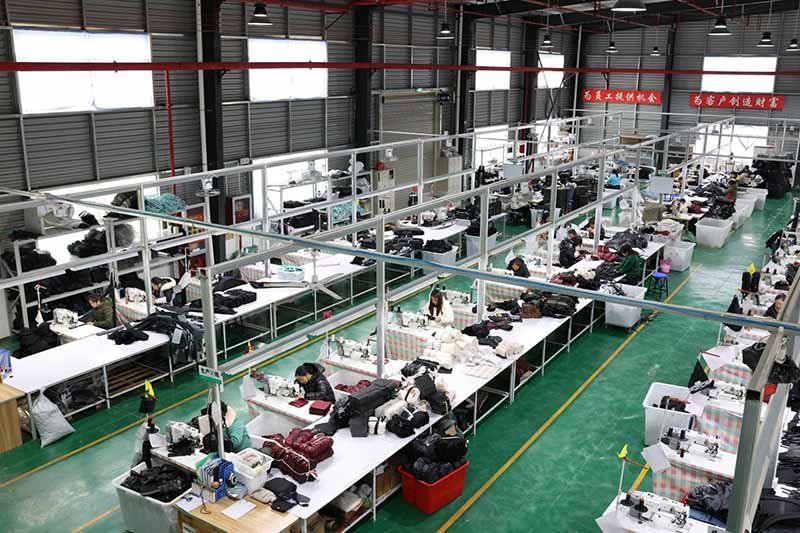
Szoneier Leather is a professional leather bag manufacturer with more than 18 years of experience in leather goods development and production. Our company works with global brands, retailers, and e-commerce businesses that require stable quality, flexible production quantities, and efficient product development.
OEM & Private Label Manufacturing Low MOQ 20 pcs · Sample in 5–7 Days · Production 25–30 Days
- 18+ Years Leather Bag Manufacturing
- Genuine Leather & Vegan Leather Options
- Handbags · Tote Bags · Backpacks · Travel Bags
Leather Bag Manufacturing Industry in China
Why China Has Become a Global Center for Leather Bag Manufacturing
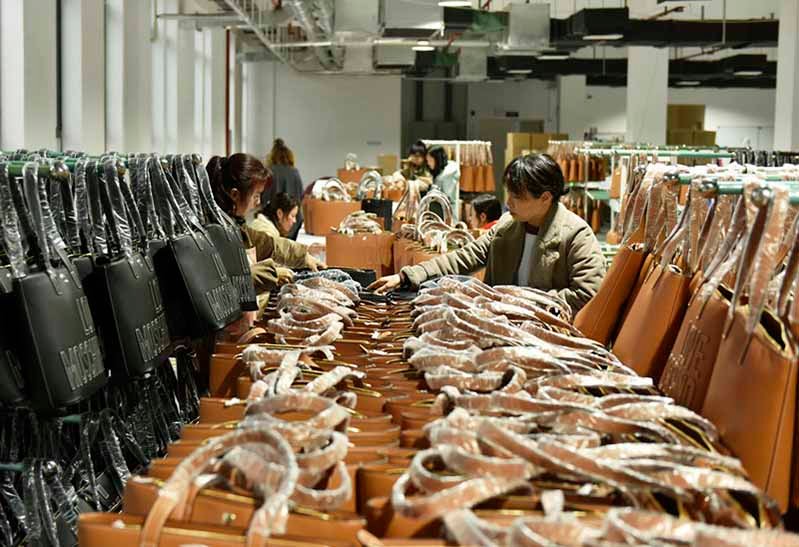
Over the past three decades, China has developed one of the most comprehensive manufacturing ecosystems for leather goods and fashion accessories. Many international brands rely on Chinese manufacturers to produce handbags, backpacks, travel bags, and other leather products because the country offers a combination of skilled craftsmanship, integrated supply chains, and efficient production systems.
Unlike regions where manufacturing resources are fragmented, China’s leather goods industry is supported by specialized production clusters. Within these clusters, suppliers of leather materials, metal hardware, zippers, linings, and packaging materials operate in close proximity to bag manufacturing factories. This structure allows leather bag manufacturers to develop new products quickly and maintain consistent production capacity.
Located in Shenzhen, Guangdong, Szoneier Leather operates within one of the most active leather goods manufacturing regions in southern China. This location allows our company to work closely with leather processing suppliers, hardware manufacturers, and specialized bag production workshops, enabling efficient product development and stable manufacturing timelines.
Major Leather Bag Manufacturing Regions in China
Leather bag production in China is concentrated in several industrial regions, each known for particular manufacturing strengths.
| Region | Industry Focus | Key Advantages |
|---|---|---|
| Guangdong | Fashion handbags & leather accessories | advanced manufacturing ecosystem |
| Zhejiang | Luggage & travel bags | large production capacity |
| Fujian | Sports bags & backpacks | textile material integration |
Szoneier Leather is based in Guangdong, which is widely recognized as one of the most important production hubs for fashion handbags and leather accessories.
Factories in this region benefit from strong infrastructure, experienced technicians, and access to a mature export logistics network.
Integrated Supply Chains for Leather Bag Production
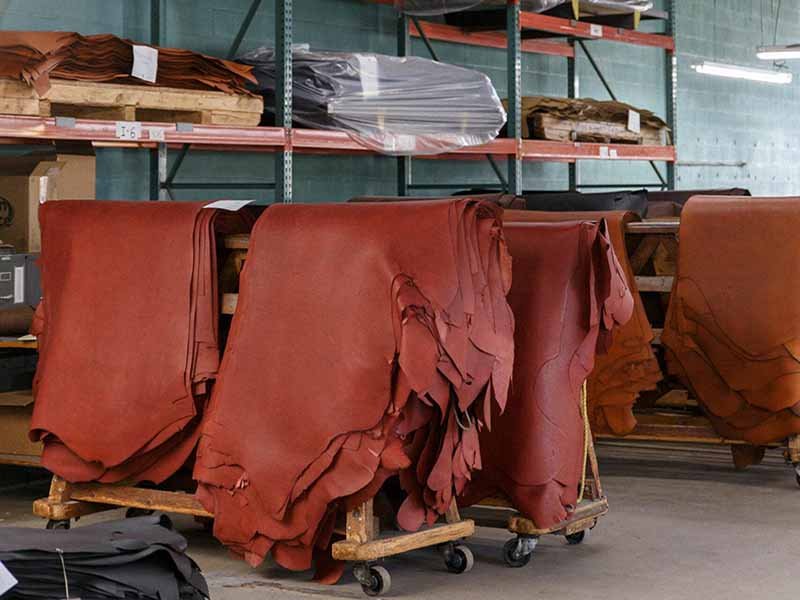
Leather bag manufacturing requires a wide range of materials and components, including leather hides, linings, zippers, metal hardware, and packaging materials. When these suppliers are located close to manufacturing facilities, product development becomes significantly more efficient.
The manufacturing ecosystem surrounding Szoneier Leather includes long-term partner suppliers for:
- genuine leather materials
- microfiber and PU leather
- metal bag hardware
- zipper systems
- packaging materials
Because these suppliers operate within the same regional manufacturing network, material sourcing and prototype development can often be completed within a short time frame.
For example, when developing a new leather handbag design, Szoneier Leather can coordinate leather sourcing, hardware selection, and sample production within the same local supply chain.
Skilled Craftsmanship in Leather Bag Production
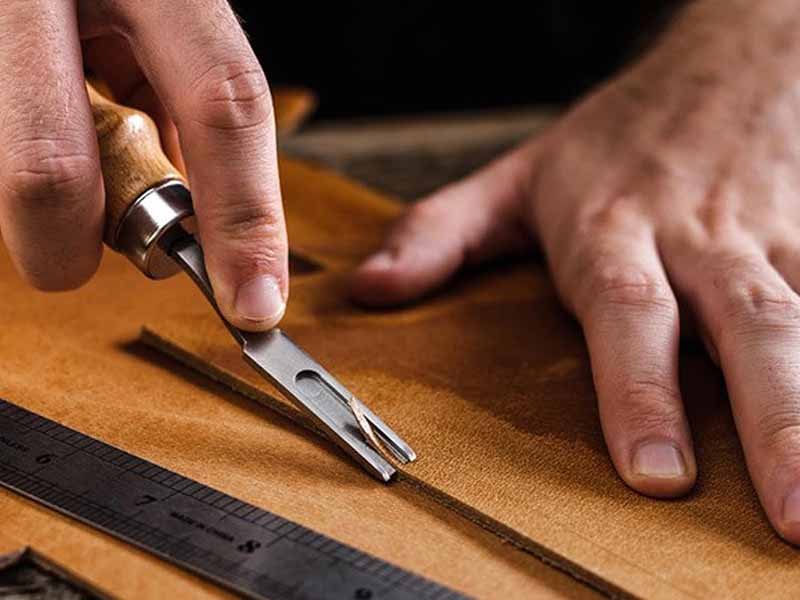
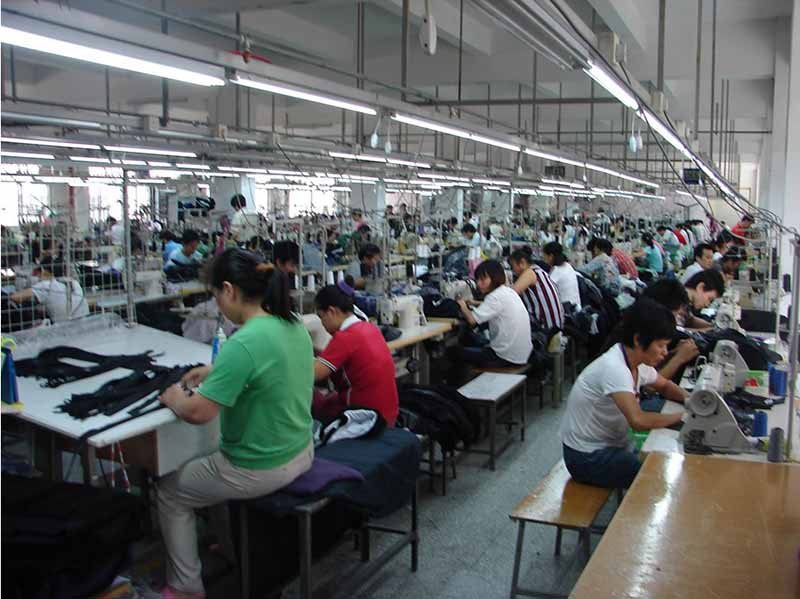
Leather bag manufacturing involves multiple manual processes that require experienced technicians.
Some of the key production processes include:
- leather cutting
- stitching and assembly
- edge finishing
- hardware installation
Each of these steps must be performed with precision to ensure the durability and appearance of the finished product.
Technicians working in leather goods factories in Guangdong often have many years of experience in bag production. At Szoneier Leather, experienced technicians supervise critical manufacturing stages to maintain product quality.
Flexible Production Models for Modern Brands
In the past, many leather bag factories focused primarily on large production orders for established brands. However, today’s market increasingly includes emerging brands, online retailers, and design studios launching smaller product collections.
Because of this shift, flexible manufacturing has become more important.
Szoneier Leather supports minimum order quantities starting from 20 pieces per style, allowing brands to test new designs before committing to larger production volumes. This flexible production model is particularly helpful for companies launching new leather bag products or introducing seasonal collections.
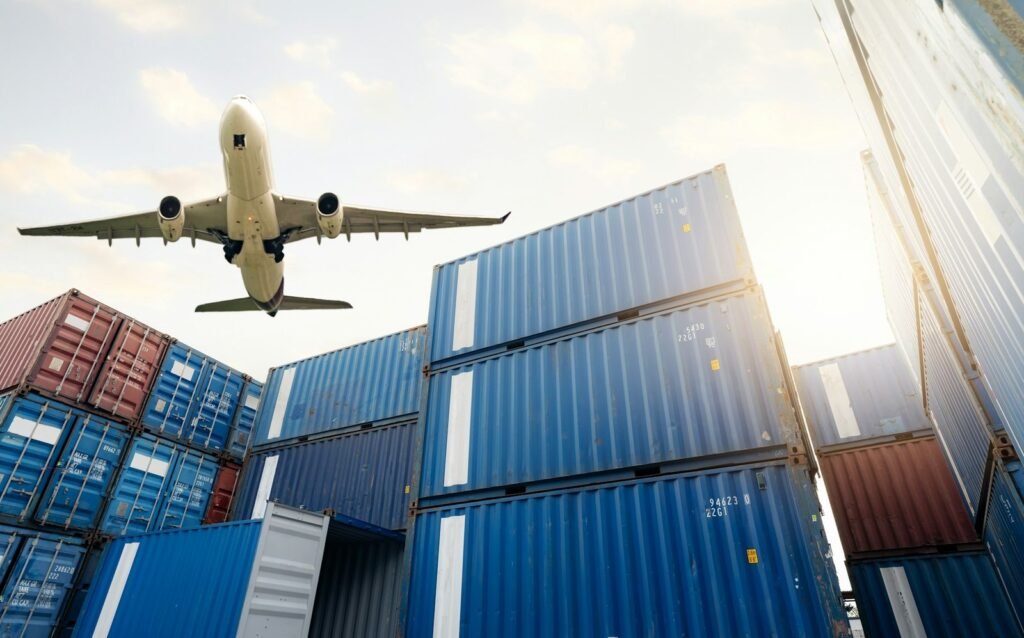
Export Experience and Global Logistics
China’s leather bag industry has extensive experience serving international markets. Manufacturers regularly export products to North America, Europe, Australia, and other regions.
Szoneier Leather works with clients in several major international markets, including:
- United States
- Canada
- Europe
- Australia
- Southeast Asia
Our team assists with export documentation, packaging preparation, and shipment coordination to ensure products are delivered safely and efficiently.
Typical shipping options include:
- international express shipping
- air freight
- sea freight
Trade terms commonly used for leather bag orders include EXW, FOB, DAP, and DDP depending on the client’s logistics preferences.
Common Mistakes When Sourcing Leather Bags From China
When sourcing leather bags from overseas manufacturers, several challenges may arise if the product development process is not carefully managed. Many of these issues occur during the early stages of design or supplier selection.
Understanding these challenges can help brands avoid unnecessary delays and production risks.
Choosing a Manufacturer Based Only on Price
Some companies select suppliers primarily based on price quotations. While cost is an important factor, selecting a manufacturer solely on price can create problems if the factory lacks development experience or stable material sourcing.
Leather bag production involves several technical steps including pattern making, leather selection, and hardware installation. Factories without sufficient development capabilities may struggle to produce consistent results.
Incomplete Product Specifications
Another common issue occurs when product specifications are unclear.
For example, missing information about:
- leather thickness
- hardware finish
- stitching type
can lead to misunderstandings during sampling.
Providing clear product specifications helps ensure the final product meets expectations.
Ignoring Hardware Quality
Hardware components such as buckles, zippers, and metal rings play an important role in the durability of leather bags.
Low-quality hardware may cause problems such as:
- zipper malfunction
- plating color fading
- broken hardware parts
Working with manufacturers that source hardware from reliable suppliers helps reduce these risks.
Unrealistic Production Timelines
Leather bag production requires several coordinated processes including material preparation, stitching, and finishing.
Expecting extremely short production timelines can lead to quality problems if manufacturing steps are rushed.
At Szoneier Leather, the typical production lead time for leather bags is 25–30 days, which allows sufficient time for careful manufacturing and quality inspection.
Lack of Communication During Development
Successful leather bag development requires clear communication between the brand and the manufacturer.
Design revisions, material changes, and sample adjustments are normal parts of the development process.
Maintaining regular communication helps ensure the final product matches the intended design.
About Szoneier Leather
A Professional Leather Bag Manufacturer in Shenzhen With Integrated Development and Production
Szoneier Leather is a leather goods manufacturing company located in Shenzhen, Guangdong, China, one of the most important production regions for fashion accessories and leather products.
Over the past 18 years, Szoneier Leather has built a manufacturing system focused on developing and producing leather bags for global brands, retailers, and e-commerce businesses. Our team supports clients from early product concepts through sampling and production, helping transform design ideas into reliable products ready for market.
Unlike many trading companies that simply coordinate production between factories and clients, Szoneier Leather operates with an integrated development structure that includes product designers, pattern makers, and a sample development workshop. This structure allows our team to evaluate product designs from a manufacturing perspective and provide practical guidance during the development process.
Product Development Team
Leather bag manufacturing requires more than sewing and assembly. Successful products depend on accurate pattern development, structural engineering, and careful material selection.
At Szoneier Leather, our product development team includes:
- product designers
- pattern makers
- sample technicians
This team works closely with clients during the development process to refine product structure, material selection, and hardware placement before production begins.
For example, during the sampling stage, the development team may recommend adjustments such as:
- reinforcing handle attachment points
- optimizing pocket placement
- adjusting leather thickness for better structure
These improvements help ensure the final product performs well in real use.
Sample Development Workshop
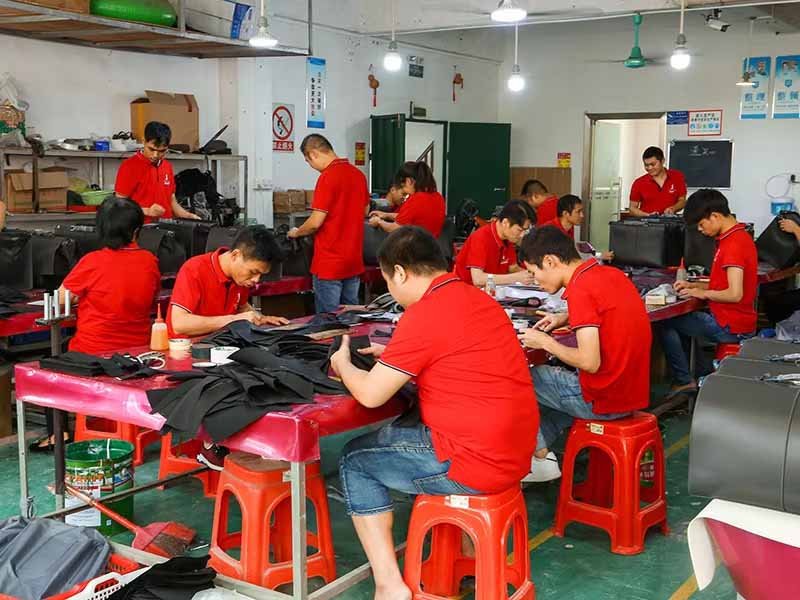
One of the most important parts of leather bag manufacturing is the sampling stage, where a design concept is converted into a physical product prototype.
Szoneier Leather maintains a sample development workshop capable of producing prototypes for many types of leather bags.
Typical products developed in our sample workshop include:
- leather handbags
- leather tote bags
- leather backpacks
- leather travel bags
- leather cosmetic bags
The sample development team works with a variety of materials including genuine leather, microfiber leather, and PU leather depending on the product design.
Typical Sample Timeline
| Sample Type | Development Time |
|---|---|
| Standard leather bag | 5–7 days |
| Bag with custom hardware | 7–15 days |
This rapid sample development process helps brands shorten product development cycles.
Manufacturing Network
Rather than operating a single isolated factory, Szoneier Leather collaborates with a network of specialized manufacturing partners located within the Guangdong production region.
This network includes:
- leather processing suppliers
- bag production workshops
- metal hardware factories
- zipper manufacturers
- packaging suppliers
Because these partners operate within the same regional supply chain, material sourcing and production coordination can be completed efficiently.
Typical monthly production capacity across this manufacturing network ranges between:
8,000 – 15,000 leather bags
This capacity allows brands to gradually increase production as their product lines grow.
Materials and Supply Chain Resources
Szoneier Leather works with established material suppliers that provide a variety of leather options used in bag manufacturing.
Common materials include:
- full grain leather
- top grain leather
- split leather
- microfiber leather
- PU leather
These materials allow us to produce leather bags across several price ranges, from premium leather products to mid-range fashion collections.
Because our company maintains stable relationships with material suppliers, leather quality and color consistency can be maintained across production batches.
International Client Experience
Szoneier Leather works with companies located in several international markets. Many of these clients operate fashion brands, retail stores, or e-commerce businesses that require stable leather bag production.
Our clients are commonly located in:
- United States
- Canada
- Europe
- Australia
- Southeast Asia
Our team assists with export documentation, international shipping coordination, and packaging preparation to ensure leather bags are delivered safely.
Communication and Project Coordination
Clear communication is essential during product development and production.
Szoneier Leather supports several communication channels including:
- video meetings
Our sales and development team communicate fluently in English and work closely with clients throughout the project timeline.
From the initial product consultation through sampling and production, our goal is to maintain clear communication and efficient project coordination.
Types of Leather Bags We Manufacture
Leather Bag Categories Produced by Szoneier Leather
Leather bags are used in many different industries including fashion, travel, business, and daily lifestyle products. Each bag category requires different structural designs, material thickness, and hardware systems.
Szoneier Leather produces a wide range of leather bags for brands, retailers, and e-commerce businesses. Our production system supports both genuine leather and synthetic leather materials, allowing us to manufacture leather bags across multiple price segments.
Below are some of the most common leather bag styles manufactured by Szoneier Leather.
Leather Handbags
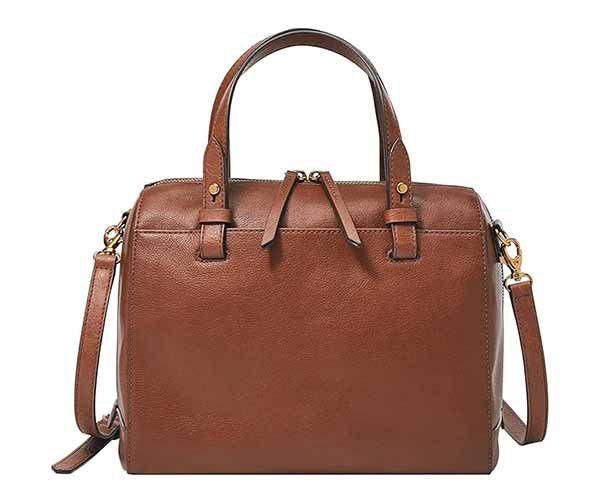
Leather handbags remain one of the most important product categories in the fashion accessories market. Many fashion brands build their entire product collections around handbags.
Szoneier Leather manufactures several types of leather handbags including:
- shoulder handbags
- top-handle handbags
- satchel handbags
- mini handbags
- structured handbags
These handbags are commonly produced using top grain leather, microfiber leather, or PU leather, depending on the product’s positioning.
Typical handbag dimensions:
| Measurement | Range |
|---|---|
| Width | 22–32 cm |
| Height | 16–26 cm |
| Depth | 8–14 cm |
Handbags usually include reinforced handle attachments and carefully aligned stitching to maintain their structure.
Leather Tote Bags
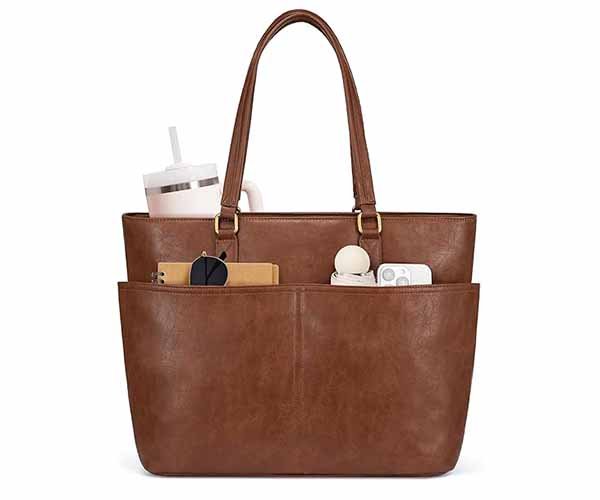
Leather tote bags are widely used for commuting, shopping, and daily carry. Their large capacity and simple structure make them one of the most versatile leather bag styles.
Typical features include:
- wide storage space
- reinforced shoulder handles
- interior compartments
Typical Tote Bag Dimensions
| Measurement | Range |
|---|---|
| Width | 35–45 cm |
| Height | 28–35 cm |
| Depth | 10–15 cm |
Because tote bags often carry laptops and documents, Szoneier Leather typically reinforces the handle connection areas with double-layer leather panels and strengthened stitching.
Leather Backpacks
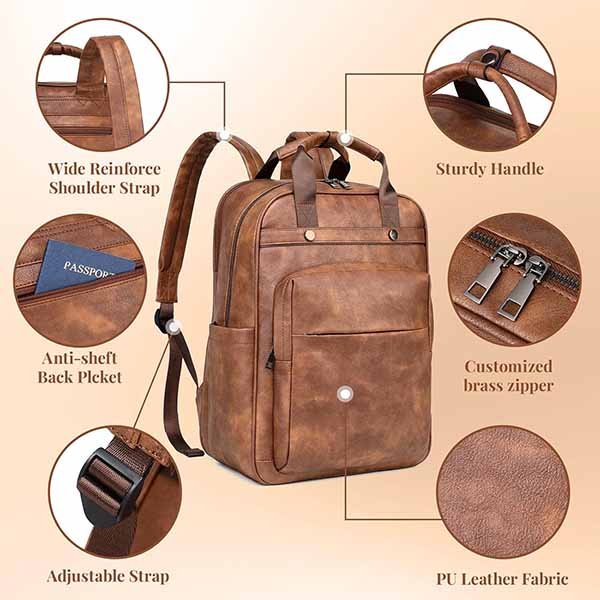
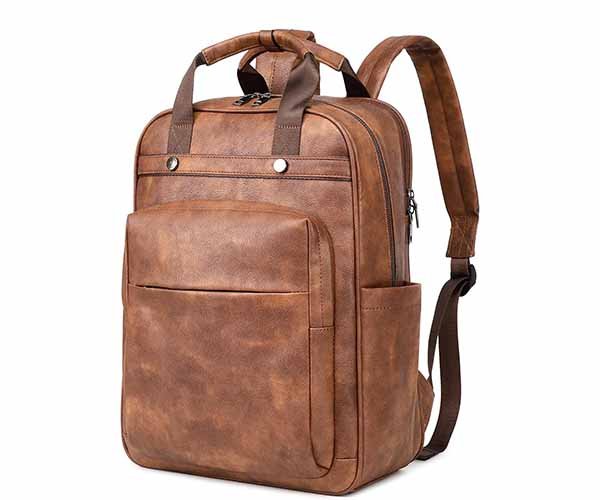
Leather backpacks combine practicality with modern fashion aesthetics. These bags are used by professionals, students, and travelers.
Common backpack features include:
- adjustable shoulder straps
- padded back panels
- laptop compartments
Typical Backpack Dimensions
| Measurement | Range |
|---|---|
| Width | 26–34 cm |
| Height | 30–40 cm |
| Depth | 10–15 cm |
Backpacks require strong strap attachment points to ensure long-term durability.
Leather Crossbody Bags
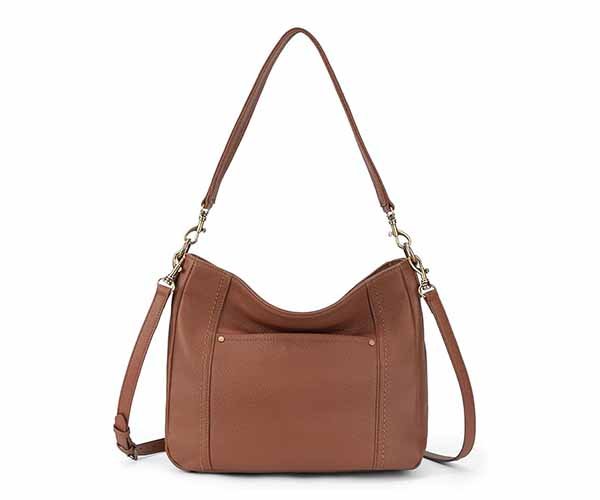
Crossbody bags are compact bags designed for hands-free carrying.
They are widely used for:
- urban commuting
- casual travel
- everyday essentials
Typical Crossbody Dimensions
| Measurement | Range |
|---|---|
| Width | 18–28 cm |
| Height | 14–22 cm |
| Depth | 6–10 cm |
These bags often include adjustable shoulder straps and secure zipper closures.
Leather Messenger Bags
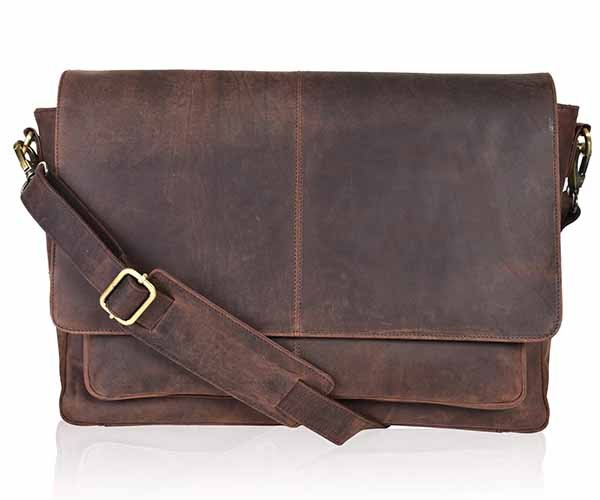
Leather messenger bags are commonly used for business and professional environments. They are designed to carry laptops, documents, and office essentials.
Typical design features include:
- adjustable shoulder straps
- large interior compartments
- reinforced flap closures
Messenger bags are often manufactured using thicker leather materials to support heavier loads.
Leather Laptop Bags
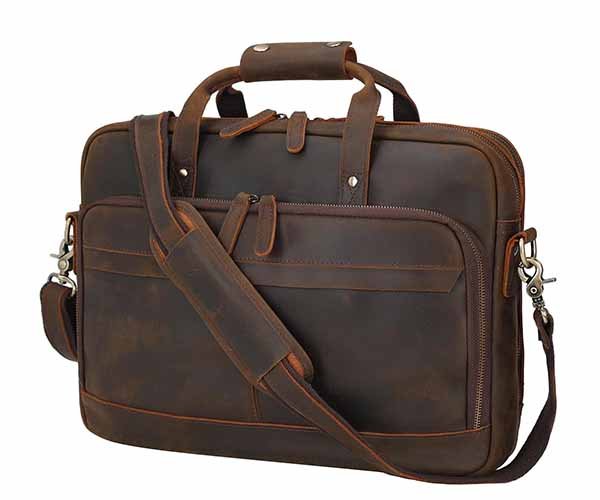
Leather laptop bags are designed to protect electronic devices while maintaining a professional appearance.
Typical features include:
- padded laptop compartments
- reinforced handles
- secure zipper systems
Laptop bags are commonly used by professionals and corporate users.
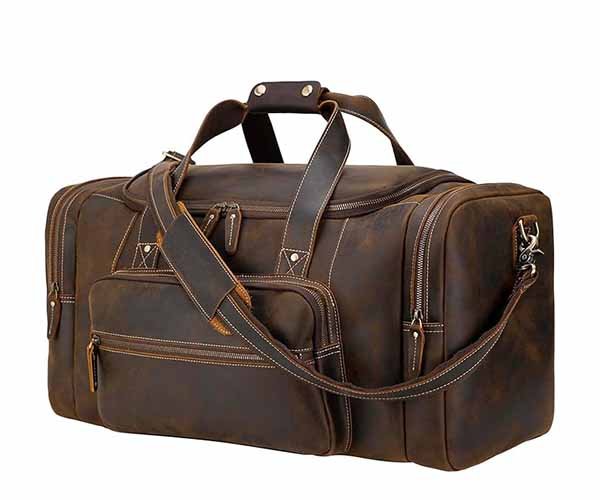
Leather Travel Bags
Leather travel bags are designed for short trips and weekend travel. They require strong structures to support heavier packing loads.
Typical features include:
- large interior storage space
- reinforced handles
- heavy-duty zipper systems
Travel bags often use thicker leather materials to maintain shape and durability.
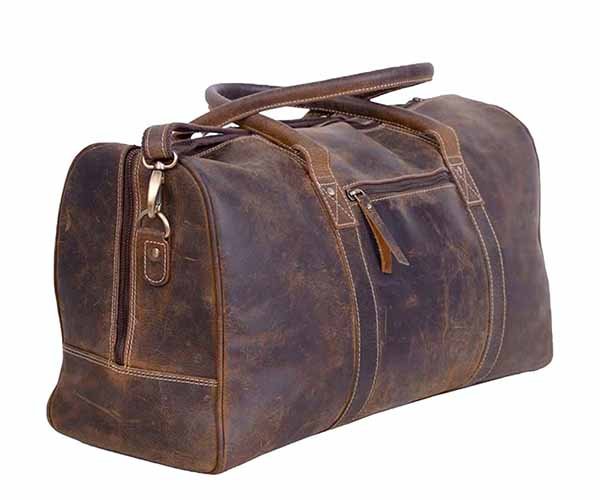
Leather Duffel Bags
Leather duffel bags are commonly used for travel and sports.
Typical features include:
- cylindrical structure
- detachable shoulder straps
- reinforced bottom panels
Duffel bags must be designed carefully to distribute weight evenly across the structure.
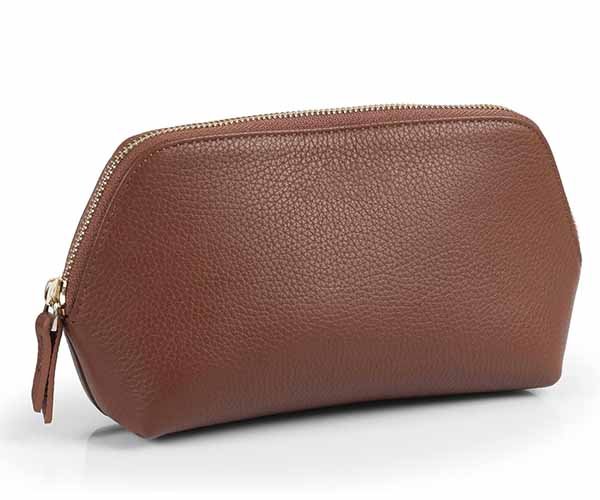
Leather Cosmetic Bags
Leather cosmetic bags are compact accessories designed to store makeup and personal care products.
These bags often feature:
- waterproof lining
- zipper closure
- compact structure
Cosmetic bags are frequently produced for both fashion brands and promotional product collections.
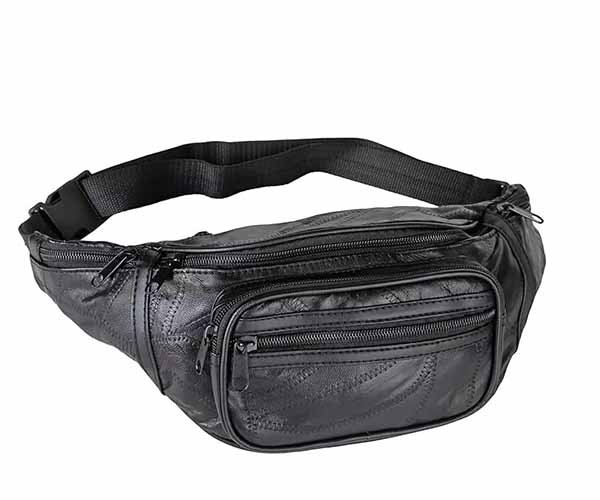
Leather Waist Bags
Leather waist bags, also known as belt bags, have become increasingly popular in modern fashion collections.
These bags are designed to be worn around the waist or across the chest.
Typical features include:
- compact structure
- adjustable belt straps
- zipper compartments
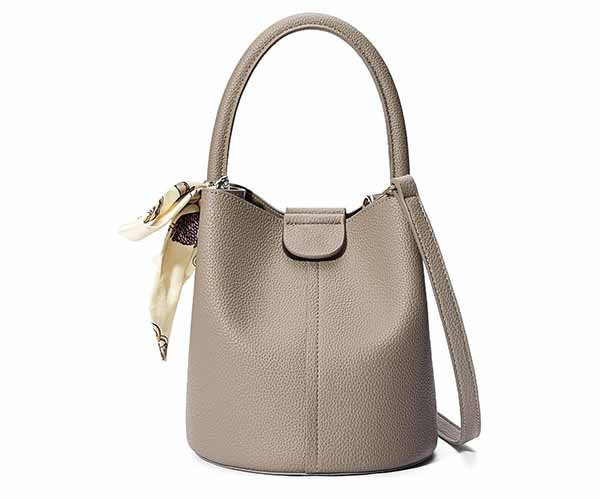
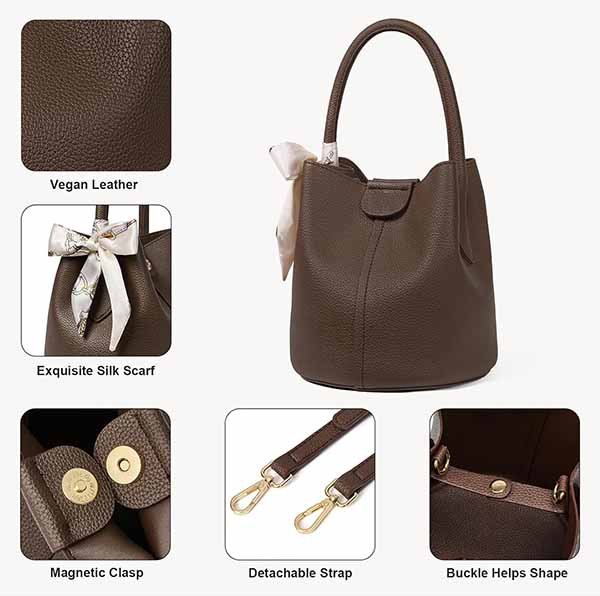
Leather Bucket Bags
Leather bucket bags feature a distinctive cylindrical shape and drawstring closure.
These bags are widely used in fashion collections because of their unique design.
Typical features include:
- drawstring closure
- adjustable shoulder strap
- soft leather construction
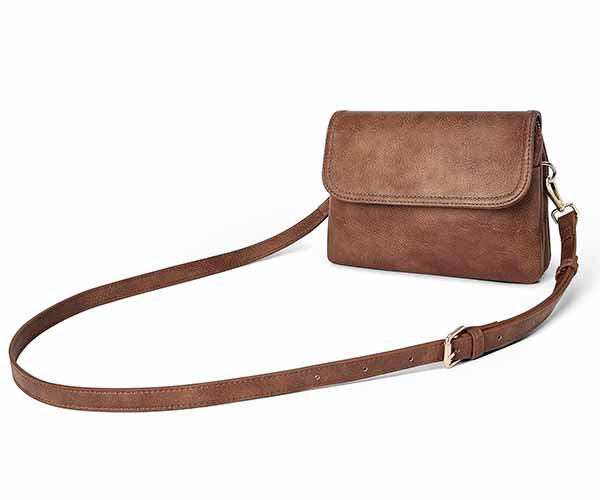
Leather Mini Bags
Mini bags have become a popular trend in fashion accessories. Although they are smaller in size, they require careful structural design to maintain their shape.
Typical mini bag dimensions:
| Measurement | Range |
| Width | 12–18 cm |
| Height | 10–16 cm |
| Depth | 5–8 cm |
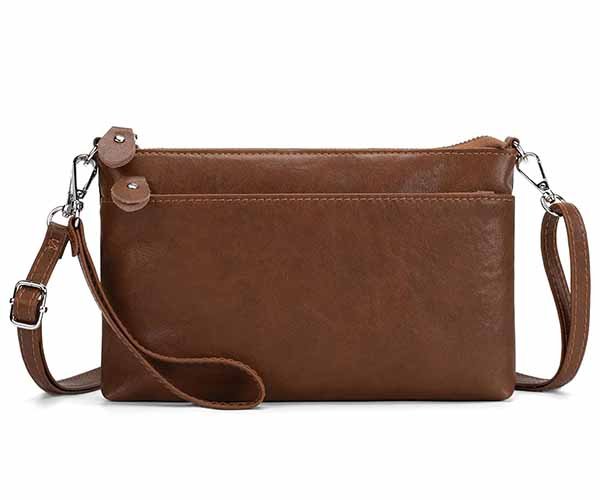
Leather Clutch Bags
Leather clutch bags are compact handbags designed to be carried by hand. They are widely used in fashion collections, evening wear accessories, and formal events.
Typical clutch bag features include:
- slim profile design
- magnetic or zipper closure
- minimal internal compartments
Szoneier Leather manufactures clutch bags using smooth top grain leather, patent leather, or microfiber leather depending on the design style.
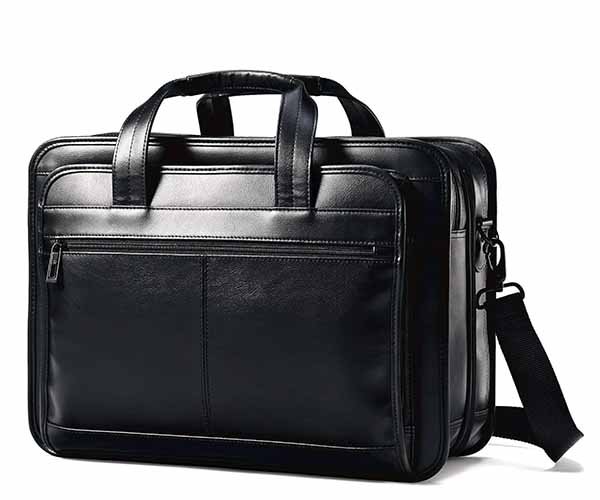
Leather Briefcases
Leather briefcases are traditional business bags designed for professionals.
Typical features include:
- structured rectangular shape
- reinforced top handles
- laptop and document compartments
Briefcases often require thicker leather materials to maintain structure and durability.
Typical leather thickness used:
| Material | Thickness |
| Top grain leather | 1.6–2.0 mm |
| Full grain leather | 1.8–2.2 mm |
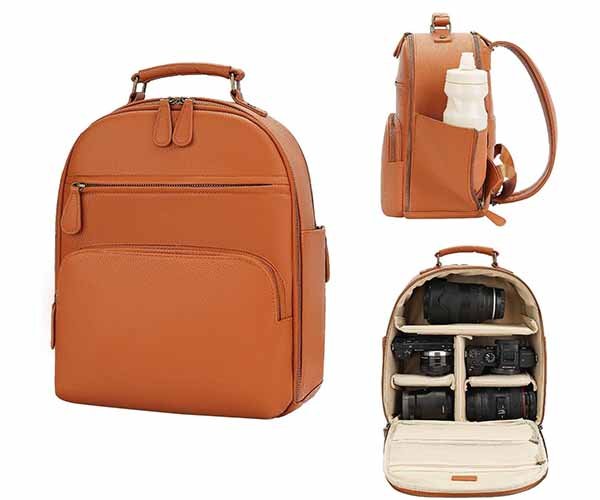
Leather Camera Bags
Leather camera bags are designed to protect photography equipment while maintaining a stylish appearance.
Typical features include:
- padded interior compartments
- adjustable shoulder straps
- reinforced bottom panels
These bags require internal foam padding to protect camera equipment during transportation.
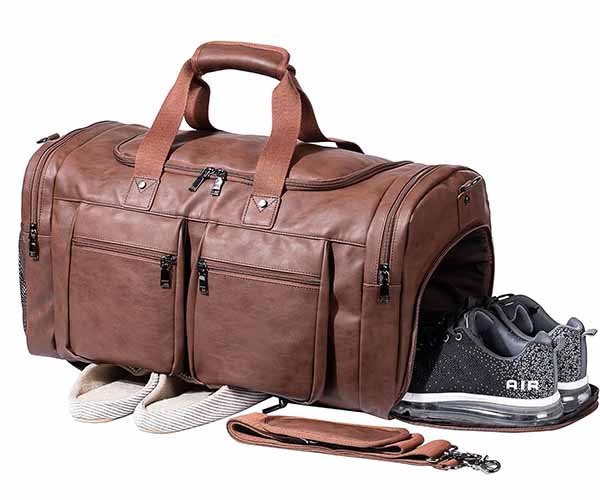
Leather Gym Bags
Leather gym bags combine durability with large storage capacity.
They are often used for:
- sports activities
- travel
- fitness accessories
Typical design features include:
- large zippered opening
- detachable shoulder strap
- ventilated compartments
Szoneier Leather reinforces the base panels of gym bags to improve load capacity.
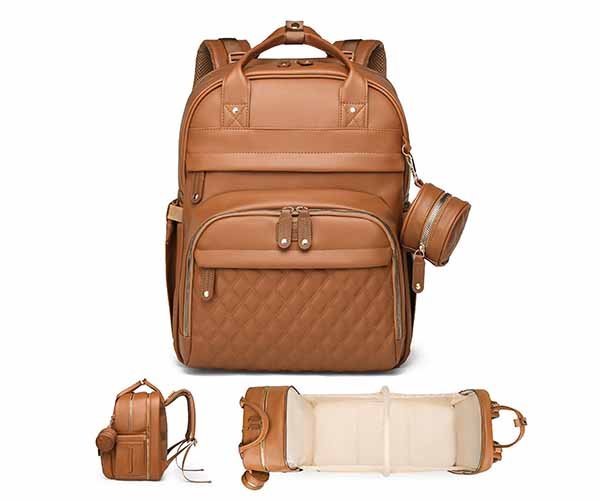
Leather Diaper Bags
Leather diaper bags are designed for parents carrying baby care products.
Typical features include:
- multiple internal pockets
- waterproof lining
- insulated bottle compartments
These bags require careful internal structure design to improve usability.
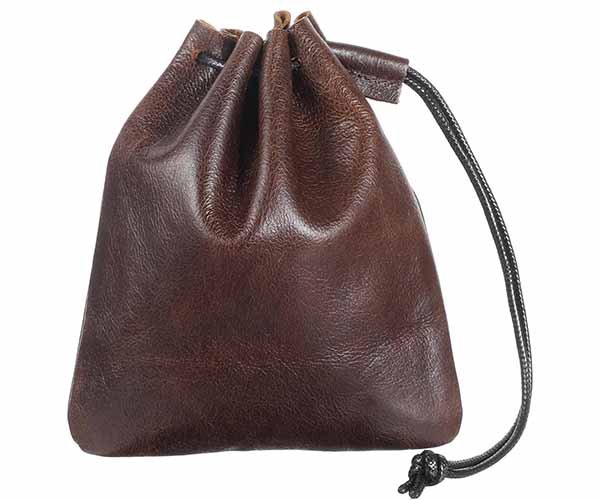
Leather Drawstring Bags
Leather drawstring bags are simple bags that close using adjustable drawstrings.
Typical features include:
- flexible structure
- lightweight design
- minimal hardware components
These bags are commonly used for fashion accessories or casual use.
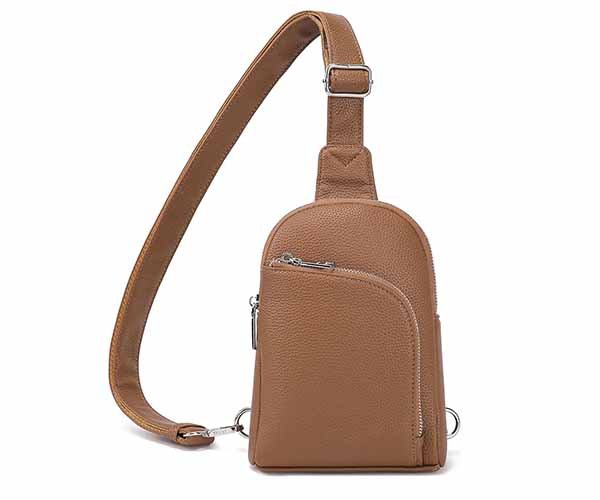
Leather Sling Bags
Leather sling bags are designed to be worn diagonally across the back or chest.
They are popular for:
- urban commuting
- travel
- everyday carry
Typical sling bag features include:
- single shoulder strap
- compact structure
- secure zipper compartments
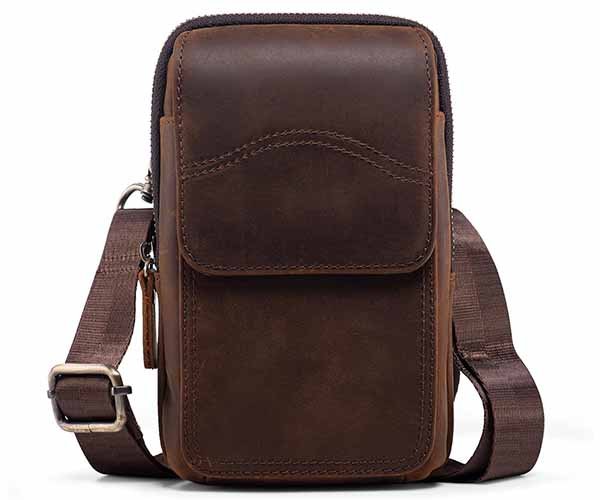
Leather Phone Bags
Leather phone bags are compact accessories designed to carry smartphones and small personal items.
Typical dimensions:
| Measurement | Range |
|---|---|
| Width | 10–14 cm |
| Height | 18–22 cm |
| Depth | 3–5 cm |
These bags are popular among fashion brands focusing on minimalist accessories.
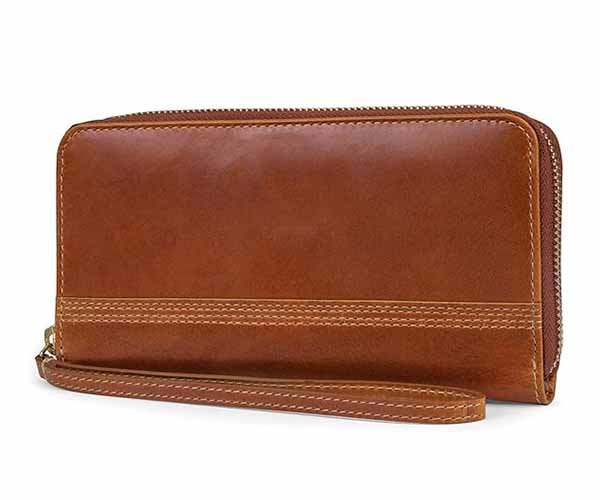
Leather Wallet Bags
Wallet bags combine the functions of a wallet and a handbag.
Typical features include:
- card slots
- zippered coin pocket
- detachable wrist strap
These bags are commonly used as compact everyday accessories.
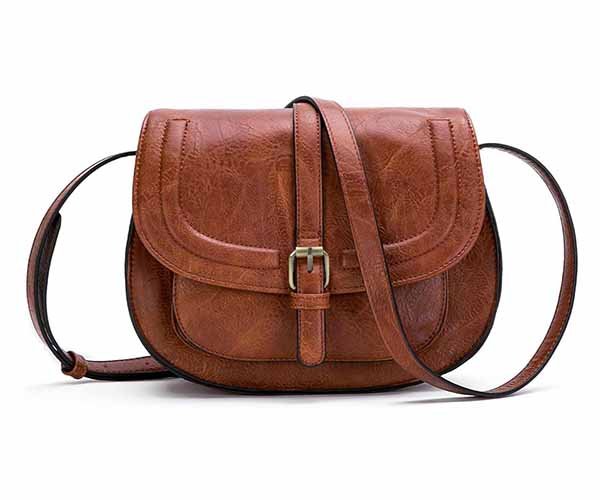
Leather Saddle Bags
Leather saddle bags feature a curved flap design inspired by traditional horse saddles.
Typical features include:
- rounded silhouette
- front flap closure
- adjustable shoulder strap
These bags are commonly used in fashion collections.
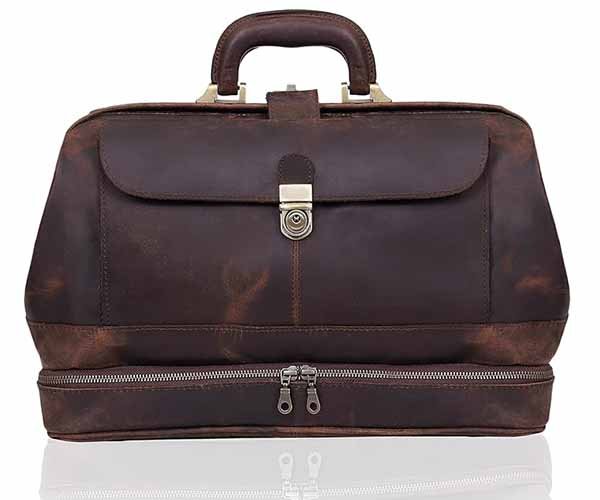
Leather Doctor Bags
Leather doctor bags are structured bags traditionally used by medical professionals.
Typical features include:
- rigid frame opening
- wide top opening
- reinforced structure
Because of their strong structure, doctor bags require careful pattern development.
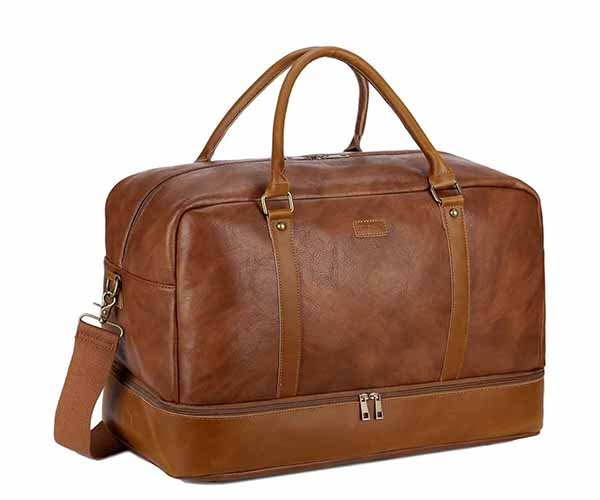
Leather Weekender Bags
Leather weekender bags are designed for short trips and overnight travel.
Typical features include:
- large storage capacity
- reinforced handles
- detachable shoulder straps
These bags are often produced using thicker full grain leather to support heavier loads.
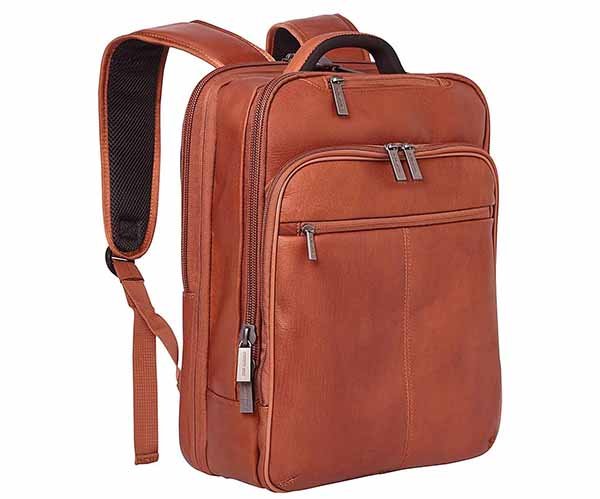
Leather Laptop Backpacks
Laptop backpacks combine modern backpack design with protective laptop compartments.
Typical features include:
- padded laptop sleeves
- ergonomic shoulder straps
- durable zipper systems
These bags are widely used by professionals and students.
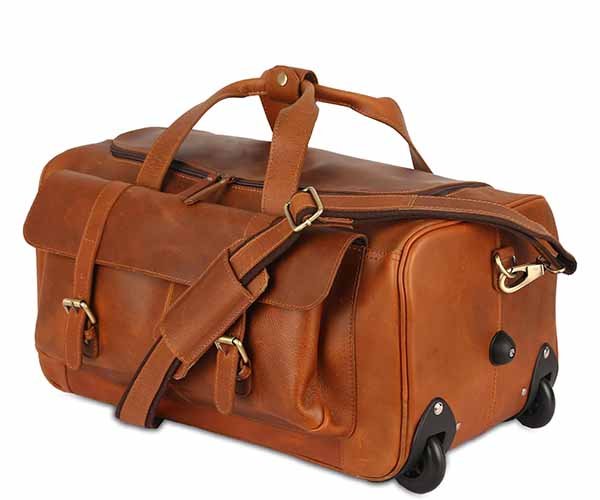
Leather Rolling Bags
Leather rolling bags combine leather bag design with luggage-style wheels.
Typical features include:
- retractable handles
- rolling wheels
- reinforced base panels
These bags are often used for business travel.
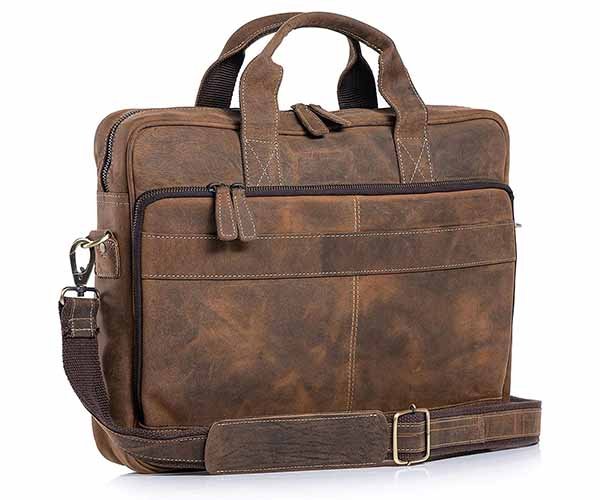
Leather Portfolio Bags
Leather portfolio bags are slim business bags designed for carrying documents.
Typical features include:
- slim structure
- document compartments
- minimal hardware
These bags are commonly used by professionals attending meetings.
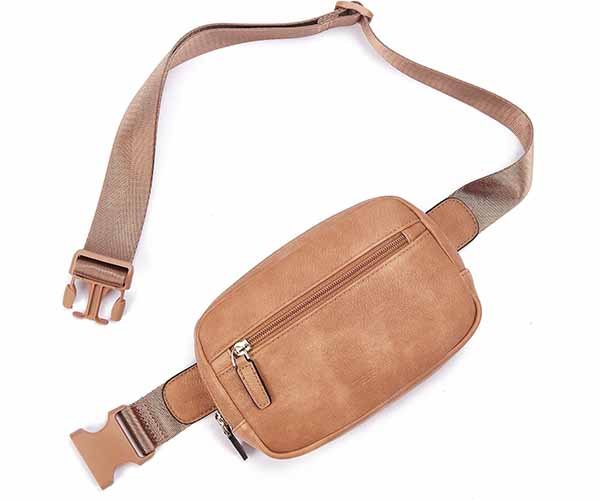
Leather Belt Bags
Leather belt bags are worn around the waist using an adjustable belt strap.
They are commonly used in casual fashion collections.
Typical features include:
- compact design
- zipper pockets
- adjustable strap
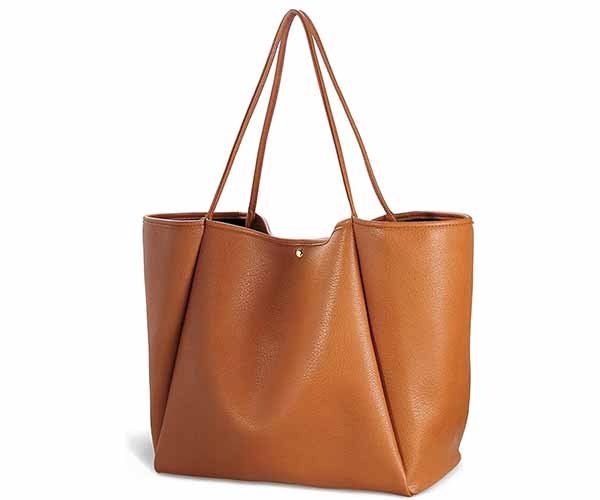
Leather Shopper Bags
Leather shopper bags are large open-top bags designed for shopping or daily carry.
Typical features include:
- large capacity
- reinforced shoulder straps
- simple structure
These bags are popular among lifestyle brands.
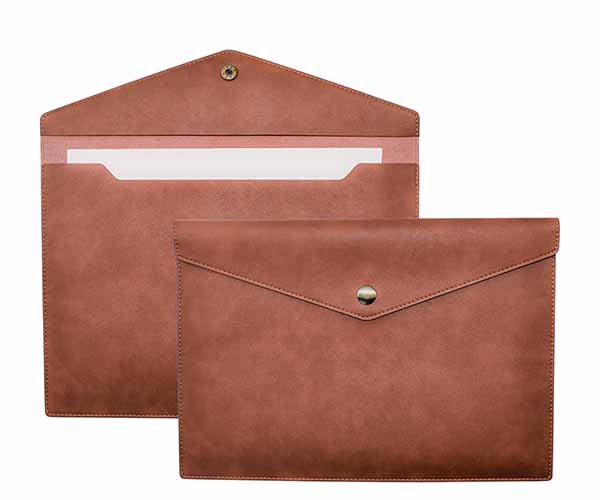
Leather Envelope Bags
Leather envelope bags feature a triangular flap closure resembling an envelope.
Typical features include:
- slim profile
- magnetic closure
- minimalist design
These bags are widely used in fashion collections.
Leather Bag Customization Options
In addition to producing various bag styles, Szoneier Leather also supports a wide range of customization options.
Customization may include:
- leather material selection
- bag dimensions
- hardware finishes
- logo methods
- interior structure design
Because our development team works closely with pattern makers and sample technicians, we can adjust bag designs to meet specific product requirements.
Leather Materials Used in Bag Manufacturing
Leather Materials Commonly Used by Szoneier Leather
Material selection is one of the most important decisions in leather bag manufacturing. The type of leather used influences the product’s durability, appearance, weight, and final production cost.
At Szoneier Leather, we work closely with leather processing suppliers in Guangdong to source a wide range of materials suitable for different types of leather bags. These materials include both genuine leather and synthetic leather options, allowing brands to develop products across several price levels.
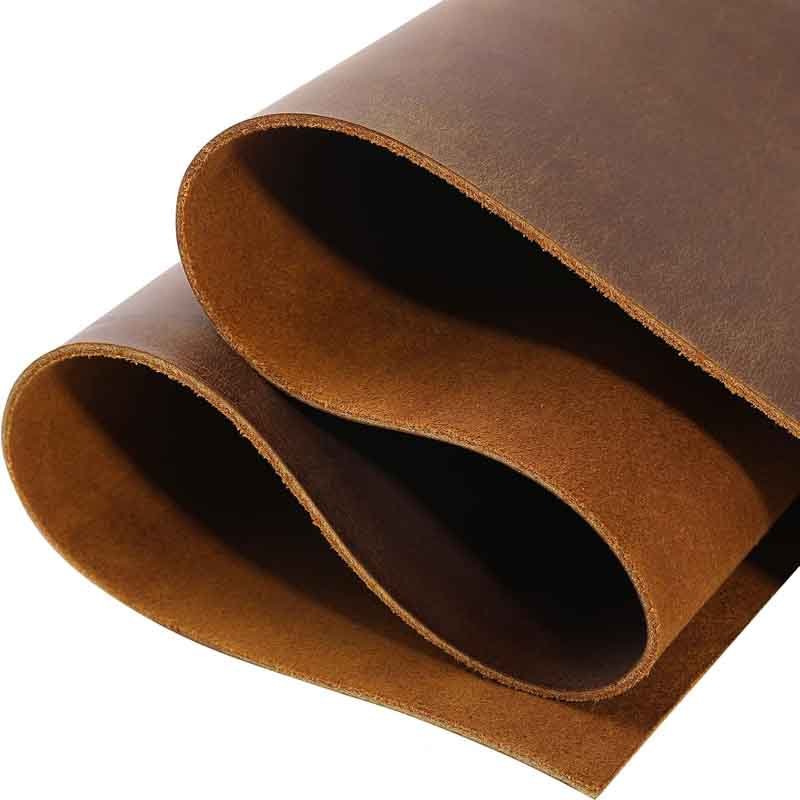
Full Grain Leather
Full grain leather is widely considered the highest quality leather used in bag manufacturing. This leather retains the natural grain layer of the hide and is not heavily sanded or corrected during processing.
Because the fiber structure remains intact, full grain leather offers excellent durability and long-term performance.
Key Characteristics
- natural grain texture
- very strong fiber structure
- develops patina over time
- long product lifespan
Typical Thickness Used for Bags
| Leather Thickness | Application |
|---|---|
| 1.4 – 1.6 mm | fashion handbags |
| 1.6 – 2.0 mm | structured handbags |
| 1.8 – 2.2 mm | travel bags and duffel bags |
Full grain leather is commonly used for premium handbags, briefcases, and high-end travel bags produced by Szoneier Leather.
Top Grain Leather
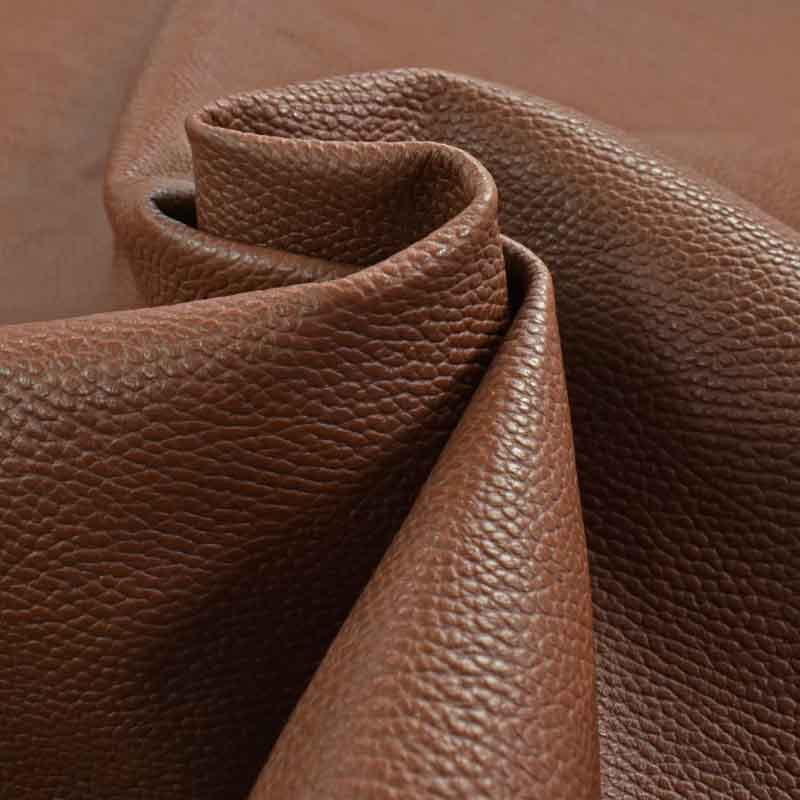
Top grain leather is slightly sanded to remove imperfections on the surface while maintaining a strong fiber structure underneath.
This leather is widely used in fashion handbags because it provides a smooth and consistent appearance.
Key Characteristics
smooth surface
durable structure
easier dyeing and finishing
Typical Thickness
| Thickness | Application |
|---|---|
| 1.2 – 1.4 mm | small handbags |
| 1.4 – 1.6 mm | medium handbags |
| 1.6 – 1.8 mm | structured bags |
Szoneier Leather often uses top grain leather for fashion handbags, tote bags, and crossbody bags.
Split Leather
Split leather is produced from the lower layers of the hide after the top grain layer is separated.
Because split leather is thinner and more flexible, it is often coated with polyurethane to create a smooth surface.
Key Characteristics
- lower material cost
- flexible structure
- consistent appearance
Split leather is commonly used for mid-range leather bag collections where price control is important.
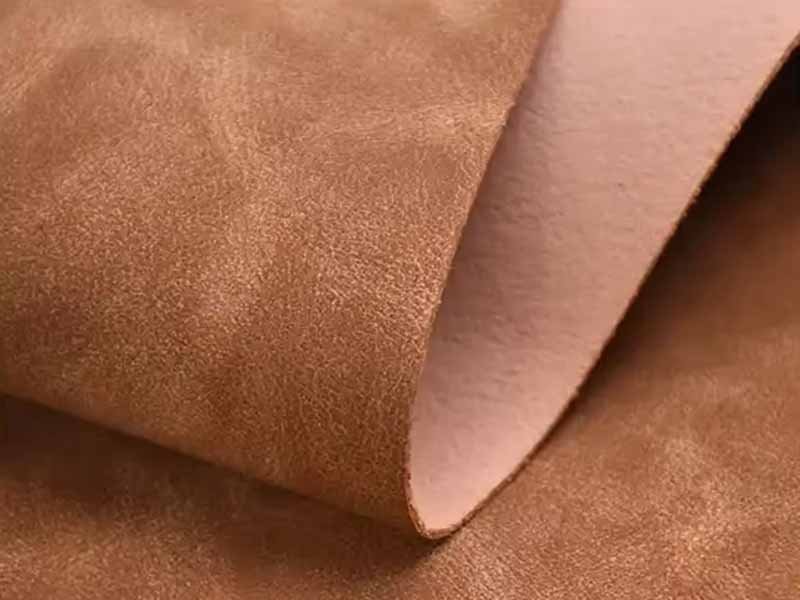
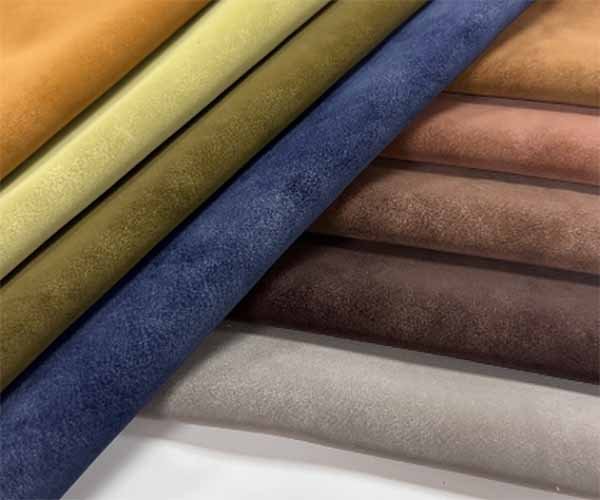
Nubuck Leather
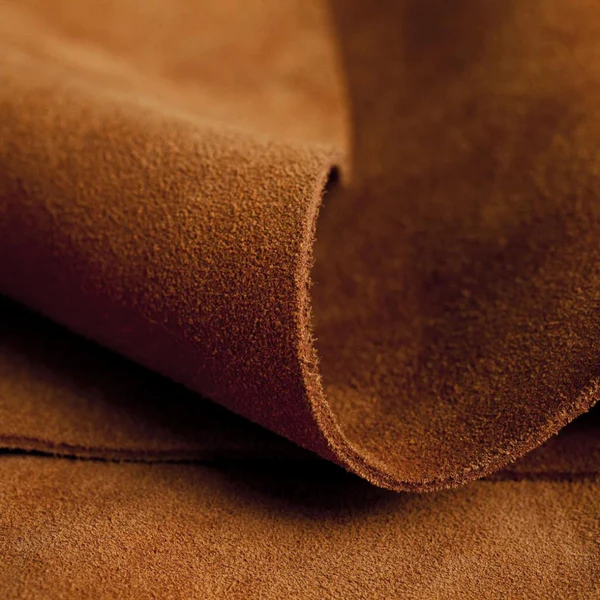
Nubuck leather is top grain leather that has been lightly sanded to create a soft, velvet-like surface.
Characteristics
- soft touch
- matte finish
- premium appearance
However, nubuck leather requires more careful maintenance because the surface can absorb moisture more easily.
Szoneier Leather sometimes uses nubuck leather for fashion handbags designed with a soft texture.
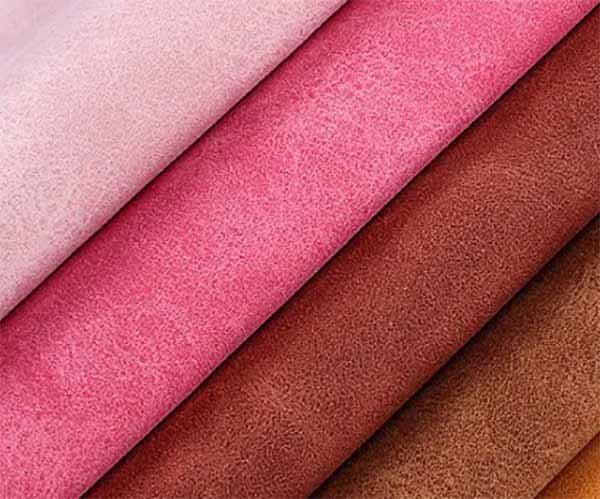
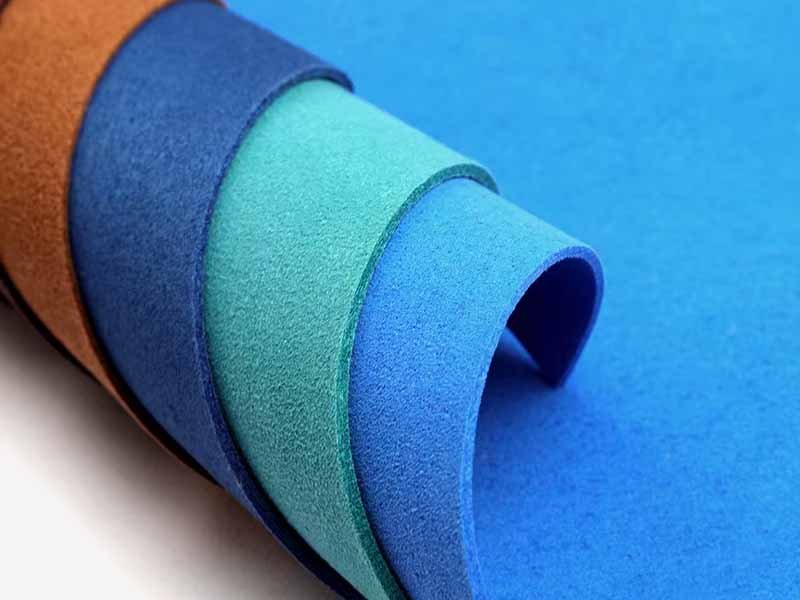
Suede Leather
Suede leather is produced from the inner layer of the hide and has a soft brushed surface.
Characteristics
- soft texture
- flexible structure
- distinctive appearance
Suede leather is commonly used in fashion handbags, bucket bags, and accessories.
Microfiber Leather
Microfiber leather is a high-performance synthetic material designed to replicate the structure of genuine leather.
Compared with traditional PU leather, microfiber leather offers higher durability and improved tear resistance.
Characteristics
- strong abrasion resistance
- soft texture
- uniform surface appearance
Microfiber leather is often used in vegan fashion collections.
Szoneier Leather frequently recommends microfiber leather to brands developing cruelty-free leather bag products.
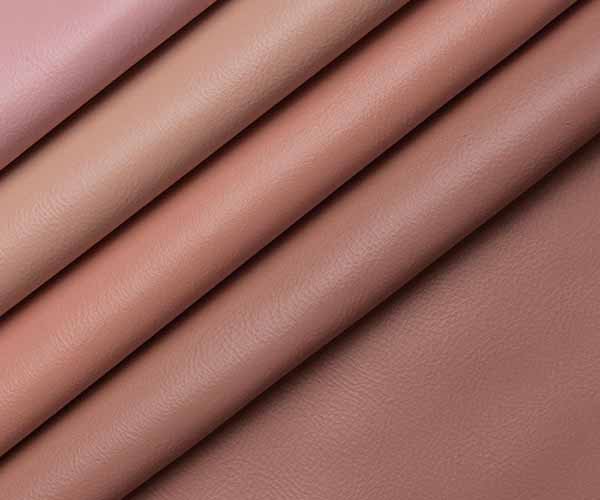
PU Leather
PU leather is one of the most widely used synthetic leather materials in bag manufacturing.
It is produced by coating a fabric base with polyurethane to create a leather-like surface.
Characteristics
- consistent texture
- wide color range
- lower material cost
PU leather is commonly used in mid-range fashion handbags and promotional leather bag products.
Leather Thickness Guide for Bags
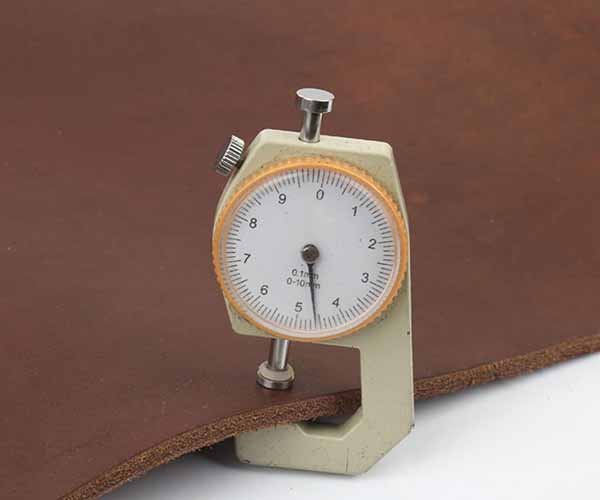
Selecting the correct leather thickness is critical for maintaining the structure and durability of leather bags.
| Bag Type | Typical Leather Thickness |
|---|---|
| Mini handbags | 1.2 – 1.4 mm |
| Fashion handbags | 1.4 – 1.6 mm |
| Tote bags | 1.6 – 1.8 mm |
| Backpacks | 1.6 – 2.0 mm |
| Travel bags | 1.8 – 2.2 mm |
During the sampling stage, the development team at Szoneier Leather evaluates leather thickness carefully to ensure the bag maintains its shape while remaining comfortable to carry.
Leather Surface Finishes
Leather surfaces can also be treated with different finishes to achieve specific visual effects.
Common leather finishes include:
- smooth finish
- matte finish
- glossy finish
- embossed patterns
- textured grain
These finishes help brands create unique product designs.
Hardware & Accessories Used in Leather Bags
Hardware Components in Leather Bag Manufacturing
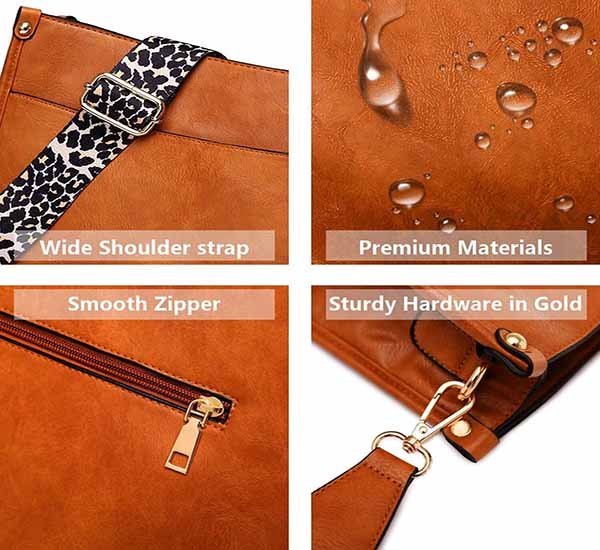
Leather bags include many different hardware components that contribute to both function and appearance. These components must be durable enough to withstand repeated use while maintaining consistent plating color and finish.
Szoneier Leather works with established hardware suppliers located in the Guangdong manufacturing region to ensure stable hardware quality.
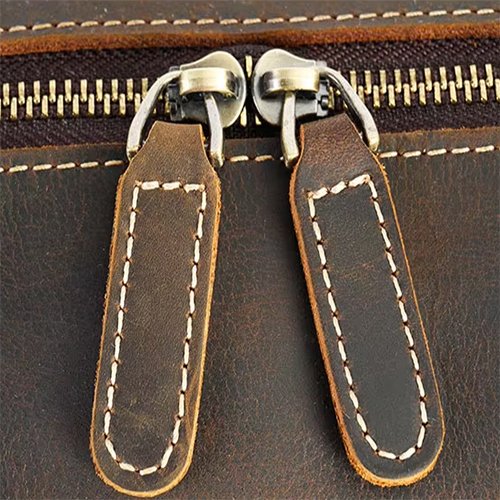
Zippers
Zippers are one of the most frequently used components in leather bags.
Several zipper types are commonly used in bag manufacturing.
| Zipper Type | Application |
|---|---|
| Nylon coil zipper | lightweight bags |
| Metal zipper | premium leather bags |
| Waterproof zipper | travel bags |
Zipper size is also important for durability.
| Zipper Size | Typical Use |
|---|---|
| #3 | small pockets |
| #5 | handbags |
| #8 | travel bags |
Szoneier Leather tests zipper performance during the sampling stage to ensure smooth operation.
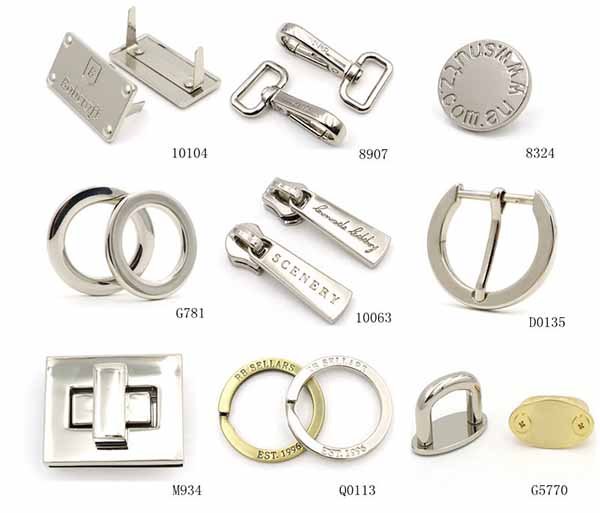
Metal Hardware
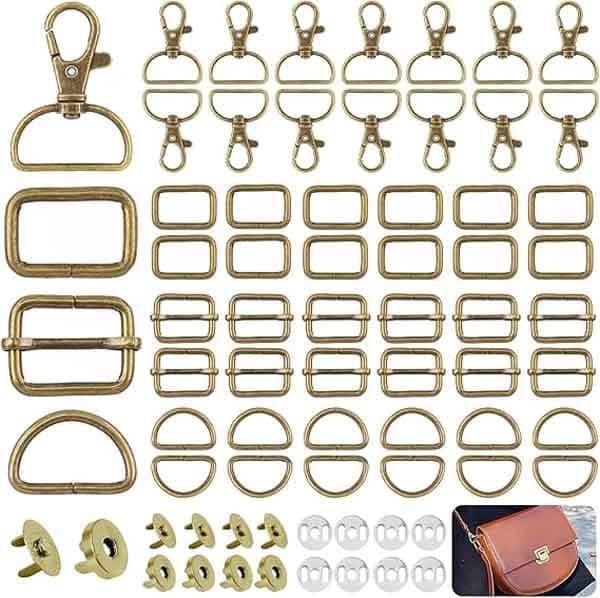
Metal components are used throughout leather bags to connect straps, secure closures, and create decorative elements.
Common hardware parts include:
- buckles
- D-rings
- swivel hooks
- magnetic snaps
- metal logo plates
Hardware Materials
Different metals may be used depending on the product design and price range.
| Material | Characteristics |
|---|---|
| Zinc alloy | widely used |
| Stainless steel | corrosion resistant |
| Brass | premium quality |
These hardware components can be finished in several plating colors including gold, nickel, gunmetal, and matte black.
Hardware Quality Inspection
Before production begins, hardware components are checked for several factors:
- plating color consistency
- surface defects
- structural strength
These inspections help reduce the risk of hardware failure after the product reaches the market.
Logo & Branding Methods for Leather Bags
Custom Branding Options for Leather Bag Manufacturing
Brand identity plays an important role in leather bag products. A well-designed logo or brand mark not only helps distinguish a product from competitors but also increases the perceived value of the product.
Different branding techniques create different visual impressions, ranging from subtle embossed logos to highly visible metal brand plates.
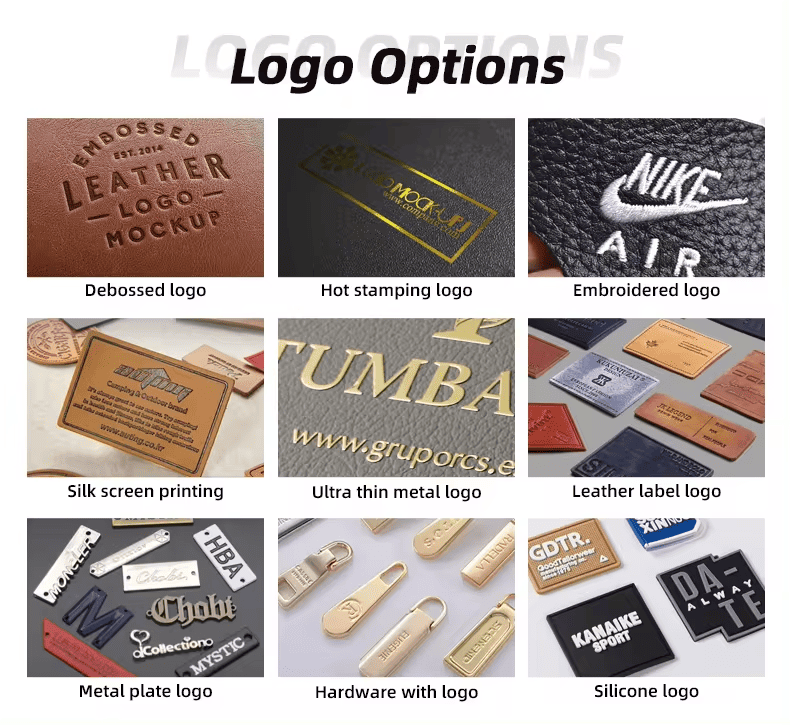
Embossed & Debossed Leather Logos
Embossing and debossing are among the most widely used branding techniques for leather products.
These techniques press the logo directly into the leather surface using a metal mold.
Embossed Logo
The logo is raised above the leather surface.
Debossed Logo
The logo is pressed into the leather surface.
Advantages
- elegant appearance
- long-lasting branding
- no color fading
Typical Applications
- luxury handbags
- leather wallets
- premium tote bags
This method requires the creation of a custom logo mold, which is usually produced during the sampling stage.
Metal Logo Plates
Metal logo plates are commonly used for fashion handbags and structured leather bags.
These plates are usually produced using zinc alloy or stainless steel and are attached to the bag surface using rivets or screws.
Typical Finishes
| Finish Type | Appearance |
|---|---|
| Gold plating | luxury style |
| Nickel plating | modern style |
| Gunmetal | industrial style |
| Matte black | minimalist style |
Metal logos create a strong visual presence and are commonly used by fashion brands.
Foil Stamping
Foil stamping is another common branding method used on leather surfaces.
This process uses heat and pressure to apply metallic foil to the leather surface.
Common Foil Colors
- gold
- silver
- rose gold
- black foil
Foil stamping works particularly well on smooth leather surfaces such as top grain leather and PU leather.
Printed Logos
Some leather bags use printed logos, especially when working with synthetic leather or fabric-based bags.
Printing techniques may include:
- screen printing
- UV printing
- heat transfer printing
These techniques allow brands to apply colorful logos or graphic elements to bag surfaces.
Branding Placement on Leather Bags
Logo placement is an important design consideration.
Common positions include:
- front panel logo
- metal logo plate on flap
- interior logo stamp
- zipper pull logo
During product development, Szoneier Leather helps clients evaluate logo placement to ensure the branding complements the bag design.
MOQ, Sampling & Production Lead Time
Leather Bag Manufacturing Timeline and Order Requirements
Understanding production timelines and order quantities is important when planning leather bag development.
Many traditional leather bag factories require large order quantities before accepting production orders. This can create significant inventory risk for brands launching new products.
Szoneier Leather operates a flexible production system designed to support both small and medium production runs.
Minimum Order Quantity
Our standard minimum order quantity for leather bag production is:
20 pieces per style
This allows brands to test new designs before scaling production.
Small production quantities are particularly useful for:
- new product launches
- seasonal collections
- limited edition products
Sampling Timeline
Sampling is the stage where the design is converted into a physical prototype.
At Szoneier Leather, our sample workshop produces prototypes for different types of leather bags including handbags, backpacks, and travel bags.
Typical Sample Development Time
| Sample Type | Timeline |
|---|---|
| Standard leather bag sample | 5–7 days |
| Sample with custom hardware | 7–15 days |
During the sampling stage, the development team evaluates:
- bag structure
- leather thickness
- stitching accuracy
- hardware installation
If adjustments are required, a revised sample can be produced.
Production Timeline
After the sample is approved and the production order is confirmed, the manufacturing process begins.
Typical production lead time:
25–30 days
Production stages include:
- leather cutting
- stitching and assembly
- hardware installation
- finishing and inspection
- packaging preparation
Because Szoneier Leather works with established suppliers and production workshops, production timelines remain stable across most projects.
Shipping Options
Once production and quality inspection are completed, leather bags can be shipped using several logistics methods.
Available Shipping Methods
- international express shipping
- air freight
- sea freight
Trade Terms Supported
| Trade Term | Description |
|---|---|
| EXW | Ex Works |
| FOB | Free On Board |
| DAP | Delivered At Place |
| DDP | Delivered Duty Paid |
Our team assists with export documentation and shipment coordination.
Leather Bag Design & Development Process
How Szoneier Leather Develops Custom Leather Bag Projects
Developing a leather bag product involves several coordinated steps between the brand and the manufacturer. These steps ensure the product design is feasible for manufacturing and meets quality expectations before production begins.
At Szoneier Leather, we follow a structured product development workflow that allows clients to move from concept to finished product efficiently.
Step 1
Project Consultation
The process begins with a discussion of the product concept.
Clients typically provide:
- design sketches
- reference images
- size requirements
- material preferences
Our development team reviews the information and evaluates manufacturing feasibility.
Step 2
Material & Hardware Selection
After the product concept is confirmed, materials and hardware components are selected.
This may include:
- leather type
- lining materials
- zipper systems
- metal hardware
Material selection influences both the durability and the final cost of the product.
Step 3
Pattern Development
The next stage is pattern making.
Pattern makers convert the product design into precise templates used for cutting leather panels.
This stage determines:
- bag dimensions
- panel shapes
- stitching lines
Accurate pattern development is essential for achieving consistent product structure.
Step 4
Sample Production
Once patterns and materials are prepared, the first prototype sample is produced.
During sample development, the production team evaluates:
- bag structure stability
- handle strength
- pocket functionality
If improvements are needed, adjustments are made before the final sample is appr
Step 5
Production Preparation
After the sample is approved, materials are prepared for production.
This includes:
- leather cutting
- hardware preparation
- lining preparation
Production planning ensures the order can be manufactured efficiently.
Step 6
Mass Production
The production stage involves multiple coordinated processes.
Typical steps include:
- leather cutting
- stitching and assembly
- hardware installation
- edge finishing
- cleaning and finishing
Step 7
Quality Inspection
Before shipment, finished products are inspected to ensure they meet quality standards.
Inspection includes checks for:
- stitching consistency
- hardware installation
- surface defects
Only products that pass inspection proceed to packaging and shipping.
Step 8
Packaging & Shipping
After inspection, products are packed according to shipping requirements and prepared for export.
Our logistics team coordinates shipment arrangements to deliver products safely to international clients.
Quality Control System
Quality Inspection Process for Leather Bag Manufacturing
Product quality is one of the most important factors when manufacturing leather bags. Even small defects in stitching, hardware installation, or leather surface quality can affect the appearance and durability of the final product.
At Szoneier Leather, quality inspection is integrated throughout the entire manufacturing process rather than being performed only after production is completed. This multi-stage inspection system helps reduce defects and maintain consistent product standards.
Raw Material Inspection
Leather materials are inspected before they enter production.
Inspection criteria include:
- leather thickness consistency
- surface quality
- color uniformity
- flexibility
Leather hides with visible defects such as deep scars or irregular textures are separated and not used for visible product panels.
Hardware components are also inspected for plating quality and structural strength.
In-Process Production Inspection
During production, technicians inspect products at several key stages.
These inspections help identify potential issues before the product reaches the final stage.
Key Inspection Points
| Production Stage | Inspection Focus |
|---|---|
| Leather Cutting | panel accuracy |
| Stitching | seam consistency |
| Hardware Installation | alignment and strength |
| Edge Finishing | smoothness and color consistency |
Because leather bags involve multiple manual processes, monitoring these stages helps maintain product quality.
Final Product Inspection
Before packaging, finished leather bags undergo a final inspection.
Each product is checked for:
- stitching alignment
- hardware functionality
- zipper operation
- surface cleanliness
At Szoneier Leather, finished products are inspected before shipment to ensure they meet the approved sample standard.
This final inspection step helps reduce the risk of defective products reaching the market.
Case Studies of Leather Bag Manufacturing Projects
Over the past 18 years, Szoneier Leather has collaborated with brands from different regions to develop leather bag products. These projects include fashion handbags, travel bags, and everyday carry bags designed for both retail and online sales.
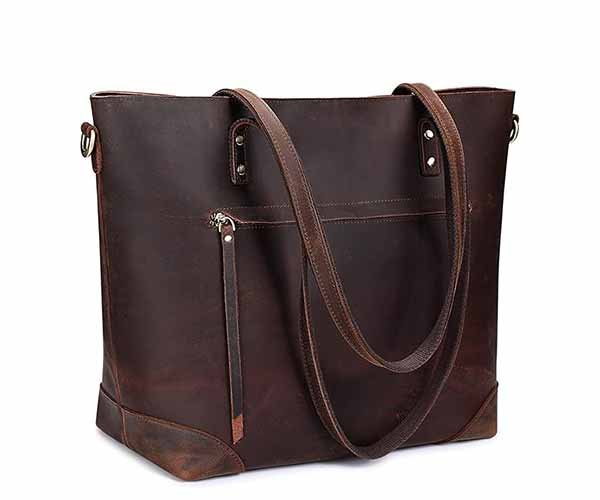
Leather Tote Bag for a U.S. E-commerce Brand
A U.S. e-commerce brand approached Szoneier Leather to develop a leather tote bag designed for everyday commuting. The bag needed to carry laptops and documents while maintaining a clean minimalist design.
During the sampling stage, our development team identified that the original handle structure was not strong enough for daily laptop use.
To improve durability, several adjustments were made:
- reinforced handle attachment points
- double-layer leather reinforcement
- stronger internal stitching
Product Specifications
| Feature | Specification |
|---|---|
| Material | Top grain leather |
| Bag Type | Leather tote bag |
| Logo Method | Debossed logo |
| Hardware | Zinc alloy |
Project Results
| Item | Details |
|---|---|
| Sample Development | 6 days |
| Initial Order | 120 pcs |
| Production Time | 28 days |
The product later became one of the brand’s best-performing items in its online store.
Vegan Leather Crossbody Bag for a European Fashion Startup
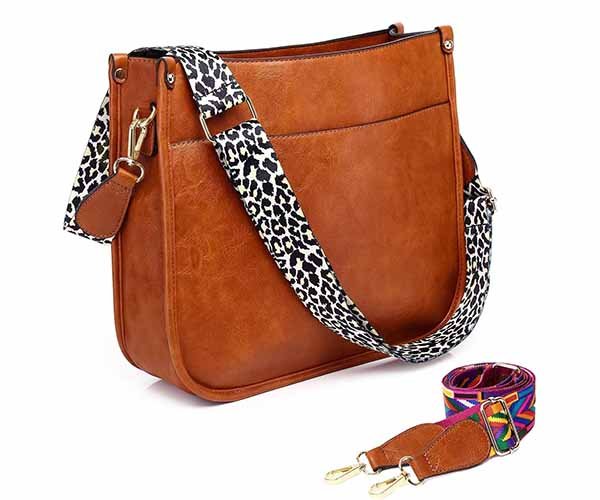
A fashion startup based in Europe wanted to develop a compact crossbody bag for its first product collection.
Because the brand positioned itself as an environmentally conscious label, the product required vegan leather materials rather than genuine leather.
Szoneier Leather recommended microfiber leather, which offers higher durability and a more natural texture compared with standard PU leather.
Product Specifications
| Feature | Specification |
|---|---|
| Material | Microfiber leather |
| Bag Type | Crossbody bag |
| Logo | Foil stamping |
| Strap | Adjustable shoulder strap |
Project Timeline
| Stage | Time |
|---|---|
| Pattern development | 2 days |
| Sample production | 5 days |
| Revision sample | 4 days |
After the sample was approved, the brand placed an initial production order.
Leather Travel Bag for an Australian Retailer
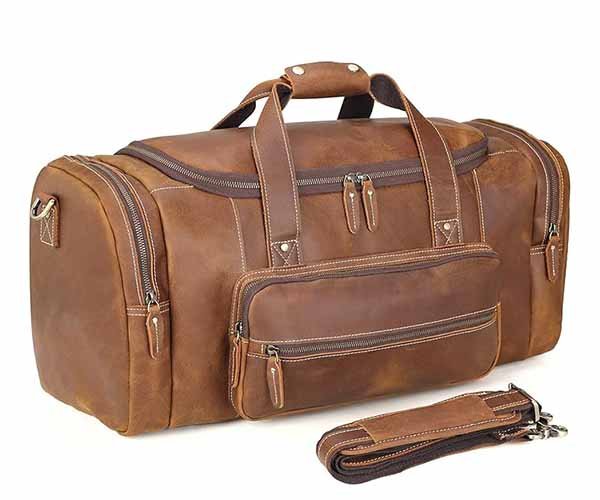
An Australian retailer contacted Szoneier Leather to develop a leather travel bag suitable for short trips and weekend travel.
The design required a large storage capacity while maintaining a strong structure.
To achieve this, the production team used thicker leather panels and reinforced the bottom panel with internal support material.
Product Specifications
| Feature | Specification |
|---|---|
| Material | Full grain leather |
| Bag Type | Travel bag |
| Zipper | Heavy-duty metal zipper |
| Hardware | Brushed gold finish |
Production Results
| Item | Details |
| Initial Order | 150 pcs |
| Production Time | 30 days |
| Shipping | Sea freight |
Make A Sample First
If you have your own tech packs, logo design artwork, or just an idea,please provide details about your project requirements, including preferred fabric, color, and customization options,we’re excited to assist you in bringing your leather goods designs to life through our sample production process.
Frequently Asked Questions
Common Questions About Leather Bag Manufacturers in China
Choosing a leather bag manufacturer in China involves several practical considerations including production capacity, material sourcing, development capabilities, and export experience. Many brands researching manufacturers often have similar questions before starting a project.
Below are some of the most common questions clients ask when discussing leather bag production with Szoneier Leather.
What is the minimum order quantity for leather bag manufacturing?
Minimum order quantity varies widely among leather bag manufacturers in China. Many traditional factories require orders of several hundred pieces per style, which can create inventory pressure for brands launching new products.
At Szoneier Leather, the minimum order quantity for most leather bag projects is 20 pieces per style. This allows brands to test new products before committing to larger production volumes. Small batch production is particularly useful for fashion startups, boutique brands, and e-commerce companies introducing new collections.
How long does it take to develop a leather bag sample?
Sample development is one of the most important stages of leather bag production because it allows both the brand and the manufacturer to evaluate the design before mass production begins.
For most leather bags produced by Szoneier Leather, standard samples can be completed within 5–7 days once the design specifications and materials are confirmed.
If the project involves custom hardware molds, unique structural elements, or complex stitching patterns, the sample development timeline may extend to 7–15 days.
What types of leather materials can be used for bag manufacturing?
Leather bags can be manufactured using several different materials depending on the desired price range and product positioning.
Common materials used at Szoneier Leather include:
- full grain leather
- top grain leather
- split leather
- microfiber leather
- PU leather
Genuine leather materials are often used for premium fashion bags, while microfiber and PU leather are widely used for vegan or mid-range product collections.
How long does leather bag production take?
Production timelines depend on order quantity, bag complexity, and material availability. However, most leather bag projects at Szoneier Leather follow a relatively consistent production schedule.
The typical production lead time is 25–30 days after the sample has been approved and the production order has been confirmed.
This timeframe includes material preparation, cutting, stitching, hardware installation, finishing, and final inspection.
What shipping options are available for leather bag orders?
Once production and inspection are completed, leather bags can be shipped using several international logistics methods.
Szoneier Leather supports:
- express courier shipping
- air freight
- sea freight
Shipping arrangements can be organized under several common international trade terms including EXW, FOB, DAP, and DDP depending on the client’s requirements.
What payment methods are accepted?
To support international clients, Szoneier Leather offers several payment options including:
- PayPal
- credit card
- T/T bank transfer
- Alibaba Trade Assurance
- Alipay
- Western Union
Payment terms typically include a deposit before production begins and the remaining balance before shipment.
Start Your Leather Bag Project
Custom Leather Bag Manufacturing With Szoneier Leather
If you are looking for a reliable leather bag manufacturer in China, Szoneier Leather is ready to support your project.
Whether you already have a complete design or only an initial concept, our development team can assist with material selection, sample production, and manufacturing planning.
What You Can Send Us
To receive a quotation and development suggestions, you can send:
- bag design sketches or reference images
- preferred leather material
- logo or branding requirements
- estimated order quantity
Our team will review the information and reply with production recommendations.
Start your custom leather bag project with Szoneier Leather today.
If you have any questions or need a quote, please leave us a message. Our experts will respond within 12 hours to assist you in selecting the ideal fashion products tailored to your needs.
Exclusive Offer for You
As a first-time buyer, you’ll receive a Free bags Color Card to help you select the right material and shade. Once confirmed, we’ll also provide a Free Sample made by our factory—no extra cost.
For our regular partners, we send New Color Charts multiple times a year—completely free—to support your latest collections.