 Skip to content

For many travelers, a passport holder feels like a small, optional accessory—something nice to have, but not essential. Yet seasoned travelers know that the way you carry, protect, and present your passport can affect everything from airport efficiency to document lifespan and even personal security.
Modern travel has become more complex. A single journey may involve immigration desks, security scanners, boarding gates, hotel check-ins, car rentals, and multiple identity checks. In this environment, fumbling for documents or exposing sensitive information in public spaces is more than inconvenient—it’s risky. This is exactly why passport holders have evolved from simple covers into carefully designed travel tools.
At the same time, many travelers hesitate. Is it actually okay to use a passport holder? Will airport staff ask you to remove it? What should you put inside—and what should never go there? Cheap holders crack, overstuffed wallets slow you down, and poorly designed covers can even damage the passport itself. A passport holder is used to protect, organize, and carry a passport and essential travel documents during trips. To use it properly, place the passport securely in the main slot, carry only essential items like IDs, boarding passes, and cards, and avoid overstuffing. A well-designed passport holder improves travel efficiency, protects personal information, and keeps documents accessible during airport checks.
Understanding how to use a passport holder correctly—and how to choose the right one—can make travel smoother, safer, and more professional. Let’s start with the basics.
What Is a Passport Holder
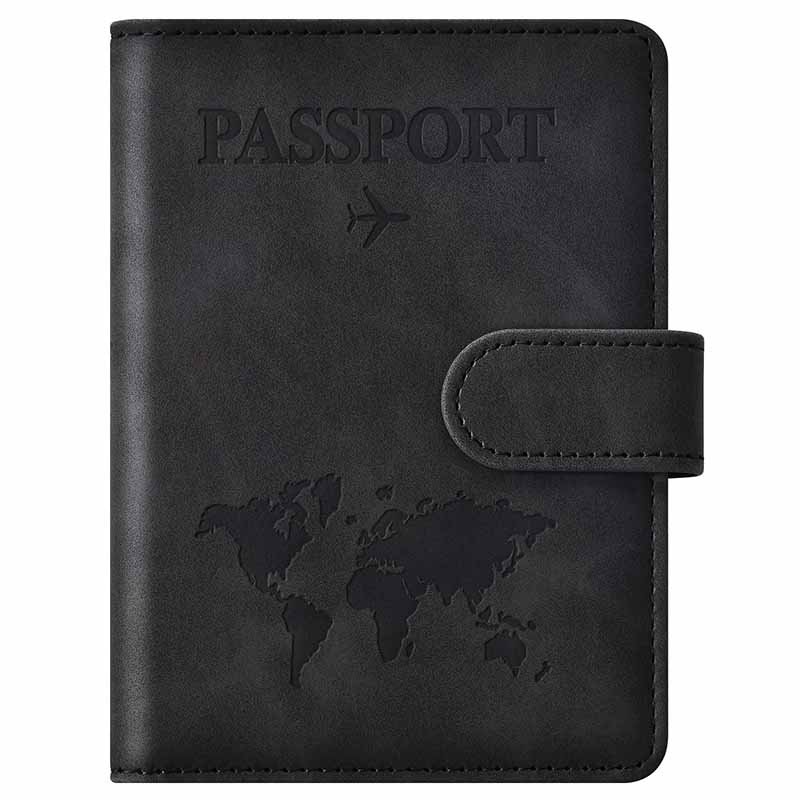
A passport holder is a protective cover or organizer designed to store and protect a passport during travel while keeping it easily accessible. It helps prevent physical damage, reduces wear from frequent handling, and often includes space for travel essentials such as boarding passes or cards. Passport holders are commonly made from leather, fabric, or synthetic materials and are widely used by frequent travelers.
At its core, a passport holder is a functional travel tool, not just a decorative accessory. Its purpose is to manage one of the most important documents a traveler owns—under real-world conditions that include crowds, time pressure, repeated inspections, and constant handling.
Unlike a plain passport sleeve, a proper passport holder is designed with use scenarios in mind.
What is a passport holder used for?
A passport holder serves three primary functions:
- Protection Passports are vulnerable to bent corners, torn edges, water damage, and worn covers. A holder adds a protective layer that preserves the booklet’s structure and readability.
- Organization It keeps the passport together with other essential travel documents—such as boarding passes or IDs—so everything needed at checkpoints is in one place.
- Accessibility A well-designed holder allows the passport to be removed and replaced quickly, which is essential during airport security and immigration checks.
This combination of protection, order, and speed is why passport holders are widely used by experienced travelers.
Is a passport holder the same as a passport cover?
No. This distinction is important and often misunderstood.
- A passport cover is usually a simple sleeve that wraps around the passport with minimal structure.
- A passport holder is typically more functional, offering internal slots, reinforced edges, and sometimes privacy features.
Covers focus mainly on appearance, while holders focus on real travel use. Many travelers start with a cover and upgrade to a holder once they experience frequent travel demands.
Is it okay to use a passport holder?
Yes. Using a passport holder is completely acceptable worldwide.
Airlines, immigration authorities, and security agencies allow passport holders. However, officers may request that the passport be removed from the holder for scanning or inspection. This is standard procedure and not a problem caused by the holder itself.
For this reason, good passport holders are designed to:
- Hold the passport securely
- Allow fast, smooth removal
- Avoid bending or stressing pages
Who benefits most from using a passport holder?
While anyone can use a passport holder, it is especially valuable for:
- Frequent travelers who handle passports repeatedly
- Business travelers who need efficiency and a professional appearance
- International travelers facing multiple checkpoints
- Families managing multiple passports and documents
For these users, a passport holder is less about style and more about control and reliability.
What problems does a passport holder actually solve?
Passport holders address several common travel problems:
- Passports getting damaged inside bags
- Documents scattered across pockets
- Slow access during security checks
- Personal information exposed in public spaces
By consolidating and protecting critical items, a passport holder reduces stress and mistakes—especially under time pressure.
Why are leather passport holders especially popular?
Leather passport holders are favored because leather:
- Is flexible and resists cracking
- Absorbs daily handling stress better than plastic
- Maintains structure over time
- Ages well instead of degrading
This makes leather particularly suitable for travelers who want a long-lasting, premium solution rather than a disposable accessory.
Which Types of Passport Holders Exist
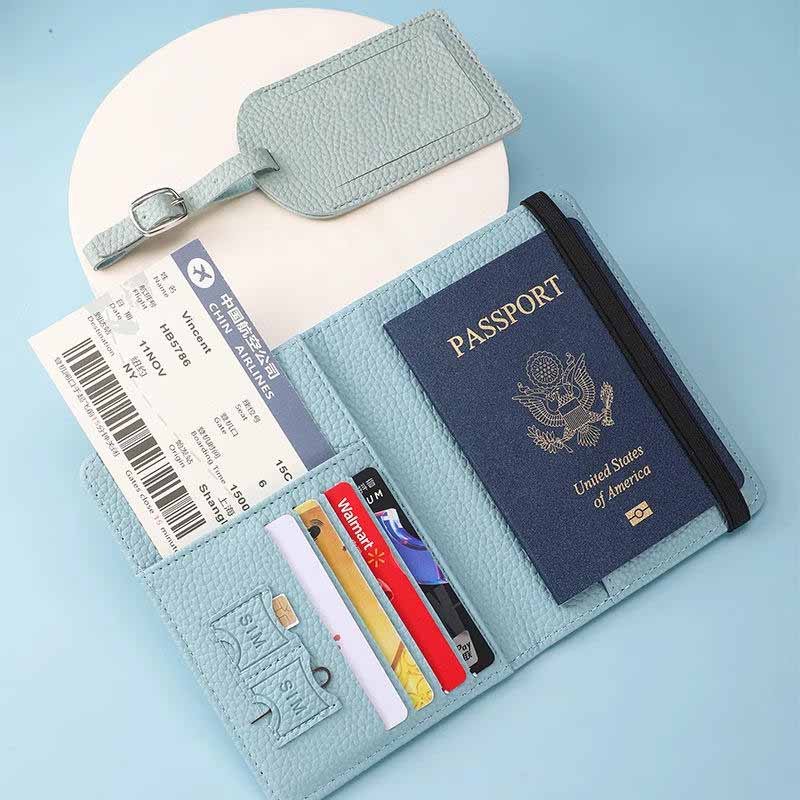
Passport holders exist in several main types, including passport covers, passport wallets, travel organizers, family passport holders, and RFID passport holders. Each type differs in capacity, structure, and use case. Choosing the right type depends on how often you travel, how many documents you carry, and whether you prioritize minimalism, organization, or added security features.
Many passport holders look similar online, but their real-world performance differs greatly. The key is not the label used by sellers, but how the holder is structured and what problems it is designed to solve.
What is a passport cover?
A passport cover is the simplest form of passport protection.
Key features:
- Holds only the passport
- Slim, lightweight profile
- Focused on surface protection
Best for:
- Occasional travelers
- Minimalists who carry nothing else with the passport
- Short trips with few checkpoints
Limitations:
- No organization for other documents
- Must be paired with another wallet or pouch
Passport covers are ideal when simplicity matters more than document management.
What is a passport wallet?
A passport wallet combines passport storage with basic organization.
Common features:
- One passport slot
- Card slots for ID or credit cards
- A pocket for boarding passes
Best for:
- Solo travelers
- Business travelers
- Frequent flyers who want everything in one place
Passport wallets are the most popular type because they balance compact size and daily functionality.
What is a travel organizer passport holder?
Travel organizers are designed for travelers who carry multiple documents.
Typical contents:
- Passport
- Boarding passes
- Tickets and itineraries
- Multiple cards
- Cash
Best for:
- Long-haul or international trips
- Travelers managing visas and documents
- People who want centralized storage
Trade-off:
- Bulkier than simple holders
- Slower at checkpoints if overstuffed
Organizers work best when used intentionally—not overloaded.
What are family passport holders?
Family passport holders are designed to carry multiple passports at once.
Key advantages:
- Holds 2–6 passports
- Keeps family documents together
- Reduces risk of losing individual passports
Best for:
- Families traveling with children
- Group travel
- Parents managing multiple IDs
Consideration:
- Must be well-organized to avoid delays at immigration
Poorly designed family holders can slow checks if documents are hard to separate quickly.
What are RFID passport holders?
RFID passport holders include shielding material to block unauthorized scanning of passport chips or contactless cards.
What they do:
- Reduce risk of electronic skimming
- Add peace of mind in crowded areas
Reality check:
- RFID risk is relatively low
- Value lies more in reassurance than necessity
RFID features are most useful when the holder also stores contactless payment cards.
Are there hybrid or multi-function passport holders?
Yes. Many modern passport holders combine multiple features, such as:
- Passport wallet + RFID protection
- Organizer + zip closure
- Leather holder with pen loop or SIM card slot
These hybrid designs aim to serve specific travel habits, but complexity should never come at the cost of speed or accessibility.
Passport Holder Types at a Glance
| Type | Capacity | Bulk Level | Best Use Case |
|---|---|---|---|
| Passport cover | Passport only | Very low | Minimalist travel |
| Passport wallet | Low–medium | Low | Business & solo travel |
| Travel organizer | Medium–high | Medium | Long or international trips |
| Family holder | High | Medium–high | Family or group travel |
| RFID holder | Varies | Varies | Added security preference |
Common Mistake: Choosing by Capacity Alone
A frequent mistake is choosing the holder with the most pockets.
More slots mean:
- More bulk
- Slower access
- Higher chance of overstuffing
The best passport holder is the one that carries exactly what you need—and nothing more.
How Do You Use a Passport Holder Step by Step
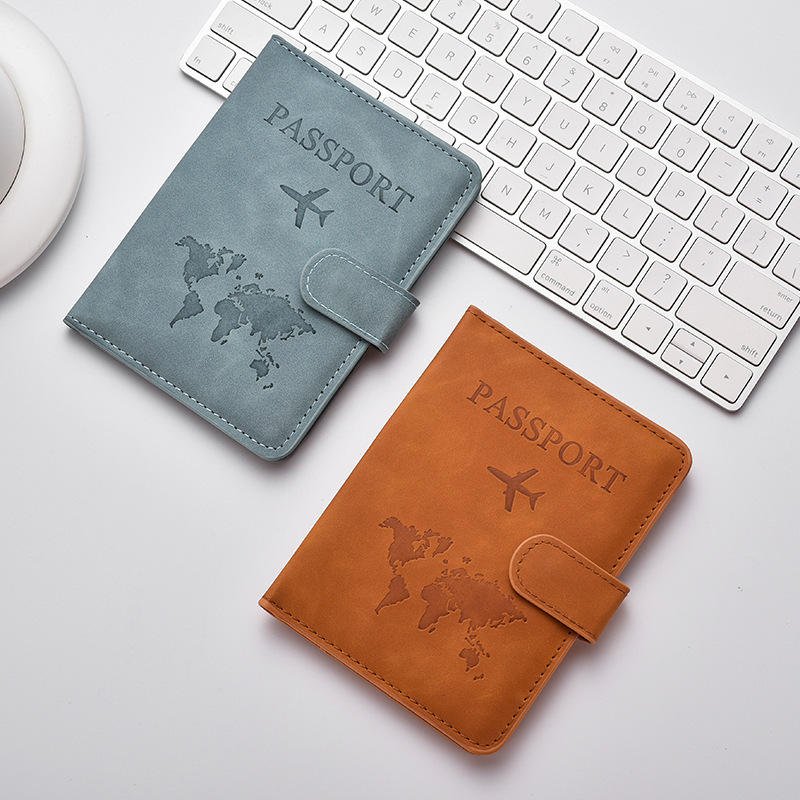
To use a passport holder step by step, insert your passport into the main slot without bending pages, add only essential travel items like an ID, one payment card, and a boarding pass, and keep the holder slim for quick removal at checkpoints. Store rarely used items elsewhere, protect personal data with a cover flap, and practice a simple routine for airport security and immigration to avoid delays.
A passport holder is only helpful if it makes you faster, safer, and more organized. Most travel stress happens at the exact moments when you need documents quickly—security lines, immigration counters, boarding gates, and hotel check-ins. The step-by-step method below is designed for those moments.
Step 1 — How do you place your passport in a passport holder correctly?
Start with the passport itself. This is the item that must be protected most.
Do this:
- Open the holder fully and locate the dedicated passport slot
- Slide the passport in evenly so the spine aligns with the fold
- Make sure no corners or pages curl or bend
- Check that the photo page opens flat (important for inspections)
Avoid this:
- Forcing the passport into a tight pocket
- Inserting it into a card slot or loose sleeve
- Over-bending the booklet to “fit the holder”
A good holder should feel secure but not tight. If it requires force, it’s either the wrong size or already overfilled.
Step 2 — What should you carry in a passport holder?
Think of a passport holder as a checkpoint kit, not a full wallet.
Recommended items (most practical):
- Passport
- Boarding pass (paper or printed itinerary)
- 1 primary ID (driver’s license or national ID)
- 1–2 payment cards (one backup is fine)
- Small emergency cash (flat bills only)
Optional items (only if your holder is designed for it):
- SIM card or SIM pin
- Vaccine card / travel insurance card
- Transit card
Do NOT carry:
- Coins and bulky keys (they dent or warp pages)
- Too many cards (causes the holder to bend and slow removal)
- Thick stacks of receipts (adds bulk and chaos)
This “essentials-only” rule is one of the biggest differences between smooth travelers and stressed travelers.
Step 3 — How do you organize items inside the holder?
Organization is about fast access order.
A simple layout that works:
- Main slot: passport
- Slip pocket: boarding pass / itinerary
- Card slots: one ID + one payment card
- Hidden pocket (if included): backup cash or spare card
If you routinely travel internationally, keep items in the order you’ll need them:
- passport → 2) boarding pass → 3) ID / cards
This reduces fumbling and makes checkpoint interactions smoother.
Step 4 — How do you keep it slim and avoid overstuffing?
Overstuffing is the #1 mistake. It causes:
- Slower removal at airport checks
- Warping and damage to the passport
- Poor fit in pockets or bags
- Scanner issues at e-gates due to thickness
Use the “two-layer system”:
- Passport holder: only checkpoint essentials
- Separate wallet/pouch: everything else (extra cards, coins, receipts)
If your passport holder becomes thicker than a phone, it’s usually overloaded.
Step 5 — How do you use a passport holder at airport security and immigration?
To move quickly through checkpoints, use a repeatable routine:
Before reaching the counter or scanner:
- Open the holder slightly
- Slide the passport out halfway so it’s ready
- Keep the boarding pass accessible (front slip pocket)
At the counter:
- Hand over the passport alone if requested
- Keep the holder in your hand or pocket—don’t place it loosely on trays
After inspection:
- Put the passport back immediately
- Close the holder and store it in the same consistent location
This routine prevents “where did I put it?” moments—one of the most common causes of travel panic.
Step 6 — How should you carry it during transit to prevent loss?
A passport holder should be carried in a secure, easy-to-reach location.
Best options:
- Inner jacket pocket
- Crossbody travel bag with zipper
- Carry-on top pocket (not buried deep)
Avoid:
- Back pockets (easy to lose)
- Loose backpacks (hard to access quickly)
- Open tote bags in crowded spaces
Consistency matters. Put it in the same place every time so you don’t forget it.
Step 7 — How do you use it for hotels, trains, and daily travel?
Passport holders are useful beyond airports.
For hotels and rentals:
- Keep passport + one ID together
- Use a privacy flap if showing documents in public lobbies
- Do not store large cash amounts in the same holder
For daily travel abroad:
- Carry the holder only when needed
- Consider keeping the passport secured in a safe and carrying a copy if appropriate (depending on local rules)
Do You Need to Remove Your Passport at Airports
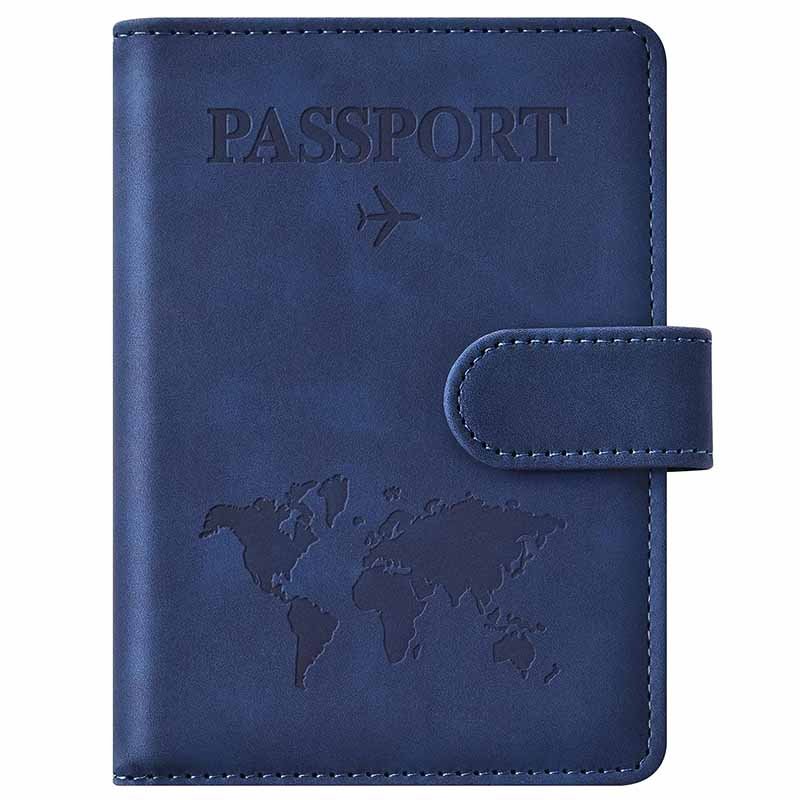
Yes, at many airport checkpoints you may need to remove your passport from its holder for inspection or scanning. Immigration officers and automated e-gates typically require the passport booklet alone so the photo page and embedded chip can be read clearly. Passport holders are allowed, but slim designs that allow quick removal help you pass checks faster without damaging the document.
Confusion around passport holders usually comes from not knowing which checkpoint requires what. Airports involve several distinct checks, and the rules are practical rather than punitive.
At immigration counters, do officers require removal?
Often, yes. At staffed immigration counters, officers need direct access to the passport booklet to:
- Inspect the photo page
- Scan or swipe the document
- Read visas or entry stamps
Most officers will ask for the passport only, not the holder. This is routine worldwide and not a sign that holders are problematic. Well-designed holders make removal quick and smooth.
Tip: Slide the passport halfway out before reaching the desk to avoid fumbling.
What about automated e-gates and self-service kiosks?
Removal is almost always required. E-gates rely on:
- Optical readers for the photo page
- RFID/NFC readers for the embedded chip
Anything adding thickness or blocking the chip—metal snaps, stacked cards, rigid spines—can cause a read failure. Thin, flexible holders are fine to carry, but the passport must be presented alone.
Do TSA or security checkpoints require removal?
Security screening (e.g., TSA) typically checks ID, not the passport holder itself. If you’re presenting a passport as ID:
- The officer may ask you to remove it briefly
- The goal is clear visibility, not compliance with a holder rule
For domestic flights where a driver’s license is used, the passport holder may not be needed at all.
Why do some passport holders cause delays?
Delays are caused by design issues, not the concept of a holder.
Common problems:
- Overstuffed holders (cards + cash + papers)
- Rigid or bulky designs that don’t open flat
- Metal elements near the spine interfering with readers
These force officers to ask for repeated removal or manual checks. Slim, flexible holders minimize this friction.
Are passport holders allowed in all countries?
Yes. Passport holders are legal and commonly used worldwide. There are no country-specific bans on using a holder. The universal expectation is simply that the passport itself must be readable and removable when requested.
How can you pass checks faster while protecting your passport?
Use a simple, repeatable routine:
- Before the counter: open the holder slightly; prepare the passport
- At inspection: hand over the passport alone if asked
- Immediately after: reinsert the passport and close the holder
- Store consistently: same pocket or bag every time
This routine reduces stress, protects the booklet from drops, and speeds up interactions.
Should you remove the passport from the holder in advance?
Yes—when lines are moving fast. Proactively removing the passport (but keeping it in your hand with the holder) can shave seconds off each interaction and signals readiness to officers. Just avoid placing it loosely on trays where it could slide away.
How Do You Choose the Right Passport Holder
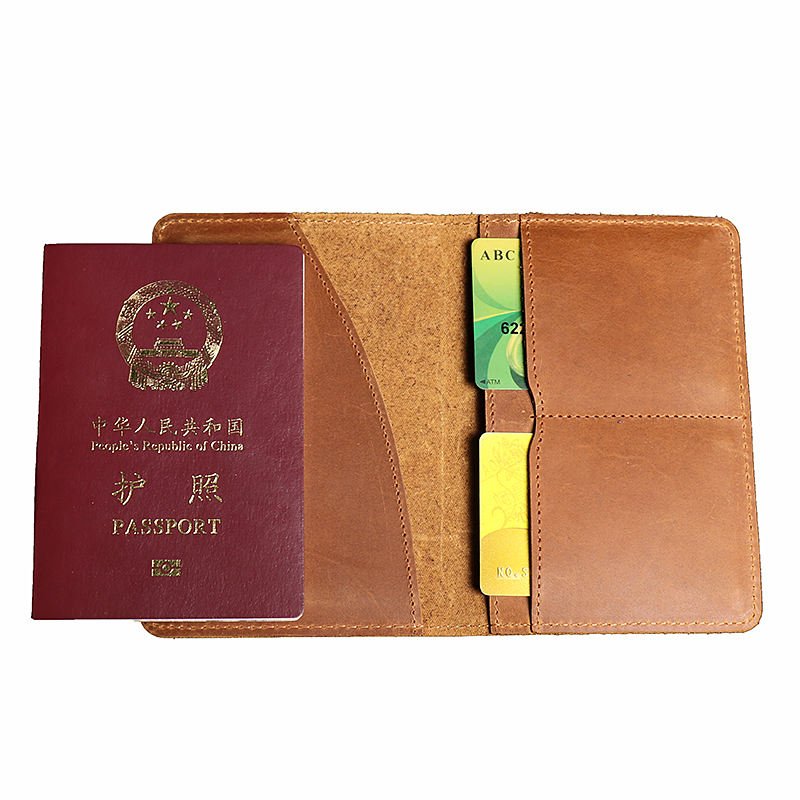
To choose the right passport holder, evaluate your travel frequency, the number of documents you carry, material durability, ease of passport removal, and privacy protection. Frequent travelers benefit from slim leather holders with reinforced edges and covered ID windows, while families or long trips may need organizers. The best passport holder balances protection, speed at checkpoints, and long-term reliability.
Choosing a passport holder isn’t about style first—it’s about how you move through airports and borders. The right holder reduces friction; the wrong one creates delays, damage, or privacy exposure. Use the framework below to choose with confidence.
How should you choose based on travel frequency?
Your travel frequency is the most important filter.
- Occasional travelers (1–2 trips/year): A simple cover or slim wallet is enough. Prioritize light weight and basic protection.
- Frequent travelers (monthly or more): Choose durable materials and reinforced construction. You’ll handle the passport dozens of times per trip—wear resistance matters.
- Constant international travelers: Opt for premium leather with flexible structure that opens flat and allows fast removal at checkpoints.
Frequent use amplifies small flaws. What feels fine on trip one may fail by trip five.
How many documents do you actually need to carry?
Capacity should match essentials-only, not maximum storage.
Ask yourself:
- Do I need to carry boarding passes?
- One or two cards?
- Cash backup?
If yes, a passport wallet works. If you’re managing visas, tickets, and multiple IDs, a travel organizer may be justified—but only if it stays organized.
Avoid holders that tempt you to overstuff. Bulk slows you down and causes scanner issues.
Which material is best for a passport holder?
Material determines longevity and handling comfort.
- Fabric: light, casual, least protective
- PU / synthetic leather: affordable, moderate lifespan
- Genuine leather: flexible, tear-resistant, ages well
Leather stands out because it absorbs repeated stress without cracking and maintains structure over time. For travelers who value durability and appearance, leather is the most reliable option.
How important is ease of passport removal?
This is critical—and often overlooked.
At airports, you will frequently need to:
- Remove the passport
- Hand it over alone
- Reinsert it quickly
Choose holders that:
- Open flat
- Have a dedicated main slot
- Don’t grip the passport too tightly
Avoid rigid designs or narrow sleeves that require force. Speed and smoothness matter more than tightness.
What privacy features should the right passport holder have?
Privacy protection is about controlled visibility.
Look for:
- Flip covers or hidden ID windows
- Designs that hide personal data when closed
- No exposed full address fields
The goal is simple: staff can access information when needed, but strangers can’t read it in public spaces.
Should you choose RFID passport holders?
RFID protection blocks unauthorized scanning of chips or contactless cards.
Reality check:
- Actual RFID skimming risk is low
- Peace of mind value is high—especially in crowded areas
If your holder stores contactless cards, RFID blocking is a reasonable added feature. It should never come at the cost of bulk or rigidity.
How do design details affect long-term use?
Small construction choices make a big difference.
Prioritize:
- Reinforced edges and stitching
- Smooth inner lining (prevents page wear)
- Clean folds that don’t stress the spine
Avoid:
- Metal parts near the passport spine
- Excessively thick padding
- Zippers that press against pages
These details determine whether a holder lasts years or months.
How should business travelers and brands choose differently?
For business travelers and corporate use:
- Professional appearance matters
- Slim profiles look intentional and polished
- Subtle branding (debossing/embossing) adds value without distraction
For brands, passport holders function as long-term brand touchpoints—used repeatedly in global settings. Material quality and finish reflect brand positioning.
Choosing the Right Passport Holder
| Factor | Poor Choice | Best Choice |
|---|---|---|
| Material | Thin plastic | Genuine leather |
| Capacity | Overstuffed organizer | Essentials-only wallet |
| Removal | Tight sleeve | Smooth main slot |
| Privacy | Exposed info | Covered window |
| Lifespan | Short-term | Multi-year use |
What Are Common Mistakes and Tips for Daily Use
Common passport holder mistakes include overstuffing, carrying unnecessary items, exposing personal data, and using rigid or poor-quality materials. Daily best practices are to keep the holder slim, carry only essentials, protect information with a cover, and maintain leather properly. Correct daily use reduces airport delays, prevents document damage, and improves travel efficiency.
Passport holders fail most often because of daily habits, not because the product is inherently flawed. The fixes are simple—but only if you know where problems start.
Mistake 1 — Overstuffing the passport holder
Overstuffing is the most common and most damaging mistake.
What goes wrong:
- Holder becomes bulky and slow to handle
- Passport edges bend or warp
- E-gates and scanners fail due to thickness
- Cards press against passport pages
Tip: Treat your passport holder as a checkpoint kit. Carry only what you’ll present at security or immigration. Move extras to a separate wallet or pouch.
Mistake 2 — Using the passport holder as a full wallet
Passport holders are not designed to replace everyday wallets.
Problems this causes:
- Too many cards create stiffness
- Coins dent pages and covers
- Receipts add unnecessary bulk and confusion
Tip: Limit contents to: passport, boarding pass, 1 ID, 1–2 cards, flat cash. If it feels thicker than a phone, it’s overloaded.
Mistake 3 — Exposing personal information in public
Many holders expose names, addresses, or card details.
Risks include:
- Shoulder surfing in lines
- Photos or scans in public spaces
- Increased theft or identity exposure
Tip: Choose holders with privacy flaps or hidden windows. Show information only when requested by staff.
Mistake 4 — Choosing rigid or poorly designed holders
Rigid designs cause more harm than good.
Common issues:
- Tight sleeves that stress the spine
- Metal snaps near the chip interfering with readers
- Holders that don’t open flat
Tip: Favor flexible, slim designs that allow quick removal and reinsertion without bending pages.
Mistake 5 — Placing the holder in risky locations
Loss often happens due to inconsistent storage.
Avoid:
- Back pockets
- Loose tote bags
- Open backpack compartments
Tip: Pick one secure, easy-to-reach location (inner jacket pocket, zipped crossbody) and use it consistently.
Tip — Create a repeatable airport routine
Consistency reduces stress and mistakes.
A simple routine:
- Before the counter, open the holder slightly
- Remove the passport smoothly
- Hand over the passport only
- Reinsert immediately after inspection
This habit saves time and prevents drops or misplacement.
Tip — Use the two-layer carry system
Separate roles:
- Passport holder: checkpoint essentials
- Wallet/pouch: daily spending items
This keeps the holder slim and speeds up checks.
Tip — Care for leather passport holders properly
Leather lasts longer with basic care.
Do:
- Wipe with a soft, dry cloth
- Keep away from prolonged moisture
- Condition lightly when needed
- Store flat when not traveling
Don’t:
- Over-soak
- Fold aggressively
- Store with sharp objects inside
Proper care preserves structure and appearance for years.
Tip — Know when NOT to carry the passport
Daily travel abroad doesn’t always require the passport.
Best practice:
- Keep the passport secured (hotel safe) when allowed
- Carry a copy or local ID if acceptable by local law
This reduces loss risk while staying compliant.
Conclusion
A passport holder may be small—but it represents trust, identity, and movement across borders. For brands and professional buyers, quality and execution matter.
Szoneier Leather is a leather goods R&D and manufacturing factory with over 18 years of experience, specializing in custom leather passport holders, bags, wallets, belts, straps, accessories, and leather boxes. With in-house material development, design, sampling, production, packaging design, and quality inspection, we support both brand clients and professional custom buyers.
Looking to develop custom leather passport holders for your brand or project? Contact Szoneier Leather to discuss materials, designs, and timelines. We help turn everyday travel accessories into long-lasting, brand-ready products.


