 Skip to content

Selecting a private label leather goods manufacturer may be one of the most defining decisions your brand will ever make. Whether you’re launching a new leather accessories line or scaling an established business, the factory behind your bags, wallets, belts, and small leather goods becomes the silent engine powering your quality, your margins, and your reputation. And yet most brands—especially fast-growing ones—quickly discover that not all leather factories are built equally. Some excel at raw material control, others at craftsmanship, others at innovation, and very few master all of them at once. To choose a private label leather goods manufacturer, brands must evaluate product capability, material sourcing strength, craftsmanship quality, sampling efficiency, pricing transparency, communication, and long-term scalability. A reliable manufacturer should offer in-house material development, strong engineering and pattern-making, consistent QC standards, flexible MOQs, and proven experience with international brands. The goal is not just finding a supplier—but choosing a strategic production partner who can support long-term growth.
As we explore the essential criteria of choosing a manufacturer—with real-world examples, industry benchmarks, and practical evaluation methods—you’ll see why this decision affects everything from product aesthetics to operational consistency. And before the end of this article, you’ll understand how expert factories like Szoneier Leather, with 18+ years of experience and a vertically integrated supply chain, help brands reduce risk and innovate faster. Let’s begin.
What Types of Private Label Leather Goods Do You Need?
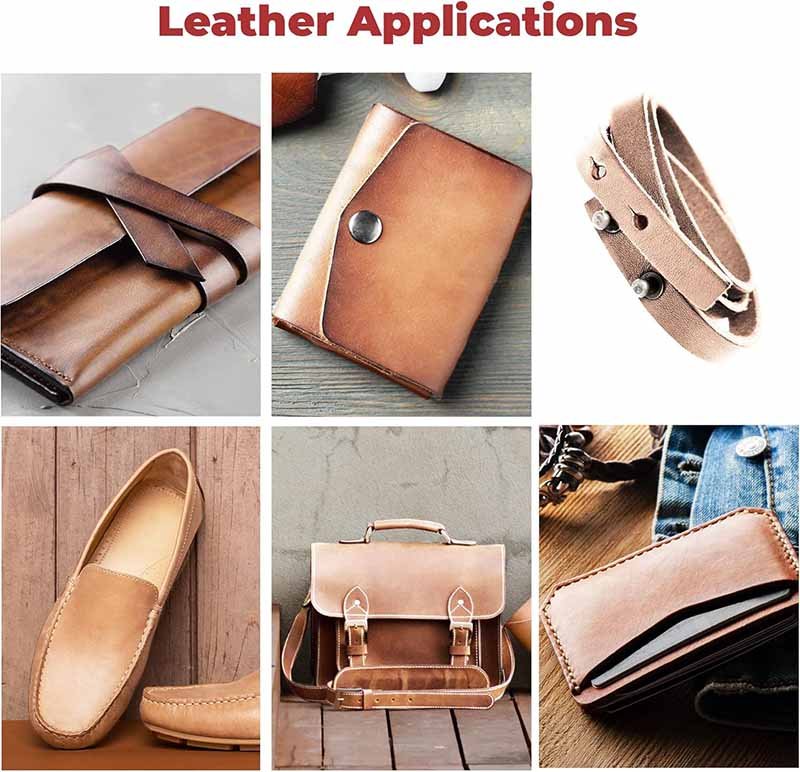
Choosing the right private label leather goods starts with defining your product categories, customer segments, quality level, and functional requirements. Brands must determine whether they need bags, wallets, belts, straps, accessories, or specialty leather items—and clarify target pricing, materials, and expected order volumes. A well-structured product scope helps identify manufacturers whose equipment, craftsmanship skills, and material sourcing capabilities align with your brand vision and long-term goals.
Understanding Your Leather Product Requirements
Before selecting a private label leather goods manufacturer, the most strategic step is clarifying exactly what you want to produce—because leather goods manufacturing is highly specialized. No single factory excels at every product type. A workshop that produces flawless wallets may struggle with structured handbags; a belt manufacturer may not handle soft leather totes; a luggage maker may lack the delicate craftsmanship required for small accessories.
Understanding your product categories helps you immediately filter manufacturers by expertise, machinery, material capabilities, and production processes. Leather goods can be broadly categorized into:
- Bags (handbags, crossbody bags, tote bags, backpacks)
- Small Leather Goods (SLGs) (wallets, cardholders, key cases, pouches)
- Belts & Straps (dress belts, casual belts, guitar straps, camera straps)
- Fashion & Functional Accessories (watch bands, passport covers, organizers)
- Luxury Packaging & Leather Boxes (gift boxes, jewelry cases, rigid structures)
Each of these categories requires distinct techniques. For example, SLGs demand millimeter-level precision, tight stitching, and thin splitting. Bags may require structural reinforcement, molding, edge piping, foam lamination, or complex internal pockets. Belts require high tensile strength testing and buckle-mounting equipment.
You must also define market positioning. Are you creating a mid-tier Amazon brand? A premium boutique brand? A luxury-grade designer line? The leather grade, edge finish, lining material, hardware, and QC standards depend entirely on your target customer.
Many brands also underestimate the importance of SKU planning. A factory-friendly assortment may include a hero bag, two SLGs, and a belt—using similar materials to control costs. More advanced brands may build seasonal collections with 20–50 SKUs. Your expected assortment size affects mold cost, material ordering, and MOQ structure.
Finally, consider the functionality of your leather goods:
- Do you need RFID protection?
- Will your products face heavy wear?
- Are weight reduction or scratch resistance important?
- Do you need water-resistant or oil-resistant finishes?
How Do You Define Your Product Category and Positioning?
Start by categorizing your leather goods into functional groups: everyday bags, work bags, SLGs, belts, luxury accessories, or packaging. Then determine whether your brand positions these goods as entry-level, mid-range, premium, or luxury. For example, a premium brand producing full-grain vegetable-tanned goods requires different craftsmanship than a modern brand selling lightweight saffiano wallets. Clear positioning helps factories select appropriate leather grades, lining materials, and hardware.
Which Leather Goods Should You Prioritize First?
New brands benefit from starting with a tight, manageable collection: 3–6 SKUs that represent the core identity. A hero tote, a signature wallet, and a belt often create a strong foundation without overwhelming the sampling process. Established brands may expand into backpacks, weekender bags, dopp kits, passport covers, or specialty items. Prioritizing SKUs also helps optimize material usage—shared leathers across products reduce waste, MOQ pressure, and cost.
How Do You Prepare a Product Brief?
A strong product brief includes:
- sketches or 3D renderings
- sample references
- material preferences (leather type, thickness, finish)
- construction notes (edge paint vs turned edges, reinforcement, padding)
- size specs and functional features
- hardware requirements (zipper type, buckles, metal finish)
- target retail price and target production cost
- branding and packaging expectations
This brief acts as a roadmap for the manufacturer. Factories like Szoneier Leather can transform even simple sketches into production-ready patterns, but the better your brief, the faster your sampling process becomes.
What Makes a Leather Goods Factory Truly “Private Label Ready”?
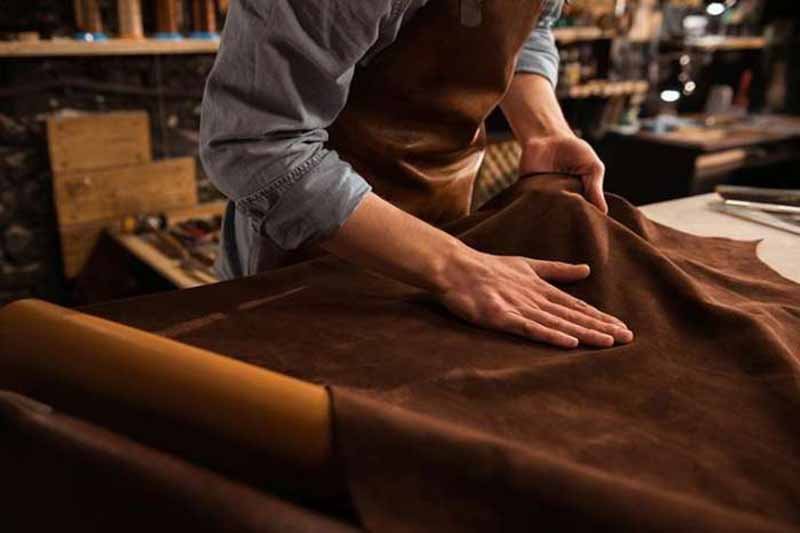
A truly private-label-ready leather goods factory combines end-to-end product development, stable raw material sourcing, flexible MOQs, strict quality control, branding and packaging capability, and professional communication and IP protection. Instead of just “making bags,” it can take a brand’s concept, translate it into tech packs and samples, industrialize it with consistent quality, and deliver labeled, packaged products that are ready for warehouse, e-commerce, and retail launch.
How to Tell If a Factory Is Really Built for Private Label
Most leather factories can sew a wallet or bag. Far fewer can own the full private-label process: helping you design, sampling quickly, stabilizing materials, managing branding details, and repeating orders without quality drift. Below are the core dimensions you should evaluate before calling any factory “private label ready.”
1. End-to-End Product Development Capability
A private-label-ready factory doesn’t wait passively for perfect tech packs. It can help you build them. That means: in-house pattern makers, CAD engineers, and sample technicians who understand how to translate mood boards, reference samples, or rough sketches into production-ready construction.
Ask if they can:
- Develop patterns and grading for different sizes (e.g. belt lengths, wallet formats, laptop bag sizes).
- Suggest construction changes that reduce bulk, improve durability, or optimize cost.
- Create multiple sample rounds (PP samples, fit samples, color samples) with clear version control.
If you send a rough idea and the factory comes back with practical options, cost implications, and construction suggestions, you are likely dealing with a private-label-ready partner—not just a workshop.
2. Professional Leather & Hardware Sourcing Backbone
Private-label brands need repeatable quality. That’s impossible if the factory buys random leather and hardware from open markets every time. A serious private-label factory will:
- Maintain a vetted network of tanneries (genuine leather, split, corrected grain, nubuck, suede, veg-tan, chrome-tan, etc.) with traceable specs.
- Offer material libraries: standard leathers, lining fabrics, threads, zippers, snaps, buckles, edge paints, and foams already tested in production.
- Control sourcing for batch consistency—same feel, color tolerance, and performance across many orders.
They should be able to show you material data (thickness, test reports, color fastness, abrasion, migration risk) and suggest leather grades that match your price point and market positioning, not just ask “what leather do you want?”
3. Branding, Packaging, and Retail-Ready Details
Private label doesn’t stop at the product itself. A factory that truly understands this will offer integrated branding and packaging services, such as:
- Custom metal logos, embossing/debossing dies, foil stamping on leather and packaging.
- Branded pullers, snaps, rivets, and buckles where needed.
- Swing tags, barcodes, care labels, composition labels, size labels compliant with your target markets.
- Gift boxes, dust bags, tissue, stickers, and sleeves designed for e-commerce or retail shelves.
Check if they can handle multi-language care labels, brand guidelines, Pantone color matching for logos, and carton marking for your warehouse or 3PL. A factory that can ship “shelf-ready” or “Fulfilled-By-Amazon-ready” leather goods is truly private-label friendly.
4. Quality Systems, Testing, and Scalable Production
A private-label brand can’t afford 10% defective rate or inconsistent craftsmanship. A private-label-ready factory has formal quality management systems, not just “we will check.” Look for:
- Standard operating procedures (SOPs) for cutting, skiving, stitching, edge painting, gluing, and finishing.
- In-line and final inspections with defined AQL standards.
- Clear tolerances for dimensions, stitching SPI, edge coat evenness, color matching, hardware attachment strength, etc.
- The ability to scale from small pilot runs to thousands of pieces without losing detail: uniform edge paint, consistent stitch tension, clean logo impressions.
They should be open to third-party inspections and able to share past audit reports, factory certifications, or test results (e.g. pull tests, color fastness, adhesion). This is the difference between a workshop and a brand-grade manufacturing partner.
5. Flexible MOQs, Stable Lead Times, and Transparent Communication
Private-label brands—especially when expanding categories—often need smaller first runs and frequent reorders. A private-label-ready factory understands that long-term relationships matter more than squeezing the first order. Signs you’ve found the right partner:
- Reasonable MOQs per SKU or per color, with pilot quantities for new designs.
- Clear lead times for sampling and bulk, and realistic capacity planning for peak seasons.
- A responsive English-speaking project manager or account manager who tracks all your styles, versions, and PO history.
- Digital documentation—style sheets, BOMs, order trackers—so you’re not relying on scattered emails.
Transparent communication, proactive updates when issues arise, and a structured way of working (instead of “we’ll see”) are all hallmarks of a factory that’s built to support private-label brands over many seasons, not just one-off jobs.
6. IP Protection, Confidentiality, and Long-Term Partnership Mindset
Finally, a factory cannot be called private label ready if it doesn’t respect your intellectual property. Ask how they protect:
- Your designs, molds, patterns, and logo tools from being reused for other buyers.
- Your brand’s packaging, artwork, and photography.
- Your pricing and order information.
Professional private-label factories are comfortable with NDAs, clear clauses on exclusivity (for key designs or markets), and internal rules preventing unauthorized samples or showroom displays. They think in terms of multi-year roadmaps, helping you grow your leather bags, wallets, belts, and accessories line step by step—rather than just quoting the lowest price and disappearing after one season.
When a factory checks all these boxes—development, sourcing, branding, quality systems, flexibility, communication, and IP protection—you are not just dealing with a supplier. You’re partnering with a true private-label-ready leather manufacturer capable of supporting your brand’s growth from first collection to full global rollout.
How Do Leather Quality, Materials, and Craftsmanship Affect Your Brand?
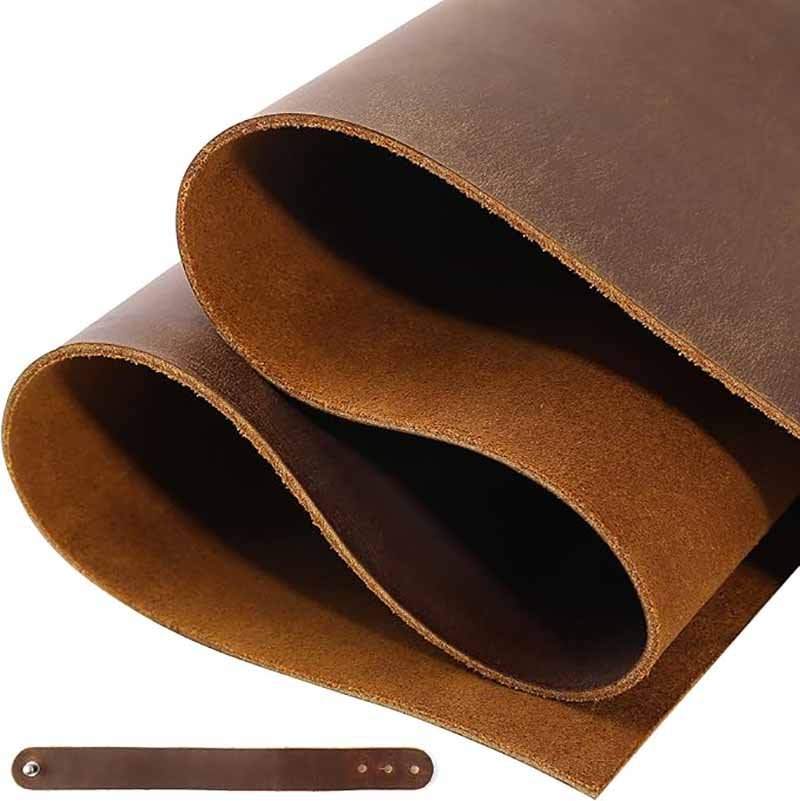
Leather quality, material selection, and craftsmanship directly shape your brand’s perceived value, product durability, pricing power, and customer loyalty. High-grade leather, precise construction, reinforced structures, and premium hardware create products that age well and command higher retail margins. Poor material choices or weak craftsmanship lead to returns, negative reviews, and brand erosion. For private-label brands, material engineering and finishing quality ultimately determine whether a product feels luxury, mid-tier, or mass-market.
In leather goods, your material and craftsmanship choices are your brand. Customers may not understand tanning chemistry, thread tensile strength, or edge-paint viscosity—but they instantly recognize quality through touch, smell, durability, and long-term performance. The difference between a premium leather product and an average one often lies in details invisible to the consumer’s eye yet extremely impactful in daily use.
Leather is an organic material, and its quality varies dramatically depending on the hide origin, tanning method, finishing process, and batch consistency. Brands that choose inconsistent suppliers often receive leather that varies in smell, texture, color absorption, and resistance to wear. These variations lead directly to quality complaints, higher return rates, and damaged brand perception. Conversely, brands working with a private-label manufacturer that controls raw materials can maintain stable production and reliable customer experience.
Craftsmanship is equally important. Even the best leather performs poorly if the construction is weak—loose stitches, uneven skiving, over-applied glue, poorly aligned pockets, thin edge paint, insecure hardware, and weak reinforcements cause premature wear. Luxury brands achieve longevity not through magic, but through strict craftsmanship standards embedded into every production step: correct SPI (stitches per inch), clean burnishing, layered edge painting, structural reinforcement, accurate pattern cutting, and hardware installation protocols.
Hardware quality—zippers, buckles, snaps, rivets—is another overlooked factor. Inferior hardware often fails long before the leather does. Metal oxidation, weak spring mechanisms, or low micron plating cause discoloration and malfunction, pushing customers toward negative reviews—even if the leather itself is premium.
Finally, material engineering matters. A factory that understands leather behavior can optimize thickness (1.0–2.2 mm depending on product type), prevent stretching, control edge waviness, and adjust reinforcement to achieve the ideal balance between structure and softness. These engineering choices determine whether your product feels “premium,” “sturdy,” “luxurious,” or “cheap”—long before branding enters the conversation.
Which Leather Types and Grades Influence Brand Positioning?
Understanding leather grades is foundational to controlling your brand’s perceived quality.
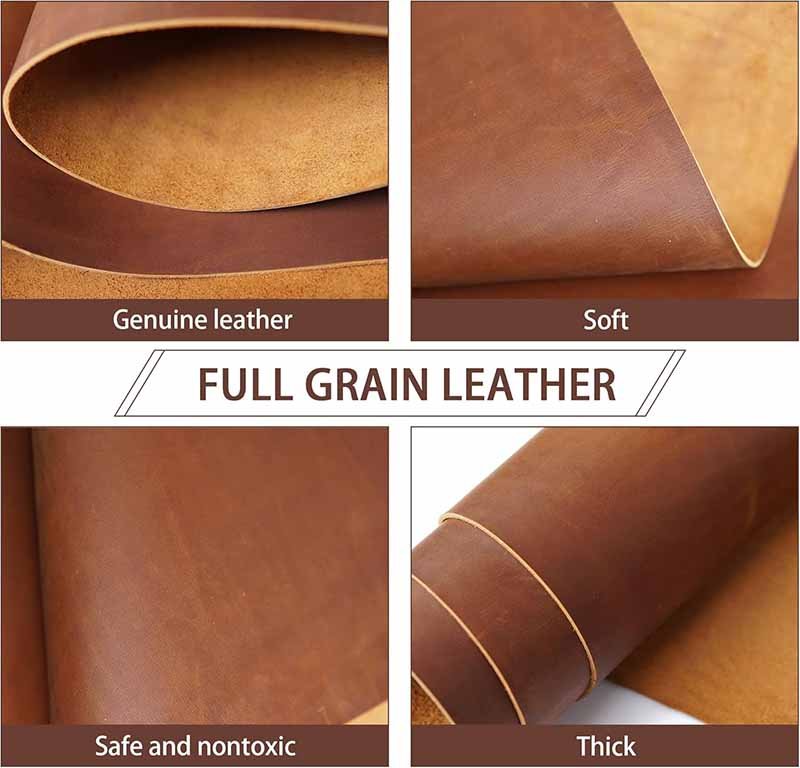
- Full-grain leather retains the natural grain of the hide, including imperfections. It ages beautifully, lasts decades, and is used by luxury brands for premium bags and wallets.
- Top-grain leather has a lightly corrected surface. It is smoother, consistent, and slightly more affordable—ideal for mid-to-high-end goods.
- Corrected-grain or split leather undergoes heavy buffing and coating. It is less durable but price-friendly.
- Genuine leather often refers to corrected or split leather with lower performance.
- PU-coated or recycled leathers offer vegan or sustainable alternatives but require stronger engineering to maintain shape and durability.
Choosing the wrong leather grade for your audience results in misaligned expectations. For example, selling “full-grain luxury wallets” with split leather interiors causes customer disappointment and accusations of false marketing. A private-label-ready manufacturer helps match leather to brand, not just budget.
How Do You Assess a Factory’s Material Sourcing Capability?
Material sourcing is not merely about buying leather. It involves:
- partnering with certified tanneries
- ensuring color consistency across batches
- performing leather testing (abrasion, color fastness, tensile strength)
- understanding finish types (aniline, semi-aniline, pigment-coated)
- managing lead times for hides and specialty finishes
- matching leather behavior to product purpose
Factories like Szoneier Leather with strong supply-chain control can develop custom leathers, adjust thickness precisely, and source matching linings, reinforcements, and hardware. This level of control eliminates problems like mismatched textures, inconsistent colors, cracking edge paint, and peeling finishes—issues that often destroy a brand’s reputation on Amazon or retail platforms.
What Craftsmanship Details Impact Durability and Product Perception?
Craftsmanship is where material transforms into a brand-defining object. Key factors include:
- Stitching density (SPI): Higher SPI looks premium and increases seam strength.
- Thread quality: Nylon thread for durability, polyester thread for UV resistance, bonded thread for stress points.
- Edge finishing: Multi-layer edge paint, sanding, and sealing prevent cracks and peeling.
- Skiving accuracy: Uneven skiving leads to bulky folds or weak areas prone to tearing.
- Reinforcement placement: Handle bases, corners, pockets, straps must be structurally reinforced.
- Hardware installation: Loose rivets or weak snap buttons are among the top customer complaints.
- Alignment & symmetry: Crooked pockets or inconsistent shapes signal poor craftsmanship.
Factories with mastery in these details create goods that feel “premium” even without luxury materials.
How Should You Evaluate Sampling, MOQ, and Pricing Structures?
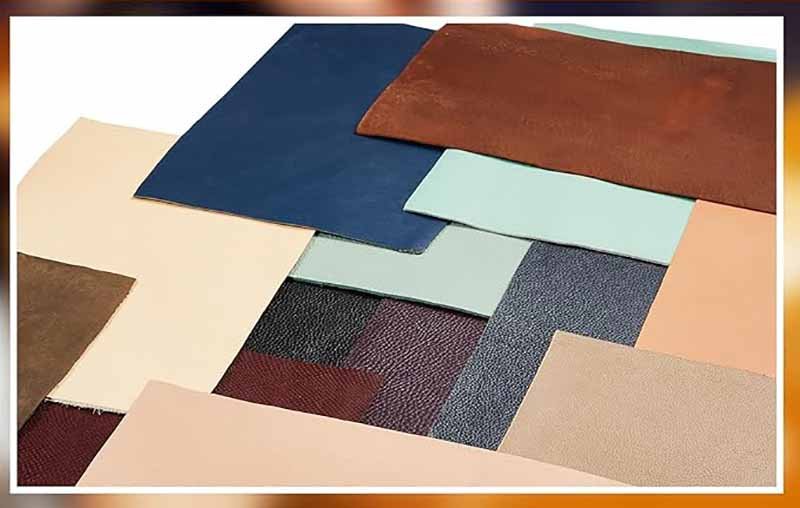
To evaluate a leather manufacturer’s sampling, MOQ, and pricing, brands should examine sample accuracy, revision capability, lead times, and how closely samples represent final production quality. MOQ flexibility reveals whether the factory supports small brand launches, while transparent pricing structures show how material, labor, hardware, and packaging costs are calculated. A private-label-ready factory provides clear cost breakdowns, stable quotes, and scalable production planning aligned with your growth.
Sampling, MOQ, and pricing are not just operational details—they reveal how mature, scalable, and brand-ready a leather manufacturer truly is. A factory may claim to offer OEM/ODM services, but these three areas expose its real capability, professional depth, and suitability for long-term partnership.
1. Sampling Is the Heart of Private-Label Development
Sampling is the stage where your ideas take physical form. A professional factory approaches sampling as an engineering process, not a quick mock-up. High-quality sampling shows the factory understands construction, proportion, reinforcement, and finish quality. Sampling exposes whether a factory can truly follow your specifications or deliver premium craftsmanship consistently.
Professional sampling workflows include:
- Pattern development using CAD or manual drafting
- Material selection and matching (leather, lining, hardware)
- Skiving and thickness calibration
- Structural reinforcement mapping
- Prototype stitching with correct SPI
- Edge paint testing
- Hardware installation and stress tests
- Packing simulation for final shipment
Factories that skip these steps often produce samples that look acceptable but fail during real use.
Sampling also reveals:
- the skill level of the pattern-making team
- the precision of their leather engineering
- the efficiency of communication (how they interpret your brief)
- whether they proactively solve problems (e.g., material upgrades, weight reduction, cost optimization)
A reliable factory produces samples that are 90–95% identical to final mass production. If samples and production look noticeably different, it indicates weak QC or immature engineering.
2. Evaluating the MOQ Structure
MOQ (Minimum Order Quantity) determines your ability to launch new SKUs, test markets, or expand collections. MOQ flexibility signals whether a factory is genuinely private-label-friendly.
Factories with strong internal capabilities can offer:
- Low MOQs per style (50–200 pcs per SKU)
- Low MOQs per color
- MOQ consolidation across multiple SKUs using the same leather lot
- Pilot runs for new categories or Amazon launches
A rigid MOQ (e.g., 500–1000 pcs per SKU) usually means:
- the factory lacks material-sourcing flexibility
- they outsource components to third parties
- they prioritize mass production clients only
Conversely, factories with in-house leather sourcing, cutting, and finishing can support small brand launches and seasonal updates.
MOQ evaluation checklist:
- What is the MOQ per SKU and per color?
- Can MOQs be reduced with shared materials?
- Can the factory combine orders across product categories?
- Do they offer pilot runs for new brands?
- Can they scale to 5,000–20,000 pcs when you grow?
If a factory is unwilling to support you early, they are unlikely to support you when your brand scales.
3. Understanding Pricing Structures and Cost Transparency
Pricing reveals how organized and honest a manufacturer is. Transparent factories give clear breakdowns and explain how each component affects cost.
A professional leather manufacturer provides pricing based on:
- Leather grade and thickness (the largest cost driver)
- Lining, reinforcement, and foam materials
- Hardware type and plating thickness
- Construction complexity (pockets, compartments, molds)
- Edge finishing method (edge paint vs turned edges vs burnished edges)
- Labor time (varies by product category)
- Branding method (metal logo, embossing, stamping)
- Packaging (dust bags, boxes, inserts)
- Quality requirements (AQL level, extra QC stages)
Factories that provide “one number” pricing without explanation usually hide quality shortcuts.
Pricing Red Flags to Watch For:
- significant price changes after sampling
- vague explanations like “material cost is high”
- no ability to provide alternate cost tiers
- quotes much lower than market average
- no transparency on hardware quality or plating micron levels
Pricing Green Flags:
- consistent quotes for repeat orders
- structured tier pricing for different leather grades
- willingness to suggest cost-saving alternatives without sacrificing quality
- clear BOM list and labor cost modeling
- ability to hold prices for 3–6 months
What Does a Professional Sampling Process Look Like?
A professional sample follows a controlled engineering workflow:
- Technical briefing—factory reviews your sketches, reference samples, or tech packs.
- Material matching—factory sources leather, lining, reinforcements, and hardware that fit your aesthetic and price targets.
- Pattern development—CAD or manual drafting ensures accurate shapes and seam allowances.
- Prototype cutting & skiving—thickness is calibrated for structure and flexibility.
- Assembly—factory uses the correct SPI, edge paint methods, and reinforcements.
- Fit & function check—factory tests pockets, zippers, straps, weight distribution, and shape retention.
- Revision loop—samples are refined if required.
This process demonstrates whether the manufacturer understands both engineering and brand aesthetics.
Which MOQs Are Reasonable for Leather Goods?
MOQ varies by product category:
- Wallets/Cardholders: 100–300 pcs
- Leather Bags/Totes: 50–200 pcs
- Belts: 100–300 pcs (due to buckle sourcing)
- Small Accessories: 100–500 pcs
- Gift Boxes: 200–1000 pcs
A flexible MOQ is crucial for new brands testing multiple SKUs. Factories with in-house raw materials can combine color/material lots to reduce MOQ pressure. Amazon sellers and boutique brands benefit most from factories offering low MOQ + stable quality.
How Should Pricing Be Evaluated?
Pricing should always be evaluated in relation to:
- material grade
- craftsmanship complexity
- hardware specifications
- quality assurance level
- brand positioning
If you’re building a premium brand, chasing the lowest price leads to quality instability, customer returns, and negative reviews. Instead, compare what each price tier includes. A transparent factory will show you:
- full-grain vs top-grain cost differences
- hardware options at different prices
- reinforcement upgrades
- edge finishing complexity impacts
- batch testing requirements
Factories unwilling to break down pricing usually cut corners in areas the buyer can’t see—thread quality, reinforcement materials, adhesive types, edge paint layers.
Which Communication, Development, and IP Protection Practices Matter Most?
Effective communication, structured product development, and strong IP protection are essential for a successful private-label leather manufacturing partnership. Brands should choose factories with fast, clear communication, detailed documentation, technical development support, and strict confidentiality protocols. A private label–ready factory maintains transparent workflows, protects designs and molds, uses NDAs, and ensures all proprietary patterns, tooling, and branding remain exclusive to the brand.
Most private-label failures—incorrect samples, quality drift, delayed production—result not from poor craftsmanship but poor communication and weak development processes. A factory may have excellent sewing skills, but without structured communication and IP controls, brand risk increases dramatically.
Private-label manufacturing is not transactional—it is collaborative. Your factory must act as a technical partner who helps refine concepts, protects your brand’s assets, and ensures smooth execution from idea to finished product. Below are the critical areas to evaluate.
1. Communication Quality Determines Sampling Accuracy and Project Momentum
Communication is the foundation of private-label success. Even the best technical team cannot execute well if communication channels are slow, unclear, or inconsistent.
A professional factory demonstrates:
Fast response time
Industry standard for private-label suppliers is within 12–24 hours. Slow replies almost always indicate poor organization or overloaded production—both major risks for growing brands.
Clear, structured communication
This includes:
- summarizing client requirements
- sending annotated images
- clarifying uncertainties before starting work
- providing timelines and follow-up reminders
Professional suppliers never assume—they verify first.
Technical communication ability
Factories must understand sketches, 3D renders, CAD drawings, and reference samples. They should also proactively warn you about potential issues:
- leather thickness too heavy
- hardware stress points
- edge paint incompatibility
- bag collapsing due to poor reinforcement
Factories that catch problems early save brands thousands of dollars in revisions and lost sales.
Dedicated project manager
A private-label-ready manufacturer assigns 1 project owner who tracks:
- sampling versions
- BOM changes
- production notes
- QC results
- packaging updates
- delivery dates
This prevents the chaos that occurs when multiple staff handle one account.
2. Development Processes Reveal Whether the Factory Can Scale With Your Brand
Private-label development requires more than sewing skill—it requires engineering capability and documentation discipline.
A mature factory uses structured development systems such as:
Technical sheets & BOM documentation
Every style should have:
- material list
- hardware codes
- stitching specs
- reinforcement maps
- edge finishing notes
- size specifications
- leather thickness requirements
- QC checkpoints
Brands without accurate BOMs experience quality drift between orders.
Version control for samples
A professional factory labels:
- Sample 1.0 (first prototype)
- Sample 1.1 (revision after feedback)
- PP sample (pre-production)
- SRS (signed-off sample)
This ensures mass production follows the final approved version, not an older sample.
Pattern & mold management
Factories keep digital and physical patterns safely stored. Sloppy pattern control leads to dimensional inconsistencies, weak structures, and uneven shapes.
Engineering suggestions
Private-label-ready factories offer technical improvements like:
- reinforcing strap joints
- adjusting panel width to reduce leather waste
- choosing zipper sizes based on load stress
- improving edge paint durability
- weight optimization for premium bags
Factories that only “follow instructions” without giving insight are not true development partners.
3. IP Protection Is Non-Negotiable for Private-Label Brands
Weak IP practices put your designs, molds, and brand identity at risk. A private-label-ready factory will have strict protection protocols to keep your products exclusive.
NDAs (Non-Disclosure Agreements)
A professional leather manufacturer signs NDAs willingly and confidently. If a factory hesitates or refuses, it is a major red flag.
Confidential handling of client samples
Your reference samples should never be displayed in the showroom or offered to other buyers.
Exclusive mold and pattern ownership
Your brand owns:
- metal logo molds
- embossing dies
- patterns and CAD files
- custom hardware designs
A trustworthy factory ensures these items are locked, tracked, and not reused.
Restricted internal access
Only relevant technical teams should access your tooling and files. Factories that allow open access are unsafe for serious brands.
No cross-selling similar designs to competitors
Some low-grade factories recycle customer designs into their general catalog. A premium supplier guarantees brand exclusivity and respects your intellectual property.
Secure storage of digital files
All digital patterns, artwork, and packaging files must be stored on controlled servers, not unprotected personal devices.
How Do You Evaluate a Factory’s Communication Ability?
Assess:
- responsiveness speed
- clarity of English or your working language
- ability to summarize requirements
- use of technical diagrams and annotated photos
- consistency of project updates
Ask the factory to explain how they will manage your project. If they cannot present a clear workflow, they will likely struggle during complex development cycles.
What Development Tools and Documentation Should a Factory Provide?
A private-label-ready factory provides structured documents:
- BOM sheets with material and hardware codes
- Construction diagrams showing reinforcement, folds, and layers
- Measurement charts with tolerances
- QC checklists for each production stage
- Packing requirements for warehouses or fulfillment centers
These documents ensure mass production is consistent, even months later.
How Do You Ensure Your Designs Are Protected?
Protecting your assets requires both contractual and operational controls. Ask if the factory:
- signs NDAs or exclusivity agreements
- stores your molds and patterns in locked facilities
- restricts internal sharing of your designs
- provides tracking logs for mold usage
- forbids showing your samples to other buyers
Factories with mature IP systems operate more like global suppliers and understand brand value, confidentiality, and market integrity.
How Do You Choose a Long-Term Private Label Partner, Not Just a Supplier?
A long-term private label partner offers consistent quality, scalable capacity, transparent communication, stable pricing, and proactive product development support—not just order fulfillment. They help refine designs, solve manufacturing challenges, protect your IP, and adapt to your brand’s growth. The right partner provides strategic value: engineering expertise, production reliability, flexible MOQs, and a collaborative mindset that evolves with your market and product roadmap.
Most factories can produce a leather bag or wallet. Only a few can grow with your brand, remain consistent across years, support multiple SKUs, and innovate alongside you. Choosing a real private-label partner means evaluating not only capability but also philosophy, stability, and commitment.
A supplier fulfills orders.
A partner elevates your entire brand.
A true private-label partner is invested in your success. They recognize that your brand’s growth increases their own business. This is why they focus on long-term collaboration rather than short-term transactions.
1. Consistency Across Batches Is More Important Than Perfect Samples
Many workshops deliver an excellent first sample but fail during mass production. A long-term partner maintains 95%+ consistency across all batches, SKUs, and restocks. This requires:
- stable material sourcing (same leather thickness, grain, finish)
- controlled dye lot management
- repeatable cutting and skiving accuracy
- standardized stitching SPI
- disciplined edge finishing processes
- continuous QC documentation
Consistency is the key to Amazon ratings, brand reputation, and retail sell-through. If batch-to-batch quality fluctuates, customers lose trust—even if the factory initially seems skillful.
2. Scalability: Can the Factory Grow as You Grow?
A long-term partner must handle both: small MOQs when you launch a new SKU, and large-volume orders when sales take off.
Evaluate whether the factory can:
- add production lines when needed
- manage seasonal spikes
- support multi-SKU collections
- maintain lead times during busy periods
- expand output from hundreds to thousands without delays
Factories that cannot scale become bottlenecks, limiting market expansion and causing stockouts. A scalable partner supports growth—not constrains it.
3. Stable, Transparent Pricing Over Time
Unpredictable price changes damage forecasting and profitability. A trustworthy partner offers:
- clear BOM-based pricing
- raw material cost transparency
- stable quotes for 3–12 months
- early warnings if global leather or hardware prices shift
- multiple cost options based on material grade
A supplier that randomly increases prices or blames “material fluctuations” without proof is not reliable for long-term cooperation.
A partner helps you optimize cost strategically without sacrificing performance, offering options like:
- alternate hardware types
- updated reinforcements
- shared material use across SKUs
- production efficiency improvements
4. Proactive Problem-Solving & Development Support
A real partner does not simply follow your instructions. They provide engineering insights and catch problems before sampling or production.
Proactive partners help with:
- construction upgrades
- reinforcement improvements
- stitch spacing adjustments
- leather thickness optimization
- edge paint adhesion improvements
- mold redesign for better fit and function
- packaging enhancements for e-commerce protection
Factories that only “do as told” inevitably create unseen problems that surface during production or in customer feedback.
A long-term partner behaves like an extension of your product development team.
5. Communication Culture and Project Management
Long-term manufacturing requires organized, predictable communication, not sporadic messaging.
Evaluate whether the factory provides:
- 1 dedicated account/project manager
- weekly progress reports
- real-time updates during sampling and production
- milestone tracking (sample approval → cutting → stitching → QC → packing)
- photo/video updates during production
- fast response times (usually within 12–24 hours)
Responsive, on-time communication reduces misunderstandings and production errors dramatically.
A supplier waits for your instructions. A partner communicates proactively.
6. Ethical Manufacturing, Compliance, and Operational Stability
Brands—especially premium brands—must consider compliance and factory integrity.
A long-term partner demonstrates:
- legal business registration
- stable workforce (low turnover = high craftsmanship consistency)
- compliance with ISO9001, ISO14001, REACH, Prop65, CPSIA (if needed)
- structured HR and safety practices
- clean working environment
- financial stability and proof of long-term operations
Factories that disappear, relocate frequently, or change management can jeopardize continuity.
7. Commitment to IP, Confidentiality, and Exclusivity
A long-term partner protects your brand assets as if they were their own.
They should:
- sign NDAs and exclusivity agreements
- protect patterns, molds, and logo tools
- restrict access to your designs
- avoid displaying your products in showrooms
- never share your designs with other clients
- track mold/tooling usage in internal logs
Factories that casually give other clients similar designs are not trustworthy as long-term partners.
What Quality Metrics Should You Track?
Long-term partnerships rely on measurable performance indicators. Essential metrics include:
- defect rate (target <1.5%)
- stitching SPI accuracy
- leather thickness tolerance
- hardware failure rate
- consistency of color across dye lots
- pass rate for tensile and pull tests
- adherence to agreed lead times
- packaging and labeling accuracy
Track these metrics across each order to confirm whether the factory maintains consistent performance.
How Do Capacity and Lead Times Affect Your Brand’s Growth?
Lead time reliability determines inventory strategy, cash flow, and sales velocity. A strong partner provides:
- predictable lead times
- capacity buffers during high season
- short development cycles for new SKUs
- flexible scheduling for replenishment orders
- the ability to fast-track urgent production when necessary
When a factory cannot maintain capacity, brands face Amazon stockouts, retail PO cancellations, and lost market share. Capacity stability directly affects profit.
What Sustainability and Compliance Factors Matter in Long-Term Partnerships?
Sustainability is now a competitive advantage. Many retailers and international buyers require:
- traceable leather
- chrome-free tanning
- FSC-certified packaging
- OEKO-TEX-certified linings
- water-based adhesives
- waste reduction practices
Factories that invest in greener processes show long-term commitment and international readiness. They also help your brand meet global compliance requirements without costly redesigns.
Partner With Szoneier Leather for Custom Private Label Manufacturing
Choosing the right private label leather goods manufacturing partner is one of the most important strategic decisions your brand will ever make. Your supplier determines far more than product cost—they define your quality standard, your customer experience, your long-term scalability, and ultimately your brand reputation in the market. When you work with a factory that understands materials, engineering, craftsmanship, compliance, packaging, and IP protection, your brand thrives. When you choose one that cuts corners, everything from durability to reviews suffers.
Szoneier Leather was built precisely for brands that need a true private-label partner—not just a processing workshop. With more than 18 years of expertise in leather R&D, design engineering, sampling, production, and packaging, we support global brands across bags, wallets, belts, straps, small leather goods, and luxury leather boxes. Because we own a strong upstream supply chain and operate in-house pattern rooms, sample studios, and QC systems, we provide unmatched consistency, flexibility, and technical precision.
Whether you’re launching your first SKU or expanding into a full leather goods collection, Szoneier Leather provides the engineering backbone, brand protection, and craftsmanship excellence required to build long-term success.
Your Next Step
If you’re ready to create custom private-label leather bags, wallets, accessories, or premium leather packaging, our development team is here to help you transform your concept into a market-ready product.
Contact Szoneier Leather today to start your sampling and development project. Let’s build a product line your customers will love—and a brand you can be proud of for years to come.


