 Skip to content
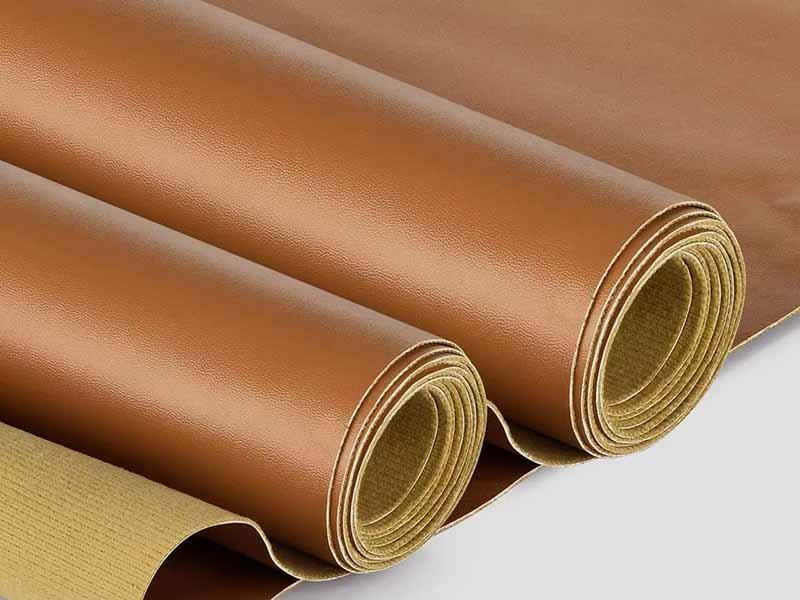
Synthetic leather has become one of the most widely used materials in modern fashion, automotive interiors, luggage, upholstery, and accessories. Yet most people—even professional buyers—have only a partial understanding of how it is made. While genuine leather comes from animal hides, synthetic leather is the result of precision chemistry, textile engineering, coating technologies, and controlled manufacturing processes. Whether you are developing bags, wallets, belts, or accessories for your brand, knowing exactly how synthetic leather is made helps you choose the right material, judge quality standards, and communicate more effectively with your manufacturer.
Synthetic leather is made by coating a fabric backing—such as polyester, cotton, or microfiber—with layers of polyurethane (PU), polyvinyl chloride (PVC), or advanced microfiber polymers. The material is then embossed with leather-like textures and finished with protective coatings. This multilayer structure allows synthetic leather to mimic the appearance and performance of real leather while offering customization, color consistency, and cost advantages.
But synthetic leather manufacturing is not a single-step formula. There are multiple coating methods, chemical variations, backing types, and finishing processes—each influencing durability, softness, texture, and lifespan.
Consumers increasingly demand sustainable, cruelty-free, and performance-driven materials. Brands need synthetic leather that not only looks real, but also survives heavy use, meets environmental standards, and provides consistent quality. This is where factories like Szoneier Leather, with 18+ years of R&D and material engineering experience, step in.
Let’s explore this from the inside, just as a professional manufacturer would.
What Is Synthetic Leather?
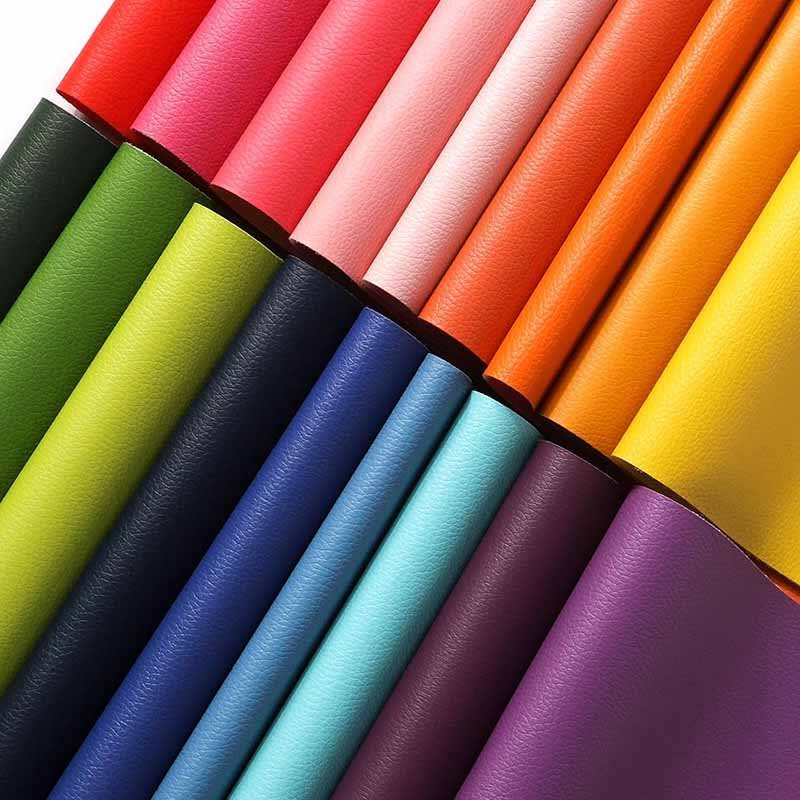
Synthetic leather is an engineered material designed to mimic the appearance, texture, and performance of genuine leather using polymer coatings such as PU, PVC, or microfiber layered onto textile backings. It offers consistent quality, customizable colors and textures, and a more affordable, vegan-friendly alternative to natural leather.
Synthetic leather—often called faux leather, artificial leather, leatherette, man-made leather, or vegan leather—is a highly engineered material created to replicate the aesthetic and tactile qualities of real leather without using animal hide. Unlike genuine leather, which is limited by natural imperfections, synthetic leather can be produced in consistent thicknesses, colors, textures, and performance levels, making it the preferred material for many industries such as fashion, upholstery, footwear, luggage, automotive, and premium accessories.
Synthetic leather is not a single material but rather a family of materials produced through chemical formulation, polymer science, textile engineering, and industrial manufacturing. Its properties—softness, elasticity, tear strength, chemical resistance, and breathability—depend entirely on the polymers used and the way they are processed.
Synthetic leather plays a major role in modern product development because brands today seek materials that offer:
- predictable quality
- high design flexibility
- durability and easy maintenance
- vegan and animal-free options
- stable supply chain availability
- lower cost versus real leather
Below is the most complete explanation of what synthetic leather truly is.
What Defines Synthetic Leather as a Material?
At its core, synthetic leather is a multi-layer composite material composed of:
- Surface polymer layers
- Polyurethane (PU)
- Polyvinyl chloride (PVC)
- Microfiber polyurethane resin
- Fabric backing layer
- Polyester knit
- Cotton woven fabric
- Nonwoven substrates
- Microfiber nonwoven base
- Finishing layers
- Protective coating
- UV resistance
- Scratch resistance
- Gloss/matte finish
These layers work together to mimic the natural fiber structure of leather. The polymer layer provides the “skin,” while the backing acts as the “dermis,” offering strength and shape retention. Manufacturers can control every variable—from thickness to softness to texture—resulting in thousands of possible combinations.
Synthetic leather is therefore a designed material, not a naturally occurring one.
Is Synthetic Leather Actually Leather?
Technically, no—synthetic leather is not genuine leather because it does not come from animal hide and contains zero collagen fibers. However, in commercial and industrial use, it serves as a functional substitute due to its:
- aesthetic resemblance
- similar structure (multi-layer surface + backing)
- comparable durability in many applications
- wider design flexibility
This is why terms like vegan leather, PU leather, and leatherette are widely accepted in the industry.
Because genuine leather supply is limited and high-cost, synthetic leather plays a crucial role in enabling mass production for:
- fashion brands
- furniture manufacturers
- luggage factories
- automotive OEM suppliers
In many product categories—especially fast fashion and mid-range accessories—synthetic leather has already surpassed natural leather in market volume.
What Is 100% Synthetic Leather?
“100% synthetic leather” means the material contains no animal-derived content, including the backing, adhesive, or finishing chemicals. It is completely man-made.
Examples include:
- 100% polyurethane leather
- 100% PVC leather
- microfiber synthetic leather (PU impregnated nonwoven microfiber)
100% synthetic leather is popular among:
- vegan fashion brands
- companies targeting sustainability
- global retailers with strict compliance requirements
- manufacturers needing consistent color & texture
It also allows for complete quality control, because unlike natural hides, synthetic materials have no scars, wrinkles, or natural variation.
Which Types of Synthetic Leather Are Commonly Used?
Synthetic leather comes in multiple variations, each optimized for different industries.
1. PU Leather (Polyurethane)
- Soft and flexible
- Lightweight
- Breathable
- Excellent for bags, wallets, small leather goods, apparel
- Available in thousands of colors & textures
PU leather is the most common type used in fashion accessories.
2. PVC Leather (Polyvinyl Chloride)
- Highly durable
- Waterproof
- Resistant to abrasion
- Best for upholstery, automotive interiors, heavy-duty applications
PVC leather is stiffer and more rigid than PU, making it popular in furniture and automotive sectors.
3. Microfiber Synthetic Leather(Premium)
- Made from ultra-fine synthetic fibers
- Most similar to natural leather in fiber structure
- Extremely strong and long-lasting
- Used in luxury bags, performance footwear, premium accessories
Microfiber leather is considered the highest grade of synthetic leather, often outperforming natural leather in tear resistance and dimensional stability.
What Are the Differences Between PU, PVC, and Microfiber?
Choosing the right synthetic leather matters because each type offers different strengths.
| Feature | PU Leather | PVC Leather | Microfiber Leather |
|---|---|---|---|
| Softness | ⭐⭐⭐⭐ | ⭐⭐ | ⭐⭐⭐⭐⭐ |
| Durability | ⭐⭐⭐ | ⭐⭐⭐⭐ | ⭐⭐⭐⭐⭐ |
| Breathability | ⭐⭐⭐⭐ | ⭐ | ⭐⭐⭐⭐⭐ |
| Flexibility | High | Medium | Very high |
| Waterproof | Moderate | High | Moderate |
| Cost | Medium | Low | High |
| Best For | Bags, apparel, wallets | Furniture, automotive | Luxury goods, footwear |
What Raw Materials Are Used to Make Synthetic Leather?
Synthetic leather is made using polymer resins such as polyurethane (PU), PVC, or microfiber PU; textile backings like polyester, cotton, or nonwoven fabrics; and additives including plasticizers, stabilizers, pigments, foaming agents, and protective coatings. These raw materials work together to create synthetic leather’s durability, softness, flexibility, color stability, and grain texture.
Synthetic leather is not a single material—it is a multi-layer engineered structure made from polymers, fabrics, and chemical additives that are carefully combined to achieve the desired softness, thickness, durability, and appearance. Every raw material used in synthetic leather production affects its performance and determines whether it is suitable for handbags, furniture, automotive interiors, belts, or footwear.
Below is the most comprehensive guide of the materials used by synthetic leather manufacturers worldwide.
What Polymers Form the Base of Synthetic Leather?
The polymer layer is the “skin” of synthetic leather. It defines surface appearance, hand feel, elasticity, abrasion resistance, and aging properties.
1. Polyurethane Resin (PU)
PU is the most widely used synthetic leather polymer due to:
- excellent softness
- flexibility
- breathability
- lightweight structure
PU can be formulated into:
- solvent-based PU
- water-based PU
- semi-PU
- microfiber PU
PU leather is used in:
- fashion accessories
- handbags & wallets
- upholstery
- electronics cases
2. Polyvinyl Chloride (PVC)
PVC is a strong, rigid polymer with excellent durability.
Advantages:
- high abrasion resistance
- waterproof
- very cost-effective
- forms strong surface coating
PVC requires plasticizers to remain flexible.
Used in:
- automotive interiors
- furniture upholstery
- heavy-duty bags
- industrial applications
3. Microfiber PU (Next-Gen Synthetic Leather)
Microfiber synthetic leather uses:
- ultra-fine fibers (0.1 denier or less)
- polyurethane impregnation
This creates a structure closest to genuine leather fibers.
Benefits:
- strongest tear resistance
- long lifespan (8–15 years)
- premium hand feel
Used by luxury brands and performance footwear manufacturers.
How Are Fabric Backings Selected for Synthetic Leather?
The backing layer is the structural foundation of synthetic leather. It determines strength, stretch resistance, stability, and bonding quality.
1. Polyester Knit Backing
The most common option, offering:
- high tear strength
- good flexibility
- low cost
Ideal for PU and thin synthetic leather for bags or apparel.
2. Cotton Woven Backing
A softer, natural option used in:
- fashion accessories
- medium-thickness PU
- cases and covers
It provides a comfortable feel and good breathability.
3. Nonwoven Backing
Used for:
- PVC leather
- upholstery
- automotive interiors
Benefits:
- smooth appearance
- stable dimensional structure
4. Microfiber Nonwoven Base
Premium synthetic leathers use a microfiber nonwoven base composed of ultra-fine fibers.
Advantages:
- strongest bonding performance
- closest structure to natural leather
- excellent uniformity
- ideal for bags, handbags, belts, luxury goods
Which Additives Improve Strength, Flexibility, Color, and Durability?
Synthetic leather requires various additives to enhance performance. These chemicals tailor the leather for specific uses and ensure stability under heat, UV, moisture, and physical stress.
Here are the main categories:
1. Plasticizers
Used mostly in PVC leather to improve flexibility.
Types include:
- phthalate-free plasticizers
- bio-based plasticizers
Plasticizers affect:
- softness
- elasticity
- low-temperature resistance
2. Foaming Agents
Create air pockets inside the polymer to give:
- soft cushion feel
- increased thickness
- lightweight construction
Used for PU coated layers to mimic natural leather softness.
3. Color Pigments & Dyes
Provide surface color consistency. Synthetic leather can be produced in:
- over 500+ colors
- custom Pantone matching
- gradient or metallic finishes
4. UV Stabilizers
Protect against:
- sun fading
- surface deterioration
- yellowing
Essential for automotive leather.
5. Flame Retardants
Required for:
- furniture
- aviation products
- automobiles
6. Anti-Mold & Anti-Microbial Agents
Used heavily in humid markets such as Southeast Asia or South America.
7. Surface Protectants
Provide:
- scratch resistance
- chemical resistance
- waterproofing
- matte or glossy finish
- anti-fingerprint effect
These finishing additives make synthetic leather withstand long-term daily use.
What Auxiliary Materials Are Required in Manufacturing?
In addition to polymers and textiles, factories need auxiliary materials that support bonding, coating, and stability.
1. Adhesives
- PU adhesive
- hot-melt adhesive
- water-based adhesive
Used for multi-layer lamination.
2. Release Paper
Embossed release paper creates:
- crocodile texture
- litchi grain
- smooth matte finish
- pebbled texture
This allows synthetic leather to mimic real leather surfaces.
3. Solvents & Catalysts
Used to adjust viscosity, drying speed, and penetration.
4. Coating Agents
Provide protection and visual appeal.
Raw Material System of Synthetic Leather
| Layer | Material Type | Examples | Function |
|---|---|---|---|
| Surface | Polymers | PU, PVC, Microfiber PU | Softness, texture, durability |
| Backing | Fabrics | Polyester, cotton, nonwoven, microfiber | Strength, support |
| Additives | Chemicals | Plasticizers, UV stabilizers, pigments | Performance, color stability |
| Finishing | Protectants | Scratch-resistant, waterproof coatings | Aesthetic & durability |
How Is Synthetic Leather Manufactured Step-by-Step?
Synthetic leather is manufactured through a multi-step process that includes preparing the polymer mixture, coating or laminating it onto a fabric backing, foaming or coagulating the layer, drying, embossing textures, applying surface finishes, curing, and final inspection. PU, PVC, and microfiber materials use different versions of these steps depending on the desired softness, durability, or grain pattern.
Synthetic leather production is a highly engineered sequence of chemical, thermal, and mechanical processes. While consumers see only the final material, manufacturers must control dozens of variables: polymer viscosity, coating thickness, backing adhesion, micropore formation, drying temperature, embossing pressure, and finishing chemistry. Each step directly influences the leather’s softness, elasticity, strength, aging resistance, and long-term durability.
Below is the most detailed and industry-accurate manufacturing guide for synthetic leather (PU, PVC, and microfiber).
Step 1 — Preparing the Polymer Formulation
The process begins by mixing the polymer compounds that will form the leather’s surface.
Synthetic leather base includes:
- PU resin or PVC resin
- Plasticizers (PVC only)
- Catalysts & stabilizers
- Viscosity modifiers
- Pigments or dyes
- Foaming agents
- Anti-mold & UV additives
Key factors:
- Viscosity determines coating smoothness
- Plasticizer ratio affects softness
- Pigment content impacts color fastness
- Stabilizers define thermal/UV aging performance
For microfiber leather, a special high-performance polyurethane is formulated to impregnate microscopic fibers.
This mixture must be perfectly homogenized using industrial mixers to ensure consistent quality in every batch.
Step 2 — Preparing the Fabric Backing
Next, the backing layer is prepared. This is the “skeleton” of synthetic leather and affects:
- Tear strength
- Dimensional stability
- Flexibility
- Bonding strength
Common backings:
- Polyester knit
- Cotton woven fabric
- Nonwoven substrate
- Microfiber nonwoven base (for premium leather)
The backing is pre-treated with:
- adhesion promoters
- moisture control
- cleaning or brushing
This ensures the polymer bonds evenly during coating or lamination.
Step 3 — Coating or Laminating the Polymer to the Backing
This is the core stage where synthetic leather is created. Different methods are used depending on the leather type.
1. Direct Coating
Polyurethane is coated directly onto the fabric using:
- knife-over-roll coating
- reverse roll coating
- gravure coating
Purpose: Achieve controlled thickness and softness.
Direct-coated PU leather is commonly used for:
- wallets
- shoes
- lightweight bags
2. Transfer Coating
Polymer is first coated onto release paper with the desired texture, then laminated to fabric.
Advantages:
- perfect grain pattern
- highly smooth surface
- uniform thickness
Used for:
- premium handbags
- luxury accessories
3. PVC Coating
PVC paste is applied to nonwoven backing using:
- knife coating
- multi-layer gelation
PVC is heated in an oven to fuse plasticizers and resin molecules.
Used in:
- upholstery
- automotive interiors
- heavy-duty applications
4. Microfiber Impregnation
Microfiber base is saturated with PU resin:
- filling all micro-pores
- creating a structure similar to real leather fiber bundles
This is the highest performance synthetic leather.
Step 4 — Foaming or Coagulation to Create Softness
Depending on the process, the polymer undergoes:
Foaming (PU & PVC)
Foaming agents expand during heating, producing:
- thickness
- softness
- elasticity
This is why PU leather can mimic the cushion-like feel of natural leather.
Coagulation (Wet-Process PU)
Liquid PU is immersed in a water bath, causing:
- polymer coagulation
- micropore formation
- breathable structure
Wet-process PU is the softest and most natural-feeling.
Used for:
- high-end bags
- apparel
- gloves
Step 5 — Drying, Curing, and Solidifying the Layers
The coated or laminated sheet moves through a drying oven, typically 30–60 meters long.
Oven functions:
- evaporate solvents
- solidify polymer layers
- enhance adhesion to backing
- stabilize thickness
Temperature ranges:
- PU: 80–150°C
- PVC: 160–180°C(requires stronger fusion)
Precise thermal control prevents:
- bubbling
- cracking
- weak bonding
- surface deformation
Step 6 — Embossing and Grain Texturing
This is where synthetic leather gets its leather-like texture.
Embossing methods:
- Steel roller embossing
- Release paper transfer
- High-pressure hot embossing
- 3D laser micro-embossing
Grain patterns include:
- litchi
- nappa
- saffiano
- crocodile
- pebbled
- custom brand textures
Temperature: 120–180°C Pressure: 20–100 tons
Effects of embossing:
- improves surface density
- enhances scratch resistance
- creates realistic appearance
- adds brand-specific character
Luxury brands rely on extremely detailed embossing for unique signature textures.
Step 7 — Surface Finishing & Protective Coating
Finishing layers define the final performance and appearance.
Common finishing treatments:
- Matte / glossy top coat
- Anti-scratch coating
- Hydrolysis-resistant PU finish
- UV-resistant formula
- Anti-fingerprint coating
- Soft-touch (“butter feel”) finish
- Stain-resistant treatment
The finishing stage determines:
- water resistance
- chemical resistance
- aging resistance
- color stability
- tactile smoothness
For automotive and premium bags, multiple finishing layers are applied for durability.
Step 8 — Final Curing, Cooling, and Quality Inspection
Once finishing is complete, the material undergoes:
Final Curing
Ensures all polymer chains are fully crosslinked, improving resistance to:
- peeling
- cracking
- hydrolysis
Cooling
Prevents deformation and locks in texture.
QC Inspection Includes:
- thickness measurement
- tensile & tear strength
- adhesion test
- color uniformity check
- odor & chemical residue test
- surface defect detection
High-end factories such as Szoneier Leather use automated visual inspection + manual QC for accuracy.
Synthetic Leather Manufacturing Steps
| Step | Process | Key Purpose |
|---|---|---|
| 1 | Polymer formulation | Softness, durability, bonding |
| 2 | Backing preparation | Strength & stability |
| 3 | Coating/lamination | Base layer creation |
| 4 | Foaming/coagulation | Softness & thickness |
| 5 | Drying & curing | Solid structure |
| 6 | Embossing | Leather-like texture |
| 7 | Finishing | Protection & appearance |
| 8 | QC & curing | Final performance |
Which Production Methods Are Used in Modern Factories?
Modern synthetic leather is produced using wet processing, dry processing, or microfiber manufacturing. These methods differ in how polymer layers cure, bond, and form texture. Wet processes create softer materials, dry processes produce stronger surface structures, and microfiber technology delivers the highest durability and closest feel to natural leather.
Production methods significantly impact the performance of synthetic leather. Manufacturers choose techniques based on the desired application—luxury bags, car interiors, upholstery, or fashion accessories all require different structural strengths.
What Is the Wet Process vs. Dry Process?
Wet Process PU
- Polymer is coagulated in a water bath
- Creates breathable pores
- Softest and most natural-feeling
- Used for high-end bags and apparel
Dry Process PU
- Polymer is coated and dried without coagulation
- Stronger and more durable
- Used for belts, upholstery, and structured products
How Does Microfiber (Synthetic Suede) Manufacturing Differ?
Microfiber synthetic leather uses ultra-fine fibers (0.0001–0.0002 denier) entangled into a dense nonwoven fabric, then impregnated with polyurethane.
Strengths:
- Extremely durable
- Breathable and stable
- Closely mimics natural leather fiber structure
This material is considered the “king” of synthetic leather and widely used in luxury brands.
What Advanced Technologies Improve Durability? (80–200 words)
Modern factories adopt:
- Laser micro-embossing
- Hydrolysis-resistant PU formulations
- Solvent-free water-based PU
- High-density microfiber bonding
- Multi-layer anti-scratch finishing
These innovations are especially important for clients requiring long lifespan, sustainability, or specific certification compliance.
How Do Quality and Performance Get Tested?
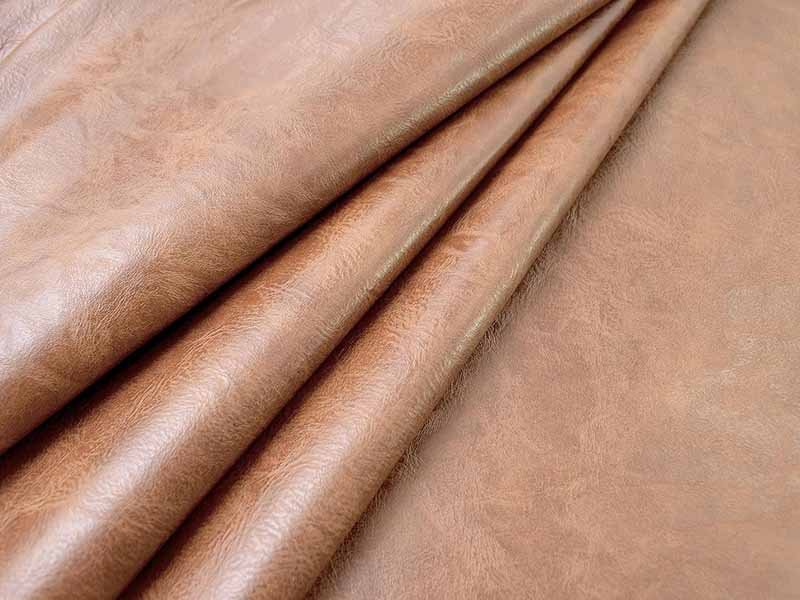
Synthetic leather is tested for abrasion resistance, tear strength, hydrolysis resistance, UV stability, chemical durability, and lifespan. Tests ensure the material can withstand long-term use in bags, footwear, upholstery, and automotive applications.
What Durability Tests Measure Lifespan?
Common durability tests include:
- Martindale Abrasion Test
- Taber Abrasion Test
- Hydrolysis Resistance Test (3–7 years rating)
- Tear Strength Test
- Flexing Test (100,000+ flex cycles)
These tests simulate long-term daily use.
What Is the Lifespan of Synthetic Leather?
Depending on formulation:
| Type | Typical Lifespan |
|---|---|
| Standard PU | 2–4 years |
| High-grade PU | 3–5 years |
| PVC | 5–8 years |
| Microfiber Leather | 8–15 years |
Microfiber leather performs closest to genuine leather and offers the best long-term value.
Which Environmental or Compliance Tests Are Required?
Brands often request:
- REACH
- RoHS
- EN-71
- CA Prop 65
- AZO & DMF free tests
- Odor testing
- VOC emission testing
These ensure the material is safe for consumers and meets import requirements for Europe, the US, and Japan.
Is Synthetic Leather Unhealthy or Harmful?
High-quality synthetic leather made in modern factories is not harmful. Issues like odor, VOCs, or chemical residue come from low-quality materials or cheap plasticizers. Premium PU and microfiber leather—especially water-based formulations—are considered safe for:
- bags and accessories
- home textiles
- automotive interiors
- children’s products
Szoneier uses certified raw materials to avoid these low-end risks.
How Do Synthetic Leathers Compare to Genuine Leather?
Synthetic leather differs from genuine leather in material composition, durability, breathability, cost, sustainability, and maintenance needs. While genuine leather offers natural aging, superior breathability, and long-term strength, synthetic leather provides consistent quality, lower cost, wider customization, and ethical benefits. The best choice depends on application, performance requirements, and brand positioning.
What Are the Performance Differences Between Synthetic and Genuine Leather?
Genuine Leather Performance Characteristics
- Extremely strong fiber structure (collagen bundles)
- Natural breathability
- Forms patina over time
- Excellent durability and tear resistance
- Can last 10–30+ years
Synthetic Leather Performance Characteristics
- Highly customizable in softness, thickness, and grain
- Uniform quality and texture
- Good water resistance
- Available in wide color ranges
- Lasts 3–12 years depending on grade
Performance varies drastically depending on the type of synthetic leather:
- PU leather: soft but moderate durability
- PVC leather: durable but less breathable
- Microfiber leather: closest to genuine leather in strength and lifespan
Strength Comparison Table
| Feature | Genuine Leather | PU Leather | PVC Leather | Microfiber Leather |
|---|---|---|---|---|
| Tensile Strength | ⭐⭐⭐⭐⭐ | ⭐⭐⭐ | ⭐⭐⭐⭐ | ⭐⭐⭐⭐⭐ |
| Flex Durability | ⭐⭐⭐⭐⭐ | ⭐⭐⭐ | ⭐⭐⭐ | ⭐⭐⭐⭐⭐ |
| Breathability | ⭐⭐⭐⭐⭐ | ⭐⭐⭐⭐ | ⭐ | ⭐⭐⭐⭐ |
| Water Resistance | ⭐ | ⭐⭐⭐⭐ | ⭐⭐⭐⭐⭐ | ⭐⭐⭐ |
| Patina Aging | Yes | No | No | Light |
Microfiber leather clearly leads among synthetic options.
What Are the Disadvantages of Synthetic Leather?
Understanding the limitations of synthetic leather helps brands choose correctly.
Key Disadvantages
- Lower breathability than genuine leather (unless microfiber is used)
- Shorter lifespan—PU lasts 2–5 years, PVC 5–8 years, Microfiber 8–15 years
- Cannot develop a natural patina
- May crack or peel if poorly formulated
- Heat sensitivity—high temperatures can deform low-quality PU
- Environmental concerns for PVC if incorrect plasticizers are used
However…
Modern microfiber and water-based PU have addressed many old disadvantages, giving synthetic leather a closer performance profile to genuine leather than ever before.
How Do Cost and Availability Compare?
Genuine Leather
- Expensive
- Highly variable in quality
- Limited supply
- Affected by animal farming, regional tanning capacity, and global demand
Synthetic Leather
- Cost-effective
- Consistent pricing
- Infinite scalability
- No dependence on agricultural cycles
This makes synthetic leather ideal for:
- large retail brands
- fast fashion
- OEM factories needing stable cost control
- mass production of uniform goods
Is Synthetic Leather Better for Sustainability?
Sustainability is complex because both materials have trade-offs.
Genuine Leather — Pros & Cons
Pros:
- Natural, biodegradable
- Long lifespan
- Byproduct of meat industry
Cons:
- Water-intensive tanning
- Heavy chemical use
- Livestock emissions
- Chromium & waste disposal issues
Synthetic Leather — Pros & Cons
Pros:
- Vegan-friendly
- Lower water usage
- More energy-efficient than chrome tanning
- Recycled PU, bio-PU, & plant-based PU are emerging
Cons:
- Not biodegradable
- PVC can contain harmful plasticizers if poorly made
- Requires advanced recycling systems
How Do Synthetic and Genuine Leather Perform in Specific Applications?
Different industries value different performance characteristics.
1. Fashion Bags & Accessories
- Synthetic leather offers more stable color and grain
- PU and microfiber allow lighter bags and more design flexibility
- Genuine leather preferred for luxury price points
Best choice: PU or microfiber for mid-high fashion; genuine leather for luxury.
2. Footwear
- Microfiber leather outperforms PU in tear strength
- Genuine leather molds better to the foot
- PVC used in low-cost markets
Best choice: Microfiber for performance; genuine leather for premium comfort.
3. Automotive Interiors
- PVC and microfiber dominate
- Resistance to heat, UV, and chemicals required
- Genuine leather used only in luxury trims
4. Upholstery (Sofas, Furniture)
- PVC = strongest & easiest to clean
- PU = softer, more comfortable
- Genuine leather = ultimate lifespan but high cost
5. Belts, Wallets, Small Leather Goods
- Genuine leather superior for edges and long-term wear
- Microfiber leather used widely in premium synthetic products
- PU = cost-effective but shorter lifespan
Appearance & Touch — Can Synthetic Leather Match Real Leather?
Genuine Leather
- Unique grain patterns
- Natural imperfections
- Warm, organic touch
- Develops patina over years
Synthetic Leather
- Perfect texture consistency
- Endless grain options (Saffiano, Nappa, Crocodile, Pebbled)
- Soft-touch and buttery finishes now available
- No patina development
For brands, synthetic leather offers design control, while genuine leather offers natural character.
How Can Brands Work With a Manufacturer to Develop Custom Synthetic Leather Products?
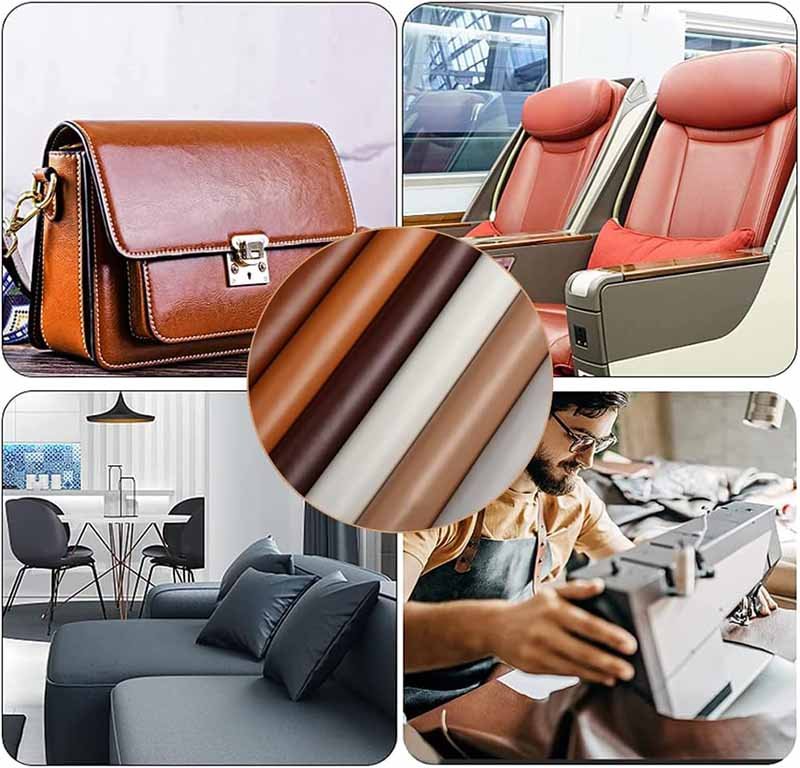
Brands can develop custom synthetic leather products by defining material requirements, selecting surface textures, choosing backing fabrics, specifying performance standards, and collaborating with a manufacturer through sampling, testing, and final production.
Working with a factory like Szoneier Leather allows brands to access the full production chain—from raw materials to finished leather goods.
What Customization Options Can Manufacturers Offer?
- Custom colors
- Embossing grain patterns
- Thickness adjustments
- Special finishes (scratch-proof, matte, glossy, soft-touch)
- Backing material selection
- Odor-free or eco-friendly formulas
Which Parameters Must Buyers Define for OEM/ODM Production?
- Application (bags? belts? upholstery?)
- Required durability standards
- Thickness (0.8–2.0 mm)
- Surface texture preferences
- Color codes
- Breathability requirements
- Budget range
Clear specifications reduce sampling rounds and speed up production.
How Does Sampling and Production Workflow Proceed?
- Requirement discussion
- Raw material selection
- Grain & color confirmation
- Lab test samples
- Prototype creation
- Production trial
- Bulk manufacturing & QC
- Packaging & shipping
Szoneier provides rapid sampling and low MOQ to support new brands.
Conclusion
Synthetic leather is a technologically advanced material shaped by chemistry, engineering, and design. Understanding how it is made helps brands choose the right type for their products—whether PU, PVC, or microfiber. With the right factory partner, synthetic leather becomes a powerful, customizable, and high-performing material.
If you need custom synthetic leather bags, wallets, belts, or accessories, contact Szoneier today. We help brands create durable, beautiful, and market-ready products with fully customized materials and craftsmanship.


