 Skip to content
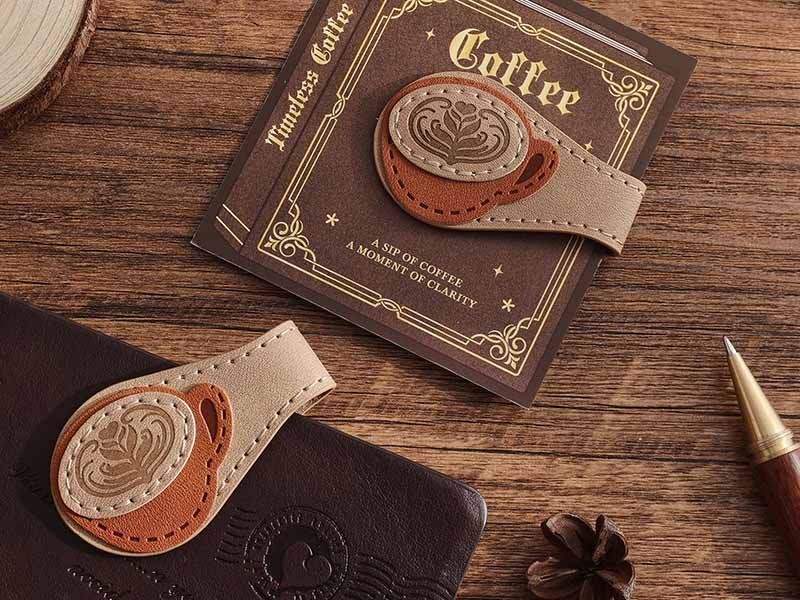
When people talk about leather craftsmanship, they often think about the last thing they can see: a clean stitch line, a smooth edge, a rich leather surface, a solid zipper pull, or a handbag that holds its shape after months of use. But in real manufacturing, consistent craftsmanship is not created at the final step. It is built much earlier, starting from leather selection, pattern engineering, material testing, cutting accuracy, stitching control, edge finishing, hardware matching, and repeated inspection during production. A leather product may look good in one sample, but that does not mean a factory can reproduce the same quality across 300 pieces, 1,000 pieces, or repeated orders over several seasons. That is where professional manufacturing systems make the real difference.
A reliable leather goods manufacturer ensures consistent craftsmanship by controlling four core areas: stable raw materials, standardized production procedures, skilled workers, and measurable quality checkpoints. When these four parts work together, the factory can keep appearance, structure, feel, and durability consistent from sample stage to bulk production.
For brands, this matters more than many people first realize. A well-designed leather bag can still fail in the market if the bulk order shows color variation, soft corners, loose stitching, uneven logo placement, or edge paint cracking after use. At SzoneierLeather, with more than 18 years of experience in leather goods development and manufacturing, consistency is not treated as a slogan. It is treated as a production discipline that protects the client’s product image, reduces rework, and supports long-term repeat ordering. The deeper question is not whether a factory can make one beautiful leather sample. The real question is whether it can make the 500th piece look and perform like the first.
What Do Leather Goods Manufacturers Mean by Consistent Craftsmanship?
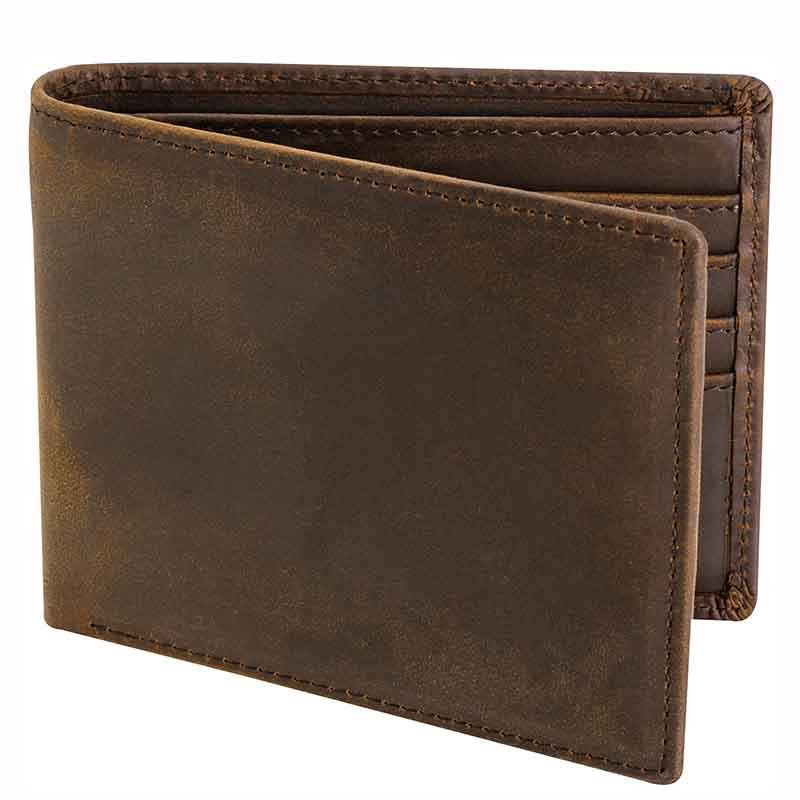
Consistent craftsmanship means a leather goods manufacturer can repeatedly produce products with the same workmanship standard, structural quality, surface finish, and functional performance across samples, bulk orders, and repeat orders. It is not only about appearance. It is also about whether the product remains stable in daily use, whether dimensions stay within tolerance, and whether customers receive the same quality each time they reorder.
What craftsmanship standards do leather goods manufacturers follow?
In leather goods manufacturing, craftsmanship is judged by a set of visible and measurable standards. Good factories do not leave these standards to personal interpretation. They define them clearly before production starts, then train workers and inspectors to follow the same rules.
For most leather products, the core craftsmanship standards focus on six areas:
| Craftsmanship Area | What a Good Factory Controls | Common Tolerance or Target |
|---|---|---|
| Cutting accuracy | Panel shape, size, symmetry | ±1.0 mm to ±1.5 mm |
| Stitching quality | Stitch length, spacing, thread tension | 6–8 stitches per inch for many bags and wallets |
| Edge finishing | Smoothness, paint thickness, corner coverage | 2–5 paint coats depending on product |
| Hardware positioning | Center alignment, hole placement, pull strength | ±1.0 mm |
| Gluing and bonding | Adhesion strength, clean bonding line | No visible glue overflow |
| Final shape | Structure, balance, standing form, fold alignment | Must match approved sample |
These standards look simple on paper, but each one directly affects how the finished product feels in hand. For example, when stitch spacing changes from one panel to another, customers may not describe the technical problem, but they will still feel that the product looks cheap. When edge paint thickness is uneven, the product immediately loses its clean, premium appearance.
A disciplined manufacturer usually creates a production file for each style. This file may include pattern drawings, leather thickness requirements, thread specification, reinforcement points, hardware list, logo position, packaging method, and inspection notes. Without this file, different operators will use their own habits, and quality will drift.
This is why experienced factories invest time in process definition before production. In a professional leather goods factory, craftsmanship is not based on mood or memory. It is based on repeatable standards.
Why do brands expect consistent craftsmanship from leather goods manufacturers?
Brands do not only buy a product. They buy predictability. When a brand approves one sample and places a bulk order, it expects the shipment to match that approved version in appearance, construction, and user experience. If that consistency is missing, the brand pays the price in multiple ways.
The business impact is very real:
| Inconsistency Problem | Possible Commercial Result |
|---|---|
| Color variation in one shipment | Customer complaints and retailer rejection |
| Uneven stitching or loose seams | Returns, repairs, negative reviews |
| Shape collapse after short use | Damage to product reputation |
| Hardware scratches or plating mismatch | Perceived drop in quality level |
| Inconsistent logo placement | Branding errors and resale issues |
Even a small defect rate becomes expensive at scale. On an order of 1,000 leather wallets, a 4% quality issue rate means 40 defective units. If each unit costs $18 to produce and another $8 to inspect, replace, repack, and reship, the brand may lose more than $1,000 on one issue alone. That number becomes much larger when online reviews, delayed launch schedules, and customer trust are included.
Brands that sell on Amazon, Shopify, department stores, or boutique retail channels are especially sensitive to quality fluctuations. One poor production batch can reduce reorder confidence for an entire product line. This is why serious clients do not ask only about price. They ask about sample approval, production control, material sourcing, and inspection procedures.
For factories like SzoneierLeather, the goal is not simply to “make leather products.” The goal is to help the client keep product quality stable enough to support repeat sales, stronger margins, and smoother expansion into larger orders.
What risks appear when leather goods manufacturers lack consistency?
When a leather goods manufacturer lacks consistency, problems usually appear in three stages: during production, after shipment, and after the end customer starts using the product.
During production, the warning signs may include panel mismatch, loose thread tension, inconsistent edge paint color, and unstable shape after assembly. After shipment, the problems become more visible: one carton may contain products that look slightly different from another carton, or the logo embossing may vary from unit to unit. Once products reach the final customer, the most damaging issues often show up under daily use.
Common risk points include:
- uneven stitching lines on visible panels
- edge paint peeling or cracking after repeated bending
- leather shade differences between body panels and straps
- hardware loosening after light use
- handles or strap anchors pulling away from the body
- zipper misalignment
- poor folding symmetry in wallets and small leather goods
- packaging marks or pressure dents on soft leather surfaces
The root causes are often practical, not mysterious:
| Problem Seen by Client | Likely Factory Cause |
|---|---|
| Stitch line looks crooked | Inconsistent guiding during sewing or poor machine setting |
| Edges crack after use | Inadequate drying time or poor paint compatibility |
| Bag shape is soft or twisted | Reinforcement structure not standardized |
| Leather panels differ in shade | Batch matching control is weak |
| Bulk does not match sample | No pre-production confirmation system |
This is why experienced brands treat consistency as a factory capability, not a decorative claim. A manufacturer that cannot control repeated output may still make one attractive prototype, but it will struggle when the order moves to real production volume. Consistency is what separates a factory that can support brand growth from one that only works well on small, low-risk jobs.
How Do Leather Goods Manufacturers Control Leather Quality?
Leather quality control starts before cutting. A serious leather goods manufacturer checks thickness, grain consistency, softness, temper, color tone, stretch behavior, surface defects, and material matching before production begins. This early control is one of the main reasons some factories can keep craftsmanship stable while others struggle once bulk production starts.
How do leather goods manufacturers grade leather materials?
Leather is not a perfectly uniform industrial sheet. It is a natural material, and every hide has its own fiber structure, growth marks, density differences, and surface character. Because of this, material grading is one of the most important jobs inside a leather goods factory.
Factories usually sort leather by product requirement, not only by name. A handbag that needs body structure, a soft pouch that needs flexibility, and a belt that needs strength all require different leather characteristics. A professional manufacturer grades leather by combining visual inspection with performance suitability.
The most common grading considerations include:
- thickness consistency across the hide
- grain appearance and surface cleanness
- softness or firmness
- stretch resistance
- color depth and dye uniformity
- natural mark distribution
- yield efficiency for the target product
A simple classification table often looks like this:
| Leather Type | Surface Character | Structure | Common Use |
|---|---|---|---|
| Full grain leather | Natural grain visible | Strongest fiber layer | Premium bags, belts, cases |
| Top grain leather | Refined, smoother surface | Good balance of look and workability | Fashion bags, wallets, accessories |
| Split leather | Lower layer, often coated or finished | Less dense than top layers | Linings, lower-cost items, some boxes |
| Suede / nubuck | Soft, brushed touch | Requires more care in handling | Fashion accessories, soft panels |
But within the same leather type, there can still be large differences. One full grain batch may have tight fiber density and excellent firmness. Another may feel too stretchy for structured bag panels. That is why factories with strong sourcing ability do not purchase leather only by generic name. They buy by specification.
At SzoneierLeather, clients that develop custom leather goods often need help choosing leather not just by appearance, but by end-use logic. A luxury gift box, a slim wallet, and a shoulder strap all place different demands on the material. Good grading helps the factory avoid mistakes before production starts, which saves time, cost, and rework later.
Which leather defects must leather goods manufacturers remove?
No matter how premium the hide is, natural leather always contains some imperfections. The question is not whether imperfections exist. The question is whether the factory knows how to manage them correctly.
Before cutting, professional leather goods manufacturers inspect each hide and identify areas that should not be used for visible panels or high-stress components. This process directly affects final appearance and yield.
Common defects that need special handling include:
| Defect Type | What It Looks Like | Where It Should Not Be Used |
|---|---|---|
| Scars | Long surface marks or healed scratches | Front panels, flap covers, visible wallets |
| Insect bites | Small pin-like marks or pits | High-visibility product zones |
| Stretch marks | Wavy lines with weaker structure | Strap anchors, folding lines, belt areas |
| Wrinkles | Loose or uneven surface texture | Structured body panels |
| Color patches | Shade variation in one hide | Matched sets and paired panels |
| Veins | Strong natural lines | Premium smooth-finish products |
The cutting team must know which defects are acceptable and which are not. For some rustic-style products, small natural character marks may be allowed and even appreciated. For clean, modern, luxury-looking products, the same marks may be considered unacceptable on visible surfaces.
This is where factory judgment matters. Rejecting too much leather causes waste and cost increase. Accepting too much leads to customer dissatisfaction. Skilled factories balance both sides.
Cutting layout is also critical. A trained cutter does not only avoid defects. The cutter also places patterns according to grain direction, stretch behavior, and visible pairing logic. For example:
- left and right bag handles should come from visually matched areas
- flap pieces should avoid loose belly sections
- long straps should avoid weak stretch-prone zones
- wallet outer panels should come from cleaner surface areas
In many leather factories, a strong cutting master can improve usable yield by 8% to 15% while still protecting visible quality. That is a major commercial advantage, especially on expensive leather materials.
Do leather goods manufacturers check thickness, texture, and color?
Yes, and they must. Thickness, texture, and color are three of the most sensitive material variables in leather goods manufacturing. If these are not controlled before production, the final product will struggle to look balanced, feel consistent, or perform reliably.
Thickness affects structure, stitching behavior, edge finish, and folding comfort. A wallet exterior may need 1.0 to 1.2 mm leather for a clean shape without too much bulk. A structured handbag shell may require 1.4 to 1.8 mm leather combined with lining and reinforcement. A belt may need 3.2 to 4.0 mm total thickness depending on construction. If the material varies too much, the product may feel uneven, stitch badly, or collapse in use.
Here is a practical reference:
| Product Category | Common Leather Thickness Range |
|---|---|
| Wallet outer | 0.9–1.2 mm |
| Wallet inner components | 0.6–1.0 mm |
| Handbag body panels | 1.2–1.8 mm |
| Belts | 3.2–4.0 mm |
| Small accessories | 1.0–1.6 mm |
| Straps | 2.0–3.2 mm |
Texture matters because customers notice visual mismatch quickly. If one panel has a tighter grain and another panel looks flatter or looser, the product can look inconsistent even when the sewing is correct. This is especially important for bag fronts, flap covers, and matched sets such as wallets with card holders.
Color control is equally important. Leather shade can vary between production lots, between hides in the same lot, and even within one hide. Good factories compare leather against approved swatches under controlled light, often using daylight-equivalent lighting to reduce error. They also sort components by shade before assembly.
For repeat orders, this becomes even more important. A client may launch a successful style and reorder it six months later. If the second order arrives in a noticeably different shade, the market sees it immediately. This is one reason experienced manufacturers build stable material supply chains instead of switching tanneries frequently for small short-term price advantages.
In leather goods manufacturing, material control is the first real line of craftsmanship control. Once the wrong leather enters cutting, every following step becomes harder to stabilize.
How Do Leather Goods Manufacturers Standardize Production?
Leather goods manufacturers standardize production by turning craftsmanship into a controlled process. They use approved patterns, process sheets, machine settings, reinforcement instructions, and step-by-step SOPs so that different operators can produce the same style with the same result. Without this structure, bulk quality becomes unstable even when the sample looks good.
How do leather goods manufacturers standardize pattern cutting?
Pattern cutting is where manufacturing turns design into a repeatable physical product. In leather goods production, small deviations at the pattern stage create large problems later: misaligned seams, warped body panels, loose fit around zippers, or poor folding balance.
A professional factory starts with a confirmed pattern set that includes all structural details:
- finished dimensions
- seam allowances
- turning allowances
- fold lines
- notch points
- hardware holes
- reinforcement placements
- logo area reservation
Once approved, the pattern should not change casually during bulk production. If changes are needed, they must be documented and reapproved.
Factories often use a mix of manual pattern making and digital pattern engineering. For complex or repeated styles, digital files help improve consistency because every cutter works from the same geometry. For luxury-feel products with special leather behavior, manual adjustment may still be necessary during development.
Pattern cutting standardization also depends on leather behavior. Unlike woven fabric, leather does not stretch evenly in all directions. Belly sections are softer. Back sections are firmer. This means cutters must understand how panel placement affects final shape. A pattern is not only a shape template. It is also a guide for structural stability.
The following control points are common:
| Cutting Control Point | Why It Matters |
|---|---|
| Panel direction | Affects shape retention and visual grain flow |
| Pair matching | Keeps left/right components visually balanced |
| Allowance accuracy | Prevents size drift during sewing |
| Reinforcement marking | Protects high-stress zones |
| Nesting efficiency | Balances cost control and appearance quality |
For brands, this matters because inaccurate cutting creates hidden cost. Sewing teams waste time correcting fit. Rework increases. Finished dimensions vary. In contrast, well-standardized cutting keeps the whole line more stable and efficient.
At SzoneierLeather, custom leather development usually starts with understanding how the product will be used, not only how it should look. That practical logic helps the pattern team decide where to strengthen, where to reduce bulk, and how to keep the product more consistent during real production.
Which stitching methods do leather goods manufacturers control most?
Stitching is one of the first things customers notice, and one of the fastest ways a product can lose value when done poorly. In leather goods manufacturing, stitching is not simply joining pieces together. It is a structural, visual, and brand-level quality marker.
Factories control several stitching variables closely:
- stitch length
- thread thickness
- thread color matching
- thread tension
- seam margin
- backstitch quality
- reinforcement at stress points
- curve smoothness on shaped seams
Different products require different stitch strategies. A slim leather wallet often uses fine, neat stitching that supports a refined look. A heavy-duty leather tote may need slightly stronger seam construction with reinforcement at handles and load points. A leather belt may need lock stitching with careful edge distance to prevent seam wobble.
Typical control references may look like this:
| Stitching Area | What the Factory Checks |
|---|---|
| Straight seams | Uniform spacing and straight visual line |
| Corner turns | No bunching, no skipped stitches |
| Stress points | Extra reinforcement or bartack logic where suitable |
| Top stitch lines | Equal distance from edge throughout |
| Thread tension | No loose loops, no puckering |
Machine condition also matters. Even skilled workers struggle when needle size, feed motion, or tension setting is unstable. Good factories therefore maintain routine machine calibration and assign suitable machines to different leather thicknesses and product types.
Worker skill remains essential. Sewing leather is less forgiving than sewing many textiles. Needle holes are permanent. A wrong line often cannot be corrected cleanly. That is why leather sewing operators are usually trained style by style, process by process.
For clients, this is one reason a beautiful first sample is not enough. The real question is whether the factory has a sewing system that can maintain the same stitch quality across full production volume.
How do leather goods manufacturers manage edge finishing quality?
Edge finishing is one of the clearest signs of leather product quality. Customers may not know the technical process behind it, but they immediately notice whether the edge looks clean, smooth, and durable.
In leather goods, poor edge work shows up fast:
- rough or fuzzy edges
- uneven paint thickness
- visible sanding marks
- cracking after bending
- sticky edges from poor drying
- corner paint build-up
- color mismatch between edge and body
To prevent this, good manufacturers treat edge finishing as a controlled multi-step process, not a quick cosmetic step. The usual workflow may include trimming, sanding, sealing, first paint coat, drying, second sanding, second coat, and additional coats when required.
A practical comparison is useful:
| Product Type | Common Edge Requirement |
|---|---|
| Entry-level accessories | 2 coats, clean but simpler finish |
| Mid-range wallets and straps | 2–3 coats with sanding between coats |
| Premium bags and boxes | 3–5 coats with tighter appearance standards |
Drying time is critical. Rushing edge paint is one of the main reasons products crack later. The edge may look good when packed, but fail after several weeks of bending or climate change. That is why stable factories control both process sequence and production rhythm.
Edge finishing is also linked to design and material choice. Soft leather, thick leather, bonded edge structures, and folded-edge structures all behave differently. A factory that understands these differences can recommend the right solution instead of forcing one method onto every style.
For premium-looking leather goods, edge finish is often the line between “factory made” and “well made.” Customers may not explain it technically, but they feel it immediately when they hold the product.
What Quality Control Systems Do Leather Goods Manufacturers Use?
Professional leather goods manufacturers rely on structured quality control systems that monitor every stage of production—from incoming materials to final packaging. These systems ensure that each product meets predefined craftsmanship standards and matches the approved sample before shipment.
Quality control in leather goods manufacturing typically follows three stages:
- Incoming Material Inspection
- In-Process Production Inspection
- Final Product Inspection
Factories that implement these checkpoints can reduce defect rates dramatically. In many experienced factories, a structured QC system helps keep the defect rate below 1–2% in bulk production, while factories without such systems may experience defect rates above 5–8%.
Do leather goods manufacturers inspect products during production?
Yes. Inspection during production is one of the most important safeguards for craftsmanship consistency.
If problems are detected only at the final stage, the cost of correction becomes very high. Reworking finished leather goods may require removing stitching, replacing panels, repainting edges, or rebuilding entire sections of the product.
Because of this, professional factories conduct in-line inspections during multiple production steps.
Typical in-process inspection points include:
| Production Stage | What Inspectors Check |
|---|---|
| Leather cutting | Panel size accuracy, defect avoidance |
| Skiving and thickness control | Consistent thickness and edge reduction |
| Initial assembly | Alignment of panels and reinforcement pieces |
| Sewing stage | Stitch spacing, seam strength, thread tension |
| Edge finishing | Smoothness, paint coverage, drying quality |
| Hardware installation | Position accuracy and scratch prevention |
Inspectors usually select products randomly from the production line every 30–60 minutes, depending on order size. If defects exceed the acceptable limit, production may be paused until the issue is corrected.
For example, if inspectors find 3 stitching defects within 20 inspected units, the sewing line may be temporarily stopped so machine tension or operator handling can be corrected.
This approach prevents small issues from turning into large-scale defects.
Factories that produce complex leather products such as handbags, structured cases, or leather boxes often rely heavily on this type of real-time inspection, because these products involve many assembly stages where small mistakes can compound.
How do leather goods manufacturers perform final inspection?
Final inspection is the last quality checkpoint before products are packed and shipped to the client. At this stage, inspectors evaluate whether finished products match the approved sample in appearance, structure, and functionality.
Most factories follow international inspection practices similar to AQL (Acceptable Quality Level) systems.
A typical inspection procedure includes:
| Inspection Category | What Is Evaluated |
|---|---|
| Appearance | Leather surface condition, color uniformity |
| Stitching | Straightness, stitch density, thread trimming |
| Structure | Shape stability, panel alignment |
| Edges | Smoothness, paint coverage, corner finish |
| Hardware | Scratch-free plating, secure attachment |
| Logo application | Embossing clarity, alignment |
| Functionality | Zipper movement, buckle operation |
| Packaging | Dust bags, boxes, protective materials |
Inspectors often check 5–10% of the shipment randomly, depending on order quantity and inspection agreement.
For example:
| Order Quantity | Units Checked |
|---|---|
| 100 units | 10–20 units |
| 500 units | 40–60 units |
| 1000 units | 80–120 units |
Products that fail inspection are categorized by severity:
| Defect Type | Example |
|---|---|
| Critical defect | Broken zipper, detached handle |
| Major defect | Crooked stitching, obvious leather damage |
| Minor defect | Slight thread trimming issue |
Only shipments that pass these criteria proceed to packing and export.
This final verification step protects both the manufacturer and the brand, ensuring that products shipped to the market meet expected standards.
Which durability tests do leather goods manufacturers conduct?
While visual inspection is essential, durability testing helps confirm that leather goods perform well during real use.
Experienced manufacturers conduct several practical tests depending on the product type.
Common durability tests include:
| Test Type | Purpose |
|---|---|
| Stitch strength test | Ensures seams withstand pulling force |
| Strap load test | Confirms handle or strap strength |
| Zipper cycle test | Evaluates zipper reliability |
| Edge flex test | Ensures edge paint does not crack |
| Leather rub test | Measures color transfer resistance |
| Hardware corrosion test | Verifies plating durability |
For example, handbag handles are often tested by hanging a weight from the strap.
| Product Type | Load Test Weight |
|---|---|
| Small handbag | 5–7 kg |
| Medium handbag | 8–10 kg |
| Large tote bag | 12–15 kg |
Similarly, zipper durability may be tested through 500–1000 opening cycles to ensure smooth operation.
Edge paint testing is also important. Leather edges are bent repeatedly to simulate long-term use.
| Edge Test | Requirement |
|---|---|
| Flex cycles | 200–500 bends |
| Result standard | No cracking or peeling |
These tests may seem simple, but they provide important reassurance for brands launching new products. They confirm that the product will maintain its structure and appearance after repeated use.
Manufacturers with in-house testing capabilities can often help brands identify weaknesses early in the product development stage, preventing expensive redesigns after launch.
How Do Leather Goods Manufacturers Maintain Craftsmanship at Scale?
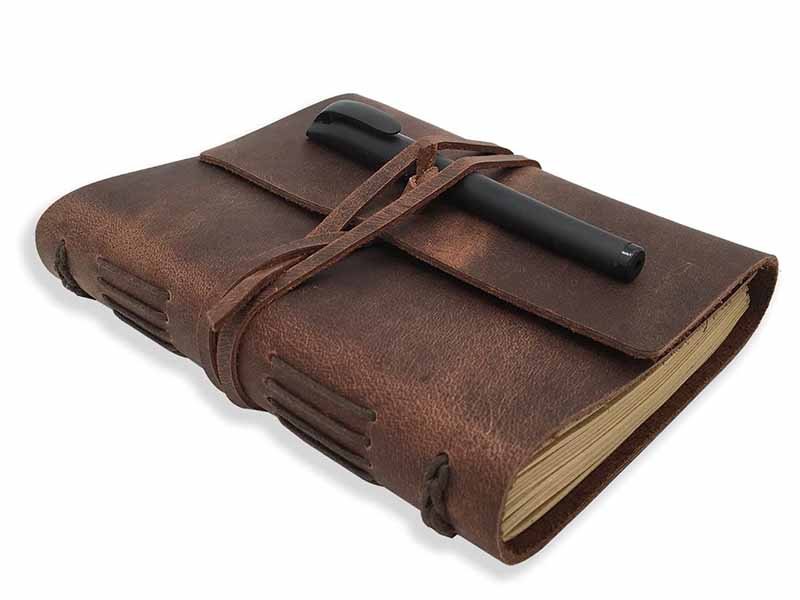
Producing a beautiful leather sample is one thing. Reproducing the same quality across hundreds or thousands of units is a much greater challenge.
To maintain craftsmanship at scale, leather goods manufacturers rely on structured production management, skilled workforce training, and stable material supply chains.
When these systems are in place, factories can maintain product consistency across multiple production runs.
How do leather goods manufacturers keep quality stable in mass production?
Mass production introduces many variables that can affect product quality:
- different workers may interpret instructions differently
- machine settings may drift during long production runs
- material batches may vary slightly in color or texture
- environmental conditions such as humidity may influence leather behavior
To control these variables, factories implement standardized production documents and procedures.
Key tools used by professional factories include:
| Production Control Tool | Purpose |
|---|---|
| Technical pack | Defines all product specifications |
| Approved reference sample | Physical standard for comparison |
| Standard operating procedures | Step-by-step production instructions |
| Process inspection checklist | Ensures each stage meets quality targets |
| Worker training programs | Aligns craftsmanship techniques |
For example, a typical production preparation workflow may look like this:
| Step | Purpose |
|---|---|
| Sample approval | Confirm product design and quality standard |
| Pre-production meeting | Align production team with requirements |
| Material confirmation | Match leather and hardware batches |
| Pilot run (10–20 units) | Verify process stability |
| Mass production | Begin bulk manufacturing |
This structured preparation reduces the risk of misunderstanding between design, production, and inspection teams.
Factories that skip these steps often experience higher defect rates and inconsistent bulk output.
Do leather goods manufacturers rely on skilled craftsmen or machines?
Modern leather manufacturing combines both craftsmanship and technology.
Machines provide speed and precision, while experienced craftsmen provide judgment and problem-solving ability.
The balance between these two elements is essential.
Machines are particularly useful for:
| Machine Application | Benefit |
|---|---|
| Cutting machines | Improved pattern accuracy |
| Sewing machines | Consistent stitch spacing |
| Edge sanding machines | Uniform edge preparation |
| Logo embossing presses | Clean and repeatable branding |
However, many leather processes still require human skill:
- leather grading and defect identification
- pattern placement during cutting
- hand-guided sewing on complex curves
- edge finishing for premium products
- final appearance inspection
Experienced leather craftsmen understand subtle material behavior. For instance, they know when leather tension during sewing may distort the panel shape or when edge paint requires additional drying time due to humidity.
This combination of machine precision and human experience is what allows factories to maintain craftsmanship consistency at scale.
Factories with long production histories often build stable teams of trained workers who specialize in particular product types.
At SzoneierLeather, many technicians have over 10 years of leather product experience, which helps maintain stable workmanship across different product categories such as leather bags, wallets, belts, straps, and leather boxes.
How do leather goods manufacturers manage supplier consistency?
Even the most skilled factory cannot maintain consistent craftsmanship without stable material supply.
Leather, hardware, thread, zipper systems, adhesives, and packaging materials all influence the final product.
Manufacturers therefore build long-term relationships with selected suppliers to maintain material consistency.
Important supply chain controls include:
| Supply Component | Control Method |
|---|---|
| Leather | Fixed tannery partnerships |
| Zippers | Consistent brand specification |
| Hardware | Color and plating standardization |
| Thread | Same supplier for color stability |
| Edge paint | Compatible formulation for each leather type |
Material batch records are often kept for each production run. This allows factories to trace problems if inconsistencies occur.
For example, if two orders use different leather batches, slight color differences may appear. With proper documentation, the factory can identify the source quickly and take corrective action.
Strong supply chain integration also helps factories shorten lead times.
For custom leather goods production, typical lead times may include:
| Production Stage | Average Time |
|---|---|
| Sample development | 7–10 days |
| Material preparation | 7–12 days |
| Bulk production | 25–35 days |
Factories that control their supply chains more effectively are better positioned to deliver consistent craftsmanship on schedule.
How Do Leather Goods Manufacturers Control Sampling and Product Development?
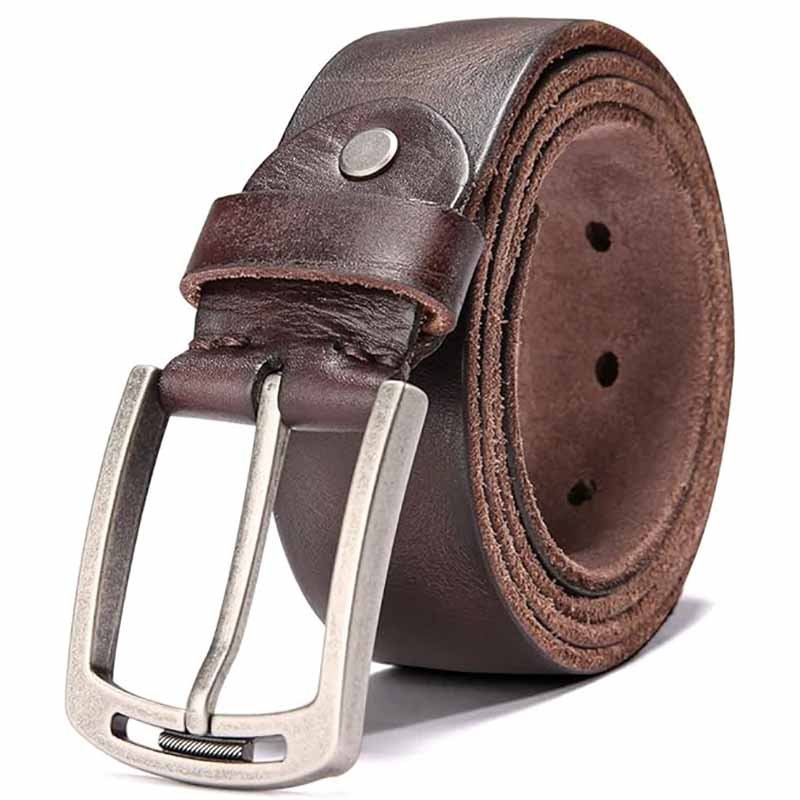
Before large-scale production begins, professional leather goods manufacturers rely on structured product development and sampling systems. Sampling allows the factory and the client to verify design feasibility, material suitability, craftsmanship quality, and structural durability before committing to bulk manufacturing.
This stage plays a critical role in ensuring craftsmanship consistency. A well-developed sample becomes the reference standard for all future production runs.
Without careful sampling and development, even experienced factories may struggle to reproduce the same quality at scale.
How do leather goods manufacturers create accurate development samples?
The sampling stage transforms a design concept into a physical product that can be evaluated, adjusted, and refined.
Professional leather goods manufacturers follow a structured development workflow. Each step reduces uncertainty and improves production stability.
A common sample development process includes:
| Development Step | Purpose |
|---|---|
| Technical drawing review | Confirm product structure and dimensions |
| Material selection | Choose suitable leather, lining, hardware |
| Pattern engineering | Convert design into production patterns |
| Prototype sample | First physical version of the product |
| Structural evaluation | Test usability, shape stability |
| Revision sample | Improve based on feedback |
| Pre-production sample | Final reference before bulk production |
The pre-production sample (PP sample) is especially important. This sample must match the final production specification in terms of:
- leather material
- hardware components
- stitching method
- edge finishing process
- logo application
- packaging structure
Only after the client confirms the PP sample should mass production begin.
This confirmation step protects both sides. The client knows exactly what the final product will look like, and the factory receives a clear reference standard to follow during production.
Factories that skip this step often experience quality misunderstandings between the sample and the final shipment.
Why are pre-production samples important for craftsmanship consistency?
A pre-production sample acts as a physical quality benchmark.
During bulk manufacturing, inspectors, production supervisors, and workers compare the production pieces directly with the approved sample. This comparison helps ensure that the product maintains the same craftsmanship standard.
Key attributes that must match the approved sample include:
| Quality Attribute | What Must Be Consistent |
|---|---|
| Leather color | Same shade and finish |
| Panel alignment | Same symmetry and proportions |
| Stitch spacing | Same stitch density |
| Edge finishing | Same paint thickness and smoothness |
| Hardware | Same plating color and placement |
| Logo detail | Same depth and position |
If a bulk production piece differs noticeably from the approved sample, production managers can quickly identify the issue and correct it.
For example:
| Issue Detected | Correction Action |
|---|---|
| Stitch spacing wider than sample | Adjust machine tension and stitch length |
| Edge paint thinner than sample | Add additional coating layer |
| Hardware slightly misaligned | Reposition hardware guide template |
This sample-based comparison helps factories maintain quality consistency across hundreds or thousands of units.
For brands, it also reduces uncertainty. Instead of relying only on written specifications, they can rely on a physical reference product.
How do leather goods manufacturers improve craftsmanship through product engineering?
Product engineering is often an overlooked part of leather goods manufacturing, but it plays a major role in craftsmanship consistency.
During development, engineers analyze how a product will behave in production and daily use. They adjust the design to improve both manufacturing stability and product durability.
Important engineering considerations include:
| Engineering Factor | Why It Matters |
|---|---|
| Panel construction | Determines shape retention |
| Reinforcement placement | Prevents stress failure |
| Seam direction | Improves structural balance |
| Material layering | Controls thickness and durability |
| Hardware anchoring | Prevents loosening over time |
For example, if a handbag design includes heavy metal hardware, engineers may reinforce the leather underneath with additional backing material. Without this reinforcement, the leather could stretch or tear during use.
Similarly, wallet interiors must balance durability with slimness. Too many leather layers can make the wallet bulky, while too few layers may reduce durability.
Factories that invest in engineering analysis during development can significantly improve product reliability.
At SzoneierLeather, engineering review is an important step in custom leather product development. By analyzing material behavior, stress points, and construction methods early in the process, the factory helps clients avoid structural weaknesses before bulk production begins.
How Do Experienced Leather Goods Manufacturers Support Long-Term Product Consistency?
Consistency is not only about producing one successful order. Brands often require repeated production across multiple seasons, sometimes with order quantities increasing over time.
Maintaining craftsmanship across repeated orders requires stable systems and documentation.
Professional leather goods manufacturers therefore maintain detailed production records and process documentation.
How do factories maintain production records?
Factories track key production parameters for every order. These records help ensure that repeat orders can be reproduced with the same craftsmanship standards.
Typical production records include:
| Production Record | Information Stored |
|---|---|
| Material batch record | Leather supplier and dye lot |
| Hardware batch record | Plating color and supplier |
| Pattern version | Pattern adjustments or improvements |
| Stitch settings | Machine parameters used |
| Edge finishing formula | Paint type and coating sequence |
| Inspection reports | Defect rates and corrections |
With these records, factories can replicate previous orders accurately even months later.
For example, if a client reorders a leather bag after six months, the factory can retrieve the exact leather specification, thread type, and machine settings used in the original production.
This reduces the risk of unexpected variation.
How do experienced teams maintain craftsmanship stability?
Even with machines and standardized processes, human skill remains essential in leather goods manufacturing.
Factories with stable production teams tend to maintain more consistent craftsmanship.
Experienced technicians understand subtle production details such as:
- how leather tension affects seam alignment
- how humidity influences edge paint drying
- how to guide curved stitching lines smoothly
- how to adjust machine settings for different leather thicknesses
These practical skills are difficult to replace with automation alone.
For example, sewing curved handbag panels requires careful control of leather feed speed and hand positioning. Small mistakes can cause puckering or uneven seam lines.
Experienced operators develop a sense of material behavior that allows them to maintain quality even when conditions change slightly.
Factories like SzoneierLeather invest heavily in worker training and long-term team stability. Many technicians specialize in particular product types such as handbags, wallets, belts, or leather boxes. This specialization helps maintain craftsmanship consistency across different product categories.
Work With SzoneierLeather for Consistent Custom Leather Goods Manufacturing
Consistent craftsmanship is not achieved through one single technique. It is the result of a complete manufacturing system that includes material control, skilled workmanship, standardized production procedures, structured quality inspections, and disciplined product development.
For brands launching leather goods, choosing the right manufacturing partner is therefore one of the most important decisions in the entire product lifecycle.
A professional leather goods manufacturer should be able to support you with:
- product design assistance
- material selection guidance
- prototype and sampling development
- engineering optimization
- stable bulk production
- multi-stage quality inspection
- reliable packaging and logistics support
At SzoneierLeather, our team has more than 18 years of experience in leather goods research, development, and manufacturing. We specialize in producing a wide range of custom leather products.
Our factory integrates material sourcing, product design, pattern development, sampling, manufacturing, packaging design, and quality inspection into a complete production system. This allows us to help brands transform product ideas into reliable, high-quality finished products.
Whether you are developing a new leather collection or expanding an existing product line, our team can work with you to ensure that craftsmanship remains consistent from the first sample to large-scale production.
If you are looking for a reliable leather goods manufacturer that can support custom product development and stable bulk production, we welcome you to contact our team.
Our engineers and product specialists are ready to review your design ideas, recommend suitable materials, and provide professional manufacturing solutions tailored to your brand.
Contact SzoneierLeather today to discuss your custom leather goods project and receive a quotation for sampling and production.


