 Skip to content

Luxury bags are no longer just accessories. They are signals—of taste, identity, craftsmanship, and sometimes even financial literacy. In recent years, searches for “high end bag brands” have surged, not only among fashion consumers but also among professionals, collectors, and brand founders trying to understand what truly separates high-end luxury from mass-market “designer” labels.
Yet the term high end has become diluted. Brands priced at $800 call themselves luxury. Others rely on logos rather than leather quality. And many buyers realize—often too late—that price alone does not guarantee durability, resale value, or craftsmanship.
True high end bag brands are defined by how products are made, not just how they are marketed. They invest in leather selection, pattern engineering, edge finishing, stitching precision, and long-term wear behavior. They also understand scarcity, consistency, and heritage—not as slogans, but as systems. High end bag brands are luxury labels defined by exceptional leather quality, precise craftsmanship, controlled production, and strong brand heritage. Unlike mid-range luxury, high-end bags emphasize material integrity, construction detail, and long-term value over trends. The most prestigious brands combine timeless design, expert leatherwork, and scarcity to maintain desirability and resale performance.
Behind every iconic bag is not just a designer—but a manufacturing philosophy. Understanding that philosophy is the key to choosing, evaluating, or even developing a truly high-end bag.
What Defines a High End Bag Brand
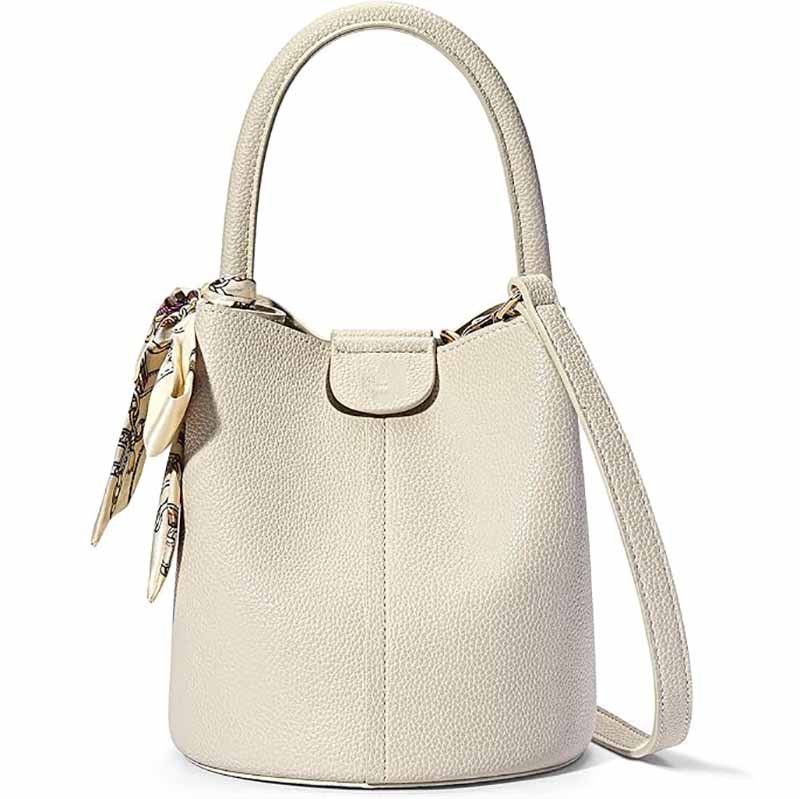
A high end bag brand is defined by superior leather quality, disciplined craftsmanship, controlled production scale, and long-term design consistency. Unlike mid-range luxury brands, high end brands prioritize material integrity, construction precision, and product longevity over rapid trend cycles or logo exposure.
In simple terms, a high end bag brand builds products for years of use, not just seasons of attention.
A Clear Industry Definition
From an industry and manufacturing perspective, a high end bag brand is not defined by price alone, nor by how often it appears on social media.
Instead, it is defined by four non-negotiable pillars:
- Material Authority – control over leather selection and standards
- Craftsmanship Discipline – repeatable, high-precision construction
- Production Control – limited scale with strict quality thresholds
- Design Longevity – products designed to age well over time
If any one of these pillars is missing, the brand typically falls into premium or mid-range luxury, not true high end.
High End vs Mid-Range Luxury: What Is the Real Difference?
One of the most searched questions is: What is mid-range luxury? The difference lies in how decisions are made during production.
| Aspect | High End Bag Brands | Mid-Range Luxury Brands |
|---|---|---|
| Leather selection | High rejection rate, strict grading | Commercial-grade acceptance |
| Construction | Multi-step, time-intensive | Optimized for speed |
| Design cycle | Long-term continuity | Seasonal updates |
| Production volume | Controlled, limited | Scaled for retail demand |
| Aging behavior | Improves with use | Degrades faster |
Mid-range luxury focuses on visual appeal at launch. High end focuses on structural performance over years.
Leather Quality: The First Non-Negotiable Standard
High end bag brands treat leather as a technical material, not a surface finish.
Key leather standards include:
- Full-grain or premium top-grain hides
- Consistent fiber density across panels
- Predictable stretch and recovery behavior
- Natural aging potential (patina instead of cracking)
Importantly, high end brands often reject a large percentage of hides that look fine visually but fail mechanical or aging criteria. This is one of the biggest hidden cost drivers—and a major differentiator.
Craftsmanship Is About Consistency, Not Just Handwork
A common misconception is that “handmade” automatically equals high end. In reality, disciplined craftsmanship matters more than pure hand labor.
High end bag brands emphasize:
- Stable stitch density and tension
- Clean edge finishing with multiple curing stages
- Reinforced stress points (handles, corners, closures)
- Panel symmetry within tight tolerances
These details are subtle but cumulative. They determine whether a bag:
- Keeps its shape after years
- Opens and closes smoothly long-term
- Feels solid rather than fragile
Luxury is often felt after extended use, not at first touch.
Controlled Production: Why Scale Matters
High end brands do not chase volume.
They limit production because:
- Skilled leather workers take years to train
- Quality inspection cannot be rushed
- Material supply is inconsistent at scale
This controlled output ensures:
- Each batch meets the same standard
- Deviations are corrected immediately
- Brand reputation remains stable
Artificial scarcity is marketing. Structural scarcity is operational reality.
Design Longevity Over Trend Dependency
A defining trait of high end bag brands is design restraint.
Instead of chasing trends, they:
- Evolve core models slowly
- Refine proportions rather than reinvent silhouettes
- Maintain recognizable brand DNA
This approach results in bags that:
- Do not feel outdated after one season
- Retain resale and emotional value
- Become “icons” rather than products
From a manufacturing standpoint, longevity reduces risk and improves consistency.
Brand Heritage: Signal, Not Substitute
Heritage supports high end positioning—but only when backed by quality.
Heritage matters because it reflects:
- Accumulated material knowledge
- Proven construction systems
- Long-term customer trust
However, heritage without modern manufacturing discipline quickly loses relevance. Today’s high end brands must balance tradition with engineering rigor.
How Professionals Identify a True High End Brand
Experienced buyers and industry professionals evaluate high end brands by asking:
- How does the leather age after 2–5 years?
- Are structural failures common or rare?
- Does quality vary across seasons?
- Is design evolution consistent or reactive?
These questions cut through branding and reveal manufacturing truth.
Which Are the Top 26 High End Bag Brands Worldwide
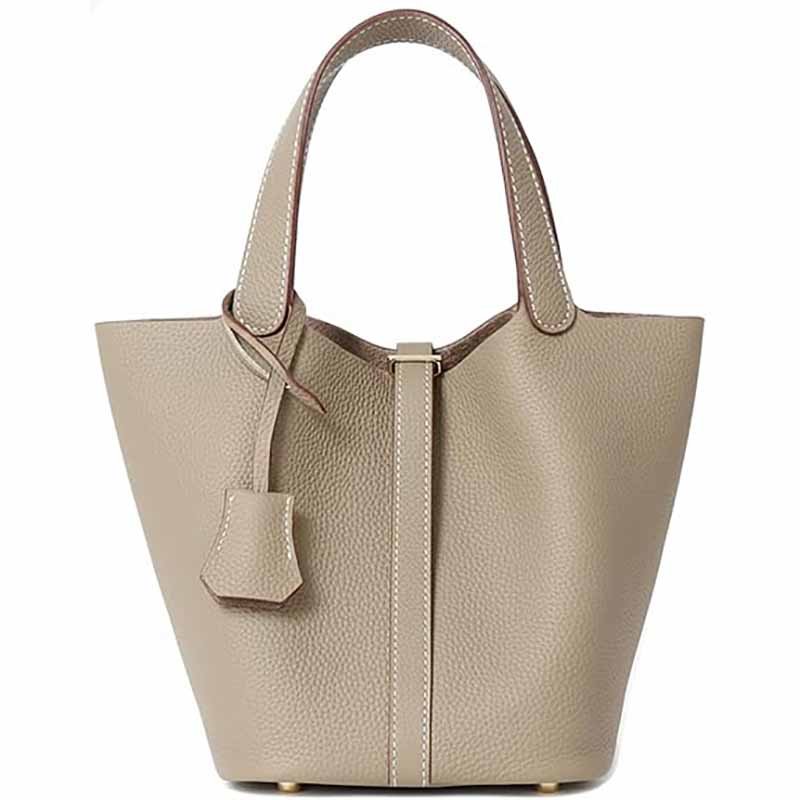
The top 26 high end bag brands worldwide are luxury houses known for premium leather selection, disciplined craftsmanship, iconic designs, and long-term value. These brands span ultra-luxury icons like Hermès and Chanel, classic European houses such as Dior and Gucci, and craft-driven modern brands like Bottega Veneta and Loewe.
High end does not mean trendiest. It means most consistent at the highest level.
Ultra-Luxury Tier (Industry Benchmarks)
1. Hermès
- Positioning: Ultra-luxury benchmark
- Core strength: Leather selection & handcraft discipline
- Iconic bags: Birkin, Kelly, Constance
- Why high end: Extremely strict hide grading, slow production, artisan-led construction. Often considered the most luxurious bag maker globally.
2. Chanel
- Positioning: Ultra-luxury fashion house
- Core strength: Stitching consistency, hardware quality
- Iconic bags: Classic Flap, 2.55
- Why high end: Timeless design + predictable quality + strong resale value.
3. Louis Vuitton
- Positioning: Heritage ultra-luxury
- Core strength: Scaled luxury manufacturing discipline
- Iconic bags: Speedy, Neverfull, Keepall
- Why high end: Manages large production volumes without collapsing material and construction standards.
(Classic European High End Brands)
4. Dior
- Positioning: Classic couture luxury
- Core strength: Structured silhouettes & refined leather
- Iconic bags: Lady Dior
- Why high end: Combines fashion heritage with disciplined construction.
5. Gucci
- Positioning: Italian high-end luxury
- Core strength: Brand codes + leather craftsmanship
- Iconic bags: Jackie, GG Marmont
- Why high end: Balances creative direction with solid leather foundations.
6. Prada
- Positioning: Minimalist high-end luxury
- Core strength: Functional durability & material innovation
- Iconic bags: Galleria
- Why high end: Emphasizes structure, wearability, and long-term use.
7. Fendi
- Positioning: Roman leather luxury
- Core strength: Recognizable silhouettes
- Iconic bags: Baguette, Peekaboo
- Why high end: Strong leather tradition with iconic bag engineering.
8. Saint Laurent
- Positioning: Modern Parisian luxury
- Core strength: Clean lines & precise finishing
- Iconic bags: Sac de Jour
- Why high end: Consistency in leather quality and construction clarity.
9. Bottega Veneta
- Positioning: Craft-driven high end
- Core strength: Intrecciato woven leather
- Iconic bags: Cassette, Jodie
- Why high end: Logo-free luxury rooted in material mastery.
(Modern Craft-Driven High End Brands)
10. Celine
- Positioning: Understated modern luxury
- Core strength: Precision cutting & minimalism
- Iconic bags: Luggage, Box
- Why high end: Structural clarity and disciplined leather use.
11. Loewe
- Positioning: Craft-focused European luxury
- Core strength: Innovative leather manipulation
- Iconic bags: Puzzle, Flamenco
- Why high end: Combines traditional leather expertise with modern construction logic.
12. Valentino
- Positioning: Decorative Italian luxury
- Core strength: Design detail + solid leather base
- Iconic bags: Rockstud
- Why high end: Fashion-forward yet structurally reliable.
13. Givenchy
- Positioning: Contemporary high-end fashion
- Core strength: Elegant silhouettes
- Iconic bags: Antigona
- Why high end: Clean construction paired with premium materials.
14. Balenciaga
- Positioning: Experimental modern luxury
- Core strength: Material tolerance & form innovation
- Iconic bags: City
- Why high end: Pushes design limits without sacrificing durability.
(Heritage & Boutique High End Brands)
15. Goyard
- Positioning: Quiet heritage luxury
- Core strength: Hand-painted coated canvas
- Iconic bags: Saint Louis
- Why high end: Scarcity, tradition, and discreet branding.
16. Delvaux
- Positioning: Boutique ultra-craft luxury
- Core strength: Artisanal leather construction
- Iconic bags: Brillant
- Why high end: One of the oldest luxury leather houses with deep craftsmanship roots.
17. Tod’s
- Positioning: Italian leather lifestyle luxury
- Core strength: Leather longevity
- Iconic bags: D-Styling
- Why high end: Focus on durability and everyday elegance.
18. Bulgari
- Positioning: Jewelry-led luxury
- Core strength: Hardware and detail
- Iconic bags: Serpenti
- Why high end: Transfers jewelry craftsmanship into leather goods.
(Contemporary & Emerging High End Brands)
19. Miu Miu
- Positioning: Youth-driven high fashion
- Core strength: Playful luxury design
- Iconic bags: Wander
- Why high end: Premium materials combined with fashion experimentation.
20. Jacquemus
- Positioning: Contemporary French luxury
- Core strength: Modern proportions & cult appeal
- Iconic bags: Le Chiquito
- Why high end: Strong design identity supported by quality execution.
21. Alaïa
- Positioning: Sculptural boutique luxury
- Core strength: Form and craftsmanship
- Iconic bags: Mina
- Why high end: Small-batch production with couture-level attention.
22. Mulberry
- Positioning: British heritage luxury
- Core strength: Functional leather craftsmanship
- Iconic bags: Bayswater
- Why high end: Reliable construction with classic appeal.
23. Strathberry
- Positioning: Minimalist modern luxury
- Core strength: Clean structure & detailing
- Iconic bags: Midi Tote
- Why high end: Precision and restraint over branding.
24. Coach (Top-Tier Lines)
- Positioning: American heritage luxury
- Core strength: Leather sourcing & finishing
- Iconic bags: Tabby (higher lines)
- Why high end: Strong material base when produced at premium specification.
25. Burberry
- Positioning: British fashion heritage
- Core strength: Brand identity + leather evolution
- Iconic bags: Lola
- Why high end: Combines fashion legacy with improving leather standards.
26. Moschino
- Positioning: Statement luxury
- Core strength: Concept-driven design
- Iconic bags: Couture-themed bags
- Why high end: High material quality supporting bold creative expression.
Quick Summary Table
| Tier | Brands |
|---|---|
| Ultra-Luxury | Hermès, Chanel, Louis Vuitton |
| Classic High End | Dior, Gucci, Prada, Fendi, Saint Laurent, Bottega Veneta |
| Modern Craft Luxury | Celine, Loewe, Valentino, Givenchy, Balenciaga |
| Heritage Boutique | Goyard, Delvaux, Tod’s, Bulgari |
| Contemporary High End | Miu Miu, Jacquemus, Alaïa, Mulberry, Strathberry, Coach, Burberry, Moschino |
Why Are These High End Bag Brands So Desired
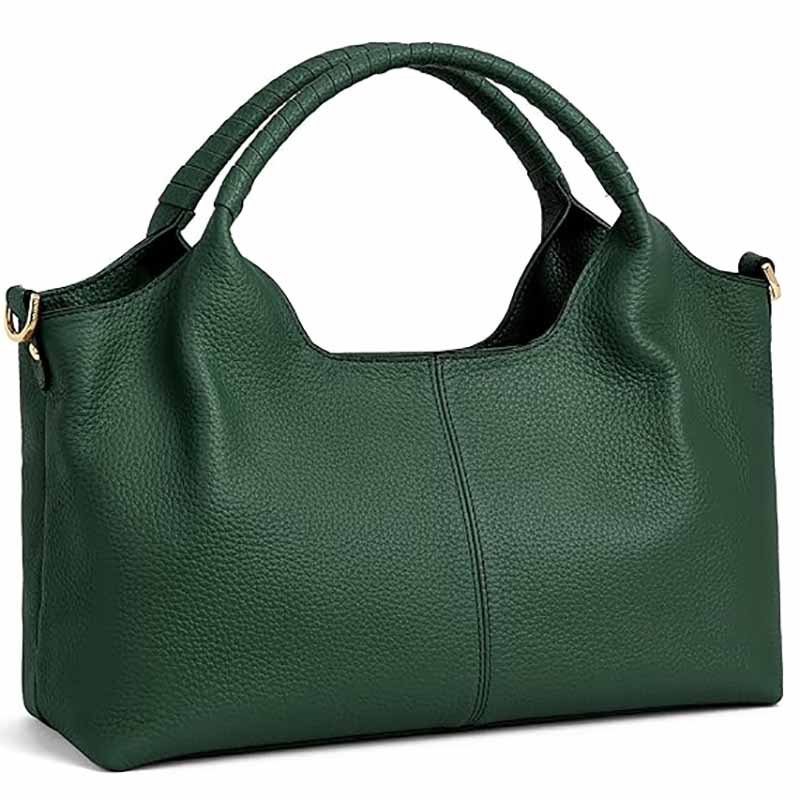
High end bag brands are desired because they deliver consistent craftsmanship, premium materials, controlled scarcity, and long-term value. Beyond aesthetics, these brands reduce purchase risk, age well over time, and offer emotional trust built through heritage, quality discipline, and predictable performance—qualities that mid-range luxury brands often cannot sustain.
In short, people don’t desire high end bags just because they are expensive. They desire them because they feel safe choosing them.
1. How Do Craftsmanship and Materials Create Desire?
At the high end, desire begins with physical certainty.
High end bag brands invest heavily in:
- Strict leather grading and rejection systems
- Predictable material behavior (stretch, softness, aging)
- Reinforced internal structures invisible to consumers
- Finishing details that remain stable after years of use
This results in products that:
- Feel solid in hand
- Maintain shape and structure
- Develop patina rather than visible damage
For experienced buyers, this translates into confidence. They know the bag will not collapse, peel, or deform unexpectedly. That confidence is a major driver of desire—especially among buyers who have been disappointed by mid-range luxury products before.
2. Do Scarcity and Waiting Lists Increase Desire—or Just Hype?
Scarcity plays a role, but only when it is structural, not artificial.
High end brands limit output because:
- Skilled leather artisans are limited
- Training cycles are long
- Quality inspection cannot be rushed
This creates natural waiting lists, not marketing-driven drops.
When scarcity is real:
- Buyers interpret it as proof of discipline
- The product feels “earned,” not impulsive
- Ownership carries emotional satisfaction
In contrast, artificial scarcity (limited colors, short drops) often loses impact once buyers realize production quality does not justify the delay.
3. Why Do Buyers Trust High End Brands More Than Others?
Trust is the most undervalued luxury asset.
High end bag brands build trust through:
- Consistency across seasons
- Predictable quality regardless of design updates
- Clear brand identity that evolves slowly
For buyers, this means:
- Fewer unpleasant surprises
- Lower post-purchase regret
- Easier repurchase decisions
Trust reduces cognitive load. Buyers don’t need to re-evaluate quality every season—they already know what to expect. This is why repeat purchasing is so strong among high end customers.
4. How Does Brand Heritage Shape Desire?
Heritage matters—but not as nostalgia.
Heritage signals:
- Long-term material knowledge
- Accumulated craftsmanship systems
- Survival through multiple market cycles
When heritage is genuine, buyers interpret it as proof of resilience. The brand has survived because its products worked—not just because its marketing did.
However, heritage without modern manufacturing discipline loses relevance quickly. Today’s most desired brands successfully balance tradition with technical control.
5. Are High End Bags Desired Because They Hold Value?
Yes—but value retention is a result, not the root cause.
High end bags hold value because:
- Design remains recognizable over time
- Materials age predictably
- Construction resists failure
Resale value reinforces desire by:
- Reducing financial risk
- Making purchase feel rational, not indulgent
- Creating a sense of investment
But resale only works when manufacturing discipline exists first. Trend-driven designs without structural quality rarely retain value, regardless of branding.
6. Emotional Desire: Status, Identity, and Self-Expression
Beyond rational factors, high end bags satisfy emotional needs:
- Status signaling: Quiet or visible luxury communicates taste and discernment
- Identity alignment: Buyers choose brands that reflect how they see themselves
- Belonging: Ownership connects buyers to a global community
Importantly, modern buyers increasingly value subtlety over loud branding. This is why “quiet luxury” and craftsmanship-led brands are gaining traction.
7. Why Mid-Range Luxury Struggles to Create the Same Desire
Mid-range luxury brands often:
- Chase seasonal trends
- Optimize for scale and speed
- Accept wider material tolerances
As a result:
- Product experience becomes inconsistent
- Long-term trust erodes
- Desire weakens after initial purchase
Buyers may enjoy the first interaction—but hesitate to return.
High end brands win not because they shout louder—but because they fail less often.
What Truly Drives Desire
High end bag brands are desired because they combine:
- Physical reliability
- Emotional reassurance
- Social recognition
- Long-term value
They reduce risk in a world full of choices.
For many informed buyers and emerging brands, this realization leads to a new question:
Can these same standards be achieved without retail luxury pricing?
That question is exactly where professional manufacturing and custom development enter the conversation.
What Materials and Techniques Define High End Bags
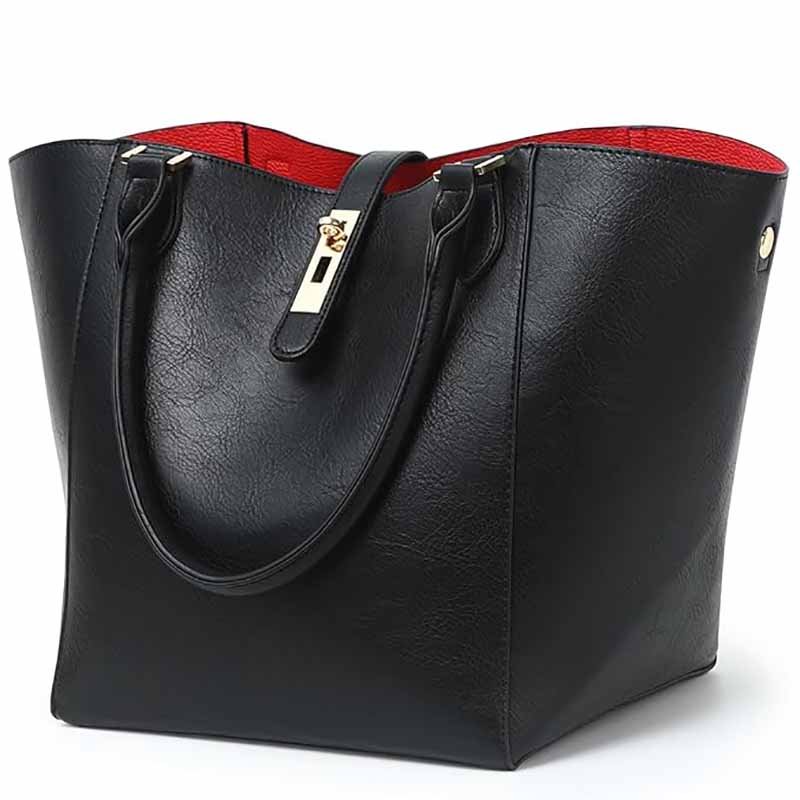
High end bags are defined by premium leather materials, disciplined construction techniques, refined finishing processes, and long-term durability. Unlike mid-range luxury bags, high end bags prioritize material integrity, structural engineering, and aging performance, ensuring they improve with use rather than deteriorate.
In other words, high end bags are engineered products, not just fashionable objects.
1. Materials: What Truly Separates High End from Premium
Which leather types are considered high end?
High end bags are built around predictable, stable, and long-lasting leathers, not just visually attractive ones.
The most commonly used high-end leathers include:
| Leather Type | Why It’s Used in High End Bags |
|---|---|
| Full-grain calfskin | Strong fiber structure, ages beautifully |
| Box calf | Smooth surface, excellent shape retention |
| Togo / Epsom-type leathers | Balanced softness + durability |
| Lambskin (select use) | Ultra-soft hand feel for luxury touch |
| Exotic leathers | Status, rarity, controlled small-batch use |
Key difference: High end brands reject hides with uneven fiber density, hidden scars, or unpredictable stretch—even if they look perfect on the surface.
This high rejection rate is one of the biggest hidden cost drivers behind luxury bags.
Why leather behavior matters more than leather appearance
Professionals evaluate leather by how it behaves over time, not on day one.
High end leather must demonstrate:
- Controlled stretch and recovery
- Stable thickness across panels
- Predictable aging (patina, not cracking)
- Resistance to edge peeling and delamination
Mid-range bags often feel luxurious initially but soften, collapse, or show edge failure after extended use. High end bags are designed to improve in character, not lose structure.
2. Structural Engineering: The Skeleton Inside the Bag
How is structure engineered in high end bags?
High end bags are internally engineered like architectural objects.
They typically include:
- Reinforced base panels
- Stress-point reinforcements at handles and straps
- Multi-layer leather or interlining systems
- Carefully planned stitch paths to distribute tension
This internal “skeleton” is usually invisible—but it determines whether a bag:
- Sags after months
- Keeps its shape after years
- Feels solid rather than flimsy
From a factory perspective, structure engineering often adds time, cost, and complexity, but it dramatically reduces failure rates.
Soft vs structured bags: both can be high end
High end does not always mean “rigid.”
- Structured bags (e.g., Kelly-style): rely on internal supports and precise cutting
- Soft bags (e.g., woven or draped styles): rely on leather quality and reinforcement logic
In both cases, control is the key. High end softness is intentional—not a result of weak structure.
3. Stitching: Where Precision Reveals Quality
What stitching standards define high end bags?
Stitching is one of the easiest ways for professionals to judge quality.
High end stitching typically shows:
- Even stitch length across curved and straight seams
- Balanced tension (no puckering or looseness)
- Reinforced back-stitching at stress points
- Alignment accuracy across multiple panels
Many high end brands adjust stitch density depending on:
- Leather thickness
- Load-bearing requirements
- Visual proportion
This level of adjustment requires experienced operators and slower production speeds.
4. Edge Finishing: One of the Hardest Luxury Details
Why edge finishing is a critical high end indicator
Edge finishing is where many “luxury-looking” bags fail after use.
High end edge treatment involves:
- Multiple paint layers
- Drying/curing between coats
- Manual smoothing between stages
- Flex testing after completion
Poor edge finishing leads to:
- Cracking
- Peeling
- Sticky residue over time
High end brands invest heavily here because edge failure instantly destroys perceived quality, regardless of brand name.
5. Hardware: Small Parts, Big Consequences
What defines high end hardware?
High end hardware is defined by:
- Weight and balance
- Smooth movement (zippers, locks, clasps)
- Durable plating thickness
- Secure attachment methods
Luxury hardware is often:
- Custom-molded
- Tested for repeated use
- Designed to age without discoloration
From a manufacturing standpoint, hardware failure causes disproportionate dissatisfaction, which is why high end brands treat it as a critical system, not decoration.
6. Finishing & Quality Control: The Final Luxury Filter
How do high end bags pass quality control?
High end bags go through multiple inspection stages:
- Material inspection before cutting
- In-process checks during sewing and assembly
- Final inspection for symmetry, function, and finish
Common rejection reasons include:
- Slight panel misalignment
- Edge inconsistency
- Stitch deviation beyond tolerance
- Hardware movement resistance
This strict QC approach ensures batch-to-batch consistency, which is the foundation of brand trust.
7. Why These Techniques Matter to Real Users
For users, these materials and techniques translate into:
- Bags that maintain shape
- Leather that ages attractively
- Fewer repairs and failures
- Higher resale and emotional value
High end bags are not just purchased—they are lived with.
How Do High End Bags Hold Value Over Time
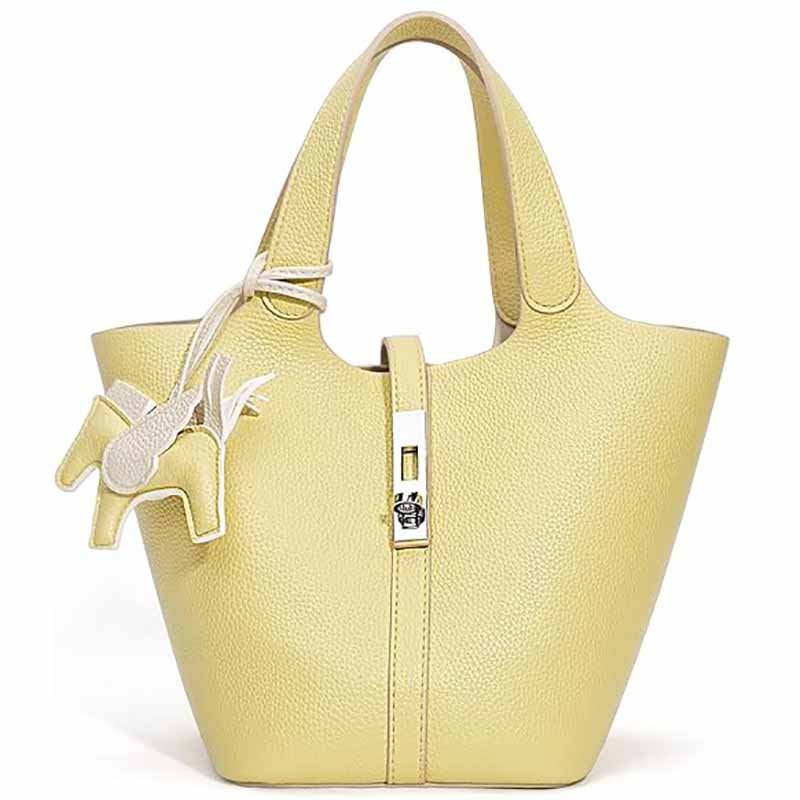
High end bags hold value over time because of durable materials, disciplined construction, stable brand positioning, and consistent demand in the resale market. Bags designed with long-term structure, timeless aesthetics, and limited supply tend to retain or appreciate in value, while trend-driven or poorly constructed bags depreciate quickly.
Put simply, value retention is engineered long before resale happens.
1. Material Quality: The Foundation of Long-Term Value
Why does leather quality directly affect resale value?
Leather is the single most important factor in how a bag ages.
High end bags use leathers that:
- Maintain fiber integrity over years
- Resist cracking and delamination
- Develop patina instead of visible damage
When a bag reaches the resale market, buyers do not ask:
“Was this bag expensive when new?”
They ask:
“Does it still look structurally sound?”
Bags made from inferior or overly processed leather often:
- Lose shape
- Show deep creasing
- Develop peeling edges
Even with a famous logo, these issues destroy resale confidence.
Which leather types hold value best?
From resale and long-term use data, these leathers perform best:
| Leather Type | Long-Term Performance |
|---|---|
| Structured calfskin | Excellent shape retention |
| Box calf | Ages evenly, formal look |
| Grained calf (Togo-style) | Masks wear, durable |
| Coated canvas (heritage brands) | Highly stable |
By contrast, very soft lambskin or thin fashion leathers require near-perfect condition to retain value.
2. Construction & Structure: Why Shape Stability Matters
How does construction quality protect value?
High end bags are built with internal engineering, not just outer beauty.
Key construction elements that protect value:
- Reinforced bases and corners
- Proper load distribution at handles and straps
- Balanced stitch tension
- Internal support layers
These elements ensure that after years of use:
- The bag still stands or drapes as intended
- Openings align correctly
- Handles do not collapse or warp
In resale listings, “structure loss” is one of the fastest ways a bag’s value drops—often more than surface scratches.
Why do structured bags often retain value better than soft bags?
Structured bags:
- Make wear easier to evaluate
- Photograph better for resale
- Signal durability to buyers
Soft bags can still be high end, but only when:
- Leather quality is exceptional
- Reinforcement logic is invisible but effective
Otherwise, softness is often mistaken for wear.
3. Design Longevity: Timeless Beats Trendy
Why do iconic designs outperform seasonal styles?
High end bags that hold value usually share these design traits:
- Clean proportions
- Recognizable silhouettes
- Minimal trend-specific elements
Iconic models remain relevant because they:
- Avoid exaggerated shapes
- Use neutral color palettes
- Fit multiple lifestyles and outfits
Seasonal or trend-driven bags often:
- Look dated within 1–2 years
- Lose demand once trends shift
- Become harder to resell regardless of condition
In luxury resale, recognition equals liquidity.
Which bag designs tend to appreciate or stay stable?
Historically strong performers include:
- Classic flap-style bags
- Structured top-handle bags
- Heritage travel-inspired designs
These styles align with long-term consumer taste and are easier for new buyers to trust.
4. Brand Consistency: Trust Is a Resale Currency
How does brand behavior affect long-term value?
Brands that hold value behave predictably.
They:
- Maintain core designs across decades
- Avoid drastic quality changes
- Limit overproduction
When buyers trust a brand’s consistency, they trust its products—even second-hand.
Brands that:
- Constantly change design direction
- Introduce large volumes
- Downgrade materials quietly
often see resale prices soften, regardless of brand fame.
Why scarcity must be structural, not artificial
True scarcity comes from:
- Limited skilled labor
- Controlled production pace
- High material rejection rates
Artificial scarcity (limited colors, short drops) does not protect long-term value if:
- Quality is inconsistent
- Supply later floods the market
Resale buyers quickly detect the difference.
5. Condition & Care: The Owner’s Role in Value Retention
How much does condition affect resale value?
Condition can outweigh brand in resale pricing.
Key condition factors:
- Edge integrity (no peeling or cracking)
- Hardware wear and plating condition
- Shape retention
- Interior cleanliness
A well-maintained bag from a slightly lower-tier brand often outperforms a poorly maintained bag from a top-tier brand.
What maintenance habits protect value?
Value-conscious owners typically:
- Store bags stuffed to retain shape
- Avoid overloading
- Protect from prolonged humidity and sunlight
- Clean and condition leather periodically
These habits preserve both aesthetic and structural integrity.
6. Resale Market Dynamics: Why Demand Persists
Why do high end bags have active resale markets?
Resale markets thrive when:
- New retail prices rise steadily
- Entry barriers remain high
- Quality remains predictable
For many buyers, resale is:
- A safer entry point
- A way to access discontinued models
- A rational justification for luxury spending
This demand loop reinforces value retention.
7. What Buyers Often Misunderstand About “Investment Bags”
Not all high end bags are investments.
Common misconceptions:
- “Expensive equals appreciating”
- “Limited edition always holds value”
- “Brand alone guarantees resale”
In reality, value retention depends on:
- Material durability
- Design longevity
- Market demand
- Condition management
Luxury is not speculative—it is structural.
How to Choose the Right High End Bag Brand for You
Choose the right high end bag brand by matching your lifestyle (work, travel, daily use), carry needs (size, weight, laptop/essentials), material preference (structured calfskin vs soft lambskin), and your priority (timeless value vs trend/design). The best luxury brand for you is the one that fits your routine, stays comfortable when fully loaded, and still looks great after years—not just the one with the biggest logo.
1 Start With Your Real Life, Not the Brand Name
What do you actually use the bag for most days?
Most regret comes from buying a “dream bag” that doesn’t match real habits.
Pick your primary scenario:
- Work/office: commuting, meetings, documents, maybe laptop
- City daily: phone, wallet, keys, sunglasses, small cosmetics
- Travel: airport days, walking tours, security checkpoints
- Occasion: dinners, events, formal looks
- Collector/rotation: you use many bags and treat them carefully
Fast truth: If you’re carrying more than “essentials,” a bag’s structure and strap comfort matter more than the brand.
2 Decide Your Priority: Status, Comfort, Longevity, or Value?
A high end bag can be “right” for totally different reasons. Clarify your #1 priority:
If your 1 priority is timelessness + long-term value
- Choose brands/models known for consistent demand and classic silhouettes.
- Go for neutral colors and stable materials (structured calfskin, grained calf).
If your 1 priority is comfort + daily practicality
- Focus on weight, strap drop, opening design, internal layout.
- A slightly less “hyped” brand that fits perfectly can beat a famous one you don’t enjoy wearing.
If your 1 priority is fashion impact / design identity
- Pick bold silhouettes or seasonal statements—but accept faster depreciation.
If your 1 priority is quiet luxury
- Go for minimal logos, superior leather feel, clean lines, and subtle hardware.
3 Pick the Right Bag Type First (Then Choose the Brand)
Brand comes after form. Form determines whether you actually use it.
Which bag style fits your lifestyle?
For work and commuting
- Structured tote / top-handle / satchel
- Why: holds shape, looks professional, protects contents
- Watch-outs: weight can climb quickly
For daily city use
- Medium shoulder bag / crossbody
- Why: easy access, hands-free, comfortable for long walks
- Watch-outs: strap comfort + security of closure
For travel
- Crossbody with secure closure or structured shoulder bag
- Why: easy control in crowds, stable carry, quick access
- Watch-outs: open-top designs and loose zippers
For dinners and events
- Small shoulder / clutch / mini top-handle
- Why: looks polished, light carry
- Watch-outs: tiny sizes can be frustrating fast
4 Materials: Choose Leather That Matches Your Tolerance for Wear
This is where many first-time luxury buyers get surprised.
Which leather type fits your personality?
If you want “wear it, don’t baby it”
- Grained calfskin / structured calfskin
- Pros: hides scratches, holds shape, ages well
- Best for: commuting, daily carry
If you want the softest “luxury touch”
- Lambskin
- Pros: buttery hand feel, elegant look
- Cons: scratches easily, shows pressure marks
- Best for: occasion use, careful owners
If you want “structured and formal”
- Box calf / stiff smooth calf
- Pros: crisp silhouette, refined look
- Cons: can show scratches; feels firmer
Simple rule: The more you want to use it daily, the more you should bias toward grained/structured calfskin.
5 Don’t Buy Before You Pass This “5-Point Fit Test”
You can love a bag online and still hate it in real life.
The Fit Test
- Does it feel comfortable when fully loaded?
- Can you open/close it easily with one hand?
- Do you like how it sits on your body (strap drop)?
- Does the interior layout match what you carry?
- Will you realistically maintain it? (storage, care, weather)
If you fail 2+ points, keep looking.
6 Understand “Mid-Range Luxury” So You Don’t Overpay
Many users search: What is mid-range luxury?
Mid-range luxury usually means:
- strong brand image
- good design
- decent materials …but often more mass production, faster cycles, and wider tolerance.
High end luxury usually means:
- stricter leather selection
- more consistent finishing
- slower production rhythm
- longer product lifecycle
Why this matters: If you mostly care about design and brand image, mid-range luxury can satisfy you at a better value. If you care about how it looks after years, high end standards matter more.
7 Quick Decision Paths
Choose a “heritage classic” brand/model if:
- you want long-term relevance
- you dislike seasonal trends
- you care about resale stability
- you prefer neutral colors and structured silhouettes
Choose a “craft-driven quiet luxury” brand/model if:
- you’re sensitive to leather feel and finishing
- you want minimal logos
- you care more about materials than hype
- you like modern, clean design
Choose a “fashion-forward statement” brand/model if:
- you want a look that pops
- you rotate bags often
- you accept trend cycles and depreciation
8 The Smartest Way to Buy High End
If you’re a professional buyer or building a brand, here’s the key question:
Are you paying for the brand… or the build quality?
High end bags are defined by:
- leather quality
- structure engineering
- stitching and edge finishing
- hardware and QC discipline
If what you truly want is that level of build, custom development often becomes a better fit than retail—because you can control:
- leather selection
- thickness and reinforcement
- edge paint system
- hardware spec
- function layout
- branding and packaging
Conclusion
High end bags are not defined by logos. They are defined by materials, construction, and discipline.
At Szoneier Leather, we work with brand owners, designers, and professional buyers who understand this reality.
If you are planning to develop or upgrade a high-end leather product line, working with a professional factory is often the smartest first step.
Share your product idea, target market, and quality expectations with Szoneier Leather. Get expert manufacturing feedback before committing to mass production.
True luxury is not just bought. It is built—carefully, intentionally, and professionally.


