 Skip to content
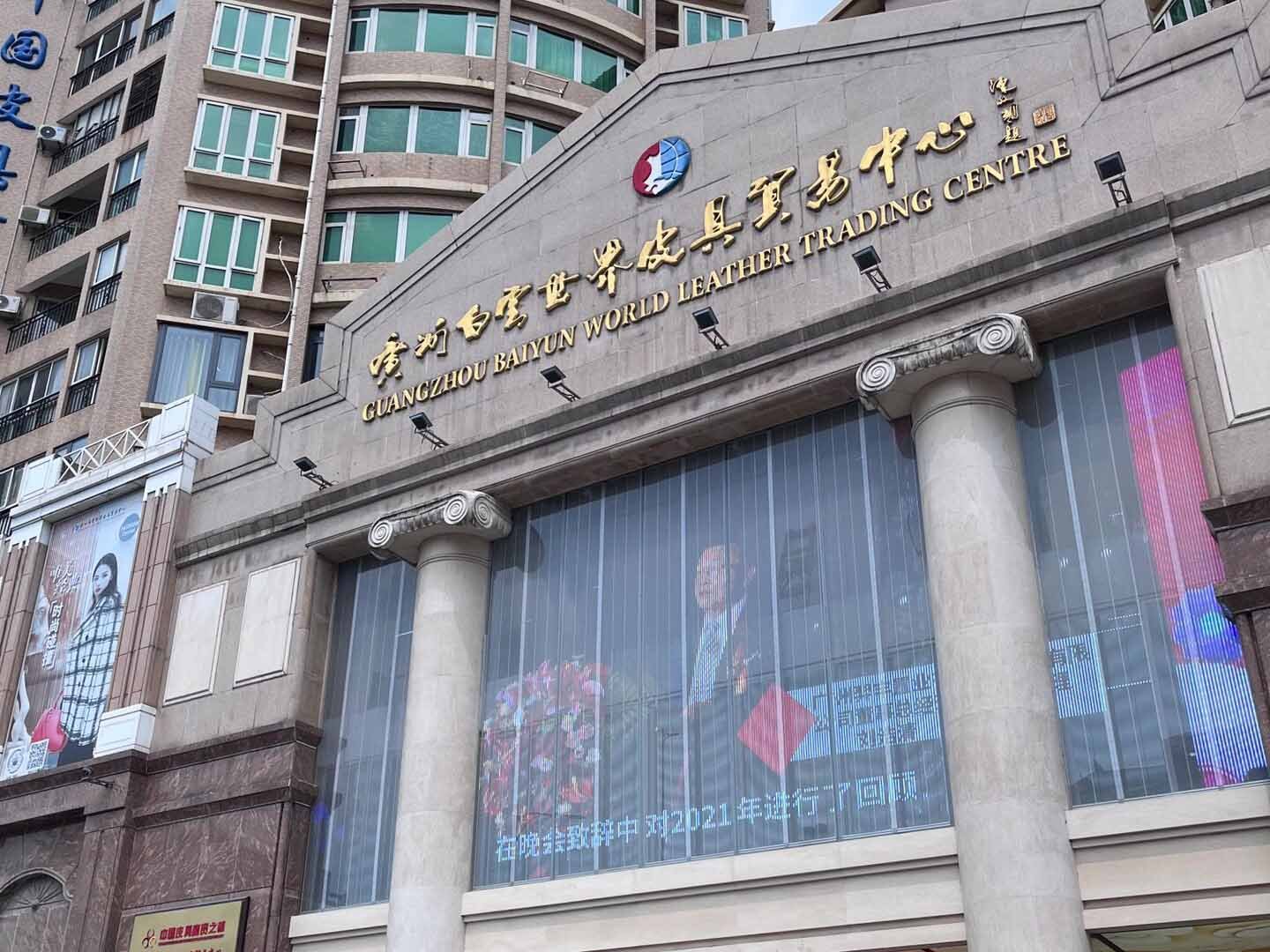
Walk into Guangzhou’s Baiyun District, and you’re not just stepping into a market—you’re entering the beating heart of the global leather goods supply chain. Here, under one city’s industrial canopy, thousands of tanneries, accessory vendors, sample rooms, and OEM factories co-exist in a symbiotic rhythm, fueling everything from high-end fashion houses to agile e-commerce startups. This is where global leather trends begin—not in a showroom, but at a workbench with a cutting die, a swatch book, and a factory boss negotiating WeChat quotes in real time.
The Guangzhou leather market is a dense, fast-moving supply chain zone comprising raw material suppliers, tanneries, accessory makers, and leather goods factories. It powers the global OEM leather industry and offers brand buyers unrivaled opportunities for sourcing, sampling, and scalable production.
And yet, most first-time brand buyers enter this world unprepared—unsure where to start, how to evaluate vendors, or which districts cater to wallets versus belts versus custom bag runs. In this guide, we’ll go far beyond the tourist tips and provide a structured, brand-focused roadmap to navigating the Guangzhou leather ecosystem—whether you’re designing your first prototype or scaling a private-label leather line to thousands of units.
Let’s dive into the details that matter: zones, trends, risks, pricing, and how a partner like Szoneier Leather helps you turn Guangzhou’s massive supply engine into your brand’s competitive edge.
What Is the Guangzhou Leather Market

The Guangzhou leather market refers to a vast, interconnected ecosystem of raw leather suppliers, tanneries, accessory vendors, and OEM/ODM manufacturers concentrated in areas like Baiyun and Sanyuanli. It serves as Asia’s largest sourcing hub for leather bags, wallets, belts, and accessories—offering brand buyers access to fast sampling, competitive pricing, and scalable production. For fashion startups and private-label buyers, it’s the gateway to building a global leather product line.
Not Just a “Market”—It’s a Supply Chain Engine
Unlike a single enclosed mall, the Guangzhou leather market spans multiple specialized clusters across the city, each with its own function:
| Zone | Specialization | Notes |
|---|---|---|
| Sanyuanli | Finished leather, hardware | Ideal for quick sampling |
| Guihua Gang (Zhanxi Rd) | Bag & belt components | Buttons, zippers, threads |
| Shiling Leather City (Huadu) | Large-scale OEM factories | Bulk production, MOQ-friendly |
| Baiyun Leather Distribution | Rawhide, PU, PVC rolls | Base materials for factory orders |
This web of micro-suppliers makes it possible to go from concept to production-ready sample in under a week—a speed that Western supply chains simply can’t match.
Why Global Brands Source Here
Whether you’re a luxury label or a startup scaling a niche line, the appeal is clear:
- Access to Volume & Variety: From genuine cowhide to croc-embossed PU, the range of textures, thicknesses, and finishes is staggering.
- Speed of Iteration: Many suppliers allow walk-in customization with same-day sample turnaround.
- Low MOQs: Ideal for first-time brands testing the market without overstock risk.
- OEM-Ready Factories: Factories like Szoneier Leather offer full-stack services—from pattern cutting and embossing to branded packaging.
Cost Advantage, But With a Catch
Yes, prices are competitive. But the true advantage is value engineering. You can specify:
- Leather type (full grain, top grain, split, PU-bonded)
- Stitching thread (nylon vs polyester)
- Interior lining material (suede, cotton, microfiber)
- Logo method (debossed, laser, metal plate)
…and instantly compare cost per unit. However, not all vendors are created equal. Many street-facing shops are just trading agents with no direct factory access. That’s where experienced OEM partners like Szoneier help you vet materials, audit production, and negotiate the real cost—not the “foreigner price.”
The Cultural Edge: Business Happens in Person
In Guangzhou, business isn’t sealed by email—it’s done over tea, with physical samples, tactile negotiation, and a WeChat call to the factory floor. Visiting in person builds trust, opens up better terms, and ensures your product vision doesn’t get lost in translation.
Why It Matters Now More Than Ever
In a post-COVID supply chain world, brands need speed, flexibility, and diversified sourcing. Guangzhou delivers all three. With China’s logistics reopening and leather consumption on the rise again (projected CAGR 5.4% from 2024–2029), those who lock in trusted production lines now will outpace slower competitors later.
Which Products and Segments Are Hot in Guangzhou?
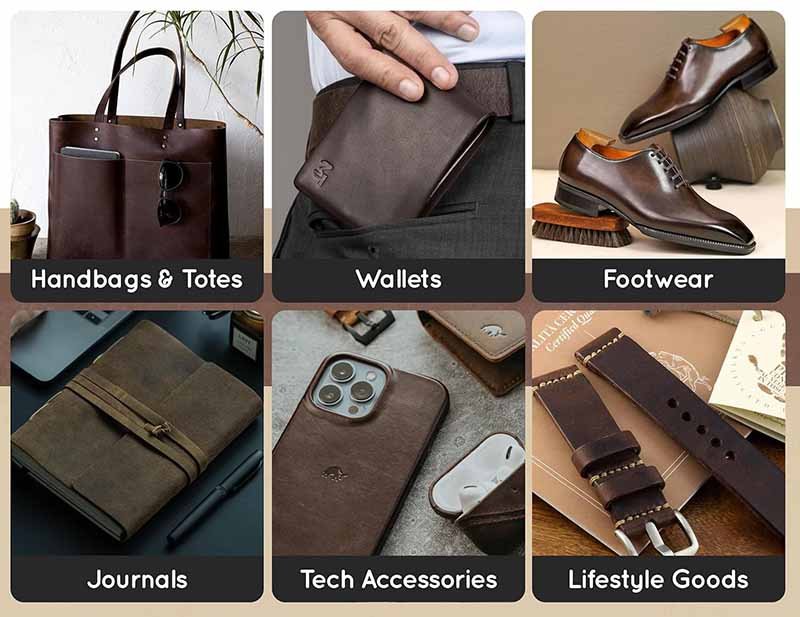
In Guangzhou’s leather goods ecosystem, the hottest segments right now include leather bags (especially mid‑ to premium hand‑carry styles), small leather goods (wallets, belts, key‑chains), and eco‑leather or recycled material lines. There’s also strong demand for customization (private label/OEM) and rapid‑turn sampling for seasonal drops—all supported by Guangdong’s dense manufacturer network.
When your brand is looking at sourcing or manufacturing via the Guangdong/Guangzhou region, understanding which products and segments are thriving gives you a competitive edge. Below I break down key product categories, emerging trends, buyer‑types, and implications for your brand and for a manufacturer like Szoneier Leather.
1. Leather Bags Leading the Volume
The finished‑goods bag production in Guangzhou remains immense. For example, one buyer’s guide reports that the bag clusters around Guihuagang alone handle over 1.5 million pieces per day. Within this, the strong demand is in:
- Mid‑tier leather handbags / crossbody bags: Brands targeting premium yet accessible segments are ordering leather or leather‑blend bags with good finishing, moderate MOQ (300‑500 units) and larger accessory selection.
- Executive or business carry bags: Structured leather briefcases and satchel bags selling into markets where corporate gifting or professional lifestyle is key.
- Small leather goods as add‑ons: Bags often sit alongside wallets, cardholders, belts—many of which the same factories handle, allowing vertical bundling.
For brand: If you’re aiming at a premium launch or heritage collection, leather bags from Guangzhou make sense—but you must specify hide grade, finishing, hardware quality, and packaging tightly.
2. Small Leather Goods & Accessories
Besides bags, the market sees robust activity in:
- Wallets, cardholders, coin purses — frequently used as gifts, promotional bundles, or e‑commerce accessories.
- Belts, straps, leather boxes — closer to your factory profile: goods that allow fast design iterations, lower cost, lower risk.
- Leather key‑chains, phone straps, small accessories — trending as branded merchandise, limited editions, or brand‑drops.
3. Material‑Story & Eco Trends
Brands increasingly ask for vegan/eco‑leather, RPET‑lined leathers, or small‑batch exotic finishes. According to China‑Briefing, the leather goods segment in China (which Guangzhou powers) has been growing ~10‑15 % annually. What this means in practice: In Guangzhou you’ll find suppliers offering:
- Recycled polyester (rPET) blends in bag linings
- Vegetable‑tanned full‑grain hides
- Exotic embossing, micro‑laser texture (for premium SKUs)
- Limited‑edition materials for brand‑driven drops
For Szoneier, that means you can pitch custom material development as a differentiator—“heritage leather satchel” or “tech‑nylon messenger” both coming from same region.
4. Buyer‑Sector Divergence
It’s important to segment who is ordering and what they are ordering:
- High‑end brands: small MOQs (100‑300 units), premium finishes, leather stories, branded packaging.
- Mid‑market & private label: bigger MOQs (300‑1000 units), mix of leather + canvas or leather + tech fabrics, focus on value and customization.
- Promo/wholesale buyers: very low MOQs allowed for finished goods, simpler materials (PU or split leather) for seasonal/volume projects.
- Startups & direct‑to‑consumer (DTC) brands: lean manufacturing, fast sampling, quick colour‑drops, often using Guangzhou clusters for responsiveness.
Understanding where your brand fits in this buyer spectrum helps you specify the right factory capabilities, MOQ expectations and budget.
5. Implications for Your Brand & Manufacturing Strategy
What this means for your sourcing strategy:
- If you want leather bags with strong brand identity: test a 300‑units run via Szoneier, specify full‑grain hide, custom hardware, packing box.
- If you want accessory line fast‑to‑market: use smaller pockets like wallets or belts, use materials that allow faster turnaround and lower cost.
- If you are focusing on eco/heritage story: mandate recycled materials, low‑chemical dyeing, provide storyboarding to the factory to execute on material choice.
How Do You Navigate the Market On Location?
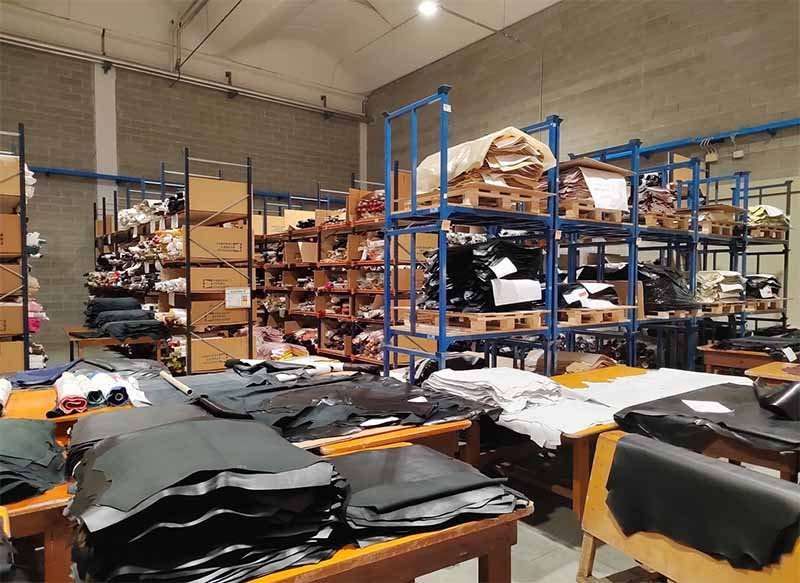
To navigate Guangzhou’s leather market on location, focus on three clusters: Guihuagang (wholesale leather goods), Baiyun World Leather Center (raw materials), and Shiling Town (OEM/ODM manufacturing). Use translators, bring physical samples, negotiate in person, and plan for at least 2–3 days of sourcing. A structured plan ensures maximum efficiency.
The Guangzhou leather market is not a single building or location—it’s a vast, interconnected ecosystem spread across the greater Baiyun and Huadu districts. For global buyers or brand owners exploring sourcing opportunities or manufacturing partnerships on-site, successful navigation requires strategic planning, local insights, and on-the-ground preparation.
1. Map the Three Core Zones
Understanding which area to visit based on your intent saves time and unlocks better deals:
| Market Cluster | Specialization | Best For |
|---|---|---|
| Guihuagang Leather Market | Finished leather bags, wallets, belts, samples, wholesale orders | Buyers seeking ready-to-ship goods or design inspiration |
| Baiyun World Leather Trading Center | Raw hides, PU/faux leather, zippers, buckles, linings | Material sourcing for brand designers, R&D, small-lot samples |
| Shiling Leather Town (Huadu) | Full-scale OEM/ODM factories, sample rooms, long-term production | Brands needing contract manufacturing or private label partnerships |
Most buyers start in Guihuagang for inspiration, then move to Baiyun World to select materials, and finally visit Shiling if custom production is needed.
2. Hire a Local Guide or Translator (Optional But Wise)
Language barriers can cause major sourcing issues—especially when it comes to pricing, materials, technical terms (like “full-grain” vs “top-grain”), or order conditions. Consider:
- Hiring a local sourcing agent with experience in leather goods
- Using digital translator apps as backup
- Bringing physical reference samples to avoid miscommunication
A bilingual guide can help reduce price misunderstandings and facilitate faster deal closing.
3. Bring a Checklist: Samples, Specs, and MOQ Goals
Before you enter any stall or supplier office, you should prepare:
- A basic product spec sheet (size, material, target cost, quantity)
- Visual moodboard or brand identity guide (for custom development)
- Competitor benchmark product photos (to inspire or compare)
- A realistic MOQ target, ideally tiered: 100–300–500 units
Suppliers often respond better to specific requirements—they take you seriously if you show you’ve done your homework.
4. Plan Time Accordingly: Each Area Needs a Day
Each cluster will take a full day to explore. Don’t assume you can visit all three in one day unless you’re only browsing:
- Day 1: Guihuagang – walk floors, gather ideas, test prices
- Day 2: Baiyun World Leather Market – compare leather types, take swatches
- Day 3: Shiling – factory visits, OEM meetings, sample discussions
If you’re planning full production runs, allow additional 1–2 days for factory tours and negotiations.
5. Logistics: When, Where, and How
- Transport: Metro lines connect most markets, but hiring a car/driver is best for Shiling (40–60 min from central Guangzhou).
- Timing: Avoid Chinese New Year, Golden Week (October), or trade show blackout periods (unless attending).
- Cash vs WeChat Pay: Some vendors accept cards or apps; others still prefer cash—bring ~¥500–¥1000 for deposits, swatches, or fast deals.
Tip: Markets usually open from 9:30 AM to 5:30 PM, but factories may require appointments.
6. Sample Management & Next Steps
If you’ve collected samples or started a custom order, ensure:
- Supplier clearly marks all samples (code, material, size, price)
- You take photos + notes immediately (names can get confusing)
- You negotiate production lead time, packaging, payment terms
- You follow up digitally (WeChat/WhatsApp/Email) once you’re back
Are There OEM / Customization Opportunities in Guangzhou?
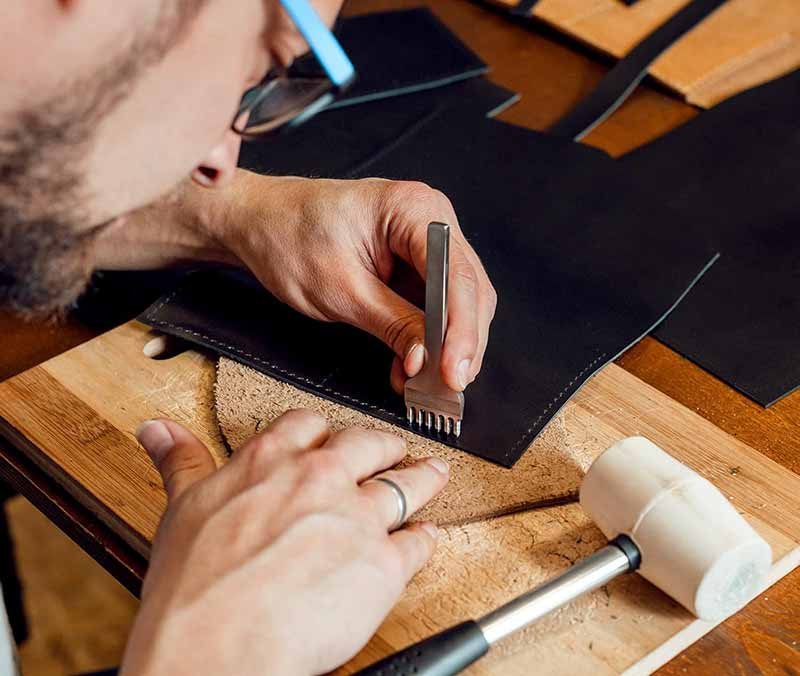
Yes ,Guangzhou offers extensive OEM and ODM capabilities for leather goods, enabling brands to customise materials, hardware, logos and packaging with relatively low MOQs, rapid sampling and integrated supply‑chain services. Many factories support full brand customization (private‑label), making the region ideal for sourcing leather bags, wallets and accessories.
1. Ecosystem for Full Customisation
Guangzhou is not just a place where bags are made — it’s where the full value‑chain sits close together. You’ll find hides and leather finishing in Shiling/Huadu, accessories (zippers, buckles, linings) in Baiyun/Guihuagang, and full bag assembly in same clusters. This cluster effect means a brand can work with a factory that offers material development, pattern making, sampling, moulding, and packaging design, all within easy reach.
For example, leading directories list manufacturers in Guangzhou offering “OEM/ODM support, private‑label services, custom logo, design assistance, low MOQ from 50–100 pieces” for leather goods. This means that, whether you’re a boutique brand wanting 100 units of leather wallets or a larger brand planning 5000 units of handbags, you can find a suitable partner.
2. Flexible MOQs & Rapid Prototyping
One of the big hurdles for many brands is minimum order quantity (MOQ). In many manufacturing regions, MOQs start at 500 or 1000 units. In Guangzhou, especially for custom leather goods, many vendors offer prototype or micro‑runs (50–300 units) before scaling. For instance, the Top 10 leather bag manufacturers list shows some factories accepting MOQs of 30‑50 pieces for start‑ups. Moreover, sampling turnaround can be fast: some factories promise prototypes in 5–7 working days if hardware and materials are standard. This enables brands to test designs, colours, hardware combinations and market fit before committing large volumes.
3. Customisation Options That Matter
Brands should look for manufacturers offering a range of customisable features:
- Materials: full‑grain leather, veg‑tanned hides, waxed canvas blends, eco leathers (RPET, PU)
- Hardware: custom buckles, branded zipper pulls, bespoke metal plates, exotic metal finishes
- Branding: embossing/debossing, heat‑stamped logos, woven labels, inner lining prints
- Packaging & Accessories: dust bags, gift boxes, hang tags, bundle sets
- Functional Features: laptop sleeves, RFID linings, anti‑theft pockets, modular inserts Every one of these elements can be customised in Guangzhou thanks to the deep supplier network. For example, directories mention factories that “provide custom moulding, die‑casting, logo embossing, customer mould development”. For your factory profile (Szoneier Leather), highlighting your end‑to‑end capabilities (raw material R&D, sample room, production, packaging) aligns perfectly with what brand clients expect.
4. Cost/Lead‑Time Advantage & Strategic Scaling
Because materials and accessory suppliers are proximate, cost tends to be more competitive and lead‑times shorter compared with sourcing globally from disparate regions. A brand may get a quote such as “FOB Guangzhou leather bag US $20 unit cost for MOQ 300” (example). For smaller runs they might accept higher unit cost but faster delivery. The geographic density also allows for iterative production: test colourway A (200 units), evaluate in market, then scale to full production. Many brands utilise this “test‑and‑scale” model. However, brands must manage logistics, duty, export documentation, quality control. Working with a factory such as Szoneier which has export experience mitigates those risks.
5. Brand Implications & OEM Partner Selection
For a brand, partnering with a Guangzhou OEM means several things:
- Speed to market: prototype → review → production cycle is short.
- Design control: You can iterate materials/hardware rapidly.
- Brand‑fit: Custom finishes elevate perceived value.
- Risk management: Low MOQ runs reduce inventory risk. But you also must choose a factory with:
- Verified factory credentials, export licence, QA systems
- Clear sample approval protocols, material traceability
- Transparent cost breakdown (leather grade, hardware, packaging) Your factory partner should position themselves as not just a manufacturer, but a consulting partner for your brand’s leather goods strategy—this is exactly the value you bring at Szoneier.
6. Case Study Snapshot
One Guangzhou‑based bag manufacturer listed by Leeline Bags offers flexible MOQs from 50 units, full customisation, and rapid sample readiness. Another shows OEM leather bags from US$4–9 per piece for MOQ 200 units. These data points underline the accessible entry to custom leather manufacturing in Guangzhou.
How Should Your Brand Prepare to Source from Guangzhou?
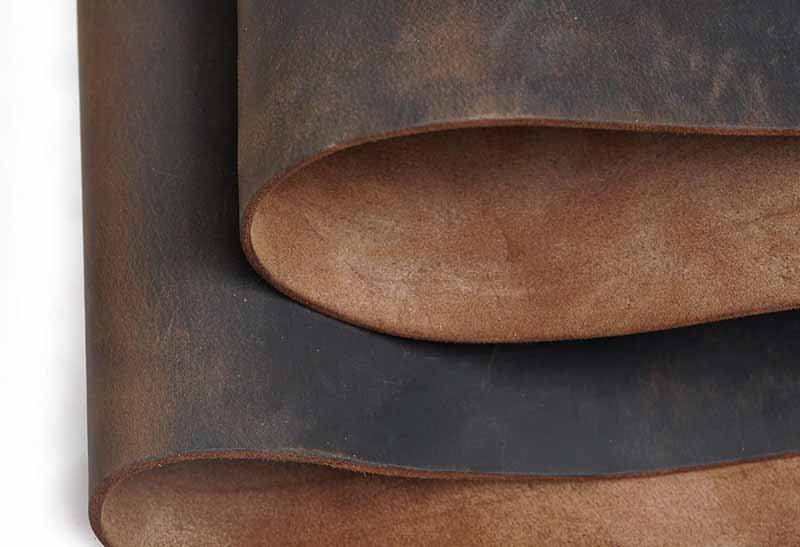
Guangzhou may offer some of the world’s most attractive OEM/ODM opportunities for leather products — but only brands that prepare smartly will fully benefit. Below is a strategic roadmap of how your brand should prepare before engaging with manufacturers in this highly competitive sourcing hub.
1. Clarify Product Vision and Technical Specifications
Before approaching any supplier, define exactly what you want. This is especially important in Guangzhou, where factories often serve diverse tiers — from budget promotional goods to luxury‑grade leather. Key specs to prepare:
- Product category: e.g. tote bag, bi-fold wallet, belt with custom buckle
- Material preferences: full-grain leather, split leather, PU leather, vegan leather, waxed canvas blend
- Dimensions & capacity: provide exact length x width x height or sketches
- Hardware: zippers (YKK?), rivets, magnets, buttons — what finish?
- Branding: logo embossing, metal plates, woven labels
- Functionality: RFID lining, extra compartments, shoulder strap adjustability, etc.
Tip: Send your factory a simple tech pack or reference sample. Szoneier, for example, can develop full product samples from 2D sketches, reference images, or CAD files — saving clients development time and guesswork.
2. Prepare for MOQ, Cost Tiers, and Sampling Fees
Unlike large-scale production zones in Bangladesh or Vietnam, Guangzhou’s factories offer greater flexibility — but still have limits.
| Product Type | Typical MOQ | Sample Lead Time | Sample Cost |
|---|---|---|---|
| Leather Wallets | 100 – 300 pcs | 5 – 10 working days | $30 – $100/sample |
| Tote Bags | 200 – 500 pcs | 7 – 12 days | $50 – $150/sample |
| Belts | 100 – 300 pcs | 5 – 8 days | $40 – $120/sample |
| Boxes/Accessories | 200 – 400 pcs | 7 – 10 days | Varies |
Discuss with suppliers early about:
- Whether the sample cost will be refunded upon order
- Whether they offer stock leather options to reduce MOQs
- Whether they support mixed styles per order
Szoneier, for instance, offers low MOQs and rapid prototyping, ideal for emerging brands or micro-labels entering new product categories.
3. Design Files, Branding Assets, and Packaging Requirements
Bring the following with you:
- AI / EPS logo files
- Pantone color codes
- Mockups or reference product photos
- Packaging sketches: hang tags, labels, gift boxes, insert cards
Also, define whether you want:
- Custom dust bags
- QR code cards / thank you notes inside
- Barcode or FNSKU stickers for Amazon sellers
4. Compliance, Testing, and Buyer Certifications
Especially if you’re shipping to Europe or the US, make sure your supplier complies with the following:
| Region | Relevant Compliance |
|---|---|
| EU | REACH, EN71, GRS |
| US | CPSIA, CA65 |
| Global | OEKO‑TEX, BSCI, ISO |
Ask your supplier for:
- Test reports from SGS, TUV, or Intertek
- Internal QC flow charts
- Access to material certificates
Szoneier has passed ISO9001, ISO14001, and OEKO‑TEX certification, and is familiar with global import requirements.
5. Vetting Suppliers: How to Choose the Right Partner
Before locking in a supplier, check:
| Evaluation Area | Questions to Ask |
|---|---|
| Production Capacity | Can you handle 3,000 units/month? |
| Experience | Have you done private label orders for EU/US brands? |
| Quality Control | Do you have in-house QC or use 3rd party inspection? |
| Communication | Do you have English-speaking merchandisers? |
| Samples Portfolio | Can I see examples of similar products? |
Szoneier offers dedicated English-speaking project managers, daily production updates, and transparent cost structures — key traits for brand trust.
6. Travel Plans, Virtual Tours, or 3rd Party Support?
If visiting Guangzhou in person:
- Plan a 5-day trip for factory visits + material market tours (like Shiling)
- Book a local sourcing agent if you’re new — especially for navigating Baiyun/Haizhu districts
- Visit Szoneier Leather’s factory and sample room (by appointment)
No time to travel?
- Ask for virtual factory tour videos (Szoneier offers this)
- Request real-time video calls during sampling or QC
- Use inspection services like V-Trust or AsiaInspection for final checks
7. Build a Long-Term Relationship Mindset
Finally — the most overlooked prep step is mindset.
- Don’t just treat your supplier as a transaction — treat them as a product development partner
- Offer feedback, send reference samples, invest in relationship building
- Explore long-term agreements with stable pricing or raw material locking
Here is a fully detailed, in-depth expansion of the section on Guangzhou’s major wholesale leather markets, enhanced with professional structure, advanced insights for international sourcing brands, and tailored advice for custom/OEM buyers like those served by Szoneier Leather.
A Complete Guide to Guangzhou’s Top Leather Markets
Guangzhou is one of the world’s largest hubs for leather product sourcing, wholesale distribution, and OEM manufacturing. Whether you’re a brand owner, Amazon/Shopify seller, private label distributor, or retail sourcing agent, these wholesale markets offer direct access to thousands of manufacturers, stock goods, and custom options.
Below is an enhanced guide with deeper insights on each of the 10 top leather market clusters in Guangzhou:
1. Guangzhou Baiyun World Leather Trade Center
Address: No. 1356–1358, Jiefang North Road, Baiyun District
Market Size & Positioning:
- Total Area: Over 23,000 m²
- Shops: 1,000+ stores and booths
- Reputation: Regarded as the flagship leather hub of China, drawing daily visits from international buyers, traders, and even sourcing agents for global luxury brands.
What You’ll Find Here:
- Bags: Handbags, shoulder bags, messenger bags, laptop bags
- Accessories: Wallets, card holders, cosmetic pouches, belts
- Travel: Trolley cases, duffels, backpacks
- Wide design spectrum: From simple bulk stock to near-luxury replicas
- Sufficient stock available for drop shipping and bulk buying
Customization & OEM Support: Many stores here offer:
- On-site sampling within 3–7 days
- Custom logo embossing or embroidery
- Packaging development (dust bags, swing tags, gift boxes)
- Strong coordination with local production bases
Who It’s For: Best for buyers looking to start with stock orders or low-MOQ custom runs. Also ideal for trend scouting if you’re planning to launch a new line.
2. Guangzhou Jinlong International Leather Mall
Address: No. 1385 Jiefang North Road, Baiyun District, Guangzhou
Jinlong Leather Mall is part of the Jiefang North Road leather district, known for fast-turnover styles, affordable pricing, and direct-from-factory inventory. While smaller than Baiyun World Center, it is packed with practical advantages for brands that need fast sampling, trendy designs, or private-label-ready bags.
Product Range
- Women’s handbags (totes, satchels, crossbodies)
- Men’s business bags and laptop cases
- Kids’ backpacks and school bags
- Mini bags, belt pouches, cosmetic cases, wallets, and card holders
Buyer Advantages
- Most shops are factory-direct—ideal for quick sampling
- Fast production cycle: samples in 2–3 days, bulk in 7–14 days
- Many shops accept small batch or low-MOQ orders
Add-On Services
- Private label branding: embossing, logo printing, hardware branding
- Packaging customization: dust bags, swing tags, retail-ready boxes
- International delivery or export assistance available on-site
3. New Huihao Leather Trade Center
Address: No. 71–73, Ziyuangang Road, Baiyun District
Overview:
- A newer market but gaining popularity for quick sampling and boutique-level offerings
- More nimble vendors with flexible production
Notable Offerings:
- Compact leather goods: wallets, coin purses, card sleeves
- Belts, straps, tech pouches
- Some shoe accessories and lifestyle products
- Short lead times and quick logo customizations
Who Should Source Here:
- Amazon sellers seeking new designs
- Brands testing small-batch product launches
4. Sanyuanli Baizhuang International Leather Center
Address: No. 268, Sanyuanli Avenue, Baiyun District
What Sets It Apart:
- Located near major Guangzhou transport hubs (rail + airport)
- Known for attracting volume buyers and frequent resellers
- Slightly more localized, but efficient for quick stock rotation
Available Products:
- Fashion handbags, unisex backpacks
- Luggage bags, briefcases, wallets
- Decent mid-quality leather & PU options
Customization Options:
- Many vendors allow sample adjustments
- Some offer direct connections to local workshops
- Branding, packaging, and hangtag services available
Best For:
- Those looking for mid-range goods with fast turnover
- Buyers seeking affordable trend adaptations
5. Xinhaopan Leather Hardware & Accessories Center
Address: No. 39, West Station Road, Yuexiu District (Floors 1–6)
Category Focus: This is the component and materials market—ideal for designers, developers, and factories looking for:
- Imported leather & PU
- Shoelaces, foam inserts, zippers, sliders
- Soles, insoles, heel parts, hardware, trims
- Specialized materials: anti-scratch coatings, water-resistant liners
Why Visit: If you’re customizing or building a bag/accessory line from scratch, this market gives you direct access to the parts and pieces needed to develop real prototypes.
6. Shiling (International) Leather and Accessories Center
Address: Shiling Town, Huadu District
The Factory-Direct Powerhouse:
- Nicknamed “China’s Leather Capital”, Shiling is home to thousands of leather bag factories
- More than just a market—it’s a full ecosystem of manufacturing, raw material supply, prototyping, and QC
Why It’s Different:
- Direct access to OEM/ODM manufacturers
- Better pricing due to direct factory involvement
- Can handle large-scale custom orders, full-line brand development
Raw Material Access:
- Cowhide, goat leather, PU, microfiber, suede
- Hardware options: buckles, magnets, zippers, chains
- Lining materials, reinforcement boards, foams
Perfect For:
- Brand builders seeking custom collection development
- Buyers needing full supply chain integration
7. China–Australia Leather Trade Center
Address: No. 1107 Jiefang North Road, Baiyun District
Profile:
- Covers over 5,000 m²
- Specializes in fashion-forward designs—perfect for brands targeting Gen Z or fast fashion markets
What’s Inside:
- Fashion bags (crossbody, hobo, baguette styles)
- Wallets, clutch purses, casual backpacks
- Faux-leather and PU variants for trend-driven sourcing
- Replica-styled bags or inspired designs of global brands
OEM Capabilities:
- On-site sample making
- Low MOQs (as low as 30 pcs per style)
- Ability to alter colors, hardware, linings, and logos
Use Case: Best for international resellers, online fashion stores, or TikTok/Instagram product launches where time-to-market matters.
8. Guangzhou Hongmian Leather & Accessories Market
Address: No. 138 Ziyuangang Road, Baiyun District, Guangzhou
The Hongmian Leather & Accessories Market is one of Guangzhou’s most specialized destinations for leather materials and bag components. It’s not a traditional bag wholesale market, but rather a core hub for raw materials, fittings, and hardware essential for leather product manufacturing. This makes it a strategic location for designers, procurement teams, and OEM project developers seeking flexibility and uniqueness.
What’s Available?
- Genuine leather, PU, eco-leather, embossed leather, suede, and custom-finished hides
- Hardware like buckles, D-rings, snap hooks, sliders, chains, rivets, and zippers
- Bag lining, foam padding, interlining, piping, and reinforcement materials
- Waterproof, flame-retardant, and antimicrobial performance fabrics
Who Should Visit?
- Brand design teams sourcing unique materials for sampling or small batch runs
- Factories needing low-MOQ specialized accessories
- OEM customers needing leather-to-hardware integration for custom builds
Key Highlights
| Feature | Description |
|---|---|
| Specialization | Leather + full accessory range in one location |
| Lead Time | Quick delivery for in-stock components |
| OEM Support | Many vendors offer color, finish, or material customization |
| Foreign Friendly? | Yes – many speak basic English and accept overseas payment |
9. Guangzhou Yisen Leather City
Address: No. 1389 Jiefang North Road, Baiyun District
Positioning & Specialization:
- Focuses on mid- to high-end leather products, often with slightly more refined materials, designs, and finishing compared to Baiyun World.
What’s Unique:
- Offers not just bags and wallets, but also leather shoes, belts, and hardware
- More than 300 shops and showrooms
- Easy access to both local and global brands, ideal for private-label resellers
Advantages for B2B Buyers:
- Extensive showroom displays for easy browsing
- Clean segmentation of product categories
- Product quality often better suited for retail brands or boutique shops
Ideal For:
- Buyers sourcing high-margin retail products
- Brands requiring better quality control and packaging
- Those building a mid-tier to premium line
10. Guangzhou Hualigang Leather Accessories Wholesale Market
Address: Near Zhanqian Road, Yuexiu District, Guangzhou
Hualigang Market is a hidden gem for semi-finished leather goods, hardware tools, and manufacturing components. It caters less to finished goods resellers and more to technical buyers, production managers, and R&D teams. Think of it as a treasure chest for everything that brings a leather product to life.
Products & Resources
- Pre-cut leather panels, semi-finished bag shells
- Leatherworking tools: presses, embossers, hot stamping machines
- Glue, sewing thread, edge paint, solvents
- Soles, heels, shoelaces, foam inserts for leather shoes
- Specialty materials for bag structure: PVC board, EVA foam, etc.
Buyer Use Cases
- OEM factories looking for localized raw materials
- Brands exploring sample room tooling or internal R&D
- Small businesses that build bags or leather shoes in-house
Why Visit Hualigang?
| Feature | Benefit |
|---|---|
| Industrial Tools | Source the same machines used by major factories |
| Semi-Finished Options | Perfect for prototyping or workshops |
| On-Site Demonstrations | Many vendors offer tool setup tutorials |
| Bulk Supply | Ideal for brands scaling in-house production |
Tips for Visiting Guangzhou’s Leather Markets
| Tip | Description |
|---|---|
| Language Support | Many vendors speak basic English, but a sourcing agent or translator is strongly recommended for negotiations and detailed specs. |
| Sampling Costs | Expect to pay 100–300 RMB per sample; refundable on order in most cases. |
| Bring Your Specs | Logos (PDF/AI), material samples, hardware preferences, and even mockups help shorten development cycles. |
| Payments | WeChat Pay, Alipay, and cash are commonly accepted. For orders, T/T bank transfers are preferred. |
| Timing | Best to visit between March–June or September–November (before Chinese New Year). Avoid public holidays. |
Ready to Custom Your Leather Products with Szoneier?
Whether you’re planning a premium leather bag collection, a wallet drop, or a branded accessories line, Szoneier Leather has the capabilities to support you from concept to delivery. With in‑house material R&D, free design service, low MOQ custom runs, rapid sampling and full packaging support, we’re your partner in the Guangzhou leather ecosystem. Reach out today to request a quote, review leather swatches, and start your next project with confidence. Let’s turn your brand’s leather goods vision into manufacturing reality.
Contact us to begin your custom sourcing journey.


