 Skip to content

Walk into any store selling bags, wallets, or belts, and you’ll see the same labels again and again: genuine leather, PU leather, vegan leather, synthetic leather. To many buyers, these terms feel interchangeable. To manufacturers and experienced brands, they are anything but.
The difference between genuine leather and PU leather goes far beyond price. It affects how a product ages, how it feels in the hand, how it performs under daily use, and ultimately how customers perceive your brand. A bag that looks premium on day one but cracks after a year can quietly damage brand trust. On the other hand, the right material choice—matched to the product’s purpose—can dramatically extend lifespan, reduce returns, and strengthen long-term customer loyalty.
For brand owners, designers, and private-label buyers, the confusion often starts with one simple question: Is PU leather actually leather at all? And if not, why does it look so similar? Understanding the real differences requires looking beyond marketing language and into material structure, manufacturing processes, and real-world performance. Genuine leather is made from real animal hide and features a natural fiber structure that ages, softens, and develops patina over time. PU leather is a synthetic material made by coating polyurethane onto a fabric base. While PU leather can mimic the look of leather at a lower cost, it does not breathe, age, or last like genuine leather. Choosing between them depends on durability, brand positioning, and product lifecycle expectations.
Behind every “leather” label is a series of decisions—technical, commercial, and strategic. Let’s start by clearly defining what genuine leather actually is, before comparing it to PU leather in depth.
What Is Genuine Leather
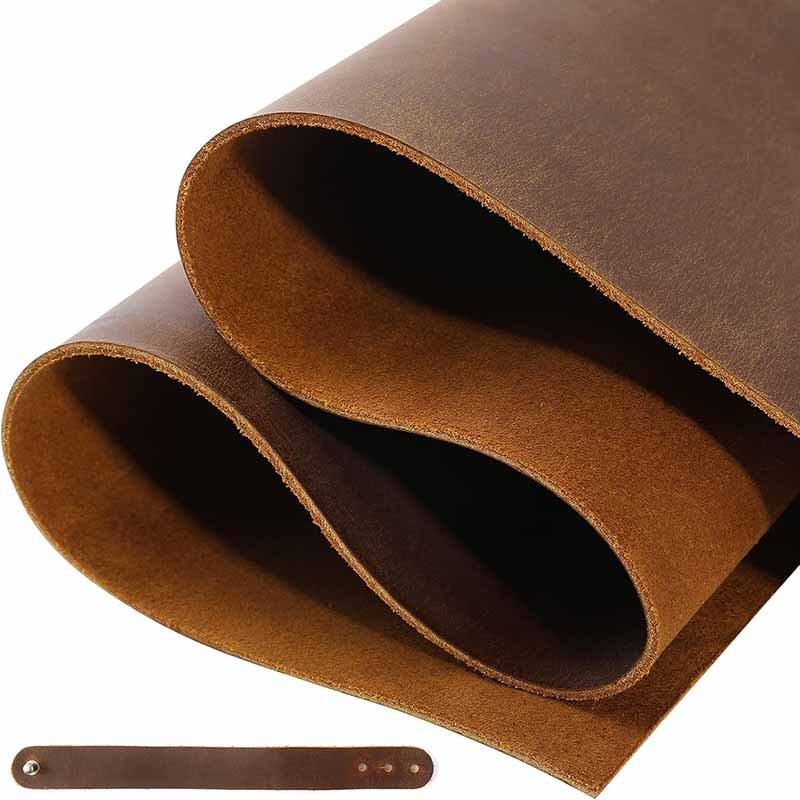
Genuine leather is a natural material made from real animal hide—most commonly cowhide—that has been tanned and finished for use in bags, wallets, belts, and accessories. Unlike synthetic alternatives, genuine leather contains a dense collagen fiber structure that provides breathability, strength, and long-term durability. While “genuine leather” covers multiple quality grades, all genuine leather originates from real hide rather than plastic-based coatings.
What materials is genuine leather made from?
Genuine leather is produced from real animal skin, with cowhide being the most widely used due to its balance of strength, thickness, availability, and cost efficiency. Depending on the product’s purpose, manufacturers may also use goat, sheep, buffalo, or calf hides to achieve specific softness, grain size, or weight characteristics.
From a material science perspective, genuine leather is defined by its collagen fiber network. These fibers are naturally interwoven in multiple directions, creating a structure that is both strong and flexible. This is fundamentally different from synthetic materials, which rely on surface coatings rather than internal fiber strength.
For buyers, this means genuine leather is not a “uniform sheet material.” Each hide has natural variations in thickness, grain, and fiber density. Professional leather manufacturers control these variations through hide grading, cutting layout, and thickness calibration—critical steps for consistent OEM production.
How is genuine leather processed and finished?
Raw animal hide cannot be used directly. It must go through tanning, a chemical and mechanical process that stabilizes proteins in the skin to prevent decomposition. The two dominant tanning methods are:
- Chrome tanning: Produces soft, flexible leather ideal for bags, wallets, and fashion accessories
- Vegetable tanning: Uses plant-based tannins, resulting in firmer leather commonly used for belts and structured goods
After tanning, leather is split, shaved, dyed, and finished. Finishing may include light protective coatings, pigmentation, embossing, or wax treatments. Importantly, even heavily finished genuine leather still retains its internal fiber structure—unlike PU leather, where the “leather look” exists only on the surface.
From an OEM standpoint, finishing choices affect not only appearance, but also durability, breathability, scratch resistance, and aging behavior.
What grades of genuine leather exist?
One of the most misunderstood aspects of leather is grading. “Genuine leather” is not a quality guarantee—it is a category. Within it, several grades exist:
| Leather Grade | Key Characteristics | Typical Uses |
|---|---|---|
| Full-grain leather | Top layer of hide, strongest fibers, natural grain | Premium bags, luxury wallets |
| Top-grain leather | Sanded/corrected surface, consistent look | Mid-to-high-end bags |
| Split leather | Lower hide layers, weaker fibers | Budget products, coated leather |
All of these are technically genuine leather because they come from real hide. However, their performance, lifespan, and cost vary significantly. This explains why two products labeled “genuine leather” can feel and age completely differently.
Experienced buyers therefore look beyond the label and specify grade, thickness (mm), tanning method, and finish when sourcing leather products.
How does genuine leather behave in real-world use?
Genuine leather performs differently from synthetic materials because it is alive at a fiber level. It flexes under stress, absorbs and releases moisture, and gradually softens with use. Minor scratches often blend into the surface, creating what is known as patina—a visual aging effect many consumers associate with quality.
Over time, high-quality genuine leather can last 10–20 years or more with proper care. It can also be repaired, conditioned, and refinished—something PU leather cannot offer once damaged.
For brands, this long-term performance is not just a material advantage; it is a brand trust factor that reduces returns, increases repeat purchases, and supports premium pricing.
Why is genuine leather still preferred by premium brands?
Despite higher cost, genuine leather remains the material of choice for established and premium brands because it delivers:
- Predictable long-term durability
- Authentic look and feel customers recognize instantly
- Aging characteristics that improve, not degrade, appearance
- Higher perceived value and brand credibility
From a manufacturing perspective, genuine leather also allows for structural engineering—reinforcement, skiving, edge finishing, and stitching optimization—making it suitable for load-bearing bags and accessories.
This is why professional OEM/ODM factories like Szoneier Leather treat genuine leather not as a commodity, but as an engineered material system.
What Is PU Leather
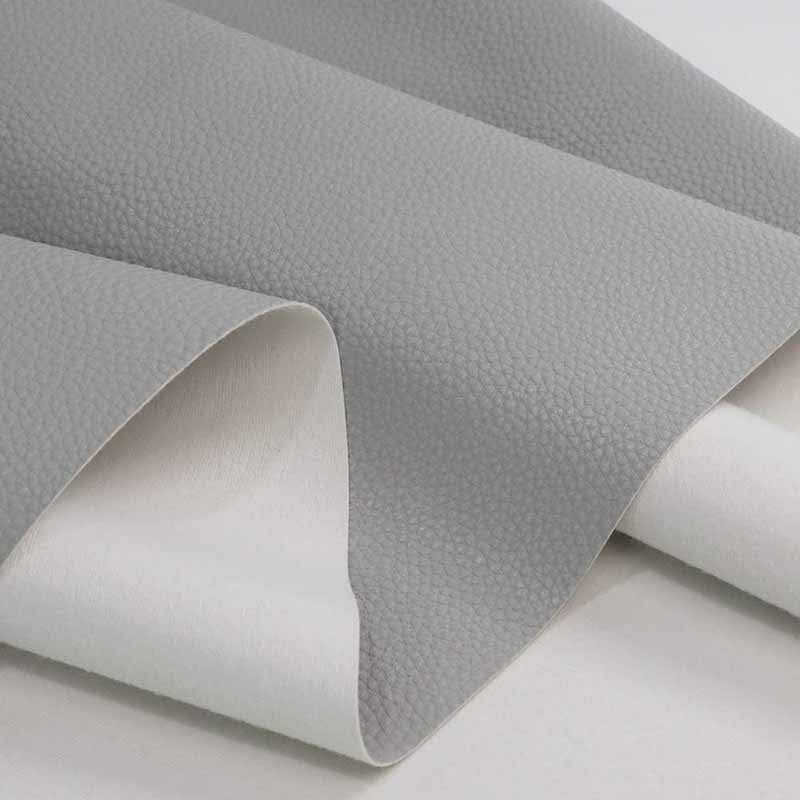
PU leather, short for polyurethane leather, is a synthetic leather-like material made by applying a polyurethane coating onto a fabric base such as polyester or microfiber. It does not contain animal hide and is not real leather. PU leather is designed to imitate the appearance of genuine leather at a lower cost, offering visual consistency and flexibility but limited durability compared to natural leather.
What materials are used in PU leather?
PU leather is composed of two primary layers:
- Base fabric – usually polyester, cotton-poly blends, or microfiber
- Polyurethane (PU) coating – a plastic resin applied to the surface
The base fabric provides structure, while the polyurethane layer creates the leather-like appearance. Grain patterns are embossed into the PU surface, and pigments are added for color and gloss control.
Crucially, PU leather contains no animal fibers, collagen, or natural pores. Everything that looks or feels like leather is engineered on the surface. From a material science perspective, PU leather behaves more like a coated textile than a true leather material.
Is PU leather 100% leather?
No. PU leather is not leather and is never 100% leather**.**
Despite terms such as synthetic leather, vegan leather, or eco leather, PU leather does not originate from animal hide in any form. It is a fully synthetic product made from plastic polymers. These marketing labels describe appearance or ethical positioning, not material composition.
This distinction is critical for buyers. Expecting PU leather to age, breathe, or last like genuine leather leads to disappointment. Professional manufacturers and responsible brands clearly disclose PU leather as a synthetic alternative rather than a type of leather.
How is PU leather manufactured?
PU leather is produced through a coating and curing process rather than tanning. Liquid polyurethane is spread onto fabric using rollers or casting methods, then cured to form a continuous film. The surface is embossed with grain patterns and finished with protective topcoats.
This process allows precise control over thickness, texture, color, and consistency. It also enables fast production cycles and large-volume output. However, because the leather effect exists only on the surface, once the PU layer cracks or peels, the material cannot be restored or repaired.
How does PU leather perform in real-world use?
In everyday use, PU leather typically performs well in the short term. It resists water penetration, maintains a uniform appearance, and feels soft when new. Over time, however, the polyurethane layer may degrade due to heat, humidity, friction, or UV exposure.
Common failure modes include surface cracking, peeling, and hardening—especially at stress points like folds, edges, and straps. In most consumer environments, PU leather products last 1–5 years, depending on material quality and usage conditions.
What are the advantages and limitations of PU leather?
Advantages of PU leather:
- Lower material cost
- Consistent color and texture
- Animal-free and widely available
- Easy to clean and water-resistant
Limitations of PU leather:
- Limited lifespan compared to genuine leather
- No natural aging or patina
- Cannot be repaired once damaged
- Lower perceived value in premium markets
Understanding both sides helps brands choose PU leather strategically rather than as a default cost-saving option.
Why do brands still use PU leather?
Brands use PU leather primarily for fashion-driven, price-sensitive, or short lifecycle products. It is well-suited for seasonal collections, promotional items, and designs where visual impact matters more than longevity.
From an OEM perspective, PU leather also offers fast sampling, predictable yield, and simplified quality control. When positioned correctly and transparently, PU leather can serve a clear role in a brand’s product portfolio—without undermining long-term brand trust.
Which Is More Durable: Genuine Leather or PU Leather
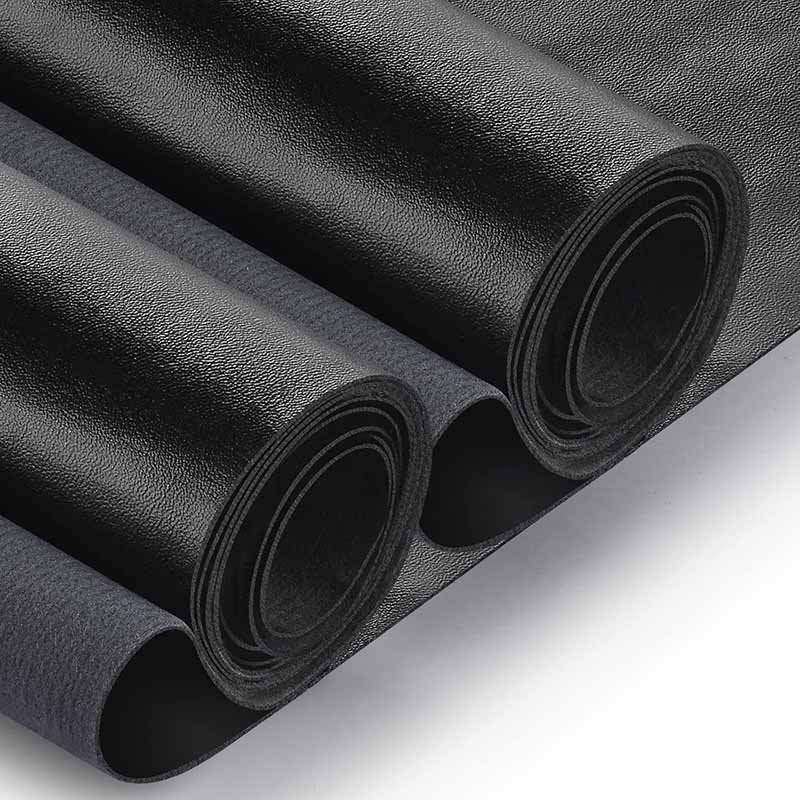
Genuine leather is significantly more durable than PU leather over long-term use. Its natural collagen fiber structure allows it to flex, recover, and age gradually without surface failure. PU leather relies on a polyurethane coating that can crack, peel, or harden as it degrades. While PU leather may perform well short term, genuine leather consistently outlasts it in daily-use bags, wallets, and accessories.
How does material structure affect durability?
The durability gap between genuine leather and PU leather begins at the structural level.
Genuine leather is made of interwoven collagen fibers that run in multiple directions. When leather bends, stretches, or bears weight, stress is distributed throughout this fiber network. This allows the material to flex repeatedly without catastrophic failure.
PU leather, in contrast, is a layered material: a fabric base topped with a polyurethane film. Mechanical stress concentrates at the surface coating. Once micro-cracks form in the PU layer, damage spreads quickly, leading to visible cracking or peeling. This fundamental structural difference explains why genuine leather survives years of use while PU leather often fails at stress points.
How do genuine leather and PU leather age over time?
Genuine leather ages gradually and predictably. With exposure to air, movement, and light, the fibers relax and oxidize, creating patina. The material often becomes softer and more comfortable while retaining strength.
PU leather typically shows delayed but sudden degradation. It may look unchanged for months or even years, then rapidly deteriorate once the polyurethane begins to break down. This breakdown is irreversible and often accelerated by heat, humidity, or UV exposure.
From a brand perspective, genuine leather improves with age; PU leather usually has a fixed lifespan.
Which material resists cracking and peeling better?
Cracking and peeling are the most common failure modes in leather-like materials.
Genuine leather resists cracking because it has no single failure layer. Surface scratches rarely penetrate the fiber structure and can often be conditioned or repaired. Even worn areas remain structurally intact.
PU leather fails at the surface. Once the PU coating cracks, it separates from the fabric base and peels. This is especially common at folds, seams, corners, and strap attachment points. No conditioning or repair can reverse this process.
How do moisture, heat, and climate affect durability?
Environmental exposure plays a major role in durability.
Genuine leather is breathable. It absorbs moisture and releases it gradually, helping maintain flexibility. With basic care, it tolerates a wide range of climates.
PU leather is non-breathable. Moisture can become trapped beneath the coating, accelerating hydrolysis of the polyurethane. Heat and humidity dramatically shorten PU leather’s lifespan, making it less suitable for tropical or high-use environments.
How long does genuine leather last vs PU leather?
In real-world consumer use:
- High-quality genuine leather: 10–20+ years with proper care
- Average PU leather: 1–5 years, depending on quality and conditions
This lifespan difference directly impacts product value, return rates, and brand reputation. While PU leather lowers upfront cost, genuine leather often delivers better long-term ROI for both brands and end users.
Which material is more durable for bags and accessories?
For load-bearing products—such as handbags, backpacks, straps, wallets, and belts—genuine leather consistently outperforms PU leather. Its ability to flex under weight without surface failure makes it ideal for daily-use items.
PU leather may be suitable for decorative panels or low-stress components but is rarely recommended by professional manufacturers for structural parts.
Durability Comparison Table
| Factor | Genuine Leather | PU Leather |
|---|---|---|
| Structural strength | High (fiber-based) | Moderate (surface-based) |
| Flex resistance | Excellent | Limited |
| Cracking risk | Low | High |
| Peeling risk | None | Common |
| Climate tolerance | Wide | Sensitive to heat & humidity |
| Repairability | Yes | No |
| Typical lifespan | 10–20+ years | 1–5 years |
How Do Genuine Leather and PU Leather Compare in Look & Feel
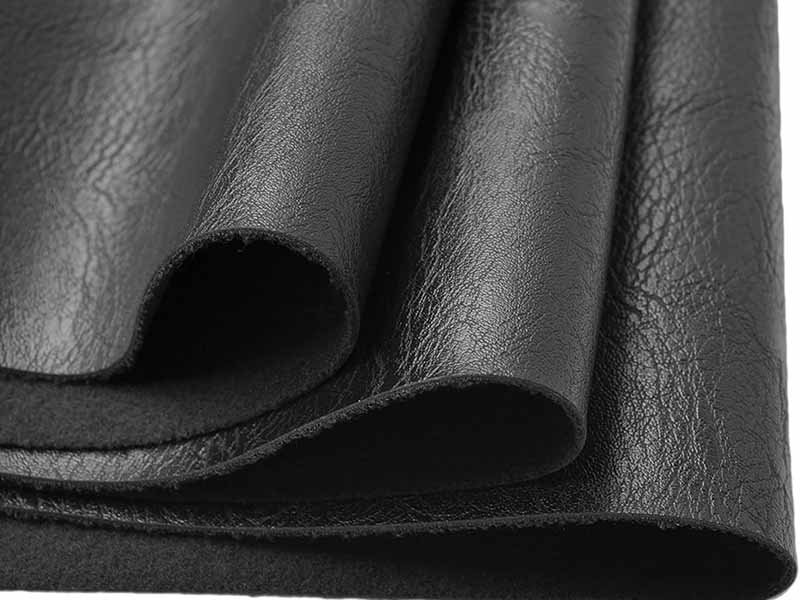
Genuine leather offers a natural, organic look with subtle grain variation and a warm, responsive hand-feel that improves over time. PU leather can closely imitate leather visually but appears more uniform and feels less breathable and responsive. While PU leather often looks smooth and consistent when new, genuine leather develops depth, softness, and patina with use, creating a more premium and authentic sensory experience.
Which material looks more natural?
Genuine leather looks natural because it is natural. Each hide has unique grain patterns, pores, and subtle imperfections that create visual depth. Even when leather is dyed or lightly corrected, these organic variations remain visible under close inspection.
PU leather relies on embossed grain patterns pressed into a plastic surface. While modern PU can look convincing at a distance, the pattern often repeats uniformly across panels. Under natural light, PU leather may appear flatter or overly consistent—especially noticeable in larger surfaces like tote bags or backpacks.
For premium buyers, this visual variation signals authenticity. For mass-market products, PU leather’s consistency may be acceptable—but it rarely communicates craftsmanship.
How does texture and surface feel differ?
When touched, genuine leather feels warm, soft, and adaptive. It responds to hand pressure and temperature, becoming more supple with use. This tactile feedback is a direct result of its collagen fiber structure.
PU leather tends to feel cooler and more uniform. The polyurethane surface does not respond to touch in the same way and may feel slightly slick or plasticky, especially in lower-grade materials. While higher-quality PU can feel soft initially, it lacks the depth and resilience of real leather under repeated handling.
This difference becomes especially noticeable in products meant to be handled frequently, such as wallets and straps.
How does flexibility and hand response compare?
Flexibility is not just about bending—it’s about how a material recovers.
Genuine leather bends smoothly and returns to shape without leaving sharp creases. Over time, it molds gently to the user’s habits, improving comfort and usability.
PU leather bends at the surface layer. Repeated folding often leaves visible creases that may harden or crack. Once these creases appear, they rarely disappear and often signal early material failure.
This is why professional manufacturers avoid PU leather in high-flex areas such as bag openings, handles, and wallet folds.
Do genuine leather and PU leather age differently?
Yes—dramatically.
Genuine leather develops patina, a gradual change in color and texture caused by use, exposure, and conditioning. Patina is widely associated with quality and authenticity, particularly in premium and heritage brands.
PU leather does not age—it degrades. Its appearance typically remains unchanged until the polyurethane begins to break down, at which point cracking, peeling, or discoloration occurs. There is no visual evolution, only surface failure.
For consumers, patina tells a story. For PU leather, wear tells a warning.
How does breathability affect comfort and feel?
Genuine leather is naturally breathable due to microscopic pores within the hide. This allows air and moisture exchange, preventing the sticky or clammy feeling often associated with synthetic materials.
PU leather is non-breathable. Moisture remains trapped between the material and the user’s hand or body, which can lead to discomfort, especially in warm or humid conditions.
This difference is particularly noticeable in products worn close to the body, such as crossbody bags, straps, and belts.
Look & Feel Comparison Table
| Sensory Factor | Genuine Leather | PU Leather |
|---|---|---|
| Visual variation | Natural, unique grain | Uniform, embossed |
| Surface feel | Warm, soft, responsive | Cooler, smoother |
| Flex recovery | Smooth, adaptive | Creases easily |
| Aging behavior | Develops patina | Surface degradation |
| Breathability | Yes | No |
| Perceived quality | Premium | Mid-to-low |
Is Genuine Leather or PU Leather Better for Bags & Wallets
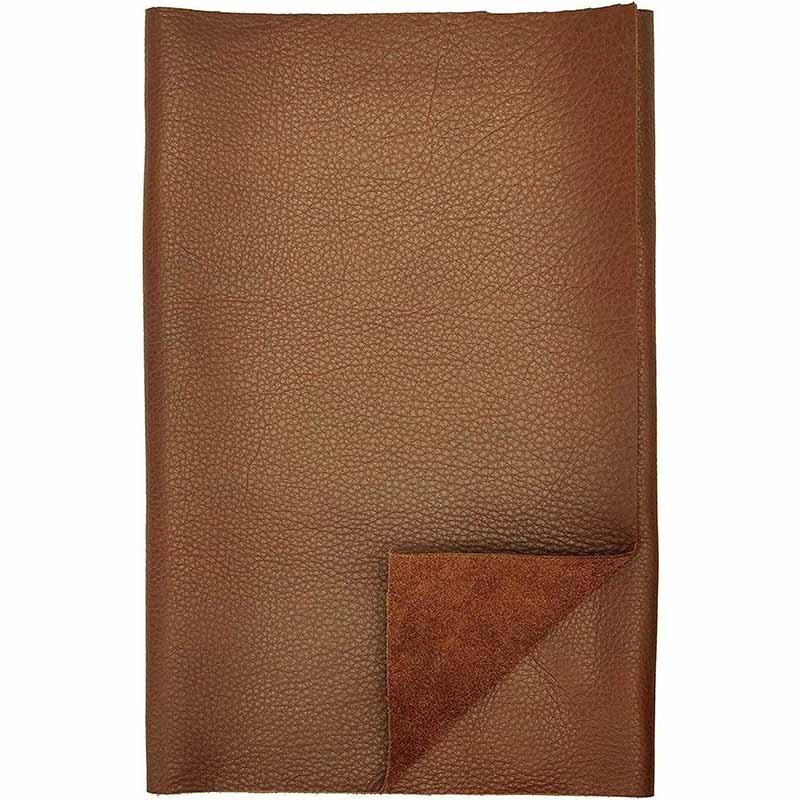
Genuine leather is generally better for bags and wallets intended for long-term use, premium positioning, and daily wear. It offers superior durability, comfort, and aging characteristics. PU leather is more suitable for short-term, fashion-driven, or price-sensitive products where appearance matters more than lifespan. The best choice depends on product function, customer expectations, and brand strategy rather than cost alone.
Which material works better for everyday bags?
Everyday bags—such as totes, backpacks, crossbody bags, and briefcases—experience constant mechanical stress: weight loading, shoulder friction, bending, and exposure to weather.
Genuine leather performs exceptionally well in these conditions. Its fiber structure distributes stress, allowing straps, corners, and panels to withstand years of daily use. Scratches and wear blend into patina rather than becoming defects.
PU leather, while visually appealing at first, struggles in load-bearing areas. Handles, strap attachments, and folded edges are common failure points. For bags intended to be used daily or sold at mid-to-high price points, genuine leather is almost always the safer and more sustainable choice.
Which material is better for wallets and small leather goods?
Wallets, card holders, and small accessories are handled frequently and intimately. They are bent, folded, pressed, and exposed to body heat and moisture daily.
Genuine leather adapts to these conditions. Over time, it softens, conforms to the user’s habits, and remains structurally intact. This is why many leather wallets last a decade or more.
PU leather wallets often show wear at fold lines within months or a few years. Once cracking begins, the product rapidly loses both function and appearance. For small goods meant to convey quality, genuine leather clearly outperforms PU leather.
When does PU leather make sense for bags or wallets?
PU leather can be a practical choice when product lifecycle is intentionally short. Fashion collections, seasonal designs, promotional items, or trend-driven accessories often prioritize appearance and price over longevity.
For these use cases, PU leather offers:
- Lower material cost
- Fast production and sampling
- Consistent color and surface finish
The key is honest positioning. Products made with PU leather should not be marketed as long-lasting or heritage items. Brands that align material choice with customer expectations reduce dissatisfaction and returns.
How does material choice affect brand perception?
Material choice communicates brand values instantly—even before a customer uses the product.
Genuine leather signals craftsmanship, durability, and authenticity. It supports higher price points and long-term brand equity. PU leather signals accessibility, trend awareness, and affordability—but rarely premium quality.
Brands that mix these signals unintentionally (for example, premium pricing with PU leather) risk damaging trust. Successful brands choose materials that reinforce—not contradict—their positioning.
How should brands balance cost vs lifetime value?
While PU leather reduces initial production cost, it often increases hidden costs:
- Higher return rates
- Shorter replacement cycles
- Reduced repeat purchases
Genuine leather may cost more upfront, but its longer lifespan and higher perceived value often deliver better lifetime value for both brand and customer. For core product lines, this long-term view is critical.
Bag & Wallet Material Selection Guide
| Product Type | Recommended Material | Reason |
|---|---|---|
| Everyday handbags | Genuine leather | Durability, comfort, aging |
| Backpacks & briefcases | Genuine leather | Load-bearing strength |
| Wallets & card holders | Genuine leather | Flex resistance |
| Seasonal fashion bags | PU leather | Cost & trend flexibility |
| Promotional items | PU leather | Short-term use |
| Premium collections | Genuine leather | Brand value |
How Should Brands Choose Between Genuine Leather and PU Leather
Brands should choose between genuine leather and PU leather based on product lifespan, customer expectations, price positioning, and brand values. Genuine leather is ideal for long-term, premium, and daily-use products, while PU leather suits short-cycle, fashion-driven, or cost-sensitive designs. The right choice aligns material performance with how the product is marketed, priced, and used—rather than focusing on material cost alone.
What role does product positioning play in material choice?
Product positioning is the starting point of material selection.
If a product is marketed as premium, durable, heritage, or investment-worthy, genuine leather is not optional—it is expected. Customers buying into these claims assume the product will age well and last for years.
Conversely, if a product is positioned as trend-driven, seasonal, or entry-level, PU leather may be appropriate. Problems arise when brands mismatch positioning and material—for example, premium storytelling paired with PU leather construction. This disconnect often leads to negative reviews and brand erosion.
Successful brands choose materials that support their narrative, not contradict it.
How do customer expectations affect the decision?
Customers form expectations long before purchase—based on price, visuals, and language. Genuine leather buyers expect longevity, softness, and natural aging. PU leather buyers prioritize appearance and affordability but still expect reasonable durability.
Brands must ask:
- How long does the customer expect this product to last?
- Will the product be used daily or occasionally?
- Is replacement part of the buying cycle?
Matching material performance to expectation reduces complaints and increases trust. From an OEM perspective, understanding the target user is just as important as understanding the material.
How should brands evaluate cost beyond material price?
Material cost is only one part of the equation.
PU leather lowers upfront cost, but may increase:
- Warranty claims
- Returns and exchanges
- Shorter product life cycles
Genuine leather often supports:
- Higher retail pricing
- Longer product lifespan
- Better customer retention
Brands that evaluate cost per year of use, rather than cost per unit, often find genuine leather delivers stronger long-term value—especially for core product lines.
How do sustainability and compliance influence material selection?
Both materials face scrutiny, but in different ways.
Genuine leather requires traceability, responsible sourcing, and compliance with regulations such as REACH or CA Prop 65. PU leather requires chemical safety management due to solvents, coatings, and additives.
From a branding standpoint, transparency matters more than labels. Some markets value natural materials; others prioritize animal-free options. Brands should choose materials that align with regional regulations, customer values, and disclosure standards.
A professional manufacturer helps navigate these requirements rather than leaving brands to guess.
How can OEM/ODM expertise improve material decisions?
Material selection should never happen in isolation. Experienced OEM/ODM partners evaluate:
- Stress points and reinforcement needs
- Stitching compatibility
- Thickness and skiving limits
- Failure risk at folds and seams
At Szoneier Leather, material choice is integrated into product engineering. Brands receive guidance not just on what material to use, but where and how to use it within a product—sometimes combining genuine leather and PU strategically to optimize cost without sacrificing performance.
Which material supports long-term brand growth?
Brands built for longevity almost always center their core products around genuine leather. It supports storytelling, repeat purchases, and resale value.
PU leather can support tactical launches and experimental designs, but rarely becomes the foundation of a brand’s identity. Long-term growth favors materials that age well—both physically and reputationally.
Brand Decision Checklist: Genuine Leather vs PU Leather
| Decision Factor | Genuine Leather | PU Leather |
|---|---|---|
| Product lifespan | Long-term | Short-term |
| Brand positioning | Premium / Heritage | Fashion / Entry-level |
| Customer expectations | Durability & aging | Appearance & price |
| Repairability | Yes | No |
| Long-term brand value | High | Limited |
Conclusion
Choosing between genuine leather and PU leather is not just a material decision—it’s a brand decision.
At Szoneier Leather, we bring over 18 years of hands-on leather manufacturing experience, supporting brands with material selection, product engineering, sampling, and full-scale production. Whether you need premium full-grain leather bags or carefully specified PU solutions for fashion collections, our team helps you choose the right material for your market—not just the lowest cost.
Contact Szoneier Leather today to discuss your custom bag, wallet, belt, or leather accessory project. From concept to production, we help you build products your customers can trust—and keep using for years.


