
Do Leather Belts Stretch or Expand Over Time
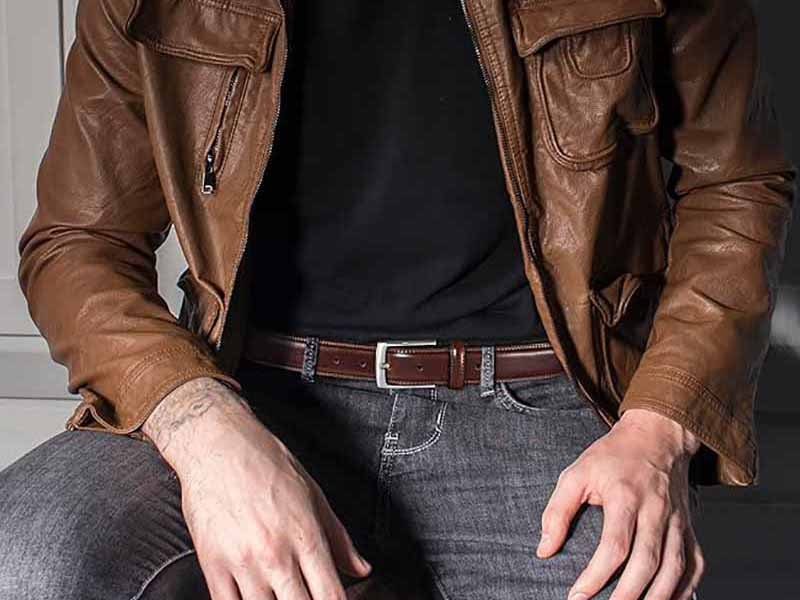
You buy a leather belt expecting it to last for years—maybe even decades. But after weeks or months of wear, many people notice something unexpected: the belt feels looser, the holes look slightly wider, or the fit no longer feels as crisp as day one. Naturally, the question arises: do leather belts stretch or expand over time, and is that a problem?
The answer isn’t a simple yes or no. Leather is a natural material made of dense collagen fibers, not plastic or metal. That means it responds to pressure, body movement, humidity, and time. Some degree of change is normal—and even desirable—while excessive stretching is often a sign of poor leather quality, weak construction, or incorrect use.
Understanding the difference between normal break-in and unwanted stretching is critical, especially for buyers who care about long-term comfort, fit, and value. It’s even more important for brands and wholesalers, where belt performance directly affects customer satisfaction, return rates, and brand trust.
Yes, leather belts can stretch or slightly expand over time, especially during the break-in period. High-quality leather belts may loosen subtly as the fibers relax and mold to the wearer’s body. This is normal and expected. However, excessive stretching, misshaped holes, or rapid loosening usually indicates low-quality leather, thin construction, or wearing the belt too tightly.
And here’s the part many guides skip: not all stretching is bad. In fact, controlled stretch is often what makes a leather belt comfortable and personal over time. The real issue is knowing what’s normal, what’s not, and how to choose belts that age well instead of wearing out. Let’s break it down—starting with what leather belt “stretch” actually means.
What Does “Leather Belt Stretch” Mean
When people ask whether leather belts stretch, what they’re really trying to understand is why a belt feels looser over time, whether that change is normal, and how to tell the difference between quality aging and product failure. “Leather belt stretch” is not a single phenomenon—it’s a combination of material behavior, construction design, and usage patterns. Clarifying this concept helps users make better buying decisions and helps brands explain quality correctly.
Leather belt stretch refers to gradual changes in fit caused by the natural relaxation of leather fibers under repeated tension. It usually occurs in stress areas like the buckle fold and frequently used holes. Some stretch during the break-in period is normal for high-quality leather belts, while excessive or continuous stretching often indicates poor leather quality, thin construction, or improper use.
Leather Stretch Is Fiber Relaxation, Not Elastic Expansion
Leather does not stretch like rubber or elastic fabric. Instead, it undergoes fiber relaxation. Leather is made of tightly interwoven collagen fibers. When a belt is worn, these fibers experience repeated pulling, bending, and compression around the waist.
Over time:
- Fibers realign slightly in the direction of tension
- Stress areas become more flexible
- The belt conforms better to the wearer’s body shape
This process is gradual and limited in well-made belts. Importantly, the leather does not keep expanding indefinitely. Once the fibers settle, the belt should stabilize.
Where Leather Belt Stretch Usually Occurs
Leather belts do not stretch evenly along their entire length. Stretching almost always appears in specific high-stress zones, including:
- Buckle fold area – where leather bends sharply every time the belt is fastened
- Most-used hole – repeated pin pressure causes localized deformation
- Waist curvature zone – the area that wraps most tightly around the body
This is why users often notice:
- One hole becoming larger or oval-shaped
- Needing to move to a tighter hole
- The belt feeling “broken in” but not necessarily longer overall
These are localized adjustments, not full-length expansion.
Stretch vs Break-In: A Critical Distinction
One of the most important concepts for users to understand is the difference between normal break-in and problematic stretching.
Normal break-in stretch:
- Happens once, usually in the first 2–8 weeks
- Improves comfort and fit
- Stops after fibers stabilize
- Common in full-grain and vegetable-tanned leather
Problematic stretching:
- Continues month after month
- Causes visible distortion or sagging
- Forces constant tightening to new holes
- Indicates weak leather fibers or poor construction
High-quality belts are designed to break in, not break down.
Why Some Stretch Is Actually a Good Sign
Counterintuitively, a belt that shows zero change at all may not be ideal. Genuine leather should respond to the wearer to some extent.
A small amount of stretch means:
- The leather is real, not synthetic-coated
- Fibers are strong but flexible
- The belt molds naturally to the wearer’s body
Cheap belts made from heavily coated split leather may feel stiff and “unchanging” at first—but they often fail suddenly through cracking or peeling instead of aging gracefully.
What Stretch Does NOT Mean
Leather belt stretch does not mean:
- The belt will grow endlessly longer
- The entire belt length expands evenly
- The belt is defective by default
Stretch becomes a problem only when it is:
- Excessive
- Rapid
- Uneven
- Permanent and progressive
Understanding this prevents unnecessary returns and unrealistic expectations.
Why This Definition Matters for Buyers and Brands
For consumers, knowing what leather belt stretch means helps:
- Choose the right size from the start
- Avoid over-tightening
- Recognize quality leather behavior
For brands and wholesalers, it helps:
- Educate customers accurately
- Reduce complaints and returns
- Position products as engineered, not flawed
At Szoneier Leather, we design belts with controlled fiber behavior in mind—using proper leather grades, thickness, and reinforcement so belts stretch only where appropriate and stabilize quickly.
Which Leather Types Stretch More
Not all “leather” behaves the same. Two belts can look similar in photos but stretch very differently after a few weeks of wear—because stretch is driven by fiber density, tanning method, thickness, and surface treatment. If you’re trying to avoid belts that loosen quickly (or you’re a brand sourcing belts and want fewer returns), understanding which leather types stretch more is the fastest way to make a smart decision.
Leather types that stretch more include vegetable-tanned leather during break-in, soft chrome-tanned leathers, and especially split or bonded leather, which deform quickly and permanently. Full-grain leather typically stretches the least and most evenly because it retains the strongest fiber layer. Top-grain may stretch slightly more than full-grain due to surface correction, but still performs well when properly constructed.
1 Full-Grain Leather — Lowest Stretch, Best Stability
Full-grain leather is usually the most stretch-resistant option for belts because it retains the hide’s strongest outer fiber structure.
Why it stretches less:
- Highest fiber density and strongest grain layer
- Better resistance to tension and repeated bending
- Stretch happens slowly and stabilizes after break-in
What you’ll typically see:
- Minor initial relaxation (especially near the most-used hole)
- The belt “settles” into comfort, then stops changing noticeably
Best for:
- Premium men’s belts
- Everyday wear with long-term shape retention
- Work belts (when cut thick enough)
Buyer cue: Full-grain leather belts that are thicker (3.8–5.0 mm) are usually the most stable long-term.
2 Top-Grain Leather — Moderate Stretch, Clean Look
Top-grain leather is slightly corrected (surface sanded) for a more uniform appearance. It’s still high quality, but the surface correction can reduce natural grain strength slightly.
Why it can stretch more than full-grain:
- Slightly reduced grain integrity
- Often used in dress belts, which are thinner by design
- Softer finishing makes it more pliable
What you’ll typically see:
- Stable overall length, but the holes may loosen faster if the belt is thin
- Less dramatic patina, more “consistent” appearance
Best for:
- Dress belts and business belts
- Brands wanting consistent color/finish
- Consumers prioritizing polished style
Buyer cue: A top-grain dress belt can still be excellent—just make sure it isn’t too thin and has good reinforcement around the buckle fold and holes.
3 Vegetable-Tanned Leather — Higher Stretch in Break-In, Then Stable
Vegetable-tanned leather is famous for its structured feel, natural aging, and rich patina, but it often stretches more early in its life.
Why it stretches more at first:
- Starts stiff and rigid, then relaxes with body heat and motion
- Fiber structure “molds” to the wearer
- Break-in period is more noticeable than chrome-tanned leather
What you’ll typically see:
- Most stretch happens in the first 2–8 weeks
- After break-in, it becomes stable and holds shape well
Best for:
- Handmade belts
- Custom belts and logo embossing
- Heritage or premium “natural leather” positioning
Buyer cue: Veg-tan stretch is often a good sign when controlled. It means the belt is molding to you, not failing—so long as it stabilizes.
4 Chrome-Tanned Leather — Depends on Softness and Finish
Chrome-tanned leather is very common in modern manufacturing. Its stretch behavior varies widely.
Why some chrome-tan leathers stretch more:
- If the leather is very soft/oily, fibers compress and relax faster
- Thin chrome-tan belts may feel comfortable immediately but lose shape sooner
- Heavy surface coatings can hide early fiber weakness
What you’ll typically see:
- Comfortable quickly
- Can loosen gradually over time if leather is too soft or thin
Best for:
- Fashion belts (soft hand-feel)
- Brands that want high color consistency
- Casual belts when properly spec’d
Buyer cue: “Chrome-tanned” alone doesn’t define quality. What matters is leather grade + thickness + construction.
5 Latigo Leather — Strong, Work-Ready, Moderate Stretch
Latigo is a combination-tanned leather (veg + chrome), typically heavily conditioned with oils/waxes. It’s known for work belts and rugged use.
Stretch behavior:
- Moderate early relaxation
- Strong long-term stability when thick
- Holds up well under daily tension
Best for:
- Work belts
- Casual belts for jeans
- Customers who want toughness and comfort
Buyer cue: Latigo belts often feel “broken-in” sooner and are less likely to crack, making them popular for heavy everyday wear.
6 Split Leather and Bonded Leather — Highest Stretch and Worst Performance
These are the leathers most likely to stretch excessively—and permanently.
Split leather (lower layer of hide):
- Weaker fiber structure
- Often coated to look like full-grain
- Stretches and deforms faster
Bonded leather (leather scraps bonded with adhesives):
- Doesn’t behave like real leather
- Can stretch unevenly, crack, peel, and fail quickly
- Common cause of “belt became too long after a few weeks” complaints
Best for:
- Low-cost belts only (not recommended for quality)
Buyer cue: If a belt stretches quickly and never stabilizes, it’s often split/bonded leather or overly thin construction.
Quick Comparison Table: Which Leathers Stretch More?
| Leather Type | Stretch Level | When Stretch Happens | Long-Term Stability | Best Use |
|---|---|---|---|---|
| Full-grain | Low | Early break-in | Very high | Premium, everyday, work |
| Top-grain | Moderate | Early + thin-belt wear | High | Dress, business |
| Veg-tan | Higher (early) | First 2–8 weeks | High | Handmade, custom |
| Soft chrome-tan | Moderate to high | Gradual | Medium | Fashion, casual |
| Latigo | Moderate | Early break-in | High | Work, rugged casual |
| Split/Bonded | Very high | Fast + continuous | Low | Not recommended |
If your goal is minimum stretch and maximum shape retention, choose:
- Full-grain leather, thick enough for the use case
- Or well-made veg-tan that stretches early but stabilizes
If you want to avoid “belt keeps getting looser,” avoid:
- Bonded leather
- Overly thin belts
- Heavily coated low-grade splits
How Does Use Affect Belt Stretching
Even the best leather belt will change a little with use—but how you wear it often matters as much as the leather itself. Most “my belt stretched” complaints are actually caused by daily habits: overtightening, always using the same hole, wearing the wrong size, or exposing the belt to moisture and heat. The good news is that belt stretch is highly predictable once you understand what creates tension and where leather fibers relax.
Use affects belt stretching because leather fibers relax under repeated tension and bending. Belts stretch most at stress points such as the buckle fold and frequently used holes. Wearing a belt too tight, using the same hole daily, and exposing it to humidity or heat speeds up stretching. A quality belt usually stabilizes after a break-in period, while continuous loosening often signals poor leather grade, thin construction, or incorrect sizing and wear habits.
1 How Does Repeated Wear Create Stretch Over Time?
Every time you put on a belt, you create a cycle of:
- Pull tension (tightening)
- Compression and bending (around your waist)
- Release (when you take it off)
Leather isn’t elastic, but its fibers reposition slightly under repeated stress. Over hundreds of wear cycles, the belt becomes more comfortable—this is the normal “break-in” effect. However, repeated wear becomes a problem when:
- The belt is thin and lacks structural strength
- The leather grade has weaker fiber density
- The belt is sized too small, forcing high tension every wear
A well-made belt should show small, early adjustment and then stabilize. If it keeps getting looser month after month, that’s not normal break-in—it’s performance failure.
2 Which Wearing Habits Speed Up Stretch the Most?
These are the habits that most aggressively accelerate stretching:
- Overtightening (wearing too tight): This puts constant tension on the same waist zone, making fibers relax faster and holes deform sooner.
- Pulling the belt hard to “force” a fit: If you have to yank the belt, the belt is either too small or too stiff for the use case.
- Wearing a belt below the waistline (hips) with high tension: Hip wear often creates more movement and shifting, increasing stress and friction.
- Daily wear without rotation: Leather benefits from “rest.” Rotating 2–3 belts reduces fiber fatigue and helps belts hold shape longer.
A simple rule: the more tension you apply and the more often you apply it, the faster leather relaxes.
3 How Long Does a Leather Belt Take to Break In?
This is one of the most searched questions, and the honest answer is: it depends on leather type and thickness, but most quality belts fall into this range:
- Top-grain dress belts (thinner): ~1–3 weeks
- Full-grain casual belts (medium thickness): ~2–6 weeks
- Vegetable-tanned belts (stiffer at start): ~4–8 weeks
- Heavy work belts (thick, reinforced): ~6–10 weeks
During break-in, you might notice:
- The belt feels less stiff
- Your “main hole” becomes your natural default
- Slight relaxation (often moving 1 hole tighter over time)
What should NOT happen:
- Needing to tighten multiple holes quickly
- Belt length visibly increasing
- Holes turning oval or tearing early
Break-in is a one-time adjustment. Continuous stretching usually points to wrong size, thin leather, or low-grade materials.
4 Why Does Using the Same Hole Every Day Matter?
Leather belts do not stretch evenly. The most-used hole is where the buckle pin repeatedly applies pressure and tension.
When you use the same hole daily:
- The hole experiences constant compression + pull force
- Leather fibers around the hole loosen
- The hole can become oval-shaped
- The belt starts to “feel longer” even if the belt length hasn’t changed much
How to reduce this:
- Buy the correct size so you wear it on the middle hole
- Rotate holes slightly if possible (not always practical, but helpful)
- Choose belts with reinforced holes or thicker leather for heavy use
This is also why work belts often feature heavier construction near holes.
5 How Do Heat, Sweat, and Humidity Affect Stretch?
Environment changes how leather behaves under tension.
- Humidity and sweat make leather fibers more pliable → Stretch risk increases, especially in summer or tropical climates.
- Heat accelerates drying and softening cycles → Leather can relax faster under repeated wear.
- Dry heat can remove oils and cause brittleness → Instead of stretching smoothly, leather may crack at stress points.
Practical tips:
- Let belts air out after sweaty wear
- Store in a dry place away from heaters or sun
- Use light conditioning (not over-oiling) to keep fibers stable
Environmental stress doesn’t automatically ruin belts, but it makes poor-quality belts fail faster.
6 Does Belt Style (Dress vs Casual vs Work) Change Stretch Behavior?
Yes, because style determines thickness, leather type, and structure.
- Dress belts (thin, sleek): Less overall stretch, but holes can deform faster if worn tight.
- Casual belts (thicker, textured): Slight initial relaxation, usually stabilizes well.
- Work belts (thickest): Minimal stretch when properly built, but constant heavy load can still cause hole wear without reinforcement.
Choosing the right belt for the right scenario prevents “stretch surprises.”
How to Minimize Stretch From Use
- Size belt to wear on the middle hole
- Avoid overtightening (secure, not squeezed)
- Rotate belts instead of daily wear
- Don’t store belts folded; hang or lay flat
- Keep belts dry and conditioned lightly
- Choose thicker full-grain/latigo for heavy daily use
Do All Leather Belts Stretch Equally
No—all leather belts do not stretch equally, even if they’re all labeled “real leather.” Stretch behavior depends on leather grade, tanning method, belt thickness, construction (single-layer vs lined), reinforcement, and how the belt is worn. This is why one belt might feel stable for years while another loosens within weeks. If you’re buying for yourself, this helps you avoid the “why is my belt getting longer?” problem. If you’re sourcing belts for a brand, it helps you reduce returns and negative reviews.
No, leather belts don’t stretch equally. Full-grain and thicker belts usually stretch the least and stabilize after break-in. Vegetable-tanned leather may stretch more early but becomes stable later. Thin dress belts can show hole deformation faster, and split or bonded leather stretches quickly and unevenly. Belt construction, lining, buckle design, and hole reinforcement also strongly affect how much a belt loosens over time.
1 Does Belt Type (Dress vs Casual vs Work) Change Stretch Behavior?
Yes—because belt types are built differently.
Dress belts (formal belts):
- Usually thinner (about 3.0–3.5 mm)
- Smoother leather finishes
- Less overall length change, but holes can deform sooner if worn tight
- More sensitive to daily tension (especially if sized too small)
Casual belts:
- Medium thickness (about 3.6–4.5 mm)
- More natural grain and flexibility
- Often show a small break-in change, then stabilize
- Better for everyday comfort
Work belts:
- Thickest builds (often 4.5–5.5 mm)
- Designed to resist bending and stretching
- When properly made, they hold shape best under heavy use
Practical takeaway: A thin dress belt used daily like a work belt will “stretch” faster—not because dress belts are “bad,” but because they’re not engineered for that load.
2 Does Leather Grade Make a Big Difference?
Absolutely. Leather grade is one of the strongest predictors of stretch.
Full-grain leather:
- Strongest fiber structure
- Lowest and most controlled stretch
- Best long-term stability
Top-grain leather:
- Slightly more flexible
- Moderate stretch depending on thickness
- Great for consistent dress finishes
Vegetable-tanned leather:
- More noticeable break-in stretch early
- Then stabilizes well
- Great for handmade belts and natural patina lovers
Split and bonded leather:
- Highest stretch and least stability
- Deforms quickly and often permanently
- Common cause of “belt gets loose fast” complaints
Practical takeaway: When people say “my leather belt stretched too much,” they’re often describing low-grade split/bonded leather or overly processed leather, not quality full-grain.
3 Does Belt Thickness Affect Stretching?
Yes—thickness changes how much tension the belt can resist.
Typical ranges:
- Dress: 3.0–3.5 mm
- Casual: 3.6–4.5 mm
- Work: 4.5–5.5 mm
Thicker belts:
- Resist stretching better
- Hold holes more firmly
- Maintain shape longer
Thinner belts:
- Feel flexible quickly
- Show hole wear sooner under tension
- Are more sensitive to overtightening
Practical takeaway: If you want minimal stretch, prioritize thicker leather—but matched to the style and belt loops.
4 Do Construction and Lining Change How a Belt Stretches?
Yes—belt construction can either stabilize leather or allow it to deform.
Single-layer belts:
- Simple and classic
- Can stretch more if leather is thin or soft
Lined belts (two-layer construction):
- Often more stable
- Better shape retention
- Less curling and hole distortion
Reinforcement areas matter most:
- Buckle fold reinforcement prevents cracking and shape loss
- Hole reinforcement prevents holes from elongating
Practical takeaway: A well-lined belt with proper reinforcement often outperforms a single-layer belt—especially in dress belt categories.
5 Do Buckle Type and Hole Use Affect Stretch?
Yes, and this is one of the most overlooked factors.
What increases stretch perception:
- Using the same hole daily (localized fiber relaxation)
- Wearing the belt on the last hole (too much tension)
- Buckles with sharp pins or rough edges that stress holes
What helps:
- Wearing the belt on the middle hole
- Roller buckles (reduce friction while tightening)
- Smooth, properly sized pins and clean punched holes
Practical takeaway: Many “stretch” complaints are actually hole deformation from sizing and wear habits, not the belt length changing.
6 Do Finishes and Treatments Affect Stretching?
Yes. Leather can be finished in ways that change flexibility and fiber response.
- Heavily oiled/waxed leathers can feel softer and break in faster
- Coated leathers may feel stiff initially but deform or crack later
- Dry, poorly conditioned leather can crack rather than stretch smoothly
Practical takeaway: A belt that’s “soft and comfortable immediately” may stretch sooner if it’s too soft or thin. A belt that’s “stiff at first” often stabilizes better long-term if it’s quality leather.
Quick Comparison Table: Do All Belts Stretch the Same?
| Belt Category | Typical Stretch Pattern | Common Cause of “Loosening” | Best Choice If You Want Minimal Stretch |
|---|---|---|---|
| Dress belts | Low overall, holes loosen faster | Thin build + overtightening | Top-grain/full-grain + lining |
| Casual belts | Moderate early break-in, then stable | Repeated wear on one hole | Full-grain medium thickness |
| Work belts | Minimal if thick and reinforced | Heavy loads + hole wear | Thick full-grain/latigo |
| Low-grade belts | Fast, continuous, uneven | Split/bonded + weak fibers | Avoid |
Is Leather Stretching Good or Bad
Leather stretching can be good, normal, and even desirable—or it can be a warning sign that a belt is low quality, poorly constructed, or being worn incorrectly. The key is understanding what kind of “stretch” you’re seeing, where it happens, and whether it stabilizes after the break-in period. If you can tell the difference, you can avoid buying belts that “grow” over time and confidently choose belts that age gracefully.
Leather stretching is good when it happens slightly during break-in and improves comfort without changing the belt’s shape. This is normal for quality full-grain or vegetable-tanned leather. Leather stretching is bad when it is excessive, continuous, or uneven—such as holes becoming oval, the belt length increasing quickly, or the belt losing structure. That typically indicates low-grade leather, thin construction, or overtightening.
1 Is Some Stretch Normal and Expected?
Yes—some stretch is normal, especially in the first weeks of wear. Real leather is a natural material, and its fibers adjust under repeated tension and bending. This is what people often call “breaking in.”
Good (healthy) stretching looks like:
- A small one-time change in fit during early wear
- The belt becoming more comfortable around your waist
- Slight relaxation at stress zones (buckle fold, main hole area)
- The belt stabilizing after the break-in period
Typical timeline: Most quality belts stabilize after 2–8 weeks, depending on leather type and thickness. Vegetable-tanned leather can feel stiffer at first and may show a more noticeable early adjustment, then settle.
Why it’s good: This controlled fiber adjustment helps the belt conform to your body and creates a fit that feels “yours” without destroying structure.
2 What’s the Difference Between Break-In and Damage?
This is where many buyers get confused. Break-in is controlled; damage is progressive.
Break-in:
- Occurs early
- Slows down and stops
- Improves comfort
- Leaves belt looking normal
Damage/stretch failure:
- Continues month after month
- Causes visible shape issues
- Weakens holes and buckle area
- Makes the belt look worn out fast
If you keep moving to tighter holes every few weeks and it doesn’t stop, that’s not break-in—that’s material fatigue or poor belt engineering.
3 When Is Leather Stretching a Bad Sign?
Stretching becomes bad when it’s excessive, uneven, or never stabilizes.
Red flags to watch for:
- Needing to tighten multiple holes in a short time
- Holes becoming oval-shaped or tearing
- The belt curling, twisting, or losing stiffness
- Buckle fold cracking or collapsing
- Leather feeling “spongy” or overly soft under tension
Common causes:
- Low-grade split leather or bonded leather
- Belts that are too thin for the use case
- Over-tightening (wearing on the last hole)
- Weak hole punching (poor tooling)
- Poor reinforcement in buckle fold area
In short: bad stretch is usually not “because leather is leather.” It’s usually because the belt is wrong material + wrong construction + wrong sizing/usage.
4 Can Stretching Be a Sign of Quality Leather?
Surprisingly, yes—in moderation.
High-quality full-grain or veg-tan leather may:
- Feel firm at first
- Relax slightly during break-in
- Develop patina and shape memory
- Maintain long-term stability afterward
That small early stretch is often a sign the belt is made from real, responsive leather fibers rather than heavy synthetic coatings. Cheap belts sometimes feel “unchanged” at first—but later fail through cracking, peeling, or sudden deformation.
So the best belts don’t behave like plastic. They behave like leather: they settle, then they hold.
5 How Much Stretch Is “Acceptable” in a Leather Belt?
There’s no single number because belts vary by thickness, leather type, and fit—but practically:
Acceptable / normal:
- Slight loosening that results in moving one hole tighter during break-in
- Minimal hole expansion that remains neat and round
- No visible length deformation
Not acceptable:
- Multiple-hole tightening over short time
- Noticeable belt length growth
- Holes becoming visibly distorted
- The belt losing its straight shape
If a belt keeps changing fit beyond a normal break-in window, it’s not “aging”—it’s degrading.
6 How Do You Make Stretching “Good” Instead of “Bad”?
You can reduce bad stretching dramatically by combining good belt choice + correct wear habits.
Best practices:
- Buy the correct size so you wear it on the middle hole
- Avoid overtightening (secure, not compressed)
- Rotate belts to give leather rest
- Choose leather and thickness matched to your lifestyle
- Dress: thinner but reinforced
- Casual: medium thickness full-grain
- Work: thick full-grain/latigo with reinforced holes
- Store belts hanging or flat, not rolled tightly
Most belt stretch problems are preventable with correct sizing and quality construction.
Quick “Good vs Bad Stretch” Checklist
| Stretch Behavior | Good or Bad? | What It Means |
|---|---|---|
| Slight loosening early, then stable | Good | Normal break-in |
| Moving one hole tighter after weeks | Usually normal | Fibers settling |
| Holes stay round and clean | Good | Proper leather + punching |
| Keeps loosening month after month | Bad | Weak leather or wrong size |
| Holes become oval or tear | Bad | Over-tension or poor reinforcement |
| Belt twists/curls and loses shape | Bad | Thin build or low-grade leather |
How to Prevent or Correct Leather Belt Stretch
Leather belt stretching is not inevitable. In fact, most serious stretching problems are preventable, and even when stretching has already occurred, it can often be managed or slowed down with the right approach. Whether you’re an end user trying to extend the life of a favorite belt or a brand aiming to reduce complaints and returns, understanding prevention first, correction second is the key.
To prevent leather belt stretch, choose the correct size, avoid overtightening, rotate belts, and store them properly. Wearing the belt on the middle hole and matching belt thickness to use case greatly reduces stress. Stretch that has already occurred cannot be fully reversed, but conditioning, hole reinforcement, resizing, or adding new holes can help manage fit and extend belt lifespan.
1 How to Prevent Leather Belt Stretch Before It Starts
Prevention is always more effective than repair. Most stretching problems originate from incorrect sizing or daily wear habits, not from leather itself.
Best prevention practices:
- Buy the correct size Your belt should fasten on the middle hole, not the first or last. This evenly distributes tension and leaves room for adjustment.
- Avoid overtightening A belt should secure trousers, not compress your waist. Over-tension permanently weakens leather fibers.
- Match belt type to use
- Dress belts → lighter tension, thinner leather
- Casual belts → medium thickness full-grain
- Work belts → thick, reinforced leather
- Rotate belts Wearing the same belt every day doesn’t allow leather fibers to recover. Rotating 2–3 belts can double usable lifespan.
Why this matters: Leather fibers fatigue under constant stress. Reducing stress frequency and intensity dramatically slows stretching.
2 How Wearing Habits Affect Long-Term Stretch
Even a premium belt can stretch prematurely if worn incorrectly.
Habits that accelerate stretch:
- Wearing belts on the last hole (belt is too small)
- Pulling hard to “force” a tight fit
- Wearing thin dress belts for heavy daily use
- Keeping belts on during long periods of sitting (constant compression)
Better habits:
- Let the belt sit naturally at the waist
- Loosen slightly when sitting for long hours
- Use thicker belts for jeans or daily wear
Small habit changes make a measurable difference over time.
3 How to Store Leather Belts to Prevent Stretch
Improper storage causes slow, invisible damage.
Correct storage methods:
- Hang belts vertically on hooks
- Lay flat in drawers without folding
- Keep away from direct sunlight, heaters, and damp areas
Avoid:
- Rolling belts tightly
- Folding at the same point repeatedly
- Storing under heavy objects
Leather left folded or compressed develops memory deformation, which worsens stretching when worn.
4 Can You Fix a Leather Belt That Has Already Stretched?
This is where expectations matter: stretch cannot be fully reversed, but it can often be controlled or compensated.
What you can do:
- Move to a less-used hole This reduces stress on stretched areas.
- Punch a new hole (professionally recommended) Adds usable life without overloading weakened holes.
- Reinforce holes Leather workers can reinforce holes to slow further deformation.
- Condition lightly Use a quality leather conditioner to maintain fiber flexibility—not to shrink leather.
What you should not do:
- Soak the belt in water (causes uncontrolled fiber damage)
- Apply heat to “shrink” leather (leads to cracking)
- Over-oil (softens fibers and increases stretch risk)
Correction is about management, not reversal.
5 Does Conditioning Help or Hurt Stretching?
Conditioning is helpful—but only when done correctly.
Benefits of proper conditioning:
- Maintains balanced moisture in fibers
- Prevents brittleness and cracking
- Helps leather respond evenly to stress
Risks of over-conditioning:
- Leather becomes too soft
- Fibers lose resistance to tension
- Stretch accelerates
Best practice: Condition lightly 1–2 times per year or when leather feels dry—not monthly.
6 How to Choose Belts That Resist Stretch Long-Term
If you want to avoid correction altogether, start with the right belt.
Look for:
- Full-grain or vegetable-tanned leather
- Thickness appropriate to use (not fashion-thin for daily wear)
- Reinforced buckle fold
- Clean, evenly punched holes
- Solid brass or stainless steel buckles
- Optional lining for added stability
Avoid:
- Bonded or split leather
- Overly soft, spongy leather
- Very thin belts marketed for “all-purpose” use
A belt designed correctly will stretch once, slightly, and then stop.
Quick Prevention vs Correction Guide
| Situation | Best Action |
|---|---|
| New belt | Size correctly, wear on middle hole |
| Early loosening | Rotate belts, avoid overtightening |
| Hole deformation | Add new hole, reinforce old ones |
| Ongoing stretch | Reduce use, switch belt type |
| Severe deformation | Replace with higher-quality belt |
Conclusion
Leather belts are not meant to be disposable accessories. A truly well-made leather belt should break in once, mold to the wearer naturally, and then hold its shape for years. It should age with character—not stretch endlessly, crack at stress points, or lose its structure after a few months of use. That difference comes down to leather selection, construction logic, and manufacturing discipline. At Szoneier Leather, we don’t design belts to look good only on day one—we engineer them to perform over time. With more than 18 years of experience in leather product R&D and manufacturing, we understand how leather fibers behave under real-world conditions: daily wear, body movement, humidity changes, and long-term tension. Every belt we produce is built with a clear goal—controlled break-in, minimal stretch, and long-term stability. Szoneier Leather can support you from material development and sampling all the way through stable mass production and quality control. Reach out to Szoneier Leather today to discuss your belt concept, target market, and performance expectations. Let’s build leather belts that age with character, hold their shape, and represent your brand with integrity—year after year.
What Can I Do For You?
Here, developing your OEM/ODM private label leather goods collection is no longer a challenge,it’s an excellent opportunity to bring your creative vision to life.
Make A Sample First?
If you have your own tech packs, logo design artwork, or just an idea,please provide details about your project requirements, including preferred fabric, color, and customization options,we’re excited to assist you in bringing your leather goods designs to life through our sample production process.