
Custom Leather Straps for Watch Brands: Manufacturing Insights
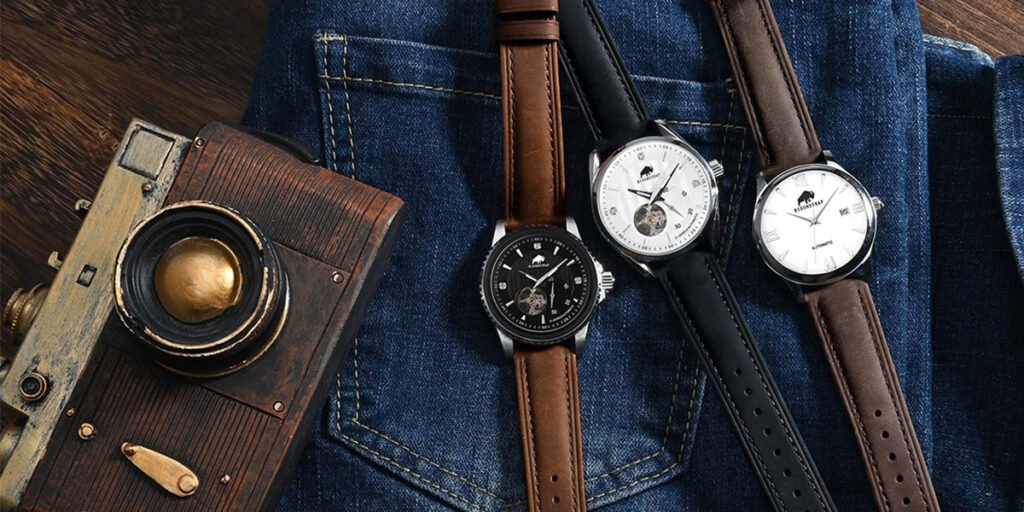
In the world of horology, every detail matters—and nothing elevates a timepiece quite like a beautifully crafted leather strap. From the tactile feel against your wrist to the way the material ages, the right strap transforms a watch from a mere instrument into an heirloom-worthy accessory. But have you ever wondered what goes into making those custom leather straps you admire?
Custom leather watch straps begin with selecting premium hides—full-grain, top-grain, or exotic leathers—followed by specialized tanning (vegetable or chrome) and finishing processes. Skilled artisans then cut, stitch, edge-finish, and quality-test each strap before adding hardware and branding. This meticulous workflow ensures durability, comfort, and bespoke style for watch brands and their discerning customers.
What Types of Leather Are Best for Watch Straps?
Full-grain and top-grain calfskins are the gold standard for watch straps, prized for their strength, suppleness, and beautiful patina development. Exotic hides—like alligator, ostrich, and lizard—offer distinctive textures and luxury appeal at a higher price point. For a softer, casual look, nubuck or suede straps provide comfort and a velvety finish, though they require more careful maintenance.
Full-Grain Leather: Time-Tested Durability & Character
- Origin & Structure: Sourced from the hide’s outermost layer, full-grain leather retains every natural imperfection—pore marks, grain patterns, even healed scars. These “flaws” are actually proof of authenticity and contribute to each strap’s unique character.
- Strength & Patina: Because the fibers remain intact without sanding or correction, full-grain straps boast exceptional tensile strength and abrasion resistance. Over time, natural oils from your skin enrich the hide, developing a deep, lustrous patina that is personalized to your wear habits.
- Customer Perspective: Imagine a strap that not only complements your daily style but tells your story—lightly creasing near the buckle where you fasten daily, darkening slightly where your wrist naturally warms it. Full-grain leather is ideal for heritage and luxury watch lines, where storytelling and longevity matter most.
Top-Grain Leather: Polished Appearance & Ease of Care
- Processing & Finish: Top-grain leather comes from the second layer down. It’s sanded and lightly buffed to remove surface imperfections, then often pigmented or semi-aniline dyed for uniform color.
- Trade-Offs: While slightly less robust than full-grain, top-grain straps still outperform lower-grade leathers. They resist stains better due to protective finishes and offer a smoother, more consistent look—great for fashion-forward or corporate timepieces.
- Consumer Appeal: If you favor a clean, modern aesthetic and minimal break-in time, top-grain straps deliver. They require less maintenance than aniline full-grain and hold crisp colors season after season.
Exotic Leathers: Luxury & Texture
- Alligator & Crocodile: The hallmark of fine watchmaking, these hides feature irregular, bold scale patterns. Each strap commands premium pricing ($200–$500+), but the result is unmistakable luxury. Scales slightly smooth and darken with wear, highlighting the hide’s natural beauty.
- Ostrich & Lizard: Ostrich’s distinctive quill follicles create a dotted texture that’s both tactile and elegant; lizard offers small, uniform scales for a refined look. Both require specialized tanning and finishing to maintain flexibility.
- Considerations: Exotic straps must be sourced under CITES regulations, ensuring ethical harvesting. For collectors and brands aiming for exclusivity, the extra cost often justifies itself in perceived value and rarity.
Nubuck & Suede: Soft Sophistication
- Surface & Feel: By buffing the hide’s grain side (nubuck) or flesh side (suede), these straps achieve a velvety nap that feels luxuriously soft. They drape comfortably around the wrist from day one.
- Maintenance Needs: The trade-off for that sumptuous texture is sensitivity to moisture and staining. Owners should treat straps with protective sprays and clean gently with specialized brushes or erasers.
- Style Fit: Nubuck and suede excel on casual or vintage-inspired watches, lending a relaxed charm—perfect for weekend wear or dress-down Fridays.
Bonded & Genuine Leather: Budget Options with Caveats
- Construction: “Genuine leather” often means layers of leftover hide fibers bonded with adhesives, then stamped with a grain pattern. While affordable ($20–$40), these straps lack the strength and aging potential of higher-grade leathers.
- Lifespan & Aesthetics: Bonded straps can crack and peel within months, particularly around stress points. They’re best reserved for entry-level fashion watches or short-term promotional uses, not heirloom pieces.
Matching Leather Type to Brand Positioning
| Leather Type | Key Benefit | Drawback | Ideal For |
|---|---|---|---|
| Full-Grain | Patina, durability, authenticity | Initial stiffness, cost | Luxury, heritage collections |
| Top-Grain | Consistent finish, easier maintenance | Slightly less durable than full-grain | Fashion/timepiece hybrids |
| Alligator/Croc | Iconic texture, exclusivity | Very high cost, regulatory hurdles | Ultra-luxury editions |
| Ostrich/Lizard | Unique texture, supple feel | Premium pricing, specialized care | Limited-edition & niche brands |
| Nubuck/Suede | Soft hand feel, casual elegance | Prone to staining, moisture sensitivity | Casual/vintage collections |
| Bonded/“Genuine” | Budget pricing | Short lifespan, poor aging | Entry-level fashion watches |
Key Takeaway & Customer Action
- Select Leather by Story & Use: High-end watch brands seeking to build legacy products should invest in full-grain or premium exotics. Brands targeting stylish yet practical segments may find top-grain, nubuck, or suede to be the sweet spot. For mass-market or promotional straps, genuine leather provides cost relief but sacrifices longevity.
- Partnering with Szoneier Leather: With 18+ years of expertise and in-house tanning, Szoneier can source any of these leather types, conduct custom finishings, and deliver prototypes within 7–10 days. Whether you require CITES documentation for exotics or eco-friendly vegetable-tanned full-grain, our team ensures quality, transparency, and tailored support.
Which Tanning and Finishing Processes Ensure Strap Durability?
Vegetable tanning delivers firm, structured straps with a deep, evolving color but takes months. Chrome tanning is faster, yielding softer leather with consistent hues. Surface finishes—aniline, semi-aniline, and pigmented—affect appearance, water resistance, and feel. Edge finishing (painted, burnished) and protective coatings complete the process, ensuring straps stand up to daily wear.
Veg-Tanning vs. Chrome-Tanning
- Vegetable Tanning: Uses natural tannins from tree bark and plant extracts. Process spans 4–8 weeks, producing leather with high tannin content that resists moisture and develops a beautiful patina. However, veg-tanned hides can be stiffer initially, requiring break-in.
- Chrome Tanning: Employs chromium salts for rapid tanning (24–48 hours). Results are softer, more pliable leather suitable for thin watch straps. Chrome-tanned hides exhibit uniform coloration and greater resistance to heat and UV—ideal for fashion straps in varied climates.
Surface Finishes: Visual & Functional Impact
- Aniline: Dyed without pigments, maintaining natural grain and markings. Offers rich depth and softness but minimal scratch resistance—best for high-end straps with careful use.
- Semi-Aniline: Light pigment layer with aniline dye beneath. Balances natural grain visibility with improved stain resistance—popular for versatile mid-range straps.
- Pigmented/Corrected Grain: Opaque pigment coats hide imperfections and enhances water resistance. More durable and easy to clean, though grain looks less natural—suitable for everyday wear.
Edge Finishing Techniques
- Burnished Edges: Friction-polished edges yield a smooth, glossy finish. Layers of beeswax or resin are applied and buffed—resulting in waterproof, snag-resistant edges.
- Painted Edges: UV-cured or solvent-based paints seal strap edges. Offers a uniform look but may crack over time if not properly layered.
- Sewn-Through/No-Edge Finish: Minimalist look where edges are simply sanded and stitched—trendy in fashion straps but offers less protection against moisture ingress.
Protective Coatings & Treatments
- Water-Resistant Sprays: Silicone or fluoropolymer sprays can be applied post-manufacture to enhance moisture repellency—recommended for chrome-tanned and suede straps.
- Wax or Oil Treatments: Hot-oil or wax infusion restores suppleness to vegetable-tanned leather, offering a lightly water-resistant surface while retaining breathability.
Quality Metrics & Testing
- Tensile Strength: Veg-tanned straps should withstand at least 20 N/mm²; chrome-tanned targets 15 N/mm² for thinner applications.
- Flex Fatigue: Repeated bending cycles (ISO 5402) simulate three years of daily use; premium straps endure >50,000 cycles without cracking.
- Water Absorption: Aniline straps may absorb up to 6% weight in water; pigmented straps under 2%. Edge coatings aim for <1% absorption.
How Do Design and Patterning Influence Strap Comfort and Style?
Strap comfort and style hinge on thickness (1.8–2.5 mm standard), lining materials (leather, Alcantara, or synthetic), stitching (saddle vs. lock stitch), and patterning (embossing, perforation, tapering). These elements balance aesthetics, flexibility, and breathability—key for all-day wear.
Strap Thickness & Tapering
- Typical Dimensions: Watch straps range 1.8–2.5 mm thickness. Thicker straps provide structure and durability but require break-in; thinner straps are more supple but less resilient.
- Tapering Profiles: Common tapers include 20→16 mm or 22→18 mm. Tapers reduce bulk near the buckle and improve wrist mobility, especially on smaller watches.
Lining Materials for Comfort
- Leather Linings: Chromed cowhide or calfskin linings match the grain side for a unified feel and absorbency. Full-grain linings breathe well but require break-in.
- Synthetic Linings: Materials like Alcantara or microfiber wick moisture and resist odors—ideal for athletic or hot-weather straps.
- Double-Lug Straps: Some designs feature dual-layer straps with padding (EVA or latex foam) sandwiched between leather layers for extra comfort and a cushion effect.
Stitching Styles & Durability
- Saddle Stitching: Hand-stitched with two needles for exceptional durability; most common in luxury straps. Each stitch passes through the leather twice, preventing unraveling.
- Lock Stitch (Machine): Faster and more affordable but less durable—if a thread breaks, stitches can unravel. Often seen in fashion-price segments.
- Contrast Stitching & Decorative Patterns: Contrast thread (white on black leather) highlights strap contours; decorative stitching (cross-stitch, box stitch) adds unique brand identity.
Surface Patterning: Embossing & Perforation
- Embossed Textures: Simulated crocodile, lizard, or ostrich patterns add luxury appeal without exotic hides. Embossing dies imprint scale patterns, then finishing layers enhance depth.
- Perforated Straps: Small holes improve breathability and lend a sporty aesthetic—popular on racing and driving watch straps.
- Laser Engraving: Modern technique for intricate logos, serial numbers, or custom motifs—adds personalization and anti-counterfeit value.
Hardware Integration & Customization
- Buckle Types: Choices include pin buckles (stainless steel, PVD-coated brass), deployant clasps, or butterfly closures. Each demands precise strap end-shaping and reinforcement.
- Integrated Quick-Release Spring Bars: Enable tool-free strap changes—adds value for retail customers who swap straps frequently. Requires milling a channel and embedding a spring bar mechanism.
What Quality Control Steps Are Critical in Leather Strap Production?
Critical QC steps include raw-hide grading (defect mapping), color consistency testing (ΔE < 1.0), tensile and fatigue testing, stitch inspection, hardware load-testing, and final wear trials. Automated and manual inspections throughout production guarantee each strap meets brand specifications and end-consumer expectations.
Raw-Hide Grading & Defect Mapping
- Visual Inspection: Hides are laid out under consistent lighting; defects (scars, insect bites, stretch marks) are mapped to determine optimal cutting areas.
- UV Fluorescence Tests: Highlight hidden flaws and chemical residues—ensuring clean, high-quality hides for premium straps.
Color Consistency & Fastness
- Spectrophotometer Measurements: Color values (L, a, b*) are recorded for each batch; acceptable ΔE (difference) is under 1.0 for luxury brands.
- Lightfastness Tests: Straps undergo 48-hour accelerated UV exposure—ΔE < 2.0 indicates minimal fading.
Mechanical Testing: Strength & Flex Fatigue
- Tensile Testing: Straps are clamped and pulled until break; premium straps target >150 N breaking force.
- Flex Fatigue Testing: ISO 5402 protocol bends straps at 90° for 50,000–100,000 cycles; no cracking or delamination permitted.
Stitch & Seam Inspection
- Stitch Density & Tension: Automated cameras verify stitch length (2.5–3.0 mm for saddle, 3.5–4.0 mm for machine) and uniform tension—loose or snub stitches trigger rejection.
- Edge Seal Integrity: Burnished and painted edges are checked for peeling; a 10 cm adhesion tape test ensures coatings adhere under stress.
Hardware Load Testing
- Buckle & Spring Bar Testing: Hardware attachments endure pull tests (≥100 N) and impact tests (drop from 1 m) to ensure no deformation or failure.
- Corrosion Resistance: PVD-coated buckles undergo 72-hour salt spray exposure; no visible corrosion allowed.
Final Wear Trials & Packaging QC
- Human Wear Tests: Selected straps worn by testers for 72 hours to evaluate comfort, lint-release, and clasp functionality.
- Packaging Checks: Straps are placed in branded boxes with silica gel; packaging simulations (vibration, drop) verify safe transit.
How Can Watch Brands Partner with Manufacturers Like Szoneier Leather?
Watch brands can partner with Szoneier Leather by leveraging its full-service capabilities—from in-house tanning and material R&D to rapid prototyping, low MOQs (starting at 200 pieces), transparent costing, and rigorous quality control. Through collaborative design reviews, sample approvals, and flexible production schedules (30–45 days lead time), brands secure bespoke straps that align with their aesthetic, performance, and budget requirements.
Evaluate End-to-End Capabilities
- Vertical Integration: Szoneier Leather owns the entire supply chain—raw-hide sourcing, vegetable and chrome tanning, leather finishing, and hardware assembly. Brands benefit from single-vendor accountability, consistent quality, and the ability to co-develop custom leather formulations (e.g., specialized aniline dyes or eco-tanning methods).
- Material Transparency: Ethical sourcing and traceable hides support brand storytelling. Szoneier provides CITES documentation for exotic skins and certification (e.g., ISO 9001, bluesign®) for mainstream leathers, ensuring compliance with global regulations and environmental standards.
Design Collaboration & Prototyping Workflow
- Digital & Physical Iterations: Initial concepts can be shared as CAD files, hand sketches, or physical samples. Szoneier’s design team translates these into technical drawings, guiding brands through material selection (full-grain vs. top-grain, exotic options) and finish options (aniline, pigmented, nubuck).
- Rapid Sample Turnaround: Standard sample lead time is 7–10 days. Brands receive three-dimensional prototypes for wear-testing, aesthetic review, and performance evaluation. This fast-paced prototyping cycle—often two to three iterations—minimizes the risk of production errors and refines details such as taper depth, stitch color, and edge finish.
MOQ Flexibility & Cost Transparency
- Low Minimum Order Quantities: Starting at just 200 units per design, brands can test new strap concepts without large upfront investments. Szoneier’s scalable production lines allow MOQs to scale with volume discounts—5% off at 500 pcs, 10% off at 1,000 pcs—so emerging brands can access competitive pricing.
- Detailed Bill of Materials (BOM): Every cost component—leather grade, hardware type (e.g., stainless steel vs. PVD-coated buckles), tanning method, finishing processes, labor— is itemized. This transparency empowers brands to adjust specifications in real-time, balancing premium features against target retail prices.
Lead Times & Production Scheduling
- Standard Lead Time: 30–45 days from sample approval to shipment, depending on complexity and order size.
- Expedited Options: For urgent launches or promotional events, a rush service (20–25 days) is available at a 15% surcharge. Szoneier manages production calendars and alerts brands to any potential bottlenecks—maintaining clear communication throughout.
Customization & Branding Options
- Logo & Decoration Techniques: Multiple branding methods—blind embossing for subtle luxury, hot foil stamping for metallic accents, laser engraving for fine details, and woven labels for contemporary styles—are prototyped and tested for durability.
- Hardware Integration: Brands choose from a catalog of spring bars, pin buckles, deployant clasps, and quick-release mechanisms. Szoneier can source specialized hardware (e.g., ceramic-coated buckles) or integrate client-supplied components, ensuring seamless compatibility.
Rigorous Quality Assurance & After-Sales Support
- Multi-Stage Inspections: From raw-hide grading to final packing, Szoneier implements automated and manual QC checkpoints. Each batch arrives with a QA report detailing color spectrophotometer readings (ΔE values), tensile and flex tests, stitch density logs, and edge-coating adhesion results.
- After-Market Services: Spare parts (extra buckles, spring bars) and replacement straps can be reordered at short notice. Szoneier’s account managers coordinate inventory forecasting and seasonal restocks, ensuring brands remain supply-stable.
Building Strategic, Long-Term Partnerships
- Limited-Edition & Seasonal Drops: Collaborate on small-batch colorways or exotic leather editions to capture collector interest. Szoneier’s R&D lab can develop bespoke dye recipes or experiment with alternative tanning agents (e.g., plant-based tannins) for eco-conscious lines.
- Sustainability Initiatives: Co-develop leather straps containing recycled content (up to 30% rLeather), pursue LWG (Leather Working Group) certifications, and implement take-back programs—demonstrating a shared commitment to environmental stewardship.
Conclusion
Crafting custom leather straps for watch brands is a multifaceted journey—from selecting the perfect hide and mastering tanning techniques to designing for comfort, executing rigorous quality control, and fostering collaboration. By understanding each step, you can partner with a manufacturer who elevates your timepieces and strengthens your brand reputation.
Ready to create your signature leather watch straps? Reach out to Szoneier Leather for free sampling, flexible MOQs, transparent costing, and full customization support. Contact us to start your bespoke strap project today!
What Can I Do For You?
Here, developing your OEM/ODM private label leather goods collection is no longer a challenge,it’s an excellent opportunity to bring your creative vision to life.
Make A Sample First?
If you have your own tech packs, logo design artwork, or just an idea,please provide details about your project requirements, including preferred fabric, color, and customization options,we’re excited to assist you in bringing your leather goods designs to life through our sample production process.