
Wallet vs Billfold: Key Differences Explained
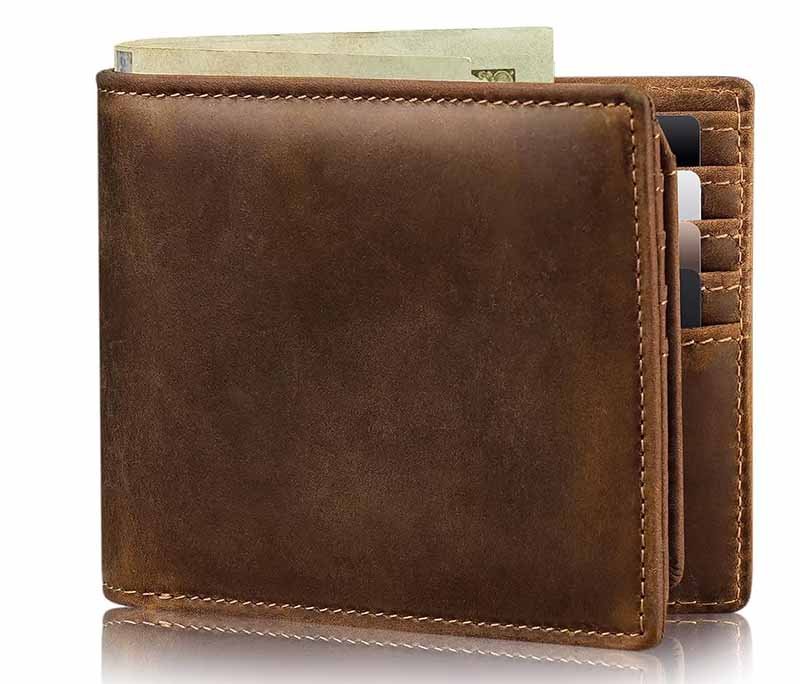
The debate between wallet and billfold has existed for decades. Many buyers assume the two terms are interchangeable, while others believe they refer to completely different accessories. In reality, the distinction is more nuanced—and understanding it helps shoppers choose the right everyday carry and helps brands develop better product lines. Today’s consumers value functionality, minimalism, and craftsmanship, yet few truly understand how design, folding style, and capacity influence the actual differences between wallets and billfolds.
A wallet is a broad category of personal carry accessories designed to hold cash, cards, IDs, and small items. A billfold is a specific type of wallet that folds horizontally (usually once or twice) to store bills flat and neatly. All billfolds are wallets, but not all wallets are billfolds. Wallets come in many types—bi-fold, tri-fold, cardholders, long wallets, and women’s wallets—while billfolds focus on compactness and bill organization.
Wallets have evolved dramatically in modern fashion, ranging from minimalist cardholders to long continental wallets popular among women. Meanwhile, traditional billfolds remain a staple for men who prefer slim everyday-carry essentials. To truly understand which option is better—and why the terms still matter—you need to explore construction, history, user lifestyle, and material engineering. That’s where the story gets interesting.
Let’s dive in.
What Is a Wallet?
A wallet is a compact personal accessory designed to store and organize the essential items people carry with them daily—such as cash, credit cards, identification documents, coins, business cards, small photos, and increasingly digital-related accessories like NFC tags or contactless payment cards. While the word “wallet” seems simple, it actually represents one of the most diverse categories in modern leather goods, extending across multiple styles, capacities, materials, and user groups.
In today’s market, a wallet serves far more than just a functional purpose. It reflects personal identity, lifestyle habits, and fashion preferences. Modern wallets must balance organization, compactness, technology compatibility, premium craftsmanship, and ergonomic portability, making them one of the most strategically designed accessories in the fashion and EDC (Everyday Carry) industry.
1. A Wallet Is a Broad Category of Money & Essentials Storage Tools
Unlike the billfold—which is a specific wallet subtype—the wallet is a broad category that includes many different structures and purposes.
A wallet can be:
- A bi-fold wallet
- A tri-fold wallet
- A cardholder
- A long continental wallet
- A zip-around wallet
- A clutch wallet
- A travel organizer
- A passport wallet
- A coin wallet
- A minimalist slim wallet
Each of these formats is still called a “wallet,” because the term refers to its purpose, not its shape: carrying and organizing small personal essentials.
2. The Core Purpose of a Wallet: Organization + Accessibility
A modern wallet is designed to make your essential items:
- Easy to access
- Organized
- Secure
- Portable
- Protected from bending, damage, or theft
Today’s wallet designs incorporate multiple interior structures, such as:
- 4–12 card slots
- 1–2 bill compartments
- ID window
- Hidden slip pockets
- Zippered coin pockets
- RFID-blocking layers
- Passport slots (in travel wallets)
- External quick-access card slots for tap payments
In short, a wallet is a micro-organization system optimized for daily life.
3. Modern Wallets Evolve With Payment Habits & Digital Lifestyles
40 years ago, wallets needed large cash compartments and coin pockets. Today, they must adapt to:
- Debit/credit cards
- Digital payment habits (Apple Pay, Google Pay)
- Public transportation cards
- Access cards
- ID badges
- Multi-currency travel needs
This shift defines a modern wallet more by card storage efficiency than cash capacity.
Wallets must now optimize:
- Slim card stacking
- Secure retention (tight slots)
- Fast retrieval
- RFID data protection
Because of this evolution, cardholders and slim wallets are rapidly increasing in demand.
4. A Wallet Must Balance Slimness With Capacity
The ideal wallet today provides the maximum organization in the minimum space.
Consumers avoid bulky wallets because:
- They deform pockets
- Cause discomfort while sitting
- Do not match modern minimalist fashion
- Feel outdated
Slim wallets—crafted with thin leather layers, precision-cut stacking, and intelligent spacing—are now the standard for men.
Women, on the other hand, often prefer long wallets because they store:
- More cards
- Flat bills
- Small items (lipstick, receipts, coupons)
The wallet market splits by user behavior:
- Pocket carriers → slim bi-folds & cardholders
- Bag carriers → long wallets & zip-around wallets
5. Wallets Serve Different Lifestyles and User Groups
Wallets today are designed according to lifestyle segmentation, including:
Men’s Wallets
Focus on:
- Slimness
- Classic design
- Pocket comfort
- Essential cards + bills
Women’s Wallets
Focus on:
- Higher capacity
- Dedicated organization
- Secure zip closures
- Stylish finishes
- Compatibility with handbags
Travel Wallets
Focus on:
- Multi-currency sections
- Passport pocket
- Ticket/document storage
- RFID protection
- Zipper or snap closure
Minimalist Wallets
Focus on:
- Ultra-slim profile
- 2–6 essential cards
- Quick access
- Strong retention
A “wallet” therefore means different things to different users—but the purpose remains consistent.
6. Wallet Materials and Craftsmanship Define Quality and Longevity
A modern wallet’s performance is shaped by its materials and construction. High-end wallets typically use:
Premium Leathers
- Full-grain leather (top durability + natural patina)
- Top-grain leather (refined, elegant appearance)
- Vegetable-tanned leather (organic, luxury aging)
- Exotic leathers (premium, high-fashion markets)
Alternative Materials
- PU leather
- Synthetic microfiber leather
- Canvas
- Nylon (travel or outdoor wallets)
The construction includes:
- Precise CNC cutting
- High-density stitching
- Reinforced card-slot edges
- Folded edges or painted edges
- Microfiber/anti-stretch linings
- RFID-blocking layers
- Heat-pressed creases for durability
These techniques separate premium wallets (long-lasting, elegant) from budget ones (quickly deformed, cracked, or stretched).
7. A Wallet Is Also a Fashion Accessory & Identity Symbol
A wallet is often seen as a fashion statement—especially in men’s accessories, where choices are more limited compared to women.
A wallet reflects:
- Professionalism
- Minimalism or maximalism
- Taste & fashion alignment
- Personal lifestyle
- Social class or purchasing power (in some cultures)
This is why premium brands emphasize:
- Clean silhouettes
- Natural leather textures
- Fine stitching & edge paint
- Embossed logos
- Handcrafted finishes
Wallets are small but powerful identity details.
8. A Wallet Must Be Durable Enough for Daily Use
Wallets are opened, closed, folded, stuffed, compressed, bent, and frequently rubbed inside pockets.
Thus, durability is a key defining feature.
A modern wallet must withstand:
- 10,000+ folds
- Daily edge friction
- Heat and humidity in pockets
- Card-slot stretching
- Constant pressure
Premium full-grain leather wallets can last 5–10 years with proper care. Cheap materials may last only 3–6 months.
What Is a Billfold?
A billfold is a specific type of wallet designed with a horizontal folding structure—typically a bi-fold or tri-fold—to store paper bills flat and securely. Unlike broader “wallet” categories, a billfold focuses on simplicity, compactness, and pocket comfort, which is why it has been one of the most iconic men’s accessories for more than a century. The name “billfold” comes from its original purpose: folding and holding bills (“bill” meaning banknote, “fold” referring to the structural design).
The billfold is considered the traditional men’s wallet format, refined through generations of practical use, evolving from early money pouches to a structured, slim accessory tailored for modern essentials—cash, IDs, and a limited number of cards. Its disciplined, minimalist design makes it ideal for users who prefer clean silhouettes and easy front- or back-pocket carry.
1. The Core Structure of a Billfold
A billfold is defined by its horizontal folding mechanism, which typically comes in two formats:
Bi-fold (most common)
- Folds once in the center
- Opens flat to reveal two panels
- Contains 4–8 card slots, an ID window, and a bill compartment
Tri-fold
- Folds twice (into three sections)
- Provides more card storage but creates more thickness
- Ideal for users who need more organization in less pocket space
Regardless of the folding type, a billfold almost always includes:
- A full-length bill compartment
- Tight, streamlined card slots
- Slip pockets for receipts
- A slim, structured body for pocket carry
This structural simplicity distinguishes billfolds from larger wallets like continental or zip-around styles.
2. Why Is It Called a “Billfold”?
The word “billfold” is a combination of:
- Bill → paper money
- Fold → the act of folding the wallet closed
The term became widely used in the U.S. after the introduction of standardized paper currency. Before this era, people used coin purses. When banknotes became the primary form of payment, an accessory was needed to protect bills from wrinkling, tearing, or moisture.
Thus, the billfold was invented as an elegant solution—a wallet designed specifically to fold bills neatly while remaining small enough for daily carry.
3. Billfold vs Wallet: Why the Distinction Matters
Although all billfolds are wallets, not all wallets are billfolds.
A wallet can be:
- A long continental wallet
- A zip-around wallet
- A tri-fold wallet
- A cardholder
- A passport wallet
- A travel organizer
- A wristlet
A billfold, however, is much more specific. It must:
- Fold horizontally
- Store bills flat
- Be pocket-friendly
- Have limited but essential capacity
This precision is why the billfold remains a staple in men’s leather goods collections.
4. Who Typically Uses Billfolds?
Billfolds appeal strongly to:
- Men who carry wallets in their front or back pocket
- Minimalists who prefer 6–12 essential items
- Business professionals who want a slim silhouette under formal clothing
- Travelers who want easy access to cash
- Anyone who prefers a classic, timeless everyday-carry accessory
While women often carry handbags and therefore prefer long wallets, men overwhelmingly choose billfolds for mobility and comfort.
5. Billfold Capacity: What Does It Hold?
A standard billfold accommodates:
- 5–12 cards
- 1–2 full-length bill compartments
- 1 ID window (optional)
- Slip pockets for small papers
- RFID lining (modern versions)
Billfolds rarely include coin pockets or zipper gussets because they would increase thickness, undermining the slim, pocket-friendly design.
6. How a Billfold Is Constructed
Billfold construction emphasizes thinness, durability, and precise folding lines.
Premium Billfold Features Include:
- Full-grain or top-grain leather
- Hand-folded and polished edges
- Reinforced card-slot stitching
- Microfiber or fabric lining
- CNC-cut leather for consistent sizing
- Anti-stretch layer behind bill compartment
- RFID-blocking sheets (optional)
- Heat-pressed creases for structured folding
These details directly influence comfort, lifespan, and pocket-feel.
7. Why Billfolds Remain Popular in the Modern World
Even with the rise of digital wallets, mobile payments, and cardholders, billfolds continue to dominate the global men’s wallet market.
They remain popular because they offer:
- A perfect balance of slimness + functionality
- A classic aesthetic that never goes out of style
- Intuitive organization for cash and core cards
- Comfort in jeans, trousers, or suits
- High durability with proper leather quality
In many cultures—especially in North America, Europe, and parts of Asia—billfolds are still seen as the standard men’s wallet.
What Is the Key Difference Between a Wallet and a Billfold?
Understanding the difference between a wallet and a billfold is essential for buyers, retailers, and brands developing leather goods collections. Although the two terms are often used interchangeably, they do not refer to the exact same thing. A wallet is a broad category of personal accessories designed to carry cash, cards, IDs, receipts, and other small essentials. A billfold, on the other hand, is a specific type of wallet that folds horizontally—usually once or twice—to store paper bills flat in a pocket-friendly format.
In simple terms: All billfolds are wallets, but not all wallets are billfolds. Wallets describe the entire product category; billfolds describe one particular classic structure.
1. Definition-Based Difference: Category vs. Subtype
A wallet is the overall category and may include:
- bi-fold wallets
- tri-fold wallets
- cardholders
- long continental wallets
- zip-around wallets
- travel wallets
- passport organizers
- clutch wallets
- coin wallets
A billfold, however, refers specifically to:
- a horizontally folding wallet
- designed primarily for storing paper bills
- engineered to be slim and pocket-friendly
- traditionally used by men
Wallet = general term.Billfold = specific design within the wallet category.
2. Structural Difference: Folding Style & Format
This is the most important difference between the two.
A Wallet Can Be Any Shape
Wallets may be:
- Horizontal or vertical
- Folding or non-folding
- Long, short, square, slim, gusseted
- With zippers, snaps, or open edges
Wallets can even be non-folding, such as:
- slim cardholders
- passport wallets
- continental long wallets
A Billfold Must Fold Horizontally
A billfold:
- Always folds
- Almost always folds horizontally
- Typically folds once (bi-fold) or twice (tri-fold)
- Maintains a compact rectangular shape
This horizontal fold is specifically designed to keep bills flat.
3. Functional Difference: Capacity vs. Minimalism
Wallets today support many lifestyles—travel, business, everyday use, fashion, minimalism—so capacity varies widely.
Wallets
- Can be high-capacity or low-capacity
- May include 10–20+ card slots
- May have zip compartments
- May include smartphone pockets
- Often targeted to women or travelers
- Designed for organization
Billfolds
- Optimized for essentials
- Typically 4–8 card slots
- 1–2 full-length bill compartments
- Few extra sections
- No zipper gussets or bulky pockets
- Purely pocket-friendly
Billfolds represent simplicity, efficiency, minimalism.
4. Aesthetic Difference: Classic vs. Diverse Styles
Wallets offer variability
Wallets come in:
- luxury fashion styles
- minimalist geometric forms
- colorful or textured leather
- exotic skins
- zip-around silhouettes
- designer statement pieces
Billfolds offer tradition
Billfolds emphasize:
- clean silhouettes
- classic masculine aesthetics
- slim, sleek profiles
- understated elegance
Billfolds rarely deviate from traditional styling.
5. Demographic Difference: Men’s vs Women’s Preferences
Men Prefer Billfolds
Why?
- Suited for pocket carry
- Slim, discreet
- Matches business attire
- Holds only essentials
Men overwhelmingly choose:
- bi-fold billfolds
- cardholder hybrids
Women Prefer Wallets
Why?
- More items in daily carry
- Wallet often kept inside handbag
- Need for zip-around security
- Larger capacity for cards, receipts, coins
Women choose:
- long wallets
- continental wallets
- zip-around wallets
This demographic difference is a major commercial reason why brands must offer multiple wallet types.
6. Usage Difference: Pocket vs Bag Carry
Billfolds are for pocket carriers
Designed specifically to:
- fit into pants pockets
- stay comfortable while sitting
- avoid bulging or discomfort
- hold cash without bending
Wallets can be carried in bags
Long wallets, travel wallets, and zip styles:
- are too large for pockets
- are better suited for handbags, backpacks, or briefcases
- offer more space and structure
Therefore, the user’s carrying method determines ideal product type.
7. Security Difference: Open-Fold vs Enclosed Structures
Wallets may have:
- zipper closures
- snap closures
- magnetic flaps
- full enclosure
These enhance:
- anti-theft protection
- coin storage
- travel security
Billfolds typically have no closure
They remain:
- open-fold style
- slim and simple
- focused on fast access
Modern billfolds often add RFID-blocking layers, but the structure remains minimal.
8. Cultural Difference: Naming & Regional Preferences
United States & Canada The term billfold is common for men’s wallets.
Europe “Wallet” is the standard term; “billfold” is used less frequently.
Asia Men strongly prefer slim billfolds; women favor long wallets.
These cultural differences shape global product design trends.
Which One Is Better for Everyday Use?
Choosing between a wallet and a billfold for everyday use depends heavily on lifestyle, wardrobe, carry habits, and the type of essentials a person brings with them daily. There is no universally “better” option—each design solves different problems and serves different user groups. A billfold excels in slimness, pocket comfort, and minimalism, while a wallet excels in capacity, organization, and versatility.
Below is the most comprehensive, buyer-oriented explanation, suitable for brand clients, wholesalers, and everyday users.
1. Everyday Use Depends Primarily on How You Carry Your Essentials
The most important factor in daily convenience is carry style.
People fall into two categories:
1) Pocket-Carriers → Billfold is usually better
These users carry:
- the wallet in jean pockets
- front or back pockets
- slim trousers
- formal suits
For them, thickness matters.
2) Bag-Carriers → Wallet is usually better
These users carry:
- handbags
- backpacks
- messenger bags
- tote bags
They prefer:
- more organization
- more compartments
- safer closures (zipper/snap)
Therefore: Pocket → Billfold Bag → Wallet
This is the simplest and most reliable rule.
2. Capacity Needs: Cards, Cash, Coins & Small Items
For daily life, people carry different combinations of essentials.
Billfold Matches:
- 5–12 cards
- 1–2 flat bill compartments
- ID
- Occasional receipts
Wallet Matches:
- 10–20 cards
- coins
- phone (in some long wallets)
- large bills
- receipts & coupons
- multiple currencies (travel use)
Consumers who carry more items benefit from the increased organization of a full-sized wallet.
3. Daily Wardrobe Considerations
Wardrobe heavily influences everyday practicality.
Billfold Is Better For:
Office professionals wearing tailored pants People who dislike pocket bulging Men wearing jeans or chinos daily Users who sit for long hours
Wallet Is Better For:
Women who carry handbags Travelers Students with backpacks People wearing loose or relaxed clothing
Daily clothing strongly determines comfort.
4. Lifestyle & Occupation: Which Suits Which?
Billfold Ideal For:
- Businesspeople
- Commuters
- Minimalists
- People who frequently withdraw or pay with cash
- Drivers (quick access to ID/cards)
- Men who prefer “classic” EDC styling
Wallet Ideal For:
- Travelers
- Women
- Designers or professionals carrying many business cards
- Shoppers carrying loyalty cards
- Parents carrying extra items for kids
- People who prefer secure zip-around designs
It’s helpful to think about what your hands reach for most during the day.
5. Aesthetic & Style Preferences
Style is subjective, but trends show clear patterns.
Billfold Style Advantages
- Clean & minimal
- Masculine aesthetic
- Slim silhouette
- Works with formal wear
- Ages beautifully (especially full-grain leather)
Wallet Style Advantages
- Fashion-forward
- Available in more colors & textures
- Complements handbags/outfits
- Looks more structured & polished
- Supports logo presentation (important for luxury brands)
Brand identity also plays a role—premium fashion houses often push long wallets for women and slim billfolds for men.
6. Security Considerations in Daily Use
Security is a major factor for everyday carry.
Wallet Security
- Zip-around closure
- Snap button closure
- Multiple card compartments reduce card loss
- Better for international travel
- Many models come with dedicated RFID blocking
Billfold Security
- Faster access (good for busy lifestyles)
- But fewer closure mechanisms
- Cards may slip out if wallet is overly stretched
Billfolds are ideal for low-risk daily environments, while wallets serve better in high-risk or travel-heavy lifestyles.
7. Comfort: The Most Overlooked Everyday Factor
Billfolds win overwhelmingly in comfort.
Because they are:
- thinner
- more flexible
- lighter
- designed to mold to pocket shape
Long wallets can feel bulky unless carried in a bag. For someone who sits all day (office job, driving job), comfort is a top priority, making the billfold the superior daily option.
8. Quick Comparison Table
| Feature | Billfold | Wallet |
|---|---|---|
| Daily Comfort | ⭐⭐⭐⭐⭐ (Best for pockets) | ⭐⭐⭐ (Must be bag-carried) |
| Capacity | ⭐⭐⭐ | ⭐⭐⭐⭐⭐ |
| Organization | ⭐⭐⭐ | ⭐⭐⭐⭐⭐ |
| Security | ⭐⭐⭐ | ⭐⭐⭐⭐ |
| Style Variety | ⭐⭐⭐⭐ | ⭐⭐⭐⭐⭐ |
| Ideal For | Men, minimalists, pocket carriers | Women, travelers, bag carriers |
| Best Use Case | Work, commuting, quick-access daily life | Shopping, travel, multi-item organization |
| Cash Storage | Designed for flat bills | Varies (flat or folded) |
| Card Storage | 4–10 cards | 8–20+ cards |
How Do Materials Impact Durability and Style?
The material of a wallet or billfold is the single biggest factor that determines durability, structure, comfort, aesthetics, aging performance, and even price positioning. While design influences functionality, the material defines lifespan and brand value. This is especially important for buyers, retailers, and brands seeking long-lasting, premium products.
Different materials behave differently under stress, moisture, folding cycles, and daily friction. Likewise, certain materials produce luxury aesthetics, while others focus on affordability or practicality. Understanding how material choice impacts wallet performance helps consumers choose wisely—and helps brands create much more competitive product lines.
Below is the deepest, most comprehensive explanation of how materials influence durability and style.
1. Leather Quality Determines Lifespan, Structure, and Aging
Leather remains the gold standard in the wallet industry due to its longevity, luxurious feel, and ability to age beautifully over years of use.
Full-Grain Leather — Best Durability & Premium Aging
Full-grain leather is the highest-quality natural leather available.
It offers:
- strongest natural fiber structure
- excellent resistance to stretching
- long lifespan (5–10+ years)
- premium natural texture
- patina development over time
- high tensile strength
Full-grain wallets and billfolds maintain their structure even after thousands of folds.
For premium and luxury brands, this is the preferred material. Szoneier Leather often uses full-grain leather in high-end OEM/ODM projects due to its longevity and luxury appeal.
Top-Grain Leather — Balanced, Refined, Professional
Top-grain leather is slightly corrected on the surface for uniformity.
It provides:
- excellent durability
- smooth, elegant appearance
- stable structure
- scratch resistance
- lighter weight compared to full-grain
Top-grain leather is widely used in business wallets, slim cardholders, and modern billfolds.
Genuine Leather — Affordable but Shorter Lifespan
Genuine leather (split leather) is budget-friendly but significantly weaker.
Weaknesses include:
- peeling over time
- cracking at fold points
- weaker fiber composition
- shorter lifespan (6–18 months)
This material suits entry-level products but is not recommended for long-term durability.
Bonded Leather — Lowest Quality
Bonded leather is made from leather scraps + glue.
It is:
- cheap
- weak
- prone to peeling
- non-durable
Not recommended for daily-use wallets, especially premium brand collections.
2. Synthetic Materials Provide Lightweight, Affordable, and Waterproof Options
PU Leather — Fashion-Friendly & Cost-Effective
Polyurethane (PU) leather is widely used in fast-fashion women’s wallets and color-rich styles.
Advantages:
- vegan-friendly
- lightweight
- low cost
- colorful finish options
- good for seasonal trends
Drawbacks:
- cracks quicker
- limited lifespan
- less breathable
- not suitable for luxury branding
Microfiber Leather — High-Performance Synthetic
Microfiber leather is a more advanced synthetic material.
Benefits:
- highly durable
- scratch-resistant
- flexible
- lightweight
- waterproof
- consistent texture
It is popular in minimalist wallets and travel wallets.
Nylon / Canvas — Durable & Outdoor-Friendly
These materials offer:
- excellent tear resistance
- outdoor durability
- lightweight feel
- water resistance
Ideal for:
- travel wallets
- tactical/outdoor wallets
- sporty crossover products
Not typically used in luxury wallets.
3. How Materials Affect Structural Integrity
A wallet folds thousands of times during its life. This makes structural resilience crucial.
Full-Grain Leather Structure Strength
- retains fiber density
- resists cracking at fold points
- withstands friction
- remains firm without becoming brittle
Top-Grain Leather Strength
- retains sufficient fiber structure
- better than genuine leather
- smooth surface ages well
Synthetic Materials Strength
- microfiber leather resists stretching
- PU cracks under cold or hot temperatures
- nylon holds stitching extremely well
4. Craftsmanship Techniques Enhance Durability
Material alone isn’t enough—craftsmanship multiplies durability.
Key Factors That Affect Longevity
- Edge finishing (painted, folded, burnished)
- Stitching density (higher SPI = stronger)
- Thread quality (bonded nylon or polyester)
- Lining type (microfiber > cotton > cheap polyester)
- Card-slot reinforcement
- Anti-stretch layer behind bill compartment
- CNC precision cutting
These elements prevent:
- stretching
- tearing
- peeling
- slot deformation
- warping over time
Szoneier Leather integrates industrial-grade stitching machines + manual finishing for premium results.
5. How Materials Influence Style & Brand Positioning
Material selection also shapes:
- brand image
- retail pricing
- target customer category
- product aesthetics
- fashion compatibility
Full-Grain Leather = Luxury, Premium Branding
Used in:
- luxury men’s billfolds
- handcrafted artisan wallets
- high-end fashion collections
Top-Grain Leather = Professional, Modern
Used in:
- business wallets
- minimalist bi-folds
- executive collections
PU Leather = Trendy, Fashion-Driven
Used in:
- women’s wallets
- seasonal color collections
- affordable fashion lines
Microfiber = Modern, Performance-Oriented
Used in:
- slim wallets
- travel wallets
- sporty unisex designs
Nylon/Canvas = Utility, Outdoor
Used in:
- tactical wallets
- travel organizers
- youth markets
6. Material Aging: How Wallets Change Over Time
Aging characteristics dramatically affect long-term style.
Full-Grain Leather
- develops a rich patina
- becomes softer & darker
- looks premium with age
Top-Grain Leather
- more stable appearance
- minimal patina
- remains smooth
Genuine/PU Leather
- cracks, peels, or flakes
- color fades
- warps quickly
Microfiber / Nylon
- retains original look longer
- minimal visible wear
Material aging is critical for brand positioning and customer expectations.
How to Choose Between a Wallet and a Billfold?
Choosing between a wallet and a billfold is ultimately about aligning the product with the user’s lifestyle, carrying habits, wardrobe, daily essentials, and personal aesthetic. Both serve similar purposes—holding cash, cards, and IDs—but each format has clear strengths and trade-offs. Making the right decision requires understanding how each design works in real life and which type best matches specific user scenarios.
Below is the most comprehensive, decision-based selection guide for buyers, wholesalers, and brands developing premium leather collections.
1. Start With Your Carry Style: Pocket vs. Bag
The first and most important question:
Do you carry your essentials in your pocket or in a bag?
This single factor determines 70% of the answer.
Choose a Billfold if You Are a Pocket-Carrier
Pocket-carry users need:
- slimness
- minimal bulk
- comfort while sitting
- easy front/back pocket access
Billfolds excel because they:
- fold once or twice into a compact form
- hold bills flat
- slide easily into tight pockets
- maintain a clean silhouette under clothing
- soften and mold to the pocket over time
Choose a Wallet if You Are a Bag-Carrier
Bag-carriers do not feel wallet thickness, so they benefit from:
- more card slots
- more compartments
- zip-around security
- larger formats
- room for coins, receipts, documents
Long wallets, continental wallets, and zip wallets are ideal for this group.
2. Evaluate How Many Items You Carry Daily
A wallet or billfold must match your daily essentials.
Billfold Capacity Works Best for:
- 4–10 cards
- cash bills
- ID
- a few receipts
Billfolds are intentionally minimalist.
Wallet Capacity Works Best for:
- 8–20+ cards
- coins
- receipts & loyalty cards
- travel documents
- lipstick or small items (women’s wallets)
- multiple currencies
If you frequently carry small extras, choosing a wallet is the safer long-term decision.
3. Consider How Often You Access Cash vs Cards
The ratio of cash-to-card usage has a major impact.
Choose a Billfold if You Use Cash Often
Billfolds are optimized for:
- flat bill storage
- quick access to cash
- at-the-counter payments
- easy unfolding
They function better in cash-oriented environments.
Choose a Wallet if You Use Cards or Digital Payments Often
Wallets offer:
- more card slots
- tighter retention
- dedicated tap-to-pay quick-access pockets
- RFID liners for security
For card-heavy users, wallets provide better organization.
4. Think About Your Wardrobe & Personal Style
Your daily clothing influences what’s comfortable to carry.
Billfold Matches:
- tailored suits
- fitted trousers
- business wear
- minimalistic fashion
- classic masculine aesthetics
Wallet Matches:
- handbags / totes
- fashion-forward looks
- colorful accessories
- structured or elegant outfits
- luxury designer branding
Wallets are more expressive; billfolds focus more on minimalism.
5. Gender Differences Play a Significant Role
Although anyone can use either style, market data shows clear patterns.
Men Prefer Billfolds Because:
- they carry wallets in pockets
- they prefer slim silhouettes
- they rarely need coin storage
- they use fewer cards
- they value discreet design
Women Prefer Wallets Because:
- they carry handbags
- they prefer larger organizational space
- they store more cards & items
- they value stylish finishes
- they often want zip-around security
6. Security Requirements: Do You Need Zippers or Closures?
Security is a key decision factor.
Wallet Security Advantages
- zip-around design
- snap closures
- enclosed compartments
- ideal for travel
- safer for coins and loose items
Billfold Security Advantages
- quick access
- pocket friction provides natural retention
- fewer moving parts = fewer breakage risks
Choose based on whether you prioritize: security (wallet) or speed (billfold).
7. Price and Material Expectations
Material quality drastically affects the buying decision.
If You Want the Longest Lifespan → Choose Full-Grain Leather Billfold
- strongest material structure
- patina improves over years
- ideal for heritage, luxury, men’s collections
If You Want a More Stylish, Fashion-Driven Product → Choose Wallet
- available in vibrant PU or textured leathers
- embossed patterns
- zip-around silhouette
- greater surface area for branding
Brands building premium lines typically use:
- full-grain for billfolds
- top-grain or microfiber for wallets
- PU for fashion or colorful women’s lines
8. Travel Frequency: Daily Commuters vs Global Travelers
Billfold Is Better For:
- daily commuting
- quick payments
- office life
- routine errands
Wallet Is Better For:
- airport travel
- holding multiple currencies
- passport/boarding pass compatibility
- hotel key, transport card, SIM card storage
If you travel often, a wallet is the smarter option.
9. Minimalists vs Organizers
Consumer behavior matters.
Minimalists → Billfold or Cardholder
Prefer:
- slimness
- clean silhouette
- essentials only
Organizers → Wallet
Prefer:
- organizing every card
- multiple compartments
- secure structures
- higher storage
Your organizational personality strongly impacts product choice.
Conclusion
Both wallets and billfolds serve the same core purpose—organizing your essential items. The real difference lies in structure, capacity, style, and how users carry their belongings. Wallets offer more variety and storage, while billfolds offer simplicity and a traditional slim profile. The right choice depends on personal habits, wardrobe, features required, and aesthetic preference.
For brands, retailers, and wholesalers, offering both formats ensures coverage of different consumer groups. The market is diverse—minimalists want slim leather billfolds, women want long continental wallets, travelers want multi-compartment organizers.
Whether you are launching a new product line or expanding an existing one, we help you create premium, market-ready, high-margin wallets and billfolds with reliable craftsmanship and competitive pricing.
Contact Szoneier Leather today to discuss customization, OEM/ODM development, and sampling for your next leather wallet or billfold collection.
What Can I Do For You?
Here, developing your OEM/ODM private label leather goods collection is no longer a challenge,it’s an excellent opportunity to bring your creative vision to life.
Make A Sample First?
If you have your own tech packs, logo design artwork, or just an idea,please provide details about your project requirements, including preferred fabric, color, and customization options,we’re excited to assist you in bringing your leather goods designs to life through our sample production process.