 Skip to content
Leather Wallet Dimensions: What Sizes Work Best
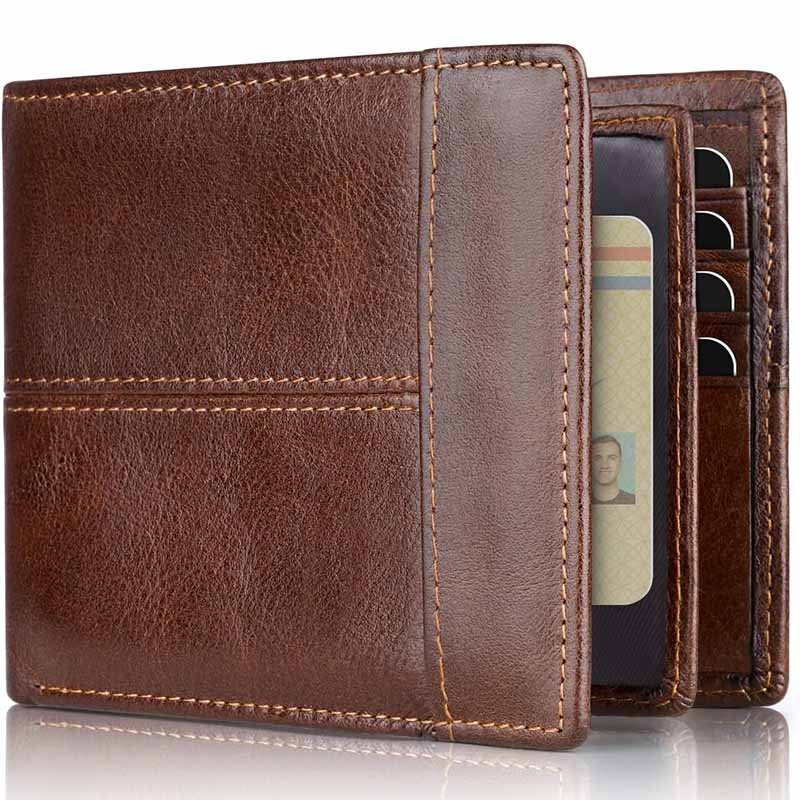
Leather wallets look simple, but their dimensions quietly determine comfort, usability, style, and long-term satisfaction. A wallet that is too large feels bulky in the pocket; one that is too small quickly becomes impractical. For brands and buyers, wallet dimensions are not just a design choice—they are a product positioning decision that affects customer reviews, return rates, and brand perception.
Today’s market is also changing. Traditional bi-fold wallets are no longer the default choice for everyone. Minimalist designs, cardholders, phone-integrated wallets, and Gen Z–driven alternatives are reshaping what “standard size” even means. At the same time, global brands must consider regional preferences, different currencies, and lifestyle habits when developing wallet collections.
For professional buyers, designers, and brand owners, understanding leather wallet dimensions means answering more than one question: What size works best for everyday carry? Which dimensions fit pockets comfortably? How does thickness change with card load? And how do younger consumers redefine wallet usage altogether?
Leather wallet dimensions vary by style, region, and use case. Standard bi-fold wallets typically measure around 4.25–4.5 inches wide and 3.5–3.75 inches tall when closed, while minimalist wallets are smaller and slimmer. Wallet dimensions affect comfort, pocket fit, and capacity. Choosing the right size depends on how many cards, cash, and daily items the user carries, as well as regional and lifestyle preferences.
Behind every successful wallet is a carefully chosen size—one that balances function, comfort, and identity. Let’s break down what those dimensions really mean.
What Are Standard Leather Wallet Dimensions
Standard leather wallet dimensions vary by wallet type, but a classic bi-fold wallet typically measures about 4.25–4.5 inches wide and 3.5–3.75 inches tall when closed. Tri-fold wallets are slightly smaller in width but thicker, while minimalist wallets are more compact and slimmer. These standard sizes are designed to balance pocket comfort, capacity, and everyday usability.
What Is the Standard Size of a Leather Wallet?
When people refer to a “standard leather wallet size,” they are almost always referring to a traditional men’s bi-fold wallet. This design has become the industry benchmark because it fits most pockets, holds common currency sizes, and feels familiar to users across generations.
The most widely accepted standard bi-fold wallet dimensions (closed) are:
- Width: 4.25–4.5 inches (10.8–11.5 cm)
- Height: 3.5–3.75 inches (9–9.5 cm)
- Thickness (empty): ~0.4–0.6 inches
These dimensions comfortably accommodate folded US dollar bills, credit cards, and IDs without excessive bulk. For manufacturers and brands, this size serves as the baseline reference from which variations are developed.
What Are the Standard Dimensions for Different Wallet Types?
Not all leather wallets follow one standard size. Different wallet constructions have evolved to meet different user needs.
Below are the most common standard dimension ranges used in the leather goods industry:
| Wallet Type | Typical Width | Typical Height | Typical Thickness |
|---|---|---|---|
| Bi-fold | 4.25–4.5 in | 3.5–3.75 in | 0.7–0.9 in (loaded) |
| Tri-fold | 4–4.25 in | 3–3.5 in | 0.9–1.2 in |
| Minimalist | 3–4 in | 2–3 in | 0.3–0.5 in |
| Cardholder | 3–3.5 in | 2–2.5 in | 0.2–0.4 in |
| Long wallet | 7–8 in | 3.5–4 in | 0.6–0.9 in |
These ranges are not random—they reflect currency size, pocket ergonomics, and carry habits.
Why Do These Dimensions Become “Standard”?
Wallet dimensions become standard over time because they work in real life.
A dimension is considered “standard” when it:
- Fits naturally in most pants and jacket pockets
- Holds commonly used cards and cash without stress
- Feels comfortable when sitting or walking
- Minimizes leather deformation over time
Do Standard Wallet Dimensions Change by Region?
Yes, “standard” wallet dimensions are influenced by regional currency and lifestyle habits.
- North America: Wider bi-fold wallets to fit US dollar bills
- Europe: Slimmer wallets focused on cards and folded notes
- Asia: More compact wallets reflecting urban mobility and digital payments
As a result, global brands often adjust standard dimensions slightly to suit their target market, even when using the same wallet style.
Are Standard Wallet Dimensions Still Relevant Today?
Standard dimensions are still highly relevant—but they are no longer the only option.
While classic bi-fold sizes remain popular among professionals and traditional users, younger consumers increasingly prefer:
- Slimmer profiles
- Reduced height and width
- Card-only or hybrid designs
For brands, the key is understanding that “standard” now means a reference point, not a limitation. Many successful collections include both classic-standard and modern-compact wallet sizes.
How Do Manufacturers Use Standard Dimensions in Custom Projects?
In OEM/ODM development, standard dimensions often serve as the starting framework.
From there, manufacturers may:
- Reduce thickness for minimalist positioning
- Adjust width to suit regional currencies
- Optimize height for front-pocket carry
- Modify proportions to fit premium gift boxes
Why Do Wallet Dimensions Matter
Wallet dimensions matter because they directly affect comfort, pocket fit, storage capacity, durability, and user satisfaction. A well-sized wallet feels natural to carry, protects cards and cash, and ages well over time. Poorly chosen dimensions often cause bulk, discomfort, faster leather wear, and negative user experience, making size a critical factor in wallet design and manufacturing.
Why Do Wallet Dimensions Affect Daily Comfort?
Wallets are carried every day, often for years. Even small dimensional differences—just a few millimeters in width or thickness—can significantly affect comfort.
When a wallet is too large or too thick:
- It creates pressure when sitting
- It feels bulky in pockets
- It changes the way clothing fits
A well-proportioned wallet distributes thickness evenly and fits the body naturally. This is why experienced manufacturers prioritize ergonomic sizing, not just capacity.
Why Do Dimensions Determine Pocket Fit and Carry Style?
Pocket fit is one of the most practical reasons wallet dimensions matter.
Different dimensions suit different carry styles:
- Back-pocket carry requires flatter, wider wallets
- Front-pocket carry favors smaller, slimmer designs
- Jacket or bag carry allows slightly larger formats
If a wallet does not fit naturally into its intended pocket, users will feel friction every time they carry it. This often leads to dissatisfaction—even if the leather quality is high.
Why Do Wallet Dimensions Affect Storage Efficiency?
Bigger wallets do not always store items more efficiently.
Oversized wallets often:
- Encourage overloading
- Cause cards to overlap or bend
- Stress stitching and leather folds
Conversely, well-designed dimensions guide users to carry only what they need, improving organization and access. Efficient storage is a result of intentional sizing, not maximum space.
Why Do Dimensions Influence Leather Aging and Durability?
Leather responds to stress over time. Poorly proportioned wallets experience uneven tension, leading to:
- Cracking at fold lines
- Distorted card slots
- Premature wear on edges
Wallets designed with balanced dimensions allow leather to bend naturally and age evenly. For brands, this directly affects product lifespan and customer perception of quality.
Why Do Wallet Dimensions Impact Brand Positioning and Perceived Value?
Dimensions communicate brand identity.
- Slim wallets suggest modern, minimalist lifestyles
- Classic sizes convey tradition and reliability
- Oversized wallets often signal utility over style
Customers subconsciously associate size with quality and intention. A wallet that feels thoughtfully sized appears more premium—even before the leather is evaluated.
Why Do Incorrect Dimensions Lead to Returns and Negative Reviews?
From a commercial perspective, wallet dimensions directly affect return rates.
Common complaints include:
- “Too bulky in my pocket”
- “Smaller than expected”
- “Uncomfortable to carry”
Accurate sizing and clear dimension choices reduce mismatched expectations. This is why professional OEM manufacturers test wallet dimensions under real-use conditions, not just on paper.
Are There Size Differences by Region
Yes, leather wallet dimensions vary by region due to differences in currency size, carrying habits, clothing styles, and payment behavior. North American wallets are generally wider and larger, European wallets are slimmer and more card-focused, while Asian wallets tend to be more compact and minimalist. Understanding these regional differences is essential for brands developing wallets for global markets.
Are North American Wallet Sizes Standardized?
In North America—especially the United States—leather wallet dimensions are heavily influenced by US dollar bills, which are relatively wide and uniform in size. This has historically led to larger bi-fold wallets designed to hold folded cash comfortably.
Common characteristics of North American wallets include:
- Wider bi-fold formats
- Emphasis on bill compartments
- Traditional back-pocket carry
Typical dimensions often fall within:
- Width: 4.25–4.5 inches
- Height: 3.5–3.75 inches
Although digital payments are growing, many consumers still carry cash, making these dimensions deeply ingrained. For brands targeting the US market, deviating too far from these standards can create friction and reduce adoption.
Are European Wallet Sizes Different?
Yes—European wallets are generally slimmer and more compact than North American designs.
Key reasons include:
- Euro banknotes vary in size and are often carried folded once or twice
- Strong preference for front-pocket carry
- Greater reliance on card payments
European wallet dimensions often prioritize:
- Reduced thickness
- Clean, minimalist silhouettes
- Efficient card organization
As a result, European wallets commonly measure slightly narrower and thinner than US wallets, even when classified as bi-folds. Brands entering the EU market often adjust dimensions subtly to reflect these preferences.
Are Asian Wallet Sizes Unique?
Asian markets—such as Japan, South Korea, China, and Southeast Asia—show a strong preference for compact and lightweight wallets.
Several factors drive this trend:
- Urban lifestyles and public transportation
- Slimmer clothing cuts and smaller pockets
- High adoption of mobile and QR-code payments
Wallets in Asian markets often:
- Focus on cardholders and minimalist designs
- Reduce both width and height
- Favor vertical or modular formats
For OEM buyers, Asian markets often demand more aggressive downsizing compared to Western regions, without sacrificing quality or finish.
How Do Currency Sizes Influence Wallet Dimensions?
Currency size is one of the most practical drivers of regional wallet dimensions.
For example:
- US dollar bills are uniform and wide
- Euro notes vary in length and height
- Some Asian currencies are smaller or used less frequently
Wallets designed for flat or lightly folded bills must adapt their width and internal layout accordingly. This is why global brands rarely use a single wallet dimension for all markets.
How Do Carry Habits and Clothing Styles Affect Regional Sizes?
Beyond currency, how people dress and carry wallets plays a major role.
- Back-pocket carry allows larger, flatter wallets
- Front-pocket carry favors smaller, slimmer designs
- Jacket or bag carry enables more flexibility
European and Asian consumers often prioritize comfort while walking or commuting, pushing wallet dimensions toward slimmer profiles. In contrast, North American consumers historically tolerated larger wallets due to different clothing and lifestyle norms.
What Should Global Brands Consider When Designing Wallet Sizes?
For brands selling internationally, regional size differences should be treated as a design strategy, not an afterthought.
Best practices include:
- Using a “standard” size as a base
- Adjusting width or thickness by region
- Offering multiple size variants within one collection
- Testing prototypes with target-market users
Which Wallet Sizes Fit Everyday Carry Needs
The best wallet size for everyday carry depends on how people carry items, how many cards and bills they use, and where the wallet is stored. Standard bi-fold wallets suit traditional back-pocket carry, minimalist wallets fit front pockets and modern lifestyles, while slim cardholders meet digital-first needs. The right dimensions balance comfort, capacity, and daily habits.
Which Wallet Sizes Fit Most Pockets Comfortably?
For most users, pocket comfort is the first real-world test of a wallet’s dimensions. A wallet may look perfect on a product page but feel intrusive once carried all day.
Wallet sizes that fit most pants and jacket pockets comfortably usually fall into this range:
- Width: 4.2–4.5 inches
- Height: 3.4–3.8 inches
- Loaded thickness: under 0.8 inches
These dimensions align with classic bi-fold wallets, which explains their long-term popularity. They distribute thickness evenly and sit flat in back pockets without causing sharp pressure points. From a manufacturing perspective, this size range is often used as a “safe baseline” for mass-market wallets.
Which Wallet Sizes Are Best for Front-Pocket Carry?
Front-pocket carry has become increasingly popular due to comfort, security, and fashion trends. Wallets designed for this carry style must be noticeably smaller and slimmer.
Ideal front-pocket wallet dimensions typically include:
- Width: 3.5–4 inches
- Height: 2.75–3.25 inches
- Thickness: as slim as possible when loaded
Minimalist wallets and slim cardholders dominate this category. They reduce bulk, avoid bending when sitting, and feel almost unnoticeable during daily movement. Brands targeting commuters, cyclists, and urban professionals often prioritize these dimensions.
Which Wallet Sizes Work Best for Card-Heavy Users?
Many modern users carry more cards than cash, including credit cards, transit cards, access cards, and IDs. For these users, internal layout matters more than overall wallet size.
Effective card-focused wallet dimensions:
- Slightly wider interiors to avoid tight card stacking
- Moderate height to maintain card visibility
- Controlled thickness to prevent slot overstretching
Wallets that are too small force cards to overlap or bend, while oversized wallets encourage unnecessary bulk. The best designs guide users toward carrying only essential cards.
Which Wallet Sizes Are Ideal for Cash Users?
Despite digital payments, cash is still important in many regions and situations. Cash users require wallet dimensions that accommodate folded or flat bills comfortably.
Cash-friendly wallets often:
- Maintain a width close to standard bi-fold sizes
- Include full-length bill compartments
- Avoid excessive folding that damages banknotes
For brands serving North American or travel markets, maintaining traditional wallet width remains essential for user satisfaction.
Which Wallet Sizes Fit Active and On-the-Go Lifestyles?
Users with active lifestyles—travelers, commuters, and professionals constantly moving—prefer wallets that are secure, lightweight, and unobtrusive.
These users gravitate toward:
- Slim bi-folds
- Minimalist wallets
- Hybrid wallet-cardholder designs
Dimensions in this category emphasize balance: enough capacity for essentials, but small enough to avoid distraction or discomfort during movement.
What Do Gen Z and Younger Users Prefer for Everyday Carry?
Gen Z is redefining everyday carry entirely. Instead of traditional wallets, many younger users rely on:
- Slim cardholders
- Phone wallets (MagSafe-style)
- Small crossbody pouches
- Digital wallets with minimal physical carry
As a result, Gen Z–oriented wallet dimensions are:
- Smaller in both width and height
- Extremely slim
- Often modular or detachable
For brands, this trend signals a shift from “one standard size” to multiple carry solutions within a single collection.
How Should Brands Match Wallet Sizes to Everyday Use Cases?
From an OEM/ODM perspective, the smartest approach is segmentation, not compromise.
| Everyday Carry Scenario | Recommended Wallet Size |
|---|---|
| Traditional office use | Standard bi-fold |
| Urban commuting | Slim bi-fold or minimalist |
| Front-pocket carry | Minimalist or cardholder |
| Travel & multi-currency | Slightly wider bi-fold |
| Gen Z / digital-first | Cardholder or phone wallet |
How to Measure Leather Wallet Dimensions Correctly
To measure leather wallet dimensions correctly, measure the wallet closed on a flat surface, recording width, height, and thickness in consistent units. Measure thickness both empty and loaded with a realistic number of cards and cash. For accuracy, note whether measurements include protruding parts like zipper pulls or snap closures. Consistent measuring standards reduce customer confusion and improve OEM quality control.
How to Measure Wallet Width and Height
The most important rule: measure the wallet closed, because that’s how customers carry it and how ecommerce specs are interpreted.
Step-by-step
- Close the wallet naturally (do not stretch it flat).
- Place it on a flat surface.
- Measure width (left edge to right edge).
- Measure height (bottom edge to top edge).
Best practice notes
- Measure at the widest points if the edges are rounded.
- If the wallet has an external flap, measure the closed outline as it sits naturally.
- Always specify units (inches and/or cm) and keep them consistent across products.
Why this matters: even a 5–10 mm error can change pocket fit and lead to “smaller than expected” returns.
How to Measure Wallet Thickness Accurately
Thickness is where most measurement mistakes happen because leather compresses, breaks in, and changes when loaded.
Measure thickness in 2–3 states
- Empty thickness: wallet closed with no cards/cash
- Typical loaded thickness: closed with everyday carry load (common: 4–6 cards + some bills)
- Max loaded thickness (optional): closed at recommended capacity (e.g., 10–12 cards)
How to measure
- Close the wallet normally.
- Measure at the thickest point (often the fold line or coin pocket area).
- Record thickness as a range if you provide both empty and loaded values.
Quick estimating tip for brands
- One plastic card adds roughly 1.2–1.5 mm thickness in real stacking.
- A cash stack adds thickness unevenly; the fold area becomes the thickest zone.
How to Account for Cards, Cash, and Coins
A wallet’s “true size” is not its empty size—it’s its working size.
Cards
- Card slots stretch slightly over time, but initial tightness affects user experience.
- If slots are too tight, users force cards, stressing stitching and edges.
Cash
- Users fold bills differently (single fold vs double fold).
- A wallet designed for full-length bills needs more internal width.
Coins (if included)
- Coin pockets create uneven bulges and change how the wallet sits in a pocket.
- For accurate thickness claims, measure thickness with coins added (even a few coins can change the feel drastically).
If your product line targets minimalist users, it’s smart to publish “best use capacity” instead of only maximum capacity.
How to Measure Different Wallet Styles Correctly
Different wallet types require slightly different measurement rules:
Bi-fold
- Measure closed width and height as standard.
- Thickness often peaks at the fold line.
Tri-fold
- Thickness can increase quickly when loaded; measure both typical and max loaded thickness.
- Record thickness at the thickest panel intersection.
Cardholder
- Measure closed footprint and typical loaded thickness (e.g., 4–6 cards).
- Thickness numbers here are a key selling point.
Zipper wallet
- Decide whether you include zipper pull in width/height.
- Best practice: exclude zipper pull, but note “excluding hardware” clearly.
Long wallet
- Measure closed length and height; include the flap if it forms part of the closed outline.
This level of clarity prevents spec disputes between brands, factories, and customers.
What Measuring Mistakes Cause the Most Confusion?
These mistakes are common on ecommerce listings and in OEM spec sheets:
- Measuring wallets open instead of closed
- Publishing only empty thickness and ignoring loaded thickness
- Including zipper pulls sometimes but not always
- Mixing inches and cm across the same product catalog
- Measuring a “flattened” wallet (pressed down) instead of natural shape
These mistakes lead to mismatched expectations—one of the biggest reasons wallets get returned.
How Should OEM Buyers Write Wallet Dimension Specs for Sampling?
If you’re working with a manufacturer (like Szoneier Leather), a good spec reduces rework and speeds up sampling.
A practical spec format includes:
- Closed width × height × thickness (empty + typical loaded)
- Target card count for “typical load” (e.g., 6 cards + 6 bills)
- Tolerance (example: ±2 mm for width/height, ±1–2 mm thickness)
- Notes on whether hardware is included in measurement
This makes the dimension standard repeatable and easy for QC to verify.
Do Leather Wallet Dimensions Affect Capacity and Comfort
Yes, leather wallet dimensions directly affect both capacity and comfort. Larger wallets can hold more cards and cash but often feel bulky and uncomfortable, while smaller wallets improve comfort but limit storage. The best wallet dimensions balance usable capacity with slimness, ensuring the wallet fits pockets naturally without overstressing leather or causing daily discomfort.
How Do Wallet Dimensions Determine Storage Capacity?
Wallet capacity is not only about how many card slots a wallet has—it is fundamentally limited by width, height, and thickness.
- Width determines how cards and bills are arranged and whether they overlap or sit flat
- Height affects bill compatibility and ease of access
- Thickness controls how many layers of cards and cash can be added without forcing the leather
A wallet that is too small may technically hold many cards, but doing so often requires tight stacking, which stresses stitching and leather edges. Conversely, oversized wallets invite overloading, which leads to clutter and faster wear.
Well-designed dimensions guide users toward realistic, comfortable capacity, not maximum storage on paper.
Do Larger Wallets Hold More but Reduce Comfort?
Yes—and this is one of the most common trade-offs in wallet design.
Larger wallets typically:
- Hold more cards and receipts
- Accommodate coin pockets and multiple compartments
- Feel heavier and bulkier in pockets
When carried daily, especially in back pockets, large wallets can:
- Cause pressure when sitting
- Create visible pocket bulge
- Accelerate creasing at fold lines
Many users eventually downsize not because they need less storage, but because comfort becomes more important than capacity over time.
Do Smaller Wallets Improve Comfort but Limit Functionality?
Smaller wallets are designed around comfort-first usage, but they require lifestyle adjustments.
Advantages of smaller dimensions:
- Fit naturally in front pockets
- Reduce weight and bulk
- Feel unobtrusive during movement
Limitations include:
- Fewer cards carried
- Less room for cash and receipts
- No space for coins
For users who rely heavily on digital payments, these limitations are acceptable—or even desirable. For cash-heavy users, however, overly compact wallets can feel restrictive.
How Does Wallet Thickness Affect Daily Carry Comfort?
Thickness is often more noticeable than width or height.
A wallet may appear compact when empty but become uncomfortable once loaded. Even an extra 3–5 mm of thickness can significantly change how a wallet feels in a pocket.
Key insights:
- Thickness affects sitting comfort more than footprint
- Uneven thickness (coin pockets) feels worse than evenly distributed thickness
- Leather compresses over time, but poor proportions never fully disappear
This is why professional manufacturers test wallets at typical loaded capacity, not just empty dimensions.
How Do Leather Type and Construction Influence Capacity vs Comfort?
Not all leather behaves the same way.
- Soft leathers (e.g., lambskin, calfskin) compress more easily but may stretch
- Firm leathers (e.g., vegetable-tanned cowhide) hold structure but feel stiffer initially
Construction details—such as slot spacing, fold radius, and lining thickness—also affect how comfortable a wallet feels at a given size. Two wallets with identical outer dimensions can feel very different depending on how they are built.
This is where experienced factories like Szoneier Leather add value: balancing material choice and construction with dimension planning.
Do Optimal Wallet Dimensions Vary by Lifestyle and Age Group?
Absolutely. Comfort and capacity priorities change with lifestyle.
- Professionals: prefer balanced bi-fold sizes with moderate capacity
- Travelers: accept slightly larger wallets for organization
- Minimalists / Gen Z: prioritize slimness over storage
- Active users: prefer lightweight, compact wallets that don’t shift during movement
For brands, this means there is no single “perfect” size—successful collections often include multiple dimension options targeting different users.
How Can Brands Balance Capacity and Comfort in Custom Wallet Design?
From an OEM/ODM perspective, the goal is not maximum capacity—it is usable capacity with long-term comfort.
Best practices include:
- Designing for “recommended capacity” rather than maximum
- Optimizing thickness before increasing width or height
- Testing prototypes in real pockets and daily scenarios
- Clearly communicating capacity limits to customers
What Are Custom Leather Wallet Dimension Tips for Brands
Brands should customize leather wallet dimensions based on target users, carry habits, market region, and brand positioning. Effective custom sizing balances comfort, capacity, aesthetics, and leather behavior. Rather than maximizing storage, successful brands design wallets around recommended daily capacity, pocket fit, and long-term wear—using standard dimensions as a reference, not a limitation.
Why Should Brands Avoid One-Size-Fits-All Wallet Dimensions?
One of the most common mistakes brands make is assuming a single “standard” wallet size works for everyone.
In reality:
- Users carry wallets differently (front pocket, back pocket, bag)
- Payment habits vary (cash-heavy vs card-only)
- Age groups value comfort and style differently
A wallet dimension that works well for a traditional office worker may feel bulky to a Gen Z user or impractical for a traveler. Brands that rely on one-size-fits-all dimensions often face:
- Higher return rates
- “Too bulky” or “too small” reviews
- Missed opportunities for differentiation
Custom dimensions allow brands to design for specific lifestyles, not generic averages.
How Should Brands Define Target Capacity Before Finalizing Dimensions?
Capacity should be defined before dimensions—not the other way around.
A strong custom wallet brief answers:
- How many cards should be carried comfortably (not maximum)?
- Will users carry cash regularly? If yes, folded or flat?
- Are coins included or intentionally excluded?
Once “recommended daily carry” is clear, dimensions can be engineered to support that capacity without overstressing leather. This approach leads to wallets that feel natural in use and age better over time.
How Do Brand Positioning and Style Influence Wallet Size?
Wallet dimensions communicate brand identity just as much as leather quality.
- Luxury / premium brands often prefer slimmer, more refined proportions
- Heritage brands may retain classic bi-fold dimensions
- Minimalist brands intentionally reduce width, height, and thickness
- Streetwear or Gen Z brands favor compact or modular formats
A well-designed wallet “looks right” for its brand even before the logo is noticed. Custom sizing helps reinforce that visual and tactile identity.
How Should Brands Adjust Wallet Dimensions by Market Region?
For brands selling internationally, regional adaptation is essential.
Best practices include:
- Using classic bi-fold dimensions for North America
- Slimming thickness and height slightly for Europe
- Offering compact or cardholder options for Asian markets
Rather than creating entirely new designs, many brands adjust width or thickness by a few millimeters to better suit regional preferences—small changes that significantly improve user acceptance.
How Do Leather Type and Construction Affect Custom Dimension Choices?
Leather behavior must be considered during dimension planning.
- Soft leathers compress easily but may stretch if dimensions are too tight
- Firm leathers hold shape but require more space to remain comfortable
- Thick linings and reinforced edges increase overall thickness
Two wallets with identical outer dimensions can feel completely different depending on leather type and construction.
What Dimension Tolerances Should Brands Set for OEM Production?
Custom dimensions must include clear tolerances to ensure consistency in mass production.
Recommended tolerance guidelines:
- Width / height: ±2 mm
- Thickness: ±1–2 mm depending on leather type
Without defined tolerances, brands may receive products that technically “match” specs but feel inconsistent in use. Clear tolerances protect both brand and factory.
How Can Brands Use Standard Dimensions as a Smart Starting Point?
Standard wallet dimensions are valuable—but only as references.
A smart customization process often looks like:
- Start with a proven standard size
- Adjust thickness to improve comfort
- Modify width or height for target users
- Test prototypes with real card/cash loads
- Refine based on feedback before bulk production
This approach minimizes risk while still allowing meaningful differentiation.
Why Is Prototyping and Wear Testing Critical for Custom Sizes?
Wallets behave differently after weeks of real use.
Prototyping and wear testing help brands:
- Observe leather break-in behavior
- Identify pressure points and bulges
- Confirm pocket comfort over time
Conclusion
Choosing the right leather wallet dimensions is not just a technical decision—it’s a brand decision that affects comfort, usability, aesthetics, and customer satisfaction.
Whether you are refining a classic bi-fold, developing a minimalist cardholder, or creating a Gen Z–focused wallet line, our team supports you from concept and prototyping to mass production and packaging.
Contact Szoneier Leather today to discuss your custom leather wallet project and receive expert recommendations tailored to your market.
What Can I Do For You?
Here, developing your OEM/ODM private label leather goods collection is no longer a challenge,it’s an excellent opportunity to bring your creative vision to life.
Make A Sample First?
If you have your own tech packs, logo design artwork, or just an idea,please provide details about your project requirements, including preferred fabric, color, and customization options,we’re excited to assist you in bringing your leather goods designs to life through our sample production process.