
How to Restore Leather Wallet: Complete Expert Guide
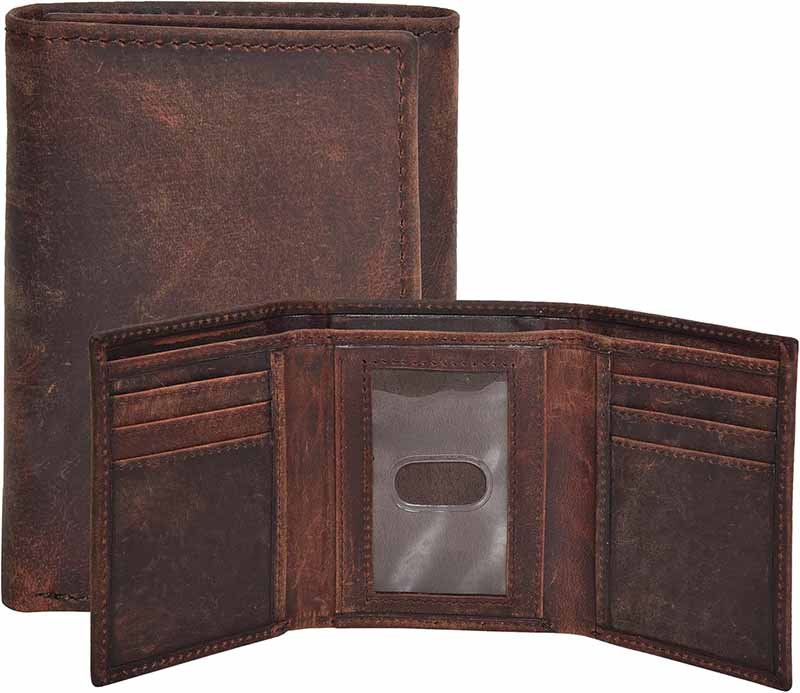
Leather wallets age gracefully — if you care for them correctly. But even the finest leather can dry, crack, or lose its color over time. The good news? You can bring it back to life with the right restoration process, turning wear into character and old into elegant.
To restore a leather wallet, clean it gently with a pH-balanced cleaner, condition it with natural oils or creams, repair scratches using leather balm, and restore color with dye or polish. Proper storage and waterproofing will extend its lifespan. With careful maintenance, a quality leather wallet can last over a decade and regain its rich texture and natural sheen.
Over time, daily handling, humidity, and exposure to sunlight take a toll. A wallet that once looked sleek and supple can start to feel dry and brittle. But rather than replacing it, restoration allows you to preserve its craftsmanship — especially if it’s made from high-quality leather. Let’s explore how to clean, repair, and revive it the expert way.
What Causes Leather Wallets to Age and Crack?
Leather, though durable, is a living material — made from natural fibers, oils, and proteins. Like human skin, it needs moisture and care to stay soft and resilient. Over time, external stress, heat, and neglect gradually strip away those natural oils, causing the fibers to weaken, stiffen, and eventually crack.
Leather wallets age and crack due to moisture loss, UV exposure, friction, and contact with body oils or chemicals. Heat and humidity fluctuations cause the leather’s natural oils to evaporate, making the surface brittle. Without proper conditioning and storage, fibers break down and cracks appear along folds and edges. Regular cleaning, hydration, and protection from sunlight can slow aging and preserve a wallet’s flexibility and natural shine.
The Science Behind Leather Aging
Leather is primarily composed of collagen fibers, which maintain elasticity and structure through a balance of oils and water. When those oils deplete — through exposure, time, or improper cleaning — the collagen network shrinks and stiffens. This process is called fiber desiccation, and it’s the primary cause of surface cracking.
Key aging processes include:
- Oxidation: Prolonged air exposure oxidizes fats in the leather, leading to dullness and surface dryness.
- Dehydration: Environmental moisture loss causes internal fiber tension, making the surface brittle.
- Thermal degradation: High heat breaks down collagen bonds, leading to visible fissures around fold areas.
A study by the International Journal of Leather Science (2023) found that leather exposed to 35°C heat for 7 days lost 38% of its elasticity compared to samples kept at room temperature.
Environmental Stress: The Invisible Enemy
Daily exposure to environmental factors has a cumulative effect on your wallet’s surface and structure.
| Environmental Factor | Effect on Leather | Preventive Action |
|---|---|---|
| Sunlight (UV radiation) | Fades color, breaks down natural oils | Store away from windows, use UV protectant |
| Humidity | Encourages mold growth or warping | Keep in dry, ventilated area |
| Heat | Accelerates dehydration and cracking | Avoid car dashboards or dryers |
| Pollution & Dust | Blocks pores, dulls surface | Regular cleaning with microfiber cloth |
Even subtle shifts in weather — such as moving from an air-conditioned room to outdoor humidity — create micro-expansions and contractions in the leather. Over time, this repeated stress leads to small fissures that eventually become visible cracks.
Human Contact and Daily Use
Your wallet lives close to your skin — and that’s both a blessing and a challenge. Natural body oils, sweat, and friction gradually alter the surface chemistry of the leather.
Common usage-related wear:
- Friction from tight pockets: Continuous rubbing compresses grain and wears down protective coatings.
- Sweat and oils: Acidic residues (pH 4–5) break down leather’s neutral balance (pH 6–7), causing discoloration or odor.
- Overstuffing: Stretched seams and folds experience micro-tears in the fiber structure.
While these effects are natural, lack of regular conditioning speeds up the degradation dramatically.
Improper Cleaning and Chemical Exposure
One of the most common but overlooked causes of premature cracking is the use of harsh cleaners or alcohol-based disinfectants. Every time a household cleaner or sanitizer touches the leather, it strips away protective oils that took months to accumulate.
Avoid:
- Alcohol wipes
- Detergent-based soaps
- Acetone or nail polish removers
- Vinegar without dilution
These chemicals disrupt the leather’s pH balance, causing rapid drying and surface peeling.
Instead, Szoneier recommends pH-neutral cleaners (pH 5.5–7.0) specifically formulated for natural hides. These retain fiber moisture and preserve the original hand feel.
Neglect and Lack of Conditioning
Leather requires occasional nourishment — ideally every 3–6 months — to maintain its flexibility. When neglected, natural oils evaporate, and the leather loses its ability to expand and contract without tearing.
Typical signs of neglect:
- Pale, chalky finish
- Rough or grainy surface
- Cracking along the spine or fold areas
- Unpleasant “stale” smell due to dried-out fibers
Conditioning with lanolin or beeswax-based creams not only restores moisture but also fills microfissures that would otherwise deepen into cracks.
| Conditioning Frequency | Climate Type | Recommendation |
|---|---|---|
| Every 3 months | Dry or cold | Use oil-based conditioner |
| Every 4–5 months | Temperate | Light conditioning cream |
| Every 6 months | Humid | Water-based formula with antifungal agent |
Leather Type and Finish Also Matter
Different types of leather age differently depending on how they’re processed.
- Full-grain leather develops a natural patina over time — aging beautifully if maintained.
- Top-grain leather has a corrected surface that resists wear but may crack if coating fails.
- PU or bonded leather lacks internal fiber integrity, so once the surface cracks, repair is difficult.
| Leather Type | Aging Behavior | Best Care Practice |
|---|---|---|
| Full-Grain | Develops patina | Use natural oil conditioner |
| Top-Grain | May peel if coating breaks | Avoid abrasive cleaners |
| Split/Bonded | Cracks easily | Apply protective coating regularly |
| PU (Synthetic) | Doesn’t “age” naturally | Use mild surface cleaner only |
Szoneier Leather, as a manufacturer, designs wallets primarily from vegetable-tanned full-grain cowhide — chosen for its ability to age gracefully and be fully restorable through conditioning and polishing.
Time, Texture, and the Beauty of Natural Aging
It’s important to note that aging isn’t always bad. The right kind of wear — a soft patina, darkened corners, and smooth folds — gives leather depth and authenticity. Cracking only becomes a problem when maintenance stops or the wrong products are applied.
How to Clean a Leather Wallet Safely
Cleaning a leather wallet may look simple — a quick wipe and you’re done, right? Not quite. Leather is a delicate, breathable material that reacts to temperature, pH, and moisture. Cleaning it improperly can remove its natural oils or even cause irreversible cracking. The goal isn’t to “scrub it clean,” but to refresh and preserve it — the way a craftsman would.
To clean a leather wallet safely, use a soft cloth and a mild pH-balanced leather cleaner. Remove dirt with gentle circular motions, then wipe with a dry cloth and allow it to air dry naturally. Avoid soaking, alcohol wipes, or direct heat. Regular cleaning every 2–3 months keeps leather supple, prevents mold, and maintains its natural color and texture without damaging the surface finish.
Why Cleaning Leather Is a Science, Not Just Maintenance
Leather’s surface contains micropores that absorb and release moisture. When exposed to skin oils, sweat, or dust, these pores clog — trapping contaminants that stiffen fibers and attract bacteria. Over time, this buildup leads to discoloration, odor, and texture loss.
But here’s the catch: leather’s pH is slightly acidic (around 4.5–5.5), while most household soaps are alkaline (pH 9–10). Using regular cleaners throws off this balance, drying and destabilizing the fibers. That’s why professionals — like the artisans at Szoneier Leather — only use pH-balanced formulas that clean without stripping essential oils.
Choosing the Right Cleaning Products
Selecting a proper cleaner determines whether your wallet stays supple or starts cracking within months.
| Type of Cleaner | Formula Base | Best For | Caution |
|---|---|---|---|
| Foaming leather cleaner | Water + surfactant | Routine surface cleaning | Avoid oversaturating |
| Cream-based conditioner | Beeswax, lanolin | Deep nourishment & cleaning | Use sparingly |
| Glycerin soap (neutral) | Natural glycerol | Vintage or vegetable-tanned leather | Don’t leave residue |
| Saddle soap | Alkaline + wax | Thick cowhide (industrial) | Too strong for wallets |
Szoneier Recommendation: Use a water-based, solvent-free formula enriched with lanolin or aloe — such as the type used in luxury bag finishing. It’s gentle, residue-free, and safe for fine-grain or semi-aniline leather.
Step-by-Step Cleaning Process
Here’s how professional leather craftsmen (and you) can clean a wallet without risking damage:
Step 1: Empty and Dust
Remove all cards and receipts. Shake out debris and brush seams gently with a soft-bristled brush to dislodge lint and particles trapped in stitching.
Step 2: Prepare a Cleaning Solution
Mix a few drops of pH-neutral leather cleaner with distilled water (never tap water, which may contain minerals). Dampen, don’t soak, a microfiber cloth. The cloth should feel cool and lightly moist, not wet.
Step 3: Gentle Wipe in Circular Motions
Apply light pressure in small circles, working from the edges inward. Focus on frequently touched areas — wallet folds, corners, and exterior panels. Avoid excessive rubbing, which can erode finish layers.
Step 4: Remove Residue
Use a separate dry microfiber cloth to remove leftover cleaner. Residue left behind may alter color tone or cause streaking after drying.
Step 5: Air-Dry Naturally
Lay the wallet flat on a clean towel in a cool, shaded area for 8–12 hours. Avoid:
- Hair dryers (heat shrinks fibers)
- Radiators or direct sunlight
- Hanging the wallet vertically (can stretch its shape)
Szoneier Expert Tip: During manufacturing, leather is dried slowly in humidity-controlled rooms (55–60% RH). Replicating this environment during cleaning prevents surface stress and uneven drying.
Mistakes to Avoid When Cleaning Leather
Even the best leather can be ruined by a few small missteps.
| Mistake | Result | Better Approach |
|---|---|---|
| Using alcohol-based wipes | Removes oils, causes brittleness | Use a damp cloth with cleaner |
| Over-saturating leather | Weakens internal fibers | Use minimal moisture |
| Applying household detergent | Alters pH, causes dullness | Use pH-neutral cleaner |
| Drying with heat | Cracks and shrinkage | Air-dry naturally |
| Skipping post-clean conditioning | Stiff texture, faded color | Always follow with conditioner |
Think of leather like your skin — when you over-clean it without moisturizing, it starts to crack.
Deep Cleaning for Heavily Soiled or Moldy Wallets
If your wallet smells musty or shows mold spots:
- Mix a 1:1 solution of distilled water and white vinegar.
- Wipe affected areas gently — vinegar naturally kills fungal spores.
- Let it dry fully, then condition immediately to reintroduce oils.
For old grease stains, sprinkle cornstarch or talc, leave overnight, then brush off and wipe clean. Repeat as needed.
Note: Mold thrives in humidity above 65%. Store wallets with silica gel or cedar blocks to absorb excess moisture.
Professional Cleaning: When to Seek Expert Help
Some stains — like ink, chemical burns, or severe discoloration — require professional leather restoration. Professionals use aniline-compatible pigments, ultrasonic cleaners, and controlled drying chambers that prevent structural damage.
Szoneier Leather’s Restoration Process Includes:
- Ultrasonic deep cleaning to lift embedded oils
- Steam softening to relax fiber tension
- Controlled rehydration with lanolin compounds
- Protective re-topcoating for future resistance
| Service | Purpose | Duration |
|---|---|---|
| Deep Cleaning | Removes embedded dirt | 24 hours |
| Fiber Rehydration | Restores softness | 12–16 hours |
| Topcoat Refinish | Adds protection layer | 6 hours |
| Final Buffing | Enhances sheen | 2 hours |
This ensures the wallet maintains its structural integrity, grain clarity, and color consistency — something DIY cleaning can’t always guarantee.
Maintenance Frequency and Preventive Care
Proper cleaning doesn’t need to be frequent — in fact, over-cleaning can cause dryness.
| Usage Level | Environment | Cleaning Frequency |
|---|---|---|
| Daily, high contact | Humid/tropical | Every 2 months |
| Moderate use | Temperate | Every 3–4 months |
| Occasional | Dry/cold | Twice a year |
Between cleanings, wipe your wallet weekly with a dry cloth to remove surface dust and oils. After each deep clean, apply a light layer of conditioner to seal moisture and maintain texture.
The Szoneier Leather Standard
As a professional manufacturer, Szoneier Leather treats cleaning as part of the product life cycle, not just aftercare. During production, each wallet undergoes:
- Surface oil balance checks (ensuring 10–12% moisture retention)
- Finish testing under UV and abrasion cycles (≥10,000 rubs)
- pH calibration after tanning to ensure stability over time
When you follow a similar standard in maintenance, your wallet remains as resilient and elegant as the day it was crafted.
How to Condition a Leather Wallet
Cleaning removes dirt — but conditioning restores life. Leather needs oils and nutrients to stay flexible, and without them it will stiffen and crack.
Condition your leather wallet every 3–6 months using a quality conditioner or natural oil. Apply a small amount with a soft cloth in circular motions, allow absorption for 10–15 minutes, then buff lightly. Conditioning prevents drying, restores color, and enhances sheen.
Why Conditioning Is Essential
Conditioning replenishes the leather’s natural fat content, restoring its soft feel and resilience. It also forms a protective barrier against moisture and dust.
Selecting Leather Conditioners
The best options are lanolin, beeswax, neatsfoot oil, or shea butter-based creams. Petroleum-based products may leave residue or clog pores.
| Type | Ideal Use | Result |
|---|---|---|
| Beeswax Cream | Dry climates | Glossy, rich finish |
| Lanolin Balm | Everyday care | Soft texture |
| Neatsfoot Oil | Heavily worn leather | Deep hydration |
Application Technique
- Use a lint-free cloth to apply a pea-sized amount.
- Rub gently in small circles to distribute evenly.
- Let sit for 10–15 minutes, then buff with a clean dry cloth.
- Avoid over-conditioning — once every few months is sufficient.
How to Repair Scratches, Stains, and Faded Color
Even premium leather isn’t immune to scuffs, water stains, or fading — but most can be repaired at home or by a skilled craftsman.
Repair leather wallet damage by treating scratches with leather balm, stains with diluted vinegar or cleaner, and fading with recoloring cream or dye. Use small amounts and work gradually for even results. Deep cracks or peeling edges should be repaired professionally.
Fixing Scratches and Scuffs
Minor scratches can be massaged away using natural oils (like jojoba or olive oil). For deeper marks, apply leather balm or recoloring cream in thin layers, blending with a sponge.
Treating Stains
- Water stains: Apply a damp cloth evenly across the surface to balance tone.
- Grease stains: Sprinkle cornstarch, leave overnight, and brush off.
- Ink stains: Use professional ink remover sparingly.
Restoring Color
Leather dyes or tinted balms can bring back faded tones. Apply two thin coats, let dry between applications, and seal with conditioner.
| Problem | Recommended Fix | DIY or Pro? |
|---|---|---|
| Light scratch | Oil or balm | DIY |
| Ink mark | Cleaner or dye | Pro |
| Peeling coating | Refinish surface | Pro |
| Uneven color | Recoloring cream | DIY |
Szoneier’s workshop uses aniline-compatible pigments and nano-spray sealing, ensuring recoloring lasts longer without changing leather texture.
How to Store and Protect Your Leather Wallet
Proper storage is the simplest, most overlooked form of leather care.
Store leather wallets in a cool, dry place away from sunlight. Keep them in a dust bag or breathable box, not plastic. Avoid humidity and overstuffing. Use silica gel to prevent mold, and condition before long-term storage.
Ideal Storage Environment
Maintain temperatures between 15–25°C and humidity below 60%. Use breathable fabric pouches (not airtight plastic).
Using Leather Protectants
Apply a waterproofing spray or UV-resistant coating after cleaning. Avoid silicone-heavy sprays — they can seal pores.
Daily Habits
- Don’t overload your wallet.
- Wipe moisture after contact with rain.
- Rotate wallets to avoid constant friction in the same spot.
A well-stored wallet can last 10–15 years, while neglected ones fail within 3–4.
Conclusion
Every scratch, crease, and faded corner on a leather wallet tells a story — not of damage, but of time, use, and personal journey. Restoring a leather wallet is not just about reviving its appearance; it’s about preserving craftsmanship, memory, and identity. True restoration honors the material’s past while preparing it for the future.
Your leather wallet deserves more than a quick fix — it deserves a second life shaped by experts who understand the science behind every stitch. Whether you’re a brand owner, a designer, or an individual collector, Szoneier Leather stands ready to transform aged wallets into refined works of functional art.
Start Your Restoration or Custom Project Today.
What Can I Do For You?
Here, developing your OEM/ODM private label leather goods collection is no longer a challenge,it’s an excellent opportunity to bring your creative vision to life.
Make A Sample First?
If you have your own tech packs, logo design artwork, or just an idea,please provide details about your project requirements, including preferred fabric, color, and customization options,we’re excited to assist you in bringing your leather goods designs to life through our sample production process.