
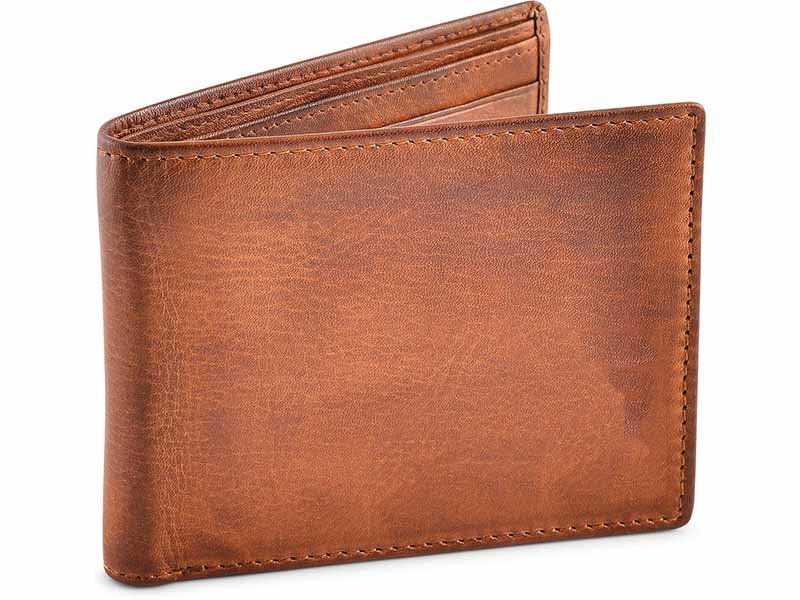
Leather wallets are timeless accessories, valued for their durability, style, and functionality. However, over time, leather wallets may experience a common issue: edge paint cracking. This problem can impact both the wallet’s appearance and its longevity. So, what causes edge paint to crack, and how can we prevent it?
Edge paint cracking in leather wallets results from factors such as improper leather preparation, inadequate paint application, and environmental conditions. With the right materials, application techniques, and care, you can extend the life of your leather wallet and keep the edges intact.
Imagine receiving a beautiful, finely crafted leather wallet—its edges polished to perfection. Yet, after a few months of regular use, you notice the edge paint is starting to crack. What went wrong? The issue lies in the interaction between the leather type, paint quality, and how the wallet is used. Understanding the root causes of edge paint cracking and how to prevent it can keep your wallet looking pristine for years.
What Is Edge Paint on Leather Wallets?
Edge paint is a finishing technique used to seal the edges of leather goods like wallets. It gives the leather a polished, smooth appearance and helps protect against fraying. However, poor application or low-quality paint can cause cracking.
Edge paint serves a dual purpose in leather wallet design: it protects the edges of the leather and adds a professional finish. The edges of leather goods are especially vulnerable to wear and damage, so edge paint helps prevent these issues while also improving the overall aesthetic of the wallet. High-quality edge paint can maintain its appearance for a long time, but improper use or environmental factors may lead to cracking and other forms of damage.
What Is Edge Paint Used For?
Edge paint serves the following functions in leather wallet design:
- Aesthetic Enhancement: It gives leather goods a clean, sleek finish, especially on the edges, which can often look rough or unfinished without treatment.
- Durability: By sealing the leather edges, edge paint protects them from fraying, abrasion, and moisture. This contributes to the wallet’s overall durability.
However, when edge paint is not applied correctly, it can lead to uneven finishes, peeling, or cracking, making the wallet less appealing and functional over time.
Why Edge Paint Quality Matters
The quality of edge paint is one of the most important factors determining whether it will crack or stay intact. High-quality edge paint provides a flexible and long-lasting finish, whereas cheaper alternatives may break down quickly under normal use. Here’s why quality matters:
- High-Quality Edge Paint: Typically made from acrylic-based compounds, these paints are more flexible and resistant to cracking. They retain their color longer and provide better protection to the leather.
- Low-Quality Edge Paint: Cheaper edge paints often lack the necessary flexibility and adhesion properties, making them more susceptible to cracking when exposed to moisture, heat, or friction.
| Edge Paint Quality | Flexibility | Durability | Best For |
|---|---|---|---|
| High-Quality (Acrylic-Based) | Flexible, resistant to cracking | Long-lasting, retains color | Luxury leather wallets, heavy-duty use |
| Low-Quality | Less flexible, prone to cracking | Wears quickly under stress | Budget-friendly wallets |
What Causes Edge Paint to Crack?
Edge paint cracking is caused by several factors, including leather type, application techniques, and environmental conditions. Understanding these factors helps prevent cracking and ensures the longevity of leather wallets.
There are various reasons why edge paint may crack over time. Some of the most common causes include improper leather preparation, poor paint quality, and exposure to moisture, heat, or friction. Let’s explore these factors in more detail.
What Leather Factors Lead to Cracking?
The type of leather used plays a significant role in how the edge paint adheres and performs over time. Here are some key considerations:
- Full-Grain Leather: Full-grain leather is the most resistant to stretch and wear, making it an excellent choice for high-end, luxury card holders. This leather type tends to handle edge paint much better than lower-quality leathers because it maintains its integrity over time.
- Top-Grain Leather: Top-grain leather is softer than full-grain, which makes it more prone to stretching. This can cause the edge paint to crack over time, especially if the leather is not properly conditioned or if it’s exposed to extreme conditions.
- Genuine Leather: Genuine leather is a budget-friendly option that often undergoes more processing, making it more prone to stretching and damage. The lower-quality surface can cause edge paint to crack more quickly.
| Leather Type | Durability | Stretch Resistance | Best For |
|---|---|---|---|
| Full-Grain Leather | Highly durable, resistant to cracking | Low stretch, retains shape | High-end wallets, luxury products |
| Top-Grain Leather | Durable, flexible | Moderate stretch | Everyday use, premium wallets |
| Genuine Leather | Less durable, prone to stretching | High stretch | Budget-friendly options |
What Process Issues Cause Cracking?
In addition to the leather type, the process used to apply the edge paint is crucial. Improper preparation or application can result in cracking. Here are some common process issues:
- Improper Leather Preparation: If the leather is not cleaned or conditioned properly before applying the paint, it may reject the paint or cause it to peel over time.
- Incorrect Application: Applying thick layers of edge paint or failing to allow sufficient drying time can result in cracking. The paint needs to be applied in thin layers to ensure proper adhesion.
- Environmental Exposure: Exposure to extreme temperatures, moisture, or sunlight can cause the leather to expand and contract, which can cause the edge paint to crack or peel.
| Process Issue | Effect on Edge Paint | Preventive Measure |
|---|---|---|
| Improper Leather Prep | Poor adhesion, cracking | Clean and condition leather properly |
| Excessive Paint Layers | Uneven cracking, peeling | Apply thin, even layers |
| Environmental Exposure | Cracking, peeling | Keep away from moisture and heat |
Which Materials Affect Edge Durability?
The quality of materials used in leather wallets, including the edge paint and the leather type, directly influences the durability of the edges. Choosing the right materials can prevent cracking and ensure longevity.
Materials play a crucial role in the overall performance and durability of leather wallets. While the leather type determines the flexibility and longevity of the product, the edge paint used can make all the difference in protecting the wallet from wear and tear. Different leather types and edge paint compositions interact with the environment in unique ways, affecting how they hold up over time. Let’s break down the materials that contribute to the durability of leather wallets.
Which Paints Resist Cracking Best?
The quality of edge paint directly impacts its ability to withstand cracking. There are various types of paints used for leather, and some are more resistant to wear and cracking than others:
- Acrylic-Based Paint: Acrylic paints are known for their flexibility and durability. They are the most commonly used paint for leather products, including wallets, because they offer a long-lasting finish that can resist cracking over time. The flexibility of acrylic-based paints allows them to expand and contract with the leather, reducing the likelihood of cracking.
- Polyurethane-Based Paint: Polyurethane edge paints provide a smooth finish and are very resistant to abrasion. They tend to be more rigid than acrylic-based paints, which means they may crack under extreme stress or frequent use. However, they offer great protection from wear and moisture, making them ideal for durable leather wallets that require more structure.
- Water-Based Paint: Water-based paints are generally more eco-friendly and easy to work with, but they might not offer the same resilience as acrylic or polyurethane paints. These paints can crack more easily, especially if the leather is exposed to high moisture levels or heat.
| Paint Type | Durability | Flexibility | Best For |
|---|---|---|---|
| Acrylic-Based Paint | Highly durable, flexible | Very flexible | Luxury leather goods, long-term use |
| Polyurethane-Based Paint | Durable, abrasion-resistant | Less flexible | High-wear items, structured designs |
| Water-Based Paint | Less durable, eco-friendly | Low flexibility | Casual, eco-friendly designs |
Choosing the right edge paint depends on the specific performance needs of the wallet. For luxury wallets, acrylic-based paint provides the best balance of flexibility and durability.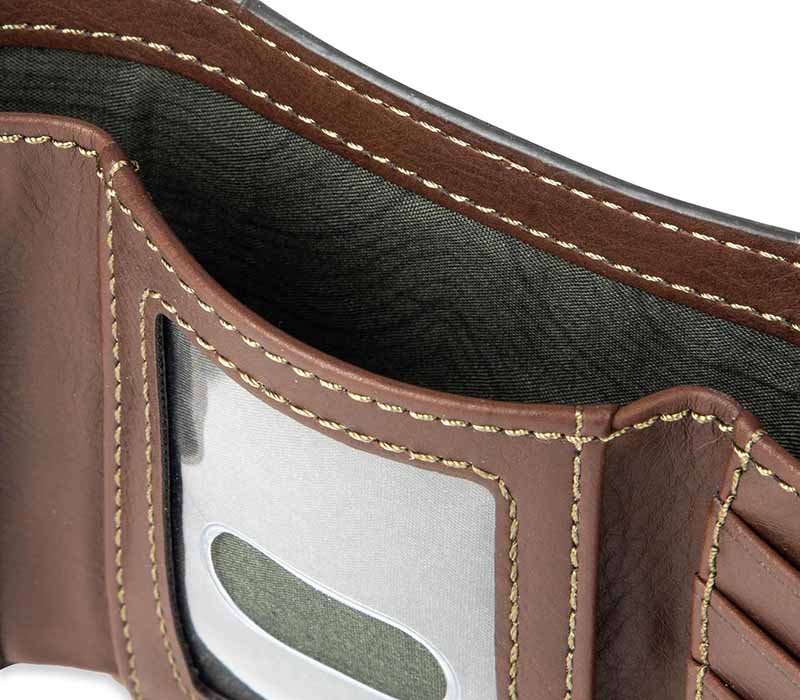
Which Leathers Hold Edge Paint Better?
The type of leather used in a wallet significantly affects how well the edge paint adheres and holds up over time. Different leathers have different textures and levels of porosity, which can either help or hinder the paint’s durability.
- Full-Grain Leather: Known for its natural strength, full-grain leather is highly resistant to stretching and cracking. Because it’s more dense, it provides a better surface for edge paint to adhere to. Full-grain leather wallets are long-lasting and can retain their shape even after frequent use, making them ideal for high-end wallets.
- Top-Grain Leather: This leather type is sanded and smoothed to remove imperfections, which makes it softer but still fairly durable. Top-grain leather can handle edge paint fairly well but is more susceptible to stretching compared to full-grain leather. However, it’s a good choice for luxury wallets that prioritize both aesthetic appeal and functionality.
- Genuine Leather: Genuine leather is typically less durable than full-grain and top-grain leathers. It’s more likely to stretch and lose shape over time, which can cause the edge paint to crack. However, for budget-friendly wallets, it’s a cost-effective option, though it may require more maintenance and care to prevent damage.
| Leather Type | Adhesion | Durability | Best For |
|---|---|---|---|
| Full-Grain Leather | Excellent adhesion, strong | Very durable, resistant to stretch | Premium wallets, luxury leather goods |
| Top-Grain Leather | Good adhesion, flexible | Durable, flexible | Everyday use, stylish wallets |
| Genuine Leather | Moderate adhesion | Less durable, prone to stretching | Budget-friendly wallets |
How to Prevent Edge Paint Cracking?
Preventing edge paint cracking requires proper leather preparation, the right paint choice, and careful application. By following the correct steps, you can ensure the longevity and durability of the wallet.
There are several ways to prevent edge paint cracking from occurring in leather wallets. From ensuring proper leather care to choosing the right materials and application techniques, each step plays a crucial role in maintaining the wallet’s functionality and appearance over time.
How Should Edges Be Prepared?
Proper preparation of the leather edges is key to ensuring that the edge paint adheres well and does not crack. Here’s a step-by-step guide on how to prepare the edges of a leather wallet:
- Clean the Edges: Start by cleaning the edges of the leather with a soft cloth and a mild cleaner. This removes any dust, dirt, or oil that might interfere with the adhesion of the paint.
- Sand the Edges: After cleaning, gently sand the edges of the leather using fine-grit sandpaper. This helps create a smooth surface and removes any roughness that could lead to uneven paint application or cracking.
- Condition the Leather: Apply a leather conditioner to hydrate the leather. Conditioned leather is more flexible, which reduces the likelihood of cracking as it absorbs the edge paint.
How Should Edge Paint Be Applied?
Once the leather edges are properly prepared, it’s time to apply the edge paint. Here’s the correct process to follow:
- Apply Thin Layers: Using a brush or applicator, apply a thin layer of edge paint. Allow the paint to dry completely before adding the next layer. Thin layers ensure that the paint remains flexible and doesn’t crack.
- Allow for Drying: Ensure that each layer of paint is given enough time to dry fully before adding the next layer. If layers are applied too quickly or without proper drying, the paint may crack.
- Apply a Protective Coating: After the final layer of paint has dried, apply a protective edge coating. This helps seal the paint, enhancing its resistance to wear, moisture, and cracking.
| Step | Importance | Best For |
|---|---|---|
| Cleaning | Removes dirt, oils for proper adhesion | Ensures smooth surface for paint |
| Sanding | Smoothens edges for even paint application | Ensures clean, consistent paint finish |
| Conditioning | Keeps leather flexible, reduces cracking | Long-term durability |
| Edge Coating | Seals the edges, prevents wear | Enhances longevity of the paint finish |
Do Use & Care Habits Affect Edge Paint?
Proper care is essential for preserving edge paint on leather wallets. Moisture, heat, and general handling can all affect how well the edge paint holds up over time.
Proper care habits significantly influence how well the edge paint remains intact on leather wallets. Regular maintenance, including keeping the wallet dry and using it in appropriate conditions, can prolong the life of the wallet’s edge finish.
Do Moisture and Heat Contribute to Cracking?
Yes, moisture and heat are two key factors that contribute to edge paint cracking. When leather is exposed to high humidity or extreme heat, it can expand and contract, which affects the paint. Here’s how to reduce these risks:
- Avoid Moisture: Keep your leather wallet away from excessive moisture. If it gets wet, allow it to dry naturally in a cool, dry place. Avoid using direct heat like a hairdryer, as it can damage the leather and paint.
- Protect from Heat: Avoid leaving your wallet in hot places such as a car dashboard or near direct sunlight. Prolonged exposure to heat can cause both the leather and edge paint to deteriorate.
| Environmental Factor | Effect on Edge Paint | Prevention |
|---|---|---|
| Moisture | Causes expansion, can crack paint | Keep leather dry, use moisture protection |
| Heat | Causes contraction and cracking | Store in a cool, dry place |
Do Proper Finishing and Maintenance Help?
Yes, proper finishing and maintenance can extend the life of the edge paint. Regularly applying a protective layer and conditioning the leather helps preserve the wallet’s appearance and functionality.
- Conditioning: Use a high-quality leather conditioner to keep the leather hydrated and flexible, preventing it from cracking.
- Reapplying Edge Coating: If you notice signs of wear, reapply edge coating to protect the edges from further damage.
| Maintenance Step | Effect on Durability | Best For |
|---|---|---|
| Conditioning | Keeps leather flexible, prevents cracking | Long-term wallet care |
| Reapplying Edge Coating | Protects edges from wear | Prevents damage and maintains edge finish |
Conclusion
Edge paint cracking is a common issue in leather wallets, but it can be effectively prevented with the right materials, preparation, and maintenance techniques. Proper edge paint application, careful leather conditioning, and environmental awareness are key to ensuring that your leather wallet remains in top condition.
At Szoneier Leather, we specialize in custom leather goods with durable edge finishes and premium quality materials. Whether you’re looking for luxury wallets or affordable options, we offer solutions that balance quality, durability, and affordability. Contact us today to design your custom leather wallet with the highest standards in craftsmanship.