
Are RFID Wallets Worth It: A Complete Guide
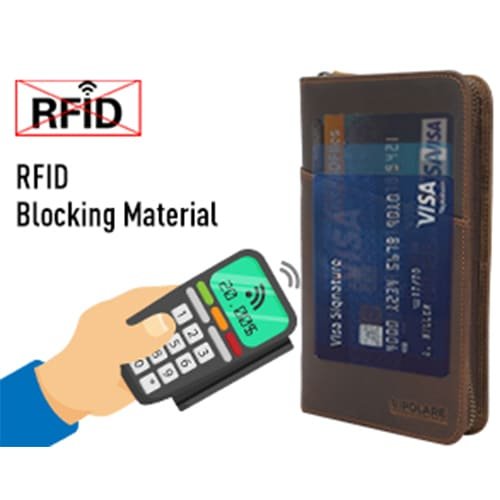
Digital security is a hot topic today, and the wallets we carry are no exception. RFID wallets—designed to block unauthorized scanning of credit cards and IDs—are popping up everywhere, from high-end leather boutiques to online marketplaces. But do they really deliver the protection they promise, or are they more of a clever marketing tactic than a necessity?
RFID wallets block wireless signals from RFID-enabled cards to prevent unauthorized data scans. They offer peace of mind, especially for frequent travelers or those carrying contactless cards and IDs. However, real-world RFID theft risks remain relatively low, thanks to modern chip security. For many buyers, RFID wallets are a value-added feature rather than an absolute necessity—making them worthwhile for some but not essential for everyone.
Before you buy—or add RFID wallets to your product line—let’s break down what they do, how they work, and whether they’re truly worth it.
What Is RFID in Wallets, and How Does It Work?
RFID stands for Radio Frequency Identification, a technology that allows small electronic chips embedded in cards, passports, or ID badges to communicate wirelessly with a reader when they are close together. If you’ve ever tapped your credit card to pay for coffee or swiped a hotel key card to open a door, you’ve used RFID technology in action. It’s fast, convenient, and widely adopted for contactless payments, building access systems, and even public transportation cards.
However, the same wireless convenience has raised concerns about unauthorized scanning, sometimes called “electronic pickpocketing.” In theory, a thief with a portable RFID reader could skim data by standing close to someone carrying RFID-enabled cards. While actual cases are relatively rare, the idea alone has made many travelers and consumers look for extra protection—and that’s where RFID wallets come in.
An RFID wallet contains a special lining made of conductive materials, often aluminum, copper, or proprietary metal blends, sewn inside the wallet’s layers. This lining acts like a Faraday cage, a concept from physics where a continuous conductive shield blocks electromagnetic fields. When you place your cards inside an RFID-blocking wallet, the shield absorbs or reflects the radio waves from any nearby scanner, preventing the signal from reaching your cards. No signal means no power to the chip—and without power, the chip can’t transmit data.
Different RFID wallets vary in design, shielding strength, and capacity. Some are slim minimalist cardholders; others are full-size bifold or passport wallets. High-quality versions undergo lab testing to verify compliance with RFID-blocking standards.
It’s important to note that modern EMV chip-and-PIN cards already have encryption and fraud protection features that make skimming data far less useful than criminals hope. Still, for frequent travelers, corporate professionals, or security-conscious buyers, RFID wallets offer peace of mind by combining practical everyday carry with a simple but effective shielding solution against even low-probability threats.
Which Cards Use RFID?
- Contactless credit and debit cards
- Public transit cards
- Some government IDs and passports
However, EMV chip cards (used by most banks) already have strong encryption, reducing the risk of cloning. That’s why many security experts argue RFID wallets offer extra peace of mind rather than essential protection.
What Risks Do RFID Wallets Actually Mitigate?
RFID wallets mainly protect against electronic pickpocketing, where thieves use scanners to skim card data. But documented cases remain rare, and modern payment security already limits potential fraud.
Real vs Perceived Threats
- Electronic Pickpocketing: Criminals use handheld scanners to read RFID chips within a few feet.
- Risk Reality: Security experts note very few confirmed theft cases via RFID skimming. Most fraud still happens through online breaches or stolen physical cards.
- High-Risk Environments: Busy tourist hubs, airports, or public transit areas may pose higher risks—but even then, encryption limits real damage.
Expert Opinion: The U.S. Federal Trade Commission and major banks report contactless card fraud as extremely low, suggesting the risk may be overstated by marketing rather than security statistics.
What Are the Pros and Cons of RFID Wallets?
RFID wallets provide added security and peace of mind, especially for travelers, but come with added costs, bulkier designs, and sometimes unnecessary features if you don’t use RFID cards.
Weighing the Benefits vs Drawbacks
Pros
- Security Assurance: Blocks unauthorized scans, offering psychological comfort.
- Travel-Friendly: Ideal for international travelers carrying passports with RFID chips.
- Added Features: Many models include premium leather, extra compartments, and modern designs.
Cons
- Overhyped Risk: Fraud data shows RFID skimming is rare.
- Bulk & Cost: Shielding materials add thickness and price to wallets.
- Limited Use: If you don’t carry RFID cards, protection is irrelevant.
Verdict: RFID wallets suit security-conscious travelers and professionals, but for everyday users, the value may be more emotional than functional.
How to Choose a Good RFID Wallet
If you’ve decided to purchase an RFID wallet—whether for personal use or as part of a bulk order for your retail or corporate brand—the next step is figuring out which one actually delivers real protection, quality, and value. Not all RFID wallets are created equal, so here’s a practical guide to help you choose wisely.
1. Check the RFID Blocking Technology
The main job of an RFID wallet is to block wireless signals that could power and read your card’s chip. Look for wallets with a certified shielding layer, often made from aluminum, copper, or specialized alloys. Reputable manufacturers sometimes provide lab test results or RFID compliance certifications to prove their products have been tested against commonly used frequencies, such as 13.56 MHz used by most credit cards and passports.
2. Consider Material Quality and Durability
RFID protection is only as good as the wallet surrounding it. High-end wallets use genuine leather, premium vegan leather, or durable synthetics like ballistic nylon. These materials resist wear, moisture, and daily use, ensuring the wallet lasts for years instead of months.
For brands, offering different material options lets you target various markets: premium leather for executive gifts, lightweight synthetics for travelers, and eco-friendly fabrics for sustainability-focused customers.
3. Evaluate Design, Size, and Usability
RFID wallets come in many styles:
- Minimalist Cardholders: Slim and pocket-friendly, great for everyday carry.
- Bifold/Trifold Wallets: More storage, space for cash, coins, and IDs.
- Passport Wallets: Ideal for travelers carrying multiple documents.
Consider your lifestyle—or your target market’s needs—before choosing a design. Frequent flyers often prefer slim but functional passport holders, while professionals want elegant bifold wallets that balance style with security.
4. Look for Extra Features
Modern RFID wallets often include:
- Dedicated card slots for organization
- Water-resistant coatings for outdoor durability
- Hidden compartments for added security
- Customization options for corporate branding
5. Verify Practicality Before Bulk Orders
For business buyers, request samples before mass production to test:
- RFID blocking performance
- Stitching quality
- Zipper and closure durability
- Card and cash capacity
Comparing RFID Wallets vs Alternatives
RFID wallets block wireless signals to prevent unauthorized scanning, while alternatives like RFID card sleeves, metal cardholders, or bank security features also reduce fraud risks at lower cost. RFID wallets offer all-in-one protection and style, but alternatives can be cheaper, lighter, or already built into modern payment cards, making them practical for many users.
Here’s how the main options compare:
1. RFID Wallets
- Pros: Integrated blocking layers, stylish designs, premium materials, multiple compartments for cards and cash.
- Cons: Higher cost, sometimes bulkier designs, overprotection if your cards don’t use RFID/NFC tech.
- Best For: Travelers, professionals, corporate buyers needing premium accessories.
2. RFID Card Sleeves
- Pros: Inexpensive, slim, can be added to any existing wallet.
- Cons: Single-purpose; protecting each card requires multiple sleeves; not as elegant as integrated solutions.
- Best For: Budget-conscious users or those carrying few RFID cards.
3. Metal Cardholders
- Pros: Naturally block RFID signals due to aluminum or stainless-steel bodies; minimalist designs.
- Cons: Limited capacity; may scratch cards; fewer traditional wallet features.
- Best For: Minimalist travelers, tech-savvy buyers.
4. Bank Security Features
- Pros: Modern EMV chip cards have encryption, dynamic codes, and zero-liability fraud policies.
- Cons: Don’t block scanning attempts; protection only activates after fraud occurs.
- Best For: Users trusting bank-level security over physical anti-skim devices.
5. Behavioral Security
- Pros: Simple habits—like avoiding unknown ATMs, not carrying unnecessary cards, and monitoring bank statements—cost nothing and prevent most fraud risks.
- Cons: Relies on user discipline; doesn’t physically block signals.
- Best For: Everyday users not traveling to high-risk locations.
Comparison Table: RFID Wallets vs Alternatives
| Option | Cost | Style & Convenience | Protection Level | Best For |
|---|---|---|---|---|
| RFID Wallets | Medium-High | Premium, all-in-one | High | Travelers, corporate gifting, retail buyers |
| RFID Card Sleeves | Low | Basic, single-purpose | Moderate | Budget users, minimal card carriers |
| Metal Cardholders | Medium | Minimalist, modern | High | Tech-savvy or minimalist buyers |
| Bank Security Features | Free | Invisible to user | High after fraud | Everyday cardholders, low-risk areas |
| Behavioral Security | Free | No accessories needed | Risk-preventive | Users relying on habits, not hardware |
Conclusion
RFID wallets offer a blend of security, style, and peace of mind in a world where contactless payments and smart ID cards are everywhere. While real-world RFID skimming risks remain low, these wallets provide an added layer of protection for travelers, professionals, and anyone who values privacy and modern design in one package.
For everyday consumers, the best RFID wallet balances certified blocking technology, durable materials, and practical design that fits their lifestyle—whether it’s a slim cardholder for daily use or a passport organizer for international trips. For businesses and retailers, RFID wallets open doors to premium product lines, corporate gifting options, and private-label branding opportunities with growing market demand.
Whether you want to launch your own RFID wallet line or add premium travel accessories to your retail store, we help turn ideas into high-quality, market-ready products with competitive pricing and fast turnaround.
What Can I Do For You?
Here, developing your OEM/ODM private label leather goods collection is no longer a challenge,it’s an excellent opportunity to bring your creative vision to life.
Make A Sample First?
If you have your own tech packs, logo design artwork, or just an idea,please provide details about your project requirements, including preferred fabric, color, and customization options,we’re excited to assist you in bringing your leather goods designs to life through our sample production process.