 Skip to content
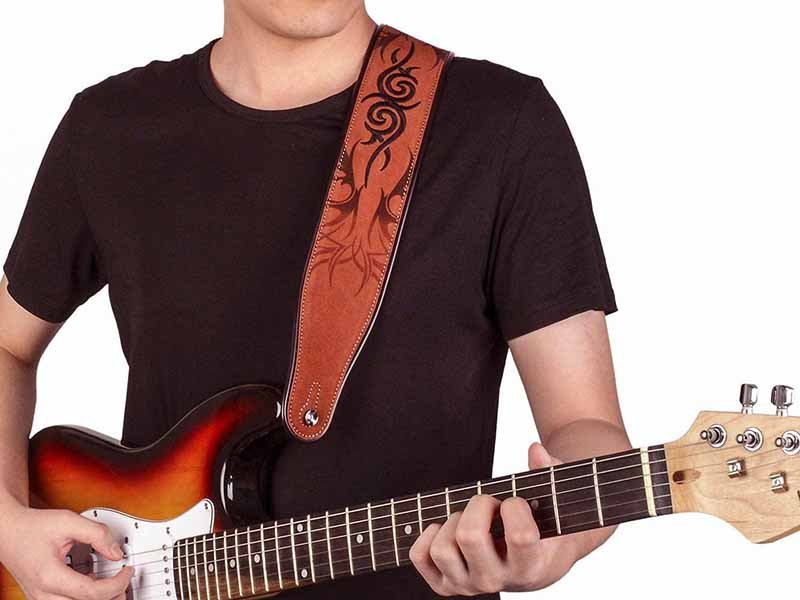
When selecting the ideal leather guitar strap, thickness plays a significant role in determining how the strap feels during long playing sessions and how well it supports the weight of your guitar. For guitarists, the choice between comfort and stiffness is often a trade-off. Thicker straps offer more support but can be stiff, while thinner straps provide greater flexibility but may lack the support needed for heavier instruments.
Leather guitar strap thickness is crucial for balancing comfort and support. Thicker straps provide better weight distribution but can feel stiffer, while thinner straps are more flexible but less supportive.
Finding the perfect thickness depends on factors such as the weight of the instrument, playstyle, and how long you play. This guide breaks down the various thickness options, their benefits, and helps you choose the best leather strap for your needs. Whether you’re a casual player or a professional musician, the right thickness can significantly impact your performance comfort.
What Is Leather Guitar Strap Thickness?
Leather guitar strap thickness is typically measured in millimeters (mm) or ounces (oz), and it affects the strap’s comfort, flexibility, and support. The measurement provides an understanding of how the strap will fit around your shoulder, how it distributes the guitar’s weight, and how flexible or rigid the strap feels during use.
Leather guitar strap thickness is measured in millimeters or ounces, impacting comfort, support, and durability. Thicker straps distribute weight better, while thinner straps offer flexibility.
What Thickness Ranges Are Common?
Leather guitar straps come in a variety of thicknesses, typically ranging from 2mm to 5mm. The thicker straps provide greater support, especially for heavier guitars, while thinner straps tend to be more flexible and comfortable for lighter instruments.
Common Thickness Ranges:
- 2mm–3mm (4–6oz): Ideal for electric guitars and lighter acoustic instruments. Provides good flexibility but less support.
- 3mm–4mm (7–8oz): A balanced range for acoustic guitars and standard electric guitars. Offers moderate comfort and support.
- 4mm–5mm (9–12oz): Best for bass guitars and heavy instruments, providing excellent weight distribution and support but with more stiffness.
| Thickness (mm) | Thickness (oz) | Best For | Comfort | Support |
|---|---|---|---|---|
| 2mm–3mm | 4–6oz | Electric guitars, light use | Flexible, soft | Lower support |
| 3mm–4mm | 7–8oz | Acoustic guitars, standard | Balanced comfort | Moderate support |
| 4mm–5mm | 9–12oz | Bass guitars, heavy use | Stiff, firm | High support |
How Is Thickness Measured (mm/oz)?
Leather strap thickness is typically measured in millimeters (mm) for precise measurements, or in ounces (oz), where 1 ounce equals about 0.4mm. The thickness measurement gives consumers and manufacturers a clear understanding of the leather’s weight, durability, and flexibility.
- Millimeters (mm): This measurement indicates the actual thickness of the leather.
- Ounces (oz): Commonly used in the leather industry, 1 ounce equals approximately 1/64th of an inch (about 0.4mm).
| Measurement Unit | Description | Conversion |
|---|---|---|
| Millimeters (mm) | Direct thickness of the leather | 1mm = 0.04 inches |
| Ounces (oz) | Leather thickness by weight | 1 oz = 0.4mm |
Thicker straps, typically in the 4–6oz range, are ideal for heavy guitars like bass guitars, providing better support but with a bit more stiffness.
Which Thickness Provides Better Comfort?
When it comes to comfort, thinner leather straps are often preferred, especially for guitarists who play for long periods. 2mm–3mm straps are lightweight and flexible, making them more comfortable for electric guitars and casual players. Thicker straps, while providing better weight distribution, can feel stiff and restrictive for long performances or practice sessions.
Thinner straps (2mm–3mm) offer greater flexibility and comfort, especially for lighter guitars. They are ideal for casual players or short playing sessions but provide less support.
What Thickness Feels Most Comfortable for Long Playing?
For long playing sessions, comfort largely depends on the balance between flexibility and support. Thin straps (2mm–3mm) are preferred for their softness and flexibility, but they may not offer the comfort needed for heavier guitars. For acoustic players or electric guitarists who perform for long hours, a 3mm–4mm strap provides a balanced fit with enough comfort and moderate stiffness to handle extended use.
| Strap Thickness | Comfort Level | Suitability for Long Playing |
|---|---|---|
| 2mm–3mm | High, flexible | Best for short sessions, light guitars |
| 3mm–4mm | Balanced, medium comfort | Suitable for extended playing with moderate guitars |
| 4mm–5mm | Medium, stiff | Good for heavy instruments but less comfortable for long durations |
How Does Padding Affect Comfort in Thick vs Thin Straps?
Padding plays a significant role in enhancing comfort, particularly for thicker straps. Thicker leather straps (4mm–5mm) without padding can feel too rigid, especially during extended use. By adding padding, you can make thicker straps more comfortable by providing extra cushioning and weight distribution.
- Padded thicker straps (4mm–5mm) provide excellent support while reducing the feeling of rigidity.
- Unpadded thinner straps (2mm–3mm) are flexible and comfortable but may not provide enough weight distribution for heavy guitars.
| Strap Thickness | With Padding | Without Padding |
|---|---|---|
| 2mm–3mm | Comfortable, flexible | Flexible, but less support |
| 3mm–4mm | Balanced comfort & support | Balanced, moderate comfort |
| 4mm–5mm | Very comfortable, firm support | Stiff, good for heavy instruments |
Do Players Notice Fatigue Differently by Thickness?
Yes, players notice fatigue differently based on the strap thickness. Thicker straps (4mm–5mm) distribute the weight of the guitar evenly, reducing pressure on the shoulder and significantly reducing fatigue during long sessions. Thinner straps (2mm–3mm), although more comfortable initially, may lead to shoulder strain over time, especially with heavier guitars.
A bass guitarist who plays for hours might prefer a 4mm–5mm padded strap, which offers high support and reduces shoulder strain. In contrast, an electric guitarist might feel comfortable with a 2mm strap for shorter performances but may experience discomfort after a long rehearsal.
How Does Thickness Affect Stiffness & Support?
Thickness plays a key role in the stiffness and support provided by a leather guitar strap. In general, thicker straps provide more support but can be stiffer, while thinner straps offer more flexibility but tend to lack the rigidity needed for heavier instruments. Understanding this balance is essential for choosing a strap that suits your guitar and playing style.
Thicker leather straps (4mm–5mm) offer more support but may feel stiff, while thinner straps (2mm–3mm) are more flexible but provide less support.
What Thickness Is Considered “Stiff”?
Stiffness in a leather guitar strap refers to how rigid the material is when placed around the shoulder. Thicker straps, especially those in the 4mm–5mm range, tend to be stiffer, offering more resistance and greater structure. This stiffness can provide excellent support for heavier instruments but may feel less comfortable over long periods of use.
- Stiff straps provide more stability for heavy guitars, preventing the strap from sliding or shifting during performances.
- However, stiffness can also cause discomfort during extended play, especially for players who prefer a softer feel.
How Does Stiffness Influence Strap Stability?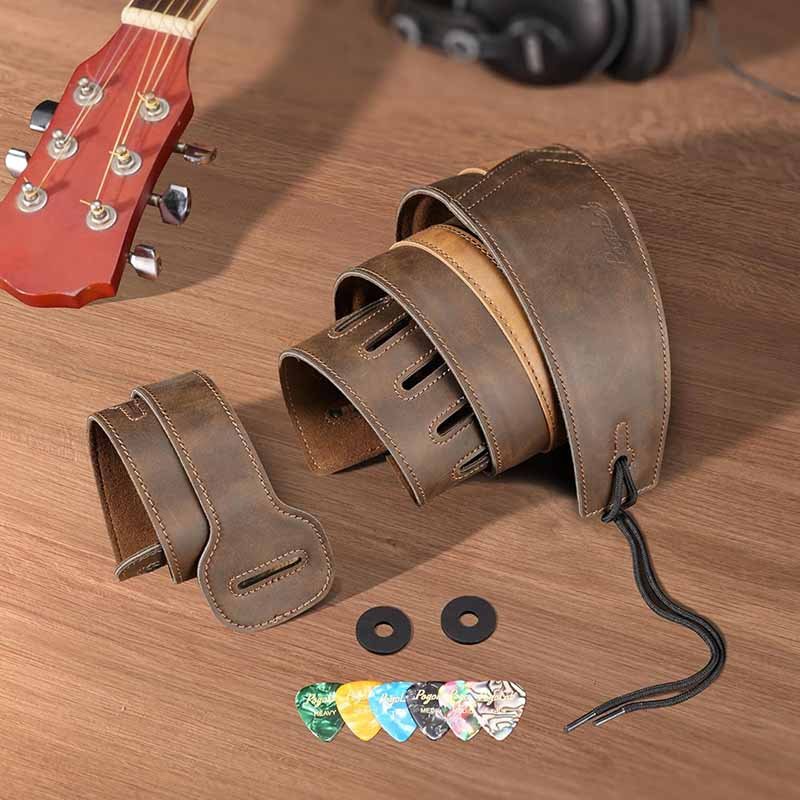
For heavier guitars (e.g., bass guitars or acoustic guitars), stiff leather straps are often more effective at maintaining stability. They don’t stretch or lose their shape easily, which helps to keep the guitar in place during performance.
- Thicker straps (4mm–5mm) are particularly effective for heavy instruments because they are less likely to move or stretch.
- Thinner straps are more flexible but may not distribute weight evenly, leading to slipping or shifting, especially if the guitar is heavy or worn for extended periods.
| Strap Thickness | Stiffness | Support | Best For |
|---|---|---|---|
| 2mm–3mm | Low, flexible | Low support | Light electric guitars |
| 3mm–4mm | Medium stiffness | Balanced support | Acoustic guitars |
| 4mm–5mm | High, rigid | High support, durable | Bass guitars, heavy instruments |
Are Heavy Instruments Better with Thicker Straps?
Yes, heavy instruments benefit from thicker straps as they provide the necessary support to distribute the weight more effectively.
- Bass guitars, heavier acoustic guitars, and larger instruments create more strain on the shoulder, making a thicker strap the best choice for comfort and long-term wear.
- A thicker strap ensures that weight is evenly distributed, reducing the strain on the shoulder and preventing the strap from digging into the skin.
A bass guitarist may find a 5mm thick strap ideal for extended performances, as it will help spread the weight of the instrument across the shoulder, reducing discomfort. A thinner 2mm strap, while more comfortable for short performances, may fail to provide adequate support for the heavier instrument.
Which Thickness Works Best for Different Players?
Choosing the right thickness for a guitar strap depends on several factors, including guitar type, playing style, and personal preference. Let’s break down which thickness works best for different types of players.
The ideal strap thickness depends on the instrument type and playing style. Thicker straps are better for heavier instruments or players who stand for long periods, while thinner straps are great for electric guitarists or casual players.
Is Thin Better for Casual Players?
For casual players or those who use lightweight guitars, a thin strap (2mm–3mm) is usually more comfortable. These straps provide greater flexibility and less resistance, which is perfect for short jam sessions or rehearsals.
- Electric guitarists who use lighter instruments (e.g., Stratocasters or Telecasters) often prefer thin straps as they allow for easy movement and don’t impede playing flexibility.
- Casual players may find thin straps less bulky, allowing them to focus on their playing without the feeling of rigidity or excess weight.
| Player Type | Ideal Strap Thickness | Comfort vs Support | Suitability |
|---|---|---|---|
| Casual Players | 2mm–3mm | Flexible, light support | Short sessions, light guitars |
| Electric Guitarists | 2mm–3mm | Comfortable, flexible | Lightweight instruments |
| Long-Session Players | 3mm–4mm | Balanced support | Extended play, moderate weight |
Which Thickness Do Professionals Often Prefer?
For professional musicians, the choice of strap thickness can vary based on their playing style and the type of guitar they use. Thicker straps (3mm–5mm) are often preferred by professionals who perform for long hours or use heavier instruments.
- Bass players and heavy acoustic guitarists often opt for thicker straps (4mm–5mm) for greater stability and to prevent shoulder fatigue during long sets.
- Professional electric guitarists who perform with lighter guitars might prefer 3mm–4mm straps, offering a balance between comfort and enough support for extended performances.
| Guitar Type | Preferred Strap Thickness | Reason for Preference | Comfort vs Stiffness |
|---|---|---|---|
| Bass Guitars | 4mm–5mm | High support for heavy instruments | Stiff, but supportive |
| Electric Guitars | 3mm–4mm | Moderate support and comfort | Balanced comfort |
| Acoustic Guitars | 3mm–4mm | Balanced comfort and support | Comfortable, moderate stiffness |
A professional bassist may prefer a 5mm thick strap to provide maximum support and prevent shoulder fatigue during long performances. Conversely, an electric guitarist might opt for a 3mm strap, as it provides enough comfort for shorter performances without being too bulky.
How to Choose the Right Thickness for Your Needs
Choosing the right strap thickness depends on various factors like guitar weight, playing duration, and comfort preferences. Here are some tips for selecting the perfect strap thickness based on your needs.
When choosing the right strap thickness, consider your guitar type, how long you play, and whether you prefer more flexibility or support. Testing different thicknesses can help you find the most comfortable option.
What Questions Should You Ask Before Choosing?
Before selecting a guitar strap, consider the following questions:
- What is the weight of your guitar?
- If you play a heavier instrument (like a bass guitar), choose a thicker strap for better support.
- How long do you play at a time?
- For long playing sessions, a thicker strap can help reduce fatigue by providing more support.
- What kind of feel do you prefer?
- Do you prefer a flexible strap (for electric guitars) or a stiffer strap (for heavier guitars) that provides more stability?
- What is your budget?
- Thinner straps are generally more affordable, while thicker straps may cost more but provide greater durability and comfort.
How to Test Thickness Comfort Before Purchase?
The best way to test the comfort of a leather strap is to try it with your instrument. When testing a strap:
- Check the fit: Ensure the strap fits comfortably on your shoulder and doesn’t dig in or slide off.
- Play with it: Strap the guitar on and play standing up. Test for any discomfort or shifting of the guitar.
- Consider padding: If a strap feels too stiff, look for a version with padding for added comfort.
What Trade-offs Should You Consider?
- Comfort vs Support: Thicker straps give you better support but may feel stiffer. Thinner straps provide more comfort but may lack the stability needed for heavy instruments.
- Durability vs Flexibility: A thicker strap might last longer but could be less flexible. Thinner straps are more flexible but may wear out faster.
Conclusion
The thickness of your leather guitar strap plays a pivotal role in your overall playing experience. Thicker straps (3mm–5mm) offer better support and weight distribution, ideal for heavier guitars or longer playing sessions. In contrast, thinner straps (2mm–3mm) provide greater flexibility and comfort, making them perfect for lightweight instruments or casual players.
Your choice should align with your guitar type, playing style, and comfort preferences. Whether you’re a professional musician or an occasional player, the right strap thickness can enhance your playing comfort and performance.
Custom Leather Guitar Straps by Szoneier
At Szoneier, we specialize in custom leather guitar straps designed for comfort and support. Whether you’re looking for a flexible 2mm strap for your electric guitar or a supportive 5mm strap for your bass, we provide personalized solutions tailored to your exact needs. Contact Szoneier today to create the perfect guitar strap for your playing style and instrument!