
How to Soften a Leather Tool Pouch: Tips & Best Practices
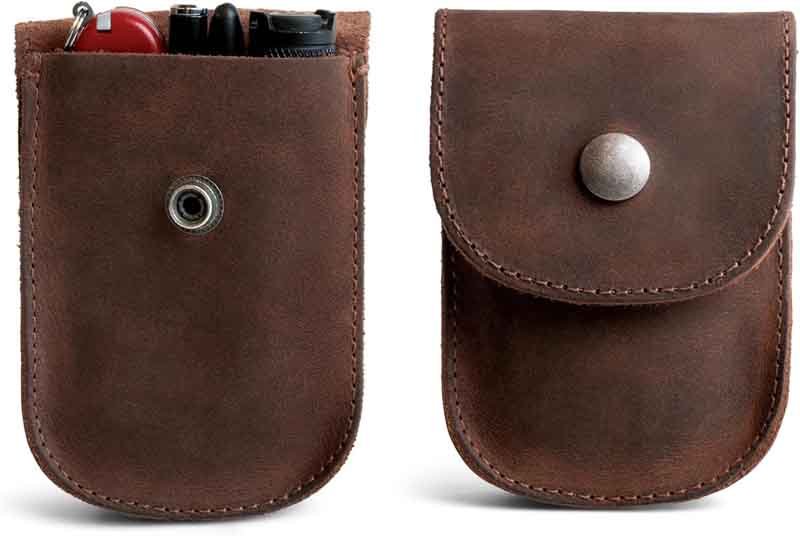
A brand-new leather tool pouch is often tough, unyielding, and rigid—almost too stubborn to work with. But over time, and with the right handling, it becomes a trusted companion, molding to your body and workflow like a second skin. The problem? Most people don’t want to wait months or risk damaging their investment to get that perfect fit.
So, how do you soften a leather tool pouch safely and effectively? Whether you’re a craftsman, tradesperson, or a brand sourcing custom leather goods from a manufacturer like Szoneier Leather, understanding the right methods can make all the difference.
To soften a leather tool pouch, use gentle conditioning oils, break-in techniques, and storage adjustments. Avoid heat, over-saturation, or cheap products that can damage the leather. Choosing soft leather and working with factories that pre-condition leather helps too.
Let’s explore how to make your leather pouch more flexible—from DIY home hacks to OEM production techniques.
What Is a Leather Tool Pouch and Why Might It Be Stiff?
A leather tool pouch is a rugged, often belt-mounted carrying case designed to hold hand tools, fasteners, or accessories for tradespeople, construction workers, electricians, carpenters, and even hobbyists. These pouches are favored for their durability, longevity, and classic aesthetic, and are typically crafted from thick full-grain or top-grain leather to endure rough usage and outdoor conditions.
However, one of the most common concerns—especially with newly manufactured or untreated pouches—is their initial stiffness. This rigidity isn’t a defect but a byproduct of the very qualities that make leather pouches long-lasting.
Why Leather Tool Pouches Feel Stiff at First
- Leather Thickness: High-quality tool pouches are often made from 2.0–3.0mm thick hides. This thickness offers protection and weight-bearing strength but makes the pouch feel rigid out of the box.
- Vegetable Tanning Process: Many premium pouches are vegetable-tanned, a traditional and eco-friendly method that results in firmer, stiffer leather compared to chrome-tanned alternatives.
- Lack of Conditioning: When shipped or displayed for sale, many pouches are unconditioned to preserve shelf life, leading to a dry and stiff surface that lacks the pliability of oiled or waxed leather.
- Stitching and Riveting Tension: In manufacturing, the leather pieces are sewn and riveted under tension to retain shape, further contributing to the initial hardness.
When Is Stiffness a Problem?
- Comfort and Usability: A rigid pouch can dig into the hip, restrict movement, or make retrieving tools difficult—especially for mobile users like electricians or framers.
- Break-in Time: Just like leather boots, leather pouches require a break-in period. Without proper care or usage, the stiff structure may take weeks or months to naturally soften.
- Cold Environments: Leather becomes less pliable in low temperatures, making winter work even more challenging if the pouch hasn’t been conditioned.
Which Materials and Construction Affect Softness?
The softness of a leather tool pouch depends primarily on the type of leather used, the tanning method, the leather’s thickness, and how the pouch is constructed. Full-grain, chrome-tanned, and oiled leathers tend to be softer, while vegetable-tanned, thick, and heavily stitched or riveted pouches are initially stiffer. Construction techniques like edge binding, internal linings, and pre-conditioning also influence flexibility.
Leather Type: Full-Grain vs Split vs Bonded
- Full-Grain Leather is the most durable and often the stiffest initially. It retains the hide’s natural surface and is ideal for long-term use. However, it requires a break-in period.
- Top-Grain Leather is slightly sanded down and typically feels softer out of the box while retaining much of the strength.
- Split Leather is taken from the lower layer of the hide and is more flexible but less durable—used in lighter-duty tool bags.
- Bonded Leather is made from leather scraps and polyurethane and is the softest and cheapest but lacks durability.
Tip: For a balance of softness and durability, top-grain chrome-tanned leather is ideal for tool pouches that need to be both pliable and rugged.
Tanning Method: Chrome vs Vegetable Tanning
| Tanning Type | Softness | Durability | Environmental Factor |
|---|---|---|---|
| Chrome-Tanned | Softer | Moderate | Less eco-friendly |
| Vegetable-Tanned | Stiffer | Excellent | Natural, sustainable |
| Oil-Tanned | Very Soft | High | Often used in premium workwear |
- Vegetable tanning produces firmer, more structured leather that takes longer to soften but ages beautifully over time.
- Chrome tanning uses chemicals to produce leather that is flexible and water-resistant. It’s quicker and results in a much softer product.
Thickness of the Leather
Leather thickness is often measured in ounces:
- 4–5 oz (1.6–2.0 mm): Medium flexibility; good for lighter tools
- 6–7 oz (2.4–2.8 mm): Sturdy and protective but initially rigid
- 8+ oz (3.2 mm+): Common in high-end tool belts; thick, durable, and very stiff
While thicker leather lasts longer, it must be softened manually or through use to prevent discomfort or usability issues.
Edge Finishing and Lining
- Edge Finishing: Rolled or burnished edges reduce friction and can improve pliability.
- Interior Lining: Suede or fabric lining not only adds luxury but also makes the pouch feel softer and protects tools better.
- Stiffeners: Some pouches use extra leather or plastic inserts for shape—great for structure but reduces softness.
Stitching and Reinforcement Techniques
- Double Stitching and Rivets ensure durability but restrict leather movement.
- Overly rigid stitching patterns around high-use areas (like tool sleeves or loops) contribute to stiffness.
- Factories like Szoneier use a balanced approach, optimizing between reinforcement and comfort.
Pre-conditioning and Surface Finishes
- Oil-treated or waxed leathers are significantly more supple.
- Pre-conditioned leather at the factory will arrive soft but may cost slightly more.
- Matte finishes tend to be softer than highly polished ones, which often include sealants that stiffen the surface.
How to Safely Soften a Leather Tool Pouch at Home or in Workshop
To safely soften a leather tool pouch, use leather conditioners or oils (like mink oil or neatsfoot oil), warm the pouch gently, and flex the leather gradually by hand. Avoid soaking in water or using heat guns, which may damage the leather. The key is controlled conditioning combined with regular wear-in techniques.
Softening leather isn’t just about making it feel nice—it’s about improving functionality, especially for tool pouches that need to mold to the body, hold shape, and stay durable. Below are the safest and most effective approaches to softening stiff leather.
1. Apply Leather Conditioner or Oil
One of the safest and most reliable methods is applying a leather-specific softening agent.
Recommended Products:
- Mink Oil: Adds flexibility and some waterproofing; darkens leather slightly.
- Neatsfoot Oil: Deep-penetrating and ideal for very stiff vegetable-tanned leather.
- Lanolin-Based Conditioners: Softer finish, great for chrome-tanned leather.
How-To:
- Clean the pouch with a soft, dry cloth.
- Use a soft sponge or lint-free cloth to apply a thin, even layer of oil or conditioner.
- Let the pouch sit for 12–24 hours in a room-temperature environment.
- Gently massage and flex the leather by hand.
- Wipe off any excess oil.
Tip: Test any oil or conditioner on a small, hidden area to observe darkening or spotting before applying to the entire surface.
2. Use Gentle Heat
Heat softens leather fibers but must be used very carefully.
Safe Heating Methods:
- Place the pouch near (not on) a radiator or heater for 10–15 minutes.
- Use a hairdryer on low heat held 12 inches away, moving continuously.
What Not to Do:
- Do not microwave.
- Do not expose to open flame.
- Do not use high heat or heat guns, which can harden and crack leather.
After warming, apply leather oil and flex by hand for best results.
3. Manual Flexing and Wear-In
Some stiffness simply needs to be worked out with manual use.
Manual Break-In Techniques:
- Bend and roll the pouch gently in both directions.
- Use your hands to knead the leather like dough.
- Place tools in and out of the loops to shape the leather.
Duration: This method takes days to weeks but preserves the pouch’s long-term integrity better than any chemical process.
4. Saddle Soap Cleaning + Conditioning Combo
Saddle soap both cleans and pre-softens the leather surface.
How-To:
- Apply saddle soap with a damp sponge in circular motions.
- Let it dry partially.
- Follow with leather conditioner.
- Let it absorb and flex by hand.
This combo is great for older pouches with grime buildup or dried leather.
5. Leather-Safe Softening Creams
Some industrial-grade leather creams are made specifically for heavy leather (work gloves, saddles, etc.).
Examples:
- Fiebing’s Leather Balm
- Lexol Leather Conditioner
These are applied in small amounts and rubbed into the grain for deep penetration.
6. Natural Method (for Minimal Softening)
If you prefer zero chemicals:
- Fill the pouch with tools to mimic real use.
- Wrap the pouch in a warm, damp (not wet) towel for 2–3 hours.
- Then flex the pouch and let it dry naturally in a shaded area.
- Massage with beeswax balm for added softness and shine.
Important Precautions
| Don’t Do This | Why It’s Dangerous |
|---|---|
| Soaking leather in water | Causes warping, mold, cracking |
| High heat (e.g., heat gun or oven) | May shrink or damage fiber structure |
| Petroleum jelly or motor oils | Clogs pores and causes permanent damage |
| Too much product | Over-conditioning weakens leather fibers |
Do Factory Pre-Treatments or Special Manufacturing Techniques Make a Difference?
Yes. Factory-level pre‑treatments such as drum‑tumbling, oil‑infusion, waxing, mechanical flexing, and moisture‑balancing significantly soften leather before it becomes a tool pouch. Manufacturers can also adjust leather thickness, panel engineering, and stitching tension to influence flexibility. These techniques create tool pouches that feel broken‑in from day one without sacrificing durability—something home softening methods cannot fully replicate.
While DIY methods can soften a leather tool pouch, the most effective softening happens before the pouch is even stitched together. At the manufacturing level, factories like Szoneier Leather have full control over leather selection, pre-treatment, tanning, construction design, moisture content, and structural engineering. These decisions directly affect how the pouch feels in your hand and how quickly it conforms to your workflow.
Below are the factory‑level processes that matter most.
1. Drum Tumbling (Mechanical Softening)
Drum tumbling is one of the most important industrial methods for softening leather.
How It Works: Leather hides are placed into large rotating drums that gently beat, roll, and massage the leather fibers.
Effects on Softness:
- Breaks down rigid collagen bonds
- Improves fiber elasticity
- Adds natural pliability without chemicals
- Creates a lived‑in feel
Why It Matters: A tumbled leather tool pouch feels “pre‑broken‑in,” eliminating the painful two‑week stiffness that many professionals dislike.
2. Oil‑Infusion and Wax Conditioning
Factories can soften leather chemically—but with professional precision.
Oil-Infusion
The hide is infused with oils (neatsfoot, lanolin, mineral blends) during the tanning stage.
Benefits:
- Deep fiber lubrication
- Longer-lasting softness
- Water‑resistant qualities
Wax Conditioning
Wax is added for protection and pliability.
Benefits:
- Smooth, supple feel
- Better durability in outdoor job environments
- Enhanced grip
Factory vs DIY Difference: Home conditioning only penetrates the surface; factory infusion permeates the entire hide.
3. Controlled Moisture & Humidity Balancing
Leather shipped or stored too dry becomes stiff. Factories adjust humidity during production:
- Pre‑hydration chambers restore moisture content
- Moisture‑balanced storage prevents early drying
- Heat drying with humidity control avoids surface hardening
This creates consistent softness across batches—a crucial quality for brand buyers.
4. Leather Splitting and Precision Thickness Control
The thickness of leather heavily influences softness.
Factories can split the hide precisely to target flexibility:
| Thickness | Result | Best Use |
|---|---|---|
| 2.0–2.3mm | Very flexible | Light tool pouches |
| 2.5–3.0mm | Balanced | Everyday trade pouches |
| 3.0–3.5mm | Firm but shape-holding | Heavy-duty belts & pouches |
5. Stitching Tension & Panel Engineering
Leather construction isn’t just aesthetic—it dramatically affects softness.
Stitching Tension
- Tight stitching = rigid structure
- Looser tension (in non‑load areas) = more pliability
Factory knowledge ensures structure where needed, softness where beneficial.
Panel Design Techniques
- Curved or articulated gussets allow flexible bending
- Multi‑panel pockets reduce tension points
- Strategic seam placement avoids stiff zones
- Cutout stress-relief notches improve movement
This is where true craftsmanship separates premium tool pouches from cheap ones.
6. Pre-Creasing and Mechanical Flexing
Factories can pre‑fold, shape, or mechanically flex the pouch before shipping:
- Pre‑folding belt loops
- Flexing tool pockets
- Shaping corners and gussets
- Pre‑stretching leather in tight pockets
Result: The pouch feels like it has already been used for a week.
7. Advanced Tanning Processes That Reduce Rigidity
Beyond basic chrome or veg tanning, advanced processes include:
- Fatliquoring: Oils and emulsifiers added during tanning to lubricate fibers
- Milling: Mechanical softening similar to tumbling but more intense
- Hybrid tanning: Combining chrome + veg for optimal softness and structure
These methods create leather that is both strong and supple—ideal for tool pouches that must hold weight without feeling like cardboard.
What Maintenance Practices Keep the Pouch Soft & Functional?
Proper maintenance practices—like regular conditioning, gentle cleaning, storage in breathable environments, and avoiding prolonged sun or moisture exposure—are essential to keeping leather tool pouches soft and durable. Without maintenance, even premium leather becomes dry, stiff, or cracked over time. Consistent care enhances the leather’s flexibility, waterproofing, and lifespan, especially in rugged work environments.
1. Clean Dirt and Sweat Without Drying Out the Leather
Dust, grime, and especially sweat salts can stiffen or deteriorate leather fibers if left untreated.
Recommended Method:
- Use a slightly damp microfiber cloth to wipe the pouch weekly.
- For deep cleaning, use a pH-balanced leather cleaner (avoid dish soap or alcohol-based sprays).
- Do not soak the leather; water saturation warps shape and stiffens grain.
Tip: Use circular motions and let the pouch air-dry completely before conditioning.
2. Condition Regularly to Replenish Oils and Prevent Cracking
Leather is skin—without oils, it dries out. Conditioning is essential for keeping it supple.
How Often to Condition:
- Light use (office/casual): Every 2–3 months
- Moderate use (indoor job sites): Monthly
- Heavy use (construction/outdoors): Every 2–3 weeks
Best Products to Use:
| Conditioner Type | Effect | Ideal Use |
|---|---|---|
| Neatsfoot Oil | Deep softening | Dry climates, stiff pouches |
| Mink Oil | Surface waterproofing | Outdoor usage |
| Lanolin Cream | Gentle, pliable finish | Soft-grain leather |
| Beeswax Blend | Conditioning + sealing | Harsh environments |
Avoid: Petroleum jelly or boot polish—they clog pores and prevent breathability.
3. Protect the Leather From Sun and Moisture Damage
UV rays dry out leather, while moisture causes mildew, shape loss, and rot.
Prevention Practices:
- Never leave the pouch in direct sunlight (like dashboard or window sill).
- If the pouch gets soaked, blot with a towel and air-dry slowly away from heat.
- Use a leather waterproofing spray or mink oil if working in rainy or humid areas.
Bonus: A canvas or waxed tool apron can add protective layering when used together.
4. Store in the Right Environment Between Uses
How and where you store your pouch matters.
Do:
- Hang or lay flat in a cool, dry area
- Use a breathable cotton bag or soft cloth to cover it
- Add a silica gel pack to absorb residual moisture in humid zones
Don’t:
- Seal in plastic (leather needs airflow)
- Store near heaters, vents, or windows
Pro Insight: Fluctuating humidity is worse than high humidity—leather shrinks and expands, causing hard spots.
5. Maintain Shape With Internal Fillers or Inserts
To keep the pouch soft and structurally functional, it needs to retain shape even when empty.
Simple Insert Ideas:
- Rolled-up microfiber cloths
- Paper towel tubes
- Foam rubber inserts
For long-term storage: Stuff lightly to avoid creasing and sagging.
6. Keep Stitching and Hardware in Good Condition
Soft leather alone won’t keep the pouch usable—the stitching and metal parts must stay healthy.
Tips:
- Use a leather-safe rust inhibitor or oil for metal snaps/zippers
- Check stitches regularly for fraying or gaps
- Repair minor tears early before they cause structural failure
Pro Add-On: Some brands apply beeswax to stitches to prevent rot in humid or marine environments.
7. Rotate Use to Reduce Wear Zones
If you have multiple pouches or belts:
- Rotate them weekly
- Use different compartments to balance wear
- Let used pouches air out fully before the next cycle
This practice extends the life of each and reduces repetitive crease hardening.
8. Optional: Reconditioning Every 1–2 Years
If the pouch becomes too stiff or weathered:
- Deep clean with saddle soap
- Apply two layers of conditioner with 24 hours between applications
- Flex manually over warm hands or mild steam (if leather permits)
This restores flexibility without re-softening from scratch.
Ready to Customize Leather Tool Pouches With Szoneier?
Whether you’re a hardware brand, an artisanal label, or a promotional goods supplier, Szoneier Leather helps you deliver leather pouches with the exact balance of function and comfort.
We offer:
- Expert material sourcing and prototyping
- Custom softness, color, and branding
- Fast sampling and global delivery
Talk to us today to begin your leather pouch project with confidence.
What Can I Do For You?
Here, developing your OEM/ODM private label leather goods collection is no longer a challenge,it’s an excellent opportunity to bring your creative vision to life.
Make A Sample First?
If you have your own tech packs, logo design artwork, or just an idea,please provide details about your project requirements, including preferred fabric, color, and customization options,we’re excited to assist you in bringing your leather goods designs to life through our sample production process.