 Skip to content
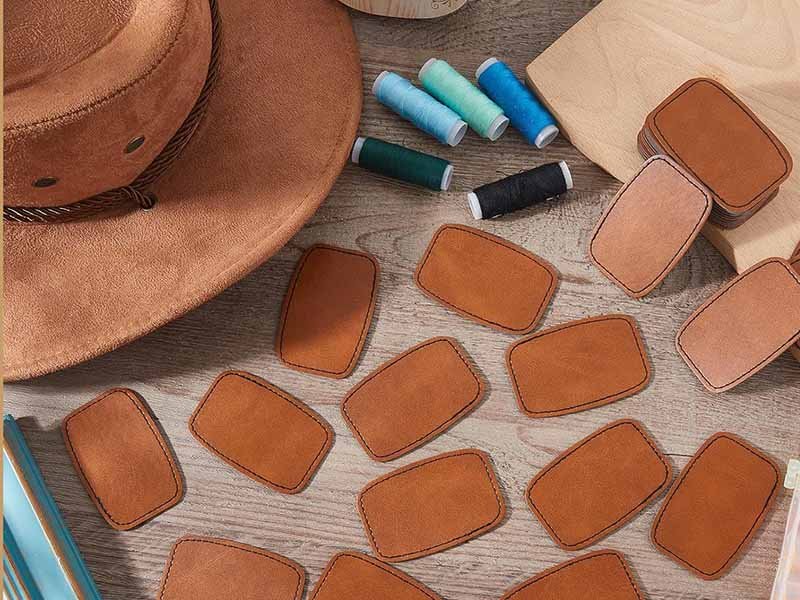
Leather goods are synonymous with quality, luxury, and durability. However, not all leather is created equal, and understanding the differences between leather types—especially split leather—is essential for anyone involved in leather goods manufacturing or purchasing. Often used for patches in various leather products, split leather offers an affordable solution, but is it always the right choice? When does split leather perform at its best, and when should manufacturers or consumers reconsider?
Split leather, derived from the lower layers of a hide, is often seen as a more budget-friendly option compared to its full-grain counterpart. Yet, many are unaware of the essential role it plays in leather goods, especially in the context of leather patches. In this article, we will explore what split leather is, when it’s used, its benefits, and drawbacks. We will also provide insights on when it is acceptable and how it stacks up against other types of leather.
- Split leather provides an affordable alternative to full-grain leather but is less durable.
- It’s commonly used in leather patches, offering flexibility, but with limitations for high-stress applications.
- Customer expectations play a crucial role in deciding whether split leather is acceptable for specific products.
What Is Split Leather?
Split leather refers to the lower layers of the hide that remain after the top, full-grain leather has been removed. While it offers some of the qualities of natural leather, it lacks the strength, texture, and beauty of the top layers. This distinction is key to understanding its applications in products like leather patches.
| Leather Type | Characteristics | Common Uses | Durability |
|---|---|---|---|
| Full-Grain | Retains natural texture, more durable, develops a patina | High-end bags, wallets, luxury items | Very high |
| Top-Grain | Sanded to remove imperfections, soft texture | Premium products, jackets, furniture | High |
| Split Leather | Thinner, smooth, lacks texture, more flexible | Budget goods, linings, patches | Low to moderate |
What makes split leather different from full grain?
Split leather differs significantly from full-grain leather, the most durable and premium part of the hide. While full-grain leather retains the outermost layer with natural markings, texture, and imperfections, split leather lacks these characteristics, offering a more uniform and smooth surface. This difference impacts both the visual appeal and performance of the leather in different applications.
| Feature | Full-Grain Leather | Split Leather |
|---|---|---|
| Texture | Natural, textured | Smooth, uniform |
| Durability | Very durable, resistant to wear | Less durable, prone to wear |
| Appearance | Rich, develops patina | Lacks patina, more artificial looking |
| Cost | Expensive | Affordable |
How is split leather produced?
The production process for split leather begins with the splitting of a hide into multiple layers. Once the top layer is removed for full-grain leather, the remaining layers are processed into split leather. This involves buffing, dyeing, or coating the leather to improve its texture and appearance. The texture of split leather can vary, with some products treated to resemble more expensive leathers, but it remains inherently thinner and more flexible.
What are common uses of split leather?
Split leather is commonly used for products that do not require the high durability or aesthetics of full-grain leather. Some common uses include:
- Leather Patches: Commonly used as patches on items like bags, jackets, and shoes, where the leather is not the main focus but provides design or branding elements.
- Wallets & Accessories: Often used in the linings of budget-friendly wallets and small leather goods.
- Footwear & Upholstery: Split leather can be found in budget shoes and furniture upholstery, offering cost savings while still maintaining a genuine leather look.
| Product Type | Split Leather Use | Common Benefit | Drawback |
|---|---|---|---|
| Wallets | Lining, interior accents | Cost-effective, retains leather feel | Less durable |
| Bags | Patchwork, lining | Affordable alternative | Lacks patina |
| Footwear | Inserts, heels | Reduced manufacturing cost | Wears faster |
Which Leather Patches Use Split Leather?
Split leather is widely used for leather patches because it provides a low-cost option while maintaining the appearance of real leather. Leather patches made from split leather are commonly found on:
- Backpacks: Many manufacturers opt for split leather patches to reduce costs, especially on straps or base panels.
- Jackets: Leather patches made from split leather add branding or design elements at a lower cost compared to full-grain.
- Shoes & Accessories: Common in budget-friendly products, split leather patches can provide an authentic leather look without the price tag of full-grain leather.
Which products commonly contain split leather patches?
Products that typically feature split leather patches include backpacks, jackets, and shoes. These products often require durability but do not necessarily need the high-performance standards of full-grain leather. As a result, split leather offers an ideal solution to keep costs low while still providing the appearance of genuine leather.
| Product Type | Split Leather Patch Use | Key Benefit |
|---|---|---|
| Backpacks | Exterior patches, labels | Affordable, stylish |
| Jackets | Branding, design accents | Flexibility in design |
| Shoes | Heel reinforcements | Cost-saving material |
What are the visual and texture indications?
When inspecting split leather patches, look for a smoother, more uniform surface compared to full-grain leather. While full-grain leather maintains natural imperfections and textures, split leather has a more consistent, smooth finish. This can be both a benefit and a drawback, depending on the desired appearance for the product.
| Characteristic | Full-Grain Leather | Split Leather |
|---|---|---|
| Surface Texture | Rich and textured | Smooth, uniform |
| Markings | Natural, unique | Few to no markings |
How do brands label split leather patches?
Brands typically label split leather patches under the generic term “genuine leather”, though this can be misleading. Genuine leather simply means it’s made from animal hide, but does not specify the quality. Reputable brands will label products accurately, such as “split leather” or “genuine leather with split leather accents,” providing greater transparency about the materials used.
Why Do Manufacturers Use Split Leather?
Manufacturers use split leather for a variety of reasons, but primarily due to its cost-effectiveness, flexibility, and suitability for certain products where durability or high-end aesthetics are less critical. Split leather offers a genuine leather feel at a significantly lower price, making it an appealing choice for many products across the leather goods industry. Let’s dive into the key reasons manufacturers prefer split leather for specific applications.
How Does Split Leather Reduce Cost?
Split leather is significantly more affordable than full-grain leather, and this is one of the primary reasons manufacturers use it. The cost benefits come from several factors tied to both the raw material and production processes.
- Lower Raw Material Costs: Split leather is derived from the inner layers of the hide, which are typically less durable and less visually appealing than the top layers used in full-grain leather. Because of this, split leather is less expensive to source. In fact, split leather can cost 2–3 times less than full-grain leather depending on the thickness and grade of the hide. This significant difference in cost allows manufacturers to keep production costs low, which is crucial for making affordable products.
- Less Processing Required: Full-grain leather often requires extensive processing to enhance its appearance and durability. Split leather, being thinner and more uniform, requires less time to process, leading to shorter production timelines. The simplified processing helps reduce labor costs and production time, further lowering the overall cost of goods.
- More Efficient Material Use: Since split leather comes from the lower layers of the hide, it helps maximize the use of the entire hide. By utilizing the parts of the hide that would otherwise go unused, manufacturers can minimize material waste. This efficient use of resources allows companies to produce leather goods at a lower cost while still maintaining authenticity.
| Leather Type | Average Cost per Hide (USD) | Production Cost Comparison | Cost Advantage over Full-Grain |
|---|---|---|---|
| Full-Grain Leather | $150–$300 | High production cost | 2–3 times more expensive |
| Split Leather | $50–$100 | Lower production cost | Significant savings in materials and labor |
Why Is Split Leather Preferred for Certain Accessories?
Split leather is frequently chosen for accessories like wallets, belts, keychains, and pouches due to its affordability, flexibility, and ability to maintain a genuine leather appearance without the premium price tag.
Why is split leather ideal for accessories?
- Cost-Effectiveness for Entry-Level Products: Accessories such as wallets and keychains are often entry-level products where customers expect genuine leather but may not be willing to pay the price for premium leather. Split leather allows manufacturers to offer genuine leather accessories at a lower price, making it an ideal option for mass-market items or affordable fashion accessories.
- Flexibility and Versatility: Accessories often require smaller leather pieces that need to be flexible and easy to work with. Split leather’s soft texture and thin profile make it easier to handle for small products such as wallet linings, straps, and small decorative patches. This makes it a practical choice for items that need to maintain a level of durability while offering design flexibility.
- Surface Uniformity: Since split leather is processed to be more uniform, it offers a smooth surface that is ideal for embossing, printing, or engraving designs. Manufacturers often use split leather to produce personalized accessories, where the focus is on branding or custom designs rather than texture or patina development.
| Product Type | Reason for Using Split Leather | Advantage in Production | Price Benefit |
|---|---|---|---|
| Wallets | Lining and interior components | Affordable, easy to work with | More affordable than full-grain leather |
| Belts | Straps and small accent pieces | Lightweight, flexible | Lower material cost |
| Keychains | Small decorative pieces | Cost-effective, stylish | Competitive pricing for fashion accessories |
A fashion brand offering affordable leather wallets uses split leather for internal compartments. This allows them to keep production costs low while still providing genuine leather for outer panels, which are the most visible. This combination provides a premium look while making the wallet affordable for budget-conscious buyers.
What Benefits Does Split Leather Offer in Leather Patches?
Split leather is widely used in leather patches for products like jackets, bags, and shoes. Leather patches often serve both functional and aesthetic purposes, and split leather offers several advantages when used in these applications.
What makes split leather ideal for patches?
- Cost-Effective Customization: Leather patches often display logos, branding, or design elements on products like jackets or bags. Split leather allows manufacturers to add genuine leather patches without driving up the cost of the product. For example, adding split leather patches on a $50 backpack can elevate the product’s appearance without significantly raising the price.
- Durability in Low-Wear Areas: Leather patches, particularly those used for branding or decorative accents, don’t face the same wear and tear as other parts of the product (such as the handles or exterior panels of a bag). In these cases, split leather offers sufficient durability without compromising quality. Since patches are typically less exposed to abrasion, the lower durability of split leather is less of a concern.
- Visual Appeal: Split leather can be dyed and embossed to create custom designs, making it an ideal choice for personalized leather patches. It offers a high level of design flexibility, especially when the patches need to carry a specific branding element or logo.
| Application | Advantage of Using Split Leather | Product Example | Reason for Use |
|---|---|---|---|
| Branding Patches | Cost-effective, customizable | Backpacks, jackets | Affordable for logos and accents |
| Decorative Patches | Flexible, easy to handle | Jackets, shoes | Adds authenticity without high costs |
| Logos and Designs | Uniform texture for embossing | Accessories, apparel | Ideal for high-volume customization |
A custom bag manufacturer uses split leather patches for personalized branding on their products. The logo patch is created using split leather, which is then dyed to match the color scheme of the bag. This allows the brand to add a premium look to the product while keeping the overall cost competitive in the market.
When Is Split Leather Acceptable?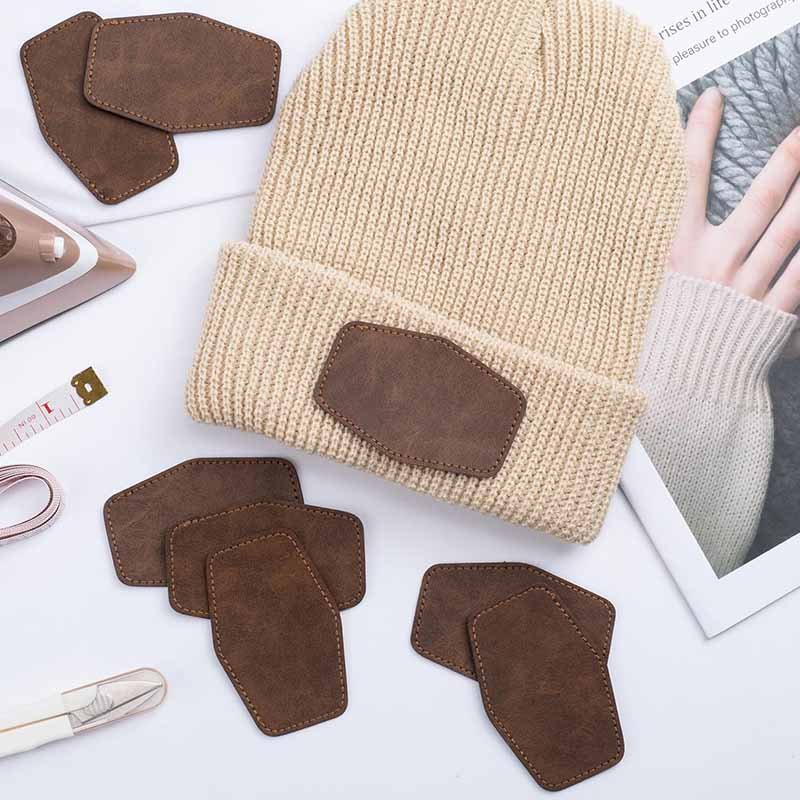
Split leather offers a cost-effective solution for leather goods, but it comes with trade-offs in terms of durability and aesthetic appeal. Understanding when split leather is acceptable for use requires a careful balance of factors like intended product usage, consumer expectations, and cost considerations. Below, we break down the scenarios where split leather is a practical choice for manufacturers and buyers.
Is it acceptable in budget leather goods?
Yes, split leather is commonly used in budget leather goods, and for good reason: it provides an affordable option without sacrificing the authentic look and feel of leather. Budget-conscious buyers often seek genuine leather products, and split leather delivers on that demand without the premium price tag associated with full-grain leather.
What makes it acceptable?
- Cost Advantage: Split leather is generally 2-3 times cheaper than full-grain leather, making it the preferred choice for mass-market products like wallets, belts, and accessories. For example, while full-grain leather wallets may retail for $100–$150, split leather versions can be offered for $30–$50, appealing to buyers seeking genuine leather without the high cost.
- Durability for Light Use: For products that don’t face heavy wear (like wallets or keychains), split leather offers a reasonable degree of durability. It can withstand daily use in light-duty products, making it a viable option for accessories that are not exposed to harsh conditions.
- Functional, Stylish Designs: Manufacturers can use split leather to create functional and visually appealing products at an affordable price. With the right dyeing and embossing, split leather can mimic the appearance of more expensive materials, giving consumers a genuine leather look for a fraction of the price.
| Product Type | Typical Leather Type | Key Reason for Acceptability | Price Comparison |
|---|---|---|---|
| Wallets | Split Leather | Affordable, genuine leather feel | 2–3x cheaper than full-grain |
| Belts | Split Leather | Cost-effective for fashion accessories | Much lower production cost |
| Keychains | Split Leather | Lightweight and durable for everyday use | Substantially cheaper than full-grain |
A fashion brand manufacturing leather wallets for a broad market uses split leather for the interior linings and internal pockets. This helps keep production costs down while still delivering a genuine leather product that appeals to cost-conscious consumers.
When is split leather suitable for durability?
Split leather can still offer acceptable durability in products that don’t undergo constant stress. Its suitability for durability depends on the intended use of the product and the environment in which it will be used. Split leather excels in applications where light-to-medium wear is expected, but not in products that need to withstand heavy abuse.
When is split leather appropriate for durability?
- Interior Parts of Bags and Accessories: Split leather works well for linings, hidden compartments, or interior patches of products like handbags or backpacks. Since these areas are not exposed to high levels of wear, split leather can be an excellent choice to keep costs low without compromising overall quality.
- Smaller Leather Goods: Split leather is suitable for smaller accessories like wallets, pouches, and clutch bags that don’t endure heavy physical wear. The flexibility and affordable pricing of split leather allow manufacturers to offer attractive, functional products at a lower price point.
- Decorative and Non-Stress Areas: For decorative patches or logos on bags, jackets, and footwear, split leather can still perform well if it’s handled properly. Since these areas are not subjected to high stress, split leather provides an affordable option without significant durability concerns.
| Product Type | Use for Split Leather | Durability Expectation | Reason for Acceptability |
|---|---|---|---|
| Backpack Interior | Lining, compartments | Low wear, hidden parts | Affordable and flexible |
| Wallets | Interior patches | Light daily use | Cost-effective for mass market |
| Clothing Accents | Logos, decorative patches | Not exposed to stress | Suitable for fashion items |
A budget backpack uses split leather for its internal linings and pocket dividers. This keeps the product affordable while ensuring the main sections—exterior panels—remain durable with full-grain leather. The split leather lining adds a touch of authenticity without sacrificing quality or longevity in areas not exposed to wear.
What Customer Expectations Matter for Acceptability?
When considering split leather for a product, customer expectations are critical. Understanding what customers value in terms of quality, durability, and price will help determine whether split leather is acceptable for a particular product. Here are the key customer expectations that manufacturers must address:
- Price Sensitivity: Customers looking for affordable leather products are generally more willing to accept split leather. For mass-market buyers, the key is delivering a genuine leather look at a fraction of the price of premium options.
- Authenticity and Brand Trust: Buyers may still expect genuine leather in all products, even if they are budget-conscious. Clear communication about the use of split leather and how it compares to higher-end options like full-grain can help build trust. Brands that openly disclose the type of leather used in their products often see higher customer satisfaction.
- Durability Concerns: Consumers purchasing premium leather goods expect long-lasting products with strong resistance to wear. For high-end products such as luxury handbags, footwear, and outerwear, customers will likely expect full-grain leather due to its ability to age beautifully and withstand wear.
- Aesthetic Preferences: Customers may have specific expectations regarding the look and feel of the leather. While split leather can be dyed and embossed to resemble higher-end leathers, consumers often expect full-grain leather for items that require unique grain patterns, imperfections, and natural texture.
| Customer Factor | Expected Leather Type | Acceptable Use of Split Leather |
|---|---|---|
| Price Sensitivity | Budget-friendly leather | Split leather is widely accepted |
| Brand Trust | Authentic leather | Transparency about split leather is key |
| Durability | Long-lasting goods | Split leather acceptable in light-use items |
| Aesthetic Quality | Rich texture, patina | Split leather used for non-visible areas |
A mid-range brand sells leather jackets with full-grain leather exteriors and split leather patches. This satisfies consumers’ desire for premium quality on the outside while keeping production costs lower on the less-exposed areas like interior lining and branding patches. Customers appreciate the transparency and the affordable pricing that still offers a genuine leather product.
Are There Drawbacks to Split Leather Patches?
While split leather is an affordable alternative, it does come with several drawbacks, particularly in terms of durability and performance. When used in leather patches, the key concerns are the wear and tear it undergoes, and how it ages compared to full-grain leather.
How does split leather age vs full grain?
Split leather does not age as gracefully as full-grain leather. Full-grain leather develops a patina over time, a rich, desirable change in appearance that adds character and enhances the leather’s appeal. Split leather, however, tends to lose its texture and wear down faster due to its thinner composition and lack of natural markings. Over time, split leather can show signs of wear more quickly, including fading, creasing, and cracking, especially in high-use areas like pockets, wallets, or shoes.
Full-Grain Leather Aging Process:
- Patina Development: Full-grain leather becomes more beautiful and richer with age, adding value to the product.
- Durability: The natural toughness of full-grain leather means it withstands wear over time, often lasting decades when properly cared for.
In contrast, split leather might show surface damage, such as:
- Fading: The color may fade faster than full-grain.
- Cracking: The lack of the thick top layer means it is more prone to cracking with flexing or impact.
| Aging Factor | Full-Grain Leather | Split Leather |
|---|---|---|
| Patina | Develops a rich, dark patina over time | Does not develop patina |
| Durability | High resistance to wear | Prone to fading and cracking |
| Aesthetic | Becomes more attractive with age | Loses texture over time |
What performance limitations should buyers expect?
When it comes to performance, split leather is often less durable than full-grain leather. Its thinness and smooth texture mean that it is more likely to tear or scuff when subjected to heavy use. For products like bags, jackets, or footwear, where durability is a key consideration, split leather may not be the best choice for components exposed to abrasion or stress.
| Product Type | Performance with Split Leather | Durability Concern |
|---|---|---|
| Bags | Affordable, but less durable | High-stress areas may wear down |
| Jackets | Suitable for decorative patches | More prone to scuffing and fading |
| Footwear | Good for lining or accents | May not hold up under heavy use |
Additionally, split leather patches may not be as water-resistant or weather-resistant as full-grain leather. In products where protection from the elements is important, such as outdoor gear or bags, manufacturers might opt for other leather types or coatings.
Do consumers feel the difference?
Yes, consumers who are familiar with leather quality can easily feel the difference between split leather and full-grain leather. Full-grain leather has a more substantial feel, with visible natural texture and distinctive grain patterns that add to its richness. Split leather, on the other hand, feels softer but thinner, and may have a more uniform appearance.
For high-end leather goods, such as luxury wallets or premium bags, the lack of texture and the thinness of split leather can make a noticeable difference. Consumers may also perceive split leather as less authentic, leading them to expect a lower price point. As a result, the market perception of products with split leather patches often affects sales performance in the luxury segment.
How to Evaluate Leather Quality at Purchase
Knowing how to evaluate leather quality is essential for both manufacturers and consumers. When purchasing leather products with patches made from split leather, buyers should be able to assess the quality of the leather, particularly in terms of texture, flexibility, and finish.
What tests or inspections can buyers do?
There are several ways buyers can evaluate leather quality at the point of purchase:
- Tactile Tests:
- Feel the leather: Full-grain leather feels firm and substantial, while split leather is more flexible and softer to the touch.
- Check for imperfections: Full-grain leather typically has imperfections like scars or marks that enhance its appeal, while split leather tends to be more uniform and artificial in appearance.
- Water Test:
- Full-grain leather absorbs moisture slowly and shows water spots that add to its natural aging.
- Split leather may absorb moisture quickly and is more likely to leave water stains.
| Test | Full-Grain Leather | Split Leather |
|---|---|---|
| Feel | Firm, substantial, textured | Softer, more flexible |
| Water Test | Slow absorption, natural spots | Fast absorption, stains visible |
| Durability | Long-lasting, develops patina | Prone to fading and wear |
- Stretch Test:
- Pulling the leather lightly can help assess its flexibility and strength. Full-grain leather will resist stretching, while split leather will stretch more easily due to its thinner structure.
How to read leather labeling & marketing claims?
Understanding leather terminology is key to making an informed purchase. Here are some common terms to look for and their meanings:
- Genuine Leather: This term generally refers to any leather product, but it does not specify whether it’s full-grain or split leather.
- Full-Grain Leather: Indicates the highest quality leather, made from the top layer of the hide.
- Top-Grain Leather: Slightly inferior to full-grain, this leather has been sanded and treated to remove imperfections.
- Split Leather: Refers specifically to leather made from the lower layers of the hide and typically used for products like patches or linings.
Consumers should seek transparency from manufacturers and ask about the leather used in products. Reputable brands will clearly label their products to indicate whether they use split leather, full-grain, or other leather types.
What questions should buyers ask manufacturers?
When purchasing leather goods, it’s important to ask the right questions to ensure transparency and quality. Some useful questions include:
- What type of leather is used in the product?
- Is it full-grain leather or split leather?
- How is the leather treated and finished?
- What testing or quality assurance processes does the leather undergo before use?
These questions help build confidence in the product’s quality and ensure that customers get exactly what they’re looking for.
Custom Leather Products by Szoneier
If you’re looking for custom leather goods, Szoneier offers tailored solutions in both split leather and full-grain leather. Whether you need leather patches, wallets, or premium bags, we can help you create a product that matches your brand’s requirements. Contact Szoneier today to start your custom project and get high-quality leather products made to your exact specifications.