
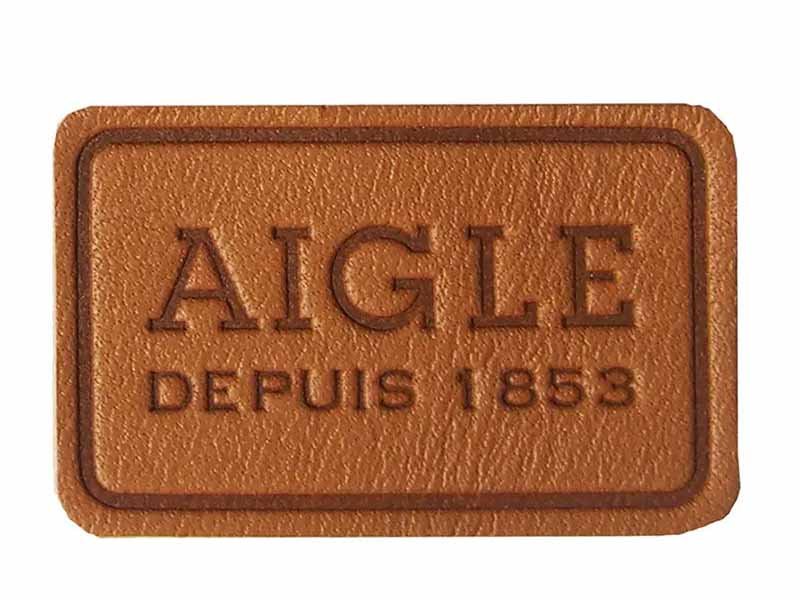
A debossed leather patch looks simple, but anyone who has actually developed one for a bag, wallet, belt, strap, accessory, or leather box knows the result can vary a lot. One patch may show a logo with crisp edges, balanced depth, and a premium feel. Another may look flat, blurry, overly pressed, or uneven from piece to piece. For brands that care about presentation, that difference matters. A clean debossed patch does more than show a logo. It signals product quality, factory capability, and attention to detail.
The good result most customers want is not created by stamping harder and deeper. In fact, too much pressure can damage the leather grain, distort the patch shape, and make fine details disappear. Clean logo depth comes from balance. The leather must have the right firmness, thickness, and surface character. The die must be engraved with the correct depth, line width, and edge treatment. Heat, pressure, dwell time, and moisture condition must all match the leather. If one part is off, the final patch may still be usable, but it will not look sharp, stable, or premium.
In real leather goods production, the best debossed leather patches are usually achieved through four things working together: suitable leather selection, disciplined logo artwork preparation, precision die making, and stable stamping control in production. For many branded products, a leather thickness of around 1.2 mm to 1.8 mm, paired with a well-made metal die and controlled pressure, gives the best balance between logo clarity and material stability.
At SzoneierLeather, where leather goods have been developed and produced for more than 18 years, this kind of detail matters because the patch is often one of the first brand elements a customer notices. A small patch can influence the whole impression of a product. When someone opens a leather wallet box, touches a premium strap, or picks up a custom leather bag, that recessed logo often speaks before any sales copy does. That is why clean logo depth is not a small finishing detail. It is part of the product itself.
What Are Debossed Leather Patches?
Debossed leather patches are leather pieces marked with a recessed logo or design pressed into the leather surface by a metal die. Instead of adding color on top, sewing on a label, or building the logo upward, debossing pushes the design downward into the material. The result is quiet, tactile, and durable. For many leather products, this is one of the most effective ways to show brand identity without making the product look busy or overdesigned.
What Is a Debossed Logo on Leather Patches?
A debossed logo is a logo that sits below the leather surface. When pressure and heat are applied through a custom metal die, the leather fibers compress and form the shape of the design. This creates a mark that can be seen and felt.
For many brands, debossing is preferred because it feels more integrated into the product. It does not sit on top like a print, and it does not rely on separate trims like woven labels or metal plates. It becomes part of the leather itself.
This method is widely used on:
| Product Category | Common Debossed Patch Use |
|---|---|
| Leather bags | Front logo patch, inside brand tab, strap patch |
| Wallets | Inner logo panel, card slot area, outer corner mark |
| Belts | Logo tab, size patch, back-side branding |
| Straps | Logo patch near buckle or hardware |
| Leather accessories | Small brand mark on cases, sleeves, holders |
| Leather boxes | Top lid logo patch, side brand panel |
From a customer’s point of view, a debossed logo usually communicates three things very quickly: the product feels more refined, the branding looks permanent, and the design looks more mature.
Compared with other branding methods, debossing performs well in daily use because there is no surface ink to crack and no separate label edge to peel. That makes it especially useful for products handled often, such as wallets, belts, key holders, straps, and carry accessories.
Another point many customers care about is visual tone. A printed logo can sometimes look too commercial on premium leather goods. A debossed logo is quieter. It gives identity without overpowering the material.
How Are Debossed Leather Patches Made?
A clean debossed leather patch is the result of several connected production steps. If any one of these steps is handled loosely, the final logo can lose sharpness or consistency.
A standard development and production flow usually includes:
| Stage | What Happens | Why It Matters |
|---|---|---|
| Logo file review | Artwork is checked for line width, spacing, and small details | Prevents unclear logo results |
| Die drawing | Artwork is translated into die-ready technical format | Ensures correct engraving depth |
| Die making | Brass, zinc, magnesium, or steel die is engraved | Directly affects logo clarity |
| Leather selection | Leather type, thickness, finish, and firmness are confirmed | Determines how well the impression holds |
| Sample stamping | Trial patches are stamped and adjusted | Reduces risk before bulk production |
| Production stamping | Controlled heat and pressure are applied | Ensures batch consistency |
| Quality check | Depth, edge clarity, and placement are inspected | Confirms visual standard |
In real factory work, debossing is not only about pressing a logo into leather. It is about matching the die to the leather and then matching the machine setting to both.
Three production variables have the biggest influence:
| Variable | Common Working Range | Effect on Result |
|---|---|---|
| Leather thickness | 1.0 mm – 2.0 mm | Influences depth and stability |
| Stamping temperature | 80°C – 140°C | Affects fiber compression and edge sharpness |
| Pressure level | depends on machine and leather | Controls depth and detail formation |
If temperature is too low, the logo may look weak and shallow. If temperature is too high, the leather surface may darken too much, gloss over, or show unwanted burn marks. If pressure is too light, the logo lacks definition. If pressure is too heavy, the grain may crush and the edges can become distorted.
This is why experienced factories do not jump directly into mass production after receiving artwork. They usually develop test samples first. Even when two leathers have the same thickness, they may not respond the same way to the same die setting.
For custom leather brands, this matters because the patch often needs to match the overall tone of the product. A luxury leather gift box may need a deeper, slower, cleaner deboss. A rugged leather belt patch may accept stronger texture and more visible pressure effect. The process should follow the product goal, not just the machine habit.
Why Do Brands Use Debossed Leather Patches?
Brands use debossed leather patches because they offer a rare combination of durability, subtlety, and product value. In leather goods, branding that looks too loud can reduce the premium feel. On the other hand, branding that is too light or too small may disappear. Debossing sits in a useful middle position. It is visible, tactile, and long-lasting, but still elegant.
For many leather product lines, debossed patches are chosen for practical reasons as well as visual ones.
Here is a comparison that many product developers find useful:
| Branding Method | Premium Feel | Durability | Cost Control | Best Use |
|---|---|---|---|---|
| Printing | Medium | Medium to low | Good | Color logos, promotional products |
| Embroidery label | Medium | Good | Good | Textile or mixed-material goods |
| Metal plate | High | Good | Medium to high | Decorative branding, fashion items |
| Embossed logo | High | Good | Medium | Raised effect on suitable leathers |
| Debossed leather patch | High | Very good | Medium | Premium leather goods and packaging |
Debossed patches are especially popular for products where the material itself should remain the focus. This includes premium wallets, leather belts, leather boxes, custom gift sets, luggage tags, straps, notebook covers, and brand accessories.
Brands also like debossed patches because they work well with many design directions:
- minimal logo systems
- heritage-style leather goods
- premium packaging
- private label collections
- understated luxury products
- outdoor or work-inspired leather accessories
Another reason is long-term use. On leather goods that are handled daily, customers do not want a logo that flakes, rubs off, or looks outdated quickly. A debossed patch is more physically integrated into the material, so it tends to age with the leather rather than separate from it.
For B2B customers, there is also a business reason behind this choice. A well-executed debossed leather patch can improve product perception without heavily increasing trim complexity. That means it can support a stronger selling price while keeping the branding method relatively clean and production-friendly.
At SzoneierLeather, this is why many custom projects use debossed patches for bags, wallets, straps, belts, small accessories, and leather boxes. It gives customers a refined logo presentation while still allowing flexibility in leather choice, patch size, edge finish, stitch method, adhesive backing, and final product assembly.
Which Leather Is Best for Debossed Leather Patches?
Not all leather reacts the same way under a debossing die. Some leathers compress cleanly and hold the logo shape well. Others are too soft, too coated, too corrected, or too unstable to show a sharp impression. This is why leather selection is one of the first real technical decisions in patch development. A strong die cannot fully fix the wrong leather.
Which Leather Holds Debossed Logo Depth Best?
The leather that holds logo depth best usually has a stable internal fiber structure, moderate firmness, and a surface that does not fight against compression too much. In many custom projects, vegetable-tanned leather performs very well because it responds clearly to pressure and holds the debossed shape for a long time.
Here is a practical comparison:
| Leather Type | Logo Edge Clarity | Depth Retention | Surface Stability | Overall Deboss Performance |
|---|---|---|---|---|
| Vegetable-tanned leather | Excellent | Excellent | High | Excellent |
| Full-grain leather | Very good | Very good | High | Very good |
| Top-grain leather | Good | Good | Medium to high | Good |
| Corrected grain leather | Medium | Medium | Medium | Moderate |
| Bonded leather | Low | Low | Low | Poor |
Vegetable-tanned leather is often chosen for premium patches because the structure is firmer and the logo usually looks cleaner. Full-grain leather also performs well, especially when the grain is not too heavy or irregular. Top-grain leather can produce good results too, but quality can vary depending on finishing.
Corrected or heavily coated leathers may still deboss, but the result is often less refined. The coating can interfere with edge sharpness, and some surfaces rebound slightly after stamping, reducing the final depth.
From a customer’s perspective, the key question is not only “Can this leather be debossed?” but “Will it still look good after handling, packing, transport, and daily use?” That is the better test.
Do Thick Leathers Improve Debossed Logo Depth?
Leather thickness has a big effect on how deep and stable the logo can be. In many cases, moderate thickness works best. Leather that is too thin may show a weak logo or transfer the pressure mark to the back side in an unattractive way. Leather that is too thick may require more force and can lose fine detail if the logo is too small.
A useful working guide looks like this:
| Leather Thickness | Common Deboss Result | Best Use Case |
|---|---|---|
| 0.8 mm | Light logo, limited depth | Small accessories, lining applications |
| 1.0 mm | Better logo visibility | Thin patch use, lighter goods |
| 1.2 mm | Good balance | Wallets, straps, accessories |
| 1.5 mm | Strong clarity and depth | Bags, belts, premium patches |
| 1.8 mm | Deep, solid effect | Heavy patches, rugged goods |
| 2.0 mm+ | Strong depth possible, but fine details need care | Thick belts, heavy leather boxes |
For many branded leather patch projects, 1.2 mm to 1.8 mm is a very workable range. It gives enough body for a visible impression while still allowing control over small logo elements.
Customers often assume deeper is always better. That is not always true. An overly deep logo can make the patch look harsh, especially on smoother premium leather. It can also weaken the visual balance if the patch is small. Clean depth is not maximum depth. It is depth that looks intentional, proportionate, and stable.
If the patch is going onto a luxury wallet or refined leather gift box, the target may be a crisp but moderate recess. If it is for a rugged outdoor strap or heritage-style belt, a stronger and more visible deboss may work better.
Are Vegetable-Tanned Leathers Good for Debossed Leather Patches?
Yes, in many cases they are one of the best options. Vegetable-tanned leathers are well known for how they react to pressure, heat, and shaping. They are also popular for premium goods because they age naturally and develop character over time.
For debossed patches, vegetable-tanned leather offers several useful advantages:
| Advantage | Why Customers Care |
|---|---|
| Cleaner edge definition | The logo looks sharper and more premium |
| Strong depth retention | The mark stays visible longer |
| More stable pressing response | Easier to control across production batches |
| Natural material feel | Supports higher-end product positioning |
That said, not every vegetable-tanned leather is identical. Firmness, oil content, finish, and grain character still vary by tannery and article. Some are dry and crisp, some are waxy, some are pull-up, and some are more flexible. So even within vegetable-tanned leather, sampling remains important.
Customers developing custom products should also consider the final application. A patch for a soft fashion bag may need a slightly different leather behavior than a patch for a belt or box lid. The goal is not simply to choose the most expensive leather. It is to choose the leather that gives the logo the right visual character and holds up well in the final product.
At SzoneierLeather, leather patch development usually starts by looking at the full product, not only the patch in isolation. The factory checks the logo style, target market, leather color, thickness range, product category, and expected use environment. That helps ensure the patch not only debosses well, but also feels right with the full bag, wallet, belt, strap, accessory, or leather box it belongs to.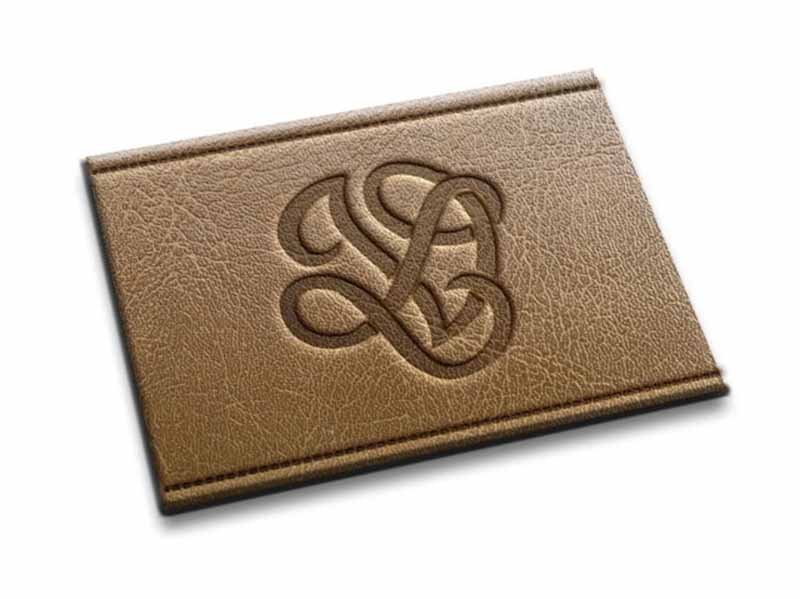
How to Control Logo Depth in Debossed Leather Patches
Controlling logo depth is one of the most important parts of producing high-quality debossed leather patches. Many people assume the solution is simply pressing harder or increasing heat. In reality, clean logo depth is achieved through a balance between die design, leather characteristics, pressure, heat, and stamping time. When these factors are adjusted correctly, the logo becomes sharp and consistent without damaging the leather surface.
In professional leather production, controlling logo depth is not a single action. It is a combination of engineering decisions and production discipline. Factories that regularly produce custom leather goods usually develop their own process standards to maintain consistent logo appearance across large production batches.
How Does Die Design Control Logo Depth?
The debossing die is the tool that physically forms the logo inside the leather. If the die is poorly designed, the final logo will never look clean, regardless of pressure or temperature settings.
A debossing die is normally engraved from metal materials such as brass, magnesium, zinc, or hardened steel. The quality of this engraving determines how well the logo transfers into the leather.
Several design factors influence the final depth and clarity:
| Die Design Element | Effect on Deboss Result |
|---|---|
| Engraving depth | Controls how deep the logo can be pressed |
| Edge angle | Determines sharpness of logo edges |
| Line width | Affects visibility of small details |
| Surface finish | Prevents leather sticking to die |
| Die material | Influences durability and heat transfer |
In most debossing applications, the engraved depth of the die ranges between 0.3 mm and 0.8 mm. However, the final visible depth on the leather will usually be slightly less because the leather fibers compress and rebound slightly.
Fine logo details require careful planning. If a logo contains extremely thin lines or small text, those details may disappear during stamping. For example:
| Logo Detail Size | Deboss Performance |
|---|---|
| Lines below 0.15 mm | Often unclear |
| Lines around 0.25 mm | Moderate clarity |
| Lines above 0.35 mm | Clear and stable |
This is why many factories review logo artwork before producing the die. Slight adjustments to line thickness or spacing can dramatically improve the final patch appearance.
Another important factor is die edge profile. Sharp edges create crisp impressions but can damage delicate leather surfaces if pressure is too high. Slightly rounded edges often provide a more balanced result.
Experienced leather manufacturers normally test several die versions during early sampling stages to find the most stable solution.
How Do Heat and Pressure Affect Debossed Logo Depth?
Heat and pressure are the two mechanical forces that drive the debossing process. Together they compress the leather fibers and allow the logo to form inside the surface.
However, more heat and more pressure do not always produce better results. In fact, excessive heat or pressure can cause problems such as:
- leather surface glossing
- burnt color marks
- grain distortion
- flattened natural texture
The best results come from controlled conditions that match the leather type.
A common working range for debossing leather patches is shown below:
| Parameter | Typical Range | Impact |
|---|---|---|
| Temperature | 90°C – 130°C | Softens leather fibers |
| Pressure | Machine dependent | Creates depth |
| Stamping time | 0.5 – 2 seconds | Controls compression stability |
Vegetable-tanned leather often responds well to slightly lower heat but consistent pressure. Chrome-tanned leather sometimes requires a bit more heat because it is softer and more elastic.
Another factor that influences deboss quality is leather moisture level. Leather that is too dry may resist compression and produce shallow marks. Leather with moderate moisture tends to accept impressions more clearly.
In some high-end leather workshops, the leather surface may be lightly conditioned before stamping to improve fiber response.
Temperature stability is also important. If the die temperature fluctuates during production, logo depth may vary between patches. This is why industrial stamping machines use temperature control systems to keep heat levels stable throughout the production run.
How Do Factories Keep Debossed Logo Depth Consistent?
Producing one clean patch is relatively easy. Producing thousands of identical patches with the same depth and clarity requires strict process control.
Professional leather factories usually implement several quality control methods to maintain consistency.
One of the most common methods is process calibration. Before starting large production runs, technicians perform several stamping tests to confirm that heat, pressure, and time settings produce the desired result.
Another important step is operator training. Debossing machines may appear simple, but small adjustments can change the outcome. Skilled operators understand how to read the leather surface and adjust settings when necessary.
Factories also rely on regular quality inspections.
| Inspection Method | Purpose |
|---|---|
| Visual comparison | Check logo clarity |
| Depth inspection | Confirm consistent indentation |
| Surface inspection | Detect burn marks or distortion |
| Alignment inspection | Ensure logo placement accuracy |
Some manufacturers also use sample boards that display the approved logo depth and appearance. Production patches are compared against these references during manufacturing.
Another helpful practice is batch separation. When leather from different tanning batches is used, slight differences in firmness may appear. By tracking batches carefully, factories can adjust machine settings if necessary.
These process controls ensure that customers receive patches that look uniform across their entire order. For brands producing bags, wallets, belts, or accessories, consistency is especially important because uneven logos immediately reduce the perceived quality of the final product.
Which Logo Designs Work for Debossed Leather Patches?
Even when the leather and stamping process are correct, logo design still plays a major role in the final appearance. Some logos naturally deboss beautifully, while others require adjustments to avoid clarity issues.
A well-prepared logo design improves the success rate of debossed patches and reduces development time.
Which Fonts Work Best for Debossed Leather Patches?
Font selection affects how clearly a logo appears after stamping. Fonts with balanced strokes and moderate thickness tend to work best.
Clean, simple fonts usually produce stronger impressions than extremely thin or decorative fonts.
Below is a simplified guideline for common font categories:
| Font Style | Deboss Performance |
|---|---|
| Sans-serif | Very clear |
| Medium serif | Good clarity |
| Bold fonts | Excellent depth |
| Script fonts | Moderate clarity |
| Ultra thin fonts | Poor clarity |
Many luxury leather brands intentionally use simple, bold logos because they deboss more consistently.
For example, a thick sans-serif brand name will typically produce a much cleaner patch than a highly detailed calligraphy design.
When thin fonts must be used, increasing line thickness slightly often improves the result without changing the overall design identity.
Do Thin Lines Work in Debossed Leather Patches?
Thin lines are one of the most common challenges in debossed logo design.
Leather is a natural material with a textured surface. When pressure is applied, the fibers compress unevenly depending on the grain pattern. Extremely thin lines may disappear or break during stamping.
Here is a practical guideline for logo line thickness:
| Line Thickness | Deboss Result |
|---|---|
| Below 0.2 mm | Often unclear |
| 0.2 – 0.3 mm | Acceptable but delicate |
| 0.35 – 0.5 mm | Strong and clear |
| Above 0.5 mm | Very clear |
Spacing between elements also matters. If two lines are too close together, the leather between them may compress and merge the shapes.
This is why many professional leather goods factories provide logo design feedback during sampling. Minor adjustments to spacing or thickness can dramatically improve the final patch appearance.
What Logo Size Fits Debossed Leather Patches?
Logo size should always match the patch size and the leather thickness.
Very small logos may lose detail, while overly large logos can appear flat if the pressure is spread across a wide surface.
A useful reference for common patch sizes is shown below:
| Patch Size | Recommended Logo Width |
|---|---|
| 30 mm patch | 18–22 mm logo |
| 40 mm patch | 24–30 mm logo |
| 50 mm patch | 32–38 mm logo |
| 60 mm patch | 40–48 mm logo |
This proportion helps maintain strong depth while keeping the design balanced.
Another factor to consider is logo placement. Centered logos usually produce the most even pressure distribution. Logos placed near the edge of a patch may require careful adjustment because leather edges compress differently.
During product development, leather patch manufacturers often test several logo sizes to determine which version produces the cleanest result.
For brands creating custom leather goods, investing time in proper logo sizing can prevent production issues later and ensure the finished product meets quality expectations.
How Do Factories Produce Clean Debossed Leather Patches?
Producing a clean debossed leather patch consistently is not just about stamping a logo into leather. It requires coordination between material selection, die engineering, machine calibration, and strict quality control throughout the production process. In professional leather goods factories, debossing is treated as a controlled manufacturing step rather than a simple finishing action.
Factories that specialize in leather branding components usually develop internal procedures to ensure that every patch meets the same visual and structural standard. This is especially important when producing patches for bags, wallets, belts, straps, accessories, and leather boxes where brand identity is a key selling point.
How Are Debossed Dies Made for Leather Patches?
The debossing die is the heart of the stamping process. A well-made die allows the logo to transfer clearly and consistently into the leather surface.
The die is usually produced from metal materials that can withstand repeated heat and pressure. Common options include:
| Die Material | Advantages | Typical Use |
|---|---|---|
| Brass | Durable, excellent heat conductivity | Premium leather patches |
| Magnesium | Lightweight, economical | Medium-volume production |
| Zinc | Cost-effective for simple designs | Entry-level production |
| Hardened steel | Extremely durable | Very large production runs |
Brass dies are widely used in professional leather manufacturing because they provide stable heat transfer and maintain engraving precision even after thousands of stamping cycles.
The die creation process typically involves several steps:
| Step | Description |
|---|---|
| Artwork conversion | Logo converted into a stamping-ready vector format |
| Depth planning | Engraving depth adjusted according to leather thickness |
| CNC engraving | Precision carving of the metal die |
| Surface polishing | Ensures smooth contact with leather |
| Edge refinement | Adjusts line sharpness and durability |
The engraving depth normally ranges from 0.4 mm to 0.8 mm, depending on the logo design and leather thickness.
Another important factor is die surface finishing. If the die surface is too rough, the leather may stick during stamping. Polishing the die reduces friction and produces cleaner impressions.
Factories with strong tooling capability often maintain their own die workshops or work closely with specialized die makers. This allows faster adjustments during product development and ensures that logo quality meets the brand’s expectations.
How Do Factories Test Debossed Logo Quality?
Before approving mass production, factories normally conduct a series of tests to verify that the debossed logo performs well both visually and structurally.
Testing helps confirm that the logo depth is stable and that the leather surface is not damaged during the stamping process.
Common inspection points include:
| Inspection Item | What It Evaluates |
|---|---|
| Logo clarity | Edge sharpness and detail visibility |
| Depth consistency | Uniform depth across patches |
| Surface integrity | No burning or cracking |
| Alignment accuracy | Correct logo placement |
| Durability | Logo remains visible after handling |
Factories often produce multiple trial samples during early stages of development. These samples allow technicians to adjust machine settings before large-scale production begins.
Another important test is aging evaluation. Leather patches may experience pressure, friction, and bending during product use. The debossed logo should remain visible even after these conditions.
For example, patches may undergo:
| Durability Test | Purpose |
|---|---|
| Flex test | Simulates bending during daily use |
| Abrasion test | Evaluates resistance to surface wear |
| Heat exposure test | Confirms stability under warm conditions |
| Handling simulation | Checks logo visibility after repeated contact |
Quality control teams typically compare production patches against an approved reference sample. If depth, edge clarity, or placement differs from the approved standard, adjustments are made immediately.
Maintaining this level of inspection ensures that large production orders deliver consistent branding results.
Why Do Professional Factories Produce Better Debossed Leather Patches?
The difference between an average debossed patch and a high-quality one often comes down to manufacturing experience.
Factories that specialize in leather goods production understand how different leathers behave under heat and pressure. They also have experience adjusting die design, machine parameters, and leather preparation to achieve the desired logo appearance.
Several factors contribute to better results:
| Manufacturing Factor | Benefit |
|---|---|
| Experienced technicians | Better machine calibration |
| Stable material sourcing | Consistent leather quality |
| Precision tooling | Cleaner logo engraving |
| Process documentation | Repeatable production results |
| Quality inspection systems | Reliable batch consistency |
Professional factories also tend to invest in more advanced stamping equipment. Machines with precise temperature and pressure control produce more stable results compared with manual or low-precision equipment.
Another advantage is material expertise. Leather goods manufacturers with strong supply chains can source the most suitable leather types for debossing. Different tannery processes create variations in firmness, grain structure, and surface finish, all of which influence stamping performance.
For brands developing custom leather products, working with an experienced factory reduces the risk of logo defects, production delays, or inconsistent branding.
Final Thoughts: Clean Debossed Leather Patches Start with the Right Factory
A well-made debossed leather patch does much more than mark a brand name. It becomes a permanent part of the product’s identity. When the logo depth is clean, balanced, and consistent, the entire leather item looks more refined and professional.
Achieving that result requires more than a simple stamping tool. The process depends on selecting suitable leather materials, designing the logo artwork carefully, engraving precise stamping dies, and maintaining controlled production conditions.
For brands developing leather bags, wallets, belts, straps, accessories, or leather boxes, choosing the right manufacturing partner is often the most important decision.
A professional factory can help with:
- leather material selection
- logo artwork optimization
- deboss die development
- sample prototyping
- large-scale production control
- packaging and final quality inspection
SzoneierLeather has more than 18 years of experience in leather goods manufacturing, supporting brand clients and custom wholesale partners worldwide. The factory integrates raw material sourcing, product design, sampling, production, and packaging into a single development system.
Customers working with SzoneierLeather can benefit from:
- custom leather patch development
- precise debossing for logos and branding
- low minimum order quantities for new product launches
- rapid sample turnaround
- stable large-scale production capacity
- strict quality inspection procedures
Whether you are developing a new leather bag line, custom wallets, branded belts, straps, accessories, or luxury leather boxes, a well-executed debossed leather patch can elevate the product’s appearance and strengthen brand recognition.
If you are planning to create custom debossed leather patches with clean logo depth, you are welcome to contact the SzoneierLeather team to discuss your project. Sharing your logo design, leather preferences, and product concept allows the development team to recommend the most suitable debossing solution.
Your next leather product can carry a logo that not only represents your brand but also reflects the craftsmanship behind it.