
How to Start a Handbag Business from Home: A Complete Guide
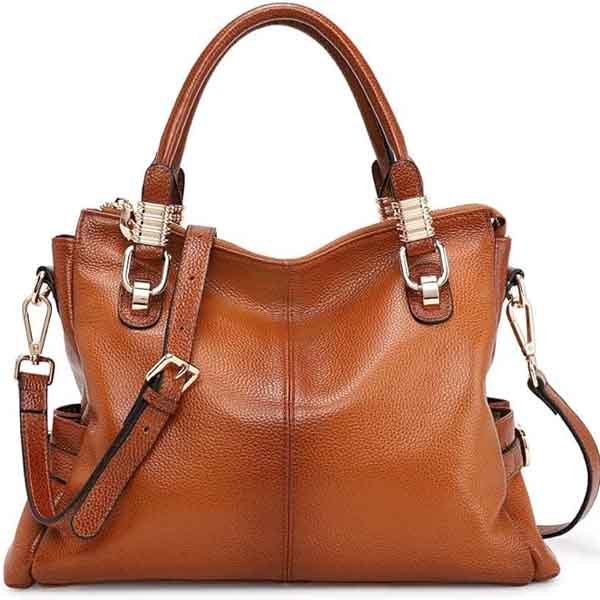
Starting a handbag business from home sounds like a dream for many aspiring entrepreneurs. The appeal lies in creative freedom, flexible working hours, and the potential to build a personal brand without massive upfront investment. But many beginners get stuck on the same questions: What skills do I need? How much does it cost? Which materials should I choose? Are handbags actually profitable? These are valid concerns because turning a passion for fashion into a real business takes planning, research, and a smart approach.
To start a handbag business from home, you’ll need basic design and sourcing knowledge, an initial budget of $500–$2,500, access to reliable manufacturers, and a simple marketing strategy. Profitability depends on pricing, quality, and branding, but handbags often carry margins of 40–70% for small businesses.
I still remember a designer in New York who started with only five handmade tote bags sold through Instagram. Within two years, she partnered with Szoneier, scaled production, and launched her own e-commerce store. This guide breaks down the exact steps so you can replicate success without falling into common pitfalls.
What Does It Take to Start a Handbag Business from Home?
Starting a handbag business from home requires basic design and marketing skills, a startup budget of $1,000–$2,500, access to low-MOQ manufacturers, and a clear branding strategy. Success depends on balancing creative design, quality production, and smart online marketing to attract buyers while keeping costs low.
Everything You Need to Get Started
Launching a handbag business from home is exciting but involves much more than just designing a pretty bag. You’ll need skills, tools, suppliers, funding, and marketing know-how to build a brand that can grow beyond your living room. Let’s break it down step by step.
1. Skills and Knowledge for Beginners
You don’t need a fashion design degree, but a basic understanding of the following areas will make the process smoother:
- Design Skills: Even simple hand-drawn sketches or Canva mockups help communicate your vision to manufacturers. For more precision, tools like Adobe Illustrator or Procreate offer professional templates for handbag patterns.
- Product Knowledge: Learn the differences between materials like PU leather, genuine leather, canvas, and recycled fabrics. Understanding stitching, zippers, and linings helps you talk to suppliers in their language.
- Budget & Costing: Knowing how to calculate production costs and set retail prices keeps your business profitable. Many beginners underprice their products because they ignore packaging, shipping, and marketing expenses.
- Marketing Basics: Instagram, TikTok, Pinterest, and even Etsy SEO can drive free traffic if used strategically. Paid ads come later; start with organic branding first.
- Supplier Communication: Factories work better with clear instructions. Learning to create tech packs or spec sheets avoids costly mistakes.
Tip: Many successful home-based handbag entrepreneurs started by outsourcing skills they didn’t have, like logo design or website setup, using platforms such as Fiverr or Upwork. Focus on your strengths first, outsource the rest.
2. Startup Costs and Budget Planning
Starting costs vary depending on materials, customization, and the size of your first batch. Here’s a realistic cost breakdown for a small-scale launch:
| Expense Category | Typical Cost (USD) | Purpose & Notes |
|---|---|---|
| Design Tools & Software | $50–$200 | Canva (free), Adobe Illustrator, Procreate |
| Sample Development (per design) | $100–$500 | Depends on material & complexity |
| Initial Inventory (50–100 pcs) | $500–$1,200 | Low-MOQ suppliers reduce upfront investment |
| Branding & Logo Design | $50–$150 | Freelancer or design platform costs |
| Website + Domain | $50–$200 | Shopify, WooCommerce, or Etsy setup |
| Marketing & Photography | $100–$500 | Product images + initial ads or influencer fees |
| Packaging & Shipping Materials | $50–$150 | Custom boxes, tissue paper, dust bags |
Estimated Startup Budget: Most home-based handbag businesses launch with $1,000–$2,500 for the first 3–5 designs and initial inventory.
3. Finding Reliable Manufacturers and Suppliers
One of the biggest challenges is finding dependable manufacturers that can handle small orders while maintaining quality.
Key factors to evaluate:
- Low MOQ: Look for suppliers offering 50–100 pcs minimum orders to reduce risk.
- Sampling Services: Factories like Szoneier provide sample runs so you can test quality before bulk production.
- Material Variety: A supplier with multiple material options (PU leather, canvas, genuine leather) saves time.
- Certifications: ISO9001, REACH, or other quality certifications matter if selling internationally.
Local vs Overseas Suppliers:
- Local: Faster shipping, easier communication, but higher costs.
- Overseas (e.g., China, Vietnam): Lower cost per unit, broad material access, slightly longer lead times.
Many startups begin with overseas suppliers for affordability, then add local partners as volume grows.
4. Creating Your First Handbag Designs
Start small with 3–5 designs focused on your target audience. For example:
- Tote Bags for everyday use
- Crossbody Bags for casual or travel wear
- Backpacks for students or professionals
- Eco-Friendly Options using recycled materials
Use Pinterest and Instagram to research trends in size, color, and function. Pair this with customer surveys or polls to confirm real demand.
5. Branding and Online Presence
Even the best product needs branding and visibility to sell:
- Logo & Brand Story: Customers connect with authentic stories—why you started, what makes your bags special.
- Website & Social Media: Shopify, Etsy, or WooCommerce integrate easily with Instagram Shops or TikTok Shops.
- Lifestyle Photography: Real people using your bags in real-life scenarios convert better than flat product shots.
Marketing Tip: Start by building a community on Instagram or TikTok before your first big launch. Behind-the-scenes content (“how the bag is made”) builds anticipation and trust.
6. Timeframe from Idea to Launch
A realistic timeline for launching your handbag business:
| Phase | Duration | Key Activities |
|---|---|---|
| Research & Design | 2–4 weeks | Sketching, trend research, supplier outreach |
| Sampling & Revisions | 3–6 weeks | Creating and improving prototypes |
| Initial Production | 4–8 weeks | Bulk order manufacturing |
| Branding & Marketing Prep | 2–3 weeks | Website, photos, packaging, pre-launch marketing |
| Launch & Sales | Continuous | Social media campaigns, influencer outreach |
Total time: 3–5 months from concept to first sale.
7. Common Mistakes to Avoid
- Ordering too much inventory before testing demand
- Ignoring brand storytelling—customers buy into lifestyle, not just products
- Overcomplicating designs in the beginning—simple styles sell better at first
- Neglecting shipping and packaging costs in pricing formulas
Which Handbag Types and Materials Should You Choose?
For a home-based handbag business, start with 2–3 versatile styles like totes, crossbody bags, or backpacks and select materials based on your target audience, price range, and branding goals. PU leather and canvas offer affordability and durability, while genuine leather and eco-friendly materials appeal to premium or niche markets.
Selecting the Right Styles and Materials for Profitability
Choosing the right handbag types and materials isn’t just a creative decision—it affects your startup costs, brand image, target customers, and long-term scalability. Many beginners make the mistake of launching too many styles or experimenting with expensive materials before testing the market.
Let’s break this down into practical steps with real data and examples so you can launch smart and stay profitable.
1. The Most Popular Handbag Styles for Startups
When starting small, focus on 2–3 core designs rather than launching 10+ styles. This reduces sampling costs, simplifies marketing, and helps you identify best-sellers before scaling production.
| Handbag Type | Market Demand | Typical Price Range | Startup Difficulty | Ideal Audience |
|---|---|---|---|---|
| Tote Bags | Very High | $20–$80 | Low | Students, professionals |
| Crossbody Bags | High | $25–$120 | Low | Travelers, casual users |
| Backpacks | Medium-High | $40–$150 | Medium | Students, commuters |
| Clutch Bags | Medium | $30–$100 | Medium | Evening/event users |
| Eco-friendly Bags | Growing Fast | $30–$90 | Medium | Sustainable buyers |
| Luxury Handbags | Niche but Profitable | $100–$500+ | High | High-income consumers |
Beginner Tip:
- Start with totes and crossbody bags for mass appeal and affordability.
- Add eco-friendly or luxury options later once you’ve established a loyal customer base.
2. How to Match Styles with Your Target Market
Every handbag style attracts a different audience. Your design decisions should align with customer lifestyle, price sensitivity, and fashion trends:
- Budget-conscious buyers → PU leather totes, canvas crossbody bags
- Young professionals → Sleek laptop totes, minimalist backpacks
- Eco-conscious consumers → Recycled PET fabric or cork leather bags
- Luxury shoppers → Genuine leather handbags with premium finishes
Use tools like Google Trends, Pinterest, and Instagram Insights to analyze which styles your target audience engages with the most.
3. Material Options: Cost vs Quality vs Branding
Choosing the right material is one of the biggest factors affecting production cost, durability, and brand positioning.
| Material | Cost Level | Durability | Weight | Brand Positioning | Pros | Cons |
|---|---|---|---|---|---|---|
| PU Leather | Low | Medium | Light | Budget/Mid-market | Affordable, water-resistant | Less breathable, shorter lifespan |
| Genuine Leather | Medium-High | High | Medium | Luxury/Premium | Long-lasting, develops patina | Higher cost, requires care |
| Canvas (Cotton/Poly) | Low-Medium | Medium | Light | Casual/Outdoor | Washable, eco-friendly options | Less formal, can stain easily |
| Recycled PET Fabric | Medium | Medium-High | Light | Eco-conscious Branding | Sustainable, lightweight | Limited color/texture options |
| Vegan Leather (Cork, Piñatex) | Medium | Medium-High | Light | Sustainable Luxury | Plant-based, trendy eco-appeal | Higher cost than PU leather |
| Nylon/Polyester | Low | Medium | Very Light | Travel/Sports Market | Durable, water-resistant, affordable | Less premium look |
Beginner Tip:
- PU leather or canvas is ideal for testing initial designs because of low MOQ costs and broad appeal.
- Genuine leather or vegan leather works better once you’re ready to launch premium lines with higher price points.
4. Cost Considerations: Material Impact on Pricing
Material choice directly impacts your cost-per-unit and therefore your profit margins.
Example Cost Breakdown for a Tote Bag (per unit):
| Material | Production Cost | Suggested Retail Price | Gross Margin % |
|---|---|---|---|
| PU Leather | $12–$18 | $40–$60 | 60–70% |
| Canvas | $8–$15 | $30–$50 | 60–65% |
| Genuine Leather | $25–$50 | $100–$250 | 50–70% |
| Recycled PET Fabric | $15–$25 | $50–$100 | 55–65% |
If you’re starting small, sticking to PU leather and canvas helps keep costs low while testing market demand before investing in higher-end materials.
5. Durability and Maintenance: What Buyers Care About
Customers increasingly care about functionality and lifespan. A stylish bag that wears out in 3 months won’t win repeat buyers.
- Genuine Leather: Lasts years with proper care; appeals to luxury markets.
- PU Leather: Affordable but may peel after 1–2 years if low quality.
- Canvas: Washable, lightweight, eco-friendly—great for casual markets.
- Recycled Materials: Attract sustainability-focused buyers; medium durability.
Tip: Highlight care instructions on product pages—buyers trust brands that educate them on product maintenance.
6. Sustainability and Market Trends
Eco-conscious consumers are driving growth in vegan leather and recycled fabrics. According to Statista, the global vegan leather market is projected to reach $66.84 billion by 2030, growing at 7.5% CAGR.
If your brand emphasizes sustainability:
- Source recycled PET fabrics from plastic bottles.
- Consider plant-based leather alternatives like Piñatex (pineapple leather) or cork leather.
- Use eco-friendly packaging to reinforce brand values.
Style + Material Pairing Recommendations
| Style Type | Recommended Material | Target Audience | Branding Angle |
|---|---|---|---|
| Tote Bags | PU Leather / Canvas | Mass Market | Everyday Functionality |
| Crossbody Bags | PU Leather / Recycled PET | Young Adults, Travelers | Affordable & Sustainable |
| Backpacks | Nylon / Genuine Leather | Students, Professionals | Durability & Style |
| Clutch Bags | Genuine Leather / Vegan Leather | Event/Evening Wear | Luxury / Ethical Fashion |
| Eco-friendly Bags | Recycled PET / Cork Leather | Sustainability Market | Ethical & Eco-conscious |
How to Design and Develop Your First Handbag Collection?
To design and develop your first handbag collection, start with 3–5 core styles, use digital design tools or sketches, work with manufacturers for prototyping and sampling, test for functionality and aesthetics, and refine before bulk production. This approach reduces costs, shortens lead time, and ensures market readiness.
Turning Ideas into Real, Market-Ready Handbags
Designing your first handbag collection can feel overwhelming, but breaking the process into clear, manageable steps makes it achievable—even for beginners. This section covers everything from idea generation to final sampling so you can move confidently from concept to launch.
1. Start with a Small, Focused Collection
Many new brands fail because they launch with too many styles and unproven designs. Instead, start with:
- 3–5 designs: Keeps costs low, simplifies marketing, and lets you test demand.
- One target audience: For example, working professionals, eco-conscious buyers, or college students.
- Two to three materials: Avoid spreading resources across too many fabric options.
Beginner Tip: Launch with tote bags, crossbody bags, and backpacks first. These categories have high demand, simple construction, and broad appeal.
2. Research and Inspiration: Where to Find Design Ideas
Before you sketch anything, study what’s selling and trending:
- Pinterest & Instagram: Identify popular shapes, colors, and materials.
- Etsy & Amazon: Analyze top-rated handbag designs in your niche.
- Fashion Blogs & Magazines: Learn about seasonal trends and runway inspiration.
You can also use Google Trends or tools like Trendalytics to validate demand for specific styles.
Example: If search data shows rising interest in “eco-friendly tote bags,” focus on sustainable materials and minimalist designs to capture this audience.
3. Sketching and Digital Design Tools
Once you know what’s trending, turn ideas into visual concepts.
Options for Beginners:
- Hand Sketching: Cheap and beginner-friendly; works well if manufacturers accept basic drawings.
- Canva or Figma: Simple digital tools for basic design layouts.
- Adobe Illustrator: Industry-standard for professional handbag tech packs.
- Procreate (iPad): Popular for fashion designers creating freehand illustrations.
Key Elements to Include in Designs:
- Bag dimensions (height, width, depth)
- Handle/strap lengths
- Closure types (zippers, magnets, buckles)
- Pocket placements
- Material specifications (e.g., PU leather, canvas, lining fabrics)
Tip: Most manufacturers require tech packs—detailed design sheets with sizes, materials, and hardware info—for accurate samples.
4. Choosing Colors, Hardware, and Finishes
Your first collection should balance aesthetic appeal with practical production decisions:
- Colors: Offer 2–3 core colors initially; black, tan, and navy are always safe bets.
- Hardware: Opt for durable zippers, clasps, and rings; quality hardware prevents customer complaints.
- Lining & Pockets: Functional interiors (e.g., laptop sleeves, phone compartments) add value.
- Branding Options: Debossed logos, metal nameplates, or printed labels build brand identity early on.
5. Prototyping and Sampling Process
Sampling bridges the gap between design and manufacturing. Expect 2–3 rounds before final approval.
| Sampling Stage | Purpose | Typical Cost (USD) | Timeline |
|---|---|---|---|
| First Sample | Tests size, shape, basic functionality | $100–$300 per design | 2–4 weeks |
| Second Sample | Adjust colors, materials, branding | $50–$150 per revision | 1–2 weeks |
| Final Pre-Production | Confirms quality before bulk order | Usually free or low | 1–2 weeks |
Communication Tip: Send clear feedback with photos, measurements, and notes to avoid repeated mistakes.
6. Testing Your Designs for Functionality
Before mass production, test your samples for:
- Durability: Stress-test handles, zippers, and stitching.
- Comfort: Check strap lengths and weight distribution.
- Aesthetics: Compare colors and finishes under different lighting.
- Market Feedback: Show prototypes to friends, family, or focus groups for real-world opinions.
Tip: Offer early samples to local boutiques or influencers in exchange for honest feedback or promotional posts.
7. Setting Budgets for Design and Sampling
Budgeting early prevents financial surprises.
| Cost Component | Estimated Range (USD) | Notes |
|---|---|---|
| Design Software & Tools | $50–$200 | Adobe, Canva, Procreate |
| Sample Development (3–5 pcs) | $300–$1,000 | Depends on complexity & materials |
| Shipping Samples | $50–$150 | International rates vary |
| Revisions & Final Sample | $100–$300 | Usually cheaper than first round |
A $500–$1,500 budget is typical for 3–5 designs, including revisions.
Common Mistakes to Avoid
- Designing too many styles before testing demand
- Skipping sample rounds to save money—leads to costly production errors
- Choosing trendy materials without checking supplier availability
- Underestimating hardware quality—zippers and clasps can make or break reviews
How to Source Reliable Suppliers and Manufacturers?
To source reliable handbag suppliers, start by researching manufacturers on B2B platforms, request samples before bulk orders, check certifications and production capabilities, compare MOQ, lead times, and pricing, and maintain clear communication to ensure consistent quality and timely delivery.
Finding the Right Manufacturing Partners for Your Handbag Business
Choosing the right supplier is one of the most critical steps in launching your handbag business. A great design and solid marketing strategy mean nothing if your manufacturer delivers poor quality, misses deadlines, or demands unrealistically high minimum order quantities (MOQ).
Where to Find Handbag Suppliers and Manufacturers
Modern startups have more sourcing options than ever before. Here are the main channels:
| Sourcing Channel | Pros | Cons |
|---|---|---|
| B2B Platforms (Alibaba, GlobalSources) | Easy to find hundreds of suppliers, low cost | Quality varies, need strong vetting |
| Trade Shows (Canton Fair, Magic Las Vegas) | Face-to-face meetings, touch materials | Travel costs, limited to scheduled events |
| Sourcing Agents | Local experts handle negotiations, QC | Service fees, reliance on third parties |
| Direct Factory Outreach | Build direct relationships, best pricing | Time-consuming, requires networking |
| Local Manufacturers | Short lead times, easier communication | Higher production costs, limited capacity |
Beginner Tip: Start with B2B platforms and direct factory outreach to compare multiple suppliers quickly. As you grow, visiting trade shows or hiring sourcing agents can refine your supply chain.
Minimum Order Quantity (MOQ) and Why It Matters
MOQ is the smallest number of units a supplier will produce in a single order. For startups, low-MOQ suppliers are essential to avoid heavy upfront costs.
| Product Type | Typical MOQ Overseas | Typical MOQ Local |
|---|---|---|
| PU Leather Tote | 50–100 pcs | 20–50 pcs |
| Genuine Leather | 50–200 pcs | 20–50 pcs |
| Canvas Bags | 50–100 pcs | 30–60 pcs |
Tip: Suppliers like Szoneier offer 50–100 pcs MOQs, perfect for testing demand before scaling production.
How to Vet and Evaluate Suppliers
Before committing to bulk orders, use this supplier vetting checklist:
| Criteria | What to Check | Why It Matters |
|---|---|---|
| Company Legitimacy | Business licenses, factory photos, online reviews | Avoid scams or unreliable vendors |
| Certifications | ISO9001, REACH, CPSIA, OEKO-TEX | Ensures product safety & compliance |
| Communication Speed | Email/WhatsApp response times | Faster responses reduce delays |
| Sample Quality | Stitching, zippers, lining, hardware | Confirms manufacturing capability |
| Production Capacity | Monthly output, number of workers | Critical if scaling beyond initial orders |
| Lead Times | Sampling (2–4 weeks), production (4–8 weeks) | Plan launches accurately |
| Payment Terms | Deposit %, balance on shipment | Reduces upfront financial risk |
| After-Sales Support | Rework/refund policies for defects | Protects against quality issues |
Comparing Overseas vs Local Suppliers
Both overseas and local suppliers have advantages depending on your brand strategy, budget, and timeline.
| Factor | Overseas (e.g., China, Vietnam) | Local (e.g., USA, EU) |
|---|---|---|
| Cost per Unit | Low (economies of scale) | Higher due to labor costs |
| Lead Times | Longer (shipping, customs) | Shorter, faster replenishment |
| MOQ | Higher in some cases | Often lower for small brands |
| Customization | Wide material & style options | Limited by local resources |
| Communication | Time zone & language barriers | Easier real-time communication |
| Certifications | Usually available for export markets | Often already local-compliant |
Requesting Samples Before Bulk Orders
Never skip the sampling stage before bulk production:
| Sample Type | Purpose | Cost (USD) | Lead Time |
|---|---|---|---|
| Pre-Production Sample | Test materials, stitching, dimensions | $100–$300 | 2–4 weeks |
| Branding Sample | Check logos, labels, packaging | $50–$150 | 1–2 weeks |
| Final Approval Sample | Approve before mass production | Often Free | 1 week |
Quality Control (QC) Practices for Small Businesses
Even small brands must have basic QC procedures:
- Inspect 10–20% of the shipment randomly for stitching quality, zippers, lining, and logos.
- Use third-party QC companies (e.g., SGS, Bureau Veritas) for larger orders.
- Request production photos and videos before shipment.
Communication and Cultural Tips
Clear communication prevents costly mistakes:
- Provide tech packs with exact dimensions, materials, and colors.
- Use visual references instead of text-only instructions.
- Confirm time zones and holiday schedules for accurate lead times.
Cultural Tip: Suppliers in China often work around major holidays like Chinese New Year; plan production schedules to avoid delays.
Negotiating Prices Without Hurting Quality
Price negotiation is common but must be realistic:
- Start by comparing 3–5 supplier quotes for the same design.
- Ask about tiered pricing—larger orders often unlock discounts.
- Negotiate on packaging or shipping terms, not just per-unit cost.
- Avoid pushing prices too low—this can compromise quality materials or stitching standards.
Building Long-Term Supplier Relationships
Suppliers treat repeat customers better than one-time buyers:
- Pay invoices on time to build trust.
- Provide constructive feedback instead of only complaints.
- Share forecast data for future orders so they prioritize your production slot.
- Visit factories if possible—face-to-face meetings strengthen partnerships.
How to Price, Market, and Sell Your Handbags Online?
Price handbags using a cost-plus formula (production cost × 3–4 for retail), sell on platforms like Shopify, Etsy, or Instagram, and market with lifestyle photography, social media ads, influencer partnerships, and SEO-optimized product pages to reach your ideal customers profitably.
How to Price Your Handbags for Profitability
Pricing affects profit margins, brand positioning, and customer perception. Too low, and you look cheap and unsustainable. Too high, and you risk scaring away early buyers.
a) Cost-Plus Pricing Formula
The simplest formula for startups:
Retail Price = (Production Cost + Shipping + Packaging + Marketing) × Markup Multiplier
- Multiplier: Typically 3–4x for direct-to-consumer (DTC) brands
- Wholesale Pricing: Often 2–2.5x production cost if selling to boutiques or retailers
Example for a PU Leather Tote Bag:
| Cost Component | Amount (USD) |
|---|---|
| Production (unit cost) | $20 |
| Packaging + Branding | $2 |
| Shipping & Duties | $3 |
| Marketing per unit | $5 |
| Total Cost | $30 |
| Retail Price (×3) | $90 |
Result: Gross Margin = 66%, sufficient for ads, operations, and profit.
b) Competitor-Based Pricing
Check Etsy, Amazon, or Shopify stores selling similar handbags. Stay competitive while factoring in your unique selling points (USPs) like sustainability, custom designs, or premium materials.
c) Psychological Pricing Tricks
- Use $89 instead of $90 → Feels cheaper
- Create bundles (e.g., tote + wallet set) → Higher average order value (AOV)
- Offer limited-edition colors at slightly higher prices → Scarcity boosts perceived value
2. Choosing the Right Platforms to Sell Handbags Online
Each online platform offers different audiences, costs, and controls.
| Platform | Pros | Cons | Best For |
|---|---|---|---|
| Shopify | Full branding control, easy integrations | Monthly fees, setup time | Growing brands with marketing budgets |
| Etsy | Built-in audience for handmade/niche items | Seller fees, less branding control | Handmade or eco-friendly collections |
| Amazon | Massive audience, fast trust-building | High competition, referral fees | Brands with competitive pricing |
| Instagram/TikTok Shops | Social commerce, influencer reach | Ad spend needed for visibility | Fashion-forward, lifestyle products |
| WooCommerce | WordPress integration, SEO flexibility | More technical setup | Bloggers or content-driven sellers |
Beginner Tip: Start with Etsy + Instagram, then expand to Shopify once sales stabilize for better brand control and higher margins.
3. Marketing Strategies to Attract Buyers Online
Marketing drives traffic, builds trust, and converts visitors into paying customers.
a) Build a Brand Story
People buy stories, not just products. Share:
- Why you started your handbag business
- Your design philosophy (e.g., eco-friendly, minimalist luxury)
- Behind-the-scenes production photos or videos
Example: “Every Szoneier tote bag is crafted with precision by expert artisans using sustainable materials, designed for women who value both style and ethics.”
b) Lifestyle Photography and Videos
High-quality visuals increase conversions by 2–3x.
- Show models using bags in daily life → office, travel, shopping
- Use short TikTok/Instagram Reels with styling tips or unboxing experiences
- Add 360° product views for Shopify stores
c) Social Media Marketing
Focus on Instagram, TikTok, and Pinterest for visual storytelling:
- Post 3–4 times/week with product shots + lifestyle images
- Use hashtags like #HandbagStyle, #VeganLeatherBags, #OOTD
- Collaborate with micro-influencers (5K–50K followers) for product reviews or giveaways
d) Paid Ads for Scaling
Once you have sales traction:
- Facebook & Instagram Ads: Target specific demographics (e.g., women 25–40, fashion enthusiasts)
- TikTok Ads: Short, authentic videos perform well for fashion products
- Google Shopping Ads: For keyword-based targeting like “vegan leather tote under $100”
e) SEO Optimization for Organic Traffic
- Use keywords like “affordable leather tote bag” or “handmade crossbody bag” in product titles
- Write blog posts on topics like “How to Style Tote Bags for Work”
- Add alt text to all product images for Google Image Search
4. Selling Tactics to Boost Conversions
Even with good traffic, your website needs sales triggers:
- Limited-Time Discounts: E.g., “20% off first 50 orders”
- Free Shipping Thresholds: Encourage higher cart values
- Email Marketing: Send welcome offers, style guides, and restock alerts
- Abandoned Cart Emails: Recover 10–20% of lost sales with reminder emails
How to Scale Up from Home-Based to Full Brand Business?
To scale your handbag business from home to a full-fledged brand, focus on automating production, expanding sales channels, securing funding for larger inventories, building wholesale and retail partnerships, and strengthening branding, logistics, and quality control systems to handle increased demand.
1. Identify the Right Time to Scale
Not every business is ready to grow immediately. Signs you’re ready include:
- Consistent monthly sales growth over at least 6–12 months
- Sold-out batches or backorders indicating demand exceeds capacity
- Positive customer feedback and repeat orders
- Profits being reinvested into the business
Example Benchmark: If you’re selling 100–200 handbags monthly with a 30–40% profit margin, it may be time to move from home production to a professional manufacturing setup.
2. Expand Production Capacity
Scaling often means shifting from manual home production or small-batch orders to larger, professional manufacturing runs.
| Scaling Stage | Typical Monthly Output | Key Action Steps |
|---|---|---|
| Home-Based Production | 20–100 units | Handcrafted or small supplier orders |
| Low-Volume Manufacturer | 100–500 units | Outsource to low-MOQ suppliers |
| Mid-Volume Factory | 500–2,000 units | Secure dedicated production lines |
| Full-Scale Manufacturing | 2,000+ units | Long-term contracts, possibly overseas |
Tip: Suppliers like Szoneier offer OEM/ODM services with scalable production capacity, so you can start small and grow without switching manufacturers later.
3. Secure Funding for Larger Inventories
Scaling requires capital for bigger orders, better marketing, and professional infrastructure.
Funding options include:
- Reinvesting Profits: The safest, debt-free growth strategy.
- Small Business Loans: Banks or credit unions for low-interest funding.
- Crowdfunding: Platforms like Kickstarter work well for unique designs or eco-friendly projects.
- Angel Investors: If you want to scale rapidly into global markets.
- Trade Credit: Negotiate 30–60 day payment terms with suppliers to ease cash flow.
Example: A U.S. handbag startup used Kickstarter to fund $50,000 for eco-friendly leather totes, enabling its first 1,000-unit production run without debt.
4. Professionalize Your Brand Identity
Moving beyond home-based selling requires consistent branding across all customer touchpoints:
- Logo & Packaging: High-quality, eco-friendly materials build a premium feel.
- Website Upgrade: A custom Shopify or WooCommerce store with professional design, SEO, and product photography.
- Brand Storytelling: Share videos of design processes, artisan interviews, or sustainability practices to build emotional connections.
5. Diversify Sales Channels
Relying on one sales platform (e.g., Instagram or Etsy) limits growth. As you scale, add:
- Your Own Website (Shopify/WooCommerce): Full control over pricing, branding, and customer data.
- Marketplaces: Amazon, Zalando, or regional fashion platforms for volume sales.
- Wholesale Partnerships: Sell to boutiques, department stores, or concept shops.
- Pop-Up Shops & Fashion Markets: Build local brand awareness and collect direct feedback.
Case Study: A Canadian handbag brand began on Etsy, expanded to Shopify for direct sales, and now supplies 20+ independent boutiques across North America.
6. Build Wholesale & Retail Partnerships
Wholesale creates steady bulk orders and brand visibility without heavy ad spending.
Steps to attract retailers:
- Create a Wholesale Line Sheet: Include product images, pricing, MOQ, and lead times.
- Offer Low MOQs Initially: Encourage small retailers to test your products.
- Provide Retailer Incentives: Free shipping, seasonal discounts, or marketing materials.
Pricing Formula for Wholesale:
Wholesale Price = Production Cost × 2–2.5 Retail Price = Wholesale Price × 2
Example:
- Production cost = $25
- Wholesale price = $50
- Retail price = $100
This ensures 50% retail margins, standard in fashion industries.
7. Strengthen Supply Chain & Quality Control
Scaling exposes weaknesses in logistics and quality. To avoid customer complaints:
- Use ERP Software: Tools like Zoho Inventory or Odoo for inventory management.
- Third-Party QC Services: Companies like SGS or Bureau Veritas inspect shipments before leaving the factory.
- Standardize Packaging: Consistent unboxing experience strengthens branding.
8. Automate Operations for Efficiency
Manual processes become bottlenecks as sales grow. Automate:
- Order Processing: Shopify integrations handle shipping labels automatically.
- Email Marketing: Tools like Klaviyo or Mailchimp for welcome sequences, abandoned cart emails, and VIP offers.
- Accounting & Invoicing: QuickBooks or Xero simplify bookkeeping.
Tip: Automated emails recover 10–20% of abandoned carts, boosting revenue without extra ad spend.
9. Hire and Build a Small Team
At some point, you can’t do everything yourself. Start with:
- Virtual Assistants: Manage social media, customer support, or admin tasks.
- Freelance Designers/Photographers: Improve product visuals and branding.
- Part-Time Operations Manager: Oversee production schedules and supplier relationships.
10. Expand Product Lines Strategically
Don’t rush into dozens of designs immediately. Add products based on:
- Sales Data: Best-sellers indicate what your audience loves.
- Seasonal Trends: Backpacks for back-to-school season, clutches for holiday parties.
- Customer Feedback: Surveys or Instagram polls guide new product launches.
Conclusion
Starting a handbag business from home is affordable, scalable, and profitable if approached strategically. With the right designs, suppliers, and marketing, small startups can grow into recognized brands within a few years.
Whether you’re launching your first tote bag collection or scaling into wholesale and retail channels, Szoneier offers the expertise, infrastructure, and reliability you need to succeed.
Ready to Launch or Scale Your Handbag Business?
Contact Szoneier today to discuss your project, request free samples, or get a custom manufacturing quote:
Turn your handbag idea into a real, market-ready product with a partner trusted by brands worldwide.
What Can I Do For You?
Here, developing your OEM/ODM private label leather goods collection is no longer a challenge,it’s an excellent opportunity to bring your creative vision to life.
Make A Sample First?
If you have your own tech packs, logo design artwork, or just an idea,please provide details about your project requirements, including preferred fabric, color, and customization options,we’re excited to assist you in bringing your leather goods designs to life through our sample production process.