
Handbag Size Chart in CM: Types, Dimensions, and Selection Guide
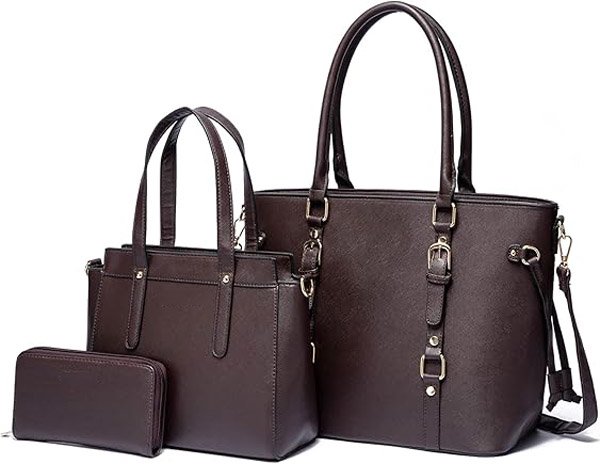
Handbags have evolved far beyond functional accessories—they’re now fashion statements, status symbols, and key lifestyle essentials. Yet behind every stylish exterior lies one fundamental question: what size handbag fits my needs best?
Whether you’re a fashion buyer sourcing for global retail, a designer planning a new collection, or a consumer shopping for personal use, understanding handbag size charts in centimeters is essential. These charts bridge the gap between aesthetic appeal and practical usability, ensuring the perfect balance between style, capacity, and comfort.
A handbag size chart in cm outlines standard dimensions—length, height, depth, handle drop, and strap length—for different handbag types. Popular sizes include small (under 20 cm), medium (20–30 cm), and large (30 cm+), with dimensions varying by style, purpose, and fashion trends.
Imagine launching a new handbag line only to discover your “medium” tote doesn’t fit standard laptop dimensions in Europe or your “small” crossbody feels oversized in Asia. This guide prevents such costly mistakes while helping consumers make informed, confident purchases. Let’s dive deep into handbag size charts in cm and uncover the insights brands and buyers need.
What Is a Handbag Size Chart in CM?
A handbag size chart in centimeters (cm) provides standardized measurements for handbag dimensions, including length, height, depth, handle drop, and strap length. It ensures consistency across designs, helps buyers compare sizes between brands, and assists manufacturers in producing bags that meet both fashion aesthetics and functional needs. Brands, retailers, and consumers rely on these charts for clear, universal size references in global markets.
Why CM Measurements Dominate in Global Fashion
While some regions still use inches, centimeters have become the international standard for handbag dimensions because:
- Most manufacturing specs use the metric system for precision.
- International retailers serving multiple countries require unified size descriptions.
- CM measurements avoid rounding errors common in inch-to-cm conversions.
For example, a handbag listed as 12 × 10 × 5 inches converts to 30.5 × 25.4 × 12.7 cm, but brands often round to 30 × 25 × 13 cm for catalog simplicity.
How Handbag Size Charts Reduce Confusion
Without standardized measurements, customers might assume terms like small, medium, or large mean the same across all brands. In reality, dimensions vary widely:
| Size Label | Brand A Tote (cm) | Brand B Tote (cm) | Brand C Tote (cm) |
|---|---|---|---|
| Small | 25 × 20 × 10 | 28 × 22 × 10 | 26 × 21 × 9 |
| Medium | 30 × 25 × 12 | 32 × 26 × 12 | 31 × 25 × 11 |
| Large | 35 × 30 × 15 | 38 × 32 × 15 | 36 × 30 × 14 |
A handbag size chart in cm eliminates ambiguity, making it easier for buyers to compare products and for brands to maintain consistency.
Why Brands and OEM/ODM Manufacturers Rely on Size Charts
For OEM/ODM projects with factories like Szoneier Leather, size charts ensure:
- Prototyping accuracy before mass production.
- Cross-collection consistency, so “medium” means the same in all product lines.
- Customer satisfaction, reducing size-related returns by up to 22% in e-commerce studies.
Standard Handbag Sizes in CM
| Category | Length (cm) | Height (cm) | Depth (cm) | Handle Drop (cm) | Strap Length (cm) |
|---|---|---|---|---|---|
| Mini/Small Bag | 18–22 | 12–18 | 5–8 | 10–15 | 100–110 |
| Medium Bag | 25–32 | 20–26 | 10–13 | 15–20 | 110–120 |
| Large/Oversized | 33–40+ | 28–35 | 12–15 | 20–25 | 120–130 |
Which Handbag Sizes Are Most Popular?
The most popular handbag sizes globally fall into three main categories: small (under ~20 cm width) for minimal carry, medium (20–30 cm) for daily essentials, and large (30 cm and above) for travel or multi-purpose use. These sizes cater to different lifestyles—from urban commuters needing compact bags to travelers needing more capacity—across fashion, retail, and promotional markets.
1. Small Handbags (Under ~20 cm width / Compact Minis)
Definition and Dimensions Small handbags—or “mini” bags—typically fall under 17–20 cm width, 10–18 cm height, and 4–8 cm depth. They often omit interior structure or reinforced bases to stay light and flexible.
Usage & Appeal These are ideal for events, dinners, or fashion statements when you only need a phone, keys, card, and a lipstick. Because they’re small, they provide minimal burden, align with minimalist trends, and are seen as stylish accessories rather than functional carryalls.
Market Trends & Data
- Trend-driven: Mini bags surged with “micro bag” trends promoted on social media.
- Fashion brands’ flagship pieces: Many luxury brands release a mini version of their core line as limited editions.
- High impulse purchases: Given their size and price point, these are often bought on whim, especially by younger shoppers.
Strengths & Limitations
- Strengths: Light, portable, trendy, easy to brand.
- Limitations: Very limited capacity—no large phones, tablets, or extra items. Not ideal for daily use.
2. Medium Handbags (20–30 cm width / Daily Essentials)
Definition and Dimensions Medium handbags generally span 22–30 cm width, 18–26 cm height, and 8–13 cm depth. They strike a balance between portability and usable volume.
Usage & Appeal These dominate everyday carry scenarios—office, errands, casual outings. They accommodate wallets, personal electronics, makeup pouches, small water bottles, and more without being bulky.
Market Trends & Data
- Top seller in many retail lines: A majority of handbags sold by fashion brands fall into this range.
- Versatility is key: Many consumers prefer one “all-around” medium bag over owning multiple size-specific bags.
- Custom handbag lines: Many OEM and private label designers standardize this size to streamline display and packaging.
Strengths & Limitations
- Strengths: Balanced capacity, wearable, versatile for daily use.
- Limitations: May not fit large laptops or bulky travel gear; strap drop and weight distribution need careful design.
3. Large and Oversized Handbags (30 cm+ width / High Capacity)
Definition and Dimensions Large handbags or “totes” often measure 30 cm width or more, 25–35 cm height, and 10–15 cm (or more) depth. Some backpacks or “carry-all” styles go beyond these to fit travel loads.
Usage & Appeal Perfect for commuters, travelers, or shoppers who carry more: laptops, notebooks, gym clothes, or shopping items. These bags become functional power pieces.
Market Trends & Data
- Rise in travel work lifestyles: As people work on the go, demand for large, functional handbags increases.
- Retail promotions: Many brands bundle large totes with purchases as giveaways.
- Durability expectations: Must incorporate reinforced construction—thicker fabrics, reinforced stitching, sturdy hardware.
Strengths & Limitations
- Strengths: Maximum capacity, accommodates multiple items without needing extra bags.
- Limitations: Can be heavy, cumbersome, and sometimes considered overkill for casual use.
Regional & Style Variations
- Asia / East Asia: Consumers often prefer compact and medium sizes due to crowd density, smaller living spaces, and fashion trends favoring sleek silhouettes.
- Europe: A mix of medium and large, tuned by commuting norms and public transport usage.
- North America: Larger handbags are more acceptable due to car commuting, urban sprawl, and lifestyle needs.
Also, handbag style (tote, crossbody, satchel) influences size preference. For example, a large tote may be acceptable, but a crossbody that large is rarely adopted.
Popular Handbag Size Ranges & Use Cases
| Size Category | Typical Dimensions (cm) | Common Use Cases | Consumer Preference Drivers |
|---|---|---|---|
| Small / Mini | 17–20 W × 10–18 H × 4–8 D | Evening, fashion, minimal essentials | Style over capacity, lightweight |
| Medium / Daily | 22–30 W × 18–26 H × 8–13 D | Office, errands, daily carry | Balanced capacity & portability |
| Large / Oversize | 30+ W × 25–35 H × 10–15+ D | Travel, commuting, multi-item carry | High utility, durability, versatility |
How to Read and Use a Handbag Size Chart in CM?
A handbag size chart in centimeters (cm) helps you interpret dimensions such as length, height, depth, handle drop, and strap length accurately. By comparing these measurements with your needs—like carrying laptops, books, or daily essentials—you can select the right handbag size confidently. For brands, designers, and manufacturers, understanding size charts ensures consistent product specifications across global markets and prevents sizing misunderstandings for buyers.
Understanding Each Measurement Parameter
Most handbag size charts use the L × H × D format:
| Term | Abbreviation | Explanation | Example (Medium Tote) |
|---|---|---|---|
| Length | L | Horizontal width of the bag’s base/front | 30 cm |
| Height | H | Vertical measurement from base to top edge (no handles) | 25 cm |
| Depth | D | Side width (front to back) at the base | 12 cm |
| Handle Drop | HD | Distance from the handle’s peak to the top bag opening | 20 cm |
| Strap Length | SL | Full length of crossbody or shoulder straps | 110–130 cm |
Tip: Always check if dimensions exclude decorative elements like tassels or hardware, as these can slightly change the real-world size.
How to Interpret L × H × D
- L (Length): Tells you how much horizontal space the bag offers. A 30 cm tote can fit notebooks, while a 20 cm crossbody suits smaller essentials like phones and wallets.
- H (Height): Defines vertical capacity. Taller bags handle bottles or tablets better, while shorter clutches remain slim and stylish.
- D (Depth): Indicates thickness. A 10 cm depth provides a sleek look; 15 cm+ handles bulkier items like camera gear or lunch boxes.
Understanding these relationships helps you visualize not only capacity but also silhouette and comfort when carrying the bag.
Handle Drop and Strap Length
Handle Drop (HD):
- Short Handles (10–15 cm): Designed for handheld or elbow carry; common in structured satchels or mini bags.
- Long Handles (20–25 cm): Suitable for shoulder carry, leaving enough room for arm movement or thicker winter clothing.
Strap Length (SL):
- Crossbody Bags: Typically 110–130 cm adjustable straps. Allows hands-free carrying.
- Shoulder Bags: Often 60–80 cm, resting comfortably under the arm.
When reading size charts, match handle and strap lengths to your body height and carrying style to ensure ergonomic comfort.
Converting Inches to Centimeters
Many U.S.-based retailers list dimensions in inches, while manufacturers and global buyers prefer centimeters.
Formula: 1 inch = 2.54 cm
Example Conversion Table:
| Inches | Centimeters |
|---|---|
| 8 × 5 × 3 in | 20 × 13 × 8 cm |
| 12 × 10 × 5 in | 30 × 25 × 13 cm |
| 15 × 12 × 6 in | 38 × 30 × 15 cm |
When sourcing bags internationally, brands should list both units to avoid confusion in product descriptions.
Matching Bag Sizes to Use Cases
Once you’ve read the chart, compare it with your actual storage needs:
- Evening Clutches: 20 × 12 × 4 cm – phone, lipstick, cards.
- Office Totes: 35 × 30 × 12 cm – laptops, notebooks, chargers.
- Travel Backpacks: 40 × 35 × 15 cm – clothes, accessories, electronics.
For retailers, including size references with lifestyle photos helps customers visualize real-world capacity, reducing return rates by up to 18% in e-commerce studies.
How to Read a Handbag Size Chart
| Measurement | Key Insight | Typical Range (cm) | Use Case Example |
|---|---|---|---|
| Length (L) | Width of bag across the front | 20–40+ | Fits phones → laptops |
| Height (H) | Top to bottom measurement | 12–35 | From clutches to totes |
| Depth (D) | Front to back width | 5–15+ | Slim profiles → bulky bags |
| Handle Drop | Handle top to bag opening | 10–25 | Handheld → shoulder bags |
| Strap Length | Full length of straps | 60–130 | Shoulder → crossbody carry |
Do Different Handbag Types Have Unique Sizes?
Yes. Different handbag types—totes, crossbody bags, clutches, satchels, backpacks, and evening bags—follow unique size ranges because each serves a different purpose. Totes are larger for work or travel, crossbody bags prioritize hands-free convenience, clutches stay compact for formal events, and backpacks focus on capacity. A handbag size chart in centimeters helps brands, designers, and buyers standardize dimensions for each style while meeting fashion and functionality needs.
1. Tote Bags
Typical Size Range:
- Medium Tote: 30 × 25 × 12 cm
- Large Tote: 35 × 30 × 15 cm
Purpose & Features: Totes are the largest handbags in most collections, designed for office workers, students, and travelers. They fit laptops, notebooks, water bottles, and personal items easily. Longer handle drops (20–25 cm) allow shoulder carrying even with bulky clothing.
Trends:
- Work Totes: Reinforced bases and compartments for electronics.
- Luxury Totes: Premium leather with minimalist designs.
- Eco Totes: Cotton canvas for reusable shopping bags.
Brands standardize tote sizes to balance capacity with portability, preventing oversized designs from feeling awkward to carry.
2. Crossbody and Shoulder Bags
Typical Size Range:
- 22–28 × 18–22 × 8–12 cm
Crossbody bags prioritize mobility and lightness. Adjustable straps (110–130 cm) allow hands-free use, ideal for commuters, travelers, or shoppers.
They’re usually medium-sized to carry essentials like wallets, phones, and small tablets without adding bulk. Some brands introduce compact crossbody designs for minimalists and structured leather versions for professionals seeking style with practicality.
3. Clutches and Evening Bags
Typical Size Range:
- 18–22 × 10–14 × 4–6 cm
Clutches are slim, handle-free bags for formal events or evenings out. They carry only essentials—phone, lipstick, credit cards—and often use magnetic closures or wrist straps for convenience.
Luxury brands add embellishments like sequins, crystals, or metal clasps to align with eveningwear aesthetics. Sizing stays compact to maintain a sophisticated, minimal look while preventing bulkiness at formal occasions.
4. Satchels and Structured Bags
Typical Size Range:
- 28–32 × 22–26 × 10–14 cm
Satchels offer boxy silhouettes with top handles and optional crossbody straps. Designed for office or academic use, they carry documents, small laptops, and daily essentials.
Structured interiors and reinforced panels maintain shape, while medium dimensions keep them professional without overwhelming proportions. Many satchels feature organizational compartments to separate electronics, stationery, and personal items.
5. Backpacks
Typical Size Range:
- 35–40 × 28–35 × 12–18 cm
Backpacks bridge fashion and utility, accommodating laptops, gym gear, or overnight essentials. Padded straps improve comfort, while multiple compartments organize items.
Urban professionals and students often choose sleek leather or nylon backpacks that balance minimal design with large capacity. Sizing must stay practical for daily commutes without becoming as bulky as hiking packs.
6. Specialty and Niche Bags
- Bucket Bags: Cylindrical shapes around 25 × 28 × 15 cm, casual and trendy.
- Belt Bags: Compact pouches under 20 × 12 × 5 cm, worn around the waist or crossbody.
- Doctor Bags: Vintage-inspired, structured designs around 30 × 22 × 14 cm, favored for retro aesthetics.
Typical Handbag Dimensions by Type
| Handbag Type | Length × Height × Depth (cm) | Typical Use Cases | Strap/Handle Feature |
|---|---|---|---|
| Tote Bag | 30–40 × 25–35 × 12–15 | Work, travel, shopping | Long handles, optional straps |
| Crossbody/Shoulder Bag | 22–28 × 18–22 × 8–12 | Daily errands, commuting | Adjustable crossbody strap |
| Clutch/Evening Bag | 18–22 × 10–14 × 4–6 | Formal events, parties | Wrist straps, no handles |
| Satchel/Structured Bag | 28–32 × 22–26 × 10–14 | Office, academics | Top handles, crossbody option |
| Backpack | 35–40 × 28–35 × 12–18 | Work, students, urban travelers | Dual shoulder straps |
| Specialty Bags | 20–30 × 15–30 × 5–15 | Niche fashion or casual wear | Varied designs |
How to Choose the Right Handbag Size for Your Needs?
The right handbag size depends on your lifestyle, occasion, body proportions, and storage requirements. Small bags suit minimal essentials or formal events, medium bags fit daily use, and large bags work for work, travel, or shopping. Comparing length, height, depth, handle drop, and strap length on a handbag size chart ensures you pick a bag that balances style, comfort, and functionality perfectly for your needs.
1. Match Bag Size to Occasion and Lifestyle
Different events and routines demand different capacities:
- Formal Events: Small clutches (18–22 × 10–14 × 4–6 cm) hold essentials—phone, cards, keys, lipstick. Lightweight and elegant designs prevent bulkiness at weddings, galas, or dinners.
- Everyday Use: Medium totes or crossbody bags (25–32 × 20–26 × 10–13 cm) balance style and storage for office, shopping, or errands.
- Travel or Work: Large totes or backpacks (35–40 × 28–35 × 12–18 cm) carry laptops, clothes, chargers, and more, ensuring practical capacity without needing multiple bags.
By comparing size charts with your daily carry items, you can avoid underestimating or overestimating space needs.
2. Consider Body Proportions and Carrying Comfort
The right handbag size should complement your body frame:
- Petite Users: Smaller or medium bags prevent overwhelming silhouettes. A 30 × 25 × 12 cm tote offers enough capacity without looking oversized.
- Taller or Larger Frames: Bigger bags (35 × 30 × 15 cm or more) balance proportions visually and functionally.
Strap lengths also matter. For example, a 20–25 cm handle drop ensures shoulder comfort, while crossbody straps (110–130 cm) allow hands-free convenience for commuters or travelers.
3. Balance Capacity with Aesthetics
A handbag’s purpose should guide its internal organization and size:
- Minimalist Users: Prefer structured small bags with just enough space for basics.
- Professionals: Medium-to-large bags with padded laptop sleeves and internal pockets improve workday efficiency.
- Parents or Travelers: Oversized totes or backpacks with reinforced bases handle bulkier loads and longer trips.
Manufacturers often add expandable compartments or zippered pockets to medium-sized bags, offering versatility without sacrificing aesthetics. This approach balances practical storage with visual elegance, a key concern for fashion-forward buyers.
4. Professional Tips for Buyers and Brands
For consumers:
- Check online product listings for L × H × D dimensions and compare with household items (e.g., tablets, bottles) for real-world scaling.
- Read size reviews—many e-commerce platforms note when items run “smaller than expected.”
For brands and OEM/ODM manufacturers:
- Use standardized size charts in cm across collections to maintain consistency.
- Offer size comparison visuals (e.g., model carrying each size) to help customers visualize capacity.
- Prototype and test with real-world items before mass production to avoid customer complaints.
Handbag Size Recommendations by Need
| Use Case | Recommended Size (L × H × D, cm) | Strap/Handle Feature | Key Considerations |
|---|---|---|---|
| Formal Events | 18–22 × 10–14 × 4–6 | Wristlet/short handle | Lightweight, elegant, minimal load |
| Daily Use | 25–32 × 20–26 × 10–13 | Shoulder/crossbody straps | Balanced style and storage |
| Work/Travel | 35–40 × 28–35 × 12–18 | Long handles, padded straps | Laptop capacity, reinforced base |
| Commuters | 30–35 × 25–30 × 10–14 | Adjustable crossbody straps | Comfort, hands-free convenience |
| Students/Parents | 35–40 × 30–35 × 12–18 | Backpack or oversized tote | High capacity, multiple pockets |
Conclusion
Choosing the right handbag size isn’t just about aesthetics—it’s about functionality, comfort, and customer satisfaction. A well-defined handbag size chart in centimeters ensures that buyers know exactly what to expect, designers maintain product consistency, and manufacturers like Szoneier Leather can deliver with precision and quality.
Whether you need small clutches for events, medium totes for everyday use, or oversized travel bags, Szoneier Leather has the expertise to turn your vision into reality.
Ready to design handbags that balance fashion, function, and flawless sizing?
Let Szoneier Leather help you create handbags with perfect dimensions and premium craftsmanship for your global customers.
What Can I Do For You?
Here, developing your OEM/ODM private label leather goods collection is no longer a challenge,it’s an excellent opportunity to bring your creative vision to life.
Make A Sample First?
If you have your own tech packs, logo design artwork, or just an idea,please provide details about your project requirements, including preferred fabric, color, and customization options,we’re excited to assist you in bringing your leather goods designs to life through our sample production process.