
Why Is Leather So Popular:Expert Guide
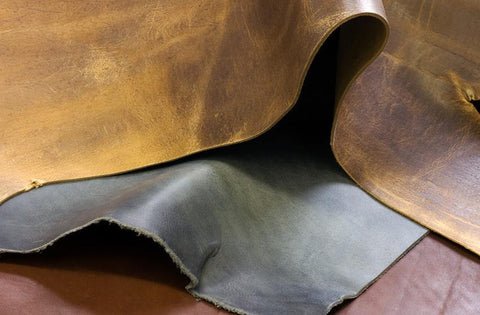
Leather is one of those rare materials that has stood the test of time—both literally and culturally. From ancient armor to luxury handbags, it has been prized for strength, flexibility, and style. Today, leather is used everywhere: in bags, belts, wallets, car interiors, furniture, and fashion. Consumers often ask the same question: why is leather so popular, and what makes it different from synthetics or fabrics?
Leather is popular because it combines durability, flexibility, and timeless style. Unlike synthetic materials, genuine leather develops character over time, resists wear, and offers a balance of strength and comfort. It is versatile across industries—from fashion to automotive—and valued by both consumers and brands. Global leather production is widespread, making it accessible while still maintaining its luxury appeal.
But popularity isn’t just about practicality. Leather has also been tied to status, craftsmanship, and global trade. Imagine a medieval knight polishing his armor, a 20th-century biker in a leather jacket, or a luxury shopper buying a designer handbag—leather has always symbolized more than just material. In this article, we’ll explore what makes leather different, which types dominate the market, its global distribution, consumer preferences, brand applications, and whether it’s worth the investment for buyers and businesses alike.
What Makes Leather Different from Other Materials?
Leather is different from other materials because it blends strength, flexibility, and natural beauty. Unlike synthetics or fabrics, it develops a unique patina, breathes, and resists tearing. It offers comfort in long wear, while also carrying cultural and luxury value. Leather’s combination of performance and emotional appeal makes it one of the most trusted and enduring materials across fashion, automotive, and furniture industries.
Leather is not simply “another fabric.” It stands apart because of its natural origins, microstructure, and emotional value—qualities that synthetic materials can imitate but rarely replicate.
Microscopic Strength and Fiber Structure
Leather’s durability comes from its collagen fiber matrix. These fibers interlock in a 3D web, giving leather its high tensile strength (25–35 N/mm²) while retaining flexibility. Unlike woven textiles, where fibers run in one direction and can unravel, leather fibers crisscross randomly, making it resistant to tearing even at thin thicknesses.
- Example: A leather belt can withstand years of pulling stress, while a polyester strap often frays after a few months of use.
Durability vs Aging Gracefully
Most materials degrade with age—synthetic PU cracks, cotton weakens, polyester pills. Leather, on the other hand, ages into beauty. With time, oils from the skin and exposure to sunlight create a patina—a natural sheen and deepening of color that many consumers find attractive.
- A full-grain leather wallet, after 5 years, looks richer and more unique.
- A synthetic wallet, after 5 years, often looks damaged and unattractive.
Breathability and Comfort
Unlike plastics and many coated fabrics, leather allows air and moisture exchange. This is why leather shoes feel more comfortable over long periods, and why leather straps don’t cause as much sweating as PVC. The porous nature of leather ensures comfort without compromising durability.
Natural Aesthetic and Uniqueness
Each piece of leather is unique—its grain, scars, and subtle imperfections tell a story. Consumers value this individuality, while synthetic materials aim for uniformity. Leather also has a distinct scent, which is psychologically linked with authenticity and luxury. This sensory dimension sets it apart in a way few materials can match.
Versatility Across Industries
Leather is used in bags, belts, furniture, automotive seats, fashion jackets, and sports gear. Few materials can transition from rugged military boots to luxury handbags. Its adaptability to tanning and finishing methods allows for an infinite range of looks—matte, glossy, suede, embossed, metallic, or patent.
Emotional & Cultural Value
Leather isn’t just practical; it carries status and identity.
- A leather briefcase signals professionalism.
- A leather jacket conveys rebellion and style.
- A leather sofa represents luxury and comfort at home.
Synthetic alternatives may copy the look, but they rarely deliver the same emotional weight.
Comparison with Other Materials
| Feature | Leather | Synthetic PU/PVC | Fabric (cotton, canvas) | Plastic (nylon, polyester) |
|---|---|---|---|---|
| Strength | High tensile, tear resistant | Cracks & peels over time | Moderate, tears under stress | Strong but prone to fraying |
| Longevity | 10–20 years+ (with care) | 2–5 years max | 3–8 years | 5–10 years |
| Aging | Develops patina (improves look) | Looks worse (cracks/peels) | Fades & weakens | Static look, degrades slowly |
| Comfort | Breathable, flexible | Non-breathable, traps heat | Breathable but less durable | Non-breathable |
| Luxury Perception | High | Low | Moderate | Low |
Which Types of Leather Are Most Commonly Used?
The most common types of leather are full-grain, top-grain, genuine leather, and bonded leather. Full-grain is the most durable and natural, top-grain is smoother and more refined, genuine leather is affordable but lower grade, and bonded leather is made from scraps. Each type serves different markets—luxury brands favor full-grain, while mass retail uses genuine or bonded leather for affordability.
1. Full-Grain Leather – The Gold Standard
- Full-grain leather retains the complete natural grain, including imperfections like scars or wrinkles.
- Qualities: Strongest, most durable, and develops the richest patina. Resistant to moisture because of tightly packed fibers.
- Applications: Luxury bags, belts, premium shoes, executive wallets, and high-end furniture.
- Consumer Perception: Seen as the most authentic and premium. A full-grain leather bag can last 10–20 years or longer.
- Drawback: Higher cost; natural imperfections may deter buyers seeking uniform finishes.
2. Top-Grain Leather – Balance of Quality and Style
- The top surface is sanded or buffed to remove blemishes, then finished with dyes or coatings.
- Qualities: Smoother, more uniform, slightly thinner, and easier to work with than full-grain.
- Applications: Handbags, wallets, fashion belts, shoes, automotive interiors.
- Consumer Perception: Considered high quality, but not as long-lasting as full-grain. Often preferred in fashion industries where appearance matters more than rugged durability.
- Drawback: Loses some of the natural strength and aging charm of full-grain.
3. Genuine Leather – Accessible but Lower Grade
- Made from the layers beneath top-grain, often corrected with embossing or coatings.
- Qualities: Affordable, versatile, and widely used, but weaker and less durable than full- or top-grain.
- Applications: Budget-friendly belts, wallets, and casual footwear.
- Consumer Perception: Many consumers confuse “genuine leather” with “authentic high-grade leather,” but it actually refers to mid- to low-tier quality.
- Drawback: Prone to cracking and peeling within a few years.
4. Bonded Leather – Economical but Least Durable
- Made from leftover leather fibers bonded with polyurethane or latex.
- Qualities: Very cheap, easy to dye, and widely available.
- Applications: Low-cost furniture, budget belts, promotional items.
- Consumer Perception: Often marketed as “real leather,” but durability is poor. Usually lasts only a couple of years.
- Drawback: Prone to peeling, flaking, and delamination.
5. Split Leather & Suede – Specialty Leathers
- Split Leather: Derived from the lower layers of hide; less durable but can be embossed. Used in work gloves, shoes, and linings.
- Suede: Made from the inner split with a brushed surface, giving it softness. Popular in fashion shoes, jackets, and bags, but requires high maintenance.
6. Exotic Leathers
- Examples: Crocodile, ostrich, python, and stingray.
- Qualities: Unique textures and aesthetics, extremely high cost, limited availability.
- Applications: Luxury handbags, belts, watch straps.
- Consumer Perception: A symbol of wealth and exclusivity.
- Drawback: Expensive, requires strict trade regulations (CITES).
Leather Types at a Glance
| Leather Type | Durability (Years) | Look/Feel | Common Uses | Market Segment |
|---|---|---|---|---|
| Full-Grain | 15–20+ | Natural, rugged, patina | Luxury bags, belts, furniture | Luxury & Premium |
| Top-Grain | 10–15 | Smooth, uniform | Fashion bags, shoes, wallets | Fashion & Mid-Premium |
| Genuine | 3–7 | Corrected, coated | Budget belts, wallets | Mass-Market |
| Bonded | 1–3 | Artificial, uniform | Furniture, cheap belts | Budget/Promotional |
| Suede/Split | 2–6 | Soft, brushed | Jackets, shoes, bags | Fashion Specialty |
| Exotic | 10–20+ | Unique textures | Luxury handbags, straps | Ultra-Luxury |
Global Market Insights
- Asia (China, India, Pakistan): Major producers of genuine and bonded leather for mass-market affordability.
- Europe (Italy, Spain, France): Specializes in full-grain and top-grain for luxury and premium brands.
- South America (Brazil, Argentina): Strong in raw hide exports, especially bovine leather.
- North America: Focuses on furniture and automotive leather.
Do luxury brands prefer specific tanning?
Yes. Brands like Hermès and Louis Vuitton often use vegetable-tanned full-grain leather for its eco-friendly process and natural aesthetics, while automotive industries lean on chrome-tanned leathers for uniformity and water resistance.
How Has Leather Remained Popular Through History?
Leather has remained popular for thousands of years because it is durable, versatile, and culturally significant. From ancient clothing and armor to medieval saddles and modern luxury handbags, leather has evolved with society’s needs. Today, its popularity continues thanks to global production of leather fabric, with Asia, South America, and Europe leading in supply. This mix of functionality, tradition, and international trade ensures leather’s lasting place in global markets.
Ancient Origins – Leather as Survival Material
Leather use can be traced back over 5,000 years. Archaeological findings in Armenia revealed the world’s oldest known leather shoe (approx. 3500 BC). Early humans discovered that animal hides, once treated and dried, became more durable than woven grasses or furs.
- Clothing: Leather provided warmth and weather resistance.
- Shelter: Stretched hides formed the basis of tents and protective coverings.
- Tools & Containers: Flexible yet strong, leather served as pouches, ropes, and straps.
Medieval & Renaissance – Leather as Utility and Prestige
By the Middle Ages, leather had become integral to daily life and warfare.
- Armor & Protection: Soldiers wore hardened leather breastplates or used leather to reinforce metal armor.
- Equestrian Culture: Saddles, bridles, and harnesses made from thick leather allowed knights and traders to travel long distances.
- Guilds & Craftsmanship: Leather tanning became a skilled trade, with guilds in Italy, France, and Spain gaining early reputations for quality.
- Fashion Symbol: Nobles commissioned leather boots, gloves, and belts, not just for function but also as status markers.
Leather was no longer just survival—it became a sign of craft, wealth, and mobility.
Industrial Revolution – Leather for the Masses
The 18th and 19th centuries brought mechanization and global trade:
- Mechanized Tanning: Chrome tanning (developed in 1858) replaced vegetable tanning, reducing processing time from months to days.
- Military Demand: Boots, belts, saddles, and holsters were mass-produced for soldiers.
- Everyday Goods: Workers relied on leather boots, gloves, and aprons for protection.
- Furniture & Automotive: By the late 19th century, leather upholstery entered homes and eventually cars.
Leather transitioned into a mass-market material, with both utilitarian and aspirational uses.
20th Century – Leather as Cultural Icon
Leather in the 20th century was tied to identity and rebellion.
- Aviation & War: Bomber jackets became synonymous with pilots.
- Motorcycle Culture: Leather jackets symbolized toughness, adopted by bikers and Hollywood icons like Marlon Brando.
- Music & Subcultures: Rock stars and punk bands embraced leather as a uniform of defiance.
- Luxury Fashion: At the same time, brands like Hermès, Gucci, and Louis Vuitton elevated leather handbags and wallets into high-fashion collectibles.
Leather became both mainstream and symbolic—from work gear to status symbols.
21st Century – Leather in a Globalized World
Today, leather continues to dominate industries, but with new challenges and shifts:
- Sustainability: Growing demand for chrome-free or vegetable-tanned leather.
- Competition: Rise of synthetics and vegan alternatives (PU, cactus leather, mushroom leather).
- Customization: OEM/ODM factories now enable brands to order small MOQs with custom colors, finishes, and embossing.
- Cultural Continuity: Despite alternatives, surveys show leather remains the preferred material for premium bags and belts because of its heritage value.
Global Distribution of Leather Fabric
Leather fabric production is globally distributed, but concentrated in specific regions:
| Region | Key Countries | Strengths | Market Focus |
|---|---|---|---|
| Asia | China, India, Pakistan | High volume, cost-effective production | Mass market, footwear, accessories |
| South America | Brazil, Argentina | Large raw hide exports, cattle industry | Supply of bovine hides, semi-processed leather |
| Europe | Italy, Spain, Portugal | Artisanal tanning, vegetable-tanned leather | Luxury handbags, footwear, high-end goods |
| North America | USA, Mexico | Automotive upholstery, furniture | Mid- to high-grade production |
- Asia dominates in volume and affordability.
- South America provides the raw hides that fuel Asian tanneries.
- Europe maintains its luxury positioning, with Italian vegetable-tanned leather leading global demand for premium products.
How Do Brands and Manufacturers Work with Leather?
Brands and manufacturers use leather across industries like fashion, automotive, and furniture because of its durability and premium appeal. OEM/ODM factories ensure quality and customization with global supply chains linking Asia, South America, and Europe. This mix of industrial know-how, design flexibility, and worldwide sourcing makes leather a material that remains in demand for both mass-market and luxury brands.
1. Industry Applications of Leather
Leather adapts to many industries, each with its own requirements:
- Fashion & Luxury: Handbags, wallets, belts, and shoes rely on full-grain or top-grain leathers for prestige and aesthetics.
- Automotive: Premium car interiors use corrected or coated leather to balance durability with comfort.
- Furniture: Sofas, chairs, and office seating demand leather that is both hard-wearing and elegant.
- Sports Equipment: Gloves, protective gear, and specialty items like baseballs still use leather for grip and resilience.
- Outdoor & Military Gear: Rugged full-grain or vegetable-tanned leather provides unmatched toughness.
2. OEM/ODM Manufacturing & Customization
Brands collaborate with OEM/ODM factories like Szoneier Leather to ensure efficiency, quality, and scalability:
- End-to-End Process Control: From hide sourcing → tanning → cutting → stitching → finishing → QC.
- Customization Options: Pantone color matching, logo embossing/debossing, laser engraving, hardware integration, eco-friendly tanning.
- Prototyping & Sampling: Quick samples within days allow brands to test designs before bulk production.
- Flexible MOQs: Low order quantities support startups and small labels while still maintaining quality.
- Consistency: Every unit produced maintains the same stitching quality, strength, and finish—essential for brand reputation.
3. Global Distribution of Leather Product Production
Leather production is spread worldwide, each hub serving different purposes:
- Asia (China, India, Pakistan, Vietnam): High-volume, cost-effective manufacturing for footwear and accessories.
- South America (Brazil, Argentina): Leading exporters of raw hides and semi-processed leather.
- Europe (Italy, Spain, France, Portugal): Famous for artisanal tanning and vegetable-tanned premium hides for luxury brands.
- North America (USA, Mexico): Specialized in automotive leather, furniture-grade hides, and niche manufacturing.
- Emerging Hubs (Turkey, Ethiopia): Growing players in mid-tier leather production with competitive pricing.
Conclusion
Leather’s popularity is no accident—it is the result of centuries of craftsmanship, durability, and global trade. From its biological structure to its cultural symbolism, leather offers something no synthetic can fully replicate: timeless value.
So ready to develop your leather collection?
What Can I Do For You?
Here, developing your OEM/ODM private label leather goods collection is no longer a challenge,it’s an excellent opportunity to bring your creative vision to life.
Make A Sample First?
If you have your own tech packs, logo design artwork, or just an idea,please provide details about your project requirements, including preferred fabric, color, and customization options,we’re excited to assist you in bringing your leather goods designs to life through our sample production process.