
What Is Leather Crafting: Tools, Techniques & Guide
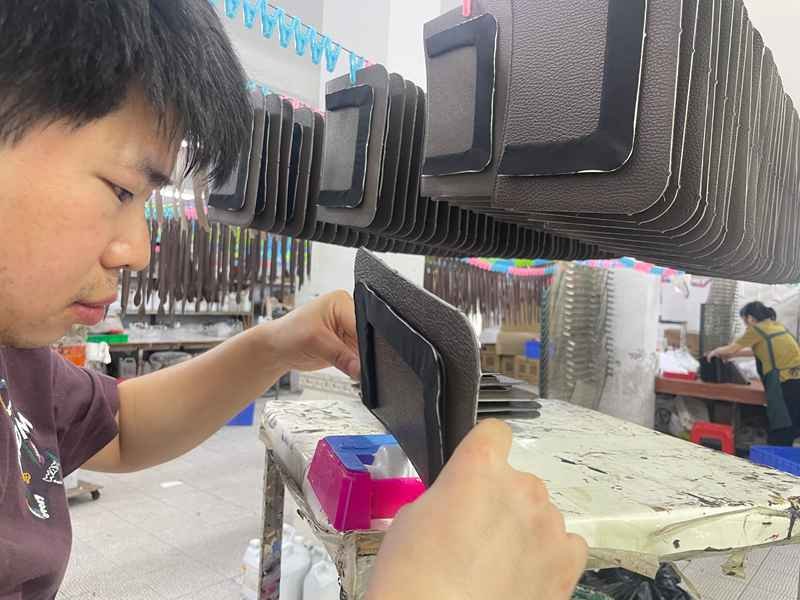
Leather crafting has existed for thousands of years, yet it remains one of the most fascinating intersections of tradition, functionality, and artistry. Whether you think of luxury handbags, heritage saddlery, or trendy leather phone cases, every piece starts with the same foundation: the ability to shape raw leather into functional, beautiful products. For some, leather crafting is a hobby. For others, it’s a professional trade. But in every context, it combines precision, creativity, and technique to create objects that last.
Leather crafting is the art and process of designing, cutting, stitching, and finishing leather into useful or decorative products. It involves specific tools, techniques, and skills, ranging from basic stitching to advanced embossing and tooling.
At its core, leather crafting means transforming hides into products that balance durability, aesthetics, and usability. From wallets and belts to bespoke furniture upholstery, the craft requires not only technical knowledge but also an understanding of market demand, fashion trends, and cultural appreciation.
Think of it this way: while mass production brings affordability, handmade leather crafting brings uniqueness and authenticity. And in a world increasingly driven by personalization, leather crafting is being redefined—not just as a skill, but as a business opportunity. In the sections below, we’ll break down its materials, tools, methods, and market potential. But first, imagine this: a small family workshop in Italy and a large OEM manufacturer in China may share similar tools, but their goals, customers, and approaches are entirely different. This is where leather crafting gets truly exciting.
What Materials Are Used in Leather Crafting?
Leather crafting materials include natural leathers such as full-grain, top-grain, genuine, suede, and nubuck, alongside exotic hides like crocodile and ostrich. Alternatives like PU, PVC, and plant-based vegan leathers are also popular, each offering different qualities in durability, cost, and sustainability. Supporting materials like threads, linings, adhesives, and hardware complete the crafting process.
Natural Leather Types
Full-Grain Leather
Full-grain leather is the most premium option because it retains the hide’s natural surface without sanding or corrections. It is exceptionally durable, develops a rich patina over time, and is ideal for luxury products like wallets, belts, and bags, though it comes with higher cost and stiffness in early use.
Top-Grain Leather
Top-grain leather is slightly sanded to remove imperfections, giving it a smoother and more uniform appearance than full-grain. It’s easier to work with, still durable, and widely used in mid- to high-end bags, furniture, and clothing, though it sacrifices some natural strength.
Genuine Leather
Genuine leather, often made from lower hide layers, is corrected with embossing or coatings to mimic natural grain. While more affordable and common in mass-market products, it lacks the longevity and strength of higher grades and tends to crack or wear faster.
Suede
Suede is crafted from the inner split of the hide, giving it a soft, velvety texture. Its light weight and breathability make it popular for shoes, jackets, and accessories, but it is less resistant to stains and moisture compared to denser leathers.
Nubuck
Nubuck comes from top-grain leather that has been sanded to create a fine, velvety surface. It offers a luxurious feel and is favored in premium footwear and bags, though it is more prone to scratches and requires careful maintenance.
Exotic and Specialty Leathers
Exotic leathers such as crocodile, ostrich, snake, and fish skin are highly prized in luxury markets for their unique textures and rarity. They are often used for watch straps, handbags, and wallets, commanding premium prices but requiring strict compliance with trade regulations like CITES.
Alternative & Vegan-Friendly Materials
PU Leather
PU leather (polyurethane) is a synthetic option designed to mimic natural leather while being more affordable and animal-friendly. It is versatile for mass-market goods but less durable and can crack over time.
PVC Leather
PVC leather is durable, waterproof, and cost-effective, often used in outdoor goods and accessories. However, it is less eco-friendly due to its chemical base, making it less appealing for sustainability-focused brands.
Plant-Based Leathers
Emerging materials like apple, cactus, and pineapple (Piñatex) leathers are gaining traction for eco-conscious products. They offer a sustainable alternative with unique aesthetics, though their durability and availability remain limited compared to traditional hides.
Recycled Composite Leather
This material combines leather scraps with polyurethane, reducing waste and offering a balance between sustainability and affordability. It is often used in shoes, belts, and furniture, appealing to mid-market brands.
Supporting Materials in Leather Crafting
Leather products also require complementary materials such as waxed threads, cotton or microfiber linings, eco-friendly adhesives, and hardware like zippers, rivets, and buckles. These elements not only enhance durability but also define a product’s final style and functionality.
Choosing the Right Leather for Beginners vs Professionals
Beginners often start with vegetable-tanned cowhide because it’s forgiving to cut and tool, while professionals may prefer chrome-tanned leathers for consistency and modern finishes. Industrial buyers typically decide based on end-use and volume requirements.
Material Comparison Table
| Material | Durability | Look/Feel | Eco-Friendly? | Best For |
|---|---|---|---|---|
| Full-Grain Leather | ★★★★★ | Natural, premium | Moderate | Luxury goods |
| Top-Grain Leather | ★★★★☆ | Smooth, flexible | Moderate | Bags, apparel |
| Genuine Leather | ★★☆☆☆ | Artificial grain | Low | Mass-market |
| Suede | ★★★☆☆ | Velvety, soft | Low | Shoes, jackets |
| Nubuck | ★★★★☆ | Matte, luxury | Low | Premium footwear |
| PU Leather | ★★☆☆☆ | Smooth, uniform | High | Budget goods |
| PVC Leather | ★★★☆☆ | Glossy, durable | Low | Outdoor gear |
| Plant-Based Leather | ★★★☆☆ | Unique, sustainable | High | Eco brands |
| Exotic Leather | ★★★★★ | Distinct, luxury | Low/Regulated | High-fashion |
The Rise of Vegan and Alternative Leathers
With sustainability concerns growing, many brands explore PU leather or mycelium-based vegan leather. While these options often compromise on longevity, they align with eco-conscious consumer demands. From a business standpoint, this means suppliers like Szoneier must offer both traditional full-grain leather and innovative sustainable alternatives to stay competitive in international markets.
What Tools and Equipment Are Essential for Leather Crafting?
Essential leather crafting tools include cutting instruments like rotary cutters and knives, punching and stitching tools such as awls and chisels, edge-finishing equipment, measuring and marking aids, and specialized machines like sewing machines and embossers. These tools ensure precision, durability, and professional quality in every crafted leather product.
Cutting Tools
Cutting is the foundation of leather crafting, and tools like rotary cutters, utility knives, head knives, and skiving knives are indispensable. Rotary cutters excel for smooth straight cuts, while utility and head knives handle curves and thicker hides. Skiving knives thin the leather for folding or layering. Precision cutting not only improves efficiency but also minimizes waste, which is critical in premium leather projects.
Punching and Stitching Tools
Punches, awls, chisels, and stitching needles form the core of assembling leather pieces. Hole punches and chisels ensure even spacing for hand-stitching, while awls help pierce leather without tearing. Waxed thread and saddle-stitching needles create strong, long-lasting seams that far outlast machine stitches in durability. Many high-end luxury brands still rely on hand-stitching for this reason.
Measuring and Marking Tools
Rulers, wing dividers, compasses, and scratch awls are essential for marking cut lines, spacing stitches, and aligning patterns. Precision is crucial—an error of just a millimeter can affect symmetry in bags or belts. High-quality measuring tools save time and reduce costly mistakes, especially in large-scale manufacturing where consistency matters.
Edge Finishing Tools
A professional leather product often stands out because of its clean, polished edges. Edge bevelers, slickers, burnishers, and edge-paint rollers are commonly used to round, smooth, or seal leather edges. For luxury handbags or belts, this finishing detail is one of the first things customers notice, directly influencing perceived quality and brand reputation.
Embossing and Decorative Tools
Stamping tools, embossing machines, and carving knives are used to add branding or decorative details. This can include pressing logos, creating floral patterns, or personalizing items with initials. For brands, embossing tools are a key investment, as they provide unique identity and help prevent counterfeiting in high-end markets.
Sewing Machines and Heavy Equipment
For scaled production, industrial leather sewing machines are indispensable. Unlike standard fabric machines, they handle thick hides and heavy-duty thread. Skiving machines, splitters, and hydraulic presses also play a role in shaping leather for mass production. These tools increase efficiency, consistency, and scalability for businesses catering to larger wholesale orders.
Supporting Accessories
Mallets, cutting mats, clamps, and adhesives round out the leather crafter’s toolkit. Wooden or rawhide mallets prevent tool damage during stamping, while cutting mats protect blades and surfaces. Strong, eco-friendly adhesives support bonding before stitching, and clamps ensure tight holds during assembly. Though often overlooked, these supporting tools enhance workflow and safety.
Hand Tools vs Machine Equipment in Leather Crafting
| Category | Hand Tools (e.g., knives, awls, punches) | Machine Equipment (e.g., sewing machines, skivers, presses) |
|---|---|---|
| Initial Cost | Low to moderate (USD $50–$500) | High (USD $2,000–$20,000+) |
| Precision | High for custom detail, but depends on artisan skill | Consistently high once calibrated |
| Efficiency | Slower, ideal for small batches or prototypes | Faster, designed for bulk production |
| Flexibility | Excellent for unique, custom, and artistic work | Best for standardized, repeat designs |
| Durability of Output | Long-lasting with skilled hand-stitching | Strong, but sometimes less aesthetic than handwork |
| Learning Curve | Steep—requires training and practice | Moderate—requires machine operation knowledge |
| Best Use Case | Luxury goods, one-off prototypes, artisan branding | Mass production, wholesale orders, scaling operations |
What Is the Meaning of Leather Crafting?
Leather crafting refers to the traditional and modern art of shaping, cutting, stitching, and decorating animal hides or synthetic leathers into functional and decorative items such as bags, belts, wallets, furniture, or accessories. It combines manual skill, specialized tools, and design knowledge, making it both a practical trade and a form of artistic expression.
Leather crafting isn’t just a skill—it’s a cultural practice. In Europe, it evolved alongside saddlery and shoemaking. In Asia, it merged with luxury fashion production. In America, it took on DIY and cowboy heritage roots.
A Blend of Art and Functionality
Leather crafting is not just about creating products; it’s about balancing utility and beauty. A leather belt must be durable enough to withstand daily wear, but it’s also expected to look stylish and reflect the wearer’s personality. This dual purpose—practical strength and visual elegance—is at the core of leatherworking’s meaning.
Cultural and Historical Roots
For centuries, civilizations have relied on leather for survival. Ancient Egyptians used tanned hides for sandals and shields, while European guilds in the Middle Ages elevated leatherworking into a respected trade. Today, leather crafting carries that heritage of craftsmanship, tying modern products back to thousands of years of tradition.
An Expression of Identity
For artisans and brands alike, leather crafting is an outlet of creativity and identity. Hand-tooled patterns, embossed logos, or customized dye finishes transform simple hides into unique, recognizable products. This is why luxury brands often emphasize leather goods—they symbolize heritage, exclusivity, and artistry.
Modern Interpretation
The meaning of leather crafting has evolved with technology. While the foundation remains the same—shaping leather into usable goods—modern factories now combine traditional handcrafting with industrial efficiency. For example, Szoneier uses advanced cutting machines for precision but still employs hand-stitching in high-end projects where detail and authenticity matter.
Why It Matters for Buyers
For wholesale buyers and brand owners, understanding leather crafting means understanding value creation. Customers don’t just pay for “a bag” or “a belt.” They invest in:
- Material durability (real leather vs PU alternatives)
- Skilled workmanship (hand vs machine finishes)
- Brand storytelling (craftsmanship as part of luxury positioning)
What is leather crafting called? → Terms like “leathercraft,” “leatherwork,” and “leather tooling” are used interchangeably.
What is it called when you make designs in leather? → That’s known as tooling or embossing, where designs are carved or pressed.
Is leather crafting hard? → Yes, for beginners, because it requires precision, patience, and investment in tools. But modern tutorials and kits make learning easier.
Which Techniques Are Common in Leather Crafting?
The most common techniques in leather crafting include cutting, stamping, carving, dyeing, stitching, embossing, tooling, and edge finishing. These methods allow artisans to shape leather, add decorative details, enhance durability, and produce functional goods such as bags, belts, wallets, and accessories.
Essential Leather Crafting Techniques
1. Cutting
Cutting is the foundation of leather crafting. Using precision knives, rotary cutters, or die-cutting machines, artisans shape raw leather into patterns that will later be stitched together. Accuracy is critical here: even a 1mm error can ruin a piece, especially for structured products like wallets or luxury handbags. Modern manufacturers like Szoneier combine manual cutting for custom orders with CNC or die-cutting machines for bulk production, ensuring both flexibility and efficiency.
2. Stamping
Stamping involves pressing pre-designed metal stamps into dampened leather, leaving behind decorative impressions such as logos, initials, or patterns. It’s often used for branding or adding a unique artistic touch. Stamping is highly valued in luxury goods since it differentiates products while also reinforcing a brand’s visual identity. For example, hot stamping with foil can create metallic finishes, popular in high-end leather packaging or accessories.
3. Carving
Carving goes beyond stamping by hand-cutting intricate designs into leather surfaces. Using swivel knives and beveling tools, craftsmen create detailed patterns, from floral motifs to custom logos. Carving is considered one of the highest artistic forms of leatherworking—it requires time, patience, and artistic skill, making products stand out as premium or collectible.
4. Dyeing & Coloring
Leather dyeing enhances both appearance and identity. Techniques include:
- Dip dyeing: Immersing leather for uniform color.
- Hand-rubbing: Creates a vintage or gradient look.
- Airbrushing: Provides smooth, even tones, ideal for fashion bags. Dyeing isn’t only cosmetic—it can also improve durability and resistance to fading. Brands often request custom Pantone color matching to align products with seasonal fashion trends.
5. Stitching
Stitching holds everything together, and quality here directly reflects craftsmanship.
- Hand-stitching: Using saddle stitch for extreme durability, often found in luxury items.
- Machine-stitching: Faster and more consistent, ideal for mass production.
- Decorative stitching: Contrasting thread colors or visible stitches add a stylish detail. Buyers should note that uneven stitching is the #1 sign of poor craftsmanship, which is why professional QC is essential.
6. Embossing & Debossing
Embossing raises parts of the leather’s surface, while debossing presses designs into the surface. Both techniques are popular for logos, patterns, and custom branding. For example, a debossed company logo on a corporate gift wallet reinforces brand identity subtly but effectively. Embossing, meanwhile, gives a 3D luxury effect.
7. Tooling
Tooling combines carving, stamping, and decorative methods to create complex designs with depth and texture. It’s common in Western leatherwork (like saddles) but also used in custom luxury goods where buyers want a one-of-a-kind finish. Tooling is labor-intensive but adds immense value and uniqueness.
8. Edge Finishing
Raw leather edges can fray or look unfinished. Techniques like burnishing, painting, or edge-coating ensure smooth, polished edges that feel professional and extend product life. In luxury handbags, multiple coats of edge paint are applied, dried, and sanded between layers for a perfect finish.
Comparison Table: Traditional vs Modern Techniques
| Technique | Traditional Approach | Modern Adaptation |
|---|---|---|
| Cutting | Hand knives, pattern tracing | CNC & die-cutting machines for precision & speed |
| Stamping | Manual metal stamps | Hydraulic or heat stamping with foil customization |
| Carving | Hand-swivel knife & beveling | Rarely automated—remains artisanal |
| Dyeing | Hand-rubbed vegetable dyes | Spray booths & Pantone-matched industrial dyes |
| Stitching | Saddle hand-stitching | High-speed sewing machines with decorative threads |
| Embossing/Debossing | Heated manual presses | Large-scale heat press & roller embossing |
| Tooling | 100% handcraft | Hybrid: laser engraving + hand tooling finishes |
| Edge Finishing | Beeswax burnishing by hand | Multi-layer polymer edge paints & machines |
How Do Leather Crafting Skills Benefit Businesses?
Leather crafting skills benefit businesses by enabling customization, quality differentiation, higher margins, and stronger brand identity. Skilled craftsmanship ensures durable, premium products that attract loyal customers, justify higher prices, and support sustainable, long-term growth in fashion, accessories, and lifestyle markets.
Product Differentiation & Brand Identity
- Why it matters: In crowded markets, standing out is critical. Businesses with leather crafting expertise can integrate unique embossing, stitching patterns, or custom dyes that competitors cannot easily copy.
- Example: A small accessories brand can offer hand-tooled motifs or debossed initials, turning generic wallets into personalized luxury goods.
- Impact: Enhances brand storytelling—customers associate the brand with authenticity, artistry, and premium value.
Premium Quality = Higher Margins
- Skilled leather craftsmanship means precise stitching, durable construction, and flawless finishing.
- High-quality leather goods command 20–40% higher retail margins compared to mass-produced, low-skill alternatives.
- Example: A factory-made leather belt might sell for $15 wholesale, while a hand-stitched belt with premium edge finishing sells for $40+, tripling profit without tripling cost.
Comparison Snapshot:
| Factor | Low-Skill Production | High-Skill Leather Crafting |
|---|---|---|
| Perceived Value | Generic, replaceable | Luxury, collectible |
| Retail Price | $15–30 | $50–300+ |
| Customer Loyalty | Low | High (repeat buyers) |
| Return/Repair Rates | Higher defects | Lower defects, longer lifecycle |
Customization at Scale
- Why businesses care: Modern buyers (especially Gen Z & millennials) value personalized products.
- Leather crafting skills allow factories like Szoneier to:
- Add custom logos, colors, and sizes for brand clients.
- Produce limited-edition runs without heavy tooling costs.
- Support OEM/ODM projects, making it easy for small brands to launch unique collections.
- This flexibility is a sales magnet for e-commerce brands that thrive on exclusivity and fast trend adaptation.
Stronger Customer Loyalty & Lifetime Value
- A well-crafted leather product lasts 5–10 years, compared to 1–2 years for cheap alternatives.
- Customers who experience durability are more likely to become repeat buyers, share word-of-mouth recommendations, and accept higher prices.
- Brands benefit from lower churn rates and higher LTV (lifetime value), especially in luxury or professional goods like business bags, belts, and watch straps.
Alignment with Sustainability Trends
- Leather crafting emphasizes repairability and longevity, aligning with eco-conscious consumer demand.
- Instead of fast fashion, businesses can market products as sustainable investments.
- Example: A handbag brand offering restoration services for crafted pieces not only reduces waste but also builds brand trust.
- This is a competitive edge since 60%+ of consumers prefer sustainable brands (McKinsey, 2024).
Cross-Industry Opportunities
Leather crafting isn’t just for fashion—it expands into:
- Corporate Gifting: Branded leather journals, cardholders, and coasters.
- Luxury Packaging: Leather-wrapped perfume boxes or tech cases.
- Interior & Automotive: High-end furniture trims, steering wheel covers, and seat accents. Businesses with these skills can diversify revenue streams, making them less dependent on one market cycle.
Scalability with Modern Tech
- Today, factories combine handcraft skills with automation:
- CNC cutting, laser engraving, and high-speed stitching streamline bulk orders.
- Hand-finishing maintains the authentic luxury feel.
- Businesses gain the best of both worlds: cost efficiency plus premium quality.
- Example: Szoneier helps clients launch small trial runs (500 pcs) and scale up to 50,000+ pcs without losing design integrity.
Is Leather Crafting Still Relevant in Modern Manufacturing?
Yes. Leather crafting remains highly relevant in modern manufacturing because it bridges heritage skills with modern technology. Hand-finishing, customization, and sustainable practices keep it valuable in industries like luxury fashion, automotive, furniture, and packaging, where authenticity and durability still matter.
Tradition Meets Technology
- Leather crafting has been practiced for centuries, yet it has evolved alongside manufacturing.
- Today, CNC cutters, laser engravers, and computer-aided design (CAD) integrate seamlessly with hand-skills like stitching, burnishing, and tooling.
- This hybrid approach means manufacturers can scale efficiently while preserving the artisanal appeal customers still value.
Example: A luxury handbag factory may use laser-cutting for precision panels but still rely on hand-stitching and edge-painting to achieve the high-end finish.
Market Demand for Authenticity
- Consumers increasingly seek products with a human touch and storytelling value.
- In a world dominated by synthetic, mass-produced goods, handcrafted leather items provide a sense of authenticity and luxury.
- Brands like Hermès, Gucci, and Montblanc still market hand-finished leather as a core brand identity, proving its ongoing relevance.
Durability & Longevity as Differentiators
- Modern fast fashion often prioritizes low cost, but durability has re-emerged as a selling point.
- Handcrafted leather products last 5–10 years longer than synthetic substitutes, making them attractive for eco-conscious buyers.
- This supports sustainable business models where quality, not quantity, drives revenue.
The Sustainability Angle
- Leather crafting emphasizes repairability, upcycling, and waste reduction.
- Businesses using handcrafting techniques can promote:
- Extended product lifecycles (repair rather than replace).
- Eco-friendly tanning methods (vegetable tanning vs. chrome).
- Small-batch runs that reduce overproduction.
- This resonates with modern ESG (Environmental, Social, Governance) goals and appeals to younger consumers who value sustainability.
Customization & Personalization
- Modern consumers want unique products that reflect their identity.
- Leather crafting allows brands to offer personalized embossing, debossing, and custom colors.
- Unlike automated mass production, skilled hand-finishing supports micro-batch production (e.g., 200–500 pcs per SKU), perfect for niche brands or influencer collaborations.
Example: A startup fashion label can differentiate itself by offering custom monogrammed wallets produced by an experienced leather factory like Szoneier.
Cross-Industry Applications
Leather crafting is not confined to handbags:
- Automotive → Steering wheel wraps, seat trims, luxury dashboard panels.
- Furniture → Upholstery for premium chairs, sofas, and office setups.
- Tech & Packaging → Leather-wrapped gadget cases, watch straps, and perfume boxes.
- Corporate Gifting → Branded leather notebooks, coasters, or organizers.
This wide application proves leather crafting is versatile and future-proof across industries.
Blending Craft with Automation = Scalable Relevance
- Critics argue leather crafting is too slow or niche—but with modern machinery, efficiency doesn’t erase craftsmanship.
- Factories like Szoneier blend hand-finishing (stitching, tooling, polishing) with high-output automation, ensuring scalability.
- This approach keeps crafting relevant not just in luxury, but in mainstream mid-tier markets as well.
Modern Automated vs Leather Crafting-Integrated Manufacturing
| Aspect | Fully Automated Production | Leather Crafting Integrated |
|---|---|---|
| Speed | Very high | Moderate–High (hybrid balance) |
| Customization | Limited | Extensive (logos, colors, finishes) |
| Perceived Value | Functional, generic | Premium, artisanal, luxury feel |
| Sustainability | Mass production waste issues | Lower waste, repairable, durable |
| Market Fit | Fast fashion, basics | Luxury, mid-tier, gifting, lifestyle |
Conclusion: Why Partner with Szoneier for Leather Crafting?
Leather crafting is no longer just about hobby knives and stitching needles—it’s a global business opportunity shaped by tradition, technology, and consumer demand. From full-grain wallets to vegan-friendly accessories, from hand-tooled belts to mass-produced embossed bags, the leather crafting journey touches multiple markets.
At Szoneier, with 18+ years of expertise, a complete supply chain, and OEM/ODM services, we help brands:
- Develop prototypes with low MOQ.
- Scale to industrial production.
- Access both traditional leather and innovative eco-materials.
- Add unique branding with embossing, laser, or foil techniques.
Whether you’re launching your first leather product line or scaling global retail orders, Szoneier is your trusted partner.
Ready to bring your leather crafting vision to life? Contact Szoneier today to discuss custom designs, OEM services, and wholesale opportunities.
What Can I Do For You?
Here, developing your OEM/ODM private label leather goods collection is no longer a challenge,it’s an excellent opportunity to bring your creative vision to life.
Make A Sample First?
If you have your own tech packs, logo design artwork, or just an idea,please provide details about your project requirements, including preferred fabric, color, and customization options,we’re excited to assist you in bringing your leather goods designs to life through our sample production process.