 Skip to content
5 Basic Leather Working Techniques: Beginner’s Expert Guide
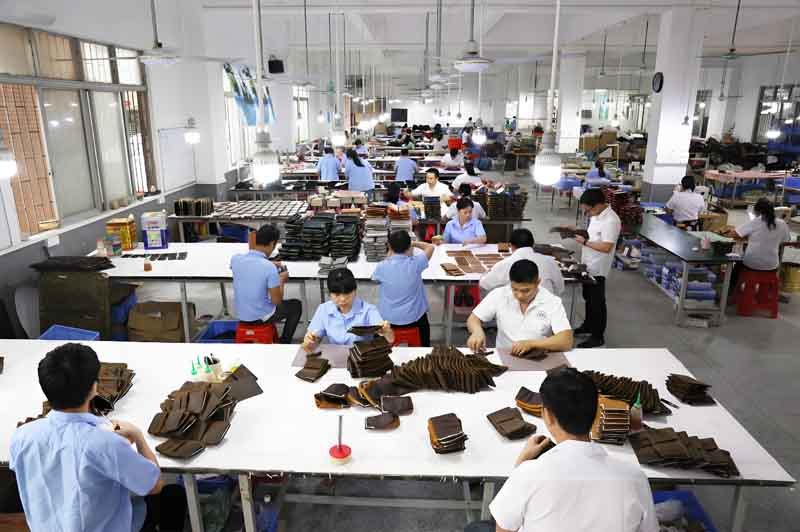
Leather working is a craft that combines artistry, precision, and a deep respect for one of humanity’s oldest materials. Whether you’re drawn by the promise of crafting a handmade wallet, belt, or bespoke handbag, mastering a few core techniques is essential. From selecting the right tools and materials to applying dyes that bring out leather’s natural beauty, the journey from novice to confident artisan begins with five fundamental skills.
The five basic leather working techniques every beginner should master are: 1) measuring, marking, and cutting leather; 2) fundamental stitching methods (such as saddle stitch and running stitch); 3) edge finishing and burnishing; 4) applying dyes, conditioners, and sealants; and 5) proper use of tools and materials.
With these techniques under your belt, you’ll build a strong foundation, reduce waste, and deliver professional results that stand the test of time. But beyond the how‑to, there’s a story in every piece—a legacy of tanneries, artisans, and the tactile pleasure of working with leather. Stick around, and I’ll share anecdotes from Szoneier’s 18 years of R&D, show you how simple mistakes can become teachable moments, and guide you toward creating your first leather masterpiece.
What Tools and Materials Do You Need to Get Started in Leatherworking?
To start leatherworking, you need basic tools—cutting knives, stitching chisels, edge bevelers, burnishers, leather dyes—and quality materials—full‑grain or vegetable‑tanned leather, waxed thread, contact cement, and rivets. Proper tools and hides ensure clean cuts, durable seams, and professional finishes, reducing frustration and waste for beginners.
Before diving into your first project, it’s crucial to assemble a toolkit and select materials tailored to beginner needs. Let’s explore what defines leatherworking, the terminology, and the hide varieties that will shape your early creations.
What Is Leather Work?
Leather work, or leathercraft, encompasses all processes—from hide preparation to finished products—used to transform animal skins into functional and decorative items. This craft spans centuries, from nomadic cultures tanning raw hides over open fires to modern artisans harnessing precision tools for intricate bags and accessories. At its core, leather work involves:
- Hide Selection & Preparation: Converting raw or semi‑finished hides into workable leather.
- Patterning & Cutting: Translating designs into precise shapes.
- Stitching & Assembly: Joining pieces with thread, rivets, or adhesives.
- Finishing Processes: Edge burnishing, dyeing, conditioning, and sealing.
- Quality Control: Ensuring consistency in appearance, durability, and user experience.
Leather work merges technical rigor—measuring tolerances, tensile strength, solvent compatibility—with creative flair: color choices, texture contrasts, and hardware selection. For beginners, understanding this big picture helps contextualize each technique within the broader craft.
What Is Leather Crafting Called?
While “leatherworking” and “leathercraft” are often used interchangeably, certain sub‑disciplines have distinct names:
- Saddlery: Crafting equestrian gear—saddles, bridles—requiring heavy‑duty leather and reinforced stitching.
- Bookbinding Leatherwork: Covering books with leather, demanding thin, pliable hides and precise tooling.
- Upholstery Leatherwork: Applying leather to furniture and automotive interiors, emphasizing large‑format hides and pattern repeats.
- Harness Making: Similar to saddlery but focused on straps, belts, and harnesses for function and decoration.
- General Leathercraft: Encompasses small goods—wallets, belts, bags, accessories—ideal for hobbyists and small businesses.
For our purposes, we’ll focus on general leathercraft, which offers a gentle learning curve and many project options for beginners.
What Are Five Different Types of Leather?
Choosing the right leather impacts every downstream process. Common beginner‑friendly hides include:
| Leather Type | Description | Typical Thickness | Use Cases |
|---|---|---|---|
| Full‑Grain Leather | Retains natural surface imperfections; strongest | 1.0–2.0 mm | Bags, belts, wallets |
| Top‑Grain Leather | Sanded to remove blemishes; more uniform feel | 1.0–1.8 mm | Handbags, upholstery |
| Vegetable‑Tanned | Natural tannins; patina over time | 1.2–2.5 mm | Tooling, belts |
| Chrome‑Tanned | Fast processing; soft and color‑rich | 0.8–1.5 mm | Garments, gloves |
| Bonded Leather | Leather scraps bonded with polyurethane | 0.5–1.0 mm | Budget items |
- Full‑Grain Leather: Ideal for long‑lasting goods; more challenging to cut and finish but yields superior patina.
- Top‑Grain Leather: Easier for beginners—smoother surface and fewer blemishes but slightly less robust.
- Vegetable‑Tanned Leather: Polishes and burns well; perfect for edge finishing practice and tooling designs.
- Chrome‑Tanned Leather: Soft and forgiving; good for lining or lightweight items but less suited for edge burnishing.
- Bonded Leather: Economical but less durable; suitable for practice swatches and prototypes.
Understanding these varieties guides your material investments: full‑grain for heirloom bags, vegetable‑tanned for tooling experiments, and bonded leather for low‑risk practice.
Essential Leatherworking Tools
A quality toolbox streamlines learning. Core items include:
| Tool | Purpose | Beginner Tips |
|---|---|---|
| Utility Knife/ Rotary Cutter | Precise leather cutting | Replace blades often for clean cuts |
| Straight Edge Ruler | Guiding cuts, marking lines | Use steel rulers to avoid blade nicks |
| Scratch Awl | Marking patterns, poking stitch holes | Ensure sharp point for accurate marking |
| Stitching Chisels/ Pricking Irons | Creating evenly spaced holes | Select 3‑4 ppi (points per inch) for beginners |
| Edge Beveler | Rounding sharp edges | Go slow; scrape lightly |
| Burnisher (Wood/ Bone) | Smoothing and polishing edges | Use water or gum‑tragacanth as lubricant |
| Mallet or Maul | Driving chisels and stamps | Wooden mallet prevents tool damage |
| Contact Cement | Bonding leather layers | Apply thin, even coats; wait tacky phase |
| Waxed Thread & Needles | Hand stitching | Use waxed polyester or linen for strength |
| Leather Dye & Finish | Coloring and sealing surfaces | Test on scrap; wipe excess promptly |
With these tools and hides in hand, you’re poised to tackle the first technique: precise measurement, marking, and cutting.
How Do You Measure, Mark, and Cut Leather Accurately?
Accurate leather cutting begins with precise measurement tools—steel rulers, wing dividers, and scratch awls—to transfer patterns with consistent seam allowances. Using sharp blades (utility knives or rotary cutters) against a straight edge, making multiple light passes, and securing leather on stable surfaces ensures clean edges. Proper layout maximizes hide usage and reduces mistakes, setting the stage for professional‑quality assemblies.
Mastering measurement, marking, and cutting is the cornerstone of successful leathercraft. Errors at this stage can lead to wasted material, misaligned seams, and frustrated beginners. Let’s explore each step in detail, examining tools, techniques, and best practices.
1. Pattern Creation and Planning
Developing Accurate Patterns
- CAD vs. Paper: Beginners often start with printed paper patterns glued onto cardboard for rigidity. As skills advance, digital pattern‑making in software (e.g., Adobe Illustrator or specialized CAD programs) allows precise scaling and easy modifications.
- Seam Allowances: Always add consistent allowances—typically 3–5 mm for hand stitches, 5–10 mm for machine seams. Clearly annotate each piece with allowance dimensions to avoid confusion.
Hide Inspection and Placement
- Defect Mapping: Lay your leather flat and inspect for scars, wrinkles, or color variations. Use chalk or masking tape to outline unusable areas.
- Pattern Nesting: Arrange pattern pieces close together, rotating and flipping where possible to minimize waste. Particularly with large hides (2 m²+), efficient nesting can save enough material for an extra small project.
2. Transferring Patterns to Leather
Tools for Marking
- Scratch Awl: Lightly score lines without cutting through the hide. A fine point and steady hand produce clean guide marks.
- Wing Divider: Set to your seam allowance width and scribe parallel lines to edges—ideal for consistent allowances on long curves.
- Tailor’s Chalk or Edge Markers: For darker leathers, use contrasting chalk or washable markers; test on a scrap to ensure erasure.
Securing Patterns
- Pattern Weights or Clips: Heavy pattern weights prevent slippage without risking pin holes. Binder clips along edges also work for thicker hides.
- Double‑Check Layout: Before marking, confirm grain direction—longitudinal grain should run parallel to the bag’s height for strength and aesthetic consistency.
3. Cutting Techniques
Blade Selection and Maintenance
- Utility Knives / Craft Knives: Versatile for straight lines and gentle curves—change blades frequently to maintain a razor‑sharp edge.
- Rotary Cutters: Excellent for long or intricate curves; ensure a fresh cutting mat beneath to avoid dulling.
- Click‑Knives: Ergonomic handles with replaceable blades designed specifically for leather’s density.
Cutting Best Practices
- Multiple Light Passes: Rather than forcing a single deep cut, slice through the leather with two or three lighter strokes. This prevents blade wandering and jagged edges.
- Straight Edge Guides: Hold a steel ruler firmly at the marked line; press down to prevent the blade from slipping underneath.
- Body Mechanics & Stability: Keep your cutting arm aligned with the blade to maintain control. Anchor the leather on a non‑slip mat to keep it from shifting.
Cutting Curves and Details
- Pivot Method: For tight curves, insert the blade tip at the center of the curve and rotate the leather around the blade rather than the blade around the leather.
- Fine Tips: Use smaller knives or even scissors where rotary or utility blades cannot reach—especially useful for interior cutouts.
4. Advanced Cutting Methods
Die Cutting for Repeatability
- Custom Steel Dies: Ideal for high‑volume production of identical shapes. The die and click‑knife handle system produce uniform pieces with minimal effort.
- Initial Cost vs. Productivity: Dies require upfront investment (often $200–$500 per shape) but pay off when cutting hundreds or thousands of pieces.
Laser Cutting Technologies
- Precision and Complexity: Industrial CO₂ lasers can cut intricate patterns to within 0.1 mm accuracy, enabling complex logos or perforations.
- Material Considerations: Laser cutting can char edges slightly; suitable for corrected‑grain or properly finished hides. It’s less ideal for untreated full‑grain leathers.
Common Pitfalls and Solutions
| Pitfall | Cause | Solution |
|---|---|---|
| Jagged Edges | Dull blade or excessive pressure | Replace blade frequently; use multiple light passes |
| Uneven Allowances | Ruler slippage or pattern misalignment | Use steel ruler with cork backing; secure pattern firmly |
| Material Waste | Poor nesting or scattershot placement | Plan layout; use digital nesting tools if available |
| Blade Wander on Curves | Inconsistent cutting angle | Employ pivot method; use smaller blades for tight curves |
Which Stitching Techniques Should Beginners Learn First?
Beginners should start with the running stitch for simple seams and the saddle stitch for durable, decorative seams. Running stitch uses a single needle and thread for basic joins, while saddle stitch employs two needles in opposing holes for strongest, most secure hand‑stitched seams.
Stitching is the heart of leather assembly—no glue or rivet can match a well‑executed stitch in both strength and aesthetic. Two techniques dominate beginner workflows:
Running Stitch: The Quick Join
- Equipment: Single leather‑working needle, waxed thread.
- Process:
- Pre‑punch holes with an awl or chisel at consistent spacing (4–5 ppi for thin leather, 2–3 ppi for thick).
- Thread the needle and pass through all holes in one continuous line, looping back on each.
- Tie off ends with a square knot and hide the knot in a hole recess.
- Uses: Linings, light‑stress seams, decorative topstitching.
- Strength: Moderate; threads can unravel if a single loop breaks.
Saddle Stitch: The Gold Standard
- Equipment: Two needles, waxed polyester or linen thread, stitching pony.
- Process:
- Punch holes using pricking iron or chisel.
- Thread a needle on each end of a single length of thread.
- Starting at hole 1, push needle A from side 1 through to side 2; then push needle B from side 2 through to side 1.
- Pull both threads tight—each hole locks the previous stitch.
- Repeat for each hole until seam is complete; finish with backstitch and knot hidden under an edge.
- Uses: High‑stress seams—bag straps, belt ends, structural joins.
- Strength: Exceptional; if one stitch breaks, the seam remains intact.
What Types of Skills Do You Need for Leather Work?
Beyond stitching, aspiring leatherworkers develop:
- Hand‑Eye Coordination: Precise hole punching and needle control.
- Spatial Planning: Pattern nesting to minimize waste.
- Material Understanding: Identifying hide grain, thickness, and suitable applications.
- Patience & Attention to Detail: Leather demands slow, deliberate actions—rushing yields sloppy seams and uneven edges.
- Tool Mastery: Efficient use and maintenance of knives, chisels, and finishers.
Common Stitching Mistakes and Fixes
- Uneven Spacing:
- Cause: Misaligned pricking iron or inconsistent punching force.
- Fix: Use a pricking hammer and guide block to ensure perpendicular, evenly spaced holes.
- Thread Slippage:
- Cause: Insufficient waxing or poor knot technique.
- Fix: Apply thread wax generously and use surgeon’s knot for secure starts.
- Bent Needles:
- Cause: Forcing needles through overly dense or untreated leather.
- Fix: Pre‑punch holes slightly larger than needle diameter; use hardened needles for thick hides.
How Do You Finish and Burnish Leather Edges Like a Pro?
Edge finishing involves beveling sharp corners, sanding to smoothness, and burnishing with gum‑tragacanth or water using a wood or bone slicker. Finished edges are uniformly rounded and polished, preventing fiber fray and giving a professional appearance.
Raw leather edges are fibrous and prone to wear. Proper edge treatment elevates your work:
Edge Beveling and Sanding
- Beveler Tool: Run an edge beveler along raw edges to remove sharp corners, creating a gentle radius.
- Sanding: Use fine‑grit sandpaper (220–600 grit) on a flat block to smooth the bevel, eliminating fuzz and blending irregularities.
Burnishing Techniques
- Lubricant Application: Apply a thin layer of burnishing agent—gum‑tragacanth, beeswax, or even water—to the sanded edge.
- Slicking: Hold a wooden or bone slicker at a slight angle and rub back and forth with moderate pressure. The heat generated seals fibers, compresses edge layers, and produces a lustrous shine.
- Layered Approach: For thicker edges, repeat lubricant application and slicking in 2–3 passes to build a durable cap.
Edge Painting and Sealing (Optional)
- Edge Paint: For added color contrast or protection, apply acrylic edge paint with a thin brush or dauber. Allow to dry, then lightly sand and burnish again for smoothness.
- Sealant: A final spray or wipe of leather sealant guards against moisture penetration.
Common Edge Finishing Missteps
- Edge Separation:
- Cause: Insufficient pressure during burnishing or overly thick lubricant layer.
- Fix: Reduce lubricant amount and increase burnishing pressure in short bursts.
- Uneven Shine:
- Cause: Inconsistent sanding or lubricant application.
- Fix: Sand edges uniformly and apply burnishing agent in even coats.
What Are the Essential Methods for Dyeing, Conditioning, and Sealing Leather?
Leather dyeing uses aniline, semi‑aniline, or pigment dyes applied evenly with daubers or spray guns, then buffed for uniform color. Conditioning replenishes natural oils via wax or oil‑based conditioners. Finally, sealants—matt or gloss finishes—lock in color and protect against spills, UV, and everyday wear.
The final steps—dyeing, conditioning, and sealing—bring your project to life and protect it for years:
Dyeing Techniques
- Aniline Dyes: Penetrate deeply, preserving natural grain but offering less surface protection. Ideal for full‑grain hides.
- Semi‑Aniline & Pigment Dyes: Provide surface coverage and UV resistance—useful for corrected‑grain leather.
- Application Methods:
- Dauber/Brush: Good for small areas; risk of brush strokes.
- Spray Gun: Smooth, even coats; requires controlled environment.
- Immersion: For small pieces; ensures total penetration.
- Drying & Buffing: Allow dye to air‑dry, then buff with a clean cloth to remove excess and unify tone.
Conditioning
- Purpose: Replenish oils stripped during cutting and dyeing—preventing cracks.
- Products: Neatsfoot oil, mink oil, or proprietary leather balms.
- Method: Apply thin coat with cloth; let absorb 15–30 minutes; buff off residue.
Sealing & Finishing
- Sealants: Water‑based acrylic or solvent‑based sealants impart desired sheen (matte, satin, gloss).
- Application: Light, even spray passes in ventilated area; allow complete cure (12–24 hours).
- Performance: Sealants repel water, block stains, and reduce UV fading.
Troubleshooting Finishing Issues
- Uneven Color:
- Cause: Insufficient dye mixing or uneven application.
- Fix: Thoroughly agitate dye bottles; practice on scraps before main pieces.
- Sticky Surface:
- Cause: Excess conditioner or sealant undercure.
- Fix: Buff with a soft cloth and allow additional drying time.
- Cracking Sealant:
- Cause: Sealant too thick or leather flexed before curing.
- Fix: Apply thinner coats; allow recommended cure times and avoid bending.
Ready to Bring Your Leather Visions to Life?
Leather working is a journey of continuous learning—each project sharpening your skills, informing material choices, and deepening your appreciation for this ancient craft. As you master measurement, cutting, stitching, edge finishing, and dye/finish applications, you’ll gain the confidence to tackle increasingly complex designs and explore proprietary techniques.
Szoneier Leather, with over 18 years of R&D and manufacturing expertise, offers turnkey OEM/ODM solutions—raw hide sourcing, pattern design, prototyping, and full‑scale production under your private label. Whether you need vegetable‑tanned hides for tooling, custom dyes, or precision stitching on belts and wallets, our low MOQs, free design service, and rapid sampling will accelerate your path from concept to market.
Contact us for a free consultation, material swatch pack, and prototype quote. Let’s craft your next leather masterpiece together!
What Can I Do For You?
Here, developing your OEM/ODM private label leather goods collection is no longer a challenge,it’s an excellent opportunity to bring your creative vision to life.
Make A Sample First?
If you have your own tech packs, logo design artwork, or just an idea,please provide details about your project requirements, including preferred fabric, color, and customization options,we’re excited to assist you in bringing your leather goods designs to life through our sample production process.