
Leather vs Vinyl: Which Material Is Better for Bags, Wallets and Accessories
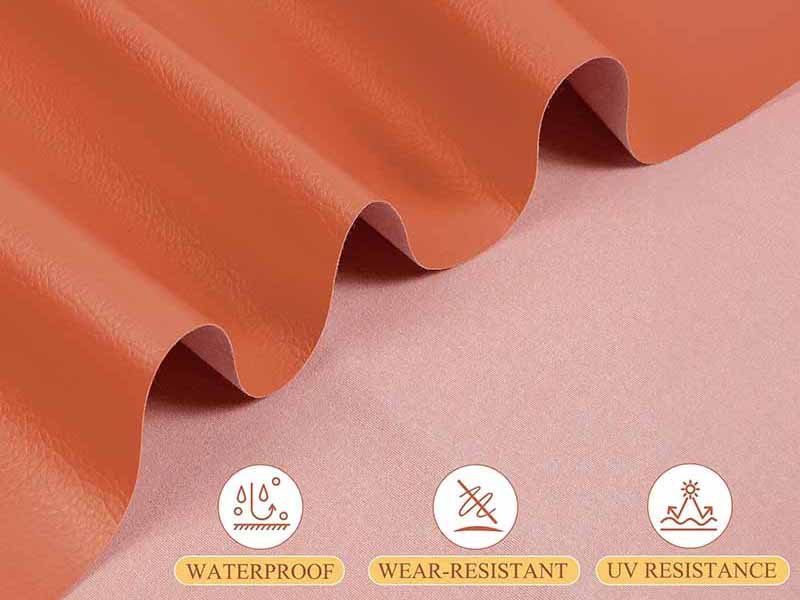
Choosing between leather and vinyl seems simple—real leather is “premium,” vinyl is “affordable.” But the truth is far more nuanced, especially for brands designing bags, wallets, belts, or lifestyle accessories. Consumers judge quality with their eyes and hands, but manufacturers must balance durability, cost, sustainability, and long-term brand positioning. One wrong decision can lead to peeling surfaces, customer complaints, bad reviews, and ultimately, product returns.
Leather and vinyl differ in origin, durability, aging, and overall value. Leather is natural, long-lasting, and develops patina, while vinyl is synthetic, cheaper, and more resistant to water and stains but may peel over time. Leather suits premium, long-term products; vinyl suits budget-friendly, water-resistant designs. Choosing the right material depends on your product’s purpose, customer expectations, and brand positioning.
For many brands, this decision becomes a defining moment. A luxury designer once told us they switched from vinyl to leather after customers complained about peeling edges within a year. Another lifestyle brand moved from leather to high-grade PU to reduce cost and appeal to vegan buyers. These stories are reminders that there is no “perfect” material—only the right material for the right purpose. In the next sections, we break down every factor brands should understand before making a choice.
What Is the Core Difference Between Leather and Vinyl?
Leather is a natural material derived from animal hides, offering durability, breathability, and a unique, organic aesthetic. Vinyl (PU/PVC), on the other hand, is a synthetic material made from plastic resins and fabric backing. While leather develops natural patina over time, vinyl retains its appearance until it begins to degrade. The core difference lies in their origin, tactile experience, durability, aging properties, and environmental impact.
The difference between leather and vinyl is not only in their look and feel but also in how they perform over time, how they are made, and their environmental footprint. Understanding these differences can help brands and consumers make informed decisions based on their needs, whether they are seeking luxury, durability, cost-effectiveness, or sustainability.
What exactly is genuine leather and how is it made?
Genuine leather is derived from animal hides, most commonly cowhide, which undergo a detailed tanning process to become flexible, durable, and resistant to decay. The tanning process can vary—chrome tanning is the most common, providing soft leather, while vegetable tanning offers a firmer, more natural finish. After tanning, the leather may undergo finishing treatments to enhance its color, texture, and durability.
There are several types of leather, each offering different characteristics depending on its processing:
- Full-grain leather: The top layer of the hide, which retains all of the natural texture and imperfections, making it the most durable and highest quality leather.
- Top-grain leather: Slightly sanded down to remove imperfections, this is still a high-quality leather but not as durable as full-grain.
- Corrected-grain leather: Often used for products where cost is a priority, this leather has been mechanically processed to remove imperfections and is typically coated to enhance its appearance.
- Split leather: Made from the lower layers of the hide, split leather is less durable and is often used for less expensive goods.
Leather offers superior strength and resilience due to its fibrous structure, which is why it remains a top choice for high-end bags, belts, and upholstery. It is also breathable, which contributes to its comfort over long periods of wear.
What is vinyl (PU/PVC) and how is it manufactured?
Vinyl, also known as PU leather or PVC leather, is a synthetic material created through a coating process where plastic resins (either polyurethane (PU) or polyvinyl chloride (PVC)) are applied to a fabric backing, often made of polyester or microfiber. The synthetic leather is then embossed with grain patterns to imitate the texture of real leather, and finished with color coatings and protective layers.
There are two main types of vinyl:
- PU (Polyurethane): A flexible, softer synthetic leather that can mimic the look and feel of real leather. PU is often used in fashion accessories, clothing, and upholstery.
- PVC (Polyvinyl Chloride): A stiffer material, PVC is more durable and waterproof than PU, but lacks the softness and natural feel of leather or PU. PVC is commonly used for waterproof items like raincoats, bags, and upholstery.
Vinyl is a cost-effective material that offers great uniformity in terms of color, texture, and quality, and it is easier to maintain than natural leather. However, it lacks the natural aging process that leather undergoes, and it can be prone to cracking and peeling over time.
How do leather and vinyl differ in terms of texture and appearance?
Leather has a distinct, natural grain, which can vary in texture depending on the animal hide and the part of the hide it is cut from. Full-grain leather, for example, has visible pores and imperfections, giving it an organic, high-end feel that improves with age. Over time, leather develops patina, which is a deepening of color and sheen as it absorbs oils, dirt, and sunlight. This characteristic is highly valued in luxury goods.
Vinyl, however, has a uniform texture that can be manipulated to mimic various grain patterns, but it lacks the natural variability found in leather. Vinyl can look glossy, shiny, or matte, depending on how it is finished, but it does not develop a patina over time. Its appearance remains consistent unless it begins to degrade.
Key Differences in Texture and Appearance:
| Feature | Leather | Vinyl (PU/PVC) |
|---|---|---|
| Natural Texture | Yes, unique grain | Synthetic, consistent |
| Grain Variation | Visible, natural | Uniform, embossed |
| Patina Development | Yes, over time | None |
| Shine | Develops with age | Static, from finish |
| Color Fading | Natural aging | Stays uniform, may discolor |
Is vinyl the same as faux leather or synthetic leather?
Yes, faux leather is a general term used to describe synthetic materials that mimic the look and feel of real leather, and vinyl (PU or PVC) is the most common material used to make faux leather. The terms synthetic leather and artificial leather are often used interchangeably with faux leather, but they can refer to different types of materials, such as PU and PVC, as well as more innovative sustainable alternatives.
Faux leather is often marketed as a vegan leather alternative, suitable for consumers who prefer not to use animal-based products. While PU is more flexible and breathable than PVC, it still cannot replicate the durability, texture, or natural aging process of real leather. Many high-quality faux leathers (like microfiber PU) are designed to be more durable and long-lasting, but they still lack the characteristic aging and breathability of natural leather.
How can you tell real leather from vinyl using simple tests?
There are a few easy tests that can help you identify real leather from vinyl:
- The Grain Test: Leather has an uneven, natural grain, while vinyl typically has a consistent, repeating pattern that mimics leather. You can feel the texture difference by running your hand across the surface—leather will have natural variation, while vinyl will feel smoother and more uniform.
- The Wrinkle Test: Leather, when bent, will naturally wrinkle and create creases, while vinyl will stay smooth and tend to have more rigid folds that don’t feel as organic.
- The Water Test: Leather absorbs water quickly, while vinyl will cause water to bead up and roll off. A drop of water placed on vinyl will not be absorbed, but will simply stay on the surface.
- The Smell Test: Leather has a distinct, organic, natural scent, while vinyl has a more synthetic, plastic smell, which is easily identifiable.
What marketing terms often confuse leather vs vinyl buyers?
Terms like “genuine leather”, “bonded leather”, “PU leather”, “vegan leather”, and “eco-leather” are often used interchangeably in marketing, causing confusion. Here’s a breakdown of some common terms:
- Genuine Leather: This term simply refers to real leather, but it can include lower-quality leather types like bonded or corrected-grain leather.
- Bonded Leather: Not fully leather; it’s made from scraps of leather that are bonded with polyurethane. It’s often cheaper and has less durability than full-grain leather.
- PU Leather (Polyurethane Leather): This is a form of synthetic leather made from plastic resins. It’s flexible and cheaper but doesn’t offer the same lifespan as real leather.
- Vegan Leather: Refers to any synthetic leather product that does not use animal by-products. This could be PU or PVC, but it’s important to know whether the material is biodegradable or environmentally friendly.
- Eco-Leather: Often refers to leather that has been tanned using more eco-friendly methods. It doesn’t always mean the product is environmentally sustainable.
How Do Leather and Vinyl Compare in Look, Feel and Aging?
Leather offers a warm, natural feel and develops patina as it ages, becoming softer and richer over time. Vinyl maintains a consistent appearance but does not develop patina; instead, it may crack or peel as coatings degrade. Leather improves with age, while vinyl stays the same until it fails. The two materials differ sharply in tactile sensation, long-term beauty and real-world aging behavior.
When customers compare materials, they don’t think in technical terms—they rely on visual cues, tactile response, and how the product feels after months of use. This is why understanding the sensory and aging differences between leather and vinyl is essential for brands designing bags, wallets, belts, cases, and accessories.
Leather expresses character; vinyl expresses consistency. Leather evolves with the user; vinyl preserves its manufactured look until its coating breaks down. These differences affect emotional attachment, brand perception, resale value and long-term customer satisfaction.
How does leather look, feel and age over time?
Leather has a natural grain structure, giving it depth, dimension and organic variation. No two hides are identical, which is why leather products feel unique. Touching leather reveals micro-texture, subtle warmth and the “living” sensation of a natural material.
As leather ages:
- It softens gradually
- Develops patina (darkening and sheen caused by natural oils, sunlight, and use)
- Becomes more comfortable to handle
- Maintains structural strength due to collagen fiber network
This patina effect is highly valued in luxury goods because it tells the story of the user. A 3-year-old leather wallet often looks better than a brand-new one. Leather manufacturers like Szoneier choose tanning methods and finishes that balance softness, color stability and aging properties depending on the client’s product category.
Aging Summary for Leather:
| Aging Feature | Performance |
|---|---|
| Patina Development | Excellent |
| Softening Over Time | Strong |
| Fade Resistance | High (with finish) |
| Structural Longevity | 10–20+ years |
| Aesthetic Evolution | Beautiful, natural |
This makes leather ideal for products designed to last: premium handbags, luxury wallets, executive accessories and heritage-style goods.
How does vinyl look and feel compared with real leather?
Vinyl offers a clean, uniform and predictable appearance. Grain patterns, gloss levels, and colors can be engineered with extreme precision. This is valuable for brands requiring strict color matching or mass production consistency.
However, vinyl lacks:
- Depth of grain
- Breathability
- Natural temperature response
- Organic softness
Most vinyl surfaces feel smoother, cooler, and slightly plastic-like. High-grade microfiber PU can mimic leather better, but traditional PU and PVC still feel synthetic.
OEM brands often choose vinyl for fashion lines where uniformity and trend colors matter more than long-term tactile experience.
Vinyl Sensory Summary:
| Feature | Vinyl Performance |
|---|---|
| Natural Texture | Weak |
| Color Uniformity | Excellent |
| Temperature Responsiveness | Low |
| Softness | Variable |
| Authentic Feel | Moderate–Low |
Vinyl delivers consistency, not character.
Which material develops patina, and which tends to crack or peel?
This is one of the most important differences:
- Leather develops patina—an intentional, beautiful sign of aging.
- Vinyl does not patina; it simply wears down.
Vinyl’s top coating (PU or PVC) eventually loses elasticity due to environmental exposure:
- Heat accelerates resin hardening
- Humidity penetrates weak PU layers
- UV causes micro-cracking
- Flexing causes delamination at fold points
Cheaper PU can peel within 12–18 months; standard PU lasts 2–3 years; high-grade microfiber PU lasts 3–5 years. PVC lasts longer but remains stiff.
Leather, however, becomes more appealing with age. Well-maintained full-grain leather can last decades without cracking.
Aging Behavior Comparison:
| Behavior | Leather | Vinyl |
|---|---|---|
| Patina | Yes | No |
| Softens with Time | Yes | No |
| Peeling Risk | Very Low | Medium–High |
| Crack Resistance | Excellent | Depends on PU/PVC grade |
| Aging Aesthetic | Improves | Degrades |
This is why long-lasting accessories almost always use real leather.
Do customers notice the difference between leather and vinyl in daily use?
Absolutely—often within seconds of touch.
Customers typically describe leather as:
- warm
- textured
- premium
- “alive”
- rich in detail
Vinyl, by comparison, is often described as:
- smooth
- cool
- plastic-like
- uniform
- less expressive
But the difference becomes even more obvious after months of use:
Leather users say:
- “It gets better the more I use it.”
- “It feels like it’s molding to my hand.”
- “The patina looks beautiful.”
Vinyl users say:
- “It looked perfect at first, but now the corners are peeling.”
- “The surface cracked when folded.”
- “It feels different after being in the car heat.”
From a brand perspective, these user experiences translate into:
- Fewer returns for leather
- Higher perceived value
- More repeat purchases
- Greater satisfaction for high-end markets
This is why luxury brands overwhelmingly choose leather, while vinyl dominates budget, waterproof and fashion-season categories.
Which Material Wins on Durability, Comfort and Maintenance?
Leather wins in long-term durability and comfort, offering decades of use when properly cared for. Vinyl provides excellent water and stain resistance with easier maintenance but is prone to cracking or peeling as coatings age. Leather requires conditioning, while vinyl only needs basic cleaning. For longevity, structural strength and premium feel, leather is superior; for low maintenance and waterproof performance, vinyl is the practical choice.
Durability, comfort and maintenance are the three factors that directly impact customer satisfaction and return rates. Brands often underestimate how strongly these factors affect long-term product value and user experience. While vinyl may initially appear more durable because it resists scratches and moisture, leather ultimately outperforms in lifespan, structural strength and tactile comfort.
The key is understanding how each material behaves in real-world conditions and why their performance differs.
Is vinyl more durable than leather in real-world use?
The short answer: Vinyl is more durable in short-term surface protection, but leather is significantly more durable long-term.
Vinyl’s short-term durability advantages:
- Excellent waterproof performance
- High stain resistance
- Resists surface scratches better than soft leather
- Easy to clean and maintain
However, vinyl durability largely depends on the quality of its PU/PVC coating. Over time, environmental factors such as heat, humidity, UV radiation and friction degrade the resin layers.
Typical vinyl aging issues:
- Cracking at bending points
- Peeling / flaking of PU layer
- Delamination between surface and backing
- Stiffening due to heat exposure
- Color yellowing on PVC
Even high-grade PU typically lasts 3–5 years, while PVC may last 5–7 years but with reduced flexibility.
Leather aging, on the other hand, is completely different:
- Full-grain and top-grain leather can last 20+ years
- It does not peel because it has no artificial coating
- Natural collagen fibers maintain internal structure
- Scratch marks can be minimized with buffing or conditioning
In flexing tests(100,000+ cycles), leather usually retains its structure far better than PU/PVC materials.
Which material performs better against water, stains and UV exposure?
This is where vinyl excels.
| Feature | Leather | Vinyl (PU/PVC) |
|---|---|---|
| Water Resistance | Moderate | Excellent |
| Stain Resistance | Medium | Excellent |
| UV Stability | Good (with finish) | Moderate–High (depends on resin) |
| Mold Resistance | Medium | High |
Vinyl’s strength: Because vinyl is non-porous, water and stains cannot penetrate the surface. This makes vinyl ideal for:
- Gym bags
- Beach bags
- Medical & hospitality applications
- Outdoor gear
- Children’s products
Leather’s limitation: Leather absorbs moisture unless treated with hydrophobic finishes. However, waterproof coatings can reduce breathability, changing the leather’s natural feel.
But leather outperforms vinyl in UV aging. High UV exposure causes PU to micro-crack, especially in tropical regions. Leather finishes, if well-applied, offer stronger UV resilience.
How do cleaning and maintenance routines differ for leather vs vinyl?
Leather requires care; vinyl does not. This is a core purchasing decision for many customers.
Leather Maintenance Requirements:
- Conditioning every 3–6 months
- Avoiding prolonged moisture
- Gentle cleaners only
- Keep away from extreme heat
- Occasional polishing
Regular conditioning prevents drying, cracking and maintains flexibility.
Vinyl Maintenance Requirements:
- Simple wiping with water or mild soap
- No conditioning
- No special storage conditions
- Dirt and spills can be wiped immediately
This makes vinyl appealing to busy users, families and consumers seeking low-maintenance products.
However: vinyl cannot be repaired once peeling begins—meaning the product often must be replaced. Leather, even when scratched or dried, can be restored through conditioning, polishing, or professional refinishing.
How do leather and vinyl behave differently in hot, cold or humid climates?
Environmental performance is one of the biggest differences:
Leather:
- Performs very well in both hot and cold climates
- Requires conditioning in dry or hot environments
- Absorbs humidity but rarely fails structurally
- Does not melt or distort under heat
Vinyl:
- PU softens or degrades under heat
- PVC becomes stiff in cold temperatures
- Humidity accelerates peeling
- UV exposure causes micro-cracks
- Heat can cause backing delamination
This is why vinyl used in cars or outdoor environments tends to peel faster, especially under constant sunlight.
In contrast, leather retains flexibility even after years of environmental exposure.
Are leather or vinyl better for scratch resistance, pets and kids?
Vinyl has stronger surface scratch resistance, especially:
- PVC-coated vinyl
- High-gloss finishes
- Reinforced PU layers
It is better suited for:
- Children’s items
- High-contact environments
- Outdoor or utility bags
Leather shows scratches more easily, but:
- Scratches can be buffed or polished
- Aging hides minor marks within patina
- It still retains structural integrity even when scratched
For luxury goods, scratches are considered part of natural aging. But for heavy-use, pet-friendly or kid-friendly products, vinyl is often the better choice.
What Are the Cost, Value and Application Differences?
Vinyl is significantly cheaper than leather and provides consistent appearance and waterproof performance, making it ideal for budget and high-volume products. Leather costs more upfront but delivers superior long-term value, aging beauty, and durability. Applications differ by category: vinyl fits waterproof, trend-driven, or cost-sensitive designs, while leather is preferred for premium bags, wallets, belts, and long-lasting accessories.
Cost and application are two of the most decisive factors for brands choosing between leather and vinyl. While vinyl clearly wins in short-term affordability, leather often provides better lifecycle value and brand positioning. The smartest choice depends on your budget, target market, durability expectations, and product category.
Below is an in-depth breakdown that helps B2B buyers, designers, and OEM/ODM clients make clear decisions.
Is vinyl cheaper than leather and why?
Yes — vinyl is substantially cheaper than leather, often costing only 10–40% of real leather’s price, depending on grade.
Why vinyl costs less:
- Synthetic production is scalable
- Vinyl is made in large rolls with consistent thickness.
- Manufacturing is automated, reducing labor and production variance.
- Minimal waste during cutting
- Leather hides have irregular shapes and natural flaws.
- Vinyl sheets are rectangular with >90% usable area.
- Leather yield averages 70–85% depending on defect levels.
- Lower grading and inspection costs
- Leather must be graded based on scars, stretch marks, density, color, etc.
- Vinyl requires minimal grading.
- Stable pricing
- Vinyl pricing is tied to petroleum-based raw materials.
- Leather pricing fluctuates based on global supply, tanning method, season, and demand.
Typical Material Cost Comparison
| Material Type | Approx Cost (Relative) | Notes |
|---|---|---|
| Full-Grain Leather | Highest | Premium products; long lifespan |
| Top-Grain Leather | High | Balanced quality & cost |
| Split Leather | Medium | Budget-friendly natural leather |
| Microfiber PU | Low-Medium | Best faux leather alternative |
| PU Leather | Low | Trend items, budget lines |
| PVC Leather | Lowest | Water-resistant, stiff, heavy-duty |
The cost savings can be substantial for brands producing high volumes or trend-based seasonal SKUs.
Which material offers better long-term value for brands?
While vinyl is cheaper upfront, leather provides significantly better long-term value.
Why leather delivers higher value:
- Lifespan is 5–10× longer
- Improves with age rather than deteriorating
- Repairs are possible, reducing total replacement cost
- Higher perceived value supports premium pricing
- Better for brand storytelling & craftsmanship branding
Vinyl’s value is front-loaded — it looks consistent and performs well initially, but once cracking or peeling begins, the product’s lifecycle ends immediately, causing:
- Customer dissatisfaction
- Higher return rates
- Faster SKU obsolescence
- Increased replacement costs
Brands targeting longevity, luxury or premium positioning nearly always choose leather.
Cost-over-lifecycle Comparison
| Feature | Leather | Vinyl |
|---|---|---|
| Initial Material Cost | High | Low |
| Maintenance Cost | Medium | Very Low |
| Replacement Frequency | Very Low | High |
| Long-term Value | Excellent | Moderate |
| Customer Lifetime Satisfaction | High | Medium |
If your product is designed to last more than 18–24 months, leather usually has a better ROI.
Is leather or vinyl better for bags, wallets and small leather goods?
Different product categories have clearly different material needs.
Leather is ideal for:
- Premium handbags
- Luxury wallets
- Belts & straps
- Phone cases & organizers
- Executive accessories
- Structured bags requiring longevity
- Everyday carry goods (EDC)
Leather handles repeated flexing well, maintains its structure, and develops patina — perfect for high-touch products.
Vinyl is ideal for:
- Trendy, seasonal handbags
- Beach bags & waterproof totes
- Kids’ bags
- Medical or hospitality accessories
- Budget-friendly wallets or ID holders
- Promotional/customization campaigns
Vinyl should not be used for:
- Wallet interiors
- Folded straps
- Areas with frequent bending
These zones are prone to cracking and peeling under repeated stress—a known risk at the OEM level.
Which material fits furniture, automotive and marine applications?
Applications change dramatically across industries.
Vinyl dominates in:
- Automotive interiors (non-luxury)
- Marine cushions
- Restaurant seating
- Hospital equipment
- Gym benches
Because vinyl is:
- Waterproof
- Easy to sanitize
- Resistant to chemicals
- Affordable
- Available in large sheet formats
Leather dominates in:
- Luxury car seats
- High-end residential furniture
- Designer sofas
- Premium office chairs
Because leather:
- Offers unmatched comfort
- Ages beautifully
- Maintains breathability
- Enhances perceived quality
How do MOQ, yield and defect rates differ for leather vs vinyl manufacturing?
This is where factories like Szoneier Leather help brands optimize cost.
Leather Manufacturing Characteristics:
- MOQ often higher due to hide batch consistency
- Thickness and grain variation require skilled cutting
- Higher defect rates due to natural scars
- Lower yield per square meter
- Longer sampling time for color matching
Vinyl Manufacturing Characteristics:
- Lower MOQ due to stable production
- Nearly perfect sheet utilization
- Minimal defects
- High repeatability for re-orders
- Color matching is easier and more affordable
Yield Example
| Material | Shape | Average Yield |
|---|---|---|
| Leather Hides | Irregular | 70–85% |
| Vinyl Sheets | Rectangular | 90–98% |
Vinyl’s high yield and consistency make it ideal for brands with tight margins or strict QC uniformity requirements.
How Do Sustainability, Ethics and Compliance Compare?
Leather is natural and biodegradable but requires energy and chemicals during tanning, while vinyl (PU/PVC) is synthetic, petroleum-based and less biodegradable. Leather offers long lifespan and repairability, improving sustainability over time. Vinyl supports vegan and animal-free branding but raises concerns about microplastics, chemical additives and disposal impact. Compliance requirements differ: leather must meet tanning chemical restrictions, while vinyl must meet phthalate, VOC, and PVC safety standards.
Sustainability and ethics have become major decision-making factors for modern brands. Consumers care about where materials come from, how they are processed, and whether their lifecycle impacts the environment. But the conversation around sustainability is often oversimplified—“natural equals good; synthetic equals bad.” In reality, both leather and vinyl have unique strengths, limitations, and regulatory requirements.
Understanding these nuances helps brands choose the material that aligns with their values and target markets.
Is leather or vinyl more sustainable overall?
There is no simple winner—sustainability depends on how you evaluate the entire lifecycle.
Leather Sustainability Advantages:
- Natural origin:Animal hide is a by-product of the meat industry.
- Biodegradability:Chrome-tanned leather biodegrades partially; veg-tan leather biodegrades significantly.
- Longevity:A leather bag lasting 20 years has lower replacement impact than replacing PU products every 3–5 years.
- Repairability:Leather can be conditioned, restored, recolored, and re-stitched.
Leather Environmental Concerns:
- Tanning chemicals:Chrome tanning produces wastewater requiring advanced treatment.
- Energy consumption:Tanning and finishing are resource intensive.
- Methane footprint:Linked indirectly to livestock industry.
Vinyl Sustainability Advantages:
- No animal use → aligns with vegan branding.
- Lower energy use during production compared to vegetable tanning.
- Highly consistent, minimal material waste during cutting.
Vinyl Environmental Concerns:
- Microplastic shedding
- Non-biodegradable; persists for centuries
- Phthalates and plasticizers (regulatory concern)
- Release of dioxins when burned
- Shorter lifespan → more frequent disposal
What environmental impacts come from tanning vs PVC/PU production?
Environmental Impact of Leather Tanning:
- Chrome tanning wastewater
- Contains chromium salts, acids, sulfates
- Must be treated under REACH and EPA standards
- Modern tanneries recycle chrome in closed-loop systems
- Vegetable tanning process
- Uses plant-based tannins
- Lower chemical load, but longer processing time
- Produces highly durable, biodegradable leather
- Energy and water consumption
- Higher than synthetic leather production
- More sustainable in high-durability applications
Environmental Impact of PU/PVC Production:
- PU Production
- Uses isocyanates, solvents, polyurethane resins
- Emits VOCs during production
- Water-based PU significantly reduces VOC emissions
- Microfiber PU is considered a “greener” synthetic option
- PVC Production
- Requires chlorine and plasticizers(often phthalates)
- Raises environmental concerns due to dioxin potential
- Harder to recycle; limited end-of-life pathways
- Lower water consumption
- Synthetic production uses far less water than tanning
Which material aligns better with vegan, cruelty-free and eco branding?
This depends on your brand message—not sustainability alone.
Vinyl is better for vegan-friendly branding:
- Zero animal by-products
- Strong appeal to Gen Z and millennials
- Works well for fashion-driven or season-based products
However, brands must avoid misleading claims: “Vegan” ≠ “Eco-friendly.”
PVC or low-grade PU can be environmentally damaging. This is why many modern brands choose:
- Water-based PU
- Bio-based PU(corn, apple peel, cactus, pineapple fibers)
- Microfiber PU
Leather aligns with long-life, heritage and craftsmanship branding:
- Premium feel
- Long-term sustainability through durability
- Strong emotional value through patina
- More environmentally friendly when vegetable-tanned
Heritage brands almost always choose leather for authenticity.
Which regulatory tests apply to each material?
Compliance is a critical part of OEM manufacturing—especially for export markets.
Leather Must Meet:
- REACH SVHC
- California Proposition 65
- CPSIA (lead & chemical limits for children’s products)
- Colorfastness Tests(rubbing, water, sweat)
- Pentachlorophenol (PCP) restriction
- Azo Dye Limits
- Hexavalent Chromium Free requirement
- Tear & tensile strength tests
High-end brands further request:
- Odor testing
- Formaldehyde-free certification
- Sustainable tannery certifications(LWG Gold / Silver)
Vinyl (PU/PVC) Must Meet:
- Phthalate-free requirements(DEHP, DBP, BBP, DINP, DIDP, DNOP)
- Volatile Organic Compound (VOC) limits
- PVC chloride content tests
- CA Prop 65 toxic chemical restrictions
- RoHS (for electronic accessories)
- Colorfastness & adhesion tests
- Hydrolysis resistance tests(for PU)
PU used in humid climates must pass a ≥3-year hydrolysis resistance test.
PVC must meet burning behavior and heavy metal limits.
Are recycled leather, bio-based PU or eco-synthetics better alternatives?
Yes—many brands are now adopting next-generation sustainable materials.
Eco-friendly leather options:
- Recycled leather fibers(bonded leather but without PU coating)
- Vegetable-tanned leather
- Chrome-free leather
- Water-based finished leather
Eco-friendly synthetic options:
- Water-based PU(no solvents, low VOC)
- Bio-based PU made from plant oils(corn, sugarcane, apple waste)
- Microfiber PU(longer lifespan → lower waste)
Emerging materials:
- Mycelium leather(fungus-based)
- Cactus leather
- Pineapple leaf fiber (Piñatex)
- Apple peel composite leather
These alternatives cater to brands seeking sustainability without sacrificing aesthetics.
How Should Brands Choose Between Leather and Vinyl for OEM/ODM?
Brands should choose leather for long-lasting, premium products and vinyl for cost-effective, waterproof or vegan-oriented items. The choice depends on retail price targets, durability requirements, branding strategy, environmental expectations and production constraints. A qualified OEM partner like Szoneier evaluates usage scenarios, stress points and material specifications to recommend the best option for each product category.
Selecting the right material isn’t just a design decision—it’s a strategic business decision affecting:
- Cost structure
- Customer satisfaction
- Long-term product performance
- Brand positioning
- Return rates
- Regulatory compliance
- Sustainability claims
For OEM/ODM clients, choosing between leather and vinyl requires evaluating functional needs, market expectations, and manufacturing feasibility. Szoneier Leather uses a structured engineering-driven approach to help brands make confident, data-supported decisions.
What key questions should brands ask before choosing leather or vinyl?
Brands should begin with an internal evaluation:
1. What is our target retail price range?
- Leather supports higher retail pricing
- Vinyl fits budget or mid-range markets
- Multi-tier collections often mix both
2. How long should the product last?
- 3–5 years → PU/microfiber PU is acceptable
- 10+ years → Leather is the clear choice
3. Who is our primary customer?
- Luxury buyers expect natural leather
- Trend-driven consumers accept vinyl
- Vegan buyers require PU or bio-based PU
4. What will the product experience in its daily use?
Questions include:
- Will it bend often?
- Will it carry heavy loads?
- Will it face moisture or sweat?
- Will it be used outdoors?
5. What sustainability claims do we want to make?
- “Long-lasting”: Leather
- “Animal-free”: PU/vinyl
- “Low VOC”: Water-based PU
- “Biodegradable”: Veg-tan leather
6. Which global regulations must the material comply with?
- Leather → chromium, azo dyes, REACH
- Vinyl → phthalates, VOCs, PVC chloride limits
These questions allow Szoneier’s engineering team to map needs to proper materials quickly.
Which material fits luxury, premium, mid-range and value brand positions?
Brands must align material choice with positioning.
Luxury Brands(High-End)
Recommended materials:
- Full-grain leather
- Top-grain leather
- Vegetable-tanned leather
- Recycled leather (high-grade)
Why:
- Natural aging & patina
- Premium feel
- Supports higher price points
- Suitable for long-lasting product lines
Premium Brands(Upper Mid-Range)
Recommended:
- Top-grain
- Corrected-grain
- Microfiber PU
Why:
- Balances cost and quality
- Durable enough for daily use
- Good for structured bags, wallets, small leather goods
Mid-Range & Lifestyle Brands
Recommended:
- PU
- Microfiber PU
- Split leather
Why:
- Consistency
- Cost-effective
- Good color stability
- Suitable for seasonal collections
Value Brands(Entry-Level / High-Volume)
Recommended:
- Basic PU
- PVC vinyl
Why:
- Lowest cost
- Low MOQ workable
- High color consistency
- Ideal for promotional, seasonal or mass-market lines
How do logo techniques differ on leather vs vinyl?
Different materials require different branding techniques.
Best for Leather:
- Debossing / embossing
- Hot stamping (gold, silver foil)
- Heat debossing for premium texture
- Laser engraving
- Hand-stitching signifiers
Leather can hold texture deeply, creating long-lasting branding.
Best for Vinyl (PU/PVC):
- UV printing
- Silk screen printing
- Heat-transfer printing
- Digital color gradients
- Raised PVC logos
Vinyl’s smooth surface supports bold color logos and high-contrast printing.
Both Materials Can Use:
- Metal plates
- Embroidered patches
- Rubber badges
- Label tags
Szoneier typically tests adhesion, edge durability and colorfastness before mass production.
How should buyers brief factories on leather or vinyl specifications?
For OEM/ODM success, a clear material brief dramatically reduces sampling time and overall cost.
Recommended information to provide:
- Target retail price
- Desired material type(full-grain, microfiber PU, PVC, etc.)
- Color requirements + tolerance
- Texture preference(pebble, saffiano, smooth, crosshatch, litchi grain)
- Thickness range(commonly 1.2–2.0 mm for bags)
- Flex resistance requirement
- Hydrolysis resistance(for PU used in humid climates)
- Product category + usage environment
- Required certifications(REACH, Prop 65, CPSIA, phthalate-free, VOC limits)
- Performance priorities(scratch resistance, breathability, stiffness, softness)
Szoneier’s engineers translate this into a full technical specification sheet and a material shortlist with pros, cons and exact costs.
Why do OEM brands work with specialist factories like Szoneier Leather?
Because selecting a material is only step one — ensuring the final product performs correctly is the real challenge.
Szoneier Leather offers:
1. Engineering-based material selection
- Flex testing
- Tear & tensile testing
- Adhesion & peel strength testing
- Hydrolysis & UV aging simulation
2. Tight supply chain control
- Direct partnership with tanneries & PU manufacturers
- Batch-to-batch consistency
- Stable pricing for long-term contracts
3. Prototyping expertise(Sample in days, not weeks)
- Accurate pattern development
- Edge finishing optimization
- Stitch density control
- Structural reinforcement design
4. Full OEM/ODM support
From sketches → tech pack → prototype → PP sample → mass production → QC → packaging.
5. Brand-level quality assurance
- AQL inspection
- Multi-stage QC
- Color consistency checks
- Stitch tension balance
- Drop tests and strap strength tests
6. Professional consulting
Many clients rely on Szoneier’s team to avoid common pitfalls, such as:
- Choosing PU for high-flex wallets
- Using the wrong thickness for straps
- Selecting low hydrolysis PU for humid markets
- Choosing leather finishes that scratch too easily
Conclusionr
Choosing between leather and vinyl is a strategic decision—one that affects durability, customer satisfaction, brand identity, and long-term product value. Whether you need premium full-grain leather bags, cost-effective PU accessories, or eco-friendly alternatives, Szoneier Leather’s 18+ years of manufacturing expertise ensures you get the right material for the right product.
Contact Szoneier Leather to start your custom project today. Let our team help you choose the best material and bring your product vision to life.
What Can I Do For You?
Here, developing your OEM/ODM private label leather goods collection is no longer a challenge,it’s an excellent opportunity to bring your creative vision to life.
Make A Sample First?
If you have your own tech packs, logo design artwork, or just an idea,please provide details about your project requirements, including preferred fabric, color, and customization options,we’re excited to assist you in bringing your leather goods designs to life through our sample production process.