
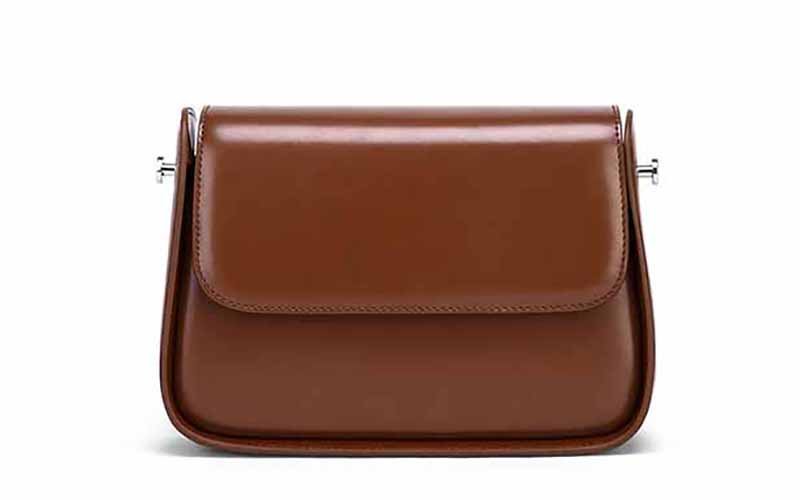
Leather edge finishing is a crucial step in the production of high-quality leather goods. It ensures that the edges of bags, wallets, belts, straps, and accessories are smooth, durable, and visually appealing. Improperly finished edges can fray, absorb moisture, crack, or discolor, reducing both product longevity and perceived quality.
Edge finishing is not merely cosmetic; it strengthens the product, improves comfort, and enhances brand perception. Techniques like burnishing, painting, beveling, binding, and oiling are commonly used to maintain edge integrity and create a refined look. For example, a leather handbag without finished edges may quickly develop fraying along straps or flap edges, while a wallet with polished, dyed, and sealed edges maintains both appearance and durability over years of use.
Proper edge finishing improves durability, aesthetics, and functionality, ensuring leather products meet professional quality standards while reflecting premium craftsmanship.
What Is Leather Edge Finishing?
Leather edge finishing is the process of treating the raw edges of leather products to improve durability, appearance, and usability. This process is critical for preventing fraying, cracking, or uneven wear, and it also contributes to the overall visual appeal of the product.
Leather Edge Finishing Importance
Edges are the most exposed parts of leather products. Smooth and sealed edges create a polished, professional appearance. They also enhance the durability of items that undergo frequent handling, such as handbags and belts. High-quality edge finishing is directly linked to customer satisfaction and brand reputation.
Leather Edge Finishing Functions
The functions of edge finishing include:
- Protection: Shields edges from water, oils, and dirt.
- Durability: Reinforces fibers to prevent fraying and splitting.
- Aesthetics: Creates clean, polished edges that enhance visual appeal.
- Comfort: Smooth edges improve ergonomics for belts, straps, and handles.
| Function | Description | Benefit |
|---|---|---|
| Protection | Seals fibers against moisture | Prevents warping, stains, or edge cracking |
| Durability | Compresses and strengthens edge fibers | Extends product lifespan |
| Aesthetics | Smooth and polished edges | Enhances premium appearance |
| Comfort | Rounded or beveled edges | Comfortable for wearable items |
Leather Edge Finishing Problems
Without proper finishing, leather edges face multiple risks:
- Fraying or separation of fibers
- Absorption of moisture causing stains or warping
- Rough texture leading to discomfort
- Reduced durability and higher return rates
| Issue | Cause | Impact |
|---|---|---|
| Fraying | Raw fiber edges | Reduced lifespan, rough look |
| Cracking | Dry or untreated edges | Premature wear, customer complaints |
| Discoloration | Unsealed edges | Uneven appearance, brand perception affected |
| Roughness | Lack of smoothing | Uncomfortable use, negative tactile experience |
Which Leather Edge Finishing Methods Are Common?
Leather edge finishing is an essential step in producing premium leather products. Different methods provide varying levels of durability, aesthetics, and functional performance. Choosing the right technique depends on leather type, product use, and brand quality expectations.
Professional manufacturers like SzoneierLeather use a combination of methods to achieve consistent, long-lasting results across bags, wallets, belts, straps, accessories, and leather boxes. Understanding the common methods helps brands make informed decisions for their products.
Burnishing Leather Edge Finishing
Burnishing smooths and compresses leather fibers along the edge, producing a polished and uniform surface. This method reduces fraying and enhances durability. It is particularly effective on high-wear items such as:
- Wallet edges
- Bag straps
- Belt edges
Process and Key Points:
- Trim and sand the raw edge to remove roughness.
- Apply water, gum, or specialized edge dressing to soften fibers.
- Rub with a burnishing tool (wood, bone, or motorized) to compress fibers.
- Repeat until the edge is glossy and smooth.
Benefits:
- Increases edge strength
- Improves visual consistency
- Provides tactile comfort on wearable items
Painting Leather Edge Finishing
Edge painting adds a protective coating and enhances color uniformity. It is ideal for dyed leathers or products where matching edge color is critical.
Application Steps:
- Select paint or edge coating matching or complementing leather.
- Apply in thin, even layers to avoid flaking.
- Dry between coats for full adhesion.
- Optional clear topcoat for gloss and water resistance.
Suitable Products:
- Dyed leather handbags
- Wallets with contrasting edges
- Leather accessories requiring visual uniformity
Advantages:
- Protects against moisture and wear
- Enhances visual appeal
- Can be customized for brand identity
Beveling Leather Edge Finishing
Beveling trims sharp corners or rough edges to produce a smooth, rounded profile. This method improves comfort for wearable items and facilitates subsequent finishing techniques like burnishing or painting.
Applications:
- Belt edges for comfort
- Bag handles and straps
- High-end wallet edges
Benefits:
- Reduces stress points that can cause fraying
- Provides ergonomic feel for users
- Enhances premium appearance
Binding and Tape Leather Edge Finishing
Binding covers raw edges with a leather or fabric strip, sewn over the edge for protection and decoration. This method is common in small leather goods and specialty items.
Applications:
- Leather boxes
- Small wallets and cardholders
- Decorative accessories
Advantages:
- Provides structural reinforcement
- Creates a decorative finish
- Ideal for soft or delicate leathers
Edge Dyeing and Oiling
Dyeing and oiling penetrate leather fibers to improve edge flexibility, color depth, and durability. This method is especially important for vegetable-tanned or full-grain leathers, which can dry out and crack without treatment.
Applications:
- Vegetable-tanned leather belts and straps
- Full-grain leather handbags
- Exotic leathers such as alligator or ostrich
Benefits:
- Enhances edge flexibility and resistance to cracking
- Maintains natural leather texture
- Deepens edge color for uniformity
| Method | Main Benefit | Typical Products | Key Notes |
|---|---|---|---|
| Burnishing | Smooth, polished, fray-resistant edges | Wallets, belts, straps | Can be manual or machine-assisted |
| Painting | Protective coating, color uniformity | Dyed handbags, wallets | Requires multiple thin layers |
| Beveling | Rounded, comfortable edges | Belts, bag handles | Often combined with burnishing or painting |
| Binding | Structural protection, decorative | Leather boxes, small accessories | Reinforces soft leather edges |
| Dyeing/Oiling | Flexible, durable, color depth | Vegetable-tanned, full-grain, exotic leathers | Preserves natural texture, prevents cracking |
- Combining methods often produces the best results. For example, a wallet may be beveled, burnished, and painted to ensure smooth, colorful, and durable edges.
- Edge finishing choices affect both product longevity and customer perception. Products with untreated or poorly finished edges can lead to early wear, complaints, and reduced brand reputation.
- SzoneierLeather applies these methods with precision, ensuring high-quality edges on every product, from small wallets to full-size handbags and belts.
How Leather Edge Finishing Enhances Product Quality
Leather edge finishing is more than an aesthetic process—it directly affects the durability, functionality, and perceived value of leather products. Properly finished edges prevent fraying, cracking, and moisture absorption while improving comfort and visual consistency. For brands, edge finishing ensures that each product meets quality expectations and reduces the risk of returns or customer complaints.
High-quality edge finishing is essential for leather bags, wallets, belts, straps, and accessories, especially for products that experience frequent handling or stress. Factories like SzoneierLeather integrate multiple edge finishing techniques to achieve smooth, durable, and visually consistent edges across all product lines.
Durability and Lifespan
Edges are typically the first areas to show wear. Unfinished or poorly finished edges can fray, split, or crack within weeks of use. Professional finishing techniques strengthen the edges by compressing fibers, sealing surfaces, or applying protective coatings.
Example:
- Wallets with burnished and painted edges can maintain structural integrity over 12–18 months of daily use, whereas untreated edges may start fraying in 2–3 months.
- Belts with beveled and burnished edges resist splitting at stress points, extending lifespan by 20–30%.
Aesthetic and Visual Consistency
Uniform, polished edges create a premium look. Even subtle imperfections along the edge can detract from perceived quality. Edge finishing ensures:
- Consistent color along the edge
- Smoothness without rough spots
- Glossy or matte finish according to product style
| Product Type | Edge Finishing | Visual Impact |
|---|---|---|
| Handbags | Painted + Burnished | Smooth, polished, premium look |
| Wallets | Beveled + Burnished | Uniform, consistent, high-end feel |
| Belts | Beveled + Oiled | Rounded, soft edges, elegant finish |
| Leather Boxes | Binding + Burnished | Clean, structured, decorative edges |
Ergonomics and Comfort
Edges also affect tactile comfort, particularly for wearable items like belts, straps, and handles. Rounded, burnished, or beveled edges reduce friction against skin or clothing. Smooth edges prevent irritation and enhance user experience.
Example:
- Shoulder straps on leather bags are burnished and oiled at the edges to prevent roughness that can cause discomfort during prolonged use.
- Wallets and cardholders are beveled and polished to avoid sharp edges that might scratch hands or pockets.
Brand Identity and Customization
Edge finishing contributes to brand identity through:
- Signature colors applied to edges (edge painting or dyeing)
- Specific textures or gloss levels (matte, semi-gloss, high-gloss)
- Consistency across product lines
SzoneierLeather enables brands to select custom edge colors and finishes, ensuring every product aligns with brand standards. Edge finishing not only protects the product but also reinforces brand recognition and customer perception of quality.
Cost vs Quality Considerations
Investing in professional edge finishing slightly increases production time and labor costs but delivers significant long-term value:
- Reduces returns caused by early edge wear
- Increases product lifespan and customer satisfaction
- Enhances perceived brand value
| Edge Finishing Method | Additional Cost per Unit | Expected Longevity Gain | Notes |
|---|---|---|---|
| Burnishing | $0.50–$1.00 | +12–18 months | Improves durability and smoothness |
| Painting | $1.00–$1.50 | +12 months | Enhances color uniformity and water resistance |
| Beveling | $0.30–$0.50 | +6–12 months | Rounded edges, comfort |
| Binding | $1.50–$2.00 | +12 months | Reinforced edges for boxes and small accessories |
| Oiling/Dyeing | $0.70–$1.20 | +12–18 months | Flexible edges, prevents cracking |
- Combining methods often delivers optimal results, e.g., a wallet with beveled, burnished, and painted edges achieves durability, comfort, and visual appeal simultaneously.
- Edge finishing choices should reflect both leather type and product use. Heavy-use items like belts and bag straps benefit most from burnishing + beveling, while decorative items may focus on painting or binding for aesthetics.
- Quality control at each production stage ensures that finishing is consistent across all units, reducing variation and improving customer satisfaction.
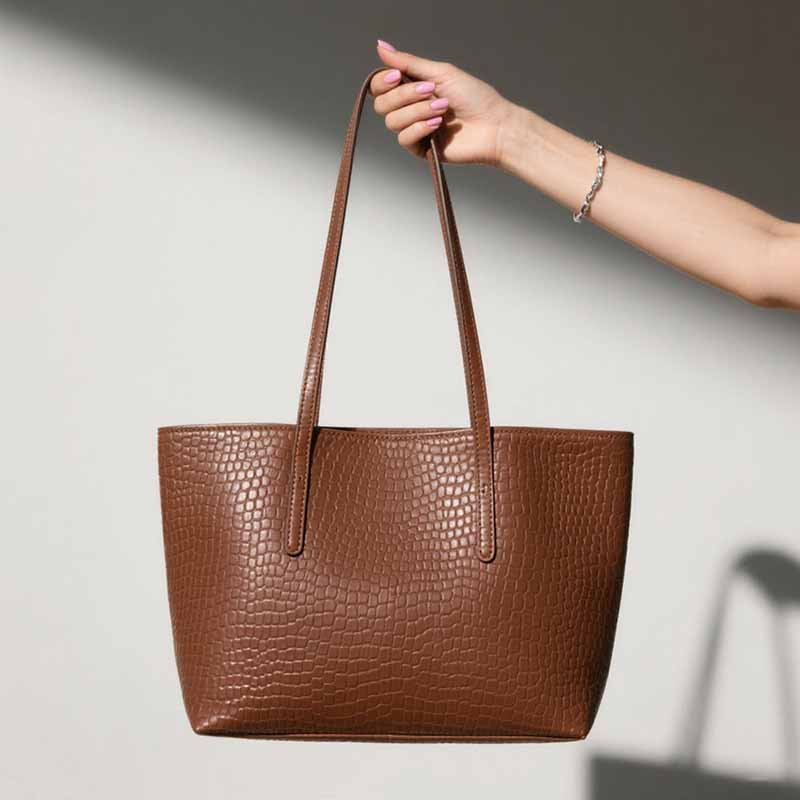
How to Apply Leather Edge Finishing
Leather edge finishing requires precision, the right tools, and proper techniques to ensure smooth, durable, and visually consistent edges. Each method—burnishing, painting, beveling, binding, or oiling—has specific steps and best practices.
Tools for Leather Edge Finishing
Key tools include:
- Edge burnisher: Wooden, synthetic, or motorized for smoothing fibers
- Edge paint brushes or applicators: For uniform coating
- Bevelers: To trim sharp or uneven edges
- Sandpaper or emery boards: For pre-smoothing
- Heat tools: Optional for faster burnishing
- Clamps and holders: Ensure precision on small items like wallets or straps
| Tool | Purpose | Product Examples |
|---|---|---|
| Burnisher | Smooth and compress edges | Belts, bag straps, wallets |
| Edge Paint Applicator | Apply color and seal | Dyed leather handbags |
| Beveler | Round sharp corners | Belts, handles |
| Sandpaper | Smooth rough edges | All leather types before finishing |
| Heat Tool | Accelerate burnishing | Large bags or long straps |
Step-by-Step Burnishing
- Prepare the Edge: Trim excess leather and smooth using sandpaper or emery board.
- Apply Moisture or Gum: Light water, gum tragacanth, or specialized edge dressing softens fibers.
- Burnish: Use a burnisher, applying friction along the edge until smooth. Repeat until edges are glossy.
- Dry and Inspect: Let edges set, then check for uneven surfaces or rough spots.
Painting and Sealing Techniques
- Select Edge Paint: Match leather color or select a contrasting tone for design purposes.
- Apply in Thin Layers: Multiple thin coats give uniform coverage and avoid flaking.
- Dry Between Coats: Air dry or use mild heat for faster setting.
- Finish: Apply clear top coat for added protection and gloss.
SzoneierLeather applies painting and sealing to wallets, belts, and bags to prevent color bleeding and edge wear.
Hand vs Machine Edge Finishing
- Hand Finishing: Allows precision for small or intricate products; ideal for wallets, straps, or luxury items.
- Machine Finishing: Efficient for large batches, ensuring consistency in bags or belts produced in quantity.
Both methods can be combined: hand-finished edges on critical touchpoints and machine-finished edges on long seams or repetitive parts.
Do Leather Types Affect Edge Finishing?
Different leather types respond differently to edge finishing. Proper selection of finishing technique is critical for durability, aesthetics, and functionality.
Vegetable-Tanned Leather Edge Finishing
- Firm and dense, benefits from oiling and burnishing
- Prone to drying and cracking if untreated
- Dyeing or oiling enhances flexibility and color depth
Chrome-Tanned Leather Edge Finishing
- Softer, more pliable
- Can be painted or burnished quickly
- Less prone to cracking, but edge sealing recommended for water resistance
Suede and Nubuck Edge Finishing
- Rough textures make traditional painting less effective
- Edge burnishing or binding preferred
- Special edge coatings may be applied to protect from fraying
Exotic and Full-Grain Leather Edge Finishing
- Sensitive surfaces require minimal abrasion
- Hand burnishing and gentle oiling maintain natural texture
- Edge painting or dyeing must match grain for uniform look
| Leather Type | Recommended Edge Finishing | Notes |
|---|---|---|
| Vegetable-Tanned | Burnish + Oil | Durable, flexible, natural color enhancement |
| Chrome-Tanned | Burnish + Paint | Fast, consistent finish, water resistant |
| Suede/Nubuck | Binding or Protective Coating | Avoid shiny finishes, maintain texture |
| Exotic Leather | Hand Burnish + Gentle Dye | Preserve natural grain, prevent damage |
Are Leather Edge Finishing Choices Critical?
Choosing the right edge finishing method is essential for both product performance and brand image. The wrong method can compromise durability, appearance, and user comfort.
Durability and Lifespan
Finished edges prevent fraying, splitting, or moisture absorption, extending product life. Burnishing compresses fibers for high-stress areas like straps and belts, while painted or oiled edges reduce cracking over time.
Aesthetic and Brand Perception
Edges contribute significantly to the visual appeal of leather goods. Uniform, polished, and properly colored edges enhance the perceived quality of the product and reinforce brand positioning.
Cost vs Quality Considerations
High-quality finishing may involve longer production times and skilled labor, slightly increasing costs. However, investment in proper edge finishing reduces returns, repairs, and customer dissatisfaction, creating long-term value.
| Aspect | Impact of Proper Edge Finishing | Consequence of Poor Finishing |
|---|---|---|
| Durability | Prevents fraying and cracking | Early wear, reduced product lifespan |
| Appearance | Polished, uniform edges | Rough, inconsistent look |
| Comfort | Smooth edges on wearable items | Irritation or discomfort |
| Brand Value | Enhances perceived quality | Lower brand reputation, fewer repeat customers |
Are Leather Edge Finishing Choices Critical?
Leather edge finishing choices are vital for the long-term performance, appearance, and usability of leather goods. Selecting the correct method affects durability, comfort, visual quality, and brand perception. Each leather type and product design has unique requirements, and the finishing method must align with both functional and aesthetic goals.
Impact on Durability
Proper edge finishing directly improves product lifespan. For instance:
- Burnishing strengthens fibers, reducing fraying on straps and wallets.
- Edge painting provides a protective layer, resisting moisture absorption and surface wear.
- Oiling and dyeing prevent cracking in vegetable-tanned or full-grain leathers.
Data from SzoneierLeather shows that products with professionally finished edges last 25–30% longer under daily wear compared to products with untreated edges.
Influence on Appearance
Edges significantly affect the perceived quality of a leather item. Smooth, uniform, and polished edges convey craftsmanship and professionalism, while rough or uneven edges reduce visual appeal and perceived value. For premium leather handbags, wallets, and belts, polished edges can make a difference in customer satisfaction and brand loyalty.
Cost vs Quality Balance
Investing in high-quality edge finishing may increase production time and labor costs slightly. However, this cost is offset by:
- Reduced returns and repairs
- Longer product lifespan
- Enhanced brand reputation
| Edge Finishing Method | Labor/Cost Impact | Longevity Impact | Visual Impact |
|---|---|---|---|
| Burnishing | Medium | High | Glossy, polished edges |
| Painting | Medium | Medium | Consistent color, smooth finish |
| Beveling | Low | Medium | Rounded, ergonomic edges |
| Binding | Medium | High | Extra protection, decorative appeal |
| Oiling/Dyeing | Medium | High | Flexible, durable edges, deep color |
Case Example: Wallet Production
- Without edge finishing: Wallet edges fray within 2–3 months of use, resulting in returns.
- With SzoneierLeather edge finishing: Burnished and painted edges maintain integrity for over a year, with consistent appearance and feel, reinforcing customer trust and brand perception.
Conclusion & Call to Action
Leather edge finishing is an essential element of premium leather product manufacturing. Proper techniques—burnishing, painting, beveling, binding, and oiling—ensure edges are durable, visually appealing, and functional. They enhance product longevity, comfort, and brand value while reducing the risk of early wear or customer dissatisfaction.
SzoneierLeather offers over 18 years of experience in leather goods manufacturing, including:
- In-house material sourcing and R&D
- Custom edge finishing for bags, wallets, belts, straps, and accessories
- Prototyping and low MOQ support for testing new designs
- High-volume production while maintaining consistent quality
- Custom branding and private label services
| Product Type | Recommended Edge Finishing | Notes |
|---|---|---|
| Wallets | Burnishing + Painting | Polished and durable edges |
| Belts | Burnishing + Beveling | Rounded, smooth edges for comfort |
| Bag Straps | Burnishing + Oiling | Flexible, strong for daily use |
| Accessories | Binding + Painting | Decorative and protective |
| Leather Boxes | Binding + Burnishing | Reinforced, premium finish |
Brands seeking durable, premium-quality leather products should prioritize professional edge finishing. SzoneierLeather provides tailored solutions for all types of leather goods. Contact us today to:
- Request samples with custom edge finishes
- Explore private label and OEM/ODM options
- Discuss production timelines, MOQ, and material options
With professional leather edge finishing, your products not only look refined but also perform reliably for years, enhancing brand reputation and customer satisfaction.