
Bespoke Leather Box Manufacturing for Premium Gift Packaging
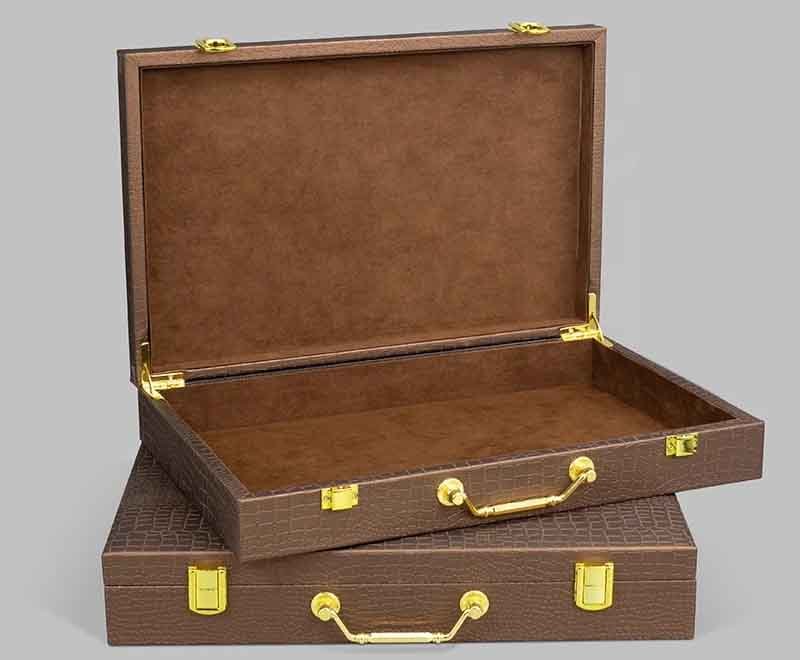
In an era where experiential luxury reigns supreme, packaging has transcended mere functionality to become an integral part of the gift. A bespoke leather box doesn’t just contain an item—it tells a story of craftsmanship, brand prestige, and attention to detail. Whether it’s a limited-edition watch, a couture fragrance, or a high-end tech accessory, the right presentation can transform a simple unboxing into an unforgettable moment.
Bespoke leather box manufacturing combines premium hides—full-grain, top-grain, or exotic—with rigid board cores, tailored finishes (foil stamping, debossing, edge painting), and meticulous quality control. This process ensures rigidity, tactile luxury, and brand-aligned detailing, elevating any gift item and reinforcing perceived value.
Imagine opening a gift wrapped in soft-touch suede paper, only to discover a hand-stitched leather box with gleaming gold foil accents and a hidden magnetic closure. As the lid lifts, the interior’s velvet lining cradles its treasure, creating a suspenseful reveal. That moment lingers in memory—and that’s the power of bespoke leather packaging. Over the following sections, we’ll unpack every stage of manufacturing, from selecting the perfect leather to executing rigorous QC, so you can see how Szoneier Leather brings premium gifts to life.
What Leather Types and Constructions Are Ideal for Luxury Gift Boxes?
Full-grain cowhide and top-grain calfskin are most popular for luxury boxes due to their durability and rich grain. Exotic hides like alligator or ostrich add texture and prestige. Internally, rigid greyboard cores laminated with leather ensure structural integrity, while options like suede wraps or microfiber inlays enhance tactile appeal.
Full-Grain vs Top-Grain: The Foundation of Luxury
- Full-Grain Leather: Harvested from the outer hide layer, full-grain retains natural marks, delivering unmatched character and strength. Its fiber density and tight grain resist scratches and shape deformation. Over time, it develops a patina that enriches the box’s aesthetic.
- Top-Grain Leather: The hide’s top surface is sanded to remove imperfections, then pigmented or semi-aniline dyed for uniform color. Top-grain offers a smooth, consistent finish with easier cleanability. While slightly less robust than full-grain, it remains a refined option for brands seeking perfection.
Exotic Hides for Ultra-Premium Appeal
- Alligator & Crocodile: Each scale pattern is unique, conveying exclusivity. These hides are CITES-compliant and tanned to preserve scale flexibility, then edge-painted for a seamless look. Boxes wrapped in exotic leather can command a 50–100% premium over standard hides.
- Ostrich & Lizard: Ostrich quill follicles provide a distinctive dotted texture; lizard offers small, symmetrical scales. Both require specialized tanning to prevent cracking and to maintain suppleness—ideal for limited-edition and collector’s items.
Box Core Construction: Balancing Rigidity and Weight
- Greyboard Cores: Multi-ply greyboard (1.5–3.0 mm per ply) laminated into 3–5 mm total thickness forms the box’s skeleton. High-density cores resist bending, ensuring the box holds shape under pressure.
- Honeycomb & Corrugated Inserts: For larger boxes or heavier contents, honeycomb cardboard or fluted corrugated layers can reinforce durability without excessive weight.
Lamination & Adhesion Techniques
- Cold-Press Lamination: Leather wraps adhere to cores using pressure-sensitive adhesives, preventing heat-induced discoloration or shrinkage. Cold lamination also preserves leather texture.
- Hot-Melt Lamination: Faster and stronger for high-volume runs, but requires precise temperature control (120–140 °C) to avoid over-drying hides.
Interior Linings & Inserts
- Suede & Microfiber Linings: Soft linings protect delicate items and add a luxe touch. Microfiber is stain-resistant and easy to clean, while suede offers warmth and absorbency.
- Foam & EVA Inserts: Custom die-cut foam or EVA cradles hold products securely. Foam densities (20–60 kg/m³) are chosen based on weight and fragility of contents.
Comparative Material Table
| Component | Option | Benefit | Consideration |
|---|---|---|---|
| Outer Leather | Full-Grain Cowhide | Durability, patina | Natural marks |
| Top-Grain Calfskin | Uniform finish, ease of cleaning | Slightly less robust | |
| Alligator/Crocodile | Exclusivity, unique texture | High cost, CITES compliance | |
| Core Material | 3-ply Greyboard (3 mm) | Rigidity, shape retention | Heavier than honeycomb |
| Honeycomb Cardboard | Lightweight rep, high crush strength | More complex lamination | |
| Lining | Suede | Soft, tactile luxury | High maintenance, stain-sensitive |
| Microfiber | Durable, easy care | Less richness than suede | |
| Insert | Die-cut Foam (30 kg/m³) | Secure fit, shock absorption | Foam deformation over time |
| EVA Block | High resilience, washable | Higher material cost |
Which Design and Finishing Techniques Add Unmatched Value?
Debossing, foil stamping, blind embossing, and edge painting elevate leather boxes visually. Decorative stitching, metal hardware (magnetic closures, branded hinges), and painted interiors enhance both aesthetics and functionality—creating a cohesive brand narrative and tactile delight.
Debossing & Blind Embossing
- Technique & Impact: Pressing a metal die into the leather creates a permanent, tactile impression. Blind embossing (no color fill) imparts subtle elegance; debossing with pigment fill highlights logos in contrasting hues.
- Applications: Perfect for minimalist branding or monograms. Die production costs ($200–$500) are amortized over large runs, delivering high ROI through repeated brand impressions.
Foil Stamping & Hot Stamping
- Foil Types: Metallic (gold, silver, rose gold) and matte foil (black, white) offer shine and durability. Foil stamping uses heat (120–150 °C) to transfer pigment, creating sharp, reflective logos.
- Durability & Care: High-quality foil resists scratching and tarnishing. Recommended for gift boxes that will be reused—foil maintains its luster after dozens of opening cycles.
Edge Painting & Burnishing
- Edge Painting: Multiple coats of UV-cured edge paint seal core layers and protect against moisture. Common colors match or contrast the leather wrap. Each coat (0.1–0.2 mm thickness) is sanded smooth for a flawless finish.
- Burnished Edges: Friction-polished edges develop a natural gloss, ideal for organic luxury aesthetics. Beeswax infusions during burnishing add protective sheen.
Decorative Stitching & Piping
- Stitch Styles: Saddle stitching (hand-sewn) provides durability and a handcrafted feel. Machine lock stitching offers consistency for high-volume orders. Contrasting thread colors (polyester, nylon) create visual accents.
- Leather Piping: Inset piping along box seams protects corners and adds definition. Piping cores (cotton-wrapped PVC rods) are wrapped in matching leather and stitched into place.
Hardware Selection & Integration
- Magnetic Closures: Neodymium magnets embedded in leather tabs and box walls deliver seamless opening. Magnet strength (N35–N52) is chosen to balance ease of use and secure closure.
- Hinges & Clasps: Polished brass or stainless-steel piano hinges ensure smooth lid movement. Custom-engraved clasps reinforce brand identity—ideal for collectible or limited-edition boxes.
Interior Customization & Scenting
- Custom Compartments: Laser-cut partitions or foam modules tailored to product geometry enhance unboxing drama.
- Scent Infusion: Lightly scenting lining materials (e.g., leather-compatible microcapsules) can create a multisensory experience—brands often choose signature fragrances for a lasting brand recall.
How Do Custom Boxes Enhance Brand Perception and the Unboxing Experience?
Custom leather boxes engage multiple senses—visual luxury, tactile richness, and even scent—reinforcing brand prestige. High-contrast colors, branded detailing, and reveal-moment elements (magnetic lids, hidden compartments) foster emotional connections and social sharing, driving brand loyalty and word-of-mouth marketing.
The Psychology of Premium Packaging
- First Impressions & Perceived Value: Studies show that consumers associate high-quality packaging with product excellence. A Deloitte survey found 65% of shoppers are willing to pay 20% more for premium unboxing experiences. Leather boxes signal exclusivity and care.
- Emotional Engagement: Touch activates emotional centers in the brain. Smooth leather and precise hardware clicks evoke satisfaction, making recipients more likely to remember and share the experience.
Multisensory Brand Storytelling
- Visual Identity: Consistent use of brand colors, logos, and patterns across leather and foil stamping creates cohesive recognition.
- Tactile Cues: Grain direction, edge finishing, and weighted cores convey solidity and refinement. The gentle pull of a hidden ribbon adds drama.
- Olfactory Elements: Incorporating subtle scent infusions—e.g., leather-compatible vanilla or sandalwood—can trigger lasting memory associations.
Unboxing Rituals & Social Sharing
- “Instagrammable” Moments: Well-designed boxes—with striking foil logos and contrast interiors—encourage social media posts. Branded hashtags and QR codes inside lids guide users to share their experiences online.
- Collectibility & Reuse: Rigid leather boxes often become keepsakes, extending a product’s shelf life and brand visibility in homes or offices.
Case Study: Limited-Edition Timepiece Launch
- Project Brief: A luxury watch brand sought to create a gift-box experience matching its 50th-anniversary timepiece.
- Solution: Szoneier produced 500 boxes in top-grain navy leather, gold foil numbering, and velour-lined interiors with hidden slide-out drawers. Magnetic closures with engraved anniversary dates completed the design.
- Outcome: 90% of recipients posted unboxing videos on social platforms within 48 hours, generating 1.2 million impressions and a 25% bump in pre-order sales.
Measuring Impact on Brand Metrics
| Metric | Pre-Launch Baseline | Post-Launch Change |
|---|---|---|
| Social Media Mentions | 1,500 | 4,800 (+220%) |
| Average Order Value (AOV) | $350 | $425 (+21%) |
| Customer Satisfaction Score | 4.3/5 | 4.7/5 (+9%) |
| Repeat Purchase Intention Rate | 32% | 45% (+41%) |
What Quality Control and Packaging Standards Ensure Durability and Presentation?
Strict QC includes raw-material grading (defect mapping), adhesive bond tests (peel strength ≥2 N/cm), flex and drop tests on assembled boxes, humidity cycling (40–90% RH), and final visual inspections. Each box is certified for board integrity, leather adhesion, hardware function, and finish consistency before shipping.
Raw-Material Inspection & Grading
- Hide Mapping: Full-grain and exotic hides are scanned under bright lights; defects (scars, holes) are digitally mapped. Only usable areas are allocated to box wraps.
- Leather Thickness & Tensile Testing: Strips from each hide batch undergo ASTM D2209 for thickness uniformity (±0.2 mm tolerance) and ASTM D882 tensile tests (≥10 MPa break strength).
Adhesion & Lamination Testing
- Peel Strength: Laminated leather-to-board samples are tested per ASTM D903; minimum peel force of 2 N/cm ensures durable bonds.
- Thermal Cycling: Sample assemblies undergo 5 cycles between 5 °C and 50 °C to simulate shipping and storage conditions—no delamination observed.
Flexibility & Drop Tests
- Corner Bending: Boxes are opened and closed 1,000 times, then corners inspected for cracking or adhesive failure.
- Drop Simulation: Empty and filled boxes are dropped from 1 m height onto concrete surfaces in six orientations. No structural damage permitted.
Humidity & Environmental Resistance
- Humidity Chamber: Boxes are stored at 40–90% relative humidity for 72 hours; leather surface and glue joints must show no mold, bubbling, or color bleed.
- UV Exposure: Leather-wrapped samples endure 100 hours of UVA light; ΔE ≤2.0 ensures color stability.
Hardware & Closure Verification
- Magnet Pull Tests: Embedded magnets must exceed 5 N pull force to prevent accidental opening.
- Hinge Fatigue: Hinges are cycled 5,000 open/close motions; no hinge loosening or creaking allowed.
Final Visual & Functional Audit
- Finish Consistency: Automated vision systems check foil stamping alignment (±0.5 mm) and edge paint uniformity.
- Hand Inspection: Experienced QC teams verify embossing depth, stitching uniformity, and lining fit—rejecting any off-spec items.
How Can Premium Brands Partner with Szoneier Leather for Bespoke Box Solutions?
Premium brands partner with Szoneier Leather through a streamlined four-step process: 1) share design briefs or dielines, 2) select materials and approve digital mock-ups, 3) receive physical prototypes within 7–10 days and refine as needed, and 4) move into low-MOQ production (from 200 units) with transparent costing and 30–45-day lead times—backed by comprehensive QC reporting and after-sales support.
Design Brief & Material Consultation
- Initial Discovery Call: The partnership begins with a collaborative call, where your brand outlines its packaging vision, target demographics, and any thematic requirements (e.g., anniversary editions, limited runs). Szoneier’s packaging specialists then recommend optimal leather grades—full-grain for heirloom pieces or top-grain for consistent color—and core constructions (greyboard vs. honeycomb) to balance luxury feel with structural integrity.
- Swatch Delivery: Within 3–5 business days, you receive a curated swatch kit featuring hide samples (cowhide, calfskin, exotic options), core board variants, and lining materials (suede, microfiber). This tactile evaluation ensures you can feel the texture, assess thickness, and compare finishes before committing.
Digital Mock-Ups & 3D Prototypes
- CAD Renderings: Once materials are selected, Szoneier’s design team produces detailed 3D renderings showing lid proportions, hinge placement, foil stamping positions, and interior layouts. These visuals let you preview color contrasts—navy leather with rose-gold foil, for example—without waiting for a physical sample.
- Rapid Physical Sampling: Within 7–10 days of mock-up approval, you receive a fully assembled prototype, complete with chosen leather wrap, hardware (magnetic closures, piano hinges), and custom inserts (foam or die-cut compartments). Two iterative rounds of sampling are included, allowing fine-tuning of edge paint thickness, foil clarity, and closure spring tension.
Transparent Costing & MOQ Flexibility
- Detailed BOM & Pricing: Every pigment, board ply, and stitch type is itemized in a Bill of Materials. Leather costs typically range $8–$25 per box depending on grade; board and lining add $2–$6; labor and finishing run $5–$8. You can adjust specs—switch from exotic alligator to top-grain—to meet budget targets without hidden surcharges.
- Low Minimums & Scale Discounts: Szoneier’s minimum order is 200 units, ideal for test launches or seasonal campaigns. Volume discounts kick in at 500 units (5% off) and 1,000 units (10% off), so you can scale up quickly once the market response is clear.
Production Scheduling & Quality Assurance
- Lead Time Management: Standard production completion is 30–45 days after sample sign-off. A real-time dashboard grants transparency into each phase—cutting, lamination, finishing, QC—so you can plan logistics with confidence.
- Rigorous QC Protocols: Every box batch arrives with a comprehensive quality report: peel-strength tests (≥2 N/cm), drop-test summaries, humidity chamber results, and spectrophotometer color logs (ΔE ≤2). This ensures each shipment meets both your brand standards and international packaging regulations.
After-Sales & Ongoing Collaboration
- Spare Parts & Reorders: To support post-launch needs, Szoneier stocks spare magnets, foam inserts, and replacement hinges. Reordering is as simple as referencing your project code—no need to resend designs or specs.
- Innovation Partnerships: For brands aiming to push boundaries, Szoneier’s R&D lab co-develops sustainable tanning trials, plant-based adhesives, or bespoke scent infusions embedded in lining materials. These pilot projects can lead to exclusive “green” or sensory-driven packaging lines that reinforce your brand’s leadership in luxury innovation.
Conclusion
Bespoke leather box manufacturing is not merely about containment—it’s about crafting an immersive brand experience that resonates long after the gift is opened. From selecting the finest hides and engineering rigid cores to executing artisanal finishing techniques and rigorous QC, every step adds undeniable value.
Ready to elevate your premium gifts with custom leather packaging? Contact Szoneier Leather today for free consultations, rapid prototyping, and turnkey production solutions—perfectly tailored to your brand’s vision and delivery timelines. Let’s create packaging that captivates, delights, and endures.
What Can I Do For You?
Here, developing your OEM/ODM private label leather goods collection is no longer a challenge,it’s an excellent opportunity to bring your creative vision to life.
Make A Sample First?
If you have your own tech packs, logo design artwork, or just an idea,please provide details about your project requirements, including preferred fabric, color, and customization options,we’re excited to assist you in bringing your leather goods designs to life through our sample production process.