
How Leather Goods Are Produced: A Comprehensive Guide
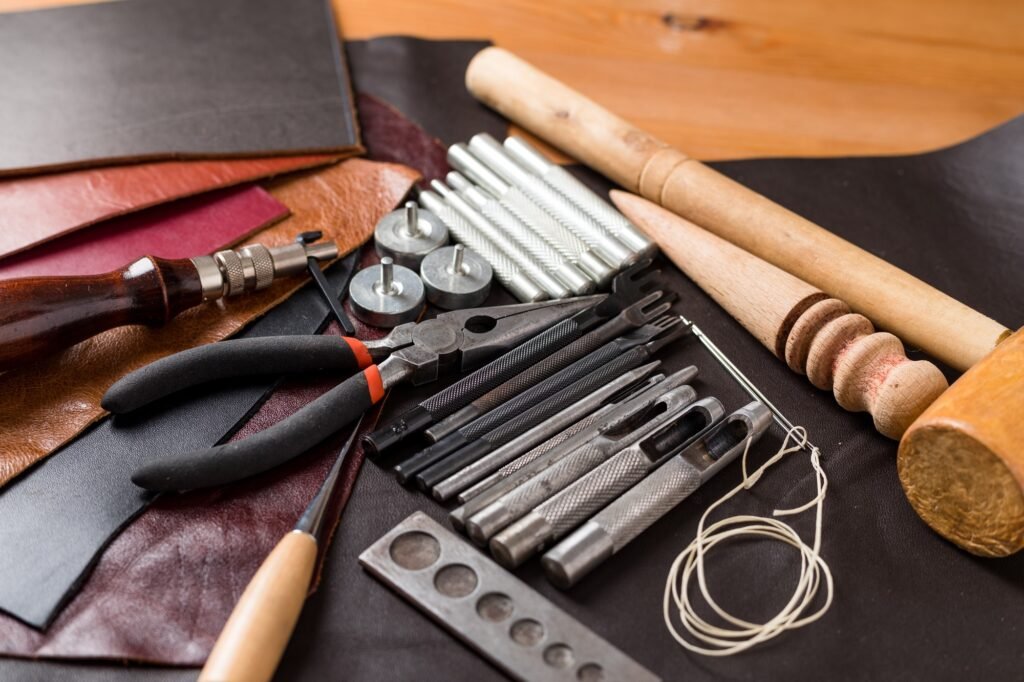
Leather isn’t just a material,it’s a blend of artistry, tradition, and modern innovation that brings quality and character to everyday products. Today’s consumers value transparency, sustainability, and craftsmanship, so understanding the process behind leather goods production is essential. Leather goods are produced through a series of detailed steps starting with high-quality raw material selection, followed by pre-tanning, tanning, cutting, finishing, and quality control. This guide explores each stage with data-driven insights and copyable tables, empowering you to make informed decisions about design and production.
Let’s dive into this fascinating process.
The Key Raw Materials and Ingredients in Leather Goods Production
The foundation of leather goods production is high-quality raw materials. Most products begin with animal hides sourced from cows, sheep, goats, and even exotic species, each offering distinct properties that affect durability, texture, and cost.
What Are the Raw Materials for Leather Goods?
Leather production starts with the raw hide,the skin of the animal. The type of hide used can significantly impact the final product’s characteristics. Here are some common raw materials:
Cowhide:
- Usage: Widely used for jackets, bags, furniture, and automotive interiors.
- Characteristics: Thick, durable, and versatile.
- Popularity: Represents about 60–70% of leather goods worldwide.
Sheepskin:
- Usage: Popular in high-end garments, gloves, and luxury accessories.
- Characteristics: Exceptionally soft and lightweight with a fine grain.
Goatskin:
- Usage: Common in wallets, small accessories, and some garments.
- Characteristics: Offers a balance of durability and flexibility, with a naturally pebbled texture.
Exotic Leathers (e.g., Alligator, Ostrich, Snake):
- Usage: Found in premium fashion and luxury accessories.
- Characteristics: Unique textures, exclusivity, and higher cost.
Quality Factors and Sourcing
The quality of the final product depends on:
- Animal Age: Younger hides generally produce more delicate leather (e.g., lamb or sheepskin) versus the tougher, more durable leather from mature animals (e.g., cowhide).
- Condition: Healthy, unblemished hides yield better quality leather.
- Sustainable Sourcing: Ethical practices and traceability are increasingly important. Brands now seek hides with certifications proving responsible sourcing.
| Raw Material | Common Uses | Notable Characteristics | Average Cost per Sq. Ft. |
|---|---|---|---|
| Cowhide | Jackets, bags, furniture | Durable, versatile, widely available | $50 – $800 |
| Sheepskin | Luxury garments, gloves | Exceptionally soft, lightweight, fine grain | $150 – $1000+ |
| Goatskin | Wallets, accessories | Flexible, moderately durable, pebbled texture | $70 – $600 |
| Exotic | Premium fashion, accessories | Unique textures, exclusive, high-end finish | $200 – $2000+ |
Raw materials form the backbone of leather goods production,choosing the right hide ensures that the final product will meet both aesthetic and durability standards.
How Is Leather Processed, Tanned, and What Are the Processes in Leather Production?
Transforming raw hides into usable leather is a multi-step process that involves pre-tanning, tanning, and post-tanning techniques. Each stage is crucial to developing leather that is durable, beautiful, and fit for purpose.
The Journey from Hide to Leather
Leather production can be broken down into several key stages:
1. Pre-Tanning Preparation
Before tanning, raw hides undergo several cleaning and preparation steps:
- Cleaning and Soaking: Hides are soaked in water to remove dirt, blood, and residual flesh. In some cases, specialized detergents are used.
- Liming: The hides are treated with a lime solution to loosen hair and further cleanse the material. This process can last several hours to a couple of days.
2. Tanning
Tanning is the process that stabilizes the protein structure in the hide, preventing decay while imparting strength and flexibility.
- Vegetable Tanning:
- Process: Uses natural tannins extracted from tree bark, leaves, or fruits.
- Timeframe: Typically takes 4–6 weeks.
- Outcome: Produces firm, durable leather with a natural finish; more eco-friendly but slower.
- Chrome Tanning:
- Process: Utilizes chromium salts for faster processing.
- Timeframe: Usually completed in 1–2 weeks.
- Outcome: Results in softer, more pliable leather; highly efficient but raises environmental concerns due to chemical waste.
3. Post-Tanning Processes
Once tanned, the leather undergoes several finishing steps:
- Dyeing: Leather is dyed through immersion, spray, or pad methods to achieve the desired color.
- Finishing: Techniques such as embossing (adding patterns), buffing (smoothing the surface), and applying protective coatings (oils, waxes) are used.
- Conditioning: Leather is treated with conditioning agents to enhance suppleness and longevity.
| Process Stage | Description | Timeframe | Impact on Final Product |
|---|---|---|---|
| Pre-Tanning | Cleaning, soaking, and liming of raw hides | 2-3 days | Removes impurities, prepares the hide for tanning |
| Vegetable Tanning | Natural tannins from plant sources | 4-6 weeks | Results in firm, eco-friendly leather |
| Chrome Tanning | Chromium salts for faster processing | 1-2 weeks | Produces soft, pliable leather |
| Post-Tanning | Dyeing, finishing, and conditioning | 1-2 weeks | Enhances color, texture, and durability |
Which Cutting and Pattern-Making Techniques Are Used in Leather Manufacturing?
Cutting and pattern-making are where precision meets creativity. Both traditional hand-cut methods and modern CAD-based techniques are employed to maximize material use and ensure consistent quality in leather products.
The Art and Science of Cutting Leather
Efficient cutting is essential to minimize waste and achieve a perfect design. Techniques include:
- Manual Cutting:
- Method: Skilled artisans use hand tools—knives, scissors, or specialized leather shears—to cut leather according to custom patterns.
- Application: Best suited for bespoke items and limited-edition designs where every detail matters.
- Example: Hand-cut leather wallets often show slight variations, adding to their unique character.
- Computer-Aided Design (CAD) and Laser Cutting:
- Method: Digital patterns are designed on software, then transferred to cutting machines that use lasers or precision blades.
- Application: Ideal for large-scale production with high accuracy and minimal waste.
- Example: Fashion houses use CAD to create thousands of consistent pieces for high-end collections.
Pattern-Making Techniques
Creating the perfect pattern is as much an art as it is a science:
- Draping and Molding:
- Description: Leather is draped over molds or mannequins to create patterns that fit the intended product perfectly.
- Benefit: This technique ensures that garments and accessories have an ideal, natural drape.
- Die Cutting:
- Description: Pre-made dies are used to cut the leather uniformly, a method widely used in mass production.
- Benefit: Ensures high-speed production with consistent shapes and sizes.
How Do Artisans and Machinery Collaborate in the Production Process?
The production of leather goods is a blend of old-world craftsmanship and modern machinery. This synergy ensures that each product benefits from both meticulous handcrafting and the precision of automation.
The Role of Artisans
Skilled artisans bring a personal touch to leather goods:
Handcrafting Techniques:
- Detail Work: Artisans perform intricate stitching, hand embossing, and custom embellishments that elevate the product’s quality.
- Customization: Their expertise allows for bespoke modifications, such as adding monograms or unique patterns.
Attention to Detail:
- Quality Assurance: Each piece is inspected and refined by experienced hands to meet high standards.
- Example: A luxury handbag often features hand-stitched seams and personalized finishing that machine work alone cannot achieve.
The Role of Machinery
Modern machinery complements artisan skills:
Automated Cutting and Sewing:
- Efficiency: Machines like laser cutters and computerized sewing systems ensure precision and speed in mass production.
- Consistency: Automation minimizes human error and produces uniform pieces, which is crucial for large orders.
Integration with Technology:
- CAD and CNC Machines: These tools convert digital designs into precise cuts and stitches.
- Scalability: They allow manufacturers to scale up production without compromising quality.
| Aspect | Artisan Contribution | Machinery Contribution |
|---|---|---|
| Cutting | Hand-cut for custom, unique designs | CAD-guided cutting for precision and consistency |
| Sewing | Hand-stitched details for luxury and customization | Automated stitching for large-scale production |
| Customization | Tailored design elements, personalized finishing | Scalable production with design integration |
| Quality Control | Detailed inspection and final refinements | Consistent, repeatable quality checks |
What Are the Finishing Techniques and Quality Control Measures?
Finishing and quality control are the final steps that define the look, feel, and longevity of leather goods. Techniques like dyeing, embossing, and conditioning, along with rigorous inspections, ensure every piece is flawless.
Finishing Techniques
After tanning and cutting, leather undergoes finishing processes to enhance its aesthetics and durability:
Dyeing:
- Methods: Immersion, spray, or pad dyeing are commonly used.
- Outcome: Creates vibrant, uniform colors tailored to fashion trends.
Embossing and Texturing:
- Process: Patterns are stamped or embossed onto the leather to mimic natural grain or add artistic designs.
- Outcome: Adds depth and tactile interest to the material.
Conditioning and Coating:
- Application: Oils, waxes, or synthetic coatings are applied.
- Benefit: Increases suppleness, water resistance, and longevity.
Quality Control Measures
Quality control is woven into every step of production:
Multiple Inspections:
- Stages: Inspections occur after tanning, cutting, finishing, and before packaging.
- Standards: Checks for color consistency, stitching quality, and surface imperfections.
Testing:
- Tests: Physical tests such as abrasion resistance, flexibility, and water resistance are conducted.
- Data: Results are compared against industry standards to ensure durability.
How Do Environmental and Sustainability Practices Impact Leather Production?
Sustainability is a major focus in modern leather production. Eco-friendly tanning methods, waste management, and alternative leathers all contribute to reducing environmental impact while maintaining high-quality standards.
Eco-Friendly Tanning and Processing
- Water-Based Tanning:
- Benefits: Reduces water usage by up to 30% compared to traditional processes.
- Impact: Less chemical waste, a greener alternative to chrome tanning.
- Vegetable Tanning:
- Benefits: Uses natural tannins from plants, creating a more eco-friendly product.
- Outcome: Produces leather with a firm, natural finish and lower environmental impact.
- By-Product Management:
- Practices: Modern facilities recycle water and properly treat effluents.
- Data Point: Facilities adopting these practices have reduced chemical discharge by 25–40%.
Can Leather Be Made Without Animals?
- Vegan Leathers:
- Alternatives: Materials made from pineapple fiber (Piñatex), mushrooms (mycelium leather), or recycled plastics.
- Comparison: Although vegan leathers avoid animal use, they often have different textures and durability profiles compared to traditional leather.
- Market Trend: Demand for vegan alternatives is growing, especially among eco-conscious consumers.
Certification and Compliance
- Eco-Labels:
- Examples: ISO 14001 and OEKO-TEX® certifications ensure sustainable practices.
- Consumer Confidence: Products with these certifications often command a premium in the market.
Are Customization, Home Production, and Design Integration Feasible in Today’s Leather Goods Manufacturing?
Modern technology has made customization and bespoke design an integral part of leather goods production. Advanced systems allow for personalized logo integration and design tweaks—even enabling some home production for prototypes and small projects.
Customization and Bespoke Design
Personalized Designs:
- Options: Brands can integrate custom logos, embossing patterns, and unique stitching designs.
- Example: High-end brands often offer limited edition items with personalized touches that justify premium prices.
Tailored Production:
- Batch Size: Small-batch production allows for greater creativity and uniqueness.
- Customer Demand: A survey found that 78% of consumers are willing to pay extra for personalized products.
Home Production Possibilities
DIY Leather Crafting:
- Tools: With basic leather tools and online tutorials, enthusiasts can create prototypes and small items at home.
- Limitations: Home production often lacks the consistency and quality control of commercial facilities.
Learning and Experimentation:
- Opportunity: Home projects are ideal for learning the craft before scaling up to commercial production.
- Example: Hobbyists often begin with simple items like wallets or small accessories to hone their skills.
Conclusion
Every step,from the careful selection of raw hides to the final quality inspections,ensures that the leather goods produced are not only beautiful but also built to last. The marriage of traditional techniques with modern innovations, along with a strong emphasis on sustainability, makes today’s leather production a truly dynamic field.
If you’re ready to take your product line to the next level with custom, high-quality leather goods, Szoneier Leather is here to help. we offer free design consultations, samples, and personalized quotations to meet your exact requirements.
Can't find the answers?
No worries, please contact us and we will answer all the questions you have during the whole process of leather goods customization.
Make A Sample First?
If you have your own tech packs, logo design artwork, or just an idea,please provide details about your project requirements, including preferred fabric, color, and customization options,we’re excited to assist you in bringing your leather goods designs to life through our sample production process.