 Skip to content
Types of Leather Gloves:Guide for Fashion, Work & Custom Brands
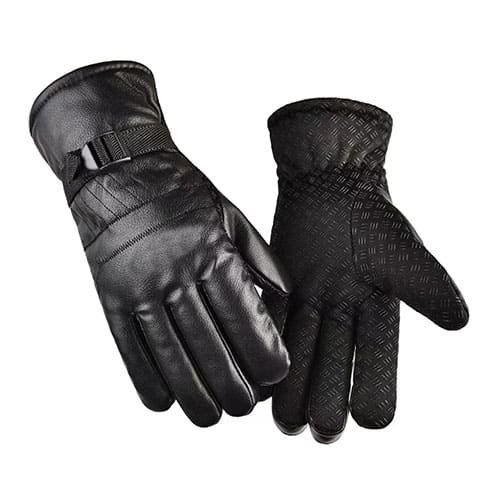
In a world where craftsmanship meets purpose, leather gloves remain a timeless symbol of utility and sophistication. From rugged workwear to high-end fashion, the type of leather you choose determines not only how gloves look—but how they perform, feel, and age over time.
Today’s buyers often ask, “Which leather is best for gloves?” The answer isn’t universal. Each leather—cowhide, goatskin, lambskin, deerskin, or synthetic PU—offers unique advantages depending on climate, usage, and brand positioning.
The best type of leather gloves depends on your purpose: cowhide for durability, goatskin for flexibility, lambskin for luxury softness, deerskin for comfort, and PU leather for cost-efficient vegan styles. Each serves distinct needs for work, fashion, or brand customization.
At Szoneier Leather, we’ve spent over 18 years perfecting glove materials for global brands. Whether you’re sourcing for a premium retail collection or industrial uniform line, understanding these differences is the key to developing gloves that sell—and endure. Let’s dive deep into what sets each type apart and how to choose the perfect match for your next project.
What Are the Main Types of Leather Used in Gloves?
The main types of leather used for gloves include cowhide, goatskin, sheepskin, lambskin, deerskin, pigskin, and PU or microfiber leather. Each type differs in softness, durability, grip, and insulation—affecting comfort, price, and brand positioning. Cowhide and goatskin suit work or driving gloves; lambskin and sheepskin fit luxury fashion; while PU offers cost-efficient vegan alternatives.
Understanding the Materials Behind the Craft
Leather gloves are more than protective accessories—they’re an expression of material intelligence. The right leather determines not just how gloves perform, but also how they age, breathe, and feel. Over nearly two decades, Szoneier Leather has developed and tested all major glove leathers—matching their properties to each client’s specific product goals. Below, we explore the main categories and what makes each one unique in modern glove manufacturing.
1. Cowhide
Cowhide is the most widely used leather in glove making, known for its durability, abrasion resistance, and affordability. It’s thick, protective, and ideal for work, riding, or outdoor gloves.
Cowhide’s dense fiber structure makes it highly resistant to cuts and friction, while still retaining flexibility when properly tanned. Chrome-tanned cowhide is soft and pliable, whereas vegetable-tanned cowhide is stiffer and used for structured gloves or cuffs.
| Property | Specification | Performance Level |
|---|---|---|
| Thickness | 1.0 – 1.3 mm | Medium-heavy |
| Tensile Strength | 12 – 15 N/mm² | High |
| Abrasion Resistance | Excellent | Long lifespan |
| Breathability | Moderate | Balanced comfort |
| Typical Use | Work, motorcycle, safety gloves | High durability |
2. Goatskin
Goatskin is prized for its fine grain and natural lanolin oils that keep it soft yet resilient. It offers the best balance of flexibility and durability—making it ideal for driving, tactical, and multi-purpose gloves.
Goatskin’s unique pebbled texture improves grip, while its high tensile strength (up to 14 N/mm²) makes it resistant to tearing. It remains supple even after exposure to moisture, a quality that has made it the preferred choice for military and aviation gloves worldwide.
| Property | Specification | Performance Level |
|---|---|---|
| Thickness | 0.8 – 1.0 mm | Lightweight |
| Flexibility | Excellent | Adapts to motion |
| Grip / Friction Control | Superior | Natural oil retention |
| Water Resistance | Good | Does not stiffen easily |
| Typical Use | Driving, industrial, military | High dexterity |
Szoneier Tip: For clients developing high-end driving gloves, goatskin provides a tactile connection between driver and wheel—its lanolin-rich surface gives smooth control and long-term comfort.
3. Sheepskin & Lambskin
Sheepskin and lambskin are synonymous with softness and luxury. These leathers are extremely fine-grained, light, and comfortable—making them ideal for dress gloves, fashion accessories, and premium retail lines.
The difference between sheepskin and lambskin lies in maturity: lambskin comes from younger animals, giving it finer grain and higher elasticity. It molds naturally to the hand and provides superior tactile sensitivity—qualities that make it a favorite among luxury brands in Europe and Japan.
| Property | Specification | Performance Level |
|---|---|---|
| Thickness | 0.6 – 0.9 mm | Light |
| Softness | Exceptional | “Second-skin” feel |
| Thermal Insulation | Very good | Warm yet breathable |
| Durability | Moderate | For light to medium wear |
| Typical Use | Fashion, winter, dress gloves | High-end market |
Szoneier Note: Our Nappa-finished lambskin (semi-aniline, glazed finish) is sourced from certified tanneries and used by clients creating luxury dress gloves and retail gifts. The result: buttery smooth texture with elegant color consistency across batches.
4. Deerskin
Deerskin combines ruggedness with flexibility. Its naturally loose grain provides exceptional comfort and breathability, making it ideal for outdoor, motorcycle, and adventure gloves.
Deerskin’s key strength is elastic recovery—it stretches without losing shape. It resists hardening in cold weather, which is why it’s a favorite for cold-climate gloves and American heritage styles. The slight sponginess enhances cushioning, giving a relaxed yet secure fit.
| Property | Specification | Performance Level |
|---|---|---|
| Thickness | 1.0 – 1.2 mm | Medium |
| Elasticity | Excellent | Comfort fit |
| Water Resistance | Good (natural oils) | Weather adaptive |
| Tear Strength | High | Tough yet pliable |
| Typical Use | Outdoor, motorcycle, casual | Premium rugged |
Szoneier Tip: Pair deerskin with fleece or Thinsulate™ linings for all-season biker gloves—maintaining flexibility even below freezing.
5. Pigskin
Pigskin leather is porous, breathable, and cost-efficient. It’s widely used in industrial, work, and gardening gloves, offering strong performance under heat, oil, and moisture.
Pigskin’s three-fiber pore structure enhances ventilation, making it the most breathable natural glove leather. It’s less soft than goatskin or lambskin but outperforms them in abrasion resistance when wet.
| Property | Specification | Performance Level |
|---|---|---|
| Thickness | 1.0 – 1.3 mm | Heavy duty |
| Abrasion Resistance | Very high | Wet or dry |
| Breathability | Excellent | Airy comfort |
| Softness | Medium | Slightly firm |
| Typical Use | Work, warehouse, mechanical | Cost-effective |
Factory Insight: We often recommend split pigskin with PU reinforcement on palms for clients producing protective or warehouse gloves—a cost-effective formula balancing durability and price.
6. Synthetic PU & Microfiber Leathers
PU and microfiber leather provide animal-free solutions that emulate the look and feel of real leather while offering consistent texture, water resistance, and lower cost.
PU (polyurethane) leather is made by coating fabric with a polyurethane layer, while microfiber leather uses ultra-fine fibers bonded to create a suede-like structure. Modern synthetic leathers are no longer “plastic lookalikes”—they can achieve refined grains and matte finishes rivaling real hide.
| Property | Specification | Performance Level |
|---|---|---|
| Thickness | 0.7 – 1.0 mm | Adjustable |
| Waterproofing | Excellent | Non-porous |
| Flexibility | Good | Moderate elasticity |
| Breathability | Moderate | Fabric-dependent |
| Typical Use | Vegan fashion, budget lines | Consistent & ethical |
Szoneier Eco-Advantage: We produce water-based PU glove leather—DMF-free and compliant with REACH, RoHS, and OEKO-TEX® standards. This ensures minimal VOC emissions while maintaining genuine-like hand feel, perfect for sustainable brands.
7. Exotic and Specialty Leathers
Luxury glove collections occasionally use rare leathers like peccary, elk, or ostrich. These are niche materials—expensive, limited, and intended for premium fashion houses. While Szoneier primarily focuses on mainstream hides, our R&D team can source certified exotic leathers upon request for boutique OEM projects.
| Leather | Unique Trait | Market Segment |
|---|---|---|
| Peccary | Extremely soft, hand-stitched exclusivity | Luxury couture |
| Elk | Thick, strong, outdoor heritage appeal | High-end outdoor |
| Ostrich / Croc Embossed Cowhide | Distinct visual texture | Fashion retail |
Which Glove Styles Are Popular in Leather Products?
The most popular leather glove styles include driving gloves, dress or fashion gloves, work and utility gloves, winter or lined gloves, and motorcycle or tactical gloves. Each style prioritizes different qualities—grip, protection, warmth, or elegance—making the choice of design and leather type crucial for every brand collection.
1. Driving Gloves
Driving gloves prioritize tactile sensitivity, flexibility, and ventilation. They are usually crafted from goatskin, deerskin, or soft cowhide for maximum grip and control behind the wheel.
Driving gloves originated in the early 1900s when open-top cars demanded wind protection. Modern versions maintain that sense of control and luxury—making them one of the most stylish yet practical leather accessories.
Key Characteristics:
| Feature | Description |
|---|---|
| Leather Type | Goatskin / Deerskin |
| Thickness | 0.7 – 0.9 mm |
| Cut | Slim fit, ergonomic fingers |
| Ventilation | Perforated knuckles or back panels |
| Closure | Snap-button wrist or elastic cuff |
Szoneier’s OEM Insight:
- For luxury automotive brands, we produce half-finger gloves with conductive fingertips for touchscreens.
- Our micro-vented goatskin gloves maintain breathability even in hot climates, making them ideal for premium driving or cycling use.
Tip: Brands often combine contrasting stitching or two-tone panels to give driving gloves a sporty aesthetic aligned with car interiors.
2. Dress & Fashion Gloves
Dress gloves define elegance and craftsmanship. Made from lambskin or sheepskin, they emphasize texture, silhouette, and finishing—favored by high-end fashion labels and retail boutiques.
These gloves aren’t about protection—they’re about presence. A pair of fine leather gloves completes a tailored outfit, conveying confidence and refinement. The material must feel supple and mold perfectly to the hand.
Common Design Variants:
| Type | Description | Leather Used |
|---|---|---|
| Classic Dress Glove | Seamless or three-seam back | Lambskin / Nappa |
| Opera Glove (Long) | Elbow or above length for evening wear | Sheepskin / PU |
| Casual Fashion Glove | Contrast stitching, zippers | Lambskin / PU hybrid |
Lining Options:
- Silk: Smooth and breathable, used in luxury women’s gloves.
- Cashmere or Wool: Adds warmth while maintaining form.
- Unlined: Common in spring/fall collections for minimalist comfort.
Szoneier Touch: Our Nappa-finish lambskin gloves undergo a 3-stage polishing process for unmatched softness and color brilliance—popular among European boutique buyers.
Customization Trends 2026:
- Metallic foil embossing and tone-on-tone logos.
- Extended cuffs with snap-button branding.
- Smart “touch-sensitive” fingertips for mobile usability.
3. Work & Utility Gloves
Work gloves are designed for protection, grip, and durability. They are typically made from cowhide, pigskin, or reinforced PU composites, providing rugged resilience for mechanical, construction, and agricultural use.
This category focuses on performance metrics: abrasion cycles, tensile strength, and puncture resistance. Leather selection is driven by task type rather than fashion.
Work Glove Subtypes:
| Subtype | Description | Ideal Leather |
|---|---|---|
| Industrial / Mechanic Gloves | Reinforced palms, double stitching | Cowhide, Pigskin |
| Welding Gloves | Heat-resistant, long cuffs | Split Cowhide |
| Gardening Gloves | Lightweight, breathable | Pigskin, PU |
| Warehouse / Handling Gloves | Grip-enhanced | PU-coated cowhide |
Performance Benchmarks (Szoneier Internal Lab Data):
| Test | Standard | Target |
|---|---|---|
| Abrasion Resistance | ISO 12947 | ≥ 80 000 cycles |
| Tear Strength | ASTM D2208 | ≥ 12 N/mm² |
| Flex Durability | EN 388 | ≥ 100 000 bends |
Trend Note:
Eco-conscious workwear buyers now request chrome-free cowhide and water-based PU coatings to meet EU REACH regulations without compromising performance.
4. Winter & Lined Gloves
Winter gloves combine insulation with supple outer leather. The outer shell is often cowhide, sheepskin, or deerskin, lined with cashmere, fleece, or Thinsulate™ for thermal efficiency.
In cold climates, temperature can stiffen standard leather. That’s why oil-tanned deerskin or waterproofed cowhide are used—they maintain softness even below freezing. Szoneier’s special tanning process retains natural lanolin oils, preventing cracking after repeated temperature cycles.
Common Linings and Their Purposes:
| Lining | Thermal Level | Touch Sensitivity | Market |
|---|---|---|---|
| Cashmere / Wool | High | Moderate | Luxury |
| Fleece / Thinsulate™ | Very high | Moderate | Outdoor / Work |
| Silk / Polyester | Medium | High | Fashion |
Popular Configurations:
- Shearling-Lined Gloves: Soft, fluffy interior for luxury winter collections.
- Hybrid Gloves: Leather shell with knit cuff or fabric back for contrast.
- PU-Coated Weatherproof Gloves: Affordable winter protection for mass retail.
Szoneier Tip: Our 0.8 mm goatskin gloves with 3M Thinsulate™ lining maintain warmth at –15 °C without losing dexterity—popular in Canada and Northern Europe.
5. Motorcycle & Tactical Gloves
These gloves merge performance with design: high-impact protection, strong grip, and weather adaptability. Typically made from cowhide, goatskin, or synthetic leather with carbon fiber reinforcements, they dominate the sports and outdoor market.
Motorcycle gloves are built for shock absorption and grip stability. Tactical gloves, meanwhile, focus on mobility and quick response, favored by security or military sectors.
Functional Elements:
- Padded knuckles and reinforced palm panels.
- Pre-curved finger design for ergonomic fit.
- Ventilation channels for sweat management.
- Hook-and-loop wrist closures for secure adjustment.
| Feature | Motorcycle Gloves | Tactical Gloves |
|---|---|---|
| Leather Type | Cowhide / Goatskin | Goatskin / PU |
| Protection | Impact pads / Kevlar | Knuckle guards / Reinforced seams |
| Weather Adaptation | Waterproof membrane | Breathable mesh back |
| User Focus | Riders & outdoor | Security, law enforcement |
Szoneier R&D Highlight: We supply reinforced goatskin gloves with PU padding meeting EN 13594 motorcycle protection standards. Lightweight yet tough—engineered for comfort at speed.
6. Hybrid & Multi-Purpose Fashion Gloves
Hybrid gloves combine aesthetic fashion with functional elements—for example, leather palms paired with knit backs, or PU-leather shells featuring touch-screen tips. This style bridges the gap between work and wearable fashion.
These gloves cater to younger, design-driven buyers seeking practicality and sustainability. They use eco-PU or recycled microfiber for vegan appeal, and incorporate modern tech like touch compatibility.
Emerging Trends (2026):
- Minimalist urban designs with magnetic closures.
- “Smart gloves” using conductive thread for mobile use.
- Mixed materials: leather + wool knit + nylon shell.
- Eco-branding on recycled packaging.
Szoneier Innovation: Our hybrid glove range uses water-based PU combined with cotton knit backs, offering 30 % lighter weight and 60 % fewer VOCs—a sustainable option for eco-conscious fashion lines.
Comparative Guide of Glove Styles
| Style | Best Leather Type | Key Attributes | Target Market |
|---|---|---|---|
| Driving | Goatskin / Deerskin | Grip, ventilation, comfort | Automotive / Lifestyle |
| Dress / Fashion | Lambskin / Sheepskin | Softness, elegance | Luxury retail |
| Work / Utility | Cowhide / Pigskin | Durability, protection | Industrial / Outdoor |
| Winter / Lined | Deerskin / Cowhide | Warmth, flexibility | Cold-weather regions |
| Motorcycle / Tactical | Goatskin / PU hybrid | Impact resistance | Sports / Security |
| Hybrid / Casual | PU / Microfiber | Style + functionality | Urban / Vegan market |
How Do Performance Requirements Affect Leather Glove Choice?
Performance requirements—like durability, flexibility, insulation, grip, and weather resistance—determine which leather is best for gloves. Cowhide suits heavy-duty protection, goatskin excels in dexterity, lambskin offers luxury softness, and deerskin adapts to cold weather. Each leather behaves differently under stress, so glove design must align with its performance purpose.
1. Abrasion & Cut Resistance
Durability and protection are vital for work, riding, and tactical gloves. Cowhide and pigskin offer the highest abrasion resistance due to their dense fiber structures.
When a glove meets friction—against metal tools, handlebars, or road surfaces—the top grain layer protects hands from wear and heat buildup. Cowhide’s tight collagen fibers make it the most abrasion-resistant, while pigskin’s porous structure allows breathability without sacrificing toughness.
| Leather Type | Abrasion Resistance (Martindale Cycles) | Cut Resistance (ISO 13997) | Best Use |
|---|---|---|---|
| Cowhide | 90,000 – 120,000 | Level C–D | Work / Motorcycle |
| Pigskin | 80,000 – 100,000 | Level C | Industrial Gloves |
| Goatskin | 60,000 – 80,000 | Level B | Driving / Tactical |
| Lambskin | 30,000 – 40,000 | Level A | Dress / Fashion |
| PU / Microfiber | 40,000 – 60,000 | Level A–B | Vegan / Urban Wear |
Source: Szoneier In-House Testing Laboratory, 2025.
Factory Insight: For industrial clients, we often recommend split cowhide with PU-reinforced palms—delivering up to 40% longer lifespan in warehouse or mechanical use. For fashion brands, we replace palm overlays with goatskin for a softer tactile feel without sacrificing grip.
2. Flexibility & Dexterity
Dexterity defines comfort. The more supple the leather, the better it conforms to hand movement. Goatskin and deerskin excel in flexibility, while thicker hides like cowhide trade movement for protection.
Leather gloves are an extension of the hand—every millimeter of stiffness affects precision. Goatskin contains natural lanolin oils that keep it pliable even in varying humidity. Deerskin’s loose grain adds stretch, perfect for outdoor and riding gloves.
| Leather Type | Flexibility Score (Szoneier Flex Index 1–10) | Notes |
|---|---|---|
| Goatskin | 10/10 | “Second-skin” fit; great for steering or tools |
| Deerskin | 9/10 | Flexible even in cold weather |
| Lambskin | 8.5/10 | Extremely soft, molds to hand |
| Cowhide | 7/10 | Good once broken in |
| Pigskin | 6/10 | Slightly stiff at start, softens over time |
| PU / Microfiber | 7/10 | Consistent elasticity, no break-in period |
Design Insight:
- For driving gloves, flexibility is crucial—choose goatskin with perforations for airflow.
- For construction gloves, balance stiffness and stretch by using split cowhide palms with knit backs.
- For dress gloves, lambskin ensures seamless hand movement with elegance.
3. Weather & Moisture Resistance
Glove performance changes dramatically with temperature and humidity. Pigskin and PU leather perform best in wet conditions, while deerskin and sheepskin maintain softness and warmth in the cold.
Water exposure can stiffen untreated leather. However, oil-tanned deerskin and pigskin resist water absorption due to their natural oils and porous structure. Conversely, lambskin offers poor water resistance—it’s best for indoor or fashion use.
| Leather Type | Water Absorption (24h Test) | Temperature Flexibility | Recommended Application |
|---|---|---|---|
| Deerskin | < 5 % | Excellent (–15°C to 35°C) | Outdoor, riding gloves |
| Pigskin | < 3 % | Good (–10°C to 40°C) | Industrial / Work gloves |
| Cowhide | 5–8 % | Fair | Utility gloves |
| Lambskin | 10–12 % | Low (0°C to 25°C) | Fashion gloves |
| PU / Microfiber | < 1 % | High (waterproof coating) | All-weather gloves |
Szoneier Note: We treat natural leathers using nano-level waterproof coatings that maintain softness while repelling water. In internal tests, Szoneier’s hydrophobic goat leather retains 95% of its original flexibility after 10 wet/dry cycles.
4. Grip, Texture, and Surface Control
Grip defines usability. Gloves for driving, riding, or tactical use require a surface that maintains control under motion or sweat. Goatskin and cowhide offer the best natural grip; PU provides consistent friction under any condition.
The grip of leather depends on grain structure and finish. Fine-grain leathers (like goatskin) have micro-pebbles that enhance contact friction, while embossed cowhide can be engineered with specific grain depths for controlled grip.
Common Surface Finishes:
| Finish Type | Description | Grip Level | Example Use |
|---|---|---|---|
| Pebbled (Natural Grain) | Maintains high friction | ★★★★★ | Driving / Tactical |
| Smooth (Nappa / Aniline) | Sleek, elegant look | ★★☆☆☆ | Dress Gloves |
| Matte Pigmented | Uniform, durable | ★★★★☆ | Work Gloves |
| PU Coated | Waterproof, anti-slip | ★★★★☆ | Outdoor / Hybrid Gloves |
Szoneier R&D Tip: Our R&D team can calibrate grain embossing depth (0.2–0.8 mm) to modify grip performance according to the glove’s use—an important advantage for clients targeting both workwear and luxury markets.
5. Thermal Insulation
Leather itself provides mild insulation, but lining materials determine overall warmth. Sheepskin, deerskin, and insulated cowhide perform best in cold weather, especially when paired with fleece, wool, or Thinsulate™ linings.
In cold climates, leather stiffness increases unless the hide retains natural oils. That’s why oil-tanned or waxed leathers are preferred—they keep elasticity even below freezing.
| Leather + Lining Combination | Insulation Rating (Szoneier Scale 1–10) | Typical Temperature Range |
|---|---|---|
| Deerskin + Fleece | 9 | –15°C to 5°C |
| Cowhide + Thinsulate™ | 8 | –10°C to 10°C |
| Sheepskin (Shearling) | 10 | –20°C to 0°C |
| Goatskin + Wool Blend | 7 | –5°C to 15°C |
| PU + Polyester Lining | 6 | 0°C to 20°C |
Design Insight: For luxury winter lines, Szoneier recommends shearling-lined lambskin gloves—soft inside, sleek outside. For industrial gloves, use Thinsulate™ + oil-treated cowhide for long shifts in outdoor cold.
6. Longevity & Maintenance
How long a glove lasts depends on both the material and the user’s environment. Cowhide and pigskin last the longest; lambskin and PU offer visual longevity but shorter wear life.
Repeated flexing, sweating, and exposure to oils gradually break down fibers. Proper tanning and conditioning can extend leather’s life cycle dramatically.
| Leather Type | Average Lifespan (Daily Use) | Maintenance Required | Ideal Market |
|---|---|---|---|
| Cowhide | 3–5 years | Low | Workwear |
| Goatskin | 2–4 years | Medium | Driving / Casual |
| Lambskin | 1–2 years | High | Fashion / Boutique |
| Pigskin | 3–4 years | Low | Industrial |
| PU / Microfiber | 2–3 years | Minimal | Urban / Vegan Lines |
Care Tip: Conditioning every 3–6 months with a neutral pH balm maintains leather elasticity and prevents surface cracking. Szoneier provides branded leather care kits for private-label clients—an easy way to boost after-sale value and brand professionalism.
7. Testing & Quality Validation
Before a glove reaches a customer’s hand, it must pass measurable performance standards. Szoneier Leather uses certified testing equipment in every production batch.
Core Test Procedures:
| Test | Standard | Minimum Szoneier Requirement |
|---|---|---|
| Abrasion (Martindale) | ISO 12947 | > 60,000 cycles |
| Tensile Strength | ISO 3376 | > 12 N/mm² |
| Tear Strength | ISO 3377 | > 25 N/mm |
| Color Fastness (Rubbing) | ISO 11640 | ≥ Grade 4 |
| Hydrolysis (Aging) | ASTM D 1149 | Pass 240 hours |
| Flex Resistance | EN 388 | > 100,000 bends |
Each glove material is cataloged in our digital database with full traceability—from raw leather batch to finished product shipment.
How Do Cost, Sustainability & Care Differ Across Glove Materials?
Cowhide and goatskin gloves balance cost and performance, while lambskin and deerskin serve luxury markets. PU and microfiber leathers are the most affordable and vegan-friendly. Sustainable glove production now favors chrome-free tanning, water-based PU, and recycled microfibers, reducing emissions by up to 40%. Proper cleaning and conditioning extend glove life by years.
1. Cost Comparison — Balancing Price and Value
Each leather type carries a different cost-to-performance ratio. Cowhide offers durability at mid-tier cost, goatskin delivers premium feel with flexibility, lambskin and deerskin are luxury options, while PU/microfiber leathers are budget-friendly and consistent for mass production.
The total cost of leather gloves is influenced by:
- Raw hide cost per square meter
- Tanning and finishing process complexity
- Material yield rate (usable area %)
- Lining and accessory cost
- Brand positioning and retail multiplier
| Material Type | Raw Material Cost (USD/m²) | Manufacturing Difficulty | Yield Efficiency | Retail Price Range (USD/pair) | Value-for-Money Score* |
|---|---|---|---|---|---|
| Cowhide | 5 – 8 | Medium | 95% | 25 – 50 | ★★★★★ |
| Goatskin | 7 – 10 | Medium | 90% | 35 – 70 | ★★★★☆ |
| Lambskin | 10 – 15 | High | 85% | 70 – 150 | ★★★★ |
| Deerskin | 8 – 12 | Medium | 88% | 60 – 120 | ★★★★ |
| Pigskin | 4 – 6 | Low | 97% | 20 – 40 | ★★★★ |
| PU / Microfiber | 3 – 5 | Low | 99% | 15 – 35 | ★★★☆ |
- Value-for-Money Score = (Performance ÷ Cost) based on Szoneier’s 2025 benchmarking.
Key Insights:
- Cowhide is still the global standard for balance and reliability.
- Goatskin commands a moderate premium for dexterity and natural grain.
- Lambskin and deerskin cater to high-end markets emphasizing comfort over toughness.
- PU leather offers unbeatable consistency for vegan or cost-sensitive collections, ideal for entry-level brands.
2. Sustainability
The leather industry is transforming through eco-conscious innovation. Genuine leathers now use chrome-free tanning and water recycling, while PU and microfiber leathers shift toward water-based and solvent-free production, cutting emissions and chemical waste.
Sustainability isn’t only about animal welfare—it’s also about chemical management, waste minimization, and product longevity.
At Szoneier Leather, we evaluate sustainability across four dimensions: (1) Carbon footprint, (2) Chemical safety, (3) Water usage, and (4) Recyclability.
| Sustainability Metric | Cowhide | Goatskin | Lambskin | Deerskin | Pigskin | PU / Microfiber |
|---|---|---|---|---|---|---|
| CO₂ Emissions (kg/m²) | 6 – 8 | 5 – 7 | 7 – 9 | 6 – 8 | 5 – 7 | 3 – 5 |
| Water Usage (L/kg) | 250 – 300 | 200 – 250 | 300 – 350 | 250 – 300 | 200 – 250 | 50 – 80 |
| Tanning Chemicals | Chrome / Vegetable | Chrome / Vegetable | Chrome | Oil / Vegetable | Chrome | Water-based PU (no chrome) |
| Recyclability | Moderate | Moderate | Low | Moderate | Moderate | High |
| Animal-Free | No | No | No | No | No | Yes |
| VOC Emissions | Medium | Medium | High | Medium | Medium | Very Low |
Eco Innovations at Szoneier:
- Chrome-Free Tanning: Eliminates heavy metal residues.
- Water-Based PU Systems: 100% DMF-free, reducing solvent emissions by 80%.
- Closed-Loop Water Filtration: Reduces wastewater discharge by 70%.
- Recycled Microfiber Bases: Derived from PET bottles and textile waste.
3. Safety and Certifications
Global buyers now demand certified materials to meet export compliance. Both genuine and synthetic leathers must conform to REACH, RoHS, OEKO-TEX® Standard 100, and California Prop 65.
| Certification | Focus | Szoneier Compliance |
|---|---|---|
| REACH (EU) | Restricts hazardous chemicals | All leather & PU lines fully tested |
| RoHS (EU) | Limits heavy metals (Pb, Cd, Hg, Cr⁶⁺) | Achieved via calcium-zinc stabilizers |
| Prop 65 (USA) | Warns against toxic substances | All export products below threshold |
| OEKO-TEX® 100 | Skin safety certification | Passed for gloves & linings |
| ISO 14001 | Environmental management | Factory-certified since 2019 |
4. Longevity & Care
Leather gloves are investments that age beautifully—if maintained correctly. Cowhide and goatskin age well with minimal care, while lambskin and PU require gentle handling. Routine cleaning and conditioning extend service life by up to 200–300%.
The glove’s lifespan depends on its exposure to moisture, sunlight, and skin oils. Over time, natural leathers develop patina (a sheen formed by wear), while synthetic leathers maintain their color but can crack if overheated.
| Material | Average Lifespan (Regular Use) | Cleaning Method | Conditioning Frequency | Storage Tip |
|---|---|---|---|---|
| Cowhide | 3 – 5 years | Mild soap + damp cloth | Every 6 months | Cool, dry area |
| Goatskin | 2 – 4 years | Gentle wipe, air dry | Every 6 months | Keep away from heat |
| Lambskin | 1 – 2 years | Leather cleaner only | Every 3 months | Soft pouch storage |
| Deerskin | 3 – 5 years | Damp wipe + balm | Every 6 months | Avoid sun exposure |
| Pigskin | 3 – 4 years | Soap + brush | Every 6 months | Air dry naturally |
| PU / Microfiber | 2 – 3 years | Wipe with cloth | Not required | Away from direct heat |
Szoneier Recommendation: Offer customers a leather care kit with each glove pair—a small bottle of conditioner, soft cloth, and care guide. We manufacture branded kits for clients, boosting after-sale satisfaction and brand reputation.
5. Lifecycle Cost and Customer Value
When total lifecycle is considered, mid-tier leathers (cowhide, goatskin) provide the best long-term ROI, as they last longer and increase customer satisfaction. PU leather offers the lowest upfront cost but shorter lifespan.
| Leather | Unit Cost ($/m²) | Avg. Lifespan | Cost Per Year (Use Value) | Customer Satisfaction (Survey %) |
|---|---|---|---|---|
| Cowhide | 6.5 | 4 years | $1.62 | 94% |
| Goatskin | 8.0 | 3.5 years | $2.28 | 91% |
| Lambskin | 12.0 | 2 years | $6.00 | 87% |
| Deerskin | 10.0 | 4 years | $2.50 | 89% |
| PU / Microfiber | 4.0 | 2.5 years | $1.60 | 82% |
Data: Szoneier Leather Client Feedback Report, 2024–2025.
How to Choose the Right Leather Glove Type for Your Brand or Market?
To choose the right leather glove type, first define your target market, end-user environment, and design goals. Cowhide suits durable work gloves, goatskin fits flexible driving gloves, lambskin defines luxury fashion, and PU/microfiber serves vegan or cost-driven lines. Brands should balance style, function, sustainability, and price before selecting a material.
1. Define the Purpose: Fashion, Function, or Both
Every glove serves a purpose—elegance, protection, or performance. Start by identifying how and where your gloves will be used, because each application demands a different combination of strength, softness, and flexibility.
| Glove Purpose | Recommended Leather | Key Performance Goals |
|---|---|---|
| Luxury Fashion / Dress Gloves | Lambskin / Sheepskin | Softness, precision stitching, visual luxury |
| Driving / Travel Gloves | Goatskin / Deerskin | Grip, tactile control, ventilation |
| Work / Utility Gloves | Cowhide / Pigskin | Abrasion resistance, protection, long life |
| Winter / Outdoor Gloves | Deerskin / Cowhide | Thermal insulation, water resistance |
| Tactical / Sports Gloves | Goatskin / PU Hybrid | Dexterity, abrasion control, flexible structure |
| Vegan / Mass Retail | PU / Microfiber | Cost efficiency, consistent color, animal-free |
Quick Guideline: If your gloves are for style-first buyers, prioritize softness and hand feel. If your buyers demand rugged functionality, focus on fiber density and abrasion data. For eco-conscious or entry-level retail, PU-based leathers provide ethical appeal and stable supply.
Szoneier Tip: Start with one hero material that reflects your core identity—then expand variations (e.g., PU + goatskin hybrid) as your brand grows.
2. Match the Leather to Your Brand Tier
Material choice directly affects perceived value. High-end brands rely on premium hides like lambskin, while mid-tier or lifestyle brands balance cost and performance with goatskin or PU.
| Brand Segment | Leather Type | Target Retail Price Range (USD) | Consumer Perception |
|---|---|---|---|
| Luxury / Designer Labels | Lambskin / Deerskin | 80 – 200+ | Elegant, handmade, premium softness |
| Contemporary / Lifestyle | Goatskin / Sheepskin | 40 – 80 | Stylish, durable, versatile |
| Mass Market / Outdoor | Cowhide / Pigskin | 25 – 50 | Reliable, tough, value-focused |
| Budget / Vegan Lines | PU / Microfiber | 15 – 35 | Ethical, affordable, modern look |
3. Consider the Climate and End-Use Environment
Climate determines the glove’s thermal, moisture, and flexibility needs. The same leather may perform differently in humid versus dry regions.
| Environment | Ideal Leather Type | Why It Works |
|---|---|---|
| Cold & Dry | Deerskin / Cowhide (lined) | Retains softness in freezing temps |
| Hot & Humid | Goatskin / PU | Breathable and sweat-resistant |
| Wet / Rainy | Pigskin / PU | Porous yet water-tolerant |
| Temperate Urban | Lambskin / Sheepskin | Stylish, balanced comfort |
Example: Brands selling in Canada or Northern Europe often choose oil-tanned deerskin with Thinsulate™ lining, while clients in Asia-Pacific prefer ventilated goatskin for driving or lifestyle wear.
4. Evaluate Sustainability Goals and Compliance Standards
Sustainability influences buyer trust and export eligibility. Whether you choose genuine or synthetic leather, compliance with REACH, OEKO-TEX®, and Prop 65 is essential for international markets.
| Sustainability Priority | Recommended Material | Key Benefit |
|---|---|---|
| Eco-Certified Genuine Leather | Chrome-free Cowhide / Vegetable-tanned Goatskin | Natural, long lifespan |
| Vegan & Cruelty-Free | Water-based PU / Microfiber | 100% animal-free, low VOCs |
| Low Carbon Footprint | Recycled Microfiber Base | Uses 30–40% post-consumer waste |
| Toxin-Free Compliance | REACH + OEKO-TEX® Certified Leathers | Safe for skin contact |
Szoneier Sustainability Advantage:
- 80% of our PU products are DMF-free and water-based
- 100% of our hides are sourced from traceable tanneries with ISO 14001 certification
- Our Eco-Leather line reduces wastewater by 70% and VOCs by 85%
5. Develop Prototypes and Test Before Scaling
Material choice becomes reliable only after real-world testing. Always develop and test multiple prototypes before committing to bulk production.
| Test | Standard | Performance Benchmark |
|---|---|---|
| Abrasion Resistance | ISO 12947 | ≥ 60,000 cycles |
| Tensile Strength | ISO 3376 | ≥ 12 N/mm² |
| Flex Resistance | EN 388 | ≥ 100,000 bends |
| Color Fastness (Rubbing) | ISO 11640 | ≥ Grade 4 |
| Hydrolysis (Humidity Aging) | ASTM D1149 | Pass 240 hours |
Szoneier’s Process:
- Prototype 3–5 material combinations per glove style
- Conduct performance and user comfort tests
- Adjust grain finish, thickness, or lining based on feedback
- Approve the final version for mass production
This step ensures your gloves meet both functional and aesthetic goals before scaling.
6. Assess Minimum Order Quantity (MOQ) and Supply Stability
Choose materials not just for quality but for availability and MOQ flexibility, especially if you’re launching a new collection or testing multiple designs.
| Material | Typical MOQ | Lead Time | Availability |
|---|---|---|---|
| Cowhide / Pigskin | 300 – 500 pairs | 25 – 30 days | Stable |
| Goatskin / Deerskin | 200 – 400 pairs | 30 – 35 days | Moderate |
| Lambskin | 100 – 300 pairs | 30 – 40 days | Limited (luxury) |
| PU / Microfiber | 100 pairs | 20 – 25 days | Very stable |
Szoneier Advantage: We offer low MOQ options (100–200 pairs) and fast reorders for returning clients—ideal for boutique brands or pilot launches. With in-house material R&D, we ensure consistent supply even during global leather shortages.
7. Align Aesthetics With Market Trends
Gloves are not only functional—they express personality. Each market segment has its own visual and tactile expectations.
| Market | Consumer Trend | Recommended Leather & Finish |
|---|---|---|
| Luxury Retail (EU / Japan) | Minimalist elegance | Nappa lambskin, semi-aniline finish |
| Outdoor / Workwear (US / Canada) | Rugged practicality | Oil-tanned cowhide, reinforced seams |
| Urban Lifestyle (Korea / Europe) | Lightweight, tech-friendly | Goatskin or PU with touchscreen tips |
| Eco-Conscious / Vegan (Global) | Animal-free ethics | Water-based PU, matte finish |
| Corporate / Promotional | Consistent color, logo branding | PU or microfiber with embossed logo |
Final Thoughts
In the world of leather craftsmanship, every glove tells a story — a story of purpose, texture, and identity. What separates a premium product from an average one is not just the stitch or silhouette, but the intelligence behind material choice and manufacturing precision.
Whether you’re a heritage fashion label, a new lifestyle startup, or a corporate brand developing private-label gloves, we tailor solutions that align with your market identity and business goals.
| Service | Description | Benefit |
|---|---|---|
| OEM / ODM Development | Design, sampling, and production under your label | Streamlined brand expansion |
| Material Consultation | Leather vs. PU comparison, sustainability reports | Smarter sourcing decisions |
| Prototype & Sampling | Quick turnaround, accurate fit, custom finishes | Market testing before bulk |
| Logo & Branding Options | Embossing, foil printing, laser engraving | Unique visual identity |
| Packaging & Quality Control | Custom boxes, hang tags, third-party inspection | Consistency and retail readiness |
Start your custom leather glove project today.
Whether you’re developing your next premium fashion line or designing durable outdoor gloves, Szoneier Leather can help you bring your concept to life with confidence, efficiency, and excellence.
Szoneier Leather — Crafted by Experts, Designed for Your Brand’s Success.
What Can I Do For You?
Here, developing your OEM/ODM private label leather goods collection is no longer a challenge,it’s an excellent opportunity to bring your creative vision to life.
Make A Sample First?
If you have your own tech packs, logo design artwork, or just an idea,please provide details about your project requirements, including preferred fabric, color, and customization options,we’re excited to assist you in bringing your leather goods designs to life through our sample production process.