 Skip to content
When Was Faux Leather Invented:Origins & Evolution Explained
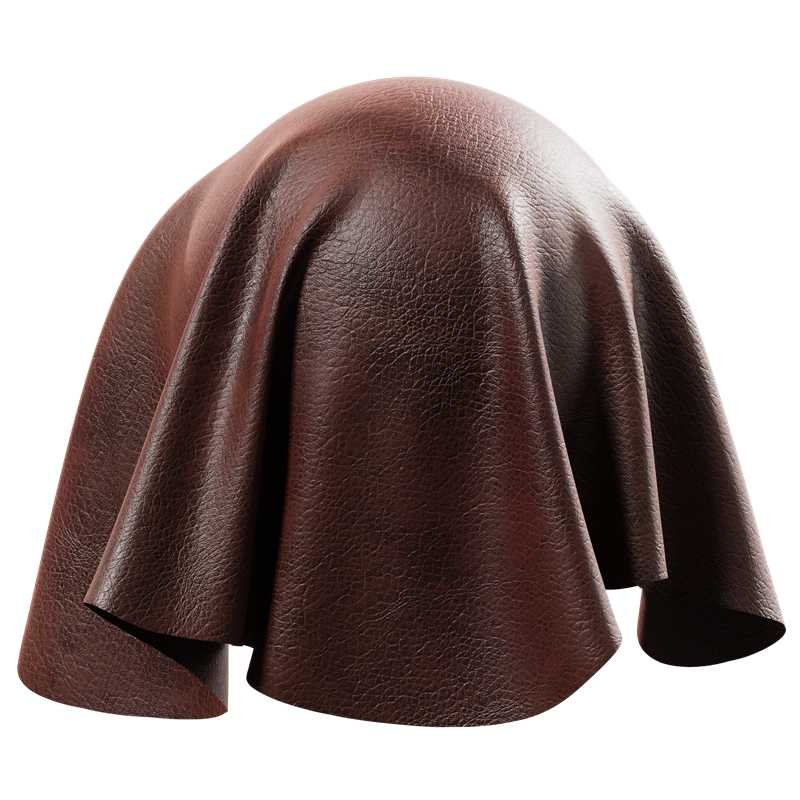
Faux leather—also called synthetic, vegan, or artificial leather—has become ubiquitous in fashion, upholstery, and accessories. But beneath its sleek surface lies a rich history of innovation driven by cost, ethics, and performance. From the first oilcloths of the 19th century to today’s cutting-edge bio-polymers, the journey of faux leather reflects changing consumer values and technological breakthroughs.
Faux leather traces back to 19th-century oilcloth—cotton duck coated with linseed oil—used as waterproof fabric. In 1910, rubber-backed fabrics emerged in Germany. The mid-20th century saw Naugahyde (cloth-backed PVC) and polyurethane (PU) leather introduce affordable, durable alternatives. Modern innovations include bio-based and vegetable-tanned synthetics. Each milestone addressed cost, animal welfare, or performance, shaping faux leather into the versatile material we know today.
What Is Faux Leather and Why Was It Invented?
Faux leather is any synthetic material designed to mimic animal leather’s appearance and feel—typically made by coating fabrics (cotton, polyester) with PVC or PU layers. Invented to offer water resistance, cost savings, and cruelty-free alternatives, early versions like oilcloth and rubberized textiles addressed practical needs before evolving into today’s diverse vegan options.
Economic Efficiency
- Cost of Hides: Genuine leather required raising livestock, complex tanning, and variable quality. Coating affordable textiles provided uniform supply at lower cost per square meter.
- Industrial Scaling: Factories could produce PVC or PU coatings in continuous processes, lowering labor intensity compared to vegetable tanning.
Functional Advances
- Waterproofing: 19th-century oilcloth—linen or cotton canvas impregnated with linseed oil—proved invaluable for rain gear, ship sails, and outdoor covers. Its coated surface repelled water far better than untreated leather.
- Maintenance: Early rubberized fabrics resisted mildew and were easier to clean than porous hides. As coatings advanced, stain-resistant and UV-stable formulations emerged, further reducing upkeep.
Ethical and Aesthetic Trends
- Animal Welfare: While not the primary driver until late 20th century, concerns over fur and leather grew alongside broader ethical consumerism.
- Aesthetic Consistency: Synthetic coatings allowed precise control of grain patterns, colors, and finishes—meeting designers’ demand for uniformity and novel textures.
Terminology Distinctions
- Faux vs Fake Leather: Both terms are used interchangeably, but “faux leather” often implies higher-quality, textile-backed PU or specialty blends, while “fake leather” can denote lower-end PVC products.
- Real vs Faux Tests:
- Touch & Heat: Flesh side grain appearance, warmth, and how it reacts to a brief heat source can distinguish genuine hides (natural pores, fibrous smell) from synthetics (plastic sheen, chemical odor).
- Water Drop Test: A single drop on real leather absorbs slowly; on faux, it beads or spreads uniformly.
When and Where Did the First Faux Leather Appear?
The precursor to faux leather—oilcloth—was developed in early 19th-century England by treating cotton and linen fabrics with linseed oil to create a waterproof surface. By the 1870s, inventors in Germany and France applied rubber coatings to fabric backings. This laid the groundwork for 20th-century products like Naugahyde (1917, USA) and PVC-coated textiles, marking the birth of modern synthetic leathers.
Oilcloth: Britain’s 19th-Century Waterproof Marvel
- Origins (1804–1820): English textile makers discovered that soaking cotton duck or linen in multiple baths of boiled linseed oil produced a durable, water-resistant fabric. Sold as oilcloth, these heavy, glossy textiles protected carriages, outdoor furniture, and sailors’ garments.
- Production Process:
- Sizing: Loom-woven duck or linen was first brushed with a water-based starch to stiffen the fibers.
- Oil Impregnation: Repeated coatings of heated linseed oil seeped into the weave, then cured over days.
- Finishing: Surface polishing with smooth stones yielded a semi-gloss finish; colored pigments were later added for decorative patterns.
- Impact: Oilcloth’s success proved that coating fabrics could rival leather’s water resistance and outpace it in both versatility and cost.
Early Rubberized Fabrics: Continental Innovations
- Vulcanized Rubber (1839): Charles Goodyear’s discovery of vulcanization in the United States enabled rubber’s transformation from a sticky novelty into a stable, elastic material. However, it was European inventors who first applied rubber to textiles:
- Thomas Hancock (England, 1839): Patented a “rubberizing” method, bonding natural rubber to cloth to create rainwear.
- Léon de Boisplan (France, 1850s): Developed machinery for continuous rubber-coating of fabrics, leading to smoother, more uniform waterproof cloths.
- Performance: Rubber-backed fabric was more flexible than oilcloth and didn’t stiffen in cold weather. Yet, unprotected rubber cracked over time and had strong odors, limiting its consumer appeal.
Naugahyde and the Dawn of PVC Leather
- Founding (1917, USA): The chemical company Haartz Corporation experimented with cellulose acetate and nitrocellulose lacquers before adopting PVC plastisol as a durable coating for cotton backing. They trademarked Naugahyde, which combined a knitted fabric core with an 8–12 mil PVC coating, offering superior abrasion resistance and dimensional stability.
- Key Innovations:
- Textile Backing: A knit allowed some stretch, reducing cracking.
- Plasticizer Blends: Improved softness and prevented brittleness.
- Pigment Dispersion: Enabled vibrant colors and fine embossing patterns.
- Applications: By the 1930s, Naugahyde was adopted for automotive upholstery, marine seating, and commercial seating—industries seeking a leather look without maintenance.
Mid-Century PU Developments
- Polyurethane Emergence (1950s): European chemical firms began experimenting with thermoplastic polyurethanes (TPU) and thermosetting PU coatings over woven bases. PU offered:
- Better “Leather Hand”: Softer, more flexible feel mimicking genuine hides.
- Improved Breathability: Micro-porous structures allowed vapor transmission.
- Commercialization: By the 1960s, PU-backed textiles appeared in footwear, fashion garments, and furniture, appealing to designers desiring a lighter, more supple leather alternative.
Global Spread and Standardization
- 1960s–1970s: Synthetic leather factories proliferated across Japan, Taiwan, and Italy, each adding proprietary tweaks—like flame-retardant additives for public transport seating or eco-friendlier solvent-free coatings.
- Standards: By the 1980s, industry standards (ISO, ASTM) defined testing for tensile strength, Abrasion resistance, and VOC emissions, cementing faux leather’s legitimacy in global markets.
Which Materials and Processes Defined Early Faux Leather?
Early faux leathers began with cloth-backed rubber in the late 19th and early 20th centuries—cotton or rayon fabrics coated with natural or vulcanized rubber. In 1917, Naugahyde introduced a PVC plastisol coating on knit backings, offering improved abrasion resistance. By the 1950s–60s, polyurethane (PU) coatings and laminates provided a softer hand, greater breathability, and closer imitation of animal-hide grain. These innovations set the stage for today’s diverse synthetic leather offerings.
Cloth-Backed Rubber: The Pioneer Coating
- Natural Rubber Impregnation (Late 1800s): Early experiments involved brushing raw rubber onto cotton duck or linen backings. These fabrics—once cured—offered basic waterproofing for rainwear and tarpaulins but suffered from:
- Cold-Weather Brittleness: Natural rubber became stiff and cracked in low temperatures.
- Odor Issues: The strong “rubbery” smell limited indoor upholstery use.
- Vulcanized Rubber Coatings (1839 onwards): Goodyear’s vulcanization process (rubber + sulfur + heat) improved elasticity and cold resilience. European manufacturers began bonding vulcanized sheets to woven fabrics, creating early “rubberized textiles” for protective clothing and industrial covers.
Naugahyde and PVC Innovations
- Naugahyde’s 1917 Breakthrough (USA): Haartz Corporation’s engineers moved from rubber to PVC plastisol—a liquid suspension of PVC particles and plasticizers—applied by knife coating onto a knitted cotton or rayon backing. Key advantages:
- Abrasion Resistance: PVC films resisted scuffs and could be embossed with pebble or croc patterns.
- Fire Retardancy: PVC’s self-extinguishing properties met emerging safety standards for public seating.
- Color Versatility: Pigments blended into plastisol enabled vibrant, fade-resistant hues.
- Spread of PVC Leather (1930s–1950s): Other companies licensed similar processes, refining plastisol formulations to improve softness and reduce plasticizer migration—critical for long-term appearance.
Polyurethane Emergence for a Leather-Like Hand
PU Coating Development (1950s): PU resins—formed by reacting diisocyanates with polyols—offered a more leather-like suppleness than rigid PVC. Two main methods appeared:
- Coated Fabrics: PU lacquer spread onto fabric and cured, yielding thin, flexible, and breathable films.
- Laminated Foams: PU foam cores sandwiched between fabric face and backing layers, adding thickness and cushioning (popular in upholstery).
Advantages Over PVC:
- Improved Hand-Feel: Closer in softness and drape to genuine leather.
- Micro-Porosity: Breathable variants allowed moisture vapor transmission, reducing “sticky” feel.
Industrial Adoption: PU-based faux leathers quickly found uses in fashion apparel, automotive seats, and high-end luggage, where a premium touch was required.
Production Techniques and Quality Controls
- Coating Equipment: Early dip-coating vats and later roll-coating machinery allowed even application of thick plastisol or PU layers.
- Embossing and Grain Replication: Heated rollers or engraved plates pressed patterns into partially cured coatings, standardizing faux-leather grain across batches.
- Curing and Post-Treatment: Controlled ovens or infrared tunnels set coatings, followed by post-washing to remove surface residues and achieve final hand-feel.
Legacy and Transition to Modern Synthetics
- While PVC remains popular for its durability and cost-efficiency, PU leathers dominate premium segments. Modern advances now incorporate water-based PU, bio-polyols, and solvent-free formulations, building directly on these early materials and processes.
How Did Faux Leather Impact Fashion and Industry in the 20th Century?
Faux leather revolutionized mid-20th-century industries by offering an affordable, easy-care alternative to animal hides. It rapidly gained traction in automotive interiors (seats, door panels), furniture upholstery, and apparel—from biker jackets to handbags. Designers embraced its uniform texture and vibrant colors, while manufacturers valued its durability and low maintenance. Over decades, faux leather shifted from utilitarian rainwear to a high-fashion staple, reshaping consumer expectations around style, ethics, and performance.
Automotive Interiors:
In the 1950s and ’60s, carmakers sought materials that balanced durability, cleanability, and cost. Genuine leather, while prestigious, was expensive and required extensive maintenance. PVC-coated “leather” quickly became the go-to for bench seats and door panels:
- Durability: PVC resists scuffs, spills, and UV fading—key for vehicles exposed to sunlight and heavy use.
- Maintenance: A simple wipe with a damp cloth kept interiors looking showroom-fresh, a breakthrough for family and fleet vehicles alike.
- Aesthetic Flexibility: Automakers could offer two-tone seats, metallic sheens, and custom textures without sourcing exotic hides.
By the 1970s, faux-leather interiors were standard in mid-range models, democratizing the look of luxury and enabling brands to compete on both price and style.
Furniture & Commercial Seating:
Faux leather’s waterproof and flame-retardant properties made it ideal for hospitality and healthcare settings:
- Restaurants & Bars: Vinyl upholstery stood up to spills, frequent cleaning, and heavy traffic.
- Offices: Executive chairs in semi-aniline PU offered a high-end look without the worry of staining.
- Hospitals & Clinics: Non-porous surfaces inhibited microbial growth, aligning with emerging hygiene regulations.
Manufacturers could produce large rolls of uniform faux leather for contract seating, significantly reducing waste and labor compared to cutting and sewing small hides.
Fashion & Apparel:
In the 1960s, mod and biker subcultures appropriated faux leather for its rebellious edge and affordability. By the 1980s:
- Designer Adoption: High-end labels began integrating PU leather into runway collections—jackets, trousers, even dresses—melding rock ’n’ roll attitude with couture craftsmanship.
- Color & Texture Play: Synthetic coatings enabled neon hues, matte finishes, and embossed animal prints that real leather couldn’t match without exotic sourcing.
- Mass Market: High-street retailers offered leather-look leggings and moto jackets at accessible price points, fueling fast-fashion cycles.
This duality—underground cool and runway approval—cemented faux leather’s place in fashion history.
Cultural Shifts:
While early adoption focused on practicality, by the late 20th century, animal welfare and sustainability concerns elevated faux leather’s appeal:
- Vegan Movements: Brands like Stella McCartney championed cruelty-free materials, spotlighting PU alternatives on global platforms.
- Environmental Scrutiny: PVC’s chlorine content and plasticizers faced criticism, spurring research into water-based PU and bio-polymers.
- Identity & Expression: Faux leather became a symbol of conscious consumerism—letting wearers signal style without compromising ethics.
Faux Leather Adoption by Sector
| Sector | 1950s Use Case | 1980s Adoption Rate | 2000s Trend |
|---|---|---|---|
| Automotive | Entry-level seating | 60% of mid-range | ~40% of all models |
| Furniture & Contract | Bar stools | 70% upholstery | Rise of PU over PVC |
| Fashion & Apparel | Subculture jackets | Designer runways | Fast-fashion staple |
| Healthcare & Education | Rainproof gowns | 50% seating units | Antimicrobial finishes |
What Innovations Have Shaped Modern Faux Leather?
Recent innovations include bio-based polymers (e.g., plant-derived polyurethanes), mycelium and pineapple-leaf leathers, and waterborne PU that reduce VOCs. Digital printing enables high-definition patterns, while micro-embossing replicates fine grain textures. Advanced performance finishes—antimicrobial, UV-stable, self-healing—extend product life. These breakthroughs marry sustainability, customization, and high performance, positioning modern faux leathers as viable, eco-friendly leather alternatives.
From Green Chemistry to High-Tech Textures
Modern faux leather is no longer a one-size-fits-all PVC or PU sheet. Driven by consumer demand for sustainability, performance, and design variety, manufacturers have pioneered several key innovations:
Bio-Based and Cultivated Materials
Plant-Derived Polyurethanes:
- Source: Castor oil, soybean oil, or other renewable feedstocks replace petroleum polyols.
- Benefits: Lower carbon footprint, reduced carcinogenic diisocyanates, and improved biodegradability.
- Brands & Applications: Companies like Soft-Tex and Genomatica partner with furniture and fashion brands seeking “greener” uppers and upholstery.
Mycelium and Fruit-Waste Leathers:
- Mycelium Leather: Grown in vats from fungal roots, then tanned and finished to mimic grain patterns. Companies such as MycoWorks produce “Reishi” mycelium leather for luxury handbags.
- Pineapple Leaf (Piñatex): Fibers from pineapple harvest waste form a non-woven base coated in resin, offering a crinkled, organic texture. Used by vegan shoe and accessory brands.
Waterborne and Solvent-Free Coatings
Waterborne PU Systems:
- Technology: Aqueous dispersions of PU eliminate solvent-based VOC emissions during coating.
- Performance: Comparable abrasion resistance and flexibility to solvent PU, with faster drying and safer work environments.
DVB Cross-Linkers and UV Curing:
- Method: UV-curable resins grafted onto leather surfaces form durable, solvent-free finishes in seconds under LED lamps.
- Advantages: Precise control over gloss, hardness, and chemical resistance, ideal for automotive and electronics housings.
Digital Printing and Micro-Embossing
High-Resolution Patterning:
- Digital Print Heads: Apply water-based or UV inks directly onto coated substrates, reproducing photographic imagery or intricate patterns on demand.
- On-Demand Personalization: Enables limited runs and bespoke colorways, reducing waste and inventory risk.
Micro-Embossing Rollers:
- Technique: Engraved steel rollers impart grain patterns as fine as 5–10 μm, matching genuine leather textures with micro-detail.
- Use Cases: Premium watch straps and shoe uppers where tactile authenticity is paramount.
Advanced Performance Finishes
Self-Healing Coatings:
- Mechanism: Microcapsules embedded in the finish rupture under scratch damage, releasing healing agents that polymerize and fill abrasions.
- Benefit: Maintains product appearance and extends lifespan in high-wear applications like motorcycle seats and office chairs.
Antimicrobial and Anti-Odor Treatments:
- Active Agents: Silver-ion or zinc-based antimicrobials integrated into the coating inhibit bacteria growth.
- Applications: Gym bag linings, healthcare seating, and VR headset straps where hygiene is critical.
Sustainability Certifications and Circularity
Certifications:
- Global Recycled Standard (GRS): Ensures recycled content and traceability.
- Bluesign® Approved: Guarantees responsible chemical and resource management.
Take-Back and Recycling Programs:
- Brands pilot programs to collect end-of-life faux-leather garments and furniture for mechanical or chemical recycling into new coatings or composite boards, closing the loop on synthetic leather waste.
Conclusion
From oil-soaked fabrics to bio-engineered mycelium, faux leather’s evolution reflects technological ambition and shifting values. At Szoneier Leather, we combine 18 years of material R&D, design expertise, and production prowess to deliver custom, sustainable synthetic leathers tailored to your application—be it upholstery, accessories, or automotive interiors.
Contact us today to explore sample swatches of PVC, PU, bio-based, and innovative textures, receive personalized prototypes, and partner on OEM/ODM solutions that align performance, aesthetics, and environmental responsibility.
What Can I Do For You?
Here, developing your OEM/ODM private label leather goods collection is no longer a challenge,it’s an excellent opportunity to bring your creative vision to life.
Make A Sample First?
If you have your own tech packs, logo design artwork, or just an idea,please provide details about your project requirements, including preferred fabric, color, and customization options,we’re excited to assist you in bringing your leather goods designs to life through our sample production process.