
What Is Full Grain Leather Made Of?
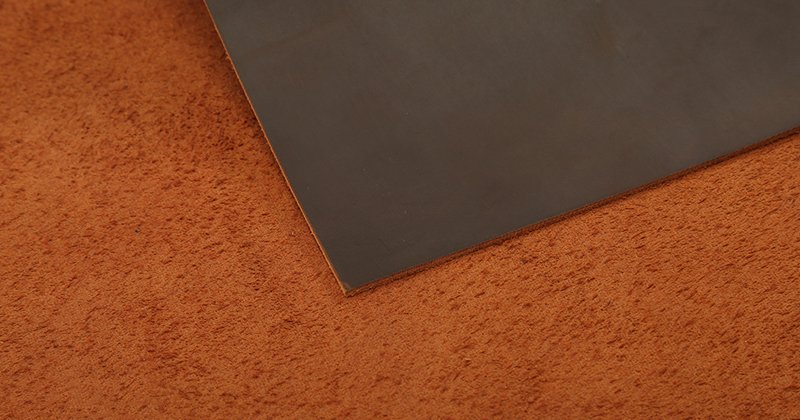
Imagine owning a leather product that not only looks amazing but also tells the story of its natural origins. Full grain leather is the crème de la crème of leather,raw, authentic, and full of character. This guide will take you deep into what full grain leather is made of, how it’s processed, and why it remains the top choice for high-end products. Whether you’re a brand seeking premium materials or simply curious about the secrets behind luxury leather, you’re in the right place.
Full grain leather is sourced from the outer layer of animal hides, minimally processed to preserve its natural grain and imperfections. It’s 100% real leather,durable, authentic, and with a unique patina that develops over time. This guide breaks down raw materials, processing methods, quality factors, and tips for identifying genuine leather.
Let’s explore the fascinating world of full grain leather together!
What Is Full Grain Leather?
Full grain leather is the highest quality leather available, derived from the outermost layer of an animal hide. It retains its natural grain, pores, and imperfections, giving it unmatched durability and character.
Definition and Characteristics
Natural Grain Preservation:
Full grain leather is taken from the top layer of the hide without sanding or buffing, preserving natural markings, pores, and texture.
What Does 100% Full Grain Leather Mean?
It means the leather is completely unaltered—the entire surface is left intact, which is why it’s prized for its durability and ability to develop a rich patina.
Is Full Grain Leather Real Leather?
Absolutely. Full grain leather is 100% real leather. Unlike synthetic or heavily processed alternatives, it retains the natural properties that make leather strong and beautiful.
Leather Types
| Leather Type | Characteristics | Quality Level | Common Uses |
|---|---|---|---|
| Full Grain Leather | Retains natural grain and imperfections; minimal processing | Highest | Luxury bags, shoes, belts, accessories |
| Top Grain Leather | Sanded to remove imperfections; more uniform; slightly less durable | High | Mid-range products, upholstery |
| Genuine Leather | Heavily processed; less natural; lower durability | Low | Budget items, casual accessories |
| Corrected-Grain Leather | Artificially textured; hides flaws; lacks natural character | Low to Moderate | Fashion items requiring uniform appearance |
By retaining the complete natural surface, full grain leather stands out for its durability, authenticity, and ability to develop a unique patina over time.
What Raw Materials Are Used to Make Full Grain Leather?
Full grain leather is made from high-quality animal hides—predominantly cowhide. The quality of the raw hide depends on factors like the animal’s diet, environment, and handling. These premium hides are carefully selected to ensure the best final product.
Natural Origins
What Animal Makes Full Grain Leather?
The most common source is cowhide, prized for its thickness and durability. Other animals such as buffalo, goat, or sheep may be used, but cowhide is the industry standard.
Quality Indicators:
Animal Diet & Environment:
Hides from cattle raised on a nutritious diet and in low-stress environments produce superior leather. For example, cattle from organic or pasture-based farms often yield higher-quality hides with fewer blemishes.
Processing Conditions:
Proper handling during the hide’s life and after it’s removed from the animal is critical to preserving its natural grain.
Synthetic vs. Natural
What Is Most Fake Leather Made Of?
Fake or synthetic leather is generally made from polyurethane (PU) or polyvinyl chloride (PVC). These materials mimic the look of real leather but lack its durability, natural feel, and ability to age gracefully.
Raw Materials Comparison Table
| Material | Source/Composition | Key Benefits | Common Use |
|---|---|---|---|
| Cowhide (Full Grain) | Natural animal hide from cattle | Superior durability, unique patina | Luxury accessories, high-end products |
| Buffalo Hide | Thicker, more rugged natural hide | Extreme strength, rugged appearance | Heavy-duty leather goods |
| Synthetic Leather | Polyurethane (PU) or Polyvinyl Chloride (PVC) | Lower cost, uniform appearance | Budget items, imitation leather goods |
Investing in high-quality raw hides is the first step toward producing premium full grain leather that stands the test of time.
How Is Full Grain Leather Processed?
Full grain leather is processed using minimal intervention to preserve its natural structure. Key steps include cleaning, vegetable tanning, dyeing, and finishing—all designed to enhance its durability and natural beauty.
Tanning Methods
Vegetable Tanning:
Process:
Uses natural tannins from tree bark and other plant extracts to convert raw hides into leather.
Benefits:
Preserves the natural grain and allows the leather to develop a unique patina over time.
Data Insight:
Vegetable-tanned leather can have up to 30% improved longevity compared to chrome-tanned leather.
Chrome Tanning (Less Common for Full Grain):
Process:
Faster but more chemically intensive. It’s generally avoided for full grain leather to preserve its natural qualities.
Dyeing and Finishing
Dyeing:
Technique:
Hand-dyeing is often used to maintain the natural grain’s beauty while achieving deep, rich colors.
Customization:
Enables a wide range of hues while ensuring that the leather retains its natural texture.
Finishing:
Process:
Applying oils, waxes, or conditioners to protect the leather and enhance its water resistance.
Result:
Over time, these finishes help develop a rich patina that adds character.
Process Flow Diagram (Simplified)
| Step | Description | Outcome |
|---|---|---|
| Raw Material Selection | Choose premium hides based on quality and minimal defects | Ensures strong, beautiful leather |
| Cleaning & Preparation | Remove impurities, preserve natural grain | Cleaner starting material |
| Tanning (Vegetable) | Use natural tannins to convert hide to leather | Maintains natural texture; improves durability |
| Dyeing | Apply color using hand-dyeing techniques | Rich, vibrant hues with natural grain retention |
| Finishing | Apply oils/waxes to enhance water resistance and develop patina | Final product with a protective, aesthetic finish |
Which Factors Affect the Quality of Full Grain Leather?
Factors like the animal’s diet, environmental conditions, and minimal processing techniques significantly impact the quality of full grain leather. High-quality raw hides and careful processing result in leather that is durable, attractive, and able to develop a unique patina.
Influencing Factors
Animal Diet and Living Conditions:
Impact:
Healthy, well-fed animals produce better hides. For instance, cattle from organic farms often yield hides with fewer imperfections.
Example:
Studies show that stress-free, pasture-raised cattle produce leather with a more consistent grain.
Processing Techniques:
Minimal Intervention:
Keeping the processing minimal (especially during tanning) preserves the natural qualities of the leather.
Environmental Impact:
Techniques like vegetable tanning not only protect the environment but also maintain the leather’s integrity.
Disadvantages of Full Grain Leather
Higher Maintenance:
- Full grain leather requires regular conditioning to prevent drying and cracking.
Cost:
- Due to the premium quality of raw materials and labor-intensive processing, full grain leather products are generally more expensive.
Variability:
- Natural imperfections can lead to a less uniform appearance, which may not appeal to everyone.
Do Full Grain Leather Products Differ from Other Leather Types?
Yes, full grain leather products are distinct because they retain the entire natural grain and imperfections, offering superior durability, natural patina development, and authentic aesthetics that lower-grade leathers simply cannot match.
Key Comparisons
Full Grain vs. Top Grain Leather:
- Full Grain: Retains all natural features; unaltered and more durable.
- Top Grain: Sanded to remove imperfections, leading to a more uniform but less robust material.
Genuine Leather vs. Corrected-Grain Leather:
- Genuine Leather: Often heavily processed, making it less durable and more uniform.
- Corrected-Grain Leather: Artificial textures are added, resulting in a loss of natural character.
What Is the Lowest Quality Leather?
Leather labeled as “genuine leather” that has undergone extensive processing (often with corrected-grain finishes) is considered the lowest quality, as it loses much of the natural strength and beauty.
What Is the Most Expensive Leather?
Premium Options:
Full grain leather sourced from high-quality cattle or exotic animals (e.g., ostrich) is typically the most expensive due to its superior durability and aesthetic appeal.
Leather Types
| Leather Type | Key Characteristics | Quality Level | Typical Use |
|---|---|---|---|
| Full Grain Leather | Unaltered, retains natural grain, develops unique patina | Highest | Luxury accessories, premium goods |
| Top Grain Leather | Sanded to remove imperfections, more uniform, slightly less durable | High | Mid-range products, upholstery |
| Genuine Leather | Heavily processed, lower durability, less natural appearance | Low | Budget products, casual items |
| Corrected-Grain Leather | Artificial texture added, lacks natural character | Low to Moderate | Fashion items needing uniform appearance |
What Are the Benefits and Applications of Full Grain Leather?
Full grain leather is prized for its superior durability, ability to develop a rich patina, and natural aesthetic appeal. It’s used in luxury goods like bags, shoes, belts, and furniture, where longevity and beauty are paramount.
Benefits of Full Grain Leather
Durability:
Full grain leather’s unaltered structure provides incredible strength. With proper care, products made from full grain leather can last 20–30 years or more.
Natural Aging and Patina:
Over time, the leather develops a distinctive patina that enhances its character. This natural aging process is a major selling point.
Aesthetic Appeal:
Each piece of full grain leather is unique due to its natural imperfections, offering an organic and authentic look.
Applications in High-End Products
Luxury Accessories:
Full grain leather is commonly used in high-end handbags, wallets, belts, and shoes due to its durability and sophisticated appearance.
Furniture and Upholstery:
Its strength and natural beauty make it ideal for premium furniture.
Automotive Interiors:
High-quality leather seats and interiors often feature full grain leather for a luxurious touch.
How Can You Identify Authentic Full Grain Leather?
Authentic full grain leather is identifiable by its natural, textured surface, visible pores and imperfections, and the absence of any corrective finishes. Detailed product descriptions and certifications from reputable manufacturers can also help verify authenticity.
Visual and Tactile Methods
Texture Test:
- Observation: Authentic full grain leather exhibits a rough, natural texture with visible grain patterns.
- Feel: Run your fingers over it; it should feel uneven and robust, not uniformly smooth.
Water Drop Test:
- Method: Place a drop of water on the leather. If it absorbs slowly, it indicates natural porosity—a key feature of full grain leather.
Certification and Labeling
Manufacturer Transparency:
- Look for detailed labels that mention “100% Full Grain Leather” and information about the tanning process.
- Certification: Reputable brands often provide certificates or detailed descriptions about their leather sourcing.
How to Tell if Leather Is Real
Smell:
Genuine leather has a rich, natural aroma, whereas synthetic materials often smell like chemicals.
Comparison Table: Real vs. Fake Leather
| Indicator | Authentic Full Grain Leather | Fake/Synthetic Leather |
|---|---|---|
| Texture | Uneven, natural grain with visible pores and marks | Uniform, overly smooth, lacking natural texture |
| Water Absorption | Absorbs slowly, indicating porosity | Water beads on the surface |
| Smell | Distinct, rich leather scent | Chemical or plastic-like odor |
| Certification | Detailed product information and certifications | Vague or generic labeling |
Using these tests and indicators will help you confidently identify high-quality full grain leather.
Discover Premium Full Grain Leather with Szoneier
Full grain leather is not just a material,it’s a testament to natural beauty, durability, and premium craftsmanship. From the careful selection of raw hides to the meticulous processing and finishing techniques, every step is designed to produce leather that ages beautifully and stands the test of time. Whether you’re in the market for luxury accessories, high-end furniture, or custom leather goods, understanding what full grain leather is made of is essential for making an informed decision.
Ready to elevate your product line with premium full grain leather?
Contact Szoneier today to request a free design consultation, samples, and a personalized quote. Let our expert craftsmanship bring your vision to life!
What Can I Do For You?
Here, developing your OEM/ODM private label leather goods collection is no longer a challenge,it’s an excellent opportunity to bring your creative vision to life.
Make A Sample First?
If you have your own tech packs, logo design artwork, or just an idea,please provide details about your project requirements, including preferred fabric, color, and customization options,we’re excited to assist you in bringing your leather goods designs to life through our sample production process.