
What Is Box Leather: Definition, Making, Uses & Care Guide
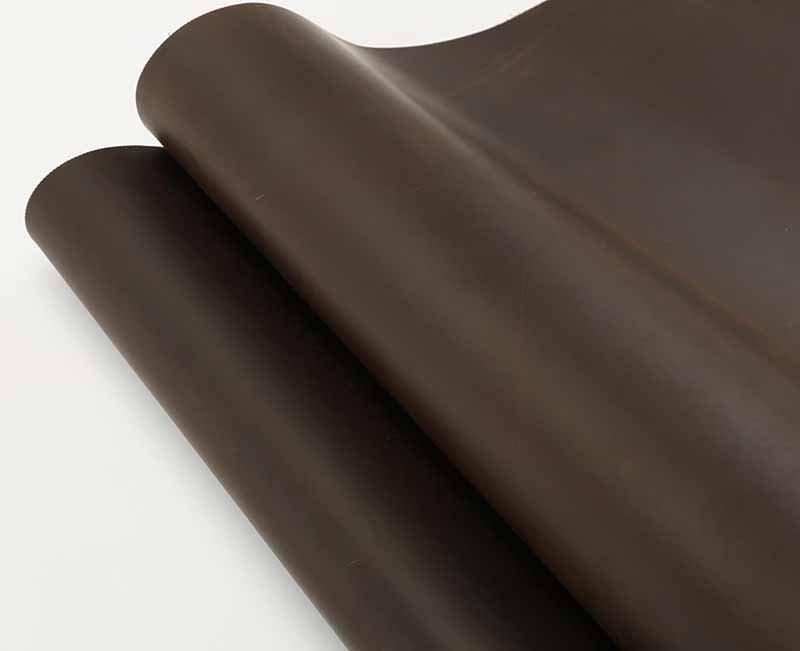
Box leather is one of the most recognizable leathers in the luxury industry—famous for its smooth, glossy finish, refined elegance, and timeless structure. If you have ever admired a classic Hermès box calf Kelly bag, vintage luxury shoes, or high-end leather cases with a firm shape, you were likely looking at box leather. This material has been used for more than a century, and yet, many modern buyers still ask: What exactly is box leather? How is it made? And why do luxury brands continue to use it?
Box leather is a high-quality calfskin that has been vegetable-tanned and polished to achieve a smooth, shiny, and firm surface. It is considered real full-grain leather and is known for its structure, durability, and elegant appearance. Although it can scratch more easily than grained leathers, box leather ages beautifully and is widely used in luxury bags, shoes, wallets, and premium leather boxes.
The story of box leather stretches back to 19th-century England, where tanners developed a finishing method that produced a remarkably firm, polished surface—ideal for structured goods and formal accessories. Over time, it became a symbol of refinement, adopted by global maisons and beloved by collectors. Today, box leather still appeals to designers, brands, and manufacturers because it delivers a rare balance of durability, elegance, and sculpted form.
Before we explore how box leather is made and why luxury brands still love it, let’s begin with a foundational question: what actually defines box leather, and why is it called “box” leather in the first place?
What Is Box Leather?
Box leather is a premium full-grain calfskin known for its smooth, glossy finish and firm structure. It is real leather, traditionally vegetable-tanned and polished to achieve a reflective surface. The name comes from early tanning processes where hides were dried on wooden “box” frames. Box leather is valued for its elegant appearance, shape retention, and use in luxury handbags, formal shoes, wallets, and premium leather boxes.
Box leather is one of the oldest and most prestigious leather types used in luxury goods. It is most recognized for its mirror-like smoothness, high structural integrity, and classic elegance—a combination few other leathers can achieve. Historically associated with European master tanneries, box leather remains a reference point for craftsmanship and premium quality in modern leather manufacturing.
At its core, box leather is full-grain calfskin that undergoes a special tanning and finishing process. Full-grain means the surface of the hide is left intact, showing the natural pore structure and fibers. This distinguishes box leather from corrected-grain or embossed leathers, which remove imperfections through sanding or coating. Because box leather preserves the natural grain, only the highest-quality hides can be used—those with minimal scars, marks, or inconsistencies. This inherently elevates box leather into the premium category.
The hallmark of box leather is its firm temper—meaning the leather is dense, stiff, and resistant to collapsing. This structure is a direct result of vegetable tanning, a process using organic tannins derived from bark, roots, and plant extracts. Vegetable tanning tightens the fiber network and produces a leather that is strong enough to hold architectural shapes. Designers rely on box leather to create handbags and cases that maintain crisp lines for decades.
Another defining feature is its distinctive sheen. Box leather is not shiny due to synthetic coatings like patent leather. Its gloss comes from progressive polishing, where the surface is compacted and buffed to create a natural reflective finish. This subtle gloss—elegant, not overly glossy—is what gives box leather its signature luxury appearance. The surface becomes so smooth that even fine pores become barely visible.
While modern tanneries use advanced machinery, the original box leather process involved stretching hides over wooden box-shaped molds to dry. This technique created a flat, even surface—thus the name “box leather” or “box calf.” Even though wooden molds aren’t used today, the name remained and became a category-defining term within the leather industry.
What makes box leather especially prized is its aging behavior. Over time, it develops a patina—softening slightly, deepening in color, and forming subtle creases. These signs of wear are not defects but characteristics valued by collectors, similar to the patina on high-quality vegetable-tanned leather goods. The patina process gives box leather items a personal, lived-in identity that synthetic-coated leathers can never achieve.
However, this ultra-smooth surface also means that scratches are more visible. This is a trade-off inherent to polished full-grain leathers. Many luxury owners accept and even appreciate these marks, as they gradually blend into the patina. The scratches are not flaws but part of the leather’s natural evolution.
Because box leather has such strict raw material requirements and complex finishing steps, it is now considered a heritage leather. Many high-end brands use it only for iconic lines or limited editions. Among collectors, box leather pieces—especially vintage handbags or shoes—are highly coveted because of their craftsmanship, durability, and classic look.
Ultimately, box leather stands for:
- purity of natural grain
- traditional craftsmanship
- luxury-level finishing
- structural performance
- long-term aging beauty
It is not just another type of calfskin—it is a leather with history, prestige, and unmatched sophistication.
What Defines Box Leather Compared to Other Leather Types?
Box leather differs from most leather types in three major ways:
1. Surface Finish
Unlike grained leather, which hides imperfections, box leather shows everything. The surface is:
- polished
- unembossed
- naturally smooth
- reflective
This purity is rare and appreciated by luxury designers.
2. Structure
Box leather is firm, crisp, and resistant to deformation. It holds:
- sharp edges
- geometric shapes
- structured silhouettes
This makes it ideal for formal accessories.
3. Aging Behavior
Instead of peeling or cracking like coated leather, box leather develops:
- patina
- character lines
- depth of color
Luxury buyers value this transformation.
Is Box Leather Real Leather?
Yes. Box leather is 100% real, full-grain calfskin—the highest grade of natural leather. It is not synthetic, corrected, or plastic-coated. Its refined appearance sometimes leads buyers to mistake it for coated leather, but in reality:
- it is more natural
- it is less altered
- it contains fewer chemical layers
This authenticity is why box leather is preferred for premium goods.
Why Is It Called “Box Leather”?
The name comes from the historical practice of drying and shaping hides on wooden box molds. This produced a flat, even, polished surface. Early English tanners called the product “box calf,” and the term stuck.
Even though the technique evolved, the name became synonymous with:
- smoothness
- structure
- formality
- elegance
Today, “box leather” describes both the technique and the aesthetic.
Is Box Leather Full-Grain or Top-Grain?
Authentic box leather is full-grain, meaning:
- the natural top layer is untouched
- pores are intact
- fiber strength is preserved
- aging is more beautiful
Some low-cost manufacturers produce top-grain “box-style” leather for budget markets, but luxury brands—including Hermès—use only full-grain box calf.
What Are the Key Properties and Surface Characteristics?
| Characteristic | Description |
|---|---|
| Surface | Mirror-smooth, polished, refined |
| Temper | Firm, structured, shape-retaining |
| Tanning | Vegetable tanning |
| Scratch Sensitivity | Moderate to high |
| Patina Development | Excellent; darkens beautifully |
| Color Saturation | Deep, even, elegant |
| Touch | Cool, dense, luxurious |
These properties make box leather a perfect match for high-end aesthetics.
How Is Box Leather Made?
Box leather is made from premium calfskin that is carefully selected, vegetable-tanned, compressed, and then repeatedly polished to create a smooth, glossy surface and firm structure. The process includes hide selection, traditional vegetable tanning, drying and stretching, thickness adjustment, and multi-step finishing with waxes and polishing rollers. This combination of natural tanning and mechanical refinement gives box leather its signature shine, density, and suitability for luxury bags, shoes, and structured leather goods.
What Tanning Method Is Used to Create Box Leather?
The foundation of box leather is vegetable-tanned calfskin.
- Raw Hide Selection
Only high-grade calf hides are used. Because box leather’s surface is smooth and not embossed, scars and defects cannot be easily hidden. Tanners select:
- clean, evenly textured hides
- minimal insect bites or scars
- strong fiber structure
This early selection is crucial—poor hides cannot become good box leather later.
- Pre-Tanning Preparation
Before tanning, hides undergo:
- soaking → to rehydrate and clean
- liming → to loosen hair and open fibers
- fleshing → to remove excess tissue
- deliming & bating → to restore pH and soften the grain
These steps ensure the hide is clean, even, and ready to absorb tanning agents deeply.
- Vegetable Tanning
Box leather is traditionally tanned in drums or pits using plant-derived tannins, such as:
- chestnut
- quebracho
- mimosa
- other bark/wood extracts
Vegetable tanning:
- tightens the fiber network
- increases firmness
- improves body and density
- supports rich, natural patina over time
The process is slower than chrome tanning but creates a stronger, more characterful leather—perfect for box leather’s structural requirements.
How Does Finishing and Polishing Create Its Smooth, Glassy Surface?
Once tanned and dried, the hide doesn’t yet look like box leather. It is still relatively matte and slightly textured. The finishing and polishing stages are what truly transform it.
- Drying, Stretching, and Compression
After tanning:
- hides are hung or vacuum-dried
- then stretched to remove wrinkles
- sometimes pressed or ironed to flatten the grain
Historically, hides were stretched on wooden box frames – the origin of the term “box leather.”
- Splitting, Shaving, and Leveling Thickness
To ensure consistent thickness across the entire hide, tanners:
- split the hide (if needed)
- shave to a precise thickness (e.g., 1.2–1.8 mm depending on end use)
This is essential for luxury goods manufacturing, where even millimeter differences affect cutting and stitching.
- Base Dyeing
The leather is usually:
- drum-dyed or
- surface-dyed
to achieve deep, even color. For high-end box leather, aniline or semi-aniline dyes are common, allowing the natural grain to remain visible.
- Multiple Rounds of Polishing
This is where box leather gets its signature glassy surface:
- specialized polishing rollers compress the surface
- friction + pressure smooth the grain
- subtle sanding or buffing (with ultra-fine abrasives) may be used
- repeated cycles gradually create a mirror-like sheen
Unlike patent leather, this gloss is not a heavy plastic layer—it’s mostly compacted, polished leather fiber.
What Materials or Chemicals Enhance Its Firmness and Structure?
To give box leather its firm body and elegant shine, finishers use a combination of waxes, oils, and light film-forming agents.
Common elements include:
- natural waxes (like beeswax, carnauba):
- add subtle shine
- improve water resistance
- reinforce surface stiffness
- light oils:
- maintain flexibility
- prevent over-drying
- resin or casein-based finishes (in some modern processes):
- stabilize the surface
- enhance gloss without suffocating the leather
Careful balancing is important. Too much coating, and the leather looks plastic. Too little, and it doesn’t have that iconic polished “box” look.
The aim is always the same:
A firm, structured leather that still feels natural, breathes, and develops patina.
How Does Box Leather Compare to Box Calf in Production?
You’ll often see the term “box calf” used interchangeably with box leather, especially in discussions of European luxury brands.
- Box leather → a broader category describing the leather type and finish.
- Box calf → traditionally refers to calf leather made using the original English box-tanning method, often with even stricter standards for hide selection and finishing.
In practice:
- both are vegetable-tanned calfskin
- both are polished to a smooth, glossy finish
- both are used in high-end bags, shoes, and small leather goods
Some tanners and brands reserve “box calf” for their highest-grade, most refined box leather—meaning more careful grading, more passes of polishing, and even more controlled finishing.
From a manufacturing standpoint, both follow similar process steps, but:
- box calf may involve:
- more selective hides
- longer finishing times
- tighter QC thresholds
This is why heritage European maisons highlight “box calf” as a prestigious material.
Which Products Commonly Use Box Leather?
Box leather is commonly used in luxury handbags, structured leather cases, formal men’s shoes, premium wallets, belts, watch boxes, jewelry boxes, and high-end packaging. Its smooth, polished surface and firm structure make it ideal for products requiring a refined appearance and strong shape retention. Many luxury brands favor box leather for timeless, heritage designs.
Box leather remains one of the most iconic and recognizable materials in the luxury category because of its rare combination of smooth elegance, structural integrity, and long-term aging quality. Manufacturers in fashion, footwear, leather goods, and premium packaging value box leather for its ability to maintain sharp lines and enhance a product’s perceived refinement.
Its inherent firmness and polished finish pair excellently with designs that demand architecture, precision, and luxury identity. The more structured a product needs to be, the more likely designers choose box leather. Unlike soft calfskin, pebbled leathers, or suede, box leather does not collapse or lose its silhouette easily. This is why it is often found in high-end handbags, collectible items, and luxury cases.
Because box leather is vegetable-tanned and polished rather than heavily coated, the natural grain remains intact. This contributes to a premium tactile experience and visually rich patina that develops over time—another reason it’s highly valued in heirloom products that customers expect to keep for decades.
Below, each major product category is explored in detail.
Why Is Box Leather Popular for Luxury Bags and Structured Goods?
Luxury bags often rely on strong, architectural forms to express craftsmanship. Box leather’s density and smooth finish allow designers to create:
- sharp edges
- geometric silhouettes
- flawless flat surfaces
- symmetrical, sculpted lines
Brands use box leather for:
- top-handle bags
- heritage-style handbags
- structured clutches
- evening bags
- formal business bags
The most famous example is the Hermès Box Calf Kelly Bag, celebrated for its clean lines, elegant sheen, and timeless character.
For brands producing premium bag collections, box leather conveys “luxury minimalism”—the beauty of simplicity and precision.
What Types of Wallets, Belts, Shoes, and Accessories Use Box Leather?
Wallets & Small Leather Goods (SLGs)
Box leather is excellent for:
- bifold wallets
- cardholders
- passport covers
- small pouches
- key holders
Why? Because its firmness allows the goods to hold their shape, resist bending, and maintain crisp edges. When stitching box leather, the needle punch looks clean and sharp, creating a refined aesthetic attractive to premium buyers.
Belts
Box leather belts are popular due to their rigid structure and glossy finish. Formal belts, especially those used with suits, often utilize box leather for:
- a polished, professional appearance
- long-lasting firmness
- resistance to stretching
Luxury Footwear
Box leather is frequently used in:
- men’s Oxford shoes
- Derby shoes
- monk straps
- dress boots
- women’s formal pumps
The stiffness of box leather helps footwear maintain:
- toe-box structure
- heel counter firmness
- a sophisticated shine suitable for dress codes
High-end shoemakers appreciate how box leather ages—gaining soft creases but staying structurally strong.
Premium Accessories
Box leather is the go-to for accessories requiring elegance and rigid form, such as:
- watch straps
- notebook covers
- luxury pen cases
- document folders
- phone sleeves (high-end styles)
Its dense hand-feel conveys exclusivity and precision craftsmanship.
Do High-End Brands Still Use Box Leather Today?
Absolutely. Despite the rise of pebbled, grained, and embossed leathers, box leather remains a cornerstone material for:
- heritage collections
- reissues of classic designs
- limited edition luxury goods
- formal accessories
Brands like Hermès, Berluti, John Lobb, Church’s, Cartier, and bespoke leather ateliers continue to use box calf for items that require refined aesthetics and high structural integrity.
Why luxury brands stick with box leather:
- Historical prestige
- Unmatched polish and surface clarity
- Architectural structure
- Elegant patina over time
- Compatibility with high-end craftsmanship techniques
Collectors especially value box leather because it is “living leather”—it transforms with use, telling the story of its owner.
Which Industries Prefer Box Leather for Premium Packaging and Leather Boxes?
The structured nature of box leather makes it a favorite for luxury packaging. Industries include:
Jewelry
Premium jewelry boxes feature box leather for:
- structural rigidity
- refined, understated shine
- a luxurious unboxing experience
Watchmaking
High-end watch manufacturers use box leather to:
- protect timepieces
- display craftsmanship
- elevate presentation value
The leather’s stiffness ensures the box retains form even after long-term use.
Luxury Spirits & Gifting
Box leather is a preferred wrapping for:
- collectible whiskey
- wine presentation boxes
- corporate gifting sets
The material elevates the perceived value of the contents.
High-End Stationery & Writing Instruments
Brands producing premium pens or limited-edition stationery use box leather for:
- packaging
- pen sleeves
- desk accessories
Because it creates a minimalistic, polished look.
Product Categories Using Box Leather
| Product Category | Why Box Leather Works Well | Typical Features |
|---|---|---|
| Luxury handbags | Strong structure, elegant shine | Firm body, clean edges |
| Dress shoes | Firm toe and heel shaping | Glossy, formal aesthetic |
| Wallets/SLGs | Holds shape, sharp stitching | Durable, refined |
| Belts | Non-stretch, polished appearance | Strong fiber density |
| Leather boxes | Rigidity + premium look | Smooth panels, sharp lines |
| Luxury packaging | Enhances value | Minimalistic luxury |
Is Box Leather Durable, and How Should You Maintain It?
Box leather is highly durable due to its dense, vegetable-tanned fiber structure, but its smooth, polished surface makes scratches and water spots more visible than on grained leather. With proper care—such as regular conditioning, safe storage, gentle cleaning, and protection from moisture—box leather can last for decades and develop a rich patina. Maintenance focuses on preventing dryness, avoiding abrasion, and keeping the surface glossy and nourished.
How Long Does Box Leather Last Compared to Other Leathers?
Box leather, when cared for correctly, can last 20–40 years or more, making it one of the most durable fine leathers available. Many vintage Hermès box-calf bags from the 1950s–1970s remain in excellent condition today, proving the longevity of this traditional tanning method.
Why Box Leather Lasts So Long:
1. Vegetable-Tanned Density The fibers become tightly interlocked during tanning, creating exceptional strength and structural integrity.
2. High-Quality Raw Material Because the surface is not embossed or corrected, tanneries select better-quality calfskins with clean pores and consistent fiber alignment.
3. Firm Temper The inherent firmness prevents sagging or collapsing, even after decades of use.
4. Patina Development Instead of deteriorating, the leather improves in appearance with age.
Compared to:
| Leather Type | Durability Rating | Notes |
|---|---|---|
| Box Leather | ⭐⭐⭐⭐⭐ | Extremely long-lasting with patina |
| Pebbled Calf Leather | ⭐⭐⭐⭐ | More resistant to scratches |
| Suede/Nubuck | ⭐⭐ | Sensitive to moisture |
| Patent Leather | ⭐⭐⭐ | Coating may crack over time |
| PU Synthetic | ⭐ | Peels and cracks within years |
Box leather surpasses many modern materials in lifespan, particularly because it ages naturally rather than breaking down chemically.
Does Box Leather Scratch Easily?
Yes—this is one of the most defining characteristics of box leather.
Why Scratches Appear Easily:
- The polished surface is flat and reflective, making any indentation visible.
- There is no embossed grain to disguise abrasion.
- Vegetable-tanned calfskin is firm, so scratches sit on the surface rather than blending into texture.
Are Scratches a Problem?
Not necessarily.
Collectors often view scratches as part of the leather’s story. Over time, they blend into the patina, becoming less noticeable. Many can be minimized by:
- light conditioning
- gentle buffing
- soft circular polishing motions
Scratches do not compromise the structural durability of the leather—they are mostly aesthetic.
What Care Steps Prevent Cracking, Creasing, and Water Staining?
- Regular Conditioning (Every 2–3 Months)
Apply a leather conditioner or cream designed for smooth calfskin.
Benefits:
- restores oils
- prevents drying
- reduces surface tension
- maintains shine and flexibility
Avoid heavy waxes that may dull the polished effect.
- Immediate Water Protection
Box leather is sensitive to moisture. Water droplets can leave temporary or permanent “bloom spots.”
If leather gets wet:
- blot gently (never rub)
- air-dry naturally
- avoid heat sources
Use a water-repellent spray formulated for vegetable-tanned leather if the product will see outdoor use.
- Proper Storage
Store box leather goods:
- upright
- filled with tissue or bag shapers
- away from sunlight
- inside a breathable dust bag
- in a humidity-controlled environment
Do not store in plastic bags.
- Avoid Overloading
Because box leather is firm, forcing excessive internal pressure can lead to:
- creasing
- stretching
- distortion of sharp edges
Moderate load keeps the silhouette intact.
- Gentle Usage Habits
Avoid:
- dragging bags on abrasive surfaces
- stacking leather products face-to-face
- placing heavy objects directly on polished surfaces
Which Conditioners, Creams, and Storage Methods Work Best for Box Leather?
Recommended Conditioners:
- Natural Creams (Saphir Creme Universelle, Collonil Calf Cream)
- Beeswax-based Conditioners (light use only)
- pH-Neutral Moisturizers
Avoid petroleum-based products or silicone-coated finishes that suffocate the leather.
Best Storage Practices:
| Storage Factor | Recommendation |
|---|---|
| Light | Keep away from direct sunlight |
| Humidity | 40–60% ideal |
| Airflow | Use breathable dust bags |
| Shape | Maintain with filling material |
| Heat | Avoid radiators, hot cars, or dryers |
Proper storage dramatically extends box leather’s lifespan and prevents premature aging.
How to Choose Box Leather for OEM/ODM Projects?
Selecting box leather for OEM/ODM production is a strategic decision that influences a brand’s product quality, retail pricing, longevity, customer satisfaction, and long-term brand reputation. Unlike casual or soft leathers, box leather must meet strict technical requirements because its surface is smooth, unembossed, and highly visible—meaning that flaws cannot be hidden.
When brands choose box leather, they are not merely choosing a material; they are choosing a luxury identity. Every aspect—from grain purity to finishing gloss—affects how customers perceive the final product. Below is a complete professional guide explaining how brands should select box leather for manufacturing.
Which Thickness, Hardness, and Finishes Are Suitable for Custom Projects?
Recommended Thickness by Product Type
| Product Type | Ideal Thickness | Reason |
|---|---|---|
| Wallets / Small Leather Goods (SLGs) | 0.9–1.2 mm | Thin enough for folding, strong enough for structure |
| Luxury Handbags | 1.4–1.8 mm | Provides firmness for structured silhouettes |
| Belts | 1.8–2.4 mm | Needs rigidity and tension resistance |
| Leather Boxes / Packaging | 1.6–2.2 mm | Maintains strong edges and corners |
| Footwear | 1.2–1.6 mm | Creates polished surface without cracking |
Temper (Hardness) Levels
Box leather comes in:
- Firm temper (best for bags, boxes, belts)
- Medium temper (best for SLGs and footwear)
Firm temper ensures shape retention; medium temper ensures comfortable folding.
Finishing Types
Depending on brand positioning:
- Gloss Polish Finish
- High shine, classic luxury look
- Ideal for handbags and collectible pieces
- Semi-Gloss Finish
- More subtle, more modern
- Suitable for contemporary luxury brands
- Matte Finish
- Rare, custom request
- Good for minimalist brands seeking understated elegance
Brands should choose finishing level according to aesthetic identity and customer demographics.
How Do You Select Box Leather Based on Product Type
For Luxury Handbags
Look for:
- full-grain box calf
- firm temper
- thickness between 1.4–1.8 mm
- high color uniformity
- refined polish
The goal is a sculpted silhouette with sharp edges, minimal slouching, and timeless elegance.
For Wallets and Cardholders
Key selection criteria:
- smooth surface with minimal defects
- structurally balanced grain
- medium temper for foldability
- thinner cuts for ease of construction
Box leather’s polished finish elevates SLGs into luxury-tier products.
For Belts
Key factors:
- 1.8–2.4 mm thickness
- strong tension resistance
- vegetable-tanned base for durability
- firm temper for shape stability
For Footwear
Focus on:
- crease resistance
- surface polish
- flexibility at thinner thicknesses
- color-fastness under bending
For Jewelry Boxes, Watch Boxes & Premium Packaging
Essential requirements:
- perfect color consistency
- strong temper
- flawless grain
- reinforced backing compatibility
Packaging buyers often require zero visible imperfections, making hide selection critical.
How Can Brands Balance Price, Durability, and Aesthetic Requirements?
Choosing box leather requires navigating the trade-off between cost and quality.
Price is influenced by:
- calfskin grade
- hide size
- tanning method (vegetable tanning is expensive)
- finishing cycles
- color rarity (e.g., deep blue, burgundy, emerald)
Durability is related to:
- density of the fiber structure
- temper stability
- finishing layer integrity
- moisture resistance
Aesthetic value depends on:
- polish uniformity
- color richness
- grain purity
- patina potential
How to balance all three:
- Define your brand positioning (entry luxury? premium luxury? high heritage?).
- Select the leather grade that matches your goals.
- Request samples in different finishing types and thicknesses.
- Test stitchability, edge painting, and structural performance.
- Align material choice with target customer expectations and retail price.
Szoneier Leather helps brands evaluate multiple leather options until they find the perfect balance.
Why Brands Work With Szoneier Leather for Custom Box Leather Goods?
Szoneier Leather is not just a supplier—we are a full-solution leather goods manufacturing partner.
- Expertise in Full-Grain Box Calf Processing
Our team understands:
- temper control
- grain selection
- finishing compatibility
- scaling consistency
This ensures every batch of leather meets luxury standards.
- In-House Material R&D
We can customize:
- temper levels
- dye penetration
- finish gloss
- surface firmness
to suit your exact product requirements.
- Advanced Prototyping (5–7 Days)
Our sampling team can quickly produce:
- handbags
- wallets
- belts
- structured boxes
ensuring accurate representation of your vision.
- Strict Quality Control
We evaluate:
- surface defects
- color consistency
- scratch sensitivity
- tensile strength
- stitching reaction
so brands receive reliable, stable material quality.
- Full OEM/ODM Capabilities
We support:
- CAD pattern development
- structural engineering
- reinforcement solutions
- packaging design
- brand logo customization
From materials to final packaging—we manage the entire chain.
- Low MOQ for Premium Brands
Perfect for:
- emerging designers
- boutique luxury brands
- limited collections
- seasonal drops
We help new brands enter the luxury leather market without high initial risk.
Conclusion
Box leather remains an enduring symbol of elegance, quality, and luxury craftsmanship. Whether you are creating structured handbags, premium wallets, formal footwear, or high-end leather boxes, choosing the right box leather—and the right manufacturer—determines the final product’s success.
Ready to develop your own premium box leather collection? Contact Szoneier Leather today to start your custom project.
What Can I Do For You?
Here, developing your OEM/ODM private label leather goods collection is no longer a challenge,it’s an excellent opportunity to bring your creative vision to life.
Make A Sample First?
If you have your own tech packs, logo design artwork, or just an idea,please provide details about your project requirements, including preferred fabric, color, and customization options,we’re excited to assist you in bringing your leather goods designs to life through our sample production process.