 Skip to content
Leather Animal Species: A Complete Guide
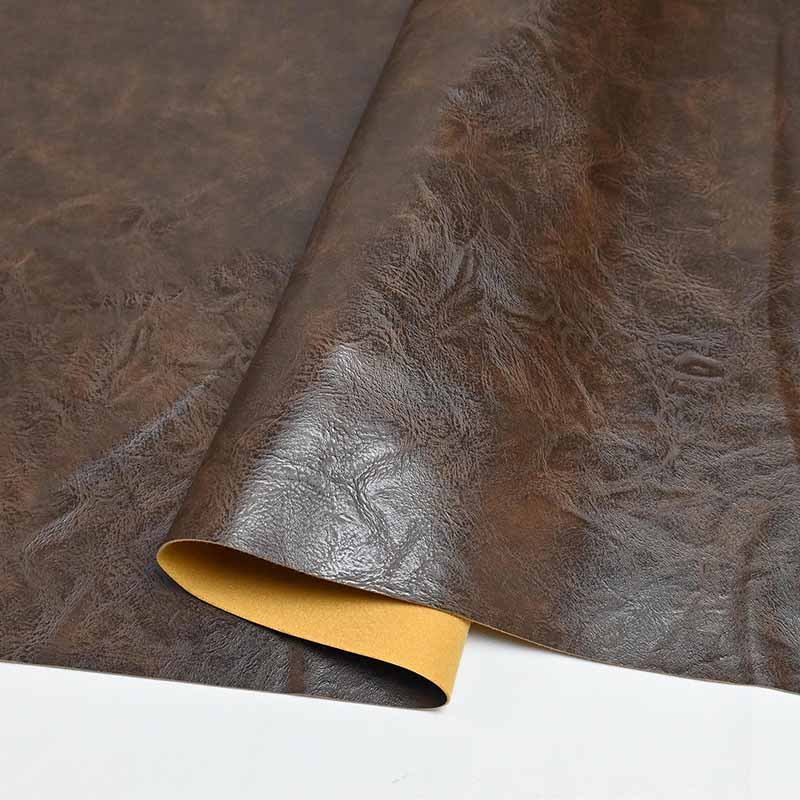
Leather is one of the most versatile and luxurious materials used in the fashion and accessories industries. From luxury handbags to durable boots, leather’s ability to stand the test of time while developing a rich patina has made it a go-to choice for high-end products. But what makes leather such a sought-after material, and how do the types of animals contribute to the quality and characteristics of leather?
The answer lies in the variety of animals from which leather is sourced. Each type of leather — whether cowhide, sheepskin, or even exotic leather like crocodile or snake — offers unique properties that make them suitable for different uses. Whether you’re a designer looking to create custom leather bags, a business owner considering product durability, or simply a consumer wondering why certain leathers cost more, understanding the different types of leather animals can help you make an informed decision. Leather is made from different animal hides, including cowhide, sheepskin, goatskin, and exotic leathers like crocodile. Each type of leather has its unique characteristics, such as durability, texture, and appearance, which influence its use in products like bags, wallets, and furniture. Knowing the differences in leather types can help you choose the best material for your needs, whether for luxury or functionality.
In this guide, we’ll explore the different types of animal leather, their characteristics, and which leather type is best for your specific product needs.
What Is Leather and Where Does It Come From
Leather is a natural material made from the tanned skin of animals. It is widely used in fashion, furniture, and accessories due to its durability and luxurious texture. Leather comes from various animals such as cows, sheep, goats, and exotic sources like crocodiles and snakes. The process of turning animal hides into leather is called tanning, which preserves and strengthens the material.
What is leather made of?
Leather is a natural material derived from the skin or hide of animals. It is typically used in fashion, accessories, automotive interiors, and furniture, prized for its longevity, strength, and luxurious appearance. The leather production process begins with the hides of animals, which are then subjected to tanning to preserve the material.
- Animal Hide: Leather can be sourced from various animals, including cattle, sheep, goats, and more exotic animals like crocodiles, snakes, and even kangaroos. Each type of animal leather has unique characteristics, including texture, flexibility, and durability, which influence its suitability for various uses.
- Tanning Process: The tanning process transforms the raw hide into a durable, flexible material. The two main methods of tanning are:
- Vegetable tanning: Uses natural plant materials (tannins from oak or chestnut bark) to preserve the leather.
- Chrome tanning: A faster method that uses chromium salts to treat the leather, giving it a softer finish.
How is leather made from animal hides?
The process of turning raw animal hides into leather involves several key steps. While the exact process can vary based on the type of leather and its intended use, the general stages include:
- Preparation: After being collected, animal hides are cleaned and soaked in water to remove any impurities and fats. This step also helps soften the hides.
- Tanning: The cleaned hides are then tanned to prevent them from decomposing. As mentioned earlier, tanning can be done through either the vegetable tanning method (which is natural but time-consuming) or chrome tanning (which is faster and more commonly used today for a wide range of leather products).
- Drying and Conditioning: Once tanned, the leather is dried and conditioned to enhance its flexibility and texture. Leather is often stretched to remove excess moisture and to ensure that the final product retains its strength.
- Finishing: The final step involves applying dyes, protective coatings, and wax to enhance the leather’s appearance, smoothness, and resistance to wear and water. This is when leather gets its color and shine. High-end leather products may also go through embossing or debossing to give the leather a custom pattern or texture.
What types of animals are used for leather?
Leather can come from many different animals, with the most common sources being cattle, sheep, and goats. Exotic leathers, including those from crocodiles, snakes, and alligators, are also highly valued for their unique texture and appearance. Here’s a breakdown of the most common types:
- Cowhide: Cowhide is the most popular and widely used leather due to its strength, durability, and versatility. It is commonly used in products such as bags, shoes, and furniture. It provides a smooth, rich texture and is generally more affordable compared to exotic leather types.
- Sheepskin: Sheepskin is softer and more pliable than cowhide, making it suitable for luxury products like coats, gloves, and handbags. It has a fine grain and is often used for items that require a soft feel.
- Goatskin: Goatskin leather is known for its lightweight, flexibility, and durability. It is commonly used for small accessories such as wallets, pouches, and gloves. Goatskin’s smooth finish and soft texture make it a popular choice for fashionable items.
- Exotic Leathers: Exotic leathers, such as crocodile, python, snake, and stingray, are highly valued for their unique textures and luxurious appeal. These leathers often carry a premium price due to their rarity and complex tanning process.
- Kangaroo and Other Specialty Leathers: Some specialty leathers, like kangaroo or ostrich, are used in premium fashion accessories due to their lightweight nature, distinct patterns, and luxurious feel.
Why is leather considered a premium material?
Leather is considered a premium material because it offers unique characteristics that are difficult to replicate in synthetic materials. Here are a few reasons why leather is regarded as a luxury material:
- Longevity: Leather products can last for many years, developing a beautiful patina over time. Unlike synthetic materials that may wear out or crack, leather ages beautifully, adding character and uniqueness.
- Strength and Durability: Leather is stronger and more resistant to wear compared to other materials, making it ideal for products that need to withstand daily use, such as bags, belts, and shoes.
- Natural Aesthetic: The natural grain and texture of leather provide a rich, organic appearance. Leather products feel luxurious and high-quality, which makes them highly desirable for fashion items and accessories.
- Eco-Friendly (in Some Cases): Leather is biodegradable and, when sourced responsibly, is considered eco-friendly. Sustainable practices like vegetable tanning and ethical leather sourcing help make leather products a more eco-conscious choice.
What are the benefits of using leather for products?
Using leather for products offers several advantages:
- Durability: Leather is one of the most durable materials, ensuring that items made from leather last longer than those made from fabric or synthetic alternatives.
- Flexibility: Leather is malleable, meaning it can adapt to different product designs, making it suitable for a variety of products, from luxury handbags to wallets, footwear, and furniture.
- Timeless Style: Leather never goes out of fashion. Its classic appeal means that leather products remain stylish and relevant for years.
Which Animals Provide Leather
Leather can be sourced from a variety of animals, with the most common being cows, sheep, goats, and pigs. Other animals, such as crocodiles, snakes, and alligators, provide exotic leathers that are prized for their unique textures and premium appeal. The type of leather used depends on the desired durability, appearance, and texture of the finished product.
What is cowhide leather?
Cowhide is the most common and versatile source of leather. It accounts for a majority of the leather used in fashion, furniture, and automotive interiors. Cowhide leather is known for its strength, durability, and ability to hold up under heavy use.
- Characteristics of Cowhide Leather:
- Thick and strong: Cowhide leather has a dense and tough texture, making it perfect for products that undergo frequent use and abrasion.
- Natural texture: It retains the natural grain and imperfections of the hide, which adds character to each piece.
- Popular Uses: Bags, belts, jackets, shoes, and automobile upholstery all commonly use cowhide leather.
- Why Choose Cowhide Leather?
- Durability: Cowhide is known for being highly durable, making it a top choice for items that require long-lasting performance.
- Affordable: It’s more affordable than exotic leathers while offering high-quality characteristics.
What is sheepskin leather?
Sheepskin leather is known for its softness, pliability, and luxurious feel. Unlike cowhide, which is tough and structured, sheepskin is more flexible and tends to have a softer finish, making it ideal for luxury fashion items and accessories.
- Characteristics of Sheepskin Leather:
- Soft and supple: Sheepskin leather is much softer than cowhide and can be easily molded into different shapes.
- Lightweight: It is lighter and less bulky than cowhide, which makes it an excellent option for clothing and small accessories.
- Popular Uses: Luxury handbags, gloves, clothing (e.g., coats), and fashion accessories.
- Why Choose Sheepskin Leather?
- Elegance: Sheepskin offers a refined appearance, making it ideal for high-end fashion products.
- Comfort: Sheepskin’s soft texture makes it a favorite for products that come in direct contact with the skin, such as gloves and clothing.
What is goatskin leather?
Goatskin leather is highly durable, lightweight, and flexible, making it an excellent choice for accessories that require both strength and comfort. Goatskin is more resilient than sheepskin, and its slightly rough texture gives it a unique look compared to other leathers.
- Characteristics of Goatskin Leather:
- Light and flexible: Goatskin is thinner and more flexible than cowhide while still being strong enough for everyday use.
- Unique grain: Goatskin typically has a distinct grain pattern, which gives it a rugged yet polished appearance.
- Popular Uses: Wallets, small bags, gloves, pouches, and furniture upholstery.
- Why Choose Goatskin Leather?
- Strength and flexibility: Goatskin is more flexible than cowhide, making it great for accessories that require softness without compromising strength.
- Distinctive texture: The unique grain gives goatskin a premium, fashionable look while remaining lightweight.
What is pigskin leather?
Pigskin leather, derived from pigs, is often overlooked but is a durable and affordable option for various leather products. It is used primarily in budget-friendly items and offers good wear resistance.
- Characteristics of Pigskin Leather:
- Smooth texture: Pigskin has a smooth finish with a subtle grain pattern, making it a suitable material for fashion accessories and smaller leather goods.
- Durability: Though not as tough as cowhide, pigskin is still highly durable and wear-resistant, which makes it a good option for wallets, clothing, and bags.
- Why Choose Pigskin Leather?
- Cost-effective: Pigskin is more affordable compared to other animal hides like cowhide or sheepskin.
- Functional: It’s a solid material for affordable fashion items like belts, wallets, and pouches.
What is exotic leather (e.g., crocodile, snake)?
Exotic leathers, including crocodile, alligator, and snake, are highly valued for their luxurious appeal and unique textures. These leather types are often used in high-end and premium products, such as luxury handbags, wallets, and belts.
- Characteristics of Exotic Leathers:
- Unique patterns: Exotic leathers are prized for their distinctive textures, such as the scales of snakes or the rugged texture of crocodile.
- Durability: Despite their exotic appeal, these leathers are incredibly durable and can be used for long-lasting luxury items.
- Why Choose Exotic Leathers?
- Luxury appeal: Exotic leathers have a high-end reputation due to their rare sourcing and unique patterns.
- Premium products: Exotic leather items are often seen as status symbols due to their limited availability and exclusivity.
How does exotic leather differ from regular leather?
Exotic leathers differ from standard leather not only in the animals they come from but also in the tanning process and the patterns they possess.
- Unique Grain Patterns:
- Exotic leathers like snake skin or crocodile have intricate grain patterns that can’t be replicated by traditional leather.
- Premium Pricing:
- The rarity of animals like crocodiles and snakes, combined with the intensive tanning and processing methods, makes exotic leathers much more expensive than cowhide or sheepskin.
- Environmental and Ethical Considerations:
- While crocodile and snake leather are highly desirable, these materials have been subject to ethical concerns over conservation and sustainability.
What Are the Characteristics of Different Leather Types
Leather varies in terms of its quality, texture, durability, and appearance, depending on the type of animal it comes from and the tanning process. Full-grain leather is the strongest and most durable, while top-grain leather offers a smoother, more refined appearance. Corrected-grain leather is more affordable and often used for budget-friendly products. Exotic leathers like crocodile or snake are prized for their unique patterns and luxurious appeal.
What is full-grain leather?
Full-grain leather is considered the highest quality leather due to its natural finish and untouched surface. It is made from the outermost layer of the animal hide, which retains the original texture and imperfections.
- Key Characteristics of Full-Grain Leather:
- Unprocessed surface: Full-grain leather retains the natural grain and marks of the hide, offering a unique and organic appearance.
- Durability: This type of leather is extremely durable and resistant to wear, making it ideal for high-use items like bags, belts, and furniture.
- Ages beautifully: Over time, full-grain leather develops a patina, which enhances its aesthetic appeal and gives it a rich, lived-in look.
- Uses of Full-Grain Leather:
- Full-grain leather is commonly used in luxury products, such as high-end handbags, luggage, wallets, and belts. Its strength and natural beauty make it ideal for items meant to last.
- Advantages of Full-Grain Leather:
- Toughness: Known for its ability to withstand years of use, full-grain leather is resistant to scratches and abrasions.
- Patina Development: Over time, it develops a unique patina, making each piece one of a kind.
What is top-grain leather?
Top-grain leather is made by sanding and polishing the outer layer of the hide to remove imperfections. It is the second-highest quality leather after full-grain and is commonly used in fashion and accessories.
- Key Characteristics of Top-Grain Leather:
- Refined appearance: Top-grain leather has a smoother surface compared to full-grain leather. It is often used when a more polished look is desired.
- More affordable: It is typically more affordable than full-grain leather while still offering strength and durability.
- Durable but more pliable: Top-grain leather is more pliable than full-grain leather, making it easier to work with when crafting products like wallets or clutches.
- Uses of Top-Grain Leather:
- Top-grain leather is used for high-quality bags, accessories, and small goods like wallets and gloves. It is also found in mid-range luxury items.
- Advantages of Top-Grain Leather:
- Affordability: It is more budget-friendly than full-grain leather but still offers great durability and a refined appearance.
- Flexibility: This leather is more flexible and easier to handle, making it ideal for fashion accessories.
What is corrected-grain leather?
Corrected-grain leather is a lower-quality leather that has been sanded and treated to remove imperfections from the hide’s surface. This type of leather is usually more affordable and widely used in budget-friendly leather goods.
- Key Characteristics of Corrected-Grain Leather:
- Uniform appearance: The surface of corrected-grain leather is uniform, with no visible imperfections or natural texture from the hide.
- Affordable: It is one of the most affordable leather options, making it a popular choice for products that do not require premium materials.
- Lightweight: Corrected-grain leather is typically lighter than full-grain or top-grain leather, making it ideal for fashion accessories.
- Uses of Corrected-Grain Leather:
- It is commonly used in budget-friendly products such as jackets, wallets, and small bags. While it may not have the same luxury appeal as full-grain leather, corrected-grain leather still offers durability and functionality.
- Advantages of Corrected-Grain Leather:
- Cost-effective: It is the most cost-effective leather option for consumers looking for leather products on a budget.
- Even texture: The sanding and treatment process gives it a consistent and polished look.
What is exotic leather (e.g., crocodile, snake)?
Exotic leathers are sourced from rare animals, such as crocodiles, alligators, snakes, and lizards. These leathers are highly valued for their unique appearance, luxury status, and distinctive patterns.
- Key Characteristics of Exotic Leathers:
- Unique patterns and textures: Exotic leathers are known for their distinctive scales, marks, and patterns, which cannot be replicated by traditional leather.
- Premium appearance: Exotic leathers have a luxurious and premium feel, making them ideal for high-end accessories.
- Durability: Despite their appearance, exotic leathers like crocodile and python are durable and resistant to wear, making them suitable for luxury goods.
- Uses of Exotic Leathers:
- Exotic leathers are often used for luxury handbags, wallets, belts, and fashion accessories. These materials add value and prestige to products.
- Advantages of Exotic Leathers:
- Luxurious appeal: Exotic leathers are highly sought after for their exclusivity and rich textures, making them perfect for premium products.
- Rarity: Since exotic leathers are often harvested from regulated farms, their scarcity adds to their value and prestige.
How do different types of leather affect product quality?
The quality of a leather product is influenced by the type of leather used. Here’s how different leather types impact the performance and aesthetic of leather goods:
- Full-Grain Leather:
- Known for strength, durability, and natural beauty, it’s the best choice for long-lasting, luxury items.
- Its ability to develop a patina with use gives full-grain leather products a unique aging process, enhancing their appeal over time.
- Top-Grain Leather:
- Smoother and refined, top-grain leather is a great option for fashionable and affordable luxury items, like wallets and handbags. It offers great durability but does not develop the same patina as full-grain leather.
- Exotic Leathers:
- Used for premium, one-of-a-kind pieces, exotic leathers are rare and highly valued for their distinctive look and luxury appeal. They are less durable than full-grain leather but are ideal for creating prestigious items.
- Corrected-Grain Leather:
- The most budget-friendly option, corrected-grain leather is perfect for everyday goods but lacks the natural texture and longevity of higher-end leathers.
Which Leather Is Best for Product Use
The best leather for your product depends on its intended use. Full-grain leather is ideal for luxury bags and furniture due to its strength and longevity. Top-grain leather is great for affordable luxury items like wallets and small goods. Exotic leathers are perfect for high-end accessories, and corrected-grain leather is a budget-friendly option for everyday products like belts and jackets.
Which leather suits bags best?
When choosing leather for bags, full-grain leather is the top choice for high-end and durable products. Its strength and ability to age beautifully make it the perfect material for luxury handbags, luggage, and backpacks.
- Why Full-Grain Leather Works for Bags:
- Durability: Full-grain leather is highly resistant to wear and tear. It can withstand the constant use a bag faces without losing its shape or quality.
- Aesthetic: The natural texture and imperfections in full-grain leather contribute to the luxurious look and make each bag unique.
- Alternatives for Bags:
- Top-Grain Leather: If affordability is a consideration, top-grain leather offers a more polished look at a lower price point. It is smooth and refined, making it suitable for mid-range luxury bags and fashion accessories.
- What to consider when choosing leather for bags:
- Think about the use case of the bag: travel bags need thicker, more durable leather for added structure, while a pouch or clutch may do better with soft, flexible leather like goatskin.
Which leather is best for wallets and small goods?
For wallets, cardholders, pouches, and other small leather accessories, top-grain leather and goatskin are popular choices. These types of leather offer the perfect balance of smooth texture, flexibility, and affordability.
- Top-Grain Leather for Small Goods:
- Smooth, refined surface: Top-grain leather has a smoother and uniform surface, making it ideal for products that require a polished finish, such as wallets, cardholders, and gloves.
- Durability: Though it is more refined, top-grain leather is still resilient and can withstand the wear and tear of daily use.
- Goatskin for Small Accessories:
- Lightweight and durable: Goatskin is perfect for small goods like wallets, coin purses, and small bags. It is lightweight but also tough enough to endure daily handling.
- Unique texture: The soft, distinct grain of goatskin adds a premium touch to wallets and pouches.
- Why Choose Goatskin for Small Goods?
- Goatskin offers softness while still being durable enough for daily use. Its unique texture adds elegance to small accessories without the bulk of cowhide.
Which leather works for straps and heavy wear?
When it comes to products that need to withstand constant friction and heavy use, like belts, straps, and work gloves, cowhide leather is the best choice. Its thickness and toughness make it resistant to wear and ideal for products that see regular abrasion.
- Why Cowhide Leather Works for Straps:
- Tough and resistant: Cowhide leather is one of the strongest leathers available and can handle the stress of daily wear. Its thick, durable nature ensures that it remains intact even after frequent use.
- Affordable: Compared to exotic leathers, cowhide is more affordable, making it a great option for budget-conscious buyers who still need high durability.
- Full-Grain Leather for High-End Belts and Straps:
- Top-tier durability: Full-grain leather is perfect for luxury belts and premium straps. It develops a unique patina over time, giving it a personalized, high-end look.
- Resistance to abrasion: Full-grain leather provides long-lasting protection for items that experience constant stress.
- When to Choose Cowhide Over Full-Grain for Straps:
- If you need a tough leather that won’t break the bank, cowhide is a great choice. For more luxury belts or premium straps, full-grain leather adds value and character over time.
What type of leather is best for jackets and outerwear?
Leather jackets, coats, and outerwear require a balance of strength, flexibility, and comfort. Lambskin leather, cowhide, and sheepskin are commonly used for these items.
- Lambskin Leather for Softness:
- Lambskin leather is known for its softness and lightweight nature. It is frequently used in high-end leather jackets due to its elegant appearance and smooth feel.
- Durability: While lambskin is less durable than cowhide, it offers a luxurious feel and comfort that makes it perfect for fashion jackets.
- Sheepskin Leather for Comfort:
- Sheepskin provides excellent flexibility and a soft texture, making it suitable for light jackets and coats. It’s also used in aviator jackets due to its insulating properties.
- Cowhide for Robust Outerwear:
- For rugged jackets and workwear, cowhide is often preferred due to its thickness and toughness. It offers long-lasting durability and is resistant to abrasion, making it perfect for motorcycle jackets and outdoor gear.
What makes leather “best” for a specific use?
The type of leather chosen for a product depends on its specific usage needs. Key factors to consider include:
- Durability:
- Products that will be used frequently or bear heavy loads (such as belts and bags) require full-grain or cowhide leather for long-lasting durability.
- Aesthetic:
- Top-grain leather is a great option for fashion accessories due to its smooth, refined finish, while exotic leathers are often chosen for their luxury appeal and unique patterns.
- Comfort:
- Lambskin and sheepskin are better suited for clothing and outerwear due to their soft texture and flexibility.
- Price vs. Longevity:
- Corrected-grain leather provides good durability at a more affordable price, making it ideal for everyday items.
How Are Leather Grades and Animal Types Related
Leather grades are closely linked to the animal type and the processing methods used to treat the hides. Full-grain leather, made from the top layer of hide, is the highest grade, commonly sourced from cattle. Top-grain leather comes from the second layer and is used for more affordable luxury products. Exotic leathers like crocodile or snake are high-end and often classified by their distinctive textures and rarity.
What is leather grading?
Leather grading is the classification of leather based on its quality, appearance, and durability. Leather grades typically fall into four main categories: full-grain, top-grain, corrected-grain, and bonded leather. These grades are determined based on factors such as:
- Surface Quality: The appearance of the leather surface, whether it retains the natural grain, or if it has been altered.
- Durability: The strength and longevity of the leather based on the type of hide and how it has been treated.
- Aging Properties: The patina or color change that occurs over time with use, contributing to the leather’s unique look.
How does animal type affect leather grades?
Animal hides differ in terms of thickness, strength, and texture, all of which influence the grade of leather. The top layer of an animal’s skin (especially from cows) is the most valuable for leather production due to its resilience and grain. Let’s look at how different animals contribute to the leather grades:
- Cowhide:
- Full-grain leather is primarily sourced from cows. Cowhide leather is thick, strong, and durable, making it ideal for luxury leather goods like bags and furniture.
- The thickness and consistency of cowhide make it the preferred source for high-end leather, while goatskin and sheepskin are more pliable and less durable.
- Sheepskin:
- Sheepskin leather tends to be softer and more flexible than cowhide but is not as strong. It is typically used in luxury or high-fashion items like coats, gloves, and jackets.
- Sheepskin can be full-grain or top-grain, but because of its delicate nature, it’s typically more prone to scratches and damage over time.
- Goatskin:
- Goatskin leather is more resilient than sheepskin but less rigid than cowhide. It’s commonly used for fashion accessories and small goods.
- It’s generally top-grain leather and used for lightweight products that require both strength and softness.
- Exotic Leathers (Crocodile, Snake, etc.):
- Exotic leathers are often highly specialized and premium in nature, with unique grain patterns and textures. These leathers are usually top-grade and more expensive due to their scarcity and tanning process.
Full-Grain Leather vs Top-Grain Leather Based on Animal Type
Full-grain leather comes from the outermost layer of the animal’s hide and retains all of the hide’s natural features, including scars, marks, and grain. It is generally the highest quality and most durable type of leather.
- Full-Grain Leather:
- Sourced mainly from cows (though it can come from other animals), full-grain leather is the most premium leather because it preserves the natural texture and is the thickest layer of skin.
- Durability: Full-grain leather is resistant to wear and tear and ages beautifully, developing a rich patina over time. It’s ideal for luxury handbags, furniture, and footwear.
- Animal Type Impact: Cows provide the most common source for full-grain leather because their hide is large, durable, and suitable for processing into high-quality leather.
- Top-Grain Leather:
- Top-grain leather is the second layer of hide, after the full-grain. It’s often sanded and polished to remove imperfections, giving it a smoother, more uniform look. Cattle hides are often used for top-grain leather, but this type is also made from goatskin and sheepskin.
- Affordability: While top-grain leather is slightly less durable than full-grain, it’s still strong and long-lasting, making it more affordable for luxury items than full-grain leather.
Corrected-Grain Leather: The Affordable Option
Corrected-grain leather is leather that has been sanded or polished to remove imperfections from the surface. It’s generally used in budget-friendly products but still retains strength and functionality.
- How It’s Made:
- This leather is often dyed or coated to hide imperfections and create a uniform look. Corrected-grain leather is common in products where appearance is important, but durability is not the highest priority.
- Animal Type and Correction:
- Goatskin and sheepskin are often used for corrected-grain leather because they are more flexible and easier to process. It’s common in fashion accessories, wallets, and footwear.
- Why Choose Corrected-Grain Leather:
- Budget-Friendly: Corrected-grain leather is much more affordable than full-grain or top-grain leather, making it ideal for mass-market products.
- Appearance: While it lacks the natural texture of full-grain leather, it still offers a polished look suitable for everyday use.
How do exotic leathers impact leather grades?
Exotic leathers like crocodile, alligator, and python are rare and often highly valued for their unique texture and luxurious appeal. These leathers typically fall under the top-grade category due to the meticulous tanning process and high demand.
- Unique Patterns and Textures:
- Exotic leathers have distinctive grains, which add value and uniqueness. Crocodile leather, for example, features scales that are highly textured, making it perfect for luxury handbags and accessories.
- Durability: Despite their appearance, exotic leathers are tough and long-lasting, offering premium quality in high-end fashion.
- Premium Price and Scarcity:
- Due to their scarcity and costly production, exotic leathers are typically more expensive and used in luxury products. They are highly regulated and often sourced from sustainable farms to ensure ethical practices.
Do Animal Leathers Have Ethical and Environmental Concerns
Yes, animal leathers can raise ethical and environmental concerns due to the sourcing of hides from animals. Issues such as animal cruelty, deforestation, and carbon footprint are common points of contention. However, more sustainable leather practices, like vegetable tanning and ethical sourcing, are becoming increasingly prevalent. Exotic leathers, such as crocodile and snake, also face concerns about conservation and regulation.
What ethical concerns surround animal leather production?
The production of animal leather raises a range of ethical concerns related to the treatment of the animals from which the leather is sourced. The most significant issues include:
- Animal Cruelty:
- Factory farming practices and inhumane conditions in leather production facilities have raised questions about animal welfare. Many consumers are concerned about whether the animals are treated ethically during the raising, slaughtering, and processing stages.
- Exotic leathers like crocodile and snake have sparked additional concerns, as these animals are sometimes killed solely for their hides, often without proper regulation or oversight.
- Cultural Practices:
- In some regions, traditional and cultural practices have led to the hunting of certain animals, such as alligators or kangaroos, for leather. While these practices may be regulated, they still raise concerns about over-hunting and animal rights.
- Ethical Leather Sourcing:
- With the growing demand for ethical products, many companies now focus on sourcing leather from farms that adhere to high animal welfare standards and use humane slaughtering practices. Certifications like Leather Working Group (LWG) and CITES (Convention on International Trade in Endangered Species) are becoming increasingly important to ensure ethical sourcing of leather products.
What environmental impacts are associated with leather production?
Leather production can have a significant environmental impact, particularly due to the tanning process and the sourcing of raw materials. Key environmental concerns include:
- Tanning Chemicals:
- Traditional chrome tanning uses chemicals that can pollute the environment. The toxic substances used in this process can leach into water supplies and cause long-term damage to ecosystems. This has led to calls for more sustainable tanning methods, such as vegetable tanning, which avoids the use of harmful chemicals.
- Water Usage:
- The leather industry requires large amounts of water for both the soaking of hides and the tanning process. The excessive use of water in countries with water scarcity can lead to local water shortages and environmental strain.
- Carbon Footprint:
- Leather production is energy-intensive, requiring significant carbon emissions due to the processing and transportation of raw hides. The livestock farming required to provide leather also contributes to greenhouse gas emissions, especially in countries with large-scale cattle ranching.
- Land Use:
- Leather production contributes to deforestation, especially in countries where land is cleared for cattle grazing. Clear-cutting forests can lead to the destruction of habitats and the loss of biodiversity.
What are the alternatives to animal leather?
As ethical and environmental concerns grow, alternative materials to animal leather are gaining popularity. These alternatives offer sustainable options for those who want to avoid the negative impacts of traditional leather.
- Vegan Leather:
- Made from synthetic materials such as polyurethane (PU) or PVC, vegan leather mimics the look and feel of animal leather without using any animal products. However, it’s important to note that some vegan leathers are made from plastic-based materials, which can have their own environmental impact, particularly in terms of carbon footprint and non-biodegradability.
- Plant-Based Leathers:
- Mushroom leather (also known as mycelium leather) and pineapple leather (Piñatex) are emerging alternatives made from plant fibers. These options are biodegradable and sustainable, offering a promising eco-friendly alternative to animal leather.
- Recycled Leather:
- Recycled leather, made from scraps and waste leather, is becoming a popular option. It helps reduce waste and extends the life of leather products by reusing existing materials.
- Lab-Grown Leather:
- Lab-grown leather is an exciting new innovation in which collagen proteins from animal cells are cultured to produce leather without the need to kill animals. This process can offer a more sustainable and ethical alternative to traditional leather.
How are exotic leathers regulated?
Exotic leathers, such as those from crocodiles, alligators, snakes, and other rare animals, are subject to strict regulations to ensure they are harvested sustainably and ethically. These regulations are in place to prevent over-exploitation of these species and to maintain conservation efforts.
- CITES Certification:
- The Convention on International Trade in Endangered Species (CITES) plays a key role in regulating the trade of exotic animal products, including leather. It ensures that any trade in exotic leathers is sustainable and does not contribute to the endangerment of these species.
- Farmed vs. Wild-Sourced:
- Leather sourced from regulated farms that breed alligators and crocodiles for leather production is often more sustainable than leather sourced from wild animals. Farmed animals are subject to legal oversight and are bred in controlled environments to ensure sustainable populations.
- Ethical Concerns with Exotic Leathers:
- Despite regulations, the use of exotic leathers still raises concerns about animal welfare and the ethics of using rare animals for fashion purposes. There is a growing movement toward using alternative materials to reduce reliance on exotic leather.
What is being done to make leather production more sustainable?
As the demand for more sustainable products rises, many companies are adopting eco-friendly leather production methods. Some key actions include:
- Sustainable Tanning:
- Many manufacturers are switching to vegetable tanning, which uses natural tannins from plants instead of harmful chemicals like chromium. This process is not only safer for the environment but also creates leather that is free from toxic residues.
- Sustainable Leather Sourcing:
- Leather producers are adopting ethical sourcing practices, ensuring that leather is sourced from responsible farms and certified suppliers that prioritize animal welfare and environmental sustainability.
- Transparency and Certification:
- Brands are increasingly committing to sustainable leather sourcing by obtaining certifications like Leather Working Group (LWG) and Global Organic Textile Standard (GOTS), which ensure that leather is produced with minimal environmental impact.
How to Choose the Right Animal Leather for Your Products
Choosing the right animal leather depends on factors such as durability, aesthetic, product use, and budget. For luxury items, full-grain leather is the best due to its strength and unique appearance. For more affordable products, top-grain leather offers a good balance of quality and price. Exotic leathers like crocodile are perfect for high-end accessories, while corrected-grain leather is ideal for budget-friendly goods.
What factors should you consider when choosing leather?
Choosing the right leather for a product involves assessing a few key factors, including strength, appearance, and cost. Here’s a guide to help you make an informed decision:
- Durability:
- If the product will be exposed to high friction or heavy use (like belts, bags, or footwear), full-grain leather is often the best choice. It’s highly resistant to abrasion and can withstand constant use over time.
- For products that need to age beautifully and develop a rich patina, full-grain leather or top-grain leather is ideal.
- Aesthetic Goals:
- Full-grain leather retains the natural texture and imperfections of the hide, giving it a more authentic, rugged look. If you want a polished appearance with minimal natural imperfections, top-grain leather may be a better choice.
- If unique textures are important for your product, consider exotic leathers like crocodile or snake, which provide a distinctive pattern.
- Cost:
- Full-grain leather is the most expensive, while corrected-grain leather is more affordable but offers less durability and a uniform finish. Consider your budget and target audience when choosing leather.
- Use Case:
- Work gloves, straps, and other items that undergo heavy stress should be made from cowhide or goatskin for their resilience. For luxury handbags or fashion accessories, sheepskin and top-grain leather provide the soft, supple feel desired in premium products.
How to match leather to product purpose?
The type of leather you choose should align with the purpose and use case of your product. Here’s a breakdown of which leather works best for specific items:
- Luxury Bags and Accessories:
- For high-end bags and wallets, full-grain leather is often the best choice due to its premium quality and ability to age beautifully. It’s durable and retains its luxurious look over time.
- Exotic leathers, like crocodile or python, are perfect for premium accessories. These leathers are rare, beautiful, and luxury-status materials, making them ideal for statement pieces.
- Durable Luggage and Travel Gear:
- Cowhide or top-grain leather are great for luggage, backpacks, and travel accessories. These types of leather offer the strength required for items that endure wear and tear during travel.
- Full-grain leather, while premium, can be a great choice for travel bags if you want a luxury finish that will withstand time.
- Small Goods (Wallets, Pouches):
- Top-grain leather is perfect for wallets and small accessories because it’s smooth, refined, and retains the high-end look without the expense of full-grain leather.
- Goatskin leather, known for its lightweight and pliability, is also great for small accessories like coin pouches and small wallets.
- Heavy Use Items (Belts, Straps):
- Cowhide leather is the go-to for belts, straps, and other products that require strength and resilience. It can endure daily use without showing signs of wear, making it ideal for products that will be under stress over time.
Why is full-grain leather often the best choice?
Full-grain leather is considered the highest quality because it comes from the top layer of the hide, which is the most durable and natural part. Here’s why full-grain leather is often the best choice:
- Durability:
- Full-grain leather is incredibly durable and resistant to abrasion, making it ideal for high-use items like bags, jackets, and footwear. Over time, full-grain leather develops a patina, which enhances its aesthetic and value.
- Natural Appearance:
- Full-grain leather retains the original texture of the hide, including imperfections, which adds a unique character to each piece. It’s perfect for those who appreciate authenticity and natural beauty in their leather goods.
- Long-Term Value:
- While more expensive, full-grain leather provides the best value in the long run. Its durability and ability to age beautifully ensure that products made from full-grain leather will last for years and develop a rich look as they wear.
- Ideal for Luxury:
- Full-grain leather is often used for luxury products because it ages beautifully and retains its strength. It’s often used in high-end fashion, designer bags, and premium furniture.
How does top-grain leather compare to full-grain leather?
Top-grain leather is the second-highest quality, made by sanding the top layer of the hide to remove imperfections. It’s an excellent option for those who want a smooth and refined finish at a more affordable price than full-grain leather.
- Price Comparison:
- Full-grain leather is more expensive because it retains the natural texture and has the highest durability, but top-grain leather offers a lower price point while still providing great quality.
- Aesthetic:
- Top-grain leather is typically more polished and uniform than full-grain leather. It’s a great choice for fashion items that require a smooth, consistent appearance.
- Durability:
- While top-grain leather is still high-quality, it is slightly less durable than full-grain leather. It’s perfect for luxury products where smoothness and refinement are prioritized over natural texture.
What makes exotic leathers ideal for premium products?
Exotic leathers like crocodile, python, and alligator are considered luxury materials due to their scarcity, unique patterns, and high value. Here’s why these materials are ideal for premium products:
- Unique Aesthetic:
- Exotic leathers have distinct patterns and textures that cannot be replicated by traditional leathers, making them perfect for luxury items like handbags, shoes, and accessories. The scales and markings of these animals create a one-of-a-kind look.
- Durability:
- Despite their premium status, exotic leathers are durable and resistant to abrasion. Products made from exotic leathers are not only beautiful but also long-lasting.
- Rarity:
- Exotic leathers are typically more expensive due to their limited supply and labor-intensive production. The uniqueness and rarity of these leathers make them ideal for luxury markets.
Are Leather Makeup Bags Worth It
Leather makeup bags are worth the investment for their durability, luxury feel, and long-lasting value. Leather is more resistant to wear and provides better protection for makeup items compared to fabric or synthetic bags. With proper care, leather makeup bags can last for years, developing a unique patina over time. While more expensive than fabric alternatives, leather’s timeless appeal and quality make it a worthwhile choice for those seeking a premium product.
Do leather makeup bags last longer than other materials?
One of the main reasons leather is considered a premium material is its durability. Leather makeup bags, when well-maintained, can outlast those made from fabric or synthetic materials. Here’s why:
- Long-Term Durability:
- Leather is naturally strong and abrasion-resistant, meaning it can withstand daily use much longer than fabric bags, which may tear or wear down over time. Leather bags, especially those made from full-grain leather, can last for years without losing their strength or form.
- Timeless Quality:
- Unlike synthetic bags, leather develops a unique patina as it ages. This aging process gives leather bags a distinctive charm, making them even more beautiful and valuable over time. The natural aging of leather products is one of the reasons why people find them worthwhile.
- Cost vs. Longevity:
- While fabric makeup bags may cost less, they don’t offer the same level of longevity or protection. A high-quality leather makeup bag may be an investment upfront, but it will outlast many fabric options, providing better value in the long run.
Are leather makeup bags easy to care for?
Leather makeup bags are relatively easy to care for, but they do require some attention to ensure they maintain their appearance and functionality over time. Here’s how to properly care for your leather bag:
- Regular Cleaning:
- Wipe down the leather surface with a soft, damp cloth to remove dust, dirt, and makeup residue. Avoid using harsh chemicals that could damage the leather.
- Condition the Leather:
- Leather can dry out over time, so it’s important to condition it with a leather-specific moisturizer every few months to keep it soft and supple.
- Avoid Excessive Exposure to Sunlight:
- Prolonged exposure to sunlight can cause leather to fade or dry out. Store your leather makeup bag in a cool, dry place when not in use to maintain its color and texture.
- Spot Clean Spills:
- If makeup or liquids spill inside the bag, gently clean the affected area with a mild soap solution or a leather-safe cleaner to prevent staining.
How do leather makeup bags age over time?
Unlike synthetic bags, leather makeup bags improve with age, developing a rich, unique patina. This is one of the most attractive features of leather and is part of the reason many people consider it worth the investment. Here’s how leather ages:
- Patina Development:
- As leather is exposed to air, sunlight, and handling, it darkens and softens, developing a personalized appearance. Each leather makeup bag ages differently, creating a one-of-a-kind look.
- Softening:
- Leather becomes softer over time, enhancing its comfort and flexibility. The structure of the bag may become more malleable, but it will still retain its strength and functionality.
- Distinct Appearance:
- As leather ages, it forms unique creases and markings that tell the story of the bag’s use. This aging process adds character, making the leather more attractive as time goes on.
How does leather compare to fabric or synthetic makeup bags?
When compared to fabric or synthetic makeup bags, leather stands out in several key areas:
- Durability:
- Leather is inherently more durable than fabric or synthetic bags, which may wear out or tear with frequent use. Leather bags can withstand daily abuse without losing their shape or structure.
- Protection:
- Leather provides better protection for makeup products due to its resilient nature. It acts as a barrier against dust, dirt, and water, while fabric bags can be more porous and susceptible to damage.
- Aesthetic Appeal:
- Leather bags offer a luxurious look that synthetic bags can’t match. While synthetic bags can mimic the appearance of leather, they lack the texture, flexibility, and authenticity that real leather offers.
- Environmental Considerations:
- Leather is a natural material that, when sourced sustainably, is more eco-friendly than synthetic materials like PVC or polyurethane. These synthetic alternatives, while vegan, are plastic-based and non-biodegradable.
What makes leather makeup bags a luxury item?
Leather makeup bags are often considered luxury items for several reasons:
- Premium Material:
- Leather is a premium material associated with high-end fashion and luxury goods. Its natural beauty, strength, and ability to age gracefully make it a coveted choice for products like handbags, shoes, and makeup bags.
- Timeless Appeal:
- Leather never goes out of style. The timeless appeal of a leather makeup bag ensures that it will remain fashionable and relevant for years, unlike synthetic bags, which may lose their charm over time.
- Craftsmanship:
- Many leather makeup bags are handcrafted or artisan-made, which adds to their luxurious status. The attention to detail, customization options, and quality control in leather production make these bags a premium investment.
Conclusion
Are you ready to create a custom leather makeup bag that reflects your brand’s quality and style? At Szoneier Leather, we offer high-quality leather, custom designs, and tailored manufacturing solutions. Whether you’re looking for a luxurious full-grain leather bag or a stylish top-grain option, we provide the perfect materials and craftsmanship to bring your ideas to life. By partnering with Szoneier Leather, you get access to years of expertise, high-quality materials, and fast production times. We help you choose the best leather for your products and ensure they’re made to the highest standards of craftsmanship. Let’s start your project now!
What Can I Do For You?
Here, developing your OEM/ODM private label leather goods collection is no longer a challenge,it’s an excellent opportunity to bring your creative vision to life.
Make A Sample First?
If you have your own tech packs, logo design artwork, or just an idea,please provide details about your project requirements, including preferred fabric, color, and customization options,we’re excited to assist you in bringing your leather goods designs to life through our sample production process.