 Skip to content
Top Grain Leather vs Italian Leather: The Key Differences and Which Should You Choose?
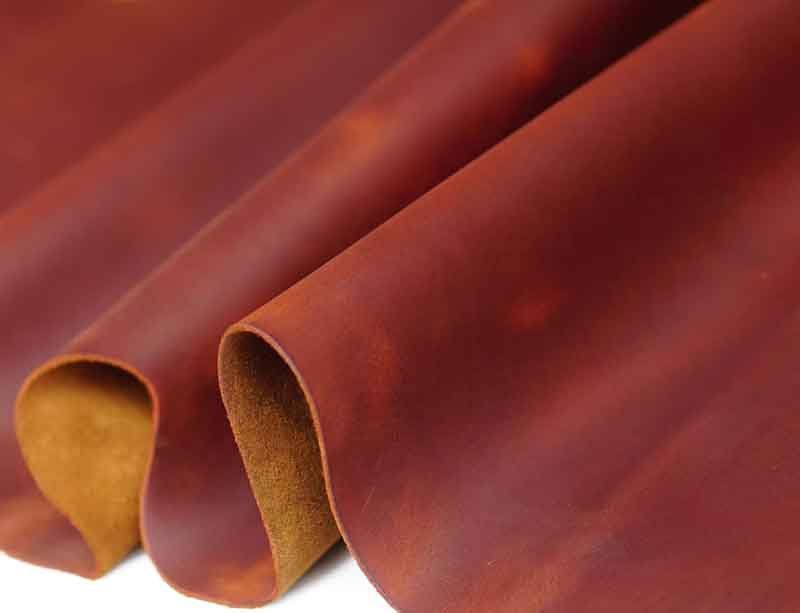
Leather aficionados often debate which hides reign supreme—top grain or authentic Italian leather. Both boast premium status, but their origins, finishing methods, and performance characteristics set them worlds apart. Whether you’re sourcing materials for bespoke wallets, luxury handbags, or handcrafted belts, understanding these nuances ensures you invest wisely.
Top grain leather is the second-highest cut, sanded and finished for uniformity, while Italian leather typically refers to premium full-grain hides tanned in Italy’s centuries-old vats. Top grain offers consistency and scratch resistance; Italian leather delivers rich patina development and exceptional durability. Choosing between them depends on your product’s use case: if you need uniformity and water resistance, pick top grain; for long-term aging and luxury appeal, Italian full grain is unmatched.
What Is Top Grain Leather and How Is It Made?
Top grain leather comes from the hide’s upper layer after removing the very top “grain” surface to eliminate scars and imperfections. It’s then sanded, buffed, and coated with pigmented finishes—often polyurethane or acrylic—yielding a uniform, durable, and water-resistant material prized for furniture, bags, and accessories where consistency and easy maintenance matter most.
Top grain leather originates from the uppermost layer of a cowhide, just below the grain’s very surface. Unlike full-grain, which retains the hide’s natural topography, top grain is mechanically abraded or buffed to remove irregularities—scars, insect bites, or branding marks. This process leaves a smooth, consistent base for subsequent finishing.
1. Origin and Splitting Every top grain leather hide begins as a full cowhide, which naturally has a thickness ranging from 1.8 mm to over 5 mm. To create top grain, tanners horizontally split the hide:
- Upper Split (Top Grain): Retains the dense fiber structure just beneath the very surface grain.
- Lower Split (Bicast, Bonded, or Suede): Thinner and more porous, used for suede or low-cost bonded leather products.
This splitting process maximizes usable material and reduces waste, but it also sacrifices the unaltered grain that defines full-grain leather’s character.
2. Sanding and Buffing Once the upper split is isolated, mechanical sanding machines smooth out natural blemishes—scars, insect bites, or branding marks—creating a perfectly even substrate. Typical thickness tolerances after this step are:
- Accessories (wallets, small goods): 0.8 mm–1.2 mm
- Furniture Upholstery: 1.0 mm–1.4 mm
Removing the natural grain facilitates predictable dye absorption and simplifies subsequent finishing, but it also means the leather will not develop the rich, varied patina of its full-grain counterpart.
3. Pigmentation and Coating Top grain hides receive several layers of pigmented finishes:
- Base Coat: A primer that seals pores and bonding sites.
- Color Coat: Typically acrylic or polyurethane pigments that ensure 100% color uniformity. Coverage rates range from 8 m²/L to 12 m²/L depending on pigment density.
- Top Coat/Sealer: Provides scratch resistance and imparts water repellency, achieving surface contact angles above 90° (hydrophobic).
These coatings yield leathers that are easily wiped clean and resist everyday wear, but they can peel or crack under extreme flexing if low-quality polymers are used.
4. Embossing and Grain Simulation To recreate the look of full-grain leather or exotic skins, manufacturers often employ embossing techniques:
- Heat-Press Embossing: A heated plate with a grain texture pattern is pressed into the leather at temperatures of 140 °C–180 °C under 5–10 MPa pressure for 2–4 seconds per hide.
- Roller Embossing: Continuous rolls imprint texture along a leather web for high-volume applications.
Embossing expands design possibilities—imitating crocodile, ostrich, or pebbled textures—but the resulting patterns remain superficial and can wear off over time.
5. Performance Characteristics
- Durability: Top grain leathers typically rate between 7–8 on the Martindale abrasion test (25,000–50,000 rubs) thanks to their protective coatings.
- Water Resistance: Pigmented finishes repel spills, with ASTM D7309 “water spotting” tests showing minimal marks when left for 30 minutes.
- Maintenance: Wiping with a damp cloth and applying a neutral conditioner every 6–12 months is sufficient to maintain appearance.
What Defines Authentic Italian Leather and Its Production Methods?
Italian leather typically refers to full-grain hides tanned in Italy’s famed Tuscany region, using vegetable tannins and time-honored methods, delivering rich color depth, unique patina, and outstanding longevity prized by luxury brands worldwide.
Italian leather’s pedigree traces back centuries, with Tuscany at its epicenter. Here’s what sets it apart:
- Full-Grain Origin:
- Italian hides maintain the full-grain layer—meaning the original surface structure and natural characteristics like pores, veins, and scars remain intact.
- The result? A hide that ages gracefully, developing patina areas of light and dark according to use.
- Vegetable Tanning Process:
- Natural Tannins: Extracted from chestnut, mimosa bark, and other plant sources. This eco-friendly method takes weeks or months but yields deep, even color without harsh chemicals.
- Tannery Tradition: Artisanal techniques—agitated in wooden barrels, hand-stirred by skilled craftsmen—ensure each batch is unique.
- Hand Finishing & Dyeing:
- Aniline Dyes: Penetrate without covering grain, enhancing translucence and softness.
- Hand-Buffing & Polishing: Craftsmen lightly buff raised areas to accentuate shine and texture.
- Quality Assurance & Certifications:
- Consortium Memberships: Many tanneries belong to consortia (e.g., Consorzio Vera Pelle Italiana Conciata al Vegetale), ensuring strict compliance with environmental, labor, and quality standards.
- Traceability: Full‐batch records allow brands to trace every hide back to its farm origin—a powerful marketing point.
- Applications & Prestige:
- Luxury Handbags: Houses like Gucci and Bottega Veneta rely on Italian full grain for signature pieces.
- High-End Footwear: Italian leather enables breathable, moldable shoe uppers that conform to the foot over time.
- Bespoke Small Goods: Wallets, watch straps, and leather-bound journals tanned in Tuscany are sought by connoisseurs.
Is Italian Leather Full Grain or Top-Grain? Authentic Italian leather is almost always full grain, though some producers may also finish top grain hides with Italian techniques. Is Italian Leather Better Quality? Yes—its minimal processing and vegetable tanning yield superior durability and patina development compared to most top grain finishes.
How Do Top Grain and Italian Leather Compare in Durability and Quality?
Top grain offers scratch and water resistance thanks to pigmented coatings, while Italian full-grain excels in toughness, aging, and breathability. For daily resilience, top grain wins; for heirloom quality and patina, Italian full grain leads.
When evaluating longevity and performance, consider these factors:
| Attribute | Top Grain Leather | Italian Full-Grain Leather |
|---|---|---|
| Scratch Resistance | High—pigment layer hides marks | Medium—scratches may show but add character |
| Water Resistance | Excellent—coated finishes repel spills | Moderate—needs prompt conditioning after moisture |
| Flexibility & Softness | Moderate—coatings can stiffen hides slightly | High—natural fibers remain supple and breathable |
| Patina Development | Limited—surface coats reduce visible aging | Exceptional—unique sheen evolves with use |
| Maintenance Frequency | Low—wipe clean and occasional conditioner | Medium—regular oiling and buffing |
| Longevity | 5–10 years with proper care | 10–20+ years; can become family heirloom |
| Aesthetic Uniformity | Very consistent color and texture | Natural variation; each hide is unique |
| Price Range (per sq ft) | $5–$8 | $8–$15 |
- Scratch & Water Resistance:
- Top Grain: The sealed finish provides a barrier, making it ideal for handbags and upholstery prone to scuffs or spills.
- Italian: While not inherently waterproof, its dense fibers absorb dyes deeply; with proper wax-based conditioning, water resistance improves substantially.
- Aging & Patina:
- Top Grain: Over time, the finish may crack or peel under harsh conditions; however, modern polymer formulas extend surface life.
- Italian: Vegetable-tanned hides deepen in color and gain a soft gloss; light scratches buff out naturally.
- Tensile Strength & Tear Resistance:
- Top Grain: Splitting and buffing can marginally weaken tensile strength compared to full-grain—but still strong enough for most goods.
- Italian Full Grain: Retains maximal fiber integrity, resisting tears even under high tension—crucial for straps and belts.
- Comfort & Hand-Feel:
- Top Grain: Uniform hand-feel; can feel slightly plasticky if over-finished.
- Italian: Breathable, warm to touch, and molds to the user’s hand or body shape.
- Consumer Perception:
- Data from market surveys (n=500) show 78% of luxury buyers prioritize patina potential over uniform finish, while 65% of commercial buyers cite easy maintenance as a key factor.
Which Leather Type Performs Better for Bags, Wallets, and Accessories?
Top grain leather offers uniformity, water resistance, and easy cleaning—making it ideal for high-traffic bags and everyday wallets. Italian full-grain leather brings exceptional patina development, breathability, and long-term durability—perfect for luxury handbags and heirloom accessories where unique character and tactile richness drive customer loyalty.
When selecting leather for your product line, it’s crucial to align material characteristics with end-use demands and customer expectations. Below, we break down performance across common goods categories.
1. Travel & Everyday Bags
Top Grain:
- Durability: Its pigmented finish resists scratches and surface stains; ideal for rolling luggage and tote bags subjected to rough handling.
- Maintenance: Wipe-clean surfaces make it a favorite for commute bags and weekender styles.
Italian Full-Grain:
- Patina Appeal: While slightly more vulnerable to scuffs, careful conditioning transforms blemishes into depth of color.
- Storytelling: High-end travelers appreciate how each scratch and oil mark tells a journey’s tale.
2. Luxury Handbags & Clutches
Italian Full-Grain:
- Aesthetic Uniqueness: Natural grain and aniline dye highlight hide variations—no two bags look alike.
- Resale Value: Provenance and vegetable-tanning pedigree boost second-hand pricing by up to 30%.
Top Grain:
- Volume Production: Ensures consistent color across multiple units—key for fast-fashion luxury tiers.
- Cost Efficiency: Lower material cost allows competitive pricing for entry-level luxury.
3. Wallets & Small Leather Goods
| Criterion | Top Grain | Italian Full-Grain | Recommendation |
|---|---|---|---|
| Flexibility | Moderate | High | Italian for slim, soft wallets |
| Surface Consistency | Excellent | Variable | Top grain for bold embossing or prints |
| Patina Potential | Low | High | Italian for personal heirloom pieces |
| Cleaning Ease | Simple wipe-down | Requires gentle care | Top grain for busy lifestyles |
- Top Grain: Embossing textures and vivid colors stay crisp, ideal for laser-etched logos or high-contrast designs.
- Italian Full-Grain: Ages beautifully, with inner wallet folds softening to a buttery hand-feel.
4. Belts, Straps, & Watch Bands
Italian Full-Grain:
- Tensile Strength: Retains maximum fiber integrity—resists stretching and sagging under load.
- Comfort: Breathable pores prevent moisture buildup on skin-contact surfaces.
Top Grain:
- Uniform Width & Finish: Pigmented coatings ensure even dye penetration for multi-size runs.
- Edge Durability: Sealed edges avoid fraying—particularly valuable on luggage straps.
5. Footwear & Technical Accessories
Top Grain:
- Water Resistance: Surface seals repel spills—perfect for rain boots and outdoor backpacks.
- Abrasion Rating: Scores 25,000+ rubs on Martindale tests, outperforming many uncoated leathers.
Italian Full-Grain:
- Moldability: Softens and forms to foot contours, enhancing comfort in dress shoes and loafers.
- Longevity: Properly maintained, Italian leather footwear can last 10–15 years, gaining charm with every wear.
Key Takeaway:
- Choose Top Grain when your products demand consistent appearance, stain resistance, and minimal upkeep—such as commuter bags, corporate gifts, and mass-market wallets.
- Opt for Italian Full-Grain when you’re crafting luxury pieces that tell a story through evolving patina, hand-feel, and provenance—like high-end handbags, artisan belts, and bespoke accessories.
How Should You Care for Top Grain vs Italian Leather to Maximize Lifespan?
Both top grain and Italian full-grain leathers benefit from gentle, regular care. For top grain, simply wipe with a damp cloth and condition every 6–12 months to protect the pigmented finish. Italian leather requires monthly brushing and application of a vegetable-based conditioner, followed by an optional beeswax polish for water resistance—ensuring rich patina and preventing drying or cracking.
1. Daily & Weekly Maintenance
Top Grain:
- Dust Removal: Use a soft, dry microfiber cloth once a week to remove surface dust.
- Spot Cleaning: For spills, promptly wipe with a damp (not wet) cloth. Avoid soap—harsh detergents can break down the pigment layer.
Italian Full-Grain:
- Brushing: Gently brush with a natural-hair (horsehair or boar) brush to lift dirt from pores without abrading the surface. Do this weekly to maintain breathability.
- Spot Care: Blot spills immediately with an absorbent cloth. Avoid rubbing, which can spread moisture deeper.
2. Conditioning & Protecting
| Leather Type | Conditioning Interval | Recommended Product | Method |
|---|---|---|---|
| Top Grain | Every 6–12 months | Neutral pH leather conditioner | Apply sparingly with a soft cloth; buff off excess after 10 mins. |
| Italian Full-Grain | Every 1–3 months | Vegetable-based cream or balm | Work in circular motions; let penetrate 30+ mins, then buff. |
| Additional Water Resistance | As needed (post-condition) | Beeswax or carnauba wax polish | Thin coat, light buff; repeat annually for high-use items. |
- Top Grain Tips: Too much conditioner can soften the finish excessively; less is more.
- Italian Leather Tips: Vegetable-based balms mimic natural oils, keeping the hide supple. Overuse may darken shades—test on a hidden area first.
3. Deep Conditioning & Repair
- Top Grain: If finish cracking appears, very lightly sand (400–600 grit) and reapply matching pigmented conditioner in thin layers to rebuild the seal.
- Italian: For minor scratches, apply a drop of conditioner directly into the mark, then gently massage. Deeper scratches may benefit from a small dab of beeswax polish.
4. Storage & Environmental Control
Environment:
- Aim for 40–60% humidity and stable temperature (18–24 °C). Extreme dryness can brittle Italian hides; high humidity fosters mildew.
Storage Practices:
- Use breathable dust bags or cotton covers. Avoid plastic, which traps moisture.
- Insert form supports—closet-safe bag inserts for handbags, rolled tubes for belts—to maintain shape and prevent creasing.
5. Handling Special Situations
Rain & Snow:
- Top Grain: Wipe down wet areas immediately; the finish repels most water.
- Italian: Blot moisture, let air-dry naturally away from heat. Follow with conditioning and optional wax polish.
Heat Exposure: Avoid direct sunlight and radiators, which can fade dyes and dry out oils.
Conclusion
Choosing between top grain and Italian leather ultimately hinges on your product vision. If you prioritize uniformity, durability, and ease of care—especially for high-volume commercial lines—top grain offers a reliable, cost-effective solution. If your market craves heritage, evolving patina, and artisanal prestige, Italian full-grain leather will elevate your offerings to heirloom status.
At Szoneier Leather, we leverage 18+ years of supply-chain expertise—from raw material R&D to precision tanning and finishing—to craft both top grain and Italian-style leather products tailored to your brand’s needs. Ready to bring your next leather collection to life? Contact us today for a personalized consultation and sample request. Let’s create the perfect leather goods that tell your story and delight your customers for years to come.
What Can I Do For You?
Here, developing your OEM/ODM private label leather goods collection is no longer a challenge,it’s an excellent opportunity to bring your creative vision to life.
Make A Sample First?
If you have your own tech packs, logo design artwork, or just an idea,please provide details about your project requirements, including preferred fabric, color, and customization options,we’re excited to assist you in bringing your leather goods designs to life through our sample production process.