
Top Grain Leather Price Guide :Cost & Sourcing
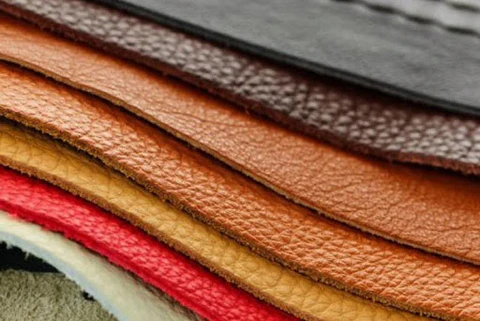
When brands, designers, or sourcing managers ask about leather costs, top grain leather often takes center stage. Known for its balance of durability, smooth texture, and luxury appeal, top grain leather powers products ranging from designer handbags and automotive interiors to upholstery and premium accessories. Yet, pricing isn’t simple: it depends on raw hide origins, tanning processes, market demand, and even environmental certifications.
The price of top grain leather typically ranges from $6 to $12 per square foot depending on hide quality, region, tanning methods, and finishing treatments. High-end Italian or eco-certified leathers can reach $15–20 per square foot, while bulk OEM sourcing from Asia offers competitive wholesale rates for brands balancing cost and quality.
To understand what drives these prices, which markets pay the most, and whether top grain leather is worth it for your brand, let’s break it all down with data-driven insights and real-world sourcing strategies.
What Is Top Grain Leather?
Top grain leather is a high-quality, corrected-grain layer of animal hide where the surface is lightly sanded and finished to remove imperfections while preserving strength and flexibility. It offers a smooth, uniform look at a lower price than full-grain leather but with greater durability and versatility than split or bonded leathers. Because of its balanced cost-to-quality ratio, it dominates handbags, footwear, automotive, and furniture markets where both performance and price matter.
What Exactly Is Top Grain Leather?
Top grain leather comes from the outermost layer of the hide, just below the hairline. After initial preparation:
- The top surface is sanded or buffed to remove scars, branding marks, or natural grain irregularities.
- A pigmented or aniline finish is often applied to create a uniform color and protective layer.
- This makes top grain leather more versatile than full-grain leather, which retains its natural imperfections but comes at a higher price point.
Because top grain leather strikes a balance between luxury aesthetics, durability, and cost efficiency, it is the material of choice for many mid-range and premium brands.
Top Grain vs Full Grain vs Split Leather: Price Impact
| Leather Type | Processing Level | Surface Characteristics | Typical Price (USD/sq.ft) | Market Position |
|---|---|---|---|---|
| Full Grain Leather | Minimal treatment | Natural grain, visible marks | $12–25 | Luxury brands, premium goods |
| Top Grain Leather | Light sanding + finish | Smooth, uniform surface | $6–12 | Mid-premium to mass luxury |
| Split Leather | Lower layers, corrected | Coated surface, synthetic finish | $3–6 | Budget or promotional goods |
- Full Grain = Expensive due to limited hide availability and natural aesthetics.
- Top Grain = Affordable premium option balancing cost, quality, and brand perception.
- Split/Bonded = Lowest cost, shorter lifespan, suited for low-end or fast-fashion markets.
Processing Methods Affecting Cost
- Vegetable Tanning: Uses natural tannins from tree bark; eco-friendly; longer processing time → Higher cost ($10–20/sq.ft).
- Chrome Tanning: Uses chromium salts; faster, uniform finish → Lower cost ($5–10/sq.ft).
- Semi-Aniline Finishing: Light pigments preserve natural look; mid-tier pricing → $8–14/sq.ft.
- Pigmented Finishes: Maximum color consistency; best for bulk OEM production at competitive prices → $6–12/sq.ft.
The more labor-intensive or eco-conscious the process, the higher the final price per square foot.
Is Genuine Top Grain Leather Real Leather?
Yes. “Genuine leather” simply means real animal hide rather than synthetic alternatives. However:
- It does not guarantee quality because the term covers everything from top grain to split or bonded leather.
- Top grain sits above “genuine” split leathers in strength, aesthetics, and lifespan, making it the preferred material for mid-to-high-end products.
This distinction matters because retail pricing often leverages the “genuine leather” label, but brand reputation depends on sourcing high-grade materials like top grain or full grain.
Finishing Treatments & Price Implications
| Finish Type | Look & Feel | Durability | Price Impact |
|---|---|---|---|
| Aniline | Natural, luxurious | Moderate | Premium (+20–30%) |
| Semi-Aniline | Light pigments, soft feel | High | Mid-range (+10–15%) |
| Pigmented/Coated | Uniform, scratch-resistant | Very High | Standard (Base cost) |
Luxury brands often pay more for aniline finishes because they highlight natural hide textures, while mass-market brands choose pigmented finishes for cost savings and consistent coloring.
Sourcing Regions & Pricing Differences
- Italy & Europe: Known for vegetable tanning, artisanal finishing → $12–20/sq.ft.
- USA & Canada: Mid-premium pricing, consistent quality → $10–15/sq.ft.
- South America: Competitive pricing with abundant cattle supply → $6–10/sq.ft.
- Asia (China, India, Vietnam): Cost-efficient, bulk OEM/ODM production → $4–8/sq.ft.
Regional labor costs, environmental laws, and hide quality heavily influence per-square-foot prices.
Which Factors Affect Top Grain Leather Prices Most?
Top grain leather prices vary based on raw hide origin, tanning methods, finishing treatments, labor costs, environmental regulations, sustainability certifications, and global demand. Italian and European leathers cost more due to premium hides and eco-friendly artisanal tanning, while Asian OEM sourcing offers volume efficiency and competitive wholesale pricing. Each factor affects per-square-foot costs differently, shaping leather’s final market value.
1. Raw Hide Origin and Quality
The geographic origin and grade of hides have a significant impact on pricing. European and North American hides come from colder climates where cattle have fewer scars and thicker skins, producing higher-quality hides ideal for luxury brands. These hides typically cost $10–20/sq.ft because of larger usable cutting areas and fewer defects. In contrast, hides from tropical regions may have more insect bites or branding marks, reducing yield efficiency and lowering price points to $5–10/sq.ft.
2. Tanning Methods and Chemical Treatments
Tanning converts raw hides into durable, non-decaying leather, and the chosen method heavily affects cost. Vegetable tanning using natural tannins takes weeks, offering eco-friendly, artisanal results but at a 20–40% price premium. Chrome tanning, faster and widely used in automotive and footwear sectors, costs less ($5–10/sq.ft) but may raise environmental concerns. Newer methods like wet-white or metal-free tanning meet EU compliance standards but increase costs by 15–25% due to longer processes and stricter chemical controls.
3. Finishing Processes and Surface Treatments
After tanning, finishing techniques refine the leather’s aesthetics and performance. Aniline finishes, which preserve natural textures, add 20–30% to costs because only premium hides qualify. Pigmented or semi-aniline coatings standardize color, improve stain resistance, and cost less ($6–12/sq.ft), ideal for OEM mass production. Specialized finishes like waterproofing, flame resistance, or UV protection raise costs further for technical markets like aviation and marine upholstery.
4. Labor Costs and Manufacturing Locations
Labor intensity varies by region. Italy and EU countries employ skilled artisans for vegetable tanning and hand-finishing, driving prices to $15–20/sq.ft. In contrast, Asian manufacturing hubs like China, India, and Vietnam combine lower labor costs with automated cutting technologies, reducing bulk OEM pricing to $4–8/sq.ft. Brands often balance craftsmanship vs. cost-efficiency based on product positioning—luxury handbags source European hides, while mid-market footwear brands prefer Asian OEM partners for competitive rates.
5. Environmental Regulations and Compliance Costs
Regions with strict environmental laws impose additional compliance costs on tanneries. The EU’s REACH regulations and certifications like LWG (Leather Working Group) require water treatment, chemical safety, and waste management, raising operational costs by 10–20%. While this elevates leather prices, it also enables brands to market sustainability credentials and access premium eco-conscious consumers in the US and Europe.
6. Sustainability Certifications and Traceability
Brands increasingly demand traceable, eco-certified leather to meet ESG goals and consumer expectations. Certifications like OEKO-TEX® Standard 100, GRS (Global Recycled Standard), or ISO 14001 add 5–10% to leather costs but open doors to regulated markets like Germany, Scandinavia, and North America. Tanneries offering deforestation-free sourcing or low-carbon processing often secure long-term contracts with luxury brands seeking sustainability marketing advantages.
7. Global Supply and Demand Dynamics
Finally, market demand cycles influence pricing. High demand from automotive interiors, luxury furniture, and fashion brands drives prices upward, especially during economic booms or luxury market expansions. Conversely, when synthetic alternatives like PU or vegan leather gain popularity, top grain leather prices may stabilize or drop slightly as brands diversify materials. Seasonal factors, such as cattle supply fluctuations, also affect raw hide availability and pricing volatility.
How Much Does Top Grain Leather Cost Across Markets?
Top grain leather costs $6–12 per square foot globally, but prices vary by region, product application, tanning method, and order volume. Italian and EU leathers reach $15–20/sq.ft due to premium hides and eco-friendly tanning, while Asian OEM sourcing offers bulk discounts at $4–8/sq.ft for mid-market brands. Automotive and upholstery leathers typically cost 10–20% more than standard handbag-grade leathers because of thickness and durability requirements.
Regional Price Differences
Top grain leather prices differ significantly across markets due to labor costs, hide availability, and environmental regulations.
- Italy & EU: Known for artisanal vegetable tanning, Italian leathers cost $12–20/sq.ft, especially those with LWG Gold or REACH certifications demanded by luxury brands.
- USA & Canada: Mid-premium pricing at $10–15/sq.ft due to high labor costs but consistent hide quality.
- South America: Abundant cattle supply keeps costs moderate at $6–10/sq.ft, ideal for furniture and footwear markets.
- Asia (China, India, Vietnam): OEM hubs offer $4–8/sq.ft pricing for brands prioritizing cost efficiency and bulk production over artisanal finishing.
Application-Based Pricing
Different industries require specific thickness, finishes, and durability standards, affecting price tiers:
- Handbag Leathers: $6–12/sq.ft, balancing aesthetics, flexibility, and mass-production compatibility.
- Upholstery & Automotive Leathers: 10–20% higher prices because thicker hides, waterproofing, and flame resistance are often required.
- Luxury Leather Goods: Italian full-grain or semi-aniline leathers cost $15–25/sq.ft, driven by premium tanning and artisanal finishing.
Bulk Ordering and OEM/ODM Discounts
Working with OEM manufacturers like Szoneier allows brands to:
- Reduce unit costs by 15–25% on orders above 5,000+ sq.ft.
- Access free prototyping and color sampling for product development.
- Lock in annual pricing contracts to avoid market volatility.
For small brands, low-MOQ solutions (300–500 sq.ft trial runs) help test designs before scaling production volumes.
Typical Price Ranges Across Regions & Applications
| Region / Market | Avg. Price (USD/sq.ft) | Applications & Market Segments |
|---|---|---|
| Italy & EU | $12–20 | Luxury handbags, high-end furniture |
| USA & Canada | $10–15 | Automotive, mid-premium furniture |
| South America | $6–10 | Footwear, mass-market upholstery |
| Asia (OEM Sourcing) | $4–8 | Bulk production, mid-range accessories |
| Application | Leather Type | Price Range (USD/sq.ft) |
|---|---|---|
| Handbags & Fashion Bags | Top Grain | $6–12 |
| Automotive Interiors | Top Grain, Semi-Aniline | $8–14 |
| Luxury Furniture | Full/Top Grain | $12–20 |
| Budget Upholstery | Split/Top Grain | $5–10 |
Are There Cheaper Alternatives to Top Grain Leather?
Cheaper alternatives include split leather, bonded leather, PU (polyurethane) leather, and microfiber synthetic leathers. These materials cost 30–70% less than top grain leather but trade off durability, luxury aesthetics, and long-term performance. For budget markets, fast fashion, or promotional goods, they offer cost efficiency. However, mid- to high-end brands typically avoid them for premium product lines because they lack natural aging, strength, and brand prestige associated with genuine leather.
1. Split Leather: The Lower Layer of Hide
Split leather comes from the bottom layers of the hide after top grain or full grain is separated.
- Cost: $3–6 per sq.ft, roughly 50% cheaper than top grain.
- Pros: Affordable, decent strength when finished with PU coatings, widely available for furniture and footwear markets.
- Cons: Less durable, stiffer texture, and lacks the natural grain beauty of higher-grade leathers.
Many budget upholstery brands use split leather with a synthetic finish to mimic premium leather at low cost.
2. Bonded Leather: Recycled Leather Scraps
Bonded leather uses leftover leather fibers combined with PU binders on a fabric backing.
- Cost: $1–3 per sq.ft, making it the cheapest leather-like material.
- Pros: Eco-friendly (recycling waste materials), very low cost, easy to produce.
- Cons: Extremely low durability (1–2 years), prone to peeling and cracking, not suitable for premium products.
Bonded leather is often used for low-cost office furniture or promotional accessories where price outweighs longevity.
3. PU (Polyurethane) Synthetic Leather
PU leather is a fully synthetic material designed to mimic leather’s appearance without using animal hides.
- Cost: $2–4 per sq.ft, competitive for fast fashion and mass-market accessories.
- Pros: Wide color options, waterproof, animal-free, low-cost.
- Cons: Short lifespan (2–3 years), lacks breathability and natural patina of real leather.
Many vegan leather products use PU as a selling point, though environmental concerns around petroleum-based plastics remain.
4. Microfiber Leather: High-Tech Synthetics
Microfiber leather is made from non-woven fabrics coated with PU resins, engineered to be lightweight yet durable.
- Cost: $4–6 per sq.ft, mid-range pricing between PU and top grain leather.
- Pros: Soft texture, good wear resistance, popular in automotive interiors and footwear.
- Cons: Still lacks the authentic feel and aging characteristics of natural leather.
Some eco-conscious brands prefer microfiber because it avoids animal hides and offers consistent quality in large-scale production.
How Do You Source Top Grain Leather at Competitive Prices?
Brands can source top grain leather at competitive prices by partnering directly with OEM/ODM manufacturers, consolidating bulk orders, choosing cost-efficient regions like Asia or South America, and leveraging long-term contracts for price stability. Additional savings come from standardized finishes, low-MOQ trial runs for small brands, and sourcing certified materials that meet global compliance standards, ensuring both cost efficiency and quality consistency for fashion, furniture, and automotive markets.
1. Direct Partnerships with OEM/ODM Manufacturers
The most effective way to reduce costs is to source directly from manufacturers rather than going through traders or distributors.
Benefits:
- 15–25% lower per-square-foot prices for bulk orders
- Customization options: logo embossing, Pantone color matching, special finishes
- Free sampling & prototyping before mass production
For example, Szoneier, with over 18 years of experience, offers low-MOQ trial runs for small brands and bulk discounts for enterprise-scale buyers.
2. Regional Sourcing Strategies
Labor costs, hide availability, and environmental regulations affect prices by region:
| Region / Country | Avg. Price (USD/sq.ft) | Key Advantages | Ideal For |
|---|---|---|---|
| Italy & EU | $12–20 | Premium hides, eco-certifications | Luxury handbags, high-end furniture |
| USA & Canada | $10–15 | Consistent quality, mid-premium pricing | Automotive, corporate upholstery |
| South America (Brazil) | $6–10 | Abundant cattle supply, moderate cost | Footwear, furniture, mid-market bags |
| Asia (China, India, Vietnam) | $4–8 | Bulk OEM capacity, cost efficiency | Mass production, mid-tier brands |
- Luxury brands: Often source from Italy for brand storytelling and heritage value.
- Mid-market brands: Prefer Asia or South America for cost-effectiveness and volume discounts.
3. Bulk Ordering & Long-Term Contracts
Larger orders and long-term contracts bring significant cost savings:
- 5,000+ sq.ft orders typically reduce unit costs by 15–25%.
- Annual contracts stabilize prices despite global leather supply fluctuations.
- Consolidating orders across multiple product lines (bags, belts, upholstery) maximizes supplier discounts.
4. Standardized Finishes for Cost Control
Custom tanning processes, rare colors, or exotic finishes drive up costs. Brands sourcing for mid-market products can save by:
- Using pigmented finishes for consistent colors rather than aniline or semi-aniline luxury coatings.
- Requesting standard hide thicknesses for automated cutting efficiency in mass production.
5. Leverage Certifications for Market Access
While certifications like LWG (Leather Working Group), REACH, or OEKO-TEX® add 5–10% to base costs, they:
- Enable entry into regulated markets (EU, North America).
- Support ESG branding for eco-conscious consumers.
- Reduce risk of customs delays or compliance penalties.
In the long term, sourcing certified leather helps brands command higher retail markups and premium positioning despite initial cost increases.
6. Low-MOQ Solutions for Small Brands
For startups or boutique brands, OEM partners like Szoneier offer:
- Trial orders at 300–500 sq.ft to test product designs.
- Prototype development before committing to full-scale production.
- Flexible payment terms for first-time buyers building new collections.
This prevents overstocking risks while allowing brands to scale gradually as demand grows.
Conclusion
Sourcing top grain leather at the right balance of cost, quality, and sustainability can be challenging for brands aiming to compete in global fashion, furniture, automotive, and accessories markets. From understanding price variations across regions to navigating tanning methods, certifications, and bulk-order discounts, we’ve seen how strategic sourcing decisions directly impact profit margins, product quality, and brand positioning.
Whether you’re launching a new fashion line, upgrading furniture collections, or sourcing premium automotive materials, Szoneier provides end-to-end manufacturing solutions with competitive pricing, quality assurance, and global delivery support.
What Can I Do For You?
Here, developing your OEM/ODM private label leather goods collection is no longer a challenge,it’s an excellent opportunity to bring your creative vision to life.
Make A Sample First?
If you have your own tech packs, logo design artwork, or just an idea,please provide details about your project requirements, including preferred fabric, color, and customization options,we’re excited to assist you in bringing your leather goods designs to life through our sample production process.