 Skip to content
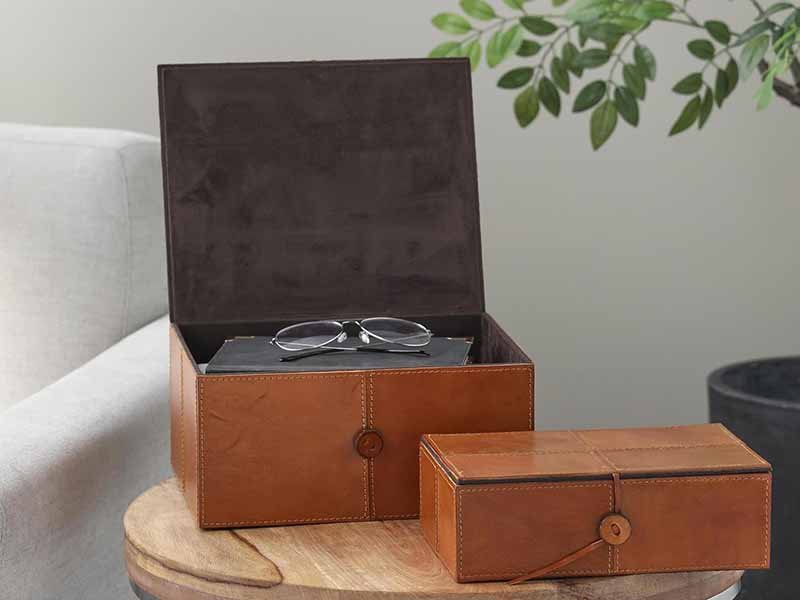
When deciding between PU leather and genuine leather for leather boxes, the material choice can make all the difference in terms of both aesthetics and functionality. Leather boxes are commonly used for storing various personal items, gifts, and accessories, and the choice of leather not only impacts their look but also their long-term durability and cost-effectiveness.
If you’re looking to make an informed decision, it’s essential to understand how each material performs in terms of appearance, cost, and durability.
PU leather offers an affordable and cruelty-free option for leather boxes, with a smooth, uniform appearance. Genuine leather, on the other hand, is a premium choice that becomes more valuable over time with a unique patina and exceptional durability, making it suitable for high-end, long-lasting items.
Let’s explore how these materials compare in detail to help you choose the right option for your leather boxes.
What Are PU Leather and Genuine Leather?
When deciding on the material for leather boxes, wallets, or accessories, the choice between PU leather and genuine leather is crucial. Both materials have their pros and cons, and understanding the differences can help you make the right decision based on your budget, aesthetic preferences, and durability needs.
What Is PU Leather Made Of?
PU leather, or polyurethane leather, is a synthetic material designed to mimic the appearance and feel of genuine leather. It’s created by applying a layer of polyurethane (a type of plastic) over a fabric base, such as polyester or cotton. The process involves bonding the synthetic material to the fabric, which is then given a leather-like texture and appearance.
Key Characteristics of PU Leather:
- Affordable: The manufacturing process of PU leather is less expensive than that of genuine leather, which makes it a popular choice for budget-conscious consumers.
- Cruelty-Free: PU leather is often considered a vegan alternative to genuine leather since it doesn’t involve animal products.
- Consistent Appearance: Because it’s synthetic, PU leather has a smooth, even texture and color. It does not have the natural variations that genuine leather does, making it ideal for products where consistency is key.
Cost: PU leather typically costs 20-60% less than genuine leather, making it a cost-effective option for mass production.
Pros of PU Leather:
- Lower Cost: Because it’s synthetic, PU leather is significantly cheaper than genuine leather.
- Vegan-Friendly: It appeals to consumers who prefer cruelty-free, animal-free products.
- Easy to Maintain: PU leather is water-resistant and easy to wipe clean, which makes it low-maintenance compared to genuine leather.
Cons of PU Leather:
- Less Durability: PU leather is less durable than genuine leather. Over time, it can peel, crack, or fade, especially when exposed to heat, moisture, or frequent use.
- Lacks Patina: PU leather does not develop a patina, a feature that makes genuine leather even more attractive as it ages.
- Artificial Feel: While it looks like leather, it does not have the same texture, softness, or natural feel as genuine leather.
What Is Genuine Leather Made Of?
Genuine leather is made from the hide of animals, most commonly cows. The leather is carefully treated and tanned using either natural (vegetable tanning) or synthetic (chrome tanning) methods. These processes preserve the leather and make it flexible and durable. Unlike PU leather, genuine leather retains the natural texture and grain of the animal hide, making each piece unique.
Key Characteristics of Genuine Leather:
- Natural Material: Genuine leather is sourced from animal hides, usually from cows, and undergoes an extensive tanning process to make it durable and flexible.
- Aesthetic Appeal: Genuine leather has a unique texture, grain, and natural imperfections. These natural marks and variations add to its charm and individuality.
- Longevity: Genuine leather is incredibly durable and can last for decades with proper care. Over time, it becomes more flexible and develops a rich patina that adds to its aesthetic value.
Cost: Genuine leather is more expensive than PU leather due to the sourcing of animal hides and the labor-intensive tanning process.
Pros of Genuine Leather:
- Durability: Genuine leather is highly durable and ages beautifully over time. The material becomes more supple, gaining a unique patina that deepens its color.
- Aesthetic Appeal: The natural markings, grain, and texture of genuine leather create a one-of-a-kind product. Over time, the leather develops a rich patina, enhancing its beauty.
- Luxurious Feel: Genuine leather has a natural softness and texture that is hard to replicate with synthetic materials.
Cons of Genuine Leather:
- Higher Cost: Genuine leather is more expensive due to the time-consuming tanning process and the higher cost of sourcing animal hides.
- Maintenance: Genuine leather requires regular care, including conditioning and protection from moisture and sunlight, to maintain its appearance and durability.
- Environmental Impact: The process of tanning leather, particularly with chrome tanning, can have environmental impacts due to the chemicals involved.
How Do PU Leather and Genuine Leather Compare?
The differences between PU leather and genuine leather extend beyond just the cost. Here’s a more detailed comparison of these two materials, focusing on factors such as appearance, performance, cost, and longevity.
| Factor | PU Leather | Genuine Leather |
|---|---|---|
| Material | Synthetic (Polyurethane) | Natural (Animal Hide, usually cow) |
| Cost | 20-60% cheaper than genuine leather | More expensive due to sourcing and tanning |
| Aesthetic Appeal | Uniform texture and color, no patina | Unique texture, natural variations, and patina development |
| Durability | Less durable, prone to cracking and fading | Extremely durable, becomes more supple over time |
| Maintenance | Low-maintenance, easy to clean | Requires regular care (conditioning, moisture protection) |
| Eco-Friendliness | Vegan, no animal products used | Environmental concerns due to tanning process |
| Patina | Does not develop patina | Develops a rich patina that improves with age |
Visual Differences:
- PU Leather: At first glance, PU leather may look very similar to genuine leather, especially when used in accessories like leather boxes. However, it lacks the depth, unique texture, and natural imperfections that come with genuine leather.
- Genuine Leather: Genuine leather, on the other hand, shows natural grain and imperfections, which make each item unique. Over time, the leather will soften, develop a richer color, and form a patina, which adds a personalized touch that PU leather cannot replicate.
How Does Each Material Perform in Leather Boxes?
When it comes to performance in leather boxes, the differences between PU leather and genuine leather become more apparent:
Durability:
- Genuine Leather: Known for its exceptional durability, genuine leather is ideal for leather boxes that need to withstand constant use. It resists wear and tear, and over time, its strength increases as the leather becomes more flexible and supple.
- PU Leather: While PU leather is relatively durable at first, it doesn’t have the same long-term strength as genuine leather. Over time, it is more prone to cracking, peeling, or fading, especially when exposed to sunlight, moisture, or heavy use.
Appearance and Texture:
- Genuine Leather: The natural texture of genuine leather provides a tactile experience that synthetic leather can’t match. Its grain is unique, and with age, it becomes softer and develops a rich patina. This aging process not only improves the leather’s appearance but also its overall performance.
- PU Leather: PU leather, while appearing smooth and uniform, lacks the depth and character of genuine leather. The synthetic material doesn’t age, and its texture remains the same throughout the lifespan of the product. It’s less resilient when exposed to the elements and tends to show signs of wear sooner.
Environmental Factors:
- Genuine Leather: The more environmentally friendly option, especially if vegetable-tanned, genuine leather is biodegradable and can be restored with proper care. It is resilient to UV exposure, and its aging process adds value to the leather.
- PU Leather: While PU leather is vegan, the production process involves chemicals and plastic materials, making it less eco-friendly in comparison to genuine leather. It doesn’t age, and its surface can degrade more quickly, which makes it less durable in the long run.
How Do PU Leather and Genuine Leather Compare in Cost?
When choosing between PU leather and genuine leather for leather boxes, wallets, or other products, cost is often a primary consideration. Understanding the price differences and what you get for each price point is crucial in determining which material offers the best value for your specific needs. Let’s break down the cost comparison between these two materials and what factors influence their prices.
How Much Does PU Leather Cost vs Genuine Leather?
One of the most significant differences between PU leather and genuine leather is the price. PU leather is much more affordable, while genuine leather is considered a premium material with a higher price tag. However, the cost difference is not just about the initial price but also about what you’re getting for the money.
| Material | Price Range (per item) | Production Time | Expected Lifespan |
|---|---|---|---|
| PU Leather | $15 – $80 | 1 – 2 weeks | 3 – 5 years |
| Genuine Leather | $50 – $300 | 3 – 4 weeks | 10+ years |
Why Is PU Leather More Affordable?
- Manufacturing Process: PU leather is made from synthetic materials, typically by coating a fabric like polyester or cotton with polyurethane. The process of creating PU leather is quick, efficient, and cost-effective. This leads to lower production costs, which makes the material more affordable for consumers.
- Material Sourcing: Since PU leather doesn’t require sourcing animal hides, it’s significantly cheaper to produce. The synthetic materials used in its creation are mass-produced, further reducing costs.
- Labor Intensity: The manufacturing process for PU leather requires less labor and time compared to the time-consuming tanning process involved in creating genuine leather.
Why Is Genuine Leather More Expensive?
- Raw Material Cost: The primary reason genuine leather is more expensive is due to the raw material. Leather is derived from animal hides, most commonly cows, and this material is significantly more costly to source than the synthetic materials used in PU leather.
- Tanning Process: The process of turning raw hides into leather involves tanning, which can take several weeks. Tanning methods such as vegetable tanning or chrome tanning require skilled labor and specialized equipment. This labor-intensive process adds to the overall cost of genuine leather products.
- Material Integrity: Genuine leather is known for its durability and aging properties. It can last for decades with proper care, making it a long-term investment. However, this longevity comes at a premium, which explains its higher price.
What Factors Influence the Price of PU Leather?
Several factors determine the price of PU leather items:
- Quality of Synthetic Materials: Not all PU leather is created equal. Some PU leather may use higher-quality polyurethane that looks and feels more like real leather, while others may use lower-quality materials that can feel stiff and synthetic. Higher-quality PU leather tends to cost more.
- Branding and Design: Well-known brands may charge more for PU leather products due to their design and brand recognition. While the material itself remains affordable, the cost of the product increases with brand reputation, intricate designs, or custom features.
- Production Volume: PU leather is often mass-produced, which reduces its cost. However, the scale of production and the complexity of the product can still impact the price. For example, PU leather keychains or boxes produced in smaller quantities or with detailed designs may cost more.
What Factors Influence the Price of Genuine Leather?
Several factors contribute to the cost of genuine leather products, including the quality of the leather, the tanning process, and the craftsmanship involved.
- Leather Quality: Higher-quality genuine leather, such as full-grain or top-grain leather, costs significantly more than lower-quality leather, such as bonded leather. Full-grain leather is the top layer of the hide and is the most durable, making it the premium choice for high-end products.
- Tanning Process: Leather can be tanned using different methods—vegetable tanning (more eco-friendly) or chrome tanning (faster and cheaper). Vegetable tanning is a more time-consuming process that results in better-quality leather and increases the final product’s cost.
- Craftsmanship: Products made from genuine leather require skilled artisans to cut, stitch, and finish the leather. Handcrafting and customizations, such as embossing, add to the price of the product.
- Sourcing: The cost of sourcing animal hides is another factor that drives up the price of genuine leather. As the demand for high-quality leather increases, the price of hides also rises.
What Does the Price Difference Mean for Consumers?
When considering PU leather vs genuine leather, it’s essential to think about the value you’re getting for your money.
- PU Leather: If you’re looking for affordable leather boxes or accessories that offer a leather-like appearance, PU leather is the right choice. It provides the look and feel of leather at a fraction of the cost. However, it may not offer the long-term durability of genuine leather.
- Genuine Leather: Genuine leather is a better investment if you’re seeking long-term durability, luxury, and a premium appearance. Leather boxes made from genuine leather will age beautifully, gaining character with each passing year. The initial cost is higher, but the longevity and aesthetics make it worthwhile in the long run.
Long-Term Investment vs Initial Cost
- PU Leather: While it’s perfect for customers on a budget or those seeking short-term solutions, it may not be suitable for products that need to endure years of use.
- Genuine Leather: Though the initial investment is higher, genuine leather will last longer and develop an attractive patina with age, which can increase its perceived value over time. It’s a long-term investment that can provide years of service and beauty.
| Material | Initial Cost | Longevity | Aesthetic Appeal | Maintenance Needs |
|---|---|---|---|---|
| PU Leather | Low ($20 – $80) | 3 – 5 years | Uniform, synthetic look | Low (easy to clean) |
| Genuine Leather | High ($50 – $300) | 10+ years | Rich, natural look with patina | Moderate (conditioning required) |
How Do They Compare in Appearance and Feel?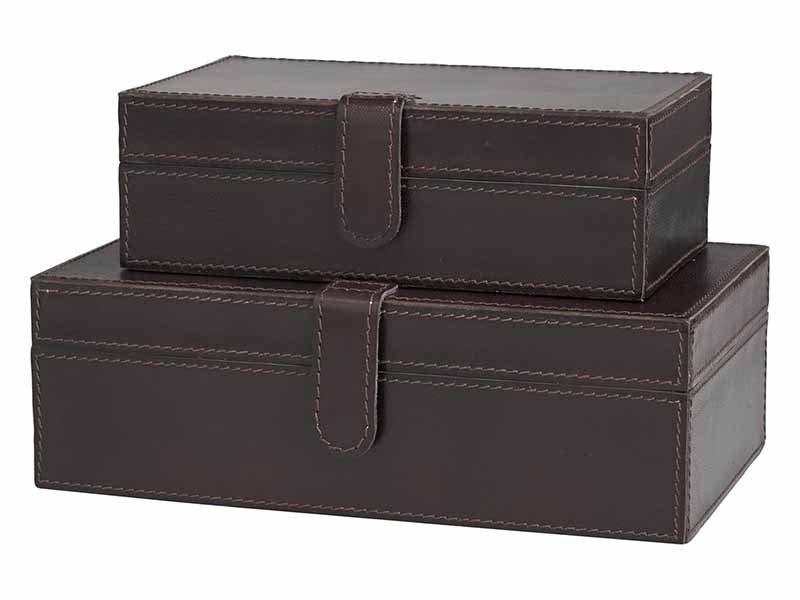
Appearance and texture are essential factors when selecting leather materials for leather boxes. The material you choose will directly influence how the finished product looks, feels, and ages.
Summary: PU leather offers a consistent, smooth surface that mimics genuine leather, but it lacks the depth and texture of real leather. Genuine leather has natural variations, including imperfections and markings, making each piece unique, and it ages beautifully, developing a distinct patina over time.
Do They Look Different to the Naked Eye?
At first glance, both PU leather and genuine leather may appear similar, but upon closer inspection, their differences become clear:
- PU Leather: The surface of PU leather is typically uniform, with a consistent texture and color. The material looks clean, smooth, and even, which can be ideal for mass-produced leather goods. However, this consistency makes it appear less natural and more artificial compared to genuine leather.
- Genuine Leather: Genuine leather is inherently unique. It’s not as smooth or uniform as PU leather, and you’ll notice subtle variations in texture, grain, and color. These natural imperfections give the leather character, and over time, it will develop a richer, deeper color as it ages.
Visual Appeal:
- PU Leather: While PU leather can look great out of the box, its uniformity means that it doesn’t offer the depth or personality of genuine leather. It can resemble leather, but it often lacks the warmth and richness that comes with real animal hide.
- Genuine Leather: The unique grain and texture of genuine leather give it a more luxurious and natural look. Over time, this material will develop a patina, which deepens its visual appeal and gives it a personal touch.
Does Texture and Color Aging Differ?
- PU Leather: One of the limitations of PU leather is that it doesn’t change with time. Its color remains the same unless exposed to harsh conditions, but it does not develop a patina. This lack of aging means it may not hold its visual appeal in the same way as genuine leather.
- Genuine Leather: As genuine leather ages, it becomes more supple, and its color deepens, thanks to the natural oils and the patina it acquires. This makes genuine leather far more desirable to many people, as it improves visually and feels better with time.
Aging and Wear:
- PU Leather: The surface of PU leather may start to peel, crack, or fade after prolonged use, especially when exposed to sunlight or harsh conditions. It doesn’t develop a natural, pleasing wear pattern, which means it may lose its initial luster quicker.
- Genuine Leather: As genuine leather wears, it becomes more flexible and softer, forming an attractive patina that enhances its value. This aging process is not only aesthetic but also contributes to the leather’s strength and durability.
Is There a Perceived Luxury Difference?
There’s no denying that genuine leather is often seen as the more luxurious option. It’s associated with high-end brands and premium products. Its natural qualities—such as its grain, texture, and the unique way it ages—are key factors in the perception of luxury.
- PU Leather: While it offers a leather-like appearance and feel, PU leather is generally perceived as more affordable and lacks the cachet that comes with real leather. It is, however, a great choice for consumers on a budget or those looking for an eco-friendly alternative.
- Genuine Leather: Genuine leather carries a level of prestige and craftsmanship that PU leather doesn’t. The natural imperfections, deep color, and tactile qualities of genuine leather evoke a sense of quality and craftsmanship, often associated with luxury goods.
Which Material Performs Better for Leather Boxes?
When selecting the material for leather boxes, several key factors should be considered: durability, resilience to wear, and how each material holds up to environmental factors such as moisture, sunlight, and frequent handling. Understanding how PU leather and genuine leather perform in these areas can help you make a more informed decision about which material is best suited for your needs.
How About Durability and Longevity?
Genuine Leather:
- Long-Term Durability: Genuine leather is known for its long-lasting strength. It can endure the rigors of daily use without losing its structure or appearance. The leather fibers in genuine leather are densely packed and treated through the tanning process, which makes the material resistant to tearing and abrasion.
- Aging Gracefully: One of the unique features of genuine leather is its ability to age beautifully. As it is used, it becomes softer, more flexible, and gains a deeper color. This natural aging process, called patina, not only adds character but also enhances the leather’s resistance to wear. Over decades, genuine leather products often gain more value due to their aged appearance and enhanced durability.
| Feature | Genuine Leather | PU Leather |
|---|---|---|
| Durability | High; lasts decades with care | Moderate; lasts for 3-5 years |
| Aging | Develops a rich patina with age | No aging process, maintains original appearance |
| Scratch Resistance | Resistant to scratches, marks fade naturally | More prone to visible scratches |
PU Leather:
- Shorter Lifespan: While PU leather is durable enough for products that don’t undergo heavy use, it doesn’t match the longevity of genuine leather. It tends to wear out quicker, especially if exposed to harsh conditions like extreme heat or moisture.
- Susceptible to Cracking: Over time, the synthetic surface of PU leather can start to crack and peel, especially when it is exposed to frequent bending or stretching. This can affect both the appearance and functionality of the leather box.
- Maintenance Needs: Unlike genuine leather, which becomes more supple over time, PU leather remains stiff unless treated with specific chemicals. Without care, it can lose its initial appearance relatively quickly.
Are There Differences in Scratch and Wear Resistance?
Genuine Leather:
- Scratch Resistance: One of the reasons why genuine leather is highly valued is its resilience to scratches. While it may show some signs of wear over time, small scratches or scuffs can blend into the natural aging process and often add to the overall character of the leather. Furthermore, genuine leather’s thicker fibers make it resistant to deeper scratches compared to PU leather.
- Wear Resistance: Genuine leather is also less prone to wear and tear compared to PU leather. As it ages, it becomes even more resistant to daily use, and its texture softens, offering more flexibility and comfort. This makes genuine leather ideal for leather boxes that are used frequently or stored in environments where they might be exposed to abrasion.
PU Leather:
- Scratch Vulnerability: PU leather, being a synthetic material, is more vulnerable to visible scratches. Once scratched, the damage is often permanent and may make the product look worn out much faster. Unlike genuine leather, these scratches won’t blend into the surface, and they may become more noticeable as time passes.
- Wear Resistance: Although PU leather is resistant to initial wear, it lacks the inherent strength and resilience of genuine leather. Over time, especially with regular exposure to friction or environmental stress, the surface may begin to deteriorate, leading to visible signs of wear such as peeling or fading.
How Do They Handle Moisture and Environmental Factors?
Genuine Leather:
- Moisture Resistance: While genuine leather is more resistant to moisture compared to PU leather, it is not entirely waterproof. However, it can tolerate light exposure to water without major damage. In cases of accidental spills, genuine leather can be dried and conditioned to restore its appearance.
- Handling Humidity and Heat: Genuine leather is also resistant to extreme temperatures and humidity, though prolonged exposure can still cause the leather to crack if not properly cared for. Regular conditioning helps maintain its flexibility and moisture balance.
- UV Exposure: Genuine leather does not suffer as much from UV exposure as PU leather. It may darken with time when exposed to sunlight, but this change is typically gradual and contributes to the rich patina that many people love.
PU Leather:
- Moisture Sensitivity: PU leather is more susceptible to water damage. If exposed to moisture for prolonged periods, PU leather can become stiff and lose its appearance. Water stains and marks are often permanent on PU leather.
- Handling Humidity and Heat: PU leather tends to suffer more in humid or hot conditions. The synthetic surface can break down when exposed to moisture or heat, leading to cracking and fading over time.
- UV Exposure: UV rays can cause PU leather to fade more quickly than genuine leather. Over time, exposure to sunlight can cause the synthetic material to lose its color and luster, making it appear worn out.
How to Choose Between PU Leather and Genuine Leather for Leather Boxes
Choosing between PU leather and genuine leather for your leather boxes depends on several factors such as budget, desired aesthetics, and performance needs. Let’s break down these considerations to help you make an informed decision.
What Are Your Budget Considerations?
- PU Leather: If cost is a primary concern, PU leather is the more budget-friendly option. It provides a leather-like appearance at a significantly lower cost, making it ideal for consumers looking for affordable products without compromising too much on style.
- Genuine Leather: If you’re willing to invest in a product that will last for years, genuine leather is worth the extra cost. The material’s durability, aging process, and luxurious feel make it a premium choice for those seeking long-term value.
Price Comparison:
- PU Leather: $20 – $80 per leather box
- Genuine Leather: $50 – $300 per leather box
Which Aesthetics Do Customers Prefer?
- PU Leather: If you’re looking for consistency in appearance with a smooth, uniform texture, PU leather will suit your needs. It is ideal for modern, minimalistic designs that require a consistent look across all products.
- Genuine Leather: For those who appreciate natural variation, the unique texture and grain of genuine leather are unmatched. Over time, the leather’s patina will evolve, creating a product with a personalized, timeless aesthetic that is difficult to replicate with synthetic materials.
Are There Specific Use Cases That Fit One Material Better?
- PU Leather: For leather boxes intended for casual use or short-term storage, PU leather is a great option. It works well for products that won’t face heavy wear and tear and where the primary goal is to keep costs low.
- Genuine Leather: If your leather box is intended to be a luxury item, or if it will be used frequently and expected to last for decades, genuine leather is the better choice. Its long-term durability and ability to age beautifully make it a valuable investment for high-end products.
Conclusion
Choosing between PU leather and genuine leather ultimately depends on what you value most in your leather box—whether it’s the cost, longevity, appearance, or environmental considerations. PU leather offers an affordable, vegan alternative with a consistent appearance, making it suitable for budget-conscious customers. On the other hand, genuine leather is a premium choice for those seeking durability, luxury, and a product that develops a unique patina over time.
At Szoneier Leather, we specialize in high-quality custom leather boxes made from both PU leather and genuine leather. Whether you’re looking for an eco-friendly, budget-conscious option or a luxurious, long-lasting product, our team is here to provide you with the perfect solution tailored to your needs.
Contact Szoneier Leather for Custom Orders
Interested in designing your custom leather box? Reach out to Szoneier Leather today for personalized products that meet your style, functionality, and budget needs. Let’s create something extraordinary together.