
Nappa Leather vs Lambskin: What’s the Difference and Which Is Better for You?
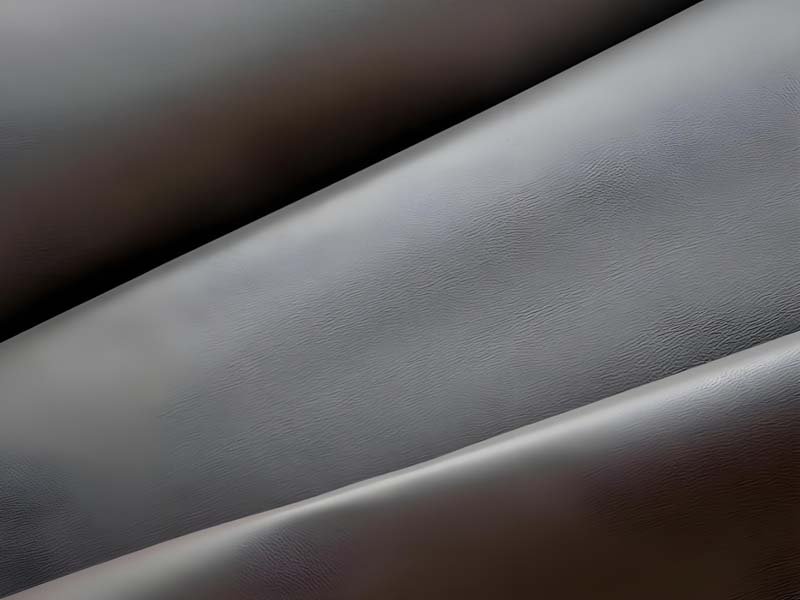
Leather lovers often debate: which is softer, which lasts longer, and which one is worth paying extra for? In luxury handbags, wallets, jackets, or straps, “nappa” is praised for its buttery feel, and “lambskin” is adored for its delicate touch. But behind the marketing labels lies a deeper story about hide source, tanning methods, finishing, and trade-offs. For manufacturers and brand owners like Szoneier Leather, understanding those trade-offs is critical: the right choice can make or break product reputation, durability, and price positioning.
Nappa leather refers to a finishing style (often full-grain, dyed through, soft and supple), while lambskin refers specifically to leather sourced from young sheep. Nappa can be made from lamb or other small animals; its softness brings elegance but also vulnerability to scratching and requires careful maintenance.
In the early 1900s, a leather innovator named Emanuel Manasse pioneered using young hides and special tanning to create what became known as “Napa” leather. It offered an unprecedented softness, and the name stuck. Over decades, brands leveraged that softness for premium lines. But with every plus comes a minus: some consumers have found that nappa can show wear sooner, or that not every “nappa” on the market is equal.
In this article, we dig deep into what nappa really is, how it compares to lambskin, its strengths and weaknesses, how long it can last in real life, and how a brand like you can source and control quality. Let’s begin.
What Exactly Is Nappa Leather?
Nappa leather is a premium, full-grain or top-grain leather known for its buttery softness, fine grain, and natural sheen. Unlike typical leathers that undergo heavy surface correction, Nappa retains its original texture through a specialized chrome tanning process. It can be made from lamb, calf, or goat hides, and is often used in luxury bags, automotive interiors, and high-end fashion goods.
The Origin of Nappa Leather
The name “Nappa” traces back to Napa Valley, California, where in 1875, German tanner Emanuel Manasse introduced a revolutionary method to soften hides using alum and salt mixtures. His process produced leathers that felt almost glove-like compared to the stiff, waxed hides common at the time. Over a century later, the term “Nappa” has become an industry synonym for refined softness, though its definition has evolved with modern chemistry.
Today, Nappa leather is widely recognized in automotive interiors, designer handbags, and footwear—especially where customers demand a balance of tactile luxury and durability.
How Nappa Leather Is Made
Every genuine Nappa begins with careful hide selection. Tanneries typically choose younger animals—lamb, kid goat, or calf—because their collagen fibers are denser, tighter, and more uniform. The production process follows several delicate steps:
| Stage | Process | Purpose |
|---|---|---|
| 1. Hide selection | Fine, blemish-free hides from young animals | To achieve uniform texture and minimal scarring |
| 2. Liming and dehairing | Gentle enzymatic or alkaline solution | Removes hair while preserving natural fiber structure |
| 3. Chrome tanning | Chromium (III) salts penetrate the hide | Stabilizes protein fibers for softness and elasticity |
| 4. Retanning & dyeing | Aniline or semi-aniline dyes used | Ensures color depth and maintains breathable surface |
| 5. Fatliquoring | Oils and emulsifiers added | Enhances handfeel and prevents stiffness |
| 6. Finishing | Light coating or sealing (optional) | Protects surface without obscuring natural grain |
The result is a leather that combines soft handfeel, breathability, and color richness—hallmarks of high-quality Nappa.
Key Characteristics of Nappa Leather
- Softness: The defining trait. When you press your finger into true Nappa, it yields smoothly without stiffness or waxy resistance.
- Fine grain: You can still see subtle pores and natural patterns, unlike corrected or embossed leathers that look artificially uniform.
- Color depth: Because dyes penetrate fully, colors appear more “alive,” with light refracting differently than on heavily coated leather.
- Elasticity: Nappa stretches slightly but returns to form, giving bags or gloves a comfortable fit.
- Breathability: With minimal sealing, air passes through easily—making it comfortable for skin contact products.
Many luxury car makers—Mercedes-Benz, BMW, Audi—use “nappa interiors” for this exact sensory appeal, blending tactile comfort with visual refinement.
Common Misconceptions About Nappa Leather
- “All Nappa is lambskin.” False. While lamb is popular, Nappa can come from any small animal hide that meets softness and grain criteria—calfskin, goatskin, even kid leather. The word refers to the finish, not the species.
- “Nappa is stronger than normal leather.” Partly true. Chrome tanning improves flexibility and resistance to cracking, but because the hides are thinner and less coated, they are also more vulnerable to abrasion and stains if untreated.
- “All Nappa is aniline leather.” Not exactly. True Nappa may be aniline (transparent dyes, no coating) or semi-aniline (light protective topcoat). Fully pigmented versions exist but sacrifice some softness for protection.
What Makes Nappa Leather Unique in Manufacturing
From a production standpoint, Nappa is a balancing act. The goal is to maintain natural grain and handfeel without compromising yield or cleanability. For factories like Szoneier Leather, this requires:
- High raw material control: sourcing hides from certified tanneries (REACH, OEKO-TEX compliant) ensures even grain and safety.
- Low-pressure finishing: maintaining fiber openness to keep the leather “breathing.”
- Consistent dyeing: full-penetration color prevents fade lines after cutting or stitching.
- Surface calibration: lightly buffing only where necessary to remove minor blemishes—without killing the natural look.
These techniques result in leather that feels luxurious, holds shape well, and aligns with the expectations of mid-to-high-end brands seeking tactile authenticity.
What Are the Cons of Nappa Leather?
Even excellence comes with trade-offs. Nappa’s softness and natural finish make it less forgiving in demanding environments. It can scratch easily, absorb oils or moisture, and fade under direct UV light. Moreover, its cost per square foot is typically 15–25% higher than comparable pigmented top-grain leathers because of stricter hide selection and lower yield.
For manufacturers, this means thoughtful product design is crucial—adding lining reinforcement, edge painting, or hybrid layering with firmer hides in stress zones.
| Weakness | Typical Solution |
|---|---|
| Scratching & abrasion | Apply micro-thin polyurethane layer (semi-aniline) |
| Moisture absorption | Surface waterproofing or wax conditioning |
| Color fading | Use UV-resistant dyes or dark finishes |
| Cost per yield | Optimize pattern layout to reduce waste |
What Is Lambskin Leather and Why Is It So Popular?
Lambskin leather is a premium, ultra-soft leather made from the hides of young sheep. It’s prized for its fine grain, light weight, and silky texture, making it ideal for high-end fashion goods like jackets, handbags, gloves, and luxury linings. Its unmatched softness comes from the natural fiber density of lamb hides—but this delicacy also means it requires more careful use and maintenance.
Understanding the Beauty and Challenges of Lambskin
If Nappa leather is known for its buttery elegance, lambskin is the definition of pure softness. The moment you touch real lambskin, you can feel the difference—it’s warm, smooth, and pliable, with a “second skin” sensation that other leathers can’t replicate. This tactile quality is the reason luxury designers—from Chanel and Prada to Tom Ford and Hermès—often choose lambskin for their most refined collections.
But to truly understand its value (and limitations), we must look at where it comes from, how it’s processed, and what makes it perform differently from other leathers.
Origin: Where Lambskin Comes From
Lambskin leather is derived from young sheep (under one year old), whose hides are naturally thin, lightweight, and fine-grained. The youth of the animal is the key:
- The fiber bundles in the dermis are shorter and finer.
- The fat layer beneath the skin is minimal, allowing a cleaner split.
- The grain pores are small and uniform, creating an exceptionally smooth surface.
These characteristics produce a soft, flexible hide with a natural elasticity that molds comfortably around the body or product structure.
The trade-off, however, is yield and fragility. Each lamb hide is smaller (typically 4–6 square feet), so large goods require multiple panels carefully matched by color and grain direction—one reason why lambskin products are labor-intensive and expensive.
2. How Lambskin Is Processed
Processing lambskin demands precision and restraint. Because the hide is delicate, tanneries use gentler methods than those applied to cowhide or goatskin.
| Stage | Process Detail | Purpose |
|---|---|---|
| 1. Selection | Choose young, defect-free hides with minimal scars or holes | Maintain even grain and color uniformity |
| 2. Liming and Fleshing | Gentle enzymatic dehairing and fleshing to avoid over-thinning | Preserve natural strength and softness |
| 3. Chrome Tanning | Light chrome or hybrid tanning for stability and color absorption | Prevent shrinkage while retaining drape |
| 4. Dyeing (Aniline/Semi-Aniline) | Transparent dyes to show natural grain | Produce rich, deep colors without heavy coating |
| 5. Fatliquoring and Finishing | Add oils, waxes, and conditioners | Enhance softness, shine, and flexibility |
Unlike heavy-grain cowhide, lambskin is almost never embossed—its visual appeal depends on its natural, unaltered grain.
Key Characteristics of Lambskin Leather
| Property | Description | Practical Impact |
|---|---|---|
| Softness & Handfeel | Silky, “second-skin” texture | Ideal for apparel, gloves, luxury bags |
| Weight | 30–50% lighter than cowhide | Enhances comfort and drape |
| Grain Texture | Tight, small, refined pores | Visually smooth, high-end appearance |
| Thermal Comfort | Naturally insulating but breathable | Feels warm in cold, cool in heat |
| Elasticity | Moderate stretch, conforms to shape | Perfect for body-contact applications |
| Durability | Lower than thicker leathers | Needs reinforcement and gentle handling |
This unique combination explains why lambskin feels so “alive” — it moves with the wearer or the object, rather than sitting stiffly on it.
Why Luxury Brands Love Lambskin
Lambskin has become a hallmark of status and craftsmanship. Fashion houses choose it not only for feel but also for what it symbolizes: refinement, lightness, and precision.
In high fashion: Chanel’s classic quilted flap bags use lambskin for its pillowy softness, achieving the “cushion” effect that cowhide can’t replicate. In outerwear: Italian brands like Loro Piana and Brunello Cucinelli employ lambskin for lightweight jackets that fit like tailored suits. In accessories: Gloves, watch straps, and small clutches often feature lambskin to convey intimacy and tactile luxury.
The emotional connection is key—consumers instantly associate lambskin with indulgence and comfort, making it an effective differentiator in a competitive luxury market.
The Limitations of Lambskin
No material is perfect, and lambskin’s natural charm comes with trade-offs.
Fragility and Wear: Its thinness means it can scuff, stretch, or tear under pressure. Corners and folds on handbags are particularly vulnerable, so reinforcement layers or mixed-material designs (e.g., lambskin outer, calfskin base) are common.
Maintenance Sensitivity: Because of its open grain and minimal surface coating, lambskin absorbs oils and stains easily. Even fingerprints can darken light colors. Regular conditioning and dry cloth cleaning are essential.
Color Fading: Semi-aniline dyes allow light to reflect beautifully—but also make lambskin more prone to UV fading, especially with pastel or metallic tones.
Price and Waste: Yield efficiency is low—due to small hide size and high defect rejection rate. Production waste can exceed 20% compared to larger hides like cow or buffalo.
| Weakness | Solution / Factory Practice |
|---|---|
| Edge cracking | Reinforce with calf backing or PU sealant |
| Scuff marks | Apply micro wax topcoat during finishing |
| Color fading | Use UV-resistant dyes or darker hues |
| Stretch deformation | Stitch with polyester core thread + interlining |
| High waste ratio | Optimize CAD cutting layout; multi-panel design |
At Szoneier Leather, we address these challenges by engineering hybrid structures—for example, combining lambskin with inner nappa lining or microfiber reinforcement to maintain elegance without sacrificing durability.
Lambskin vs Other Fine Leathers
It’s worth noting that lambskin’s tactile superiority doesn’t necessarily mean it’s the most versatile leather.
- Compared to Nappa, lambskin is softer but weaker.
- Compared to Calfskin, it’s lighter but less structured.
- Compared to Goatskin, it’s smoother but less abrasion-resistant.
These contrasts guide how a brand should select materials. For example, a luxury handbag brand may use lambskin for outer panels, calf for structure, and nappa for linings—balancing sensory and functional performance.
How Do Nappa Leather and Lambskin Differ in Look, Feel, and Strength?
Nappa leather and lambskin differ mainly in grain texture, fiber density, and durability. Nappa—whether from calf, lamb, or goat—undergoes chrome tanning for a smooth, resilient finish with more structure and thickness. Lambskin, sourced only from young sheep, is lighter, silkier, and more delicate. Nappa resists abrasion and deformation better, while lambskin delivers unmatched softness and surface refinement.
1. Visual and Tactile Differences
| Property | Nappa Leather | Lambskin Leather |
|---|---|---|
| Grain Pattern | Slightly more pronounced; natural pores visible | Extremely fine and uniform; almost pore-less |
| Surface Sheen | Semi-matte to low gloss (depending on finish) | Satin-like, luminous soft glow |
| Color Depth | Deep, rich hues due to full-grain dye penetration | Vibrant but more translucent; reacts strongly to light |
| Touch / Handfeel | Buttery, plush, lightly padded | Silky, airy, skin-like smoothness |
| Thickness Range | 0.9–1.4 mm typical | 0.4–0.8 mm typical |
| Elastic Recovery | Moderate to high | High at first touch but may stretch permanently |
| Weight per m² | 600–800 g | 350–550 g |
In appearance: Nappa often looks slightly more structured and consistent, especially in semi-aniline finishes. The grain pores are still visible, giving it a natural yet clean character. Lambskin, on the other hand, feels more ethereal—its surface is so fine that it reflects light softly, giving luxury products that signature “creamy glow.” Under touch, the skin yields instantly, almost like a warm second skin.
2. Structural and Mechanical Strength
The secret behind these tactile differences lies in fiber density and dermal thickness.
- Nappa leather fibers are compacted through chrome tanning and natural compression during finishing. These fibers run slightly more parallel, allowing greater tear resistance and dimensional stability.
- Lambskin fibers, while beautifully fine, are less entangled and more open. This creates the smooth surface but reduces resistance to tearing or stretching.
| Test Metric (Typical Values) | Nappa | Lambskin |
|---|---|---|
| Tensile Strength (MPa) | 18–25 | 8–12 |
| Elongation at Break (%) | 40–60 | 70–100 |
| Abrasion Resistance (Martindale Cycles) | 12,000–20,000 | 4,000–8,000 |
| Thickness Uniformity (mm) | 0.9 ± 0.05 | 0.6 ± 0.03 |
| Surface Hardness (Shore A) | 75–85 | 55–65 |
These figures show why Nappa lasts longer under friction or bending, while lambskin excels in flexibility and tactile luxury. For structured handbags, seat covers, or belts, Nappa is the pragmatic choice. For gloves, jackets, or soft clutches, lambskin wins hearts—if handled with care.
3. How They Age Over Time
Nappa leather Over years, Nappa develops a gentle patina—a mellow sheen formed as natural oils and light oxidation enrich the surface. Its color depth often increases, making aged Nappa items look even more elegant. Because of its slightly thicker grain, it resists creasing better and maintains volume along edges and panels.
Lambskin leather Lambskin doesn’t “patina” as visibly. Instead, it shows subtle softening and fading with use. The fibers relax further, giving garments or bags a relaxed drape. However, without protective treatment, light colors may yellow or lose uniformity. Proper conditioning slows this process, keeping it supple and radiant.
4. Sensory Experience: Feel and Temperature
When handled, lambskin feels instantly warm and smooth—its low surface roughness minimizes friction, giving that “luxury skin” sensation that consumers instinctively recognize. Nappa, though soft, offers more substance—its thickness gives a cushioned resistance when pressed between fingers.
Temperature response differs too: lambskin adapts quickly to skin warmth, while Nappa retains a cooler, denser touch initially. This is why glove makers or high-end apparel designers often prefer lambskin for comfort, while bag makers prefer Nappa for structure.
5. Durability and Everyday Use
From a practical standpoint, Nappa tolerates daily stress better.
- Its chrome-tanned structure resists humidity fluctuations.
- Minor scratches can be buffed out or conditioned away.
- Edges can be painted or sealed for long-term protection.
Lambskin, however, demands gentler treatment:
- Frequent contact with hard surfaces can lead to scuffing or color rub-off.
- Heavy stretching or bending can cause thinning over time.
- Without inner reinforcement (lining or backing), corners and folds wear fastest.
That’s why professional manufacturers like Szoneier Leather often laminate lambskin with thin microfiber or nappa backing to enhance structural integrity while retaining the original handfeel.
6. Choosing Based on Feel vs Function
The decision between Nappa and lambskin depends on which matters more: sensory appeal or durability.
- Choose lambskin when your product’s essence is touch, lightness, and sensual comfort.
- Choose Nappa when your product must hold shape, resist wear, and age gracefully.
In practice, many premium brands blend both—using lambskin for panels that need softness and Nappa for areas needing strength. For example, a designer handbag may feature lambskin quilting with Nappa-reinforced handles and edges, achieving the best of both worlds.
Which Is More Durable and Easier to Maintain?
Nappa leather is more durable and easier to maintain than lambskin. Its slightly thicker structure, denser fiber network, and light surface coating offer better resistance to scratches, stretching, and daily wear. Lambskin, while luxuriously soft, is thinner and more porous, making it vulnerable to abrasion, stains, and color fading. Proper conditioning and reinforcement can extend the lifespan of both.
Why Nappa Is Structurally Stronger
The secret to Nappa’s endurance lies in its fiber density and tanning chemistry.
- Nappa leather typically measures 0.9–1.4 mm thick, compared to lambskin’s 0.4–0.8 mm.
- Its collagen fibers are more tightly intertwined, giving higher tensile strength and tear resistance.
- The chrome-tanning process produces a flexible yet stabilized protein matrix that resists shrinking and cracking.
| Property | Nappa Leather | Lambskin Leather |
|---|---|---|
| Thickness | 0.9–1.4 mm | 0.4–0.8 mm |
| Tensile Strength (MPa) | 18–25 | 8–12 |
| Abrasion Resistance (Martindale Cycles) | 12,000–20,000 | 4,000–8,000 |
| Tear Strength (N/mm) | 40–60 | 20–30 |
| Water Absorption (2h exposure) | 8–10% | 15–25% |
These metrics show that Nappa retains form and finish better in stress zones like straps, corners, or seat panels. In daily products—wallets, belts, or structured bags—Nappa maintains its shape for years without softening excessively. Lambskin, by contrast, excels in flexibility but not in long-term endurance; its thin fibers fatigue faster under compression or stretching.
Everyday Resistance: Scratches, Moisture, and UV
Scratch and Abrasion Resistance
Nappa’s light semi-aniline or pigment topcoat acts as a shield against surface friction. Minor scuffs can often be buffed out with conditioner or a soft cloth. Lambskin, with its naked aniline finish, shows every mark. Even fingernails or jewelry can leave faint scratches. Once scuffed, its surface grain cannot be re-polished easily because it lacks the fiber thickness for re-buffing.
Water and Oil Resistance
Nappa absorbs less moisture and repels oils more effectively due to its finer fatliquoring and protective finish. In contrast, lambskin’s open grain means oils from hands or lotions can darken the leather over time.
- For Nappa: light rain or spill droplets can be wiped clean before absorption.
- For Lambskin: water spots may leave permanent marks unless treated with repellents.
UV and Color Fastness
Lambskin, especially in pastel shades, is vulnerable to sunlight. Continuous exposure fades pigment and weakens fiber strength. High-quality Nappa is dyed through and often top-coated with UV stabilizers, maintaining richer colors even after years of use. Automotive-grade Nappa, for example, is tested under xenon arc lamps (ISO 105-B02) for 72–120 hours to simulate prolonged sunlight exposure.
Maintenance Routine: How to Keep Each Looking Its Best
Caring for Nappa and lambskin differs primarily in frequency and product choice.
| Step | Nappa Leather | Lambskin Leather |
|---|---|---|
| Cleaning Frequency | Every 2–3 months | Every 1–2 months |
| Cleaner Type | Mild, pH-neutral leather cleaner | Specialized aniline cleaner (no alcohol) |
| Conditioning | Lanolin or beeswax-based conditioner | Natural cream conditioner (non-greasy) |
| Protection Spray | Light hydrophobic protectant | Essential; silicone-free water repellent |
| Storage | Stuffed, covered, room-temp | Stuffed, wrapped in breathable cloth |
| Handling | Minimal direct contact with oily hands | Always use clean, dry hands or gloves |
Nappa leather maintenance tips:
- Wipe with a soft dry microfiber cloth weekly to remove dust.
- Apply conditioner lightly—too much oil can clog pores and darken color.
- Keep away from direct sunlight or heaters to prevent drying.
- If exposed to water, blot (never rub) with absorbent paper and allow natural drying.
Lambskin care tips:
- Avoid contact with liquids, perfumes, and lotions.
- Condition more frequently because lambskin loses moisture faster.
- Store items in cotton dust bags with tissue filling to retain shape.
- For long-term use, apply protective nano-coating (available in professional workshops).
Environmental Stability: Heat, Humidity, and Aging
Nappa leather withstands temperature variations better. It tolerates mild humidity and sunlight without cracking or discoloring. Its elasticity remains stable even after thousands of flex cycles. In accelerated aging tests (e.g., 20,000 flexes at 25°C and 60% RH), Nappa retains over 90% tensile strength.
Lambskin, being thinner and less cross-linked, shows early signs of fatigue in such tests—especially in areas under repeated bending, like bag flaps or jacket elbows. Prolonged heat exposure can dry its natural oils, leading to slight stiffness or micro-cracking.
Long-Term Cost Efficiency
While Nappa may cost slightly more per square foot at the start, its maintenance and lifespan ROI is superior. The reduced repair frequency and higher wear tolerance mean fewer replacements over a product’s lifetime.
| Usage Type | Nappa Avg. Lifespan | Lambskin Avg. Lifespan | Maintenance Cost (per year) |
|---|---|---|---|
| Daily Handbag | 7–10 years | 3–5 years | Low (US$5–10) |
| Wallet | 8–12 years | 4–6 years | Very Low |
| Jacket | 8–10 years | 4–6 years | Moderate |
| Gloves | 5–8 years | 2–4 years | Moderate |
For fashion brands and OEM buyers, this longevity often offsets the marginal material cost increase—especially for premium collections where durability supports brand reputation.
Factory Insight: Reinforcement and Hybrid Construction
Top-tier factories like Szoneier Leather overcome lambskin’s fragility through hybrid reinforcement techniques:
- Lamination: bonding lambskin with 0.2–0.3 mm microfiber or split leather for added thickness.
- Edge Coating: applying flexible polyurethane edge paint to prevent peeling.
- Backing Fabric: fusing light non-woven or fabric layers for handbags and wallets.
- Precision Stitching: using fine-gauge needles and polyester core thread to avoid tearing.
These subtle manufacturing interventions dramatically increase lambskin’s real-world durability while maintaining its luxurious handfeel.
For Nappa, we often add topcoat calibration during finishing to control gloss and resistance, especially for high-handling products like travel accessories or automotive seats. This ensures every square foot meets abrasion and colorfastness standards.
Which Is Easier to Maintain for Everyday Users?
In practical terms:
- Nappa: forgiving, resilient, and suitable for daily lifestyle products. A quick wipe and occasional conditioning are enough.
- Lambskin: rewarding but demanding—it thrives in controlled conditions, not high-friction environments. Perfect for statement pieces, light handbags, or apparel.
Consumers who prioritize ease of care and lifespan will find Nappa a more reliable choice. Designers aiming for emotional luxury—softness, fluidity, and prestige—will still gravitate toward lambskin.
Which Leather Is Best for Your Product Type?
Choose lambskin for lightweight, ultra-soft luxury pieces such as gloves, jackets, and small handbags, where tactile comfort and elegance matter most. Choose Nappa leather for structured goods—wallets, belts, straps, and daily-use bags—where durability, shape retention, and cost efficiency are critical. Many premium brands use both: lambskin for panels that touch the user, and Nappa for stress areas and reinforcements.
1. For Handbags and Small Leather Goods (SLG)
Luxury handbags are the battlefield of these two materials. Both are used widely, but in very different design philosophies.
| Design Focus | Recommended Leather | Why |
|---|---|---|
| Soft, quilted, tactile bags (Chanel-style) | Lambskin | Its fine grain and silky drape create that “pillow” feel luxury consumers love. |
| Structured tote or satchel | Nappa | Thicker, holds edges and base panels without deforming. |
| Everyday crossbody or backpack | Nappa | Resists abrasion and friction from clothing or straps. |
| Evening clutch / small pouch | Lambskin | Feels delicate and luxurious, suited for occasional use. |
Insight from production: Lambskin requires more careful cutting and lining—edges must be skived (thinned) evenly to avoid puckering. Nappa, by contrast, tolerates high-frequency edge painting and machine stitching.
At Szoneier Leather, our handbag workshops often combine both:
- Outer panel: lambskin for softness and shine.
- Base / straps / gusset: Nappa or cowhide for firmness. This “hybrid structure” extends product life while preserving the luxury handfeel consumers expect.
2. For Wallets, Cardholders, and Key Cases
Small leather goods (SLGs) are handled hundreds of times daily—opened, folded, pressed, and stored. This demands dimensional stability more than delicate feel.
- Nappa excels here because its fibers compress and recover repeatedly without cracking. It can be split thinner (to 0.8 mm) while retaining strength.
- Lambskin, although soft, can stretch or wrinkle over time, especially along folds.
3. For Belts, Watch Straps, and Handles
These components undergo the highest tension and friction in leather goods manufacturing.
- Lambskin: rarely used here due to low tensile strength and surface fragility.
- Nappa: ideal, especially top-grain or semi-aniline variants that balance pliability and endurance.
Our test data from Szoneier’s internal QC lab show:
Nappa leather handles can sustain up to 18 kg pull force for 60 seconds without fiber delamination, while lambskin begins to elongate at around 7–9 kg.
For premium watch straps, Nappa also allows finer edge finishing and color consistency, while lambskin may stretch unevenly during gluing or stitching.
Tip: Always choose Nappa with a matte or semi-aniline finish for straps—it hides micro-scratches and resists sweat staining better than high-gloss surfaces.
4. For Apparel and Gloves
This is the domain where lambskin truly shines. Its naturally thin structure (0.5–0.7 mm) and low stiffness make it behave almost like a textile. When used in jackets or gloves, it molds perfectly to the body, offering that second-skin flexibility consumers describe as “liquid comfort.”
| Apparel Type | Recommended Leather | Key Reason |
|---|---|---|
| Light fashion jacket | Lambskin | Exceptional softness, conforms to movement. |
| Riding or moto jacket | Nappa (calf or goat source) | Higher tear and abrasion resistance. |
| Dress gloves | Lambskin | Silky and breathable against skin. |
| Work or driving gloves | Nappa | Withstands handling stress and sweat better. |
However, lambskin garments must be lined to prevent overstretching and discoloration from perspiration. Many luxury brands reinforce critical areas like elbows, cuffs, and seams with thin Nappa or goat panels for added strength—a technique also used by Szoneier’s apparel division to achieve longer wearable life.
5. For Luxury Accessories and Packaging
High-end packaging—watch boxes, jewelry trays, perfume cases—often demands a visual luxury touch rather than structural strength. Here, lambskin and Nappa both work beautifully depending on the design:
- Lambskin: provides the “velvet touch” and seamless appearance for delicate interior linings.
- Nappa: chosen for outer casings and lids where firmness and scratch resistance are essential.
Szoneier offers both bonded-foam lamination and edge-wrapped Nappa for these applications, ensuring clean folds and no visible grain distortion on corners.
How Do You Choose Between Nappa and Lambskin When Sourcing or Manufacturing?
To choose between Nappa and lambskin, evaluate your product’s purpose, durability needs, texture goals, and market positioning. For high-touch luxury items, select lambskin; for structured, high-traffic goods, choose Nappa. Always confirm hide source, thickness, dyeing type, and finish through certified tanneries (REACH, OEKO-TEX, ISO). Request lab tests for tensile, colorfastness, and abrasion before bulk production, and communicate finishing and reinforcement details clearly with your manufacturer.
1. Start with the End Use: Define the Product’s Function and Stress Points
Every product has different mechanical demands. A handbag’s corner experiences more abrasion than its flap. A belt or strap endures constant tension. Gloves and jackets require stretchability and temperature comfort.
| Product Category | Functional Demand | Best Leather | Why |
|---|---|---|---|
| Structured Bags, Belts, Luggage | High tension, edge wear | Nappa | Better tear and abrasion resistance |
| Soft Fashion Handbags, Small Clutches | Moderate wear, tactile focus | Lambskin | Feather-light and sensually soft |
| Jackets, Gloves | Flexibility, comfort | Lambskin | Adapts perfectly to movement |
| Wallets, Watch Straps | Frequent handling, shape retention | Nappa | Holds folds and edges firmly |
| Automotive Interiors | UV, friction, heat | Nappa | Colorfast and stable structure |
At Szoneier, our technicians assess these parameters during sample consultation, adjusting hide thickness or finish based on the specific function. For example:
- 1.2 mm semi-aniline Nappa for daily-use satchels.
- 0.6 mm lambskin for delicate couture handbags.
- Dual-layer lamination for travel-grade goods.
2. Specify the Hide Type and Grade Clearly
Both “Nappa” and “lambskin” are broad terms; grade variation between suppliers can be dramatic.
For Nappa:
- Hides may come from lamb, goat, or calf — each with different fiber density.
- Calf Nappa gives stronger structure and smoother grain.
- Lamb Nappa offers slightly more drape but less firmness.
- Goat Nappa provides natural grain texture and toughness.
For Lambskin:
- Quality depends heavily on age of animal and grazing conditions.
- Cold-climate lambskins (e.g., New Zealand, Northern Europe) tend to have finer grain.
- Mediterranean or Asian hides may have slightly looser fiber bundles, requiring careful finishing.
Szoneier’s sourcing team grades all incoming hides under three criteria:
- Surface Defects: scars, holes, insect bites, growth marks.
- Grain Uniformity: evenness under light reflection.
- Fiber Compactness: cross-section density after splitting test.
Each batch receives a QC grade (A–C) with digital traceability back to tannery lot numbers. This transparency ensures your finished goods stay consistent across seasons and repeat orders.
3. Understand the Finishing Process (Aniline, Semi-Aniline, Pigmented)
Your leather’s long-term appearance depends on finishing.
| Finish Type | Description | Common Use | Durability Level |
|---|---|---|---|
| Aniline | Transparent dye; no surface coating | Lambskin couture items | ⭐ Softest, but least protected |
| Semi-Aniline | Thin protective topcoat | Nappa handbags, wallets | ⭐⭐ Balanced protection |
| Pigmented | Opaque color coat + seal | Belts, straps, furniture | ⭐⭐⭐ Highest durability |
- Choose aniline for luxury softness — but pair it with careful packaging and controlled usage.
- Choose semi-aniline when you need softness and stain resistance.
- Choose pigmented Nappa when your product faces friction, sweat, or sun exposure.
Szoneier’s finishing lab can calibrate these finishes precisely. Using adjustable spray guns and embossing rollers, we customize gloss levels (5–40 GU), handfeel (matte, silky, waxy), and surface protection according to each client’s requirements.
4. Require Laboratory Testing Before Mass Production
To avoid surprises during shipping or usage, pre-production testing is crucial. At Szoneier Leather, each production lot undergoes tests according to international standards:
| Test Type | Standard Reference | Target Performance (Typical) |
|---|---|---|
| Tensile Strength | ISO 3376 | ≥18 MPa for Nappa; ≥10 MPa for Lambskin |
| Colorfastness (Dry/Wet Rub) | ISO 11640 | ≥4/4 (grey scale) |
| Light Fastness | ISO 105-B02 | ≥4 (Xenon arc 72 hrs) |
| Flex Resistance | ISO 5402-1 | ≥20,000 cycles (no cracks) |
| Water Absorption | ISO 2417 | <10% for Nappa |
| Adhesion of Finish | ISO 11644 | ≥2.5 N/cm |
For export markets (EU/US), our clients also request REACH SVHC and OEKO-TEX® Standard 100 certifications to guarantee chemical safety and consumer compliance. Szoneier can supply certified test reports with each bulk shipment, giving you a complete compliance portfolio for customs clearance or brand audits.
5. Communicate Finishing and Reinforcement Requirements Clearly
Miscommunication during production often causes variation in texture or durability. To ensure your leather performs as expected, communicate key parameters early:
- Target Thickness (mm): affects softness and strength.
- Grain Direction: especially critical for large panels or folding parts.
- Desired Finish Type: aniline, semi-aniline, or pigment.
- Gloss Level: specify GU (gloss units) if brand uniformity is required.
- Edge Treatment: whether to apply edge paint or folded finish.
- Backing Material: microfiber, PU film, or fabric lining for reinforcement.
Don’t Ignore Sustainability and Certification
Modern buyers care not only about touch but also about traceability and environmental compliance. Both Nappa and lambskin can be responsibly sourced if the tannery follows regulated processes.
Look for:
- LWG (Leather Working Group) certification — ensures environmental responsibility and water treatment.
- REACH compliance — limits hazardous substances (chromium VI, azo dyes, formaldehyde).
- OEKO-TEX® Standard 100 — ensures consumer product safety.
- ISO 14001 — environmental management system certification.
- ISO 9001 — quality management system certification.
Final Thoughts
In choosing between nappa leather and lambskin, there is no one-size-fits-all: each offers a blend of aesthetic allure and functional trade-offs. Lambskin gives unmatched softness but demands careful design and limited use zones; nappa provides a more balanced path for many premium leather goods, offering feel and relative durability.
If you’re a brand owner or designer seeking a factory partner who truly understands both materials—from hide grading to finishing, prototyping, and quality control—Szoneier Leather is uniquely positioned to collaborate with you. We can help you:
- Select optimal hide source and grade
- Tailor finishing, dyeing, and coating strategies
- Prototype and stress-test under your end-use conditions
- Ensure consistency, compliance, and traceability
- Scale with your custom specs and packaging needs
Ready to discuss your next project? Contact us at Szoneier Leather with your product concept (e.g. handbag, wallet, jacket) and let us co-engineer the right material solution—whether nappa, lambskin, or hybrid—for performance, beauty, and longevity.
What Can I Do For You?
Here, developing your OEM/ODM private label leather goods collection is no longer a challenge,it’s an excellent opportunity to bring your creative vision to life.
Make A Sample First?
If you have your own tech packs, logo design artwork, or just an idea,please provide details about your project requirements, including preferred fabric, color, and customization options,we’re excited to assist you in bringing your leather goods designs to life through our sample production process.