 Skip to content
Leather Tanning Methods Explained: A Complete Guide
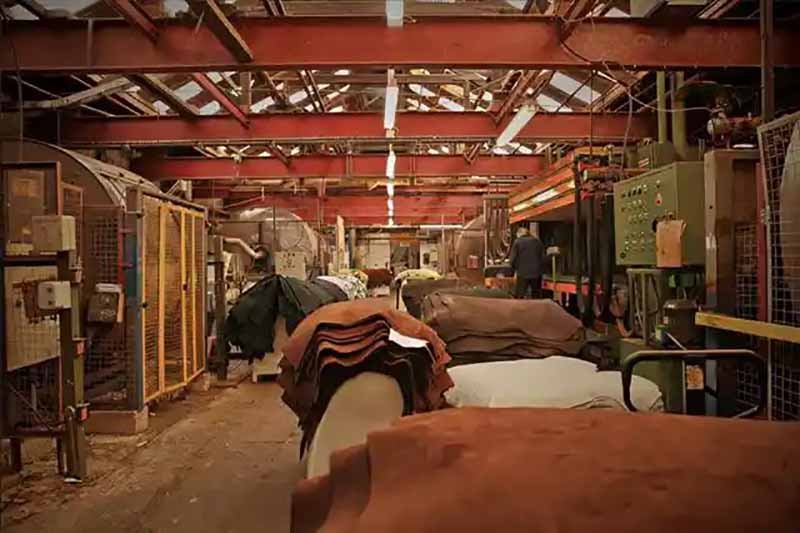
Leather is more than just a material — it’s a story of transformation, chemistry, and craftsmanship. Behind every premium bag, belt, or wallet lies one crucial process that determines its strength, softness, and longevity: tanning. Yet few outside the trade truly understand what separates a stiff vegetable-tanned hide from a supple chrome-tanned one, or why sustainable tanneries are changing global sourcing standards.
Leather tanning is the chemical process that converts raw hides into durable, flexible, and rot-resistant leather. The main methods include vegetable tanning, chrome tanning, aldehyde tanning, and hybrid or eco-friendly systems. Each affects the leather’s texture, color, cost, and sustainability differently — making the right choice essential for manufacturers and brands.
Imagine holding a vegetable-tanned leather wallet that ages beautifully with time, compared to a chrome-tanned bag that stays soft and flexible for years. Both are leather, yet their stories — and chemistry — differ completely. Let’s dive deeper into how tanning works, what methods exist, and which one best fits your next project with Szoneier Leather.
What Is Leather Tanning and How Does It Change the Hide?
Leather tanning is the process of converting raw animal hides into stable, non-decaying, and flexible leather by bonding collagen fibers with natural or synthetic agents. This chemical transformation prevents decomposition, enhances durability, and gives leather its signature strength, softness, and longevity.
Understanding the Transformation from Hide to Leather
Leather tanning is far more than a manufacturing step — it’s the chemical heart of the leather industry. The process takes a perishable organic material (animal hide) and turns it into one of the world’s most durable and luxurious natural materials. Without tanning, a hide would decompose in a matter of days; with proper tanning, it can last for decades, maintaining flexibility, color, and texture.
From Rawhide to Leather
Raw hides contain collagen, a fibrous structural protein that naturally holds moisture and fat. When untreated, bacteria attack this protein, leading to decay. The goal of tanning is to stabilize collagen fibers so they can no longer absorb water and rot.
This stabilization occurs through cross-linking, where tannins or metal salts chemically bond with the amino groups of collagen. These bonds create a new molecular structure that:
- Prevents bacterial growth
- Improves mechanical strength and elasticity
- Allows the leather to be molded, dyed, and finished
A Historical Perspective: How Tanning Evolved
The roots of tanning stretch back more than 5,000 years. Early civilizations used plant bark, smoke, and animal fats to preserve hides. Ancient Egyptians used tannin-rich acacia bark; Romans perfected vegetable tanning in pits; and Native Americans developed brain and smoke tanning techniques.
Modern tanneries have replaced these manual methods with precise chemistry, automated drums, and computer-controlled pH systems — but the principle remains identical: transform raw hide into usable leather through chemical bonding and stabilization.
The Core Stages of Leather Tanning
While the entire leather-making process includes multiple preparatory and finishing stages, tanning is the central step that locks in quality. It can be broken down as follows:
| Stage | Process Description | Purpose |
|---|---|---|
| 1. Preparation (Soaking & Liming) | The hides are soaked to remove dirt and blood, then treated with lime to loosen hair and open the fiber network. | Makes collagen accessible for tanning agents. |
| 2. Deliming & Pickling | Acids and salts lower the pH, preparing the hide for tanning chemicals. | Stabilizes fiber structure and controls swelling. |
| 3. Tanning Proper | Application of vegetable tannins, chromium salts, or synthetic agents to crosslink collagen fibers. | Converts hide into leather, creating durability. |
| 4. Neutralizing & Fatliquoring | Balances residual acidity and introduces oils for softness and flexibility. | Defines the leather’s hand-feel. |
| 5. Drying & Finishing | Mechanical stretching, dyeing, and surface finishing enhance appearance and function. | Produces the final commercial-grade leather. |
Each of these steps can dramatically influence the texture, strength, and appearance of the final product — which is why professional control and material expertise are crucial for consistent results.
How Tanning Alters the Physical and Chemical Nature of the Hide
The transformation that takes place during tanning can be described across three dimensions:
- Structural Transformation – The collagen matrix becomes denser and more ordered, increasing tensile strength and elasticity.
- Chemical Transformation – New chemical bonds form between collagen and tanning agents, replacing the hide’s natural water bonds.
- Functional Transformation – The material becomes resistant to heat, water, and microbial degradation while retaining flexibility.
Tests like shrinkage temperature (Ts) — the temperature at which leather begins to shrink — are often used to measure tanning quality. Untanned hide shrinks at about 65°C, while properly tanned leather withstands up to 110°C or more, proving the process’s effectiveness.
Tanning as the Identity Shaper of Leather
Different tanning methods — vegetable, chrome, or synthetic — influence not only chemical stability but also the “character” of the leather:
- Vegetable-tanned leathers develop a rich patina and firm hand-feel, ideal for belts, straps, and structured goods.
- Chrome-tanned leathers are softer, more flexible, and color-stable, perfect for bags, wallets, and upholstery.
- Combination tanning blends both to achieve balance — durability with softness, structure with beauty.
Thus, tanning defines how a leather product looks, feels, and ages. A vegetable-tanned wallet will grow darker and smoother with time, while a chrome-tanned bag will remain supple and vibrant for years.
Which Tanning Methods Exist Today?
Modern leather tanning methods include vegetable, chrome, aldehyde, synthetic, oil, and combination tanning, each with unique chemistry, feel, and environmental impact. Vegetable tanning uses plant extracts for firmness and patina; chrome tanning delivers softness and color control; chrome-free and synthetic systems meet modern eco-compliance; and combination tanning merges benefits for balanced performance.
1. Vegetable Tanning
Vegetable tanning is the oldest and most natural form of tanning. It relies on polyphenolic tannins found in tree bark, leaves, or fruits—oak, chestnut, mimosa, quebracho, or tara.
How it works: hides are submerged for several weeks in tannin-rich solutions. The tannins bind with collagen fibers, stabilizing them while leaving a slightly rigid texture.
Key Characteristics:
- Warm, earthy aroma and natural brown tones
- Firm hand-feel with minimal stretch
- Excellent aging behavior — develops a deep patina
- Fully biodegradable and metal-free
Ideal Applications:
- Belts, structured handbags, watch straps, and leather boxes
- Goods requiring engraving or edge-painting
Performance Snapshot:
| Feature | Vegetable-Tanned Leather |
|---|---|
| Flexibility | Moderate |
| Patina Development | Excellent |
| Color Range | Natural earthy hues |
| Eco-Profile | 100% biodegradable |
| Processing Time | 30–60 days |
Example: Luxury belt makers often prefer vegetable tanning for its body and ability to age beautifully with wear, giving each piece a one-of-a-kind character.
2. Chrome Tanning
Chrome tanning dominates modern leather manufacturing, accounting for around 80% of the world’s leather. It uses chromium(III) sulfate salts, which rapidly penetrate the hide and crosslink fibers within 24–48 hours.
Why it’s popular: it produces soft, supple, color-fast leather that resists water and heat—perfect for mass production.
Key Characteristics:
- Short processing cycle
- Consistent color uniformity and softness
- Suitable for thin, flexible leather goods
- Requires controlled waste management
Ideal Applications:
- Bags, wallets, garments, footwear, upholstery
| Feature | Chrome-Tanned Leather |
|---|---|
| Flexibility | Excellent |
| Water Resistance | High |
| Color Versatility | Very wide |
| Eco-Profile | Moderate (requires wastewater control) |
| Processing Time | 1–2 days |
Industrial Insight: When handled responsibly, modern chrome tanning is safe. Most certified tanneries now use closed-loop water systems and precipitation filters that remove over 95% of residual chromium before discharge.
3. Chrome-Free Alternatives — Aldehyde, Zirconium, and Titanium Tanning
As sustainability regulations tighten, the industry is shifting toward chrome-free systems. These include aldehyde, zirconium, and titanium tanning, offering a balance between performance and eco-compliance.
Aldehyde Tanning:
- Utilizes glutaraldehyde or oxazolidine compounds (formaldehyde-free)
- Produces very soft, white, washable leather
- Common in automotive interiors, baby shoes, and medical leathers
Zirconium & Titanium Tanning:
- Metallic yet non-toxic alternatives
- Provide high heat resistance (shrinkage temp >110°C)
- Suitable for luxury goods and eco-certified lines
| Tanning Type | Distinctive Advantage | Common Use |
|---|---|---|
| Aldehyde | Soft, washable, chemical-free | Infant & medical goods |
| Zirconium | High hydrothermal stability | Footwear uppers |
| Titanium | Eco-friendly, bright color tones | Premium accessories |
Example: Many European luxury brands now specify titanium tanning for premium handbags and straps to meet REACH and Prop 65 chemical restrictions.
4. Synthetic (Syntan) Tanning
Synthetic tanning, or “syntan”, employs artificial resins, phenols, and acrylates to create controlled effects on the hide. Often used in retanning stages after chrome, it adjusts color uniformity, softness, and brightness.
Key Characteristics:
- Excellent control over whiteness and pastel tones
- Improves dye penetration and lightfastness
- Reduces environmental chromium load when combined with chrome-free processes
Ideal Applications:
- Light-colored handbags, wallets, and automotive interiors
| Performance Attribute | Synthetic-Tanned Leather |
|---|---|
| Color Uniformity | Outstanding |
| Environmental Impact | Low (non-metal) |
| Elasticity | Adjustable |
| Water Absorption | Controlled |
5. Oil, Brain, and Alum Tanning
These traditional techniques, though niche, still find use in artisanal and heritage applications.
Oil Tanning:
- Uses emulsified fish or animal oils
- Produces extremely soft, suede-like leathers (e.g., chamois)
Brain Tanning:
- Utilizes animal brain oils and smoke curing
- Valued for breathability and natural texture in handcrafted goods
Alum Tanning:
- Employs aluminum salts and egg yolk
- Creates light, pale leather often used in bookbinding or restoration
Modern Perspective: While not suited for industrial scale, these methods remain cherished by bespoke workshops and luxury restorers aiming for an authentic, hand-crafted finish.
6. Combination Tanning
Combination tanning blends two or more systems—most commonly vegetable + chrome or chrome + synthetic—to merge mechanical strength with softness and dye versatility.
Why it matters: it offers design flexibility and sustainability improvements, bridging performance and tradition.
| Type | Core Advantage | Typical End-Use |
|---|---|---|
| Veg-Chrome | Firmness + Softness | Belts, structured bags |
| Chrome-Syntan | Color brilliance + Durability | Wallets, footwear |
| Chrome-Free Hybrid | Eco-safety + Heat resistance | Automotive interiors |
Example: Szoneier Leather’s dual-stage tanning process uses a vegetable base for structure and synthetic retan for color consistency, creating balanced hides ideal for premium bags and straps.
How to Make a Homemade Tanning Solution
For educational purposes, you can mimic basic vegetable tanning using tannin-rich materials like oak bark or black tea.
Procedure:
- Boil 2–3 kg of crushed bark in 10 L of water for an hour.
- Strain and cool the liquid; add 1–2 tbsp of salt to prevent mold.
- Submerge a small, clean hide for several days, stirring daily.
- Add vinegar to slightly acidify (pH ≈ 4) to improve penetration.
- Rinse, stretch, and dry slowly in shade.
Comparing Modern Leather Tanning Methods
| Tanning Type | Processing Time | Flexibility | Color Range | Eco-Impact | Ideal Products |
|---|---|---|---|---|---|
| Vegetable | 30–60 days | Medium | Natural browns | Excellent | Belts, straps, boxes |
| Chrome | 1–2 days | High | Very wide | Moderate | Bags, wallets, garments |
| Chrome-Free (Ti/Zr/Ald.) | 3–5 days | High | Moderate | High | Footwear, luxury goods |
| Synthetic | 2–4 days | Adjustable | Bright tones | Low | Light-colored goods |
| Combination | 2–4 days | Excellent | Wide | High | Premium accessories |
How Do Key Methods Compare on Performance and Cost?
Chrome tanning is fastest and cheapest; vegetable tanning is eco-friendly and premium; synthetic and hybrid systems balance cost, color, and compliance.
| Criteria | Vegetable | Chrome | Chrome-Free (Aldehyde, Ti, Zr) | Combination |
|---|---|---|---|---|
| Time Required | 30–60 days | 1–2 days | 3–5 days | 2–4 days |
| Softness/Flexibility | Medium | Excellent | Good | Excellent |
| Color Variety | Natural tones | Wide range | Moderate | Wide range |
| Durability | Excellent | Good | Excellent | Excellent |
| Eco-Friendliness | High | Moderate–Low | High | High |
| Typical Use | Belts, straps, boxes | Bags, wallets, upholstery | Footwear, luxury goods | Multi-purpose |
| Approx. Cost Index | $$$ | $$ | $$$ | $$–$$$ |
Manufacturers often choose chrome-tanned leather for cost efficiency and uniformity, while premium brands prefer vegetable-tanned options for authenticity and patina.
Which Tanning Fits Bags, Wallets, Belts, Straps, and Boxes?
Different leather tanning methods suit different product types. Chrome tanning provides softness and color versatility for bags and wallets, vegetable tanning delivers rigidity and longevity for belts and straps, while combination tanning balances structure and flexibility for boxes and premium accessories. Choosing the right tanning defines both product performance and brand identity.
1. Bags
Bags are exposed to continuous bending, weight stress, and frequent handling, making softness, suppleness, and color stability top priorities.
Best Fit: → Chrome-Tanned or Combination-Tanned Leather
Why: Chrome tanning produces a smooth, buttery surface with excellent drape and flexibility. The fiber structure is fine and uniform, preventing cracking even under repetitive folding. Combination tanning (chrome + synthetic) adds color vibrancy and stain resistance, suitable for modern fashion demands.
Characteristics Required for Bag Leather:
| Property | Ideal Value/Behavior | Why It Matters |
|---|---|---|
| Flexibility | High (bends 10,000+ cycles without cracking) | Ensures durability during daily use |
| Colorfastness | ≥ Grade 4 (ISO 105-B02) | Prevents fading from UV exposure |
| Tear Strength | > 25 N/mm | Withstands handle stitching and strap stress |
| Water Absorption | < 10% | Maintains surface integrity under light rain |
Example: Luxury handbag brands often choose semi-aniline chrome-tanned leather because it maintains softness while allowing subtle natural grain visibility—ideal for both aesthetic appeal and comfort.
2. Wallets
Wallets require fine-grain leather that folds without bulking or cracking. The tanning must support precision cutting, edge painting, and color uniformity.
Best Fit: → Chrome-Tanned with Retanning or Synthetic Finishing
Why: Chrome tanning produces thin, pliable hides (0.8–1.2 mm) ideal for fine stitching. Adding a synthetic or vegetable retan gives more body while preserving flexibility.
Recommended Leather Types for Wallets:
- Chrome Retanned with Vegetable Extracts: Enhances density for crisp edge finishing.
- Chrome-Syntan Combination: Ensures perfect dye uptake and reduced thickness variation.
Performance Snapshot:
| Feature | Preferred Range |
|---|---|
| Thickness | 0.8–1.2 mm |
| Elongation | 40–60% |
| Water Resistance | Moderate |
| Softness Index | High |
Example: Szoneier’s custom wallet leathers undergo fatliquoring with lanolin oils for a smooth, soft hand-feel, making them suitable for minimalist designs that require clean folds.
3. Belts
Belts are subjected to frequent tension and mechanical stress. They require dense, strong, and thick leather that holds shape, resists stretching, and ages gracefully.
Best Fit: → Vegetable-Tanned Leather
Why: Vegetable tanning creates firm, fibrous leather with a natural stiffness and the ability to develop a beautiful patina over time. Its high fiber density allows for precise edge burnishing and laser embossing, both common in luxury belt production.
Technical Characteristics of Ideal Belt Leather:
| Property | Target Value | Performance Benefit |
|---|---|---|
| Thickness | 3.0–4.0 mm | Supports hardware and holes |
| Tensile Strength | ≥ 25 MPa | Prevents elongation |
| Flexural Stiffness | High | Retains belt shape |
| Surface Hardness | Moderate | Enables durable polishing |
Example: For classic brown or tan belts, pit-vegetable-tanned leather (oak or chestnut tannins) provides rigidity and deep dye penetration, enhancing both longevity and luxury appeal.
4. Straps
Straps, whether for watches, bags, or guitar accessories, require a balance between flexibility and tensile strength. Excess stiffness causes discomfort, while excessive softness leads to deformation.
Best Fit: → Vegetable-Chrome Combination or Chrome-Free Titanium Tanning
Why: Combination tanning ensures the core firmness of vegetable leather with the outer smoothness of chrome leather. Titanium or aldehyde-based chrome-free leathers are ideal for skin-contact applications, as they are hypoallergenic and heat-resistant.
Performance Criteria:
| Feature | Optimal Specification |
|---|---|
| Thickness | 1.5–2.5 mm |
| Tensile Strength | > 20 MPa |
| Flexibility Cycles | > 15,000 (no cracking) |
| Sweat Resistance | Excellent |
Example: Szoneier’s watch strap leathers are crafted using titanium-tanned hides, providing comfort for prolonged skin contact and zero risk of chromium irritation — a growing demand among European luxury brands.
5. Leather Boxes and Cases
Rigid leather boxes (for jewelry, watches, eyewear, or instruments) require firm structure, precise molding capability, and scratch resistance. The leather must also bond securely with cardboard or wooden cores.
Best Fit: → Combination-Tanned or Semi-Vegetable-Tanned Leather
Why: Pure vegetable-tanned leather can be too rigid and less adhesive; combination tanning offers the right balance of firmness, formability, and finish uniformity. Chrome-free hybrids (Ti or Zr-based) are also preferred for luxury packaging to ensure chemical safety and color consistency.
Performance Parameters:
| Characteristic | Ideal Property |
|---|---|
| Moldability | High under 60–70°C heating |
| Surface Grain Uniformity | Fine and consistent |
| Adhesion to Base | Excellent |
| Scratch Resistance | Grade 4 or above |
Example: High-end jewelry box makers choose semi-vegetable-tanned leather for its ability to hold embossed logos and sharp edges while providing a premium matte finish.
Visual Comparison: Ideal Tanning per Product Category
| Product | Recommended Tanning | Softness | Rigidity | Eco Rating | Key Advantages |
|---|---|---|---|---|---|
| Bags | Chrome / Combination | ★★★★★ | ★★☆☆☆ | ★★★☆☆ | Smooth, flexible, color-rich |
| Wallets | Chrome / Retan | ★★★★★ | ★★☆☆☆ | ★★★☆☆ | Thin, foldable, high dye control |
| Belts | Vegetable | ★★☆☆☆ | ★★★★★ | ★★★★★ | Rigid, durable, beautiful patina |
| Straps | Veg-Chrome / Ti | ★★★★☆ | ★★★★☆ | ★★★★★ | Strength + skin comfort |
| Boxes | Semi-Veg / Combination | ★★★☆☆ | ★★★★★ | ★★★★☆ | Formability, edge sharpness |
The Szoneier Leather Advantage
Szoneier Leather doesn’t just buy tanned hides—we co-develop custom formulations with partner tanneries. Each product category has its own tanning profile:
- Bags & Wallets: Soft chrome-tanned leathers with synthetic retanning for color richness.
- Belts & Straps: Full-grain vegetable-tanned leather with oil or wax finishing for strength and heritage look.
- Boxes & Premium Accessories: Semi-veg combination leather for precision formability and long-lasting shape.
Every batch undergoes tensile, elongation, and adhesion testing, ensuring the leather’s physical properties align with the end-use function. The result: consistent quality across all product lines, tailored to the needs of brands and custom buyers worldwide.
Conclusion
Leather tanning is both a science and an art — one that transforms raw hides into materials of timeless value. The choice between vegetable, chrome, or hybrid tanning isn’t merely about process; it defines the texture, color depth, longevity, and sustainability of every leather product your brand creates.
Today’s global buyers demand not just beautiful leather but traceable, compliant, and performance-driven materials that meet the expectations of modern luxury consumers. From the firm body of vegetable-tanned belts to the supple grain of chrome-tanned handbags, each tanning method shapes a distinct sensory experience — and the expertise behind that choice determines your final product’s success in the market.
Szoneier Leather offers full customization from tanning selection to finishing texture, turning your creative vision into tangible, market-ready products.
We don’t sell generic leather; we build tailored material solutions — crafted for your brand’s identity, your customer’s expectations, and your market’s standards.
What Can I Do For You?
Here, developing your OEM/ODM private label leather goods collection is no longer a challenge,it’s an excellent opportunity to bring your creative vision to life.
Make A Sample First?
If you have your own tech packs, logo design artwork, or just an idea,please provide details about your project requirements, including preferred fabric, color, and customization options,we’re excited to assist you in bringing your leather goods designs to life through our sample production process.