 Skip to content
Is Vegan Leather Sustainable: Facts, Materials & Reality
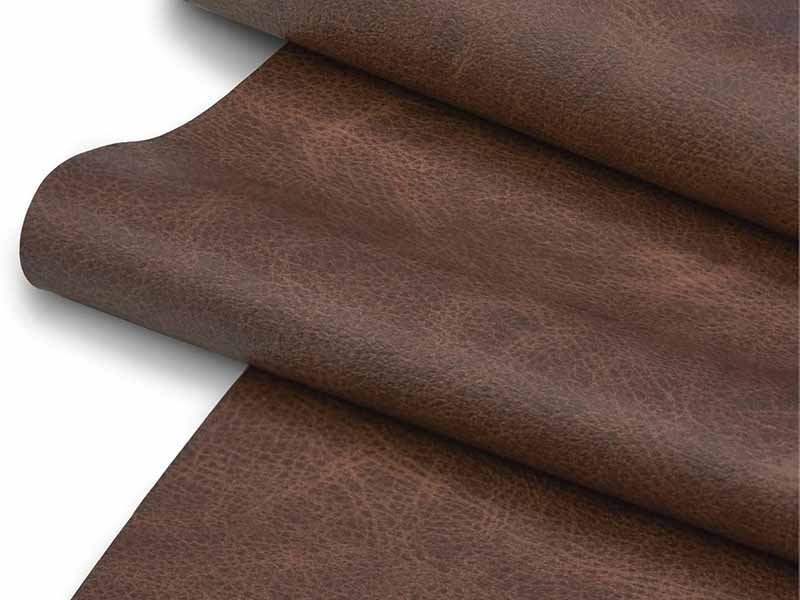
In recent years, vegan leather has become one of the most frequently used—and most misunderstood—terms in the leather goods industry. For many consumers and even brands, the word “vegan” is automatically associated with sustainability, environmental responsibility, and ethical production. As a result, vegan leather is often positioned as a greener alternative to real leather without deeper scrutiny of its materials, lifespan, or environmental trade-offs.
However, sustainability is not defined by labels alone. It is shaped by what a material is made of, how long it lasts, how it performs in real products, and what happens when it reaches the end of its life. In practical manufacturing terms, a material that avoids animal input but relies heavily on fossil-based plastics—and fails quickly in use—may not be more sustainable than a well-made leather product that lasts for decades. Vegan leather is not automatically sustainable. Its environmental impact depends on material composition, durability, and product lifespan. Most vegan leathers are made from synthetic plastics such as PU or PVC, which are not biodegradable and often have shorter lifespans than real leather. While some plant-based alternatives show promise, sustainability must be evaluated by performance, longevity, and total environmental footprint—not by the “vegan” label alone.
From a manufacturing perspective, this distinction matters. Brands sourcing bags, wallets, belts, and accessories must balance ethics, durability, returns, customer expectations, and long-term brand reputation. In the sections below, we break down vegan leather with a clear, material-driven lens—so you can judge sustainability based on facts, not marketing.
What Is Vegan Leather
Vegan leather is a broad category of leather-like materials made without animal hides. It includes synthetic materials such as PU and PVC, as well as newer plant-based or bio-based composites. Vegan leather is defined by the absence of animal input, not by sustainability, durability, or material origin, which can vary widely depending on how it is made.
What Does “Vegan Leather” Actually Mean?
At its core, vegan leather means “non-animal leather.” That is the only universal rule.
It does not automatically mean:
- Eco-friendly
- Biodegradable
- Plastic-free
- Plant-based
- Sustainable
In manufacturing and sourcing, “vegan leather” functions more like an umbrella term, covering many different materials with very different environmental and performance characteristics.
This is why two products both labeled “vegan leather” can behave completely differently in real use.
Is Vegan Leather the Same as Faux Leather or PU Leather?
In most commercial products, yes—functionally they overlap.
Common overlaps:
- Vegan leather = PU leather (most common)
- Vegan leather = synthetic leather
- Vegan leather = faux leather
PU (polyurethane) leather dominates the vegan leather market because it:
- Is cost-effective
- Has consistent appearance
- Is easy to scale for mass production
- Mimics the look of real leather reasonably well
However, calling PU leather “vegan leather” is more about branding and positioning than material innovation.
Is Vegan Leather Always Plant-Based?
No. This is one of the biggest misconceptions.
In reality:
- Most vegan leather is petroleum-based
- Only a small percentage uses meaningful plant content
- Even “plant-based” vegan leather usually contains plastic binders or coatings
Plant fibers alone rarely meet the durability, flexibility, and water-resistance requirements needed for bags, wallets, belts, or straps. As a result, manufacturers add synthetic layers to make the material usable.
Why Is Vegan Leather So Widely Used?
From a manufacturing and brand perspective, vegan leather offers several practical advantages:
- Stable and uniform material supply
- Predictable color and texture
- Easier cutting and sewing than natural hides
- Lower material cost than premium leather
- Avoids animal-derived inputs (important for some markets)
These factors make vegan leather attractive for:
- Fashion-driven collections
- Entry- to mid-price products
- Trend-based designs
- Brands targeting vegan or animal-free positioning
However, these benefits do not automatically translate into sustainability.
How Is Vegan Leather Structured?
Most vegan leather has a layered structure, typically including:
- Fabric backing
- Polyester, microfiber, or woven textile
- Adhesive or bonding layer
- Surface layer
- PU or PVC coating
- Optional top finish
- Color, texture, protective coating
This structure explains why:
- Surface cracking or peeling ends the product’s life
- Repair is usually impossible
- Failure often occurs at folds and stress points
Understanding this structure is critical when evaluating lifespan and sustainability.
How Does Vegan Leather Feel and Perform Compared to Real Leather?
In practice:
- Vegan leather has consistent appearance
- Real leather has natural variation
- Vegan leather does not develop patina
- Real leather improves visually with age
- Vegan leather tends to fail suddenly (peeling/cracking)
- Real leather degrades gradually and can be repaired
These performance differences strongly influence product longevity and customer satisfaction.
What Products Commonly Use Vegan Leather?
Vegan leather is widely used in:
- Fashion bags and small accessories
- Wallets and card holders
- Belts and straps (light duty)
- Decorative leather boxes
- Seasonal or trend-based collections
It is less suitable for:
- Load-bearing bags
- Daily heavy-use products
- Long-life premium goods
- Items exposed to frequent moisture or friction
Product type matters greatly when evaluating whether vegan leather is an appropriate material choice.
Why Definition Matters for Sustainability Discussions
Many sustainability debates fail because they start with labels instead of material facts.
To evaluate vegan leather responsibly, buyers must ask:
- What is it actually made of?
- How long will it realistically last?
- How often will it be replaced?
- What happens when it fails?
Without a clear definition, sustainability claims remain superficial.
What Is Vegan Leather Made Of
Vegan leather is primarily made from synthetic polymers such as polyurethane (PU) or polyvinyl chloride (PVC), often applied as a coating on a fabric backing like polyester or microfiber. Some newer vegan leathers incorporate plant-based fibers such as pineapple, apple, cactus, or cork, but most still rely on plastic binders or surface coatings to achieve durability, flexibility, and water resistance.
Plastic-Based Vegan Leather (PU and PVC)
The most common vegan leather in the global market is plastic-based.
PU (Polyurethane) Leather
PU leather typically consists of:
- A textile backing (polyester or microfiber)
- One or more polyurethane coating layers
- A surface finish for texture and color
Why PU is widely used:
- Flexible and soft to the touch
- Easier to cut and sew than PVC
- Lower toxicity than PVC
- Consistent appearance across batches
- Scales well for mass production
From a performance standpoint, PU leather offers acceptable durability for fashion bags, wallets, and accessories. From an environmental standpoint, it is still fossil-fuel-based and non-biodegradable.
PVC (Polyvinyl Chloride) Leather
PVC leather is an older form of synthetic leather and is less common today in mid- to high-end products.
PVC leather includes:
- Fabric backing
- PVC coating
- Plasticizers for flexibility
Compared to PU:
- More rigid and less breathable
- Uses chlorine in production
- Requires more chemical additives
- Generally lower environmental profile
PVC is now mostly limited to very low-cost products or applications where stiffness is acceptable.
Plant-Based Vegan Leather (Hybrid Composites)
Plant-based vegan leather aims to reduce plastic content by incorporating renewable fibers. However, almost all commercial plant-based vegan leathers are composites, not pure plant materials.
Common Plant Sources Used
- Pineapple leaf fiber (Piñatex) Uses agricultural waste from pineapple farming
- Apple pomace leather Made from apple juice industry byproducts
- Cactus leather Derived from cactus fibers, often marketed as low-water
- Cork leather Thin cork layers laminated onto fabric
These fibers are processed into sheets or nonwoven mats and then combined with PU binders or coatings to achieve mechanical strength.
Are Plant-Based Vegan Leathers Actually Plastic-Free?
In most real-world products, no.
Reasons plastic is still needed:
- Plant fibers alone tear easily
- Water resistance is poor without coating
- Shape stability is insufficient for bags and belts
- Durability requirements cannot be met
As a result:
- Plant-based fibers typically form 30–70% of the material
- PU or other polymers still make up the rest
- Biodegradability is limited by the synthetic layers
This does not mean plant-based vegan leather has no value—but its sustainability must be evaluated realistically.
Fabric Backings Used in Vegan Leather
Behind every vegan leather surface is a supporting fabric, which plays a major role in strength and cost.
Common backings include:
- Polyester woven fabric
- Polyester knit fabric
- Microfiber nonwoven fabric
- Recycled PET fabric (in some cases)
Higher-quality backings:
- Improve tear resistance
- Increase lifespan
- Reduce delamination risk
Low-cost vegan leather often fails because of weak backing fabric, not the surface layer alone.
Adhesives, Coatings, and Finishes
Beyond the main layers, vegan leather includes:
- Adhesives to bond layers
- Pigments for color
- Surface embossing for grain texture
- Protective topcoats
These components affect:
- Colorfastness
- Scratch resistance
- Aging behavior
- Moisture performance
They also add chemical complexity, which matters when assessing environmental and safety claims.
Why Material Composition Matters So Much
Understanding what vegan leather is made of explains:
- Why it does not age like real leather
- Why peeling and cracking occur
- Why repair is usually impossible
- Why lifespan varies widely
Two vegan leather products may look identical but behave completely differently depending on:
- PU thickness
- Backing quality
- Coating formulation
- Intended use
This is why material disclosure and testing matter more than labels.
Main Vegan Leather Material Types
| Vegan Leather Type | Main Components | Durability | Sustainability Notes |
|---|---|---|---|
| PU leather | PU + polyester backing | Medium | Fossil-based, long lifespan |
| PVC leather | PVC + fabric | Low–Medium | Higher chemical impact |
| Plant-based composite | Plant fiber + PU | Medium (varies) | Reduced plastic, not plastic-free |
| Cork leather | Cork veneer + fabric | Medium | Renewable surface, synthetic backing |
Is Vegan Leather Sustainable Compared to Real Leather
Vegan leather is not inherently more sustainable than real leather. While it avoids animal hides, most vegan leathers are made from fossil-based plastics and have shorter lifespans. Real leather, when responsibly sourced and properly made, can last decades and be repaired, resulting in lower environmental impact per year of use. Sustainability depends on durability, material composition, and lifecycle performance—not whether a product is vegan.
What Is the Most Eco-Friendly Leather When Durability Is Considered?
When comparing sustainability, durability is often the most decisive factor.
Real leather—especially full-grain and top-grain leather—can last 10 to 30 years or more with proper care. It resists tearing, adapts to stress, and ages gradually rather than failing suddenly. This long service life spreads the environmental impact of tanning, processing, and manufacturing over many years.
By contrast, most vegan leathers are surface-coated materials. Once the coating cracks, peels, or delaminates, the product usually cannot be repaired. Even if initial production has a lower footprint, frequent replacement can quickly outweigh that advantage.
From a lifecycle perspective, a long-lasting material often proves more sustainable than a short-lived “eco-labeled” alternative.
How Does Lifespan Change Sustainability Outcomes?
A practical way to compare sustainability is to look at impact per year of use, not per unit.
| Material Type | Typical Lifespan | Replacements Over 15 Years |
|---|---|---|
| Low-grade vegan leather | 2–3 years | 5–7 times |
| Mid-grade PU vegan leather | 4–6 years | 3 times |
| Quality real leather | 15–25 years | 0–1 time |
Each replacement involves:
- New raw materials
- New manufacturing energy
- New transportation emissions
- Disposal of the old product
Even if vegan leather has a lower initial footprint, repeated replacement multiplies its environmental cost.
Is Short Product Life a Hidden Environmental Cost of Vegan Leather?
Yes—and it is often ignored in sustainability discussions.
In real products such as bags, wallets, belts, and straps, vegan leather commonly fails through:
- Surface peeling
- Cracking at fold points
- Delamination from the backing fabric
Once this happens, the product becomes waste. Repair is rarely possible. From a manufacturing and brand perspective, this leads to:
- Higher return rates
- Increased unsellable inventory
- More frequent reorders
- Greater total material waste
Short lifespan is one of the largest hidden environmental costs of synthetic leather products.
Fossil-Based Inputs vs Byproduct Utilization
Most vegan leather relies on:
- Petroleum-based polymers
- Chemical coatings
- Synthetic backings
Real leather, by contrast, is often produced from animal hides that are byproducts of the food industry. If hides were not used, they would become waste. While tanning has environmental impacts, modern responsible tanneries increasingly control water use, chemicals, and emissions.
This means the sustainability comparison is not simply “animal vs non-animal,” but:
- Byproduct utilization vs virgin fossil input
- Longevity vs disposability
Repairability and Circular Use
Another key difference is repair and reuse.
Real leather products can often be:
- Repaired
- Reconditioned
- Resoled (for footwear)
- Refurbished
- Resold in secondary markets
Vegan leather products, once damaged, usually cannot be repaired. This limits circularity and increases landfill waste.
From a circular economy perspective, materials that can be repaired and reused tend to perform better over time.
Ethical Framing vs Environmental Reality
Vegan leather is frequently chosen for ethical reasons related to animal welfare. That choice is valid. However, ethical motivations do not automatically equal environmental sustainability.
A material can be:
- Ethically motivated but environmentally weak
- Environmentally durable but ethically complex
Responsible brands separate these two discussions and communicate clearly with customers rather than merging them into a single claim.
Manufacturing Reality: Why Both Materials Still Exist
From a factory perspective, neither material is universally better.
- Vegan leather offers consistency, lower cost, and animal-free positioning
- Real leather offers durability, repairability, and long service life
This is why experienced manufacturers continue to use both, selecting materials based on:
- Product type
- Expected lifespan
- Load and wear conditions
- Customer expectations
Which Vegan Leather Options Are More Sustainable
Some vegan leather options are more sustainable than others, but none are universally sustainable. Materials that reduce virgin plastic content, use agricultural byproducts, avoid PVC, and deliver longer product lifespans tend to perform better environmentally. The most sustainable vegan leathers balance renewable inputs with durability and realistic use cases, rather than focusing solely on “plant-based” marketing claims.
Plastic-Based Vegan Leather: PU vs PVC
Not all synthetic vegan leathers are equal.
PU (polyurethane) leather is generally more sustainable than PVC because:
- It avoids chlorine-based chemistry
- It requires fewer toxic plasticizers
- It offers better flexibility and comfort
- It typically lasts longer in daily-use products
PVC leather, while cheap, is:
- More chemically intensive
- Less breathable and more brittle over time
- More prone to cracking and early failure
From a sustainability perspective, PU is the minimum baseline if synthetic vegan leather is used at all. PVC is rarely considered a responsible option for long-life products.
Plant-Based Composite Vegan Leathers (Pineapple, Apple, Cactus)
Plant-based vegan leathers aim to reduce reliance on fossil fuels by incorporating renewable fibers.
Common options include:
- Pineapple leaf fiber composites
- Apple pomace leather
- Cactus fiber blends
Why they can be more sustainable:
- Use agricultural byproducts or fast-growing plants
- Reduce virgin plastic content
- Lower reliance on animal agriculture
However, most are hybrid materials, still requiring PU binders or surface coatings to achieve durability. Their sustainability advantage depends heavily on:
- Percentage of plant content
- Thickness of synthetic coating
- Intended product use
They perform best in light-use accessories rather than heavy-duty bags.
Mycelium (Mushroom) Leather: Promise vs Reality
Mycelium leather is often presented as the future of sustainable materials.
Potential advantages:
- Grown from renewable fungal networks
- Lower land and water use in theory
- Avoids animal inputs
Current limitations:
- Often requires PU or resin coatings
- Limited large-scale consistency
- Insufficient long-term durability data
- Higher cost and limited availability
At present, mycelium leather is best considered experimental. It may be suitable for concept products, premium storytelling, or low-stress items—but not yet for mass-market, long-life goods.
Cork Leather and Natural Fiber Laminates
Cork leather combines thin cork sheets with textile backing.
Sustainability strengths:
- Cork is renewable and harvested without killing trees
- Lightweight and naturally water-resistant
- Lower environmental impact at the raw-material level
Limitations:
- Requires synthetic adhesives
- Limited flexibility for certain product types
- Can crack if used in high-stress applications
Cork leather works best for:
- Small accessories
- Decorative panels
- Structured items with minimal folding
Recycled and Bio-Based PU Options
Some manufacturers now offer:
- Recycled PU
- Bio-based PU derived partially from plant oils
These options can reduce:
- Virgin fossil input
- Carbon footprint per kilogram
However:
- They are still synthetic polymers
- End-of-life recyclability remains limited
- Durability must match standard PU to be meaningful
When performance is equal, recycled or bio-based PU is preferable to virgin PU from a sustainability standpoint.
Durability: The Most Overlooked Sustainability Factor
Across all vegan leather options, durability often matters more than material novelty.
A vegan leather that:
- Lasts 8–10 years
- Resists peeling and cracking
- Performs reliably in daily use
is usually more sustainable than a fragile plant-based option that fails in 2–3 years—even if the latter uses more renewable inputs.
Sustainability improves when materials:
- Match the stress level of the product
- Reduce replacement frequency
- Lower return and disposal rates
Sustainability Comparison Table (Simplified)
| Vegan Leather Type | Plastic Content | Durability | Sustainability Outlook |
|---|---|---|---|
| PVC leather | Very high | Low | Poor |
| Standard PU leather | High | Medium | Moderate |
| Recycled/bio-based PU | Medium–High | Medium | Better |
| Plant-based composite | Medium | Medium–Low | Case-dependent |
| Mycelium leather | Low–Medium | Unknown | Experimental |
| Cork leather | Medium | Medium | Niche-use sustainable |
How Can You Tell If a “Vegan Leather” Product Is Actually Sustainable
To determine whether a vegan leather product is actually sustainable, buyers must evaluate material composition, plastic content, durability, expected lifespan, and real-world performance—not just labels. Sustainable vegan leather minimizes virgin plastic, avoids PVC, performs reliably over time, and reduces replacement frequency. Transparency from suppliers, technical specifications, and testing results matter far more than terms like “eco,” “green,” or “plant-based.”
Step 1: Ask What the Material Is Really Made Of
The most important sustainability question is also the simplest: What percentage of this material is plastic?
Key points to clarify with suppliers:
- Is the surface layer PU or PVC?
- What is the backing fabric (polyester, microfiber, recycled PET)?
- If plant-based, what percentage is plant fiber vs polymer binder?
- Is the coating thickness disclosed?
A product described as “plant-based vegan leather” may still contain 50–80% synthetic polymers. Sustainability improves only when plastic content is meaningfully reduced—not just rebranded.
Step 2: Avoid PVC and Understand Why It Matters
PVC-based vegan leather is widely considered the least sustainable option.
Why PVC is problematic:
- Uses chlorine-based chemistry
- Requires heavy plasticizers
- Is harder to control chemically
- Becomes brittle over time
From both environmental and performance perspectives, PVC should be avoided for any product claiming sustainability. PU is not perfect, but it is generally the minimum acceptable baseline in modern sourcing.
Step 3: Evaluate Durability and Expected Lifespan
Sustainability improves dramatically when products last longer.
Ask:
- What is the expected lifespan in daily use?
- Where does this material typically fail?
- Has it passed flex, abrasion, and aging tests?
- Is peeling or cracking common in similar products?
A vegan leather bag that lasts 8–10 years is often more sustainable than a “bio” alternative that fails in 2–3 years. Durability is one of the most overlooked sustainability metrics.
Step 4: Test Real-World Performance, Not Just Lab Claims
Many sustainability claims are based on raw material theory, not finished-product reality.
Critical real-use questions:
- What happens when the material gets wet repeatedly?
- How does it perform at fold points and edges?
- Does the surface recover or degrade after stress?
- Can the product survive daily handling?
Materials that look sustainable on paper but fail quickly in use create higher waste and replacement cycles, undermining sustainability goals.
Step 5: Look for Transparency, Not Buzzwords
Sustainable suppliers can explain trade-offs clearly.
Red flags include:
- Vague terms like “eco leather” without specifications
- No disclosure of plastic content
- No testing data or performance history
- Claims of biodegradability without end-of-life evidence
Positive signs include:
- Clear material breakdowns
- Honest discussion of limitations
- Performance testing results
- Use-case recommendations
Transparency is often a stronger sustainability indicator than any single certification.
Step 6: Understand Certifications—What They Do and Don’t Mean
Certifications help, but they don’t tell the whole story.
Useful indicators:
- Chemical safety compliance
- Restricted substance testing
- Quality consistency standards
However, certifications generally do not measure lifespan or replacement frequency, which are central to sustainability outcomes. A certified material that fails early is still environmentally costly.
Step 7: Apply Lifecycle Thinking (Not Single-Material Thinking)
True sustainability requires asking:
- How many times will this product be replaced?
- Can it be repaired or refurbished?
- What happens at end of life?
- Is waste reduced or multiplied?
Materials should be evaluated at the product system level, not in isolation. A moderately sustainable material used wisely can outperform a “green” material used irresponsibly.
Step 8: Match Material to Product Type
Not all vegan leather needs the same performance.
More appropriate uses:
- Fashion-forward, short-cycle products
- Lightweight accessories
- Decorative or low-stress items
Higher-risk uses:
- Daily-use bags
- Load-bearing straps
- Products exposed to moisture and friction
Sustainability improves when material capability matches product demand.
Quick Sustainability Checklist for Vegan Leather Products
Use this checklist when evaluating suppliers:
- PVC-free
- Plastic content disclosed
- Backing fabric quality specified
- Expected lifespan discussed
- Performance testing available
- Suitable for intended use case
If most boxes are unchecked, sustainability claims should be treated with caution.
Are Vegan Leather Bags and Accessories Worth It for Brands
Vegan leather bags and accessories can be worth it for brands when material choice aligns with market positioning, customer expectations, and product use cases. They offer ethical appeal, consistent manufacturing, and lower animal-impact messaging. However, durability and lifecycle performance must match the brand’s quality promise. When vegan materials fail early or lack transparency, they can undermine customer trust and sustainability claims, reducing long-term value.
When Vegan Leather Makes Sense for Brands
- Ethical positioning and brand value Vegan leather products resonate strongly with consumers who prioritize:
- Animal-free products
- Cruelty-free values
- Vegan lifestyle alignment
This can strengthen brand affinity and justify higher price points—if the material quality supports the brand promise.
- Consistent aesthetics and supply Vegan leather materials such as PU leather offer:
- Uniform texture and color
- Predictable cutting and sewing
- Reliable batch consistency
This reduces production variability and supports brand quality standards.
- Pricing flexibility Brands can use vegan leather to offer:
- Trend collections
- Seasonal designs
- Entry-to-mid price tier products without incurring the cost volatility of high-grade real leather.
For fashion-driven product lines or brand collections designed for a conscious audience, vegan leather can be strategically valuable.
When Vegan Leather Falls Short for Brands
Despite ethical appeal, vegan leather may underperform for certain product types:
- Durability issues and early failures Common failure modes for synthetic vegan leather include:
- Cracking after repeated bending
- Surface peeling at fold lines
- Delamination from backing fabric
- Wear at high-stress areas (corners, straps)
If these occur within months, brands face:
- High warranty claims
- Negative reviews
- Returns and increased logistics cost
- Reputational risk with sustainability claims
This is especially problematic when products are positioned as premium or durable.
How Product Category Influences Value
The “worth-it” decision often depends on the product category.
Most appropriate for vegan leather:
| Category | Why It Works |
|---|---|
| Fashion handbags | Aesthetic > heavy load |
| Lightweight wallets | Low structural stress |
| Trend accessories | Seasonal collections |
| Small goods (cardholders, pouches) | Minimal flex stress |
Less appropriate for vegan leather:
| Category | Why It Fails |
|---|---|
| Daily-use backpacks | Heavy load + flex risk |
| Utility bags | Load bearing |
| Leather belts | Constant bending |
| Premium luggage | High stress & expectation |
Brands that ignore these functional realities risk product failure and customer dissatisfaction.
Sustainability Reality vs Marketing Claims
Vegan leather may be animal-free, but that’s not the same as environmentally sustainable. Brands that conflate ethical positioning with environmental sustainability can mislead customers.
More responsible positioning separates:
- Ethical claims (animal-free)
- Environmental claims (lifecycle impact, recyclability)
Supporting transparency strengthens brand credibility and AI search relevance.
Cost Structure and Margins
Vegan leather has a distinct cost structure:
- Lower raw-material cost than premium real leather
- Fewer size variations and hide defects
- Easier fabrication consistency
However, poor performance increases lifetime cost:
- Replacement products
- Increased support costs
- Customer churn
Conversely, well-chosen vegan leather that meets performance expectations can deliver:
- Better margins than low-end materials
- Lower production risk
- Repeat purchases
Consumer Expectations and Return Behavior
Consumer behavior data shows:
- Customers equate price with durability
- Premature failure damages brand trust
- Ethical consumers scrutinize sustainability details
A product marketed as “eco” but failing early will have a higher negative impact than one marketed honestly with proper performance cues.
This is especially relevant for AI and search ranking, where:
- low-quality product signals
- high return rates
- product dissatisfaction can impact visibility and reputation.
Strategic Product Positioning for Brands
For brands deciding whether vegan leather is worth it, key questions include:
- What is the expected product lifecycle? Short fashion cycle or long-lasting staple?
- What performance expectations does your target customer have? Daily use? Casual use? Premium expectations?
- How will you communicate material strengths and limitations? Transparent material disclosure builds trust.
- Is price anchored to perceived value and durability? Value perception influences acceptance of synthetic performance.
Careful alignment between product promise, material capability, and price reduces risk and builds long-term brand equity.
Sustainability Evaluation Checklist for Vegan Leather Products
| Evaluation Criterion | Why It Matters |
|---|---|
| Plastic content disclosed | Understand fossil input |
| Avoids PVC | Reduces chemical impact |
| Durability evidence | Predict long-term use |
| Expected lifespan provided | Lifecycle cost clarity |
| Repair capability | Extension of use |
| Backing fabric quality | Resistance to delamination |
Completing this checklist before sourcing sets expectations and avoids costly surprises.
Conclusion
Szoneier Leather is a leather goods R&D and manufacturing factory with 18+ years of experience, serving brands and professional buyers who value material understanding, product performance, and long-term reliability.
If you are developing bags, wallets, belts, straps, accessories, or leather boxes and want to make informed material choices—whether vegan leather, real leather, or hybrid solutions—we invite you to contact Szoneier Leather.
Share your product concept, target market, and sustainability goals. Our team will help you choose materials that align with real performance, real expectations, and real responsibility.
What Can I Do For You?
Here, developing your OEM/ODM private label leather goods collection is no longer a challenge,it’s an excellent opportunity to bring your creative vision to life.
Make A Sample First?
If you have your own tech packs, logo design artwork, or just an idea,please provide details about your project requirements, including preferred fabric, color, and customization options,we’re excited to assist you in bringing your leather goods designs to life through our sample production process.