
Is Saffiano Leather Expensive:Expert Guide
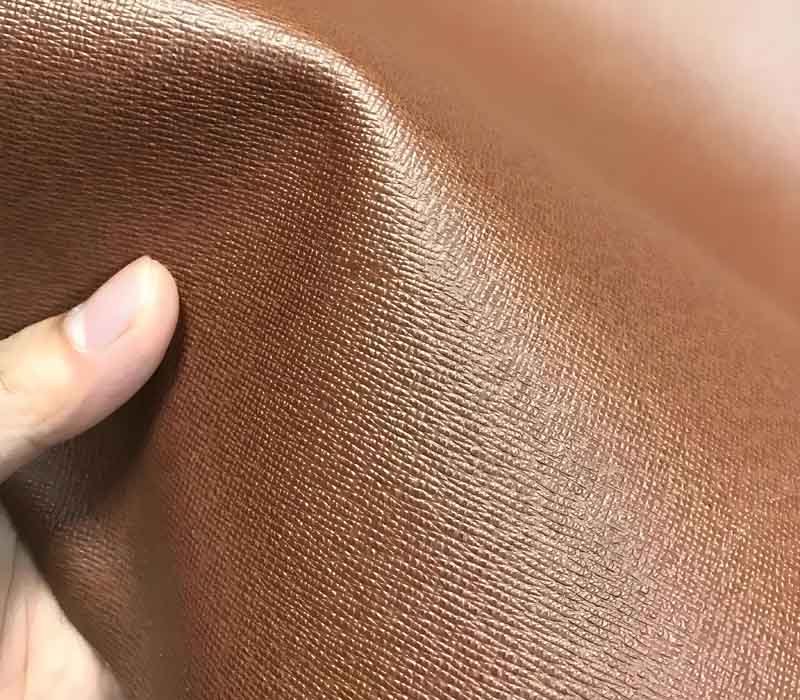
When you see a bag with a structured grain, a crisp cross-hatch texture, and a reliable premium price tag, chances are it’s crafted from what’s known as Saffiano leather. But what exactly justifies the cost—and more importantly for brands and buyers—is it truly expensive in terms of material, manufacturing and value? Saffiano leather tends to cost more than many standard leathers because of its specialized embossing and coating process, high-quality hide base, durability benefits and luxury brand associations. There’s a story behind every cross-hatch line: it begins with the Italian roots, the patent-inspired original finish, and evolves into a material that premium accessories rely on for shape retention, water and scratch resistance. Imagine a startup accessory brand choosing between generic leather and Saffiano for their next collection—what difference does that choice make in cost, branding, and value? Let’s unpack that journey and explore how your sourcing strategy can work in your favour.
What is Saffiano leather?
Saffiano leather is a premium, cross-hatched textured leather created through an embossing and coating process that enhances durability, scratch resistance, and water repellence. Originally patented by Prada in Italy, it’s made using top-grain calf or cowhide treated with a protective wax finish, giving it a structured look and long-lasting luxury appeal.
1. Origins and History
Saffiano leather’s story starts in Tuscany, Italy, with Mario Prada, who patented the distinctive cross-hatch embossing method in the early 1900s. Prada used it to produce structured handbags that held shape under daily use while maintaining elegant aesthetics. The pattern — a crisscross diagonal texture pressed into leather — became a visual signature of Italian craftsmanship, instantly recognizable in luxury accessories.
Over time, other fashion houses (Michael Kors, Coach, Kate Spade, Tory Burch) licensed or adopted similar embossing and coating techniques. Even though Prada’s original patent has expired, the “Saffiano look” remains synonymous with high-end, structured elegance and serves as a standard for scratch-resistant luxury leathers.
In today’s market:
- European tanneries (notably in Italy) still produce “authentic” Saffiano leather using full-grain or top-grain calfskin.
- Asian tanneries replicate the look using corrected-grain hides or synthetic coatings for affordable lines.
This dual heritage explains why some Saffiano goods command four-figure price tags while others retail for a fraction — a topic explored further in the “Real or Fake” section.
2. Defining Features — The Signature Cross-Hatch Pattern
At the heart of Saffiano leather lies its distinct texture: a fine diagonal or cross-hatched grain pressed into the surface using a steel plate or embossing roller under heat and pressure. This process:
- Creates a regular geometric pattern that is both visual and tactile.
- Seals the pores, making the surface smoother and more resistant to moisture.
- Adds a slightly reflective sheen, lending an unmistakably modern, refined look.
The texture isn’t just decorative — it’s engineered for function. The pattern deflects light, conceals minor scratches, and improves surface grip.
| Property | Saffiano Texture Function |
|---|---|
| Cross-hatch emboss | Structural strength + tactile identity |
| Heat press sealing | Pore closure, stain resistance |
| Wax / PU topcoat | Water, UV, and scratch protection |
| Smooth underside | Easier gluing & lining for bag assembly |
From a factory standpoint, the embossing depth typically ranges 0.15 – 0.30 mm, with tighter cross-hatch grids preferred for small goods (wallets, belts) and wider grids for handbags or luggage.
3. The Manufacturing Process — How Saffiano Leather Is Made
Step 1 – Tanning the Base Hide: The process begins with high-grade top-grain calf or cowhide. The leather is chrome-tanned for durability, sometimes followed by re-tanning for specific stiffness and grain response.
Step 2 – Surface Preparation: The surface is buffed and cleaned. Some corrected-grain hides are slightly sanded to ensure evenness before embossing.
Step 3 – Embossing (Creating the Texture): The hallmark step uses a steel plate or roller engraved with the signature cross-hatch pattern. Under heat (around 130–150 °C) and high pressure, the design is pressed into the surface.
Step 4 – Wax or Polyurethane Coating: After embossing, the surface receives a protective coating — traditionally a wax blend, but now often PU (polyurethane) or acrylic polymer for higher resistance and colour stability. This coating gives Saffiano its semi-gloss finish and excellent scratch and water protection.
Step 5 – Finishing and Curing: The coated hide is dried, cured, and sometimes ironed or buffed lightly to enhance uniformity and reflectivity.
Step 6 – Inspection and Grading: Each sheet is inspected for coating consistency, emboss alignment, and colour accuracy before being cut for manufacturing.
| Stage | Purpose | Impact on Quality |
|---|---|---|
| Base Hide Selection | Durability, grain density | Core strength |
| Embossing | Texture identity | Structural stability |
| Coating | Resistance & gloss | Surface protection |
| Curing & Grading | Colour fastness | Final aesthetic |
4. Materials — Real Leather Base, Coated Protection
True Saffiano leather begins with natural animal hide, not synthetic sheets. Typically:
- Top-grain calfskin for luxury brands (dense fibre structure, fine grain).
- Corrected-grain cowhide for mid-range applications.
- Split leather + PU coating for budget alternatives.
The protective top layer — a mixture of waxes and polymers — acts as a shield against spills, scuffs, and UV damage. Because the coating fills the pores, the leather becomes less breathable but far more durable, ideal for structured handbags, luggage, and accessories that require clean geometry and long-term shape retention.
| Grade | Base Material | Coating Type | Application | Relative Cost Index |
|---|---|---|---|---|
| Premium Saffiano | Full-grain calf | Wax + PU blend | Luxury handbags, belts | ★★★★★ |
| Commercial Saffiano | Top-grain cowhide | PU coating | Mid-range bags, wallets | ★★★★☆ |
| Eco-Saffiano | Split leather / PU composite | PU or water-based acrylic | Entry-level or vegan lines | ★★★☆☆ |
This structured grading allows brands to choose the right balance between aesthetics, performance, and price.
Real vs Fake Saffiano
Because “Saffiano” refers to a texture and process, not a specific source, confusion is common.
- Real Saffiano: Made from genuine animal leather (top-grain or full-grain) embossed and coated.
- Synthetic or “Vegan Saffiano”: Polyurethane (PU) or PVC sheets embossed with the same cross-hatch pattern; often marketed as “Saffiano-style.”
Key identifiers of genuine Saffiano leather:
| Aspect | Genuine Saffiano | Synthetic / Fake Saffiano |
|---|---|---|
| Base material | Animal hide (grain visible at edges) | Plastic or microfiber backing |
| Smell | Leather scent | Chemical or sweet plastic smell |
| Flexibility | Slightly stiff but warms with touch | Uniformly rigid |
| Edges | May show grain or fibres | Perfectly smooth plastic finish |
Functional Advantages of Saffiano Leather
- Scratch & Abrasion Resistance: The coating acts as an armour; micro-scratches barely show.
- Waterproofing: PU/wax surface repels water better than untreated leather.
- Shape Retention: The leather holds its geometry even under stress, ideal for structured bags.
- Ease of Maintenance: Wipe clean with a damp cloth; no regular conditioning required.
- UV Resistance: Coating protects against fading.
From a production standpoint, the leather’s rigidity also reduces the need for heavy reinforcements or linings, saving assembly time and material cost — a practical advantage for manufacturers like Szoneier.
Which factors drive the cost of Saffiano leather?
The cost of Saffiano leather is driven by base hide quality, complex embossing and coating processes, origin of production (Italian vs. regional tanneries), finishing precision, and brand perception. Its unique cross-hatched embossing, wax/PU coating, and durability-focused treatments make it more expensive than most top-grain leathers.
Base Hide Quality
The quality and type of base leather are the single most influential cost factors in Saffiano production. To achieve the signature texture and durability, the hide must have a dense, tight fibre structure capable of holding embossing without deformation.
Typical Base Leathers Used
| Leather Type | Description | Relative Cost Impact | Notes |
|---|---|---|---|
| Full-grain calfskin | Finest grain, minimal correction | ★★★★★ | Used by Prada, Ferragamo |
| Top-grain cowhide | Slightly corrected, durable | ★★★★☆ | Common for OEM/ODM |
| Split leather (with PU coating) | Economical, synthetic feel | ★★☆☆☆ | Used in entry-level goods |
| PU or PVC synthetic base | No animal fibre | ★☆☆☆☆ | Used in “vegan” Saffiano alternatives |
Szoneier Factory Insight:
At Szoneier, we pre-grade hides into A, B, and C tiers for cost planning:
- Grade A (Luxury): Full-grain calf, minimal correction.
- Grade B (Commercial): Top-grain cowhide, mild correction.
- Grade C (Economical): Split leather with thick PU layer.
The Embossing Process
Saffiano’s diagonal cross-hatch texture is not natural; it’s mechanically imprinted into the surface using steel embossing plates or rollers under heat and pressure.
Key process parameters:
- Pressure: ~80–100 bar
- Temperature: 130–150 °C
- Dwell time: 15–30 seconds
This step demands exact machine calibration — any inconsistency leads to visible flaws, rejected hides, and wasted material.
Cost Factors in Embossing:
- Specialized equipment: High-pressure rollers and custom pattern plates are costly to maintain.
- Energy and labour: Embossing consumes more electricity and operator time than tumbling or milling.
- Yield loss: Around 5–8% of hides can be rejected due to misaligned pattern, double-press marks, or uneven emboss.
- Tooling maintenance: Emboss plates must be re-polished or replaced periodically, especially for large production runs.
Impact on Price
This embossing step adds roughly 10–15% to the cost of producing a finished leather sheet compared to simple pigment-coated or aniline leathers. However, it gives Saffiano its recognizable luxury identity — meaning brands can justify a significantly higher retail markup.
| Process Step | Additional Cost % | Purpose |
|---|---|---|
| Embossing | +10–15% | Creates pattern & rigidity |
| Heat curing | +3–5% | Strengthens coating |
| Pattern alignment QC | +2–3% | Ensures uniformity |
Coating & Finishing
Wax or PU Coating
The hallmark of Saffiano leather is its protective coating, traditionally a wax-blend formula but now often replaced or combined with PU (polyurethane) for higher wear resistance and color fastness.
The coating application typically involves 3–5 layers, each adding labor and curing time:
- Base adhesive primer
- Color pigment coat
- Protective clear coat (matte, semi-gloss, or gloss)
- Optional UV- or scratch-resistant topcoat
Material Cost:
High-quality polyurethane coatings cost 3–5× more than standard pigment topcoats used on corrected-grain leathers.
Processing Time:
Each layer requires controlled drying or curing, taking 10–20 minutes per layer. This increases production cycle time, thus raising energy and labour cost.
Performance Advantage:
In return, the coating grants:
- Scratch resistance (up to 3000 cycles Martindale test)
- Water resistance (repels 8,000–10,000 mm hydrostatic pressure)
- Color retention (UV fade < ΔE 1.5 after 72 hrs ISO test)
These quantifiable metrics justify the added cost for brands seeking “maintenance-free luxury”.
Szoneier Leather Technical Benchmark:
| Parameter | Szoneier Saffiano Standard | Ordinary Coated Leather |
|---|---|---|
| Scratch resistance | ≥ 3000 cycles | 800–1000 cycles |
| Hydrostatic resistance | ≥ 10,000 mm | 3,000–4,000 mm |
| Colourfastness (Blue Wool scale) | Grade 5 | Grade 3–4 |
| Coating adhesion | ≥ 4.5 N/mm | ≤ 2.5 N/mm |
Such durability not only increases material cost but also reduces downstream brand risk—fewer complaints, fewer returns, and a stronger luxury image.
Finishing Quality & QC
Luxury buyers pay for perfection. This means every finished sheet of Saffiano leather undergoes multiple layers of visual and tactile inspection.
Inspection checkpoints include:
- Pattern alignment and uniformity
- Colour consistency across batches
- Coating adhesion and gloss evenness
- Surface blemishes or press marks
Any inconsistency—even slight—may result in reprocessing or rejection. In high-end production (for premium brands), rejection rates can reach 15–20%, directly increasing cost per usable square foot.
Finishing Labour Cost Comparison
| Leather Type | Average QC / Finishing Labour Hours per 100 sq ft | Reject Rate |
|---|---|---|
| Full-grain aniline | 2.0 hrs | 5–8% |
| Top-grain smooth | 2.5 hrs | 8–10% |
| Saffiano embossed | 3.5 hrs | 15–20% |
Region of Manufacture
Italian vs Asian Saffiano Production
| Region | Key Advantage | Typical Cost Level | Notes |
|---|---|---|---|
| Italy | Heritage, craftsmanship, eco-regulations | $$$$$ | Luxury brands; high prestige |
| China (Guangdong, Wenzhou, etc.) | Efficient scaling, advanced emboss tech | $$$ | Balanced quality/cost |
| India / Bangladesh | Competitive pricing, large volume | $$ | Mid-market OEM production |
| Turkey / Korea | Specialist PU coatings | $$$$ | Ideal for hybrid finishes |
Italian Saffiano commands the highest raw material and finishing cost (often double Asian equivalents), mainly due to:
- Labour wages and environmental compliance costs
- Low batch yield (artisan production)
- Prestige “Made in Italy” label
However, factories like Szoneier Leather in China’s Guangdong region have narrowed the quality gap through advanced embossing presses, imported coatings, and strict QC systems—delivering Italian-grade performance at 40–50% lower unit cost, ideal for brand clients targeting mid- to premium-tier markets.
Is Saffiano leather more expensive than other types?
Saffiano leather is generally more expensive than most other leather types, including top-grain, pebbled, and corrected-grain leathers. Its higher cost comes from premium hide selection, complex embossing and coating processes, rigorous quality control, and strong luxury-brand associations that elevate its perceived and market value.
Raw Material and Structural Quality
The base hide used for genuine Saffiano is usually top-grain or full-grain calfskin, chosen for its fine pores, tight fibre density, and elasticity — all of which are essential for holding the cross-hatch embossing without distortion.
| Leather Type | Base Material | Average Raw Hide Cost (USD/sq ft) | Tensile Strength (N/mm²) | Durability (Years) |
|---|---|---|---|---|
| Full-grain calf (Saffiano) | Premium calfhide | $6–9 | 18–20 | 10–15 |
| Top-grain cowhide (pebbled) | Mid-grade cowhide | $4–6 | 14–17 | 8–12 |
| Corrected-grain | Sanded split hide | $3–4 | 10–12 | 5–8 |
| PU “vegan” leather | Polyurethane | $2–3 | 5–6 | 2–4 |
High-quality calf hides are costlier because only the densest fibres can endure the embossing and coating stages. Lower-grade hides risk cracking or losing pattern definition after embossing, leading to wastage — a hidden cost for manufacturers.
Multi-Stage Embossing & Coating
The signature cross-hatch embossing is what sets Saffiano apart — but it’s also where costs multiply.
Each hide undergoes five core stages after tanning:
- Surface sanding and cleaning – preparing a smooth, defect-free surface.
- Embossing – pressing the diagonal texture using steel rollers at 140–150°C.
- Wax or PU coating – multiple layers applied for waterproofing and gloss.
- Heat curing – ensuring coating adhesion and stability.
- Final polishing & inspection – aligning pattern and gloss uniformity.
| Leather Type | Process Steps | Production Time (hrs/batch) | Yield Loss | Cost per sq ft (processing only) |
|---|---|---|---|---|
| Saffiano | 5–6 | 10–12 | 8–10% | $2.5–3.5 |
| Pebbled | 3–4 | 6–7 | 5–6% | $1.5–2.0 |
| Aniline Full-Grain | 2–3 | 5–6 | 3–5% | $1.2–1.8 |
Finishing Quality & QC Control
Luxury Saffiano production demands tighter tolerance and consistency than most natural-grain leathers. A high-end brand may reject an entire batch for slight pattern misalignment or colour variance exceeding ΔE 1.0 — defects invisible to casual buyers but unacceptable in the luxury market.
At Szoneier Leather, we perform up to 12 quality checkpoints per sheet, including:
- Emboss depth and pattern regularity (±0.05 mm)
- Coating adhesion (>4.5 N/mm)
- Gloss level uniformity (±3%)
- Colour fastness (≥ Grade 5 Blue Wool)
Market and Brand Perception
Saffiano’s premium is also psychological. Consumers link the cross-hatch pattern with Prada’s timeless handbags and Michael Kors’ structured totes — symbols of sophistication and durability.
Even when the leather is sourced from non-Italian factories, the look retains luxury connotations, allowing brands to price it 20–30% higher than smooth alternatives.
| Leather Type | Perceived Market Tier | Average Retail Markup (vs Cost) |
|---|---|---|
| Saffiano (full-grain) | Luxury / Prestige | 10–12× |
| Top-grain (pebbled) | Premium | 8–10× |
| Corrected-grain | Mid-range | 6–8× |
| PU / PVC imitation | Entry-level | 4–6× |
Durability and Long-Term Value
From a lifecycle cost perspective, Saffiano leather offers better ROI than many other types, particularly for structured accessories. Its abrasion resistance, waterproofing, and resistance to fading mean fewer repairs and returns. When averaged over product lifespan, the higher upfront cost often translates to lower total ownership cost for the consumer — and fewer warranty claims for brands.
Example:
- Pebbled leather tote: $250 retail, 3–4 years lifespan.
- Saffiano leather tote: $320 retail, 6–8 years lifespan.
When amortized, Saffiano leather delivers ~40% better value per year of use — a compelling reason for its continued adoption in mid- and high-end brands.
Global Production Variance: Italy vs Asia
The origin of production significantly influences final cost. Italian Saffiano leather commands a premium due to environmental compliance, artisan tanning, and brand prestige — while high-quality Asian production (e.g., in Guangdong, China) offers similar mechanical performance at more accessible pricing.
| Region | Average Cost (USD/sq ft) | Quality Benchmark | Common Applications |
|---|---|---|---|
| Italy (Tuscany, Veneto) | $10–12 | Luxury, couture-grade | Prada, Ferragamo |
| China (Guangdong, Wenzhou) | $6–8 | OEM/OEM mid-luxury | Szoneier, OEM clients |
| India / Bangladesh | $4–6 | Mid-range goods | Export private label |
| Turkey / Korea | $7–9 | High-tech coatings | Hybrid leathers |
Modern Chinese factories such as Szoneier Leather now achieve Italian-grade emboss uniformity and coating durability, but at ~30–40% lower cost — a balance ideal for private-label brands seeking “affordable luxury.”
Saffiano vs Other Leathers
| Leather Type | Texture | Water Resistance | Scratch Resistance | Softness / Flexibility | Average Cost (USD/sq ft) | Primary Market Use |
|---|---|---|---|---|---|---|
| Saffiano | Cross-hatched embossed | ★★★★★ | ★★★★★ | ★★☆☆☆ | 6–9 | Structured handbags, wallets |
| Pebbled | Natural grain | ★★★☆☆ | ★★★★☆ | ★★★★☆ | 4–6 | Soft handbags, wallets |
| Full-grain (aniline) | Smooth, natural pores | ★★☆☆☆ | ★★★☆☆ | ★★★★★ | 5–8 | Premium soft bags, luxury shoes |
| Corrected-grain | Artificially smoothed | ★★★☆☆ | ★★★☆☆ | ★★★☆☆ | 3–4 | Mid-range goods |
| PU / PVC synthetic | Uniform, plastic-like | ★★★★★ | ★★★☆☆ | ★★☆☆☆ | 2–3 | Vegan or low-cost fashion |
What are the drawbacks or trade-offs of Saffiano leather?
While Saffiano leather offers exceptional scratch resistance and durability, its trade-offs include reduced softness, limited patina development, lower breathability, and higher rigidity. The heavy coating that makes it durable also removes some natural feel, warmth, and flexibility, making it less ideal for soft luxury goods or items requiring high tactile comfort.
Reduced Softness and Flexibility
The first and most noticeable trade-off is stiffness. The multiple layers of wax or polyurethane coating seal the leather’s pores, reducing flexibility and stretch.
| Property | Saffiano Leather | Pebbled / Nappa Leather |
|---|---|---|
| Softness (Shore A hardness scale) | 75–80 | 55–60 |
| Flex Resistance (bending cycles before creasing) | ~10,000 | ~25,000 |
| Hand-feel | Structured, cool, firm | Supple, warm, elastic |
The cross-hatch embossing compresses the leather fibres, while the surface coating adds rigidity. In production terms, this means less elasticity (reduced elongation) — making Saffiano unsuitable for products that need natural drape or soft folds, such as bucket bags or apparel panels.
In Product Design:
- Ideal for structured totes, wallets, and belts.
- Less suitable for hobo bags, gloves, or soft-touch accessories.
At Szoneier Leather, designers often combine Saffiano exterior panels with softer internal linings (nappa or microfibre) to balance form and comfort.
Limited Aging and Patina Development
Many leather enthusiasts value how natural leather develops a patina — the glossy, darkened sheen that evolves with age and touch. Saffiano leather, however, resists this entirely.
The PU or wax coating acts as a barrier between the environment and the underlying fibres, preventing oxidation and oil absorption. The result: the surface looks almost the same after years of use — clean but static.
| Feature | Saffiano Leather | Full-Grain Vegetable-Tanned Leather |
|---|---|---|
| Patina Development | Minimal | Deep, rich patina over time |
| Oil Absorption | Very low | High |
| Surface Aging | Maintains uniform finish | Gradual burnishing |
| Personality Over Time | Consistent | Unique, evolving |
This consistency can be an advantage for users who prefer pristine aesthetics, but collectors or artisanal brands may find it “soulless.” For premium heritage lines emphasizing craftsmanship and individuality, aniline or vegetable-tanned leather often tells a richer story than coated Saffiano.
Lower Breathability and “Plasticized” Feel
Because Saffiano leather is sealed under several layers of coating, its breathability (moisture vapor transmission rate) is far lower than that of uncoated leathers.
| Leather Type | Moisture Vapor Transmission Rate (MVTR) | Air Permeability (cm³/cm²/s) |
|---|---|---|
| Saffiano | 100–150 g/m²/day | 0.05–0.1 |
| Full-grain aniline | 500–800 g/m²/day | 0.5–1.0 |
| Nubuck | 700–900 g/m²/day | 0.8–1.2 |
Consequences:
- Feels cooler and less “alive” to the touch.
- Traps more internal humidity when used for large goods (e.g., travel bags).
- Lacks the natural aroma that leather lovers associate with high-end goods.
From a manufacturing perspective, this can also complicate edge painting and adhesive bonding, since PU coatings repel water-based adhesives unless pre-treated with primer.
Szoneier Production Tip:
Our engineers lightly micro-sand the reverse side or use special waterborne primers to improve adhesion strength by up to 40% for Saffiano-coated surfaces — ensuring secure assembly in belts, straps, and bag panels.
Risk of Surface Cracking Under Extreme Flex
While Saffiano leather resists scratches beautifully, it can develop micro-cracks along folds or stress points after repeated bending — especially in low-temperature environments or thin applications.
The coating is a semi-rigid film. When leather is folded sharply, the surface layer stretches differently from the inner fibres, leading to delamination or visible crease whitening.
Test Data (from Szoneier Quality Lab):
| Coating Type | Temperature Tested (°C) | Cracking after 5,000 Flex Cycles |
|---|---|---|
| Wax-PU blend (Premium) | 20 | None |
| Standard PU coating | 0 | Minor cracks visible |
| Solvent-based PU (low-grade) | -10 | Severe cracking at folds |
Difficulty in Repair and Refinishing
Traditional leathers can be reconditioned or refinished with creams and oils. Saffiano, however, cannot be easily restored once the coating is damaged.
Its sealed top layer prevents any treatment from penetrating the fibres. Scratches that cut through the coating expose the underlying leather, and because the surface colour is pigment-based rather than dyed through, the damage is more visible and harder to fix.
| Repair Type | Success Rate (Saffiano) | Success Rate (Full-Grain) |
|---|---|---|
| Surface scratch removal | 50–60 % (requires professional recoating) | 90 % |
| Colour touch-up | Moderate (must match coating gloss) | Easy |
| Re-conditioning | Limited (coating prevents absorption) | High |
When to Avoid Saffiano Leather
Saffiano is not ideal for:
- Soft silhouette bags needing natural drape.
- Fashion items meant to develop patina (e.g., artisan wallets).
- Extremely cold climates where flex cracking may occur.
- Sustainability-focused brands avoiding coated materials.
However, for structured totes, laptop sleeves, business accessories, and travel organizers, its strengths far outweigh its limitations.
Conclusion
The true value of Saffiano isn’t just in its price tag or prestige, but in how it empowers brands to create products that remain impeccable for years: structured bags that never lose form, wallets that resist daily wear, and accessories that reflect refined engineering. It embodies a philosophy — luxury that lasts through logic and craftsmanship.
Still, every material demands the right application. While Saffiano excels in structure and resilience, softer leathers like nappa or pebbled variants may better suit tactile, organic designs. The art lies in choosing smartly, sourcing reliably, and crafting precisely.
Partner With Szoneier Leather — Your Expert in Premium Leather Manufacturing
What Can I Do For You?
Here, developing your OEM/ODM private label leather goods collection is no longer a challenge,it’s an excellent opportunity to bring your creative vision to life.
Make A Sample First?
If you have your own tech packs, logo design artwork, or just an idea,please provide details about your project requirements, including preferred fabric, color, and customization options,we’re excited to assist you in bringing your leather goods designs to life through our sample production process.