 Skip to content
Is Real Leather Shiny: What Causes Shine, Matte Finishes
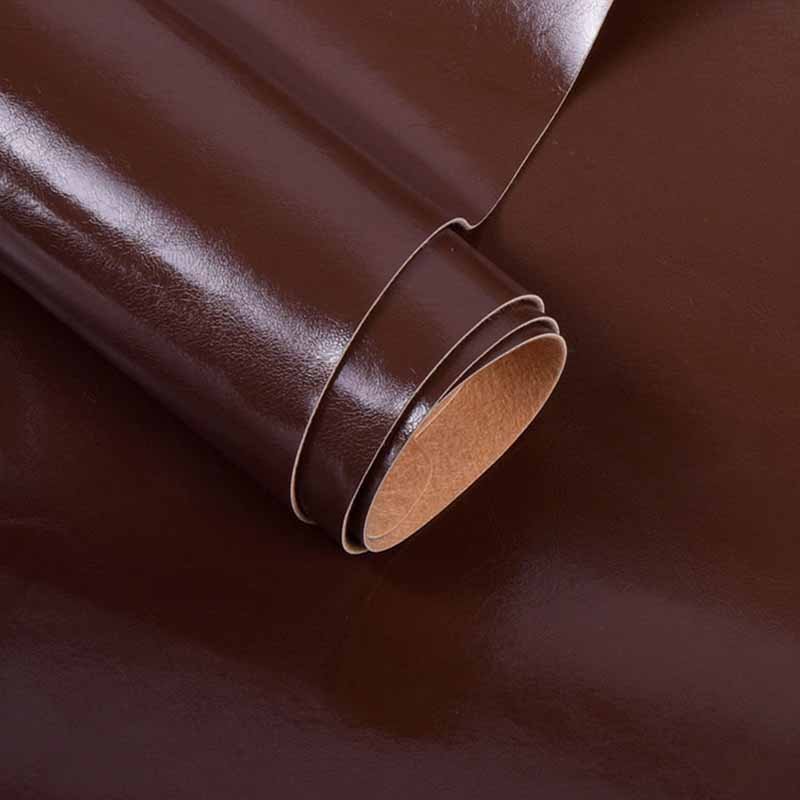
Many people instinctively associate shiny leather with “cheap” or “fake”, while matte leather is often perceived as premium, natural, and authentic. But in real leather manufacturing, this assumption is both incomplete and misleading. In fact, some of the most expensive leather products in the world are intentionally glossy, while many low-quality leather goods try—and fail—to imitate a matte, natural look.
The confusion comes from not understanding where leather shine actually comes from. Is it a property of the leather itself? A result of surface coating? A sign of heavy processing—or simply a design choice? For brand owners, product developers, and professional buyers, this question is not academic. The sheen level of leather directly affects product positioning, customer perception, durability, aging behavior, and even pricing.
In real-world product development, leather shine is controlled through a combination of hide selection, tanning method, surface finishing, and post-treatment processes. Two leather bags made from genuine cowhide can look completely different—one soft and matte, the other smooth and glossy—without either being fake.
Real leather can be shiny or matte depending on how it is tanned and finished. Raw leather is not naturally glossy, but surface treatments such as polishing, waxing, or coating can create different levels of shine. Matte leather is often preferred for a natural look, while shiny leather is a deliberate design choice used in products like patent leather, dress shoes, and luxury accessories.
Imagine two customers holding leather wallets side by side—one subtly matte, the other reflective under store lighting. One says “premium,” the other says “fashion-forward.” Neither reaction is wrong. The real question is why the leather looks the way it does—and whether that finish matches the product’s purpose.
What Does “Shiny Leather” Mean
“Shiny leather” refers to leather whose surface reflects light noticeably due to finishing treatments rather than the raw hide itself. The shine level can range from subtle satin to high-gloss mirror effects. Leather shine is a result of surface smoothness, fiber compression, and coatings, and it does not inherently indicate whether the leather is real, fake, high-quality, or low-quality.
What exactly does “shiny” mean in leather terms?
In leather manufacturing, “shiny” does not mean oily, wet, or plastic by default. It specifically describes how much light is reflected from the leather surface.
When a leather surface is smooth and uniform, light reflects in a more direct way, creating visible shine. When the surface is open, fibrous, or textured, light scatters, resulting in a matte appearance.
This means shine is fundamentally an optical effect, not a material identity. Two pieces of genuine leather can look completely different under the same light depending on how their surfaces are finished.
What is the difference between matte, satin, and glossy leather?
Leather sheen is best understood as a controlled scale, not a binary choice:
- Matte leather Absorbs most light. The surface shows visible pores and grain variation. Often associated with natural, rugged, or heritage-style products.
- Satin / semi-gloss leather Reflects light softly and evenly. This is the most common finish for premium bags and wallets because it balances elegance with durability.
- Glossy leather Strongly reflects light with a smooth, often coated surface. Used intentionally for fashion-forward, formal, or statement products.
From a product development standpoint, satin finishes are often the safest commercial choice, while matte and glossy finishes are used more strategically.
Can real leather be shiny, or is shine only for faux leather?
Yes, real leather can absolutely be shiny. This is one of the most common misunderstandings among consumers and even some buyers.
What causes confusion is that many low-cost synthetic leathers are also shiny, often due to thick plastic coatings. Over time, this led to the false assumption that “shiny = fake.”
In reality, many authentic leathers—such as patent leather, glazed calfskin, and polished full-grain leather—are intentionally shiny. The difference lies not in the presence of shine, but in how the surface behaves, feels, and ages.
Is shine a sign of leather quality or a design decision?
Shine is not a reliable quality indicator on its own. High-quality leather can be matte, satin, or glossy. Low-quality leather can also appear in any of these forms.
Quality is determined by:
- hide selection and grain integrity
- tanning process
- thickness and uniformity
- finishing durability and flexibility
Shine, on the other hand, is a design and positioning decision. Brands choose shine levels based on target customers, product category, price positioning, and expected usage—not because one sheen is inherently better.
Why do people often associate matte leather with “premium”?
This perception comes from experience rather than science. Many luxury heritage brands favor matte or low-sheen finishes because:
- they highlight natural grain and imperfections
- they age gracefully and develop patina
- they hide scratches and wear better
As a result, consumers learned to associate matte leather with authenticity and craftsmanship. However, this is a cultural association, not a universal rule. In formal or fashion contexts, shine can be equally premium when executed correctly.
What leather products are most likely to be shiny?
Shiny finishes are commonly chosen for products where visual impact and surface uniformity matter:
- dress shoes and formal footwear
- fashion handbags and evening bags
- belts and small leather accessories
- luxury presentation boxes and cases
In these categories, shine enhances clarity of form, color depth, and perceived sharpness under lighting—especially in retail displays.
How does lighting affect the perception of shiny leather?
Lighting dramatically changes how leather appears. Under strong retail or studio lighting, satin leather may appear glossy, while under natural light it may look matte.
This is why professional product development always evaluates leather samples under multiple lighting conditions before final approval. A finish that looks perfect in a factory showroom may feel too shiny—or too dull—once the product reaches the customer.
Practical takeaway for buyers and brands
“Shiny leather” is not a flaw, shortcut, or guarantee of anything. It is simply the visible result of surface engineering.
The real questions buyers should ask are:
- Is the shine intentional or accidental?
- Does it match the product’s function and audience?
- Will it age well over time?
Understanding what “shiny leather” truly means allows brands and buyers to make informed decisions—rather than relying on outdated assumptions.
Is Real Leather Naturally Shiny
No, real leather is not naturally shiny. In its raw or unfinished state, genuine leather has a dull, matte, and fibrous surface. Any shine seen on real leather is created through finishing processes, surface treatments, or gradual wear over time. Natural aging can increase sheen in high-contact areas, but gloss is never an inherent property of untreated leather.
What does real leather look like in its natural, unfinished state?
When leather first comes off the tanning process—often referred to as crust leather—its appearance is consistently matte and non-reflective. The surface is open and porous, with visible grain texture and fiber depth. Light hitting this surface scatters rather than reflects, which is why unfinished leather looks dry and flat rather than glossy.
From a material science perspective, this matte appearance is the most “natural” form of leather. It reflects the true structure of collagen fibers before any surface engineering takes place. For professional buyers, this stage is critical because it represents the baseline from which all finishing decisions are made.
Why does untreated leather not shine naturally?
Leather is made of interwoven collagen fibers, not a smooth film. These fibers create microscopic peaks and valleys that disrupt light reflection. Without compression, coating, or polishing, light cannot bounce uniformly off the surface.
In simple terms:
- Uneven surface = scattered light = matte look
- Smoothed or sealed surface = reflected light = shine
This is why shine never appears spontaneously in leather. It must be introduced through mechanical or chemical processes that alter the surface topology.
Do some real leathers appear “naturally” shinier than others?
Certain hides may appear slightly smoother due to:
- tighter grain structure (e.g. calfskin)
- finer fiber density
- more uniform pores
However, even these leathers are still matte when unfinished. The perceived difference is subtle and often exaggerated by lighting or moisture. Any noticeable shine beyond a low, soft glow is still the result of finishing—not nature.
This distinction is important for sourcing decisions. Buyers sometimes assume smoother hides are “naturally glossy,” when in reality they are simply more responsive to finishing treatments.
How do tanning processes influence the potential for shine?
Tanning does not directly create shine, but it determines how leather responds to finishing later.
- Vegetable-tanned leather Typically dries to a very matte surface. It develops shine slowly over time through use and handling (patina).
- Chrome-tanned leather More flexible and receptive to surface coatings, making it easier to achieve satin or glossy finishes.
Tanning sets the structural foundation. Finishing builds on it. This is why professional leather development always considers tanning and finishing as a connected system, not separate choices.
Can natural wear and aging make real leather shiny?
Yes—but in a very specific and limited way. Over time, real leather can develop localized shine in high-contact areas such as:
- wallet edges
- bag handles
- belt surfaces
- armrest contact zones
This happens because friction, body oils, and repeated compression gradually smooth the fiber surface. This type of shine is called patina, and it is usually uneven, subtle, and organic—not uniform or glossy.
Importantly, this shine:
- develops slowly (months or years)
- enhances character rather than masking texture
- never resembles plastic or mirror gloss
This is why patina is often celebrated in premium leather goods.
Why do many people think real leather is naturally shiny?
The misconception comes from two main sources:
- Retail exposure to finished products only Consumers rarely see unfinished leather. Most products on shelves have already been treated, conditioned, or coated.
- Confusion with synthetic leather Many faux leathers are glossy straight out of production, reinforcing the false association between shine and material type.
Over time, this led to the simplified belief that “real leather should shine,” when in reality the opposite is true at the raw-material level.
How does this understanding help buyers and brands?
Knowing that real leather is not naturally shiny allows buyers to ask better questions:
- Is the shine coming from coating or polishing?
- How thick is the finish layer?
- Will the leather age gracefully or crack over time?
For brands, this understanding enables intentional design rather than accidental results. Shine becomes a controlled feature—not a byproduct.
Real leather starts matte. Always. Any shine you see is the result of human intervention or time, not nature. Once this is understood, the conversation shifts from “Is shiny leather real?” to “Is this shine appropriate, durable, and aligned with the product’s purpose?”
That is the level of thinking professional leather sourcing and product development requires.
What Makes Leather Shin
Leather becomes shiny when its surface is smoothed, sealed, or coated through finishing processes such as polishing, waxing, glazing, or applying protective films. Shine is caused by increased light reflection due to fiber compression and surface uniformity, not by the leather being real or fake. The level of shine depends on tanning method, finishing technique, coating thickness, and long-term use.
What is the physical reason leather becomes shiny?
At the most fundamental level, leather shine is a light-reflection phenomenon. When a leather surface is rough and fibrous, incoming light scatters in multiple directions, resulting in a matte appearance. When that same surface is compressed, smoothed, or sealed, light reflects more directly back to the eye—creating shine.
In technical terms:
- Open fiber structure → diffuse reflection → matte
- Compressed / sealed surface → specular reflection → shiny
Every process that increases shine does one thing in common: it reduces surface irregularity at the microscopic level.
How do finishing processes create shine on leather?
Most leather shine is introduced during post-tanning finishing, not during tanning itself. Common shine-creating processes include:
- Mechanical polishing / glazing The leather surface is rubbed or rolled (often with glass or metal rollers), physically compressing fibers to create smoothness and reflectivity.
- Wax finishing Natural or synthetic waxes fill surface pores, creating a soft, controlled sheen while maintaining leather flexibility.
- Oil finishing Oils penetrate fibers, darkening color and increasing surface reflectivity, especially on smooth-grain leather.
- Film or resin coating Thin layers of PU, acrylic, or lacquer are applied to create uniform gloss. Thicker coatings produce higher shine but reduce breathability.
Each method offers a different balance between appearance, durability, and aging behavior.
How does tanning method influence shine potential?
Tanning does not directly make leather shiny, but it determines how receptive the leather is to finishing.
- Vegetable-tanned leather Produces a dry, open surface that starts matte. It develops shine slowly through use (patina) rather than coatings.
- Chrome-tanned leather Has a more flexible fiber structure that accepts coatings and polishing more easily, allowing satin to high-gloss finishes.
For OEM and product development, tanning choice sets the ceiling of achievable shine and how naturally it will age.
Why do coatings make leather look shinier—but sometimes “cheap”?
Coatings increase shine by creating a uniform reflective layer, but problems arise when:
- the coating is too thick
- flexibility does not match the leather underneath
- the surface loses visible grain
This is why some shiny leathers feel plasticky. High-quality shiny leather uses thin, elastic coatings that move with the leather, while low-quality products rely on thick films that crack or peel over time.
From a buyer’s perspective, the question is not “Is it coated?” but “How is it coated, and how will it age?”
Can conditioning and care make leather shinier?
Yes—maintenance products significantly affect shine.
- Leather conditioners soften fibers and increase reflectivity
- Polishes add surface gloss, especially on shoes and belts
- Over-conditioning can create uneven or greasy shine
This is why two identical leather products can look different after months of use. Shine is not only a factory decision—it is also influenced by user behavior and care routines.
Does friction and wear create shine naturally?
Over time, friction compresses fibers in high-contact areas such as:
- bag handles
- wallet corners
- belt surfaces
This creates localized shine, often called patina. Unlike artificial gloss, patina:
- develops slowly
- appears uneven and organic
- enhances character rather than hiding texture
This type of shine is usually valued in premium leather goods and is a sign of genuine leather aging properly.
How do different leather types respond to shine?
Not all leathers shine equally:
| Leather Type | Shine Response | Typical Result |
|---|---|---|
| Full-grain leather | Moderate | Natural satin over time |
| Corrected-grain leather | High | Uniform gloss possible |
| Nubuck / suede | Very low | Remains matte |
| Patent leather | Very high | Mirror-like gloss |
Understanding this helps buyers avoid mismatches between material choice and desired appearance.
Why understanding shine matters for buyers and brands
For brands, leather shine affects:
- product positioning (luxury vs casual)
- customer expectations
- scratch visibility
- long-term satisfaction
For buyers, understanding what makes leather shiny prevents common mistakes such as rejecting high-quality glossy leather or accepting poor-quality matte finishes that fail prematurely.
Which Leathers Are Shiny by Design
Some real leathers are intentionally designed to be shiny through specific finishing techniques rather than natural surface properties. Patent leather, glazed leather, polished calfskin, and certain finished exotic leathers use coatings or mechanical compression to achieve high reflectivity. In these cases, shine is a deliberate design choice aligned with fashion, formality, and visual impact—not an indicator of fake or low-quality leather.
What is patent leather and why is it always glossy?
Patent leather is the most iconic example of leather that is shiny by design. It starts as genuine cowhide or calfskin and is finished with a high-gloss coating, traditionally lacquer and today more commonly PU or acrylic resin.
This coating serves several purposes:
- creates a mirror-like reflective surface
- seals the leather against moisture and stains
- ensures uniform color and visual consistency
Patent leather is intentionally dramatic. It is used in dress shoes, evening bags, belts, and formal accessories, where shine communicates elegance, ceremony, and fashion authority. Importantly, patent leather is not meant to age like matte leather; its value lies in visual precision, not patina development.
What is glazed leather and how is its shine created?
Glazed leather achieves shine through a mechanical process rather than a thick coating. After tanning and dyeing, the leather surface is repeatedly rubbed or rolled—often with glass rollers—under pressure.
This process:
- compresses surface fibers
- smooths grain without sealing it completely
- produces a refined, glassy sheen
Glazed leather retains more of the leather’s natural feel compared to patent leather. It is commonly used in luxury handbags, wallets, and small leather goods, where brands want controlled shine without a plastic-like appearance.
Why is polished calfskin often shiny?
Calfskin has a naturally tight and fine grain structure, making it especially responsive to polishing and waxing. When finished with oils and waxes, polished calfskin develops a clean, elegant sheen that enhances color depth and surface smoothness.
This type of shine is popular in:
- high-end shoes
- premium belts
- luxury wallets and accessories
The key advantage of polished calfskin is balance: it looks refined from day one while still allowing gradual, graceful aging over time.
Are exotic leathers shiny by design?
Many exotic leathers—such as crocodile, alligator, and embossed exotic-pattern leathers—are intentionally finished with gloss or semi-gloss surfaces.
Shine helps to:
- highlight scale patterns and surface geometry
- enhance contrast under lighting
- reinforce luxury perception
In these cases, gloss is used to amplify texture, not hide it. High-quality exotic leather finishes remain thin and flexible, ensuring that shine enhances detail rather than flattening it.
How does corrected-grain leather achieve uniform shine?
Corrected-grain leather undergoes surface sanding to remove imperfections, followed by embossing and finishing. Because the surface is already leveled, it accepts coatings very evenly.
This makes corrected-grain leather ideal for:
- consistent color and gloss
- large-volume production
- fashion-focused leather goods
While often misunderstood, corrected-grain leather can be either low-end or premium depending on hide quality, coating thickness, and finishing control. Its shine is intentional and engineered for uniformity.
Are shiny leathers always formal or fashion-driven?
In most cases, yes. Shiny leathers are chosen when:
- visual impact is prioritized
- products are worn or displayed under lighting
- surface uniformity is desired
They are less common in rugged, outdoor, or heritage-style products because shine shows scratches more easily and does not develop patina in the same way as matte leather.
Common misconception: “Shiny leather is low quality”
This belief comes from exposure to cheap synthetic leather, not from real leather science. Poor-quality faux leathers are often shiny due to thick plastic coatings that crack and peel.
High-quality shiny leather differs because:
- the coating is thin and elastic
- the leather underneath remains flexible
- aging behavior is predictable
The correct question is not “Is it shiny?” but “How was the shine achieved, and how will it perform over time?”
How do brands decide to use shiny leather?
Professional brands choose shiny leather when it supports:
- formal aesthetics
- modern or fashion-forward design language
- premium shelf presence
They evaluate shine not only visually, but also through bend tests, abrasion tests, and aging simulations to ensure the finish performs throughout the product’s lifecycle.
How Do You Tell Real Leather From Faux When It’s Shiny
When leather looks shiny, the most reliable way to tell real leather from faux is to examine grain variation, edge structure, flexibility, smell, and long-term aging behavior. Real leather shows natural irregularities, fibrous edges, and develops patina over time, while faux leather has uniform texture, sealed edges, plastic smell, and surface cracking rather than aging.
Why shine makes leather identification more difficult
Shine complicates identification because both real leather and faux leather can be glossy. Modern finishing techniques allow genuine leather to be coated or polished, while synthetic leather is often shiny by default.
This overlap causes confusion, especially at retail level where buyers see only finished surfaces. As a result, shine alone is meaningless as an authenticity indicator. Proper identification requires looking beneath the surface—literally and figuratively.
What grain and surface details reveal real leather
Even under glossy finishes, real leather usually retains organic grain behavior:
- slight variation in pore size
- non-repeating grain patterns
- subtle inconsistency across panels
Faux leather typically displays mechanically repeated patterns that look too perfect when examined closely. Under magnification or angled light, real leather reveals depth and micro-variation, while synthetic surfaces appear flat and uniform.
A useful tip: tilt the product under light. Real leather reflects unevenly; faux leather reflects uniformly.
How edge structure clearly exposes material type
Edges are one of the most reliable indicators, especially for wallets, straps, and belts.
- Real leather edges Show fibrous layers when cut. Even when edge-painted, density variation is visible under wear.
- Faux leather edges Appear smooth, foamy, or layered with fabric backing. Over time, edges may peel or delaminate.
This difference becomes more obvious with use, making edge inspection a preferred method for professional QC teams.
What touch and flexibility tell you
Real leather responds gradually and organically to pressure. When pressed, it wrinkles softly and recovers slowly. The surface feels warm and slightly resistant.
Faux leather often feels:
- colder to the touch
- stiffer or overly elastic
- prone to sharp creases that remain
A simple bend test reveals a lot: real leather bends smoothly with irregular wrinkles; faux leather folds sharply with uniform creasing.
Does smell still matter with modern finishes?
Yes. Despite modern coatings, real leather retains a distinctive organic scent from tanning and natural fibers. Faux leather typically smells like plastic, chemicals, or nothing at all.
While smell should not be the sole test, it is a strong supporting signal when combined with visual and tactile cues. Professional buyers still rely on smell as part of initial material assessment.
How aging behavior separates real from fake over time
Perhaps the most decisive difference is how materials age.
- Real leather Develops patina, softens with use, and may become slightly shinier in high-contact areas. Scratches often blend into character.
- Faux leather Does not develop patina. Instead, coatings crack, peel, or flake. Surface damage exposes fabric backing or foam layers.
This difference is why long-term product testing matters in professional sourcing. Shine that looks acceptable on day one may fail completely after months of use if the material is synthetic.
Why burn tests and water tests are not recommended
Online advice often suggests burn or water tests. These methods are not suitable for finished products:
- coatings interfere with results
- damage is irreversible
- results are inconsistent
Professional identification relies on non-destructive evaluation, especially when assessing finished goods or samples intended for production.
How professional buyers verify leather authenticity
Experienced buyers and factories combine:
- supplier documentation
- material traceability
- visual and tactile inspection
- controlled aging and flex testing
At factory level, leather authenticity is confirmed before cutting, not after product assembly. This is why sourcing from a professional leather manufacturer matters as much as knowing how to identify leather yourself.
Common myths to avoid
- “Shiny leather is fake”
- “Matte leather is always premium”
- “Coated leather is not real leather”
All three statements are false without context. Real leather exists across a wide range of finishes. The key is structure, behavior, and longevity, not surface appearance alone.
How Do You Choose Matte or Shiny Leather
Choosing matte or shiny leather depends on product use, brand positioning, durability needs, and aging expectations. Matte leather emphasizes natural texture and long-term character, while shiny leather highlights formality, visual impact, and surface uniformity. Neither finish is inherently better—the right choice aligns leather sheen with function, customer expectations, and how the product should look after years of use.
Step 1: What is the primary use of the product?
Start with how the product will be used, not how it looks on day one.
- Everyday-use items (bags, wallets, straps): Matte or low-sheen finishes perform better because they hide scratches, fingerprints, and wear.
- Formal or fashion-led items (dress shoes, evening bags, belts): Satin to glossy finishes add elegance and clarity under lighting.
If the product will be handled frequently, rubbed against clothing, or exposed to daily friction, matte leather reduces visible wear. If it is worn occasionally or for visual impact, shine can be an advantage.
Step 2: What does your brand want to communicate?
Leather sheen is part of a brand’s visual language.
- Matte leather communicates authenticity, craftsmanship, heritage, and durability.
- Shiny leather communicates precision, formality, modernity, and fashion confidence.
- Satin finishes balance both, making them popular for premium but practical products.
Successful brands choose sheen intentionally to match their identity—not based on trends alone.
Step 3: How should the leather age over time?
One of the most overlooked questions is “How should this product look after 2–3 years?”
- Matte leather develops patina, softening and becoming slightly richer in tone.
- Shiny leather maintains surface uniformity longer but may show scratches more clearly.
- Thick glossy coatings age poorly if flexibility is mismatched, leading to cracking or peeling.
If aging and character are part of the product story, matte finishes are safer. If consistency and polish matter more than patina, controlled gloss can work well.
Step 4: How important is scratch and wear visibility?
Shine increases visual contrast, which makes surface damage more noticeable.
- Matte leather disguises minor scratches and scuffs.
- Glossy leather highlights every mark, especially under strong light.
For products used in uncontrolled environments—travel bags, daily wallets, belts—matte finishes reduce customer dissatisfaction. For statement pieces, visible wear may be acceptable or even expected.
Step 5: What level of maintenance will customers accept?
Customer behavior matters as much as material choice.
- Matte leather requires minimal care and looks good with basic conditioning.
- Shiny leather often needs more careful handling and cleaning to maintain appearance.
- Over-conditioning can unintentionally increase shine on matte leather.
If your target customer prefers low-maintenance products, matte or satin finishes reduce friction—both literally and figuratively.
Step 6: How does cost and production consistency factor in?
From a manufacturing standpoint:
- Matte finishes are more forgiving of hide variation and easier to keep consistent across batches.
- High-gloss finishes require tighter process control, uniform hides, and more finishing steps.
This affects:
- yield rate
- rejection risk
- cost per unit
- scalability for large orders
For small-batch or artisanal projects, either finish can work. For large-volume OEM production, finish choice must align with achievable consistency.
Step 7: When should you choose satin instead of fully matte or glossy?
Satin (low-gloss) finishes are often the commercial sweet spot:
- refined appearance
- good durability
- balanced aging behavior
- broad market acceptance
This is why many premium leather bags and wallets are neither fully matte nor highly glossy. Satin finishes reduce risk while maintaining perceived value.
Step 8: Common mistakes buyers make when choosing leather sheen
- Choosing shine based only on showroom appearance
- Assuming matte always equals premium
- Ignoring how lighting affects perceived gloss
- Forgetting long-term wear and customer use habits
- Treating sheen as a cosmetic choice instead of a functional one
Avoiding these mistakes leads to better product-market fit and fewer post-sale complaints.
Final decision framework (simple and practical)
| Product Goal | Recommended Finish |
|---|---|
| Everyday durability | Matte / Low-sheen |
| Luxury balance | Satin |
| Formal / fashion impact | Glossy |
| Long-term patina | Matte |
| Visual uniformity | Glossy |
| Low maintenance | Matte |
Conclusion
Whether leather should be matte or shiny is not a yes-or-no question—it is a design and engineering decision. The right finish depends on material selection, tanning method, surface treatment, and how the product will actually be used.
If you are developing leather bags, wallets, belts, accessories, or leather boxes—and need a factory partner that understands both materials and markets—contact Szoneier Leather today to discuss your project, request samples, or receive a tailored quotation.
The right leather finish doesn’t just change how a product looks. It defines how your brand is perceived.
What Can I Do For You?
Here, developing your OEM/ODM private label leather goods collection is no longer a challenge,it’s an excellent opportunity to bring your creative vision to life.
Make A Sample First?
If you have your own tech packs, logo design artwork, or just an idea,please provide details about your project requirements, including preferred fabric, color, and customization options,we’re excited to assist you in bringing your leather goods designs to life through our sample production process.