
Is Real Leather Expensive:Key Factors Affecting Leather Prices
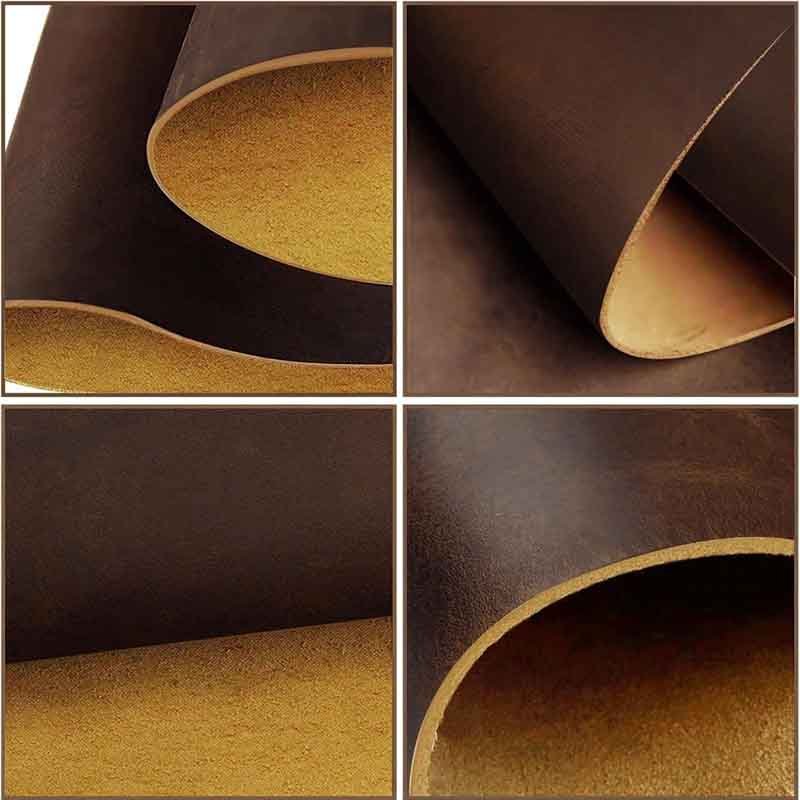
Leather is often seen as a luxurious material—whether in the form of handbags, wallets, furniture, or car interiors. But is real leather truly as expensive as people think? The short answer is yes, but it’s important to understand why it commands such prices and what factors determine its value. Leather is a natural product, and like any high-quality material, its cost can vary significantly depending on the type of leather, tanning methods, and the craftsmanship behind it.
Real leather is generally more expensive than synthetic materials like PU or vegan leather due to factors like material quality, production time, tanning process, and the origin of the leather. Full-grain and top-grain leather are among the priciest, while genuine leather tends to be less expensive but still offers durability and a more authentic look. The price difference between real and synthetic leathers is not just about the material itself; it’s also influenced by craftsmanship and longevity.
Imagine walking into a high-end store looking at two leather bags: one priced at $200 and the other at $2,000. The $200 bag is likely made from genuine leather, a lower-quality grade, while the $2,000 one is probably full-grain leather, crafted with expert attention to detail. The higher price tag reflects the quality of the leather, design mastery, and longevity of the product, all of which contribute to the long-term value.
What Makes Real Leather Expensive?
Real leather is expensive because of its natural origin, the complexity of production processes, and the premium materials used. Factors such as tanning methods, animal hides, grain quality, craftsmanship, and aging potential all contribute to the higher price of real leather. This makes real leather not just a functional material, but a luxurious investment that promises durability, aesthetic richness, and long-term value.
Understanding the Cost Factors of Real Leather
The cost of real leather is determined by various factors, all of which work together to create a premium product that can last decades, even generations. Let’s explore each of these in more detail:
1. Material Sourcing: The Quality of the Hide
Real leather comes from animal hides, with cowhide being the most commonly used, followed by lambskin, goatskin, and exotic hides (such as alligator, ostrich, and snake). The quality of the hide plays a significant role in determining the price of the leather. Higher-quality hides come from healthy animals and are free of imperfections.
- Cowhide: This is the most abundant leather type and is less expensive than exotic leathers, but still valuable.
- Lambskin: Known for its softness and fine texture, lambskin is more expensive due to the smaller size of the hides and its delicate texture.
- Exotic Leathers: Leathers such as alligator or ostrich are rare, hard to source, and require specialized tanning processes, driving up the price significantly. For example, alligator leather can cost $400–$800 per square foot compared to $10–$20 per square foot for cowhide.
Example: High-quality Italian leather, particularly Florentine or Tuscany leathers, comes from premium European cowhide, carefully sourced for uniform texture and durability, making it one of the most sought-after and expensive leathers in the world.
2. Tanning Processes: Time-Consuming & Skill-Intensive
The tanning process is one of the most crucial factors in determining leather cost. It involves turning raw animal hides into finished leather products by preserving the hide, making it pliable, and ensuring it’s durable. There are two main types of tanning:
- Vegetable Tanning: This process uses natural tannins from plant sources (like oak, chestnut, or hemlock). Vegetable-tanned leather is environmentally friendly but takes up to 30–40 days to complete. This method creates full-grain leather, which retains the natural texture and markings of the hide, making it the most expensive.
- Chrome Tanning: Faster (taking about 1–2 days), but chemically intensive, chrome tanning results in softer, more flexible leather, often used in fashion accessories. While it’s cheaper, chrome-tanned leather lacks the same durability and aging characteristics as vegetable-tanned leather.
Example: Hermès, famous for its Birkin bags, uses vegetable-tanned leather for many of its luxury products, ensuring long-lasting quality, but the process adds significant cost due to the time and labor involved.
3. Grain Quality: Full-Grain vs Top-Grain vs Genuine Leather
The grain of the leather is another crucial factor in determining the price. Leather is categorized based on how it is treated and its original structure:
- Full-Grain Leather: The most expensive and high-quality leather, full-grain leather retains the top layer of the hide, preserving the natural texture, pores, and markings. This type of leather is highly durable and develops a beautiful patina over time. Full-grain leather is often used for luxury bags, wallets, and premium shoes.
- Top-Grain Leather: While not as durable as full-grain, top-grain leather is still high-quality. It’s sanded and buffed to remove imperfections, making it softer and smoother. It’s often used in mid-to-high-end products.
- Genuine Leather: The least expensive of the three, genuine leather comes from the lower layers of the hide and is typically stamped or embossed to simulate the look of higher-quality leather. It’s less durable and doesn’t age as well as full-grain or top-grain leather.
Example: A genuine leather bag may be priced around $100–$300, while a full-grain leather bag can cost $1,000+, due to the more expensive material and craftsmanship. The full-grain leather bag will last for decades, while the genuine leather one may show wear much sooner.
4. Craftsmanship and Manufacturing Time
Leather goods, especially luxury items, often undergo handcrafting, which adds time and cost to production. Skilled artisans take hours, sometimes days, to craft leather items by hand—cutting, stitching, and finishing each piece with precision.
- Hand-stitched leather is far more expensive than machine-stitched leather due to the attention to detail and the skilled labor required.
- Customization and personalization (like embossing, engraving, or custom finishes) can increase prices even further, as each piece requires unique handling.
Example: A high-end brand like Gucci may employ artisans who use hand-stitching techniques for their leather bags, and this painstaking craftsmanship adds significantly to the price. On the other hand, mass-market brands use machine stitching to reduce costs but lose some of the aesthetic appeal and durability of hand-sewn pieces.
5. Ageing and Durability
Real leather’s ageing process is another reason why it’s expensive. Unlike synthetic materials, which can wear out and fade over time, real leather improves with age, developing a unique patina that enhances its appearance and softness. This longevity is highly valued in luxury markets, where products are meant to last for generations.
- Full-grain leather ages the best and often becomes more supple and rich in color over time.
- Top-grain leather also ages well but may show signs of wear more quickly than full-grain.
- Genuine leather, being lower quality, may crack, fade, or tear faster than the other two.
Example: A Louis Vuitton handbag made of full-grain leather may cost several thousand dollars but can last a lifetime, improving in appearance with every year, while cheaper leather bags may start to show signs of wear after just a few seasons.
6. Sourcing, Environmental Impact, and Sustainability
Sourcing ethically and sustainably produced leather also adds cost. Many high-end brands, such as Hermès, Gucci, and Chanel, are investing in sustainable sourcing and ethical practices to meet modern consumer demands for eco-conscious products.
- Sustainable leather involves eco-friendly tanning processes (like vegetable tanning) and ethically sourced hides from animals raised under humane conditions.
- Eco-certification (such as Leather Working Group certification) can increase costs because of rigorous standards for environmental responsibility.
Example: Many luxury brands now use traceable, eco-certified leather that ensures leather production minimizes environmental damage, but this eco-conscious choice adds to the cost of the leather.
How Does Real Leather Compare to Alternatives?
Real leather outperforms alternatives like PU leather and vegan leather in terms of durability, breathability, aesthetic richness, and long-term value. While synthetic options are cheaper upfront, they tend to wear out faster and lack the unique aging process that makes real leather an investment piece. Real leather’s environmental impact is higher, but there are growing efforts to make its production sustainable.
Real Leather vs Synthetic Alternatives
In recent years, alternatives to real leather, such as PU leather (polyurethane) and vegan leather, have gained popularity due to cost-effectiveness, animal welfare concerns, and fashion trends. However, while these materials provide a viable substitute, they lack many of the qualities that make real leather the material of choice for luxury goods and long-lasting accessories. Let’s break down the key differences:
1. Durability: How Long Will They Last?
One of the most critical differences between real leather and synthetic materials is durability.
- Real Leather: High-quality full-grain and top-grain leather products can last decades when properly cared for. Over time, real leather develops a patina, which enhances its aesthetic appeal and adds to its uniqueness. With proper conditioning and restoration, real leather can stay soft, pliable, and resilient to the elements.
- PU Leather: While PU leather (also known as synthetic leather) may look like real leather at first, it wears out quickly. It is more prone to cracking, peeling, and fading, particularly when exposed to sunlight or moisture. On average, PU leather will need to be replaced every 2–3 years, especially in high-contact areas like bags, wallets, or upholstery.
- Vegan Leather: Vegan leather can be made from a range of materials, including PVC, cork, and apple leather, and its durability can vary widely. PVC-based vegan leathers are prone to cracking, while newer materials like mushroom leather offer improved durability, but they still typically don’t last as long as real leather.
Example: A genuine leather jacket can last for decades, developing a unique patina with age, while a PU leather jacket will likely start showing signs of wear within a few seasons.
2. Environmental Impact
The environmental impact of real leather compared to synthetic leather has been a hotly debated issue.
- Real Leather: The production of real leather involves animal agriculture, which has a higher carbon footprint due to the environmental impact of raising livestock. However, vegetable tanning methods, which use plant-based tannins to preserve the leather, are considered more sustainable and less harmful to the environment than chrome tanning. Some high-end leather producers are now focusing on sustainable practices, including sourcing from eco-conscious tanneries and supporting ethical farming initiatives.
- PU Leather: PU leather, though often marketed as an eco-friendly alternative, is made using plastics that are not biodegradable and often involve harmful chemicals in production. The carbon footprint of PU leather can be significant due to the synthetic polymers used, and although it avoids animal cruelty, the environmental benefits are minimal when compared to the sustainability of vegetable-tanned leather.
- Vegan Leather: Vegan leather made from plant-based materials like apple leather, cork, or mushroom leather can be much more environmentally friendly than PU leather. However, PVC-based vegan leathers are still plastic-based and contribute to plastic pollution. Many vegan leather alternatives are working to minimize their carbon footprint by focusing on biodegradable or renewable materials.
Example: Brands like Stella McCartney are using mushroom leather for their luxury items, which provides a more sustainable option to both synthetic and animal-based leathers.
3. Breathability and Comfort
A key factor that differentiates real leather from its alternatives is its breathability.
- Real Leather: Genuine leather is naturally breathable, allowing air to pass through and regulate temperature. This makes leather ideal for products like jackets, shoes, and upholstery, where comfort is crucial. Leather absorbs moisture, which makes it ideal for long-term wear, as it conforms to your body, softening over time and becoming more comfortable with use.
- PU Leather: PU leather, in contrast, is less breathable and can trap moisture, leading to discomfort over extended periods. It may feel plasticky and can lead to sweat accumulation, making it unsuitable for items like footwear or seating that require comfort.
- Vegan Leather: Depending on the type of vegan leather used, breathability can be poor. Materials like PVC are non-porous, leading to heat buildup and poor comfort. However, plant-based options (like apple leather or cork leather) can have better breathability, although they are still not as breathable as real leather.
Example: Leather shoes mold to your feet, becoming softer and more comfortable over time, whereas synthetic leather shoes may cause sweaty feet and discomfort due to lack of airflow.
4. Aesthetic Quality
Real leather is prized not only for its durability and comfort but also for its aesthetic appeal. Over time, leather naturally develops a patina, a beautiful, glowing finish that improves with age. This uniqueness is something synthetic leathers cannot replicate.
- Real Leather: With its natural grain, irregularities, and rich texture, real leather offers luxury and individuality. It ages beautifully, softening and deepening in color, creating a unique product that tells a story over time. Full-grain leather retains every natural imperfection of the hide, giving it a personal touch.
- PU Leather: While modern PU leather can be visually similar to genuine leather, it often looks more uniform and less rich due to its synthetic nature. It doesn’t develop a patina and may eventually look worn out after a few seasons, losing its charm.
- Vegan Leather: Like PU leather, vegan leather generally lacks the unique characteristics of real leather. Though some newer plant-based leathers come close, they still cannot match the natural depth and irregular beauty of true leather.
Example: A vintage leather jacket that’s been used for years will develop a distinct patina that makes it more personal and valuable, something that no synthetic leather jacket can replicate.
5. Price Comparison: Real Leather vs Alternatives
When comparing real leather to its synthetic counterparts, PU leather and vegan leather, the price point difference is often stark.
- Real Leather: Premium leathers like full-grain or top-grain leather can be quite expensive due to their durability, craftsmanship, and longevity. High-end leather items from brands like Hermès, Louis Vuitton, and Gucci are made with the best quality leather, which significantly raises the price.
- PU Leather: PU leather is more affordable because it is made from plastic-based materials that are mass-produced. As a result, you can buy PU leather bags, jackets, and furniture for a fraction of the cost of their real leather counterparts, but they may need to be replaced after a few years.
- Vegan Leather: Vegan leather can vary widely in price depending on the material used. Apple leather and mushroom leather can be pricey due to their sustainable nature, but materials like PVC-based vegan leather are relatively inexpensive.
Example: A real leather backpack from Coach may cost anywhere from $300–$700, while a synthetic leather backpack from a mass retailer could be priced at $50–$100.
Which Types of Real Leather Are Most Expensive?
The most expensive types of real leather are full-grain leather and exotic leathers such as alligator, ostrich, and snake leather. These types are prized for their quality, rarity, craftsmanship, and long-lasting durability. Full-grain leather is the most sought-after due to its natural markings and superior durability, while exotic leathers fetch high prices due to scarcity and specialized tanning processes.
Exploring the Most Expensive Types of Real Leather
The price of leather is directly related to its quality, rarity, and the production methods used. Here’s a guide of the most expensive leather types:
1. Full-Grain Leather
Full-grain leather is widely regarded as the highest quality leather available. It comes from the top layer of the hide, which retains the full natural texture, markings, and imperfections of the animal’s skin. This makes full-grain leather the most expensive, as it requires more skill and attention to detail during both the tanning and finishing processes. Full-grain leather is known for its ability to develop a patina over time, becoming more beautiful and rich in color as it ages.
- Durability: Full-grain leather is the most durable and long-lasting. It can last a lifetime when cared for properly and can withstand years of use while improving in appearance.
- Usage: This leather is often used in luxury handbags, high-end furniture, premium footwear, and premium automotive interiors.
- Price Range: Full-grain leather can cost $6–$15 per square foot, depending on the hide’s origin and quality.
Example: Hermès Birkin bags, which use full-grain leather, can cost anywhere from $8,000 to $150,000, depending on the material, size, and design.
2. Top-Grain Leather
While top-grain leather is still considered a premium leather, it’s slightly more affordable than full-grain leather because it is sanded or buffed to remove imperfections and scars from the hide. This makes it more consistent in appearance but removes some of the natural character that full-grain leather offers.
- Durability: While not as durable as full-grain, top-grain leather still offers excellent strength and longevity.
- Usage: Top-grain leather is often used for high-end bags, wallets, belts, and shoes. It’s also used in premium office furniture and car interiors.
- Price Range: Top-grain leather is less expensive than full-grain leather, ranging from $4–$8 per square foot.
Example: Tory Burch handbags, often made from top-grain leather, typically range from $200 to $1,000, depending on the design and size.
3. Exotic Leathers
Exotic leathers, such as alligator, ostrich, and snake, are some of the most expensive leather types due to their rarity and complex tanning processes. These leathers are typically sourced from specific regions and animals, which makes them hard to obtain and labor-intensive to process. The scarcity of these materials significantly drives up their cost.
- Alligator Leather: Known for its distinctive pattern, alligator leather is considered luxury and is often used in high-end handbags, luxury shoes, and accessories. It’s highly durable and develops a beautiful texture over time.
- Ostrich Leather: Ostrich leather is unique due to its distinctive quill marks, which are highly prized in luxury goods. It’s softer and more supple than other leathers, but still highly durable.
- Snake Leather: Snake leather is often used for luxury wallets and clutches. Its distinctive scales give it a premium look and feel.
- Price Range:
- Alligator leather: $400–$800 per square foot
- Ostrich leather: $300–$500 per square foot
- Snake leather: $200–$400 per square foot
Example: Louis Vuitton uses alligator leather for some of its luxury bags, and these can be priced at $50,000+ depending on the design and rarity of the hide.
4. Lambskin Leather
Lambskin leather is one of the softest and most luxurious leathers available. It is lightweight, smooth, and extremely supple. While it’s more delicate than cowhide, lambskin leather is highly valued in the luxury fashion industry for its softness and fine texture. It is often used in high-end fashion garments and premium accessories.
- Durability: Lambskin is softer but more prone to wear and tear than cowhide or full-grain leather, making it a less durable option. However, its luxury appeal makes it pricier.
- Usage: Lambskin is often used in luxury garments such as coats, jackets, and gloves, as well as in high-end handbags.
- Price Range: Lambskin leather can cost $8–$12 per square foot, depending on the quality and finish.
Example: The Chanel lambskin bag is one of the most sought-after luxury items, often costing $5,000–$10,000 or more.
5. Cowhide Leather
While cowhide leather is the most common, it’s not always the cheapest. The quality of the cowhide can vary based on how it’s treated, with full-grain and top-grain cowhide being the most expensive. Cowhide leather is versatile, used in everything from wallets, belts, and shoes to furniture and automotive interiors.
- Durability: Cowhide leather is durable and holds up well in both high-end products and everyday items. The full-grain variant is the most durable, lasting for decades with proper care.
- Price Range: Depending on the quality, cowhide leather can range from $4–$10 per square foot for high-quality, untreated leather.
Example: Coach bags made from cowhide leather typically range from $200 to $600, depending on the design and finish.
How to Evaluate Real Leather Quality Before Buying
When buying real leather, it’s crucial to evaluate key factors such as texture, smell, stitching quality, and flexibility to determine authenticity and durability. Look for natural grain patterns, avoid chemical smells, and inspect stitching for craftsmanship. Full-grain leather is the highest quality, while genuine leather is more affordable but less durable. Using simple tests can help you assess whether you’re investing in high-quality leather.
Key Factors to Evaluate Leather Quality
Before making a purchase, understanding how to assess the quality of real leather ensures that you are getting a durable product that will age beautifully. Here’s how to examine real leather effectively:
1. Inspect the Texture and Grain Patterns
One of the first things to check when evaluating leather quality is its texture and grain pattern. High-quality leather, especially full-grain and top-grain leather, should retain the natural markings and unique texture of the hide. These imperfections like scars, wrinkles, and pores are part of what makes leather unique and give it character over time.
- Full-grain leather retains all its natural markings and has deep, uneven texture—an indicator of high quality and authenticity. It will also feel smooth but firm to the touch, and it should not feel plasticky or overly glossy.
- Top-grain leather has been sanded or buffed to remove imperfections, so it will feel softer than full-grain leather but will still show some natural texture.
- Genuine leather is made from the lower layers of the hide, and it often lacks the depth of texture found in full or top-grain leather. Instead, it may appear more uniform and less refined.
Example: If a genuine leather wallet feels unnaturally smooth and lacks any natural markings, it could be a sign that the leather has been heavily processed or is of lower quality.
2. Smell Test: Authentic Leather Has a Natural Scent
Another important indicator of leather quality is the smell. Real leather has a distinctive, earthy scent that is hard to mimic with synthetic alternatives. Fake leather, such as PU leather, tends to have a chemical or plastic-like smell.
- Real leather smells rich and natural, often reminiscent of a wooden, earthy scent or freshly tanned hides.
- PU leather or synthetic leather tends to have a strong plastic or chemical odor. If the leather smells too artificial, it may not be genuine.
Example: When purchasing a leather jacket, if you notice an overwhelming chemical scent instead of a natural, earthy smell, it’s likely not made of real leather.
3. Check the Stitching and Craftsmanship
The quality of stitching is a crucial factor in evaluating leather products. High-quality leather items are crafted with attention to detail, and this is reflected in the stitching quality. For example, a luxury leather bag or wallet will have even, tight stitching with no loose threads or gaps.
- Even stitching with tight, uniform threads is a sign of good craftsmanship.
- Hand-stitched leather products are often higher quality because they require skilled labor and precision. Machine stitching is more common in mass-produced products but should still be even and well-secured.
- Poor stitching or visible glue marks are indicators of lower-quality leather products.
Example: A luxury leather handbag from a brand like Gucci will feature precise, tight stitching, while a low-cost option may show gaps or uneven stitching, which can lead to tearing over time.
4. Flexibility and Softness Test
Flexibility is another key factor in determining leather quality. Real leather, especially full-grain leather, should feel stiff initially but softens with time and use. However, genuine leather might start out slightly more rigid due to its lower quality.
- Full-grain leather will be stiffer initially but will soften over time with use. You should notice increased flexibility as you break it in.
- Top-grain leather will be softer and more pliable straight out of the box, but it won’t develop as rich a patina as full-grain leather.
- Genuine leather will soften quickly but may lack the durability and aging qualities of higher-end leather types.
Example: A genuine leather belt might feel stiff at first, but over time, it will start to mold to the shape of your body, making it more comfortable and durable.
5. The Water Drop Test: Real Leather Absorbs Moisture
A simple test to evaluate the quality of real leather is the water drop test. Genuine leather will absorb a small drop of water over time, while synthetic materials will repel moisture. This is due to real leather’s natural porosity, which allows it to breathe and absorb moisture, helping it to regulate temperature and prevent cracking.
- Real leather will absorb the water drop and show a slight darkening in the area where the water was dropped.
- Synthetic leather will often form droplets on the surface or repel the water entirely.
Example: If you apply a drop of water to a leather wallet and it starts to absorb into the material, then you’re likely holding real leather. If the water stays on the surface or rolls off easily, the leather is probably synthetic.
6. Durability Tests: Can the Leather Withstand Wear and Tear?
The real test of leather quality is its durability over time. High-quality leather is designed to develop a patina and improve with age, meaning it should be able to withstand everyday wear without losing its structural integrity.
- Full-grain leather will develop character over time, developing a smooth patina while staying durable and strong.
- Top-grain leather may show signs of wear quicker than full-grain but still offers good longevity.
- Genuine leather, while less durable, can still withstand light use but may show signs of cracking or fading earlier than higher-grade leathers.
Example: A high-quality leather jacket made from full-grain leather will age beautifully over time, developing a deep, rich patina that only adds to its character. A jacket made from genuine leather, however, will show signs of wear much quicker, such as cracking at the elbows or fading in high-contact areas.
Common Types of Real Leather Products in the Market
1. Leather Bags
Leather bags are one of the most sought-after leather products globally, known for their elegance, durability, and luxury appeal.
Types of Leather Used:
- Full-grain leather (premium option, highly durable, ages beautifully)
- Top-grain leather (second-highest quality, more affordable than full-grain)
- Genuine leather (budget-friendly, but less durable)
Common Leather Bag Types:
- Handbags (luxury fashion brands, daily use)
- Tote bags (spacious, commonly used in professional and casual settings)
- Backpacks (stylish and durable for travel or daily commuting)
- Messenger bags (classic design for work or travel)
- Briefcases (high-end leather briefcases for business professionals)
Example: High-end brands like Louis Vuitton and Gucci are known for their luxury leather bags, often using full-grain leather or exotic leathers.
2. Leather Wallets
Leather wallets are timeless accessories that not only serve as functional items but also as fashion statements. The quality of leather used in wallets can significantly impact their price and longevity.
Types of Leather Used:
- Full-grain leather (durable, develops a patina, luxury wallets)
- Top-grain leather (softer and more affordable than full-grain)
- Genuine leather (used for affordable wallets)
Common Leather Wallet Types:
- Bi-fold wallets (classic, often used by men)
- Tri-fold wallets (spacious, folds three times)
- Cardholders (compact, minimalistic)
- Money clips (slim design for carrying cash and cards)
Example: Brands like Bellroy and Montblanc create premium leather wallets with full-grain leather, offering a blend of style and functionality.
3. Leather Jackets
Leather jackets are iconic in fashion and remain highly desirable for their style, comfort, and durability. The type of leather used influences the overall feel and aesthetic of the jacket.
Types of Leather Used:
- Lambskin leather (soft, smooth, and lightweight, often used for fashion jackets)
- Cowhide leather (tougher, used for motorcycle jackets and tougher wear)
- Goatskin leather (flexible, lighter than cowhide, often used for fashion jackets and coats)
Common Leather Jacket Types:
- Biker jackets (designed for motorcycle use, often tough and durable)
- Bomber jackets (iconic, used in fashion, stylish and functional)
- Racer jackets (slim-fitting, high-fashion or performance-oriented)
Example: High-end brands like Schott NYC and Saint Laurent are known for their premium leather jackets using cowhide or lambskin leather.
4. Leather Belts
Leather belts are a staple in both fashion and functionality. Leather belts are valued for their durability, quality, and style.
Types of Leather Used:
- Full-grain leather (premium, develops a rich patina, used for luxury belts)
- Top-grain leather (affordable yet durable)
- Genuine leather (commonly used in affordable, everyday belts)
Common Leather Belt Types:
- Casual belts (everyday wear, often used with jeans)
- Formal belts (slimmer, used for suits and dress pants)
- Designer belts (luxury, often featuring logo embossing or high-end hardware)
Example: Luxury brands like Gucci and Hermès offer premium leather belts made with full-grain or top-grain leather, often featuring luxury hardware.
5. Leather Footwear
Leather shoes are a symbol of timeless style and durability. From formal dress shoes to casual boots, leather remains one of the top choices for making durable, stylish footwear.
Types of Leather Used:
- Full-grain leather (used for high-end shoes and boots due to its durability and refined look)
- Top-grain leather (used for casual footwear like loafers and sneakers)
- Genuine leather (used in budget-friendly shoes and boots)
Common Leather Footwear Types:
- Oxford shoes (classic formal shoes for men)
- Chelsea boots (sleek, slip-on boots used in fashion)
- Loafers (casual yet elegant leather slip-on shoes)
- Work boots (durable leather boots designed for functionality)
- Sneakers (leather sneakers used in both fashion and athletic applications)
Example: Brands like Allen Edmonds and Timberland are known for their high-quality leather shoes made from full-grain leather for premium durability and style.
6. Leather Furniture
Leather is a popular material in luxury furniture for its sophisticated look, comfort, and long-lasting nature. Leather furniture is especially desirable for sofas, chairs, and recliners in both homes and offices.
Types of Leather Used:
- Top-grain leather (used for high-end furniture that requires durability but not as expensive as full-grain)
- Bonded leather (made from leather scraps, more affordable but still offers a genuine leather look)
- Full-grain leather (luxury option, often used in premium sofas and chairs)
Common Leather Furniture Types:
- Leather sofas (luxurious and timeless, often seen in living rooms or offices)
- Leather armchairs (comfortable, stylish accent pieces)
- Leather recliners (premium seating option that combines comfort with style)
Example: Restoration Hardware and Pottery Barn are known for their premium leather furniture made from top-grain or full-grain leather.
7. Leather Accessories
Leather accessories, such as wallets, keychains, phone cases, and cardholders, are essential items that combine style with functionality.
Types of Leather Used:
- Full-grain leather (luxury accessories)
- Top-grain leather (more affordable, high-quality)
- Genuine leather (used in budget-friendly options)
Common Leather Accessory Types:
- Leather wallets (bifold, trifold, and cardholders)
- Leather keychains (compact and durable)
- Leather phone cases (protective and stylish)
- Leather cardholders (minimalist, elegant design)
Example: Saddleback Leather is a well-known brand for luxury leather accessories made from full-grain leather, ensuring durability and unique aging.
8. Leather Journals & Stationery
Leather journals and stationery are beloved for their luxurious feel and lasting quality, making them popular for personal use or as gifts.
Types of Leather Used:
- Full-grain leather (often used for luxury journals and premium notebooks)
- Top-grain leather (used for high-end and affordable options)
Common Leather Stationery Types:
- Leather notebooks (used for professional or personal writing)
- Leather planners (elegant and functional for organizing daily tasks)
- Leather pen cases (protective and stylish accessories)
Example: Moleskine and Leuchtturm1917 offer premium leather journals, combining full-grain leather with high-quality paper for an ultimate writing experience.
Conclusion
When it comes to real leather goods, the investment is clear: premium leather offers unparalleled durability, aesthetic appeal, and long-term value. Whether you’re a brand owner, retailer, or designer, choosing high-quality leather products elevates your offerings and ensures customer satisfaction. However, sourcing premium leather requires a reliable partner who not only understands the complexities of the material but also provides consistent quality, affordable pricing, and customization options that align with your brand vision.
Szoneier Leather has over 18 years of experience in the leather manufacturing industry, offering end-to-end solutions for businesses seeking high-quality, custom-made leather products. With our deep expertise, state-of-the-art production facilities, and low MOQ options, Szoneier is perfectly positioned to help you bring your leather designs to life—whether for luxury handbags, durable furniture, premium footwear, or custom leather accessories.
What Can I Do For You?
Here, developing your OEM/ODM private label leather goods collection is no longer a challenge,it’s an excellent opportunity to bring your creative vision to life.
Make A Sample First?
If you have your own tech packs, logo design artwork, or just an idea,please provide details about your project requirements, including preferred fabric, color, and customization options,we’re excited to assist you in bringing your leather goods designs to life through our sample production process.