 Skip to content
Is Pebbled Leather Vegan?
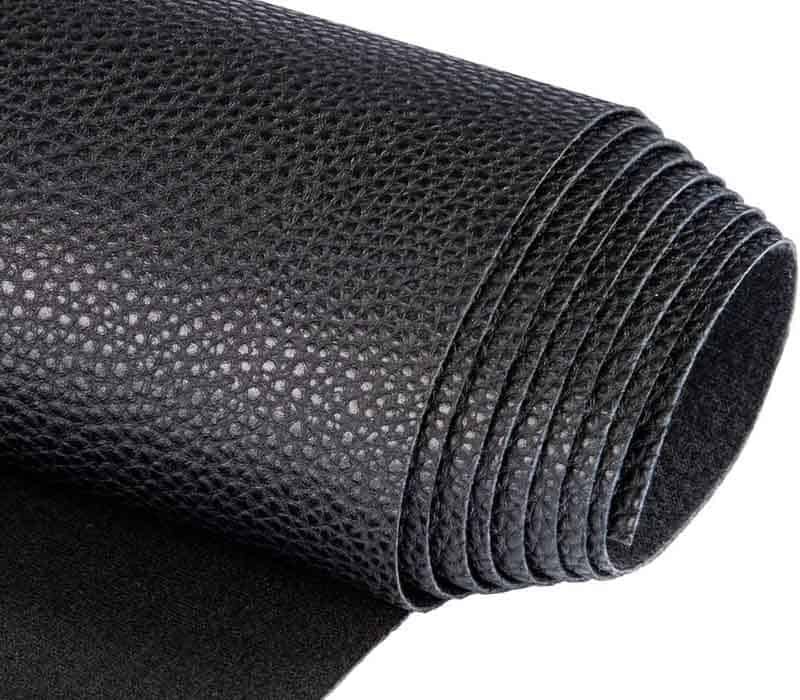
Leather goods with that signature dimpled texture,called **pebbled leather,**are everywhere, from high‑end handbags to durable wallets. But as more of us adopt careful, cruelty‑free lifestyles, a big question pops up: is pebbled leather vegan? This ultimate guide dives deep into pebbled leather’s animal origins, manufacturing, performance, pros and cons, vegan alternatives, and how it stacks up against other popular finishes.
Traditional pebbled leather is made from animal hides—chiefly cowhide—then tumbled or embossed to create its grainy texture, so it isn’t vegan. Vegan pebbled‑look materials include PU, PVC, Piñatex (pineapple fiber), and Mylo (mushroom leather), each offering different trade‑offs in price, durability, and eco‑credentials.
Let’s get started.
What Is Pebbled Leather?
Pebbled leather refers to genuine animal hide finished with a raised, grainy texture that resembles small pebbles. It’s prized because the embossed or tumbled surface hides scratches and wears beautifully over time.
Pebbled leather is authentic, top‑layer leather—usually cowhide—treated mechanically or with heat and pressure to raise its grain into a pebble‑like pattern.
The Texture and Appeal
Embossed vs. Tumbled Grain
- Embossing: A steel roller with pebbled pattern is pressed onto the leather surface.
- Tumbling: Hide pieces are shaken in large barrels to raise the natural grain.
Finish Variations
- Fine Pebble: Small, subtle grain for refined accessories.
- Heavy Pebble: Pronounced pebble for rugged, casual styles.
Applications
- Handbags & Totes: Grain hides marks from daily use.
- Wallets & Small Goods: Grain adds a tactile appeal.
What Is Pebbled Leather Made Of?
True pebbled leather begins with an animal hide—most commonly cowhide, though sheepskin and goatskin are also used. The hide’s outer grain layer, renowned for strength, is tanned, dyed, and then treated to raise its grain.
It’s crafted from animal hides—predominantly cow, sometimes sheep or goat—tanned (chrome or vegetable), then grain‑raised via embossing or tumbling, and finished with protective coatings.
Material Breakdown
| Step | Process | Detail |
|---|---|---|
| Raw Hide | Curing, soaking, fleshing | Salt‑preserved, cleaned of flesh |
| Tanning | Chrome vs. vegetable | Chrome (fast, soft), vegetable (slow, firm) |
| Grain Raising | Embossing or tumbling | Petroleum‑powered roller or mechanical drum |
| Dye & Finish | Aniline, semi‑aniline, pigmented top coats | Aniline for natural look; pigmented for uniform color |
| Protective Coat | Wax/oil/polyurethane layers | Adds water resistance, color fastness |
- Cowhide: Thick, durable, large hides minimize seams.
- Sheepskin: Softer, lighter; used for small accessories.
- Goatskin: Tighter grain, more supple than cowhide.
Is Pebbled Leather Vegan?
By definition, no. Traditional pebbled leather derives from animal skins, so it’s not vegan. But the market now offers convincing vegan pebbled alternatives.
Standard pebbled leather is genuine animal hide—not vegan. Vegan versions mimic the look with synthetic or plant‑based fabrics.
Vegan Leather = No animal parts + no animal‑derived processing aids.
Common Vegan Materials:
- PU Leather: Polyurethane base, embossed for grain.
- PVC Leather: Polyvinyl chloride coated fabrics.
- Piñatex: Pineapple leaf fiber base.
- Mylo: Mycelium (mushroom root) base.
Certifications: Look for PETA‑Approved Vegan or Vegan Society logos.
How Is Pebbled Leather Made and How Do Vegan Versions Differ?
Traditional Process (Animal Leather)
- Tanning: Converts hide into durable leather.
- Grain Raising: Embossing or tumbling gives texture.
- Dyeing: Aniline or pigmented dyes add color.
- Coating: Protective layers for water and stain resistance.
Vegan Pebbled Leather Process
- Base Fabric: Polyester, nylon, or natural fiber mat (Piñatex, Mylo).
- Coating: PU or PVC applied.
- Embossing: Heat/pressure embosses pebble pattern.
- Finish: Top‑coats for UV, stain resistance.
Process Comparison
| Step | Animal Pebbled Leather | Vegan Pebbled Leather |
|---|---|---|
| Base Material | Animal hide (cow, sheep, goat) | Synthetic (PU, PVC) or plant‑based |
| Tanning | Chrome/vegetable | N/A |
| Grain Raising | Embossing/tumbling | Embossing |
| Dyeing | Natural dyes or pigments | Synthetic colorants |
| Coating | Wax/oil/polyurethane | PU/PVC and protective top coats |
Is Coach Pebbled Leather Real Leather?
Coach uses top‑grain cowhide, tumbled for a soft pebble finish. Yes—it’s 100% genuine leather.
Coach pebble‑textured goods are crafted from real cowhide that’s mechanically tumbled to raise the grain.
Brand Practices
- Hide Selection: Premium North American cowhides.
- Tanning & Finishing: Proprietary formulas for color uniformity, hand‑tumbling for pebble depth.
- Quality Control: Coach inspectors ensure consistent grain size, no weak spots.
What Are the Pros and Cons of Pebbled Leather?
Pros
- Scratch Resistance: Raised grain hides scuffs.
- Durable: Grain‑bearing layer offers tear strength.
- Low Maintenance: Grain repels dirt; occasional wipe‑down suffices.
- Aesthetic: Casual‑luxury vibe, versatile for day or evening.
Cons
- Stiffness: Grain‑raised hides feel firmer than smooth leather.
- Debris Trap: Dirt can lodge in valleys; spot‑clean needed.
- Cost: Complex finishing raises price vs. plain leather.
Pros & Cons
| Aspect | Pros | Cons |
|---|---|---|
| Durability | High scratch and wear resistance | Heavier and slightly stiffer |
| Maintenance | Wipe clean, hides imperfections | Dirt collects in grain—needs spot cleaning |
| Aesthetic | Textured, hides marks, casual‑luxury look | Less formal than smooth leather |
| Cost | Premium feel | Higher price than untreated smooth leather |
Which Is Better, Saffiano or Pebbled Leather?
Both leathers excel in durability, but Saffiano offers superior stain and water resistance due to its coated, cross‑hatch finish, while pebbled leather delivers a more natural, softer texture and hides scratches more effectively.
Comparing Key Attributes
Texture & Aesthetic
- Saffiano: Machine‑pressed crisscross pattern gives a polished, uniform look—perfect for structured, formal bags.
- Pebbled: Random, raised “pebbles” create an organic, casual‑luxury feel that ages beautifully.
Durability & Resistance
- Saffiano: Top‑coat of wax or lacquer makes it extremely scratch‑resistant and easy to wipe clean—ideal for everyday commuters.
- Pebbled: Grain naturally conceals scuffs and blend marks; thicker hides resist tears but may trap dirt in crevices.
Maintenance & Care
- Saffiano: Minimal care—just wipe with a damp cloth; the coated finish repels water and stains without conditioning.
- Pebbled: Requires periodic leather conditioner to maintain suppleness; wipe‑downs hide wear but deeper grain needs spot cleaning.
Flexibility & Feel
- Saffiano: Stiffer, holds shape well—great for boxy totes and wallets.
- Pebbled: Softer and more pliable, easily molds to your hand or body over time.
Cost & Luxury Positioning
- Saffiano: Often positioned at a premium price point (luxury designers like Prada, Michael Kors).
- Pebbled: Mid‑to‑high range depending on tannage, widely used by brands from Tumi to Coach.
Side‑by‑Side Comparison
| Feature | Saffiano Leather | Pebbled Leather |
|---|---|---|
| Pattern | Uniform cross‑hatch | Random pebble grain |
| Scratch Resistance | Very high (coated finish) | High (grain conceals scuffs) |
| Water/Stain Repel | Excellent | Moderate (needs protective coat) |
| Feel | Structured, crisp | Soft, pliable |
| Maintenance | Wipe clean only | Wipe + occasional conditioning |
| Use Cases | Formal handbags, wallets, organizer cases | Everyday bags, casual totes, travel gear |
| Price Tier | High | Mid–high |
Bottom Line:
- Choose Saffiano if you want ultra‑low maintenance, superb stain resistance, and a sleek, formal aesthetic.
- Choose Pebbled Leather if you prefer a softer feel, natural aging, and superior scratch concealment.
Are There Vegan Alternatives to Pebbled Leather?
Yes,materials like PU leather, PVC leather, Piñatex (pineapple fiber), and Mylo (mushroom-based) can mimic pebbled grain without animal hides, offering varying balances of durability, cost, and eco‑credentials.
| Material | Pros | Cons |
|---|---|---|
| PU Leather | Affordable, versatile embossing | Less breathable, may peel over time |
| PVC Leather | Highly waterproof, durable | Environmental concerns, stiffer |
| Piñatex (Pineapple) | Sustainable, natural fiber feel | Rougher texture, limited color range |
| Mylo (Mushroom) | Biodegradable, soft | Emerging tech, limited scalability |
How Do You Identify Genuine Vegan Pebbled Leather?
Genuine vegan pebbled leather is labeled “vegan” or carries certifications like PETA‑Approved Vegan. It feels cooler and more uniform to the touch, lacks a characteristic “leather” smell, and causes water to bead on its surface rather than absorb.
Spotting Real Vegan Pebble Grain
Look for Certifications and Labels
- PETA‑Approved Vegan, The Vegan Society, or Global Recycled Standard icons guarantee no animal materials.
- Read product descriptions: true vegan leather will explicitly state plant‑ or synthetic‑based origins.
Touch and Texture Test
- Uniform Grain: Synthetic panels often repeat identical pebble patterns; real hides show subtle, random variation in grain depth and size.
- Cool Feel: Vegan leather (PU/PVC) feels slightly cooler and slicker than animal leather’s warm, porous surface.
Smell Test
- Neutral or Plastic Scent: Animal leathers have an earthy, musky aroma. Vegan materials smell more like plastic or have a neutral factory scent.
Water Drop Test
- Beading vs. Absorption: Place a drop of water on the surface; genuine leather absorbs it slowly, whereas vegan leather’s coating makes the droplet bead up.
Edge Inspection
- Fibrous vs. Layered: Real leather edges look fibrous and irregular; vegan leather edges often reveal a uniform layered or plastic core.
Price Point and Brand Reputation
- High‑quality vegan leathers (like Piñatex or Mylo) often carry a premium price similar to real leather. Very low prices with “pebble” claims warrant skepticism.
Durability & Aging
- No Patina: Unlike animal leather, vegan leathers won’t develop a patina over time; they may show cracks or peeling instead of a rich, aged finish.
Conclusion
True pebbled leather is crafted from animal hides and is not vegan. However, today’s vegan alternatives—PU, PVC, Piñatex, Mylo—deliver a convincing pebble grain finish without animal cruelty. Your choice depends on priorities: durability, sustainability, budget, or ethical stance.
Ready to create your custom pebbled leather (vegan or genuine) goods? Szoneier Leather combines years of hide expertise, in‑house design, and full production capabilities—perfect for brands and small‑batch clients. Contact us today to bring your textured‑leather vision to life!
What Can I Do For You?
Here, developing your OEM/ODM private label leather goods collection is no longer a challenge,it’s an excellent opportunity to bring your creative vision to life.
Make A Sample First?
If you have your own tech packs, logo design artwork, or just an idea,please provide details about your project requirements, including preferred fabric, color, and customization options,we’re excited to assist you in bringing your leather goods designs to life through our sample production process.