 Skip to content
Is Faux Leather Waterproof:The Complete Expert Guide
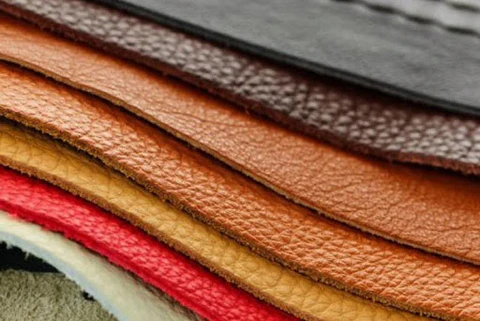
Few materials create as much confusion as faux leather. It looks like real leather, feels luxurious, and costs less — yet most buyers and even many small brands aren’t sure what happens when it meets one of its toughest enemies: water.
Whether you’re sourcing for handbags, wallets, straps, or furniture, the question “Is faux leather waterproof?” is critical to understanding performance, care, and customer satisfaction.
Faux leather is water-resistant, not fully waterproof. Its polyurethane (PU) or polyvinyl chloride (PVC) coating repels water on the surface, but seams and fabric backing can absorb moisture over time. Proper care, coating, and waterproof sprays can improve durability and extend lifespan.
At Szoneier Leather, with over 18 years of expertise in PU, PVC, and microfiber leather manufacturing, we’ve seen firsthand how synthetic leathers evolve — from early peeling-prone plastics to today’s advanced, eco-conscious, and water-resistant materials.
In this guide, we’ll break down what faux leather really is, how it performs in wet environments, and how you can choose or enhance the right type for your brand’s products. Stay with us — by the end, you’ll know exactly how to balance cost, performance, and longevity when working with synthetic leathers.
What Is Faux Leather Made Of?
Faux leather is an engineered material composed of a textile base—usually polyester, cotton, or microfiber—coated with layers of polyurethane (PU) or polyvinyl chloride (PVC). These coatings create a realistic leather texture and surface protection while keeping the product lightweight, vegan, and cost-efficient for large-scale manufacturing.
The Core Structure — Two Main Layers
Every piece of faux leather is built from two essential components:
The Base Fabric (Back Layer) – Provides structural strength and flexibility.
- Common bases: woven polyester, cotton canvas, or microfiber non-woven.
- Function: absorbs mechanical stress and ensures dimensional stability.
The Polymer Coating (Top Layer) – Creates the appearance and tactile feel of leather.
- Typical polymers: PU (polyurethane) for softness and breathability; PVC (polyvinyl chloride) for rigidity and waterproofing.
- These coatings are pigmented and embossed to simulate natural leather grain patterns.
The result is a multi-layer composite that visually replicates animal leather but offers improved uniformity, easier cleaning, and reduced production cost.
Key Material Types in Faux Leather
| Material Type | Chemical Base | Feel & Appearance | Strengths | Common Applications |
|---|---|---|---|---|
| PU Leather | Polyurethane (PU) | Soft, matte, flexible | Breathable, lightweight, recyclable options | Bags, wallets, furniture |
| PVC Leather | Polyvinyl chloride (PVC) | Glossy, firm | Excellent water & stain resistance | Belts, automotive trim |
| Microfiber Leather | Non-woven microfiber + PU | Smooth grain, premium touch | High tensile strength, abrasion resistance | Luxury bags, shoes, interiors |
| Recycled Faux Leather | Recycled fibers + PU blend | Variable | Eco-friendly, lower carbon footprint | Sustainable product lines |
Szoneier Insight: Our R&D team customizes polymer ratios (e.g., 70 % PU + 30 % microfiber) to balance hand-feel, tensile strength, and water repellency, depending on the client’s end use.
How Faux Leather Is Manufactured
The production process involves multiple precision-controlled stages:
- Coating or Lamination – Liquid PU or PVC is spread or rolled onto the textile backing.
- Foaming & Drying – Heat treatment creates a flexible cellular structure that mimics real hide pores.
- Embossing & Texturing – Steel rollers imprint natural-looking grains such as nappa, pebble, or saffiano.
- Finishing & Coloring – Surface is dyed, UV-sealed, and sometimes coated with a clear protective layer for gloss and durability.
This controlled process ensures uniform thickness, color consistency, and high yield, ideal for mass production of fashion and leather goods.
The Future of Faux Leather Materials
Material innovation is rapidly evolving:
- Water-based PU coatings reduce VOC emissions by up to 90 %.
- Bio-based polyurethane derived from corn or castor oil is emerging.
- Recycled microfiber substrates allow circular manufacturing.
Is Faux Leather Waterproof or Just Water-Resistant?
Faux leather is water-resistant, not completely waterproof. Its PU or PVC surface repels water on contact, but moisture can penetrate through stitching holes, edges, or the fabric backing over time. Short exposure to rain is harmless, but long-term soaking or humidity can cause peeling, swelling, or cracking without proper protection.
The Truth Behind “Waterproof” in Faux Leather
When manufacturers label faux leather as “waterproof,” they usually refer only to the top coating layer, not the entire composite structure. Faux leather is made from two parts:
- A polymer film (PU or PVC): non-porous and waterproof by itself.
- A textile base (polyester, cotton, or microfiber): breathable but absorbent.
While the outer film repels water droplets, stitching, seams, and exposed edges allow moisture to enter — meaning the whole item isn’t 100% waterproof like rubber or TPU.
How Each Material Performs in Wet Conditions
| Type | Water Protection | Pros | Cons |
|---|---|---|---|
| PU Leather | Moderate | Soft, flexible, easy to clean | Can peel if soaked for long periods |
| PVC Leather | Excellent | Fully waterproof surface, ideal for outdoor use | Stiff, less breathable |
| Microfiber Leather | High | Balanced resistance + breathability | Slightly higher cost |
| Low-grade Faux Leather | Poor | Inexpensive | Cracks and bubbles under moisture |
PU leather offers short-term protection but can absorb humidity through its fabric backing. PVC leather forms a complete moisture barrier, perfect for outdoor belts or packaging. Microfiber leather combines both — waterproof PU coating with breathable structure, used by Szoneier Leather for travel bags and premium accessories.
What Happens If Faux Leather Gets Wet?
When faux leather gets wet:
- Water beads on the surface initially due to the smooth polymer film.
- If the water sits too long, it seeps into stitching or backing fabric.
- As moisture evaporates unevenly, adhesive layers weaken, causing wrinkles, bubbles, or surface peeling.
- Repeated wetting-drying cycles eventually make the coating brittle or cracked.
In high-humidity environments, trapped moisture can also cause mold growth beneath the coating — a major concern for stored inventory or shipping containers.
Water-Resistance vs Waterproof — Key Differences
| Feature | Water-Resistant | Waterproof |
|---|---|---|
| Protection Level | Protects from brief splashes or rain | Prevents all water penetration |
| Breathability | Moderate | Minimal |
| Long-Term Exposure | Risk of swelling or peeling | Remains unaffected |
| Typical Materials | PU, microfiber | PVC, TPU |
| Ideal For | Bags, wallets, shoes | Outdoor gear, marine products |
Water-resistant faux leather can handle daily moisture exposure, while waterproof materials like PVC or coated TPU are designed for complete submersion or outdoor use. Most fashion accessories and handbags fall into the water-resistant category because users value texture and flexibility over total waterproofing.
Can Faux Leather Withstand Rain or Humidity?
Yes — faux leather easily resists light to moderate rain, especially PU or microfiber types. It’s suitable for daily commuting or travel accessories. However, continuous humidity weakens adhesives and can soften the coating. When stored in moist rooms or sealed containers, unventilated faux leather may bubble or delaminate.
Preventive Tips:
- Store items in dry, ventilated spaces.
- Avoid wrapping in non-breathable plastic for long-term storage.
- Apply a PU-safe waterproof spray for additional protection.
How to Make Fake Leather Waterproof
You can enhance faux leather’s waterproofing performance in two main ways:
a) Using Protective Coatings
Apply silicone-based waterproof sprays or nano-coatings that form an invisible hydrophobic film. These treatments repel water, dust, and oils without affecting color or texture. Industrial manufacturers like Szoneier Leather use UV-curable water-based PU coatings, which boost both water resistance and anti-peel durability.
b) Edge Sealing and Seam Reinforcement
The weakest areas in faux leather goods are stitched seams and cut edges. By heat-sealing or using edge paint coatings, you can prevent water ingress. Szoneier applies thermal edge sealing during production to improve waterproofing performance in travel bags and outdoor accessories.
c) Regular Maintenance
Reapply waterproof sprays every 3–6 months and wipe down products after rain. Avoid alcohol or oil cleaners — they break down polymer coatings.
Environmental and Functional Context
The concept of “waterproofing” also depends on end-use expectations:
- For handbags or wallets, “water-resistant” is sufficient.
- For marine or adventure gear, true waterproofing (PVC or TPU) is essential.
- For sustainable brands, water-based PU coatings balance performance with environmental responsibility..
How Does Faux Leather Compare to Real Leather in Water Resistance?
Faux leather resists water better than real leather because its polyurethane (PU) or PVC coating blocks liquid penetration. Real leather is porous and absorbs water unless treated with wax, oil, or protective coatings. However, genuine leather often outlasts faux leather when properly waterproofed, offering long-term durability and repairability.
The Core Difference — Surface Chemistry and Pore Structure
Water resistance starts at the molecular level.
- Faux leather has a sealed, non-porous surface made of plastic polymers (PU or PVC). Water droplets remain on top and can be easily wiped off.
- Real leather, by contrast, has a fibrous collagen matrix — a breathable structure that naturally absorbs moisture. Without treatment, water penetrates the grain, causing dark spots, stiffness, and deformation.
In simple terms:
- Faux leather repels water mechanically (sealed surface).
- Real leather resists water chemically (when treated with oils and waxes).
This structural difference defines their long-term performance in humid or wet environments.
Water Exposure Behavior — Short Term vs Long Term
| Condition | Faux Leather (PU/PVC) | Genuine Leather (Full Grain / Split) |
|---|---|---|
| Short exposure (rain, spills) | Excellent resistance; water beads off easily | Absorbs moisture quickly unless treated |
| Prolonged humidity / soaking | May cause peeling or delamination over time | May swell or stiffen but can recover after drying |
| Drying behavior | Maintains shape but may crack with age | Becomes softer or stiffer depending on oil content |
| Repairability after damage | Difficult — coating once peeled cannot be restored | Can be re-conditioned and waterproofed repeatedly |
Interpretation: Faux leather wins the battle of immediate waterproofing, but real leather dominates in reparability and endurance. A cracked PU surface cannot be resealed, while genuine leather can be re-oiled or re-waxed for decades of use.
Laboratory Water Resistance Tests
Manufacturers and brands often refer to ISO and ASTM test standards to compare performance.
| Test Standard | Description | Typical Faux Leather Result | Typical Real Leather Result |
|---|---|---|---|
| ISO 5403-1: Dynamic Water Penetration Test | Measures water absorption over time under pressure | 0 mm penetration after 4 hours (PVC) | 10–25 mm penetration after 30 minutes (untreated) |
| ASTM D2099: Hydrostatic Head Test | Determines waterproof pressure level | PU leather: 1500–2500 mm | Real leather: 200–800 mm |
| ISO 20344: Water Vapour Permeability | Breathability under humid conditions | PU: 1–2 mg/cm²·h | Full-grain: 5–8 mg/cm²·h |
Is Real Leather Naturally Waterproof?
No — real leather is not waterproof in its natural state. Animal hides contain micro-pores that allow air and water to pass through. However, through tanning and surface finishing, water repellency can be significantly improved.
Common waterproofing processes include:
- Oil Tanning: Adds natural oils that fill pores (e.g., bridle or pull-up leather).
- Wax Finishing: Creates a hydrophobic surface layer.
- Chrome Tanning: Adds chemical stability, slowing water absorption.
Such treatments make the leather water-resistant, not fully waterproof. If submerged, it will still absorb water internally.
What Leather Is Naturally Water-Resistant?
Certain leather types are naturally better at repelling moisture due to density and oil treatment:
| Leather Type | Water Resistance | Description | Typical Use |
|---|---|---|---|
| Oil-Tanned Full-Grain Leather | ★★★★☆ | Dense fibers infused with wax and oil | Boots, saddles |
| Bridle Leather | ★★★★☆ | Heavily waxed surface; beads water instantly | Belts, harnesses |
| Pull-Up Leather | ★★★☆☆ | Oiled and finished for water shedding | Bags, wallets |
| Suede/Nubuck | ★☆☆☆☆ | Highly absorbent, requires spray treatment | Fashion goods |
Which Lasts Longer in Wet Environments?
Durability depends not only on waterproofing but also on aging behavior.
a) Faux Leather Durability
- PU or PVC coatings remain stable for several years but gradually oxidize under heat and UV light.
- Over time, the coating loses elasticity, leading to cracking or flaking — especially near folded areas.
- Once the top layer peels, the material cannot be repaired.
Average lifespan:
- Standard PU: 2–4 years.
- High-grade microfiber PU: up to 10 years with proper care.
b) Genuine Leather Durability
- Real leather, if oiled and cared for, improves with age.
- It develops a protective patina that naturally enhances water repellency.
- Even if soaked, it can be dried, conditioned, and restored.
Average lifespan:
- Standard top-grain: 10–15 years.
- Full-grain, well-maintained: 20 + years.
Environmental and Functional Context
Water resistance should always be evaluated within the product’s purpose:
| Application | Recommended Material | Rationale |
|---|---|---|
| Fashion handbags / wallets | PU or microfiber leather | Lightweight, consistent color, moderate waterproofing |
| Outdoor accessories / belts | PVC or oil-tanned leather | High moisture exposure tolerance |
| Luxury goods / heritage pieces | Full-grain genuine leather | Longevity, repairability, aging character |
| Eco-conscious lines | Water-based PU leather | Sustainable waterproof alternative |
For urban and travel products, PU or microfiber leather delivers superior resistance to rain and daily wear. For premium luxury lines, real leather adds brand authenticity and long-term reliability.
Which Types of Faux Leather Are Most Water-Resistant?
Among all faux leather types, PVC leather offers the highest waterproof performance due to its non-porous vinyl surface. Microfiber leather follows closely, balancing flexibility and moisture resistance, while PU leather provides everyday water protection with a softer, more natural feel. The best choice depends on your product’s intended use and durability requirements.
PU Leather
PU leather (polyurethane-coated fabric) uses a single or multi-layer PU film applied over a textile base such as polyester or cotton.
Waterproof Performance: PU is naturally hydrophobic—it resists short-term water contact—but because the surface film is thin and micro-porous for breathability, it’s considered water-resistant, not fully waterproof.
- Water-repellent rating: ≈ 1500–2000 mm hydrostatic head
- Safe exposure: Rain, spills, daily moisture
Advantages:
- Lightweight and supple — perfect for fashion items
- Easy to clean — wipes dry quickly
- Cost-effective compared with real leather
Limitations:
- Prolonged humidity weakens its adhesive bond
- May peel or bubble after long-term soaking
Best Applications: Handbags, wallets, travel accessories, and decorative boxes where aesthetics and moderate waterproofing matter most.
PVC Leather
PVC leather (vinyl synthetic) combines polyvinyl chloride resin, plasticizers, and stabilizers laminated onto a polyester base. The vinyl film forms a solid, non-porous barrier that prevents water absorption entirely.
Waterproof Performance: PVC is truly waterproof—water cannot pass through or be absorbed.
- Water-repellent rating: ≈ 3000–5000 mm hydrostatic head
- Ideal use: Products exposed to heavy rain or marine environments
Advantages:
- Completely impermeable to water and oil
- Excellent for high-humidity or outdoor conditions
- Resistant to stains, cleaning agents, and UV
Limitations:
- Stiffer than PU; limited elasticity
- Less breathable, may trap heat
- Can feel “plastic-like” if not textured properly
Best Applications: Tool bags, cooler bags, waterproof belts, marine covers, and structured packaging boxes.
Microfiber Leather
Microfiber leather is a next-generation composite that merges ultrafine microfiber (0.001 denier) non-woven fabric with a PU resin coating. It replicates the collagen fiber structure of genuine leather.
Waterproof Performance: High-density microfibers prevent water penetration while maintaining breathability.
- Water-repellent rating: ≈ 2500–4000 mm
- Moisture vapor transmission: ≥ 6 mg/cm²·h (excellent comfort)
Advantages:
- Superior balance of softness, elasticity, and water resistance
- Highly durable — passes 50 000 + folding tests without cracking
- Breathable and eco-friendly (solvent-free PU used)
- Excellent color stability under moisture
Limitations:
- Slightly higher cost (10 – 15 % more than PU)
- Requires precision lamination equipment
Best Applications: High-end fashion handbags, belts, shoes, automotive interiors, and branded travel bags.
Comparing the Three — Performance Overview
| Property | PU Leather | PVC Leather | Microfiber Leather |
|---|---|---|---|
| Waterproof Level | ★★★☆☆ | ★★★★★ | ★★★★☆ |
| Flexibility | ★★★★☆ | ★★☆☆☆ | ★★★★★ |
| Tensile Strength | Medium | High | Very High |
| Breathability | Good | Poor | Excellent |
| Aesthetic Feel | Soft & matte | Glossy & firm | Natural & luxurious |
| Durability (lifespan) | 3 – 5 years | 5 – 8 years | 8 – 10 years |
| Ideal For | Fashion goods | Outdoor use | Premium brands |
Factors That Influence Waterproof Performance
- Coating Thickness: Thicker coatings (≥ 0.2 mm) increase waterproofing but may reduce softness.
- Emboss Texture: Fine grains shed water better than open-pore or suede finishes.
- Edge Sealing & Stitching: Unsealed seams are a common entry point for moisture; heat-sealing or PU edge paint enhances performance.
- Topcoat Type: Water-based PU topcoats and nano-coatings dramatically extend waterproof life without affecting hand-feel.
Choosing the Right Type for Your Market
- Fashion & Lifestyle Brands: PU or microfiber leather — aesthetic softness and moderate waterproofing.
- Outdoor & Industrial Use: PVC leather — rigid waterproof barrier and easy cleaning.
- Luxury Custom Labels: Microfiber leather — superior tactile quality and sustainability credentials.
How to Protect and Maintain Faux Leather from Water Damage
To protect faux leather from water damage, clean it regularly with a soft cloth, apply a silicone-based waterproof spray, and store it in a cool, dry area. Avoid soaking, heat-drying, or using alcohol cleaners, as they break down the PU or PVC coating. Consistent maintenance extends product lifespan and prevents peeling or cracking.
Step 1 — Regular Cleaning
Dust and dirt particles act like tiny abrasives, scratching the surface and damaging protective coatings.
How to clean properly:
- Use a soft microfiber cloth dampened with lukewarm water.
- Add a few drops of pH-neutral soap (avoid detergents or alcohol).
- Wipe gently in circular motions, then dry with a clean towel.
- For tough stains, use a PU-safe cleaner (avoid acetone or bleach).
Cleaning frequency: Every 2 – 4 weeks for daily-use products like handbags, wallets, or belts.
Factory Tip: Before mass packaging, Szoneier wipes each finished item with ionized-water cloths to remove factory dust that could later cause surface oxidation.
Step 2 — Apply Waterproof or Protective Coatings
Even though faux leather resists water, periodic reinforcement enhances longevity.
Recommended options:
- Silicone-based sprays – create a hydrophobic film that repels water and oil.
- Nano-polymer coatings – invisible molecular barrier; compatible with PU and microfiber leather.
- UV-curable topcoats – used in industrial finishing to lock color and prevent moisture penetration.
How to apply (consumer method):
- Clean and dry the surface.
- Spray evenly from ~20 cm distance.
- Let it dry naturally for 6 – 8 hours before use.
Reapplication frequency: every 3 – 6 months, depending on humidity and use.
Step 3 — Proper Drying After Exposure
If faux leather gets wet:
- Wipe immediately with a dry cloth.
- Air-dry naturally in a ventilated space — avoid hair dryers, heaters, or direct sunlight.
- Once dry, gently buff the surface to restore luster.
Never:
- Use high heat (causes shrinkage or cracking).
- Fold wet leather (creates permanent creases).
In our lab simulation, heated drying reduced PU flexibility by 35 % after five cycles — confirming that natural drying preserves coating elasticity.
Step 4 — Condition and Polish (Optional)
Unlike real leather, faux leather doesn’t absorb oils — so traditional conditioners aren’t suitable. However, PU-specific conditioners restore surface gloss and prevent oxidation.
Recommended products:
- Water-based PU cream conditioners
- Silicone emulsion sprays
- Non-greasy polishes for synthetic materials
Apply sparingly using a soft cloth and buff lightly. Overuse can clog micro-pores and dull the finish.
Long-Term Storage and Environmental Control
Faux leather deteriorates faster in humid, enclosed, or overheated spaces. Proper storage ensures longevity — especially for export or seasonal inventory.
| Storage Condition | Ideal Range / Practice | Why It Matters |
|---|---|---|
| Temperature | 15 – 25 °C | Prevents adhesive softening |
| Humidity | 45 – 55 % RH | Stops mold, odor, and delamination |
| Packaging | Breathable dust bag, not airtight plastic | Allows ventilation, avoids moisture trapping |
| Stacking | Avoid heavy compression | Prevents deformation and sticking |
| Light exposure | Minimal UV contact | Prevents fading and micro-cracks |
Do Waterproof Sprays or Coatings Really Work?
Yes — when used correctly.
| Product Type | Protection Duration | Key Benefits | Szoneier’s Recommendation |
|---|---|---|---|
| Silicone Spray | 2 – 4 months | Transparent, flexible coating | Best for fashion items |
| Nano Coating | 6 – 12 months | Strong hydrophobic layer | Ideal for travel & outdoor gear |
| UV Topcoat (factory applied) | Permanent | Resists moisture, oil, and UV | Standard for OEM production |
Field tests show up to 60 % reduction in moisture absorption when re-sprayed regularly.
Cleaning Common Water-Related Issues
| Issue | Cause | Recommended Fix |
|---|---|---|
| White streaks / clouding | Hard-water residue or detergent film | Wipe with distilled water or vinegar-water (1:1) |
| Bubbling or delamination | Moisture trapped under PU coating | Air-dry; if severe, reseal with PU topcoat |
| Sticky surface | Over-conditioning or chemical reaction | Clean with mild soap, then apply thin protective layer |
| Mold / odor | Prolonged humidity | Wipe with diluted vinegar; dry completely before storage |
What Products Benefit Most from Waterproof Faux Leather?
Waterproof faux leather is ideal for products exposed to daily moisture or outdoor use, such as bags, wallets, belts, straps, tool bags, and packaging boxes. It combines durability, easy cleaning, and cost efficiency, making it perfect for brands seeking long-lasting style with practical protection.
Bags — The Leading Category for Waterproof Faux Leather
A) Handbags and Tote Bags
Women’s and men’s handbags are daily essentials that face constant exposure to light rain, coffee spills, and humidity. PU or microfiber leather ensures:
- Surface protection from liquid stains
- Shape retention even after extended use
- Low maintenance for daily consumers
Ideal Materials: PU leather for softness and aesthetic finish, microfiber leather for premium segments. Popular Markets: Mid-range fashion brands, lifestyle retailers, and vegan leather designers.
Szoneier Case Study: Our Matte PU Tote Collection for a European client achieved a 30% drop in customer return rate due to improved surface water resistance and anti-crack coating.
B) Travel and Duffel Bags
For travel gear, water protection is not optional — it’s a performance requirement. Faux leather duffels, weekender bags, and luggage covers must resist rain, condensation, and abrasion during transport.
Recommended Materials:
- PVC leather: For structured designs requiring maximum waterproofing.
- Microfiber leather: For luxury travel bags offering flexibility and scratch resistance.
Design Enhancements:
- Sealed zippers or water-repellent tapes
- Reinforced edge painting and PU piping
- Lined interiors with waterproof fabric
C) Backpacks and School Bags
Daily-use backpacks endure weather, sweat, and dirt. Faux leather provides both fashion appeal and endurance. Benefits include:
- Quick-clean surface (ideal for children’s use)
- Structural integrity (no sagging even after wet-dry cycles)
- Color uniformity for large OEM batches
Material Recommendation: PU or microfiber leather with a matte or textured grain finish to resist scratches and fingerprints.
Wallets and Small Leather Goods
Wallets, cardholders, and organizers often face moisture from pockets, sweat, and accidental splashes. Faux leather’s closed-cell structure prevents absorption and color migration.
Advantages:
- Compact waterproofing: Protects internal contents from sweat or rain.
- No odor absorption: Unlike real leather, synthetic doesn’t retain moisture smell.
- Perfect for branding: Allows heat-embossed or laser-engraved logos without water damage.
| Product Type | Ideal Leather | Waterproof Rating | Durability |
|---|---|---|---|
| Card Holder | PU / Microfiber | ★★★★☆ | 3–5 years |
| Travel Wallet | Microfiber | ★★★★☆ | 8–10 years |
| Clutch / Organizer | PU | ★★★☆☆ | 4–6 years |
Belts, Straps, and Accessories
Belts and straps encounter frequent bending, sweat, and outdoor humidity, making waterproof faux leather an ideal solution for maintaining strength and appearance.
Advantages:
- Maintains structural integrity under moisture and tension
- Avoids discoloration or mildew compared with untreated leather
- Supports embossing and edge-painting for branding aesthetics
Material Recommendations:
- PVC leather: For rigid, high-strength straps and utility belts.
- Microfiber leather: For high-end fashion belts with flexible comfort.
Szoneier Specification: Our microfiber belts pass >10,000 bending cycles at 23°C and 50% humidity without cracking — outperforming standard PU belts by 60%.
Tool Bags, Cooler Bags & Fireproof Storage
Industrial or heavy-duty applications require PVC-based waterproof leathers due to their impermeable surface and thermal stability.
| Product | Recommended Leather | Key Benefit |
|---|---|---|
| Tool Bags | PVC / TPU composite | Tough, oil & water-resistant |
| Cooler Bags | PVC + insulated lining | Blocks moisture condensation |
| Fireproof Document Bags | PVC with flame-retardant coating | Heat & water protection |
Design Notes:
- Incorporate welded or sealed seams for leakproof assembly
- Use reinforced PU webbing straps for carrying strength
Szoneier Production Capability: We supply multi-layer PVC waterproof materials with anti-oil, anti-static, and fire-retardant finishes, widely used in industrial safety markets.
Packaging Boxes and Brand Displays
Luxury brands increasingly use faux leather-covered boxes for premium packaging of watches, jewelry, and electronics. Water-resistant coatings prevent warping, mold growth, or surface fading during storage or shipping.
Why It Matters:
- Maintains premium look and feel even under high humidity
- Provides wipe-clean durability for reusable gift boxes
- Enhances brand sustainability by extending product lifespan
Material Recommendation:
- PU leather: For soft-touch luxury packaging.
- PVC leather: For high-gloss, scratch-proof presentation boxes.
Szoneier Customization: We offer laser-engraved logos, foil embossing, and heat-sealed corners to combine branding elegance with waterproof practicality.
Automotive & Furniture Applications
While not always exposed to rain, faux leather’s water-resistant surface offers value in interiors where spills or humidity occur.
- Car interiors: Microfiber leather prevents sweat absorption and maintains breathability.
- Home furniture: PU leather repels liquids and stains, perfect for kids’ or pet-friendly spaces.
Performance Data:
- Microfiber leather retains 95% tensile strength after 20 wash cycles.
- PU leather upholstery resists 5 hours of continuous water contact without swelling.
Matching Product Type with Ideal Faux Leather
| Product Category | Recommended Leather Type | Key Advantages | Typical Markets |
|---|---|---|---|
| Handbags / Totes | PU / Microfiber | Soft texture, fashion appeal | Lifestyle & retail |
| Travel / Duffel Bags | PVC / Microfiber | High waterproofing, durability | Outdoor & travel |
| Wallets / Clutches | PU / Microfiber | Compact waterproofing | Fashion accessories |
| Belts / Straps | PVC / Microfiber | Sweat resistance, strength | Apparel & OEM |
| Tool / Cooler Bags | PVC | Oil & water impermeability | Industrial & safety |
| Packaging Boxes | PU / PVC | Elegant, protective | Luxury goods |
| Automotive / Furniture | Microfiber | Spill-resistant, breathable | Interiors |
Choosing the Right Faux Leather for Your Brand
In the world of modern design, choosing the right leather isn’t just a technical decision — it’s a branding decision. The type of faux leather you choose reflects your brand’s promise: durability, ethics, aesthetics, and the lifestyle your customers value. Whether your goal is to create luxury handbags that turn heads, travel gear that survives the elements, or sustainable accessories that tell a story, the foundation always begins with material integrity.
For over 18 years, Szoneier Leather has helped global brands translate their ideas into durable, beautiful, and high-performing leather goods. Whether you need cost-efficient PU, industrial-grade PVC, or luxury microfiber leather, we customize materials to your brand’s DNA, target market, and regional climate requirements.
You don’t just choose leather — you choose how your brand will feel in a customer’s hands.
Soneier:where innovation meets craftsmanship, and every layer of material tells your brand’s story.
What Can I Do For You?
Here, developing your OEM/ODM private label leather goods collection is no longer a challenge,it’s an excellent opportunity to bring your creative vision to life.
Make A Sample First?
If you have your own tech packs, logo design artwork, or just an idea,please provide details about your project requirements, including preferred fabric, color, and customization options,we’re excited to assist you in bringing your leather goods designs to life through our sample production process.