
Softening stiff leather is one of the most common challenges for everyday users, fashion buyers, and even seasoned leather enthusiasts. Whether it’s a pair of rigid new boots, a dry vintage bag, or a belt that feels like cardboard, the need is the same: how do you soften leather fast—without harming its fibers or reducing its lifespan? Many people turn to household tricks, heavy oiling, or heat, but not all methods are safe. In fact, some shortcuts can permanently weaken the leather, cause discoloration, or destroy its natural structure.
The fastest and safest way to soften stiff leather is to clean it, apply a high-quality leather conditioner, and gently flex the material while it absorbs moisture and oils. Natural oils like mink oil work well for boots and belts, while specialized conditioners are better for bags and jackets. Avoid extreme heat, soaking, or over-conditioning, as these methods can permanently damage leather fibers.
Understanding why leather becomes stiff—and which treatment matches your product type—helps you avoid costly mistakes. In the next sections, we break down the science behind stiffness, the safest fast-softening methods, and product-specific techniques used by leather artisans and manufacturing experts. You’ll also learn why choosing the right materials and finishing methods at the manufacturing stage determines how leather ages and softens over time.
Let’s begin with the root cause: why does leather even become stiff?
What Makes Leather Stiff in the First Place?
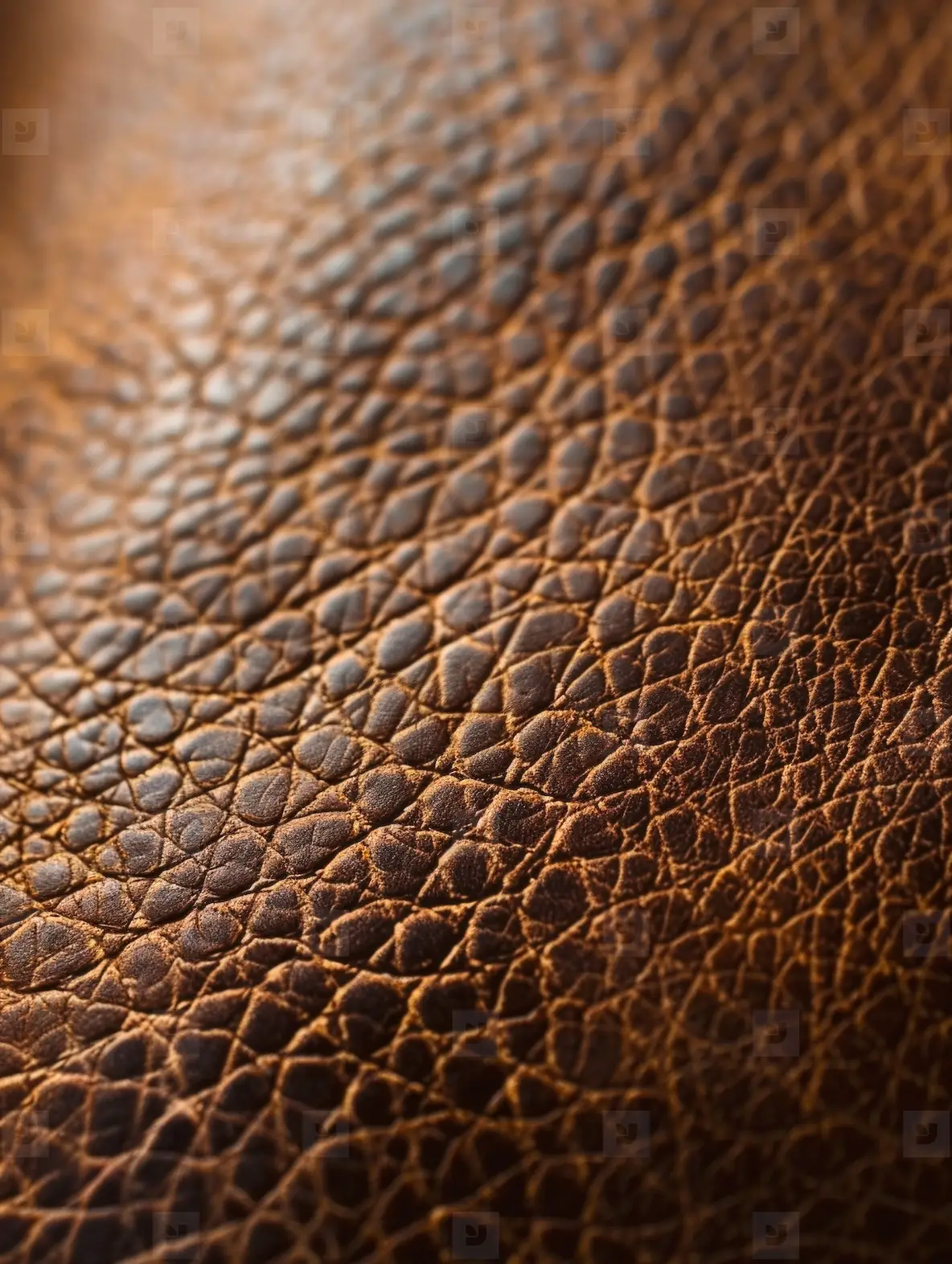
Leather becomes stiff when it loses natural oils, absorbs moisture unevenly, dries in high heat or low humidity, accumulates dirt that blocks pores, or undergoes improper tanning or long-term storage. When leather fibers shrink, collapse, or lose lubrication, flexibility disappears. Understanding the exact cause—dryness, environmental stress, poor maintenance, or structural tanning issues—helps you choose the safest and most effective softening treatment.
The Complete Science Behind Stiff Leather
Leather stiffness is not random—it results from predictable chemical, environmental, and structural changes inside the material. Leather is a collagen-based natural product. When the collagen fibers lose lubrication, shrink, or become restricted, the leather becomes hard, rigid, and sometimes brittle.
Below are all the major causes, explained with professional-level accuracy to help users identify the specific reason their leather has stiffened. This improves treatment results and prevents accidental damage.
1. Natural Oil Loss (The #1 Root Cause)
Leather contains oils and fats that keep collagen fibers flexible and elastic. Over time, these oils evaporate or oxidize.
Why oil loss happens:
- Age (older leather loses moisture)
- Exposure to sunlight (UV accelerates oxidation)
- Exposure to heaters, radiators, or hot car interiors
- Air conditioning or low-humidity environments
- Failure to condition leather regularly
What happens inside the leather:
- Collagen fibers contract
- The fiber bundles become rigid
- Surface feels dry, dull, and rough
- Bending causes noise or micro-cracks
This is the most common cause of stiffness in bags, belts, wallets, shoes, and jackets.
2. Environmental Stress (Heat, Sun, Humidity Swings)
Leather is extremely sensitive to climate conditions.
High Heat
- Accelerates moisture evaporation
- Shrinks fibers
- Can cause permanent hard spots
- Darkens or discolors the surface
Low Humidity
- Causes dehydration
- Weakens fiber elasticity
- Promotes cracking
Sunlight (UV Exposure)
- Oxidizes natural oils
- Damages pigments
- Hardens the grain layer
Real-world examples:
- A handbag left in a car in summer becomes hard at the handles.
- Leather shoes placed near a heater dry out unevenly.
- Jackets stored in open sunlight stiffen along the shoulders.
3. Water Damage & Improper Drying
Water itself does not make leather stiff—but water + improper drying absolutely does.
When leather is soaked:
- Water enters the fiber structure
- Oils rise to the surface
- As it dries, oils evaporate
- Fibers shrink and stick together
This causes extreme stiffness. Even mild water exposure (rain on untreated boots) can cause dryness and rigid spots.
4. Dirt, Sweat, and Product Build-Up (Pore Blockage)
Leather is porous. When pores become clogged with dirt, sweat, sunscreen, body oils, or wax residue:
- Leather stops absorbing conditioner
- Moisture becomes trapped inside the wrong places
- Surface hardens
- Texture becomes uneven or “crunchy”
This is extremely common in:
- Watch straps
- Wallet edges
- Shoe tongues
- Backpack straps
If leather is not cleaned before conditioning, stiffness returns quickly because conditioning cannot penetrate.
5. Poor-Quality Leather or Improper Tanning
Not all leather stiffens for the same reason—some stiffen because they were poorly made.
Vegetable-Tanned Leather
- Naturally stiffer when new
- Becomes stiff if not conditioned
- Ages beautifully if maintained
Cheap or Corrected-Leather Products
- Heavy synthetic coating blocks oils
- Surface cracks → stiffness
- Cannot be softened deeply
Improper Tanning
- Fibers not stabilized correctly
- Natural oils not fully embedded
- Leather stiffens rapidly, even when new
Consumers often mistake poor-quality leather for “old leather” when the real issue is manufacturing.
6. Long-Term Storage or Lack of Use
When leather is left unused:
- Fibers stop being naturally flexed
- Oils settle and dry out
- Leather hardens in folded or compressed shapes
Storage-related stiffness occurs in:
- Vintage bags stored in attics
- Belts left in drawers for years
- Wallets packed tightly and unused
- Leather garments in sealed plastic covers
Plastic traps moisture → mold risk → fiber damage → stiffness.
7. Chemical Damage from Cleaning Products
Harsh chemicals strip oils fast.
Avoid:
- Alcohol wipes
- Household cleaners
- Vinegar
- Bleach
- Acetone or nail polish remover
These chemicals disrupt the collagen structure, making leather hard and brittle.
Causes of Leather Stiffness & What They Mean
| Cause | What Happens Inside Leather | Common Symptoms | Risk Level |
|---|---|---|---|
| Natural oil loss | Fibers shrink & tighten | Dry, noisy, cracked surface | High |
| Heat / Sun | Oils evaporate, fibers harden | Color fading, stiffness | High |
| Water damage | Oils wash out | Hard, rough, warped texture | Very High |
| Dirt buildup | Pores clogged | Uneven roughness, patchy stiffness | Medium |
| Poor tanning | Weak structure | Stiff when new, cracks early | High |
| Long storage | Fibers freeze in place | Brittle, folded stiffness | Medium |
| Chemical exposure | Fiber breakdown | Extreme dryness, discoloration | Very High |
How Do You Soften Different Leather Products Quickly?
To soften different leather products quickly and safely, you need to match the method to the item: use leather conditioner and flexing for shoes and boots, gentle oiling and stuffing for bags and wallets, glove-specific break-in for sports gloves, and minimal product plus regular bending for belts and straps. Always clean first, apply a thin layer of leather conditioner or appropriate oil, warm the leather slightly (never hot), then flex and rest it for 12–24 hours.
1. General Step-By-Step Workflow for Any Leather Item
Before getting into shoes, bags, belts, etc., it helps to have a universal softening workflow you can adapt to each product type.
Clean Before You Soften
Dust, dirt, and old wax block conditioners from penetrating.
- Use a soft brush or microfiber cloth to remove surface dust.
- For very dirty items, use a pH-balanced leather cleaner, not household soap.
- Let the leather dry at room temperature before applying anything else.
This ensures conditioners go into the fibers instead of trapping grime inside.
Choose the Right Conditioner or Oil
Different items tolerate different products (see product-specific sections below), but in general:
- Prefer dedicated leather conditioners, creams, or balms.
- Use light natural oils (like neat’s-foot oil or mink oil) with caution—great for thick, outdoor leathers, but they can darken color and soften structure more than you expect.
- Avoid heavy cooking oils or petroleum products for fashion leather; they can go rancid or make the leather sticky.
Apply thin, even layers rather than one heavy coat; this keeps fibers flexible without drowning them.
Gentle Warmth + Flexing
Softening is faster if you combine product with movement:
- Warm the leather slightly with body heat or a low-heat hairdryer held at a safe distance (always moving, never focused in one spot).
- Flex, bend, and twist the item in the ways it will actually be used—walk in shoes, roll belts, open/close bags, clench gloves.
This helps the conditioner work deeper and aligns fibers with the real stress points of daily use.
2. Shoes & Boots — Fast Break-In Without Pain
Leather footwear is where people most often search “how to soften stiff leather fast”.
Quick, Safe Method for Shoes & Boots
- Clean the shoes.
- Apply a boot-grade leather conditioner or cream (small amount, circular motion).
- Use a shoe tree or stuff with socks to hold shape.
- Wear them at home in short sessions (30–60 minutes), preferably with thick socks.
- Repeat over 1–3 days instead of forcing a full-day wear on day one.
You get faster comfort with less risk of creasing or cracking.
Extra Tips for Footwear
- For very stiff boots, apply an extra light coat around flex zones: toe box crease area, ankle bend, tongue.
- Avoid soaking them in water or blasting them with high heat; you might soften them for one day but destroy the structure and shorten their life.
- If the leather is very thick (work boots, military boots), mink oil or dubbin can work, but expect darkening and a more rugged, matte finish.
3. Bags, Briefcases & Backpacks — Softer, But Still Structured
For leather bags, the goal is usually: “more supple, but not floppy”.
How to Soften Leather Bags Quickly
- Empty the bag completely and remove hard inserts (if possible).
- Clean the surface with a soft cloth and, if needed, mild leather cleaner.
- Apply a cream-based conditioner or balm in thin, even layers—focus on panels that bend (side gussets, handles, straps).
- Lightly stuff the bag with towels or paper to hold its desired shape.
- Gently flex the panels by hand; don’t fold sharply near seams.
Leave the bag to rest for 12–24 hours, then repeat if needed.
This restores suppleness while keeping the silhouette stable.
Special Attention to Handles & Straps
Handles and shoulder straps often feel stiff because of internal reinforcements.
- Apply extra conditioner to the underside (the part that touches your hand or shoulder).
- Flex in short movements—simulate carrying, twisting, and lifting.
- Avoid over-softening around hardware (D-rings, buckles) or stitching, where structural strength matters.
4. Wallets, Cardholders & Small Accessories
These are thin leather goods where users want quicker comfort but don’t want stretching or deformation.
Gentle, Controlled Softening
- Clean gently—no soaking.
- Apply a very small amount of leather cream or lotion, especially to fold lines and card slots.
- Fill card slots with realistic loads: the number of cards you actually plan to carry (not too many at once).
- Open and close the wallet repeatedly, bend cardholders slightly along natural fold lines.
Within a day or two of light conditioning and real-world use, most small leather goods soften nicely.
Avoid Over-Softening
For wallets and cardholders, over-softening can lead to:
- Loose card slots (cards fall out).
- Distorted shape or puffy edges.
So it’s better to under-apply product and let daily use do most of the final softening.
5. Belts & Straps — Flexible, But Not Stretchy
When people search “soften leather belt fast”, they usually want it to bend comfortably without cutting into the waist.
Quick Softening Method for Belts
- Lay the belt flat and clean both sides.
- Apply a thin coat of conditioner along the length of the belt, front and back.
- Hold both ends and gently roll the belt into a loose coil, then unroll; repeat several times.
- Then bend it back and forth in the curved shape it will take around your body.
This combination of conditioning + controlled rolling usually yields quick results.
Straps on Bags, Guitars, Camera Gear
For straps that support weight:
- Prioritize strength over extreme softness.
- Condition lightly, especially on the underside that contacts the body.
- Flex in small increments rather than tight folds to avoid cracking at stress points.
- Check stitching and holes around buckles; don’t over-soften near the punched holes to prevent stretching.
6. Leather Jackets & Garments — Softer Drape, Natural Look
Fashion searchers often want “how to soften a stiff leather jacket fast”.
Wear-In + Conditioner Combo
- Clean dust and surface grime with a dry or slightly damp cloth.
- Apply garment-safe leather conditioner or lotion, focusing on elbows, shoulders, and back panels that need better drape.
- Wear the jacket over a thin hoodie or sweater at home so it moves with your body but doesn’t rub too harshly on skin.
- Move your arms, reach overhead, twist your torso—this “exercises” the leather in real motion patterns.
With one or two conditioning sessions plus active wear, most jackets break in well.
Avoiding Damage
- Don’t soak the jacket or leave it in a hot car/sun for hours—this dries out natural oils and can cause cracks.
- Avoid aggressive stretching tricks (tying sleeves in knots, twisting tightly). Controlled movement is safer and more sustainable.
7. Work Gloves, Driving Gloves & Sports Gloves
These need to be soft, responsive, but still strong.
Fast Break-In for Leather Gloves
- Lightly dampen a cloth and wipe the gloves (do not soak).
- Apply a small amount of conditioner suitable for gloves (or a very light oil if they’re heavy-duty work gloves).
- Put the gloves on while they’re just slightly conditioned and flex your hands: make fists, stretch fingers, simulate gripping tools or a steering wheel.
The combination of warmth from your hands + real gripping movement softens them quickly and shapes them to you.
8. When Fast Softening is Not a Good Idea
There are product types and situations where you shouldn’t rush:
- Very old, dried, or cracked leather: needs slow, gradual rehydration to avoid breakage.
- Antique or high-value items: best handled by a professional restorer.
- Very thin or patent leather: aggressive softening attempts can wrinkle, cloud, or distort the finish.
In these cases, prioritizing long-term health over speed is smarter.
Quick Softening by Product Type
| Leather Product Type | Fast but Safe Softening Method | Key Cautions |
|---|---|---|
| Shoes & Boots | Conditioner + short wear-in sessions + flexing | Avoid soaking or high heat; expect slight darkening |
| Bags & Briefcases | Cream conditioner on panels + gentle flexing + stuffing | Don’t over-soften structural areas, handles, seams |
| Wallets & Small Goods | Minimal conditioner + realistic card loading + flexing folds | Too much product can stretch slots, deform shape |
| Belts & Straps | Thin conditioner coat + rolling and bending along length | Avoid overstretching near buckle holes |
| Jackets & Clothing | Garment-safe conditioner + active wear at home | No soaking, no extreme twisting or strong heat |
| Gloves | Light conditioning + wearing and flexing | Don’t saturate; can become greasy or lose grip |
Which Fast Methods Can Soften Stiff Leather Safely?
The fastest safe ways to soften stiff leather are: applying a proper leather conditioner, using body-temperature heat (your hands or a low-heat hairdryer from a distance), gently bending and flexing the leather, and wearing or using the item in short sessions. These methods add controlled moisture and oils into the fibers without burning, soaking, or cracking the surface. Avoid shortcuts like soaking in water, blasting high heat, or using random kitchen oils, which can permanently damage leather.
Below are the fastest methods that professional factories and workshops (like Szoneier Leather) consider acceptable for real leather.
1. Use a High-Quality Leather Conditioner
The single best quick method is still a proper leather conditioner or cream designed for the leather type (full-grain, top-grain, corrected, etc.).
- Apply a thin, even layer with a soft cloth or sponge.
- Massage it in with circular motions to help penetration.
- Let it absorb for 20–30 minutes, then buff away any excess.
Conditioners work by re-introducing oils and emollients into the leather fibers, which restores flexibility and reduces that cardboard feel. Compared with vegetable oils or petroleum jelly, professional conditioners are formulated to:
- Avoid sticky residue
- Limit darkening (or at least darken more evenly)
- Keep the surface breathability and finish stable
For very stiff leather, two light applications in one day are better than one very heavy coat. Thick, greasy layers can clog pores and attract dust.
2. Combine Gentle Heat with Conditioning
Heat can speed up softening by opening the pores and helping oils move deeper into the leather – but it is a double-edged sword. The trick is to use body-like or slightly warm temperatures, not intense heat.
Safer ways to use heat:
- Warm hands + conditioner Rub the leather with your hands after applying conditioner. The natural warmth of your skin plus the friction of massaging helps soften fibers quickly without any risk of scorching.
- Low-heat hairdryer, at a distance Set the dryer on the lowest or “cool/warm” setting, keep it 20–30 cm away, and move constantly. Warm the surface for a few seconds, massage, and repeat. Never focus heat in one spot and never let the leather become hot to the touch; just pleasantly warm.
- Warm room or sun-indirect exposure Placing the leather in a naturally warm room (not near a radiator) for an hour before conditioning also helps. Avoid direct midday sun that can fade or dry out the surface.
Used correctly, gentle warmth can make a good conditioner work faster and more deeply – ideal when you’re trying to break in a belt, watch strap, or structured bag.
3. Flex, Roll, and Wear the Leather
Softness is not only chemical (oils) – it’s also mechanical, meaning how the fibers are physically moved. For stiff yet structurally sound leather, controlled flexing is very effective:
- For belts and straps: after conditioning, gently roll the leather back and forth (like rolling a newspaper), bending it in different directions along its length. Don’t fold sharply; keep curves smooth.
- For shoes and boots: wear them around the house with thick socks for short sessions. Walk, flex your ankles, and squat gently to encourage natural bending.
- For bags or wallets: fill them lightly (not overstuffed), then gently flex panels with your hands – especially corners and opening edges.
Think of leather like muscles: you warm it up (condition/heat), then “stretch” and move it. This combination can dramatically reduce stiffness within a single afternoon while preserving the grain and structure.
4. Use Purpose-Made Leather Stretch Sprays
If the main goal is making leather less tight or restrictive (for example, shoes that pinch), a leather stretch spray can speed up softening and expansion:
- Spray lightly on the inside and outside of the tight area.
- Put on thick socks and wear the item while it dries, or use a shoe stretcher.
- Combine with light conditioning to avoid dryness.
Stretch sprays are formulated with controlled amounts of alcohol and softening agents to temporarily relax the fibers so they stretch under pressure. This is faster than normal break-in, but it still respects the structure if you don’t force extreme stretching.
For high-value or delicate finishes, always test on a hidden area first; some sprays may slightly darken or dull very sensitive leathers.
5. When to Avoid “Fast” Methods
To keep your brand’s products in good condition and your customers happy, it’s just as important to know what not to do:
- Soaking leather in water: It will feel softer briefly, but as it dries, fibers contract and can become even stiffer, with water marks, salt rings, or surface cracking.
- Using high heat (radiators, direct hairdryer, oven, etc.): This rapidly evaporates natural oils, leaving leather brittle, warped, and permanently damaged.
- Applying random cooking oils (olive, coconut, etc.): These can oxidize over time, becoming sticky, smelly, and patchy. They also tend to darken leather unevenly and may attract dust or mold.
These “quick hacks” often show up in DIY forums because they look effective in the first hours or days. In reality, they shorten the lifespan of leather and create customer complaints about discoloration, odor, or premature cracking.
6. Fast Yet Professional: How a Factory Like Szoneier Leather Would Approach It
In a professional workshop or factory environment, softening stiff leather fast is done with controlled and repeatable processes:
- Choosing the right tannage and thickness from the beginning for the end use (wallet vs. structured box vs. boots).
- Running hides through dedicated staking or milling machines that flex and massage fibers evenly across the surface.
- Using industrial-grade conditioners and finishing agents tailored to the leather’s chemistry.
- Testing softness with internal QC standards (flex tests, crease resistance, etc.).
For brands that outsource production, this is key: a good manufacturer delivers leather goods that are comfortable from day one, so your end customers don’t feel they must “fight” the product to break it in.
Which Fast Softening Techniques Should You Avoid?
Avoid using high heat, soaking leather in water, applying cooking oils, rubbing alcohol-based products, petroleum jelly, harsh cleaners, and aggressive stretching methods to soften stiff leather. These shortcuts may appear to work temporarily but usually destroy natural oils, weaken collagen fibers, cause discoloration, cracking, warping, or permanent finish damage. Safe softening requires controlled moisture, proper leather conditioners, and gentle mechanical flexing—not shortcuts that compromise long-term durability.
Below is a complete, professional breakdown of every fast softening technique that should be avoided, why it’s harmful, what type of leather it destroys, and the science behind the damage.
1. High Heat Exposure (Hairdryers, Radiators, Direct Sunlight, Ovens)
Why people try it:
Because heat temporarily softens fibers by increasing flexibility—much like warming plastic.
Why it’s dangerous:
Leather is organic and cannot tolerate high temperatures. Heat accelerates oil evaporation, shrinks fibers, and damages the finish layer.
Damage caused:
- Rapid dehydration → leather becomes more brittle after cooling
- Fiber shrinkage → stiff, wrinkled, or warped texture
- Surface cracking around bends and stress points
- Loss of color or finish due to pigment melting
- Hard, “papery” feel caused by collagen contraction
Risk Level: Extremely High
Most vulnerable items:
- Belts
- Bags with structured panels
- Leather boxes
- Leather boots left near heaters
Even a few minutes of excessive heat can permanently damage top-grain or full-grain leather.
2. Soaking Leather in Water or Hot Water
Why people try it:
Water makes leather soft while wet—so many assume it’s a quick fix.
Why it actually destroys leather:
- Water pushes natural oils out of the leather matrix
- When it dries, fibers shrink and stiffen even more
- Hot water can warp or collapse internal structure
- Water leaves mineral rings, splotches, or fiber swelling
Damage caused:
- “Crunchy,” brittle texture
- Deep wrinkling
- Permanent stiffness
- Mold and mildew risk
- Warped bag panels or shoe toe boxes
Risk Level: Critical (worst method)
Most vulnerable items:
- Vegetable-tanned leather
- Wallets and belts
- Footwear with glued midsoles (water weakens adhesives)
Water may temporarily soften leather, but after drying, it becomes significantly stiffer and weaker.
3. Using Cooking Oils (Olive Oil, Coconut Oil, Canola Oil, etc.)
Why people try it:
Online DIY guides claim these oils “soften leather naturally.”
The scientific problem:
Cooking oils are organic lipids that oxidize, go rancid, and darken dramatically.
Damage caused:
- Dark, blotchy patches that cannot be reversed
- “Wet” or greasy feel that attracts dust
- Surface odor after oxidation
- Mold growth if the oil contains moisture
- Oil migration → uneven softening and structural weakness
Risk Level: Very High
Why leather experts avoid them:
They penetrate too deeply and too unpredictably—unlike leather conditioners, which are engineered to soften without damaging the grain.
4. Petroleum Jelly (Vaseline) & Mineral Oil-Based Products
Why people try it:
Because these products soften quickly by saturating the grain layer.
Why this is a bad idea:
Petroleum jelly coats and smothers the leather surface, trapping moisture and dirt.
Damage caused:
- Sticky residue
- Dust accumulation
- Pore blockage → prevents proper conditioning later
- Weakens stitching by transferring oils to thread
- Causes long-term leather rot
Risk Level: High
While petroleum jelly is safe for synthetic leathers, it is destructive for real leather, especially full-grain hides.
5. Alcohol-Based Products (Rubbing Alcohol, Hand Sanitizer, Leather Stretch Hacks)
Why people use them:
Alcohol temporarily relaxes fibers and evaporates quickly.
Why they destroy leather:
Alcohol strips natural oils faster than almost any substance.
Damage caused:
- Immediate dryness
- Surface clouding
- Harsh, rigid texture
- Finish peeling
- Color loss (alcohol lifts pigments)
Risk Level: High
Alcohol should only be used in tiny amounts for professional restoration, never for casual softening.
6. Harsh Household Cleaners (Bleach, Vinegar, Detergent, Wipes)
Why people try it:
They assume cleaning → softening.
Why it’s harmful:
These products alter leather’s pH balance. Leather requires slightly acidic pH (around 4.5–5.5). Bleach, vinegar, and soap swing the pH drastically.
Damage caused:
- pH burn → cracking
- Fiber embrittlement
- Flaking finish
- Severe discoloration
- Permanent stiffness
Risk Level: Extremely High
These are never appropriate for leather maintenance.
7. Aggressive Stretching or Bending (Over-flexing Belts, Boots, Bags)
Why people try it:
They want an immediate break-in effect.
Why it’s risky:
Leather must be flexed gradually, not forced. Excessive bending tears internal fiber bundles.
Damage caused:
- Crease cracking
- Structural separation at stress points
- Weakening of stitching lines
- Permanent deformation
Risk Level: Medium–High
Use controlled flexing only after applying conditioner, not before.
8. Abrasive Scrubbing (Brushes, Rough Cloths, Sanding)
Why people try it:
To remove dirt quickly.
Why it destroys leather:
Friction can thin the grain layer, exposing the corium.
Damage caused:
- Texture loss
- Shine removal
- Permanent dullness
- Surface abrasions
Risk Level: Medium
This method is especially dangerous for soft leathers (nappa, lambskin).
Comparison Table: Unsafe Techniques vs. Their Damage
| Unsafe Method | Immediate Effect | Long-Term Damage | Risk Level |
|---|---|---|---|
| High heat | Temporary softness | Cracking, shrinkage | Very High |
| Water soaking | Soft while wet | Extreme stiffness, warping | Critical |
| Cooking oils | Soft feel | Dark stains, rancidity | Very High |
| Petroleum jelly | Glossy look | Stickiness, rot | High |
| Alcohol | Relaxed fibers | Drying, color loss | High |
| Household cleaners | Clean look | pH burn, cracks | Very High |
| Over-stretching | Looser fit | Fiber tearing | Medium–High |
| Abrasive scrubbing | Cleaner surface | Texture damage | Medium |
How Should You Maintain and Condition Leather to Prevent Stiffness?
To prevent leather from becoming stiff, maintain it regularly by keeping it clean, conditioning it every 1–3 months, storing it in a cool and breathable environment, avoiding heat and humidity extremes, and using proper leather conditioners designed for your leather type. Routine flexing, gentle cleaning, and periodic hydration keep collagen fibers lubricated and flexible, preventing dryness, cracking, and structural hardening over time.
Preventing stiffness is always easier—and safer—than trying to soften leather after it has hardened. Leather is a natural material made of collagen fibers that rely on moisture balance, lubrication, structural movement, and environmental stability. When any of these elements fail, stiffness occurs. Good maintenance protects the fibers and stabilizes the material for decades.
Below is a complete system—the same principles used in leather manufacturing, luxury workshops, and brand-level aftercare guides.
1. Clean Leather Regularly to Keep Pores Open
Many people skip cleaning and go straight to conditioning, but clogged pores prevent oils from penetrating—leading to uneven dryness and stiff patches.
What You Should Use
- Soft microfiber cloth
- Soft horsehair brush
- pH-balanced leather cleaner
- Slightly damp cloth (never wet)
What to Avoid
- Household cleaners
- Alcohol wipes
- Vinegar
- Baby wipes
- Dish soap
- Sanitizers These alter leather’s pH, strip oils, and accelerate stiffness.
Cleaning Frequency
| Product Type | Cleaning Frequency | Why |
|---|---|---|
| Shoes/boots | Weekly to monthly | Sweat + abrasion clog pores |
| Bags | Every 1–2 months | Handles and straps collect oils |
| Belts | Monthly | Body oils and bending stress |
| Jackets | Every 2–4 months | Dust, sweat, pollution buildup |
| Wallets | Every 3 months | Constant hand contact |
Clean leather before conditioning to ensure maximum absorption and longevity.
2. Condition Leather Properly to Maintain Softness and Flexibility
Conditioning replenishes natural oils lost through use, sunlight, friction, and time.
How Often Should You Condition Leather?
| Climate / Usage | Conditioning Frequency |
|---|---|
| Hot & dry (desert/AC heavy) | Every 4–6 weeks |
| Moderate climate | Every 2–3 months |
| Cold winter | Every 3–4 months |
| High-use items (shoes, bags, belts) | Monthly |
| Low-use items (wallets, jackets) | 2–4x per year |
How to Condition Leather Safely (Step-by-Step)
- Clean first (remove dirt, salts, oils).
- Apply a thin, even layer of conditioner or balm.
- Massage gently in circular motions.
- Let it absorb for 15–30 minutes (longer for thick leather).
- Buff lightly with a soft cloth.
- Flex the leather gently to encourage distribution.
- Allow a 12–24 hour rest before heavy use.
How Much Conditioner Should You Use?
Less is more—heavy coats oversaturate the leather, causing:
- Dark patches
- Over-stretching
- Pore blockage
- Sticky surface
Use pea-sized amounts for small goods; a quarter-sized amount for larger areas.
3. Store Leather Properly to Prevent Stiffness & Fiber Damage
Improper storage is one of the most common hidden causes of hardening.
The Ideal Storage Environment
- Cool
- Dry
- Well-ventilated
- Not exposed to direct sunlight
- Free of heat sources
Avoid These Storage Mistakes
- Storing leather in plastic bags (traps moisture → mold → fiber weakness)
- Leaving items in hot cars
- Hanging heavy leather items (stretching shoulders of jackets)
- Folding belts sharply
- Compressing bags or wallets under weight
Best Storage Practices
- Use dust bags, NOT plastic
- Place leather bags in breathable cotton sacks
- Insert stuffing (tissue, bubble-free paper, towels) into bags
- Store belts rolled loosely, not folded
- Use cedar shoe trees to control moisture in footwear
Proper storage prevents both dehydration and excess humidity, the two biggest enemies of leather longevity.
4. Maintain Moisture Balance: Avoid Over-Drying & Over-Wetting
Leather stiffens when moisture evaporates too quickly or is absorbed and then lost unevenly.
Avoid Over-Drying
Do not place leather near:
- Radiators
- Fireplaces
- Space heaters
- Car dashboards
- Direct sunlight
These cause rapid oil loss and fiber shrinkage.
Avoid Over-Wetting
Water swelling + evaporation = accelerated stiffness.
If leather becomes wet:
- Blot (don’t rub).
- Keep the shape intact (shoe trees, stuffing).
- Air-dry at room temperature.
- Condition AFTER fully dry.
5. Move & Flex Leather Regularly to Keep Fibers Active
Leather is like muscle—it stiffens when it sits still. Routine flexing keeps collagen fibers aligned and lubricated.
For Footwear
- Walk short distances at home
- Flex toe box and ankle areas gently
For Bags
- Flex panels and straps slightly during storage
- Don’t let straps remain stiff or unused
For Belts & Straps
- Roll loosely in different directions
- Bend gradually, not sharply
For Jackets
- Wear periodically
- Move arms, shoulders, and back to maintain drape
Physical movement distributes oils naturally.
6. Use Leather Type–Specific Care to Avoid Stiffness
Different leathers need different levels of care.
Full-Grain Leather
- Condition every 1–3 months
- Avoid heavy oils unless for rugged boots
Top-Grain Leather
- Light conditioners preferred
- Avoid over-hydration (can cause wrinkling)
Suede & Nubuck
- NEVER use oily conditioners
- Use sprays & brushes only
- Avoid moisture at all costs
Vegetable-Tanned Leather
- Sensitive to water
- Needs more frequent care
- Great candidates for natural oils (expect darkening)
Patent Leather
- Use patent-safe products
- Avoid regular conditioners (can cloud finish)
7. Signs That Your Leather Needs Immediate Conditioning
| Symptom | Meaning | Action |
|---|---|---|
| Feels dry or rough | Oil levels low | Condition lightly |
| Looks dull or matte | Surface dehydrated | Buff + condition |
| Squeaks when bent | Fibers rubbing dry | Deep conditioning |
| Small cracks | Severe dryness | Slow, repeated conditioning |
| Stiff patches | Uneven lubrication | Targeted conditioning |
Respond early to prevent long-term fiber damage.
8. Professional-Grade Care: When to Seek Expert Help
You should consider professional maintenance when:
- Leather is severely cracked
- Has water stains or mold
- Shows deep structural stiffness
- Is part of a high-value or luxury product
- Requires refinishing or rehydration using tools like:
- Milling machines
- Staking machines
- Industrial softening drums
- Controlled hydration chambers
Manufacturers like Szoneier Leather use these processes to restore leather safely or even pre-soften leather during production.
Conclusion
Softening stiff leather fast requires knowledge, precision, and the right tools—exactly the same principles behind premium leather manufacturing. At Szoneier Leather, we apply these principles daily when developing private-label leather goods for global brands:
- We understand leather fiber science.
- We formulate custom oiling and finishing processes.
- We design products that remain flexible, durable, and beautiful for years.
If you want high-quality leather bags, wallets, belts, straps, or accessories manufactured by an experienced, engineering-driven team:
Contact Szoneier Leather today for custom development, private label support, OEM/ODM services, and full-cycle product manufacturing.