 Skip to content
How PU Leather ls Made:A Step by Step Guide
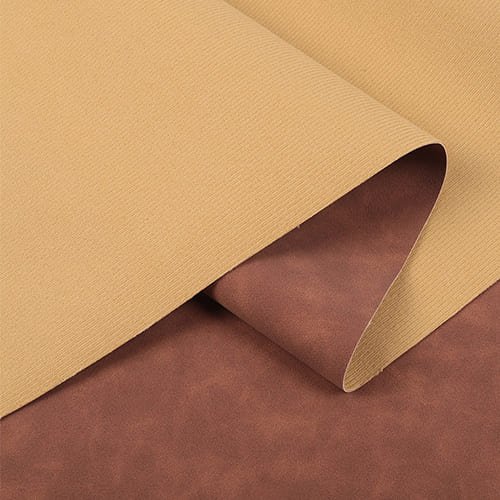
olyurethane leather—better known as PU leather—is one of the most widely used materials in today’s bag, footwear, furniture, and automotive industries. Consumers often ask: “What exactly is PU leather, how is it made, and is it really an alternative to animal leather?” With the rising demand for sustainable and affordable materials, PU leather has emerged as a key player, but it remains surrounded by misconceptions.
PU leather is a synthetic material made by coating a fabric base (cotton, polyester, or nylon) with a layer of polyurethane. It does not come from animals, though it mimics real leather in appearance and texture. PU leather is cheaper, lighter, and more versatile than genuine leather, but less durable, with an average lifespan of 2–5 years depending on quality. Its production involves substrate preparation, coating, embossing, curing, and finishing.
To truly understand PU leather, you need to look beyond the surface. Is it just plastic? Is it eco-friendly? What’s the difference between PU and other types of faux leather? And most importantly—what does its manufacturing process mean for buyers and brands who rely on it for products? Let’s dive deeper with a step-by-step guide that demystifies PU leather and helps you decide when, where, and why it’s the right choice.
What Is PU Leather Made Of?
PU leather is made by coating a fabric base such as polyester, cotton, or nylon with polyurethane, a synthetic polymer. It is 100% man-made and contains no animal hide, though it is designed to mimic the appearance and feel of genuine leather. PU leather combines multiple layers—fabric substrate, PU coating, embossed grain, and protective finish—to achieve durability and flexibility. It is cheaper and lighter than natural leather but generally less durable.
Fabric Base – The Structural Backbone
At its core, PU leather begins with a woven or nonwoven fabric substrate, typically polyester, cotton, or nylon. Polyester is the most common due to its strength, elasticity, and low cost. Cotton bases offer breathability and softness but can absorb moisture more easily, while nylon is chosen for its toughness in heavy-duty uses such as automotive interiors. The choice of base fabric affects not only the durability of PU leather but also its flexibility and final application.
Polyurethane Coating – The Leather-Like Surface
Once the fabric base is ready, it is coated with polyurethane (PU), a plastic polymer derived from petrochemicals. This coating can be applied in liquid form (wet process) or laminated as a thin film (dry process). The PU layer is what gives the material its smooth or textured “leather look.” While technically plastic, polyurethane is softer, more elastic, and more breathable than PVC, making PU leather a closer imitation of natural leather.
Embossing Layer – Creating Texture and Realism
After coating, PU leather is embossed with grain patterns using release paper or metal rollers. These patterns can replicate cowhide, crocodile, or custom designer textures. Embossing is critical for making PU leather appear authentic. High-quality embossing creates deeper, sharper patterns that not only look realistic but also improve scratch resistance.
Protective Finishing – Adding Durability and Style
The final step adds a finishing layer that determines the product’s gloss, matte effect, or tactile feel. This layer may also include protective treatments such as anti-scratch coatings, waterproofing, UV protection, or flame-retardant additives. These finishes extend the lifespan of PU leather and make it suitable for specific industries like fashion, furniture, or automotive seating.
Is PU Leather Made from Animals?
No,PU leather is a completely synthetic material. It contains no animal hide and is often marketed as “vegan leather.” However, some hybrid products use split leather (a low-grade byproduct of animal hide) with a PU coating, often referred to as bicast leather. Buyers should be cautious and check whether their supplier offers pure PU leather or PU-coated split leather, as the ethical and performance implications differ.
Is PU Leather Just Plastic?
While PU leather contains polyurethane, which is a type of plastic, calling it “just plastic” oversimplifies the material. Unlike rigid plastics, PU leather is a multi-layered composite that combines fabric, polymers, and surface finishing to mimic natural leather’s flexibility and comfort. This layered construction is what sets PU leather apart from cheap plastic sheets or PVC leather.
Variants – Solvent-Based vs Water-Based PU
Traditional PU leather uses solvent-based coatings that rely on chemicals like DMF (dimethylformamide), which raise environmental and health concerns. In contrast, water-based PU (WPU) avoids most solvents and is safer, softer, and more eco-friendly. WPU is more expensive to produce but increasingly preferred in European and North American markets due to stricter sustainability standards.
| Component | Role in PU Leather | Common Materials |
|---|---|---|
| Fabric Base | Structure, flexibility | Polyester, cotton, nylon |
| PU Coating | Surface, look, leather-like feel | Solvent PU, Water-based PU |
| Embossed Layer | Adds texture and grain pattern | Polyurethane film |
| Finishing Layer | Protection, gloss, or matte | Polyurethane blends |
How Is PU Leather Manufactured?
PU leather is manufactured by coating a fabric substrate (polyester, cotton, or nylon) with polyurethane using dry, wet, or transfer processes. After coating, textures are embossed to mimic genuine leather, then cured with heat or UV light. Finally, protective finishes such as anti-scratch, waterproof, or matte/gloss treatments are applied. Manufacturing choices—substrate type, coating method, embossing depth, and finishing quality—directly impact PU leather’s cost, performance, and suitability for fashion, upholstery, or automotive applications.
Step By Step Manufacturing Process
1. Substrate Preparation – The Foundation of PU Leather The process begins with selecting and preparing the fabric base, usually polyester, cotton, or nylon. Polyester is the most common choice because of its low cost and strength. Cotton is used for softer, breathable finishes, while nylon provides toughness for heavy-duty use. Before coating, the fabric is cleaned, stretched, and sometimes treated with a primer layer that improves adhesion. Poor substrate preparation leads to peeling or delamination—one of the main quality issues in cheap PU leather.
2. Coating Application – Dry vs. Wet Processing The defining step is applying polyurethane to the substrate. There are two main methods:
- Dry Process (Film Lamination): A pre-made PU film is heat-laminated onto the fabric. This method is cheaper and faster but produces a less breathable and stiffer material, often used in budget PU leather.
- Wet Process (Coagulation): Liquid polyurethane is applied to the substrate, then coagulated in a water bath to create a porous, flexible surface. This method results in softer, more realistic leather-like finishes, but is more expensive and time-consuming.
3. Transfer Coating Method – Premium Quality Finishing Another high-quality method is transfer coating. PU is first applied onto release paper or film with the desired texture, then pressed onto the fabric substrate and peeled off. This allows for highly detailed grain patterns and consistent finishes. Transfer coating is widely used for fashion and automotive PU leathers where texture realism and uniformity are critical.
4. Embossing and Texturing – Adding the Leather Grain Once coated, the surface is embossed with grain patterns using metal rollers or release paper. This step transforms a flat synthetic sheet into a material that visually and tactilely resembles cowhide, crocodile, snake, or custom patterns. The embossing depth and accuracy greatly influence quality: shallow or blurry embossing looks artificial, while sharp, deep embossing mimics real leather convincingly. High-end brands often demand custom embossing for exclusivity.
5. Curing and Drying – Bonding the Layers After coating and embossing, PU leather undergoes curing and drying, typically through heat tunnels or UV lamps. This solidifies the polyurethane and bonds it tightly to the substrate. In wet-processed PU, this stage also ensures proper porosity and softness. Curing quality directly impacts durability: poorly cured PU leather peels faster and loses flexibility within a short time.
6. Surface Finishing – Enhancing Look and Performance Finally, PU leather receives one or more finishing treatments to enhance appearance and function. Options include:
- Gloss or Matte Coatings: Control visual style.
- Anti-Scratch Coatings: Improve resistance for furniture or automotive use.
- Waterproof or Hydrophobic Treatments: Essential for outdoor products.
- Flame-Retardant Additives: Used in aviation, automotive, or safety gear.
- UV Protection: Prevents fading in sunlight exposure.
Finishing adds both cost and value—two PU leathers may look identical, but one with advanced finishes will perform far better.
Solvent-Based vs Water-Based PU Manufacturing
Traditional PU uses solvent-based chemicals (e.g., DMF) that release VOCs and pose environmental risks. Increasingly, suppliers shift to water-based PU (WPU), which eliminates most solvents, produces softer finishes, and complies with stricter EU and US standards. WPU costs 10–20% more, but it is a safer and more sustainable choice.
Quality Impact of Manufacturing Choices
Every step—from substrate to finishing—affects price, lifespan, and performance.
| Process Step | Low-Cost PU | High-Quality PU |
|---|---|---|
| Substrate | Basic polyester | Reinforced polyester/cotton/nylon blends |
| Coating | Dry process film | Wet or transfer coating |
| Embossing | Shallow, blurry patterns | Deep, sharp, custom grain |
| Curing | Quick air-drying | Controlled heat/UV curing |
| Finishing | Minimal (basic gloss) | Multi-layer protective coatings |
| Eco-Method | Solvent-based (DMF) | Water-based PU (WPU) |
Which Processes Affect PU Leather Quality?
PU leather quality depends on factors like the PU formulation, coating method, seam strength, embossing precision, and finishing. Water-based PU processes create more eco-friendly and durable results than solvent-based ones. Lifespan is typically 2–5 years, though premium PU leather can last longer with proper care. Drawbacks include lower breathability, tendency to crack, and shorter durability compared to genuine leather.
Several factors define whether a PU leather product feels premium or cheap.
- PU Formulation: High-solid PU creates thicker coatings, enhancing scratch resistance.
- Embossing Accuracy: Deeper, sharper embossing better mimics real leather grain.
- Surface Treatments: Anti-scratch, UV protection, and hydrophobic coatings extend lifespan.
- Water-based vs. solvent-based: WPU not only reduces environmental impact but often improves softness and flexibility.
What is the lifespan of PU leather?
On average, PU leather lasts 2–5 years before signs of peeling or cracking appear, depending on use intensity and quality of finishing. In contrast, genuine leather can last decades with proper care.
What is the disadvantage of PU leather?
While affordable and animal-free, PU leather is less durable, lacks patina development, and can crack or peel under heavy use. Its synthetic origin also means limited breathability, which can affect comfort in warm climates.
For brands, investing in higher-quality PU with added surface coatings and water-based processing pays off in reduced returns and better consumer satisfaction.
What Are the Environmental and Health Considerations?
PU leather is more animal-friendly than genuine leather but raises environmental concerns due to chemical solvents used in traditional processes. Water-based PU is safer, reducing VOC emissions and avoiding toxic DMF solvents. While PU avoids animal cruelty, its plastic nature means it is not fully biodegradable. For eco-conscious brands, sourcing WPU or recycled PU leather is the best compromise between sustainability, cost, and performance.
The environmental debate around PU leather is complex.
- Animal-Free Advantage: PU avoids the slaughtering and tanning processes of genuine leather.
- Chemical Drawbacks: Traditional PU production often uses solvents like DMF, which are harmful to workers and ecosystems.
- Water-Based Alternatives: WPU reduces VOC emissions and is increasingly demanded by European and North American markets.
- End-of-Life Issues: PU leather is not biodegradable and contributes to microplastic waste when disposed of.
Brands sourcing PU leather need to check supplier certifications (REACH, OEKO-TEX, RoHS) to ensure compliance with global safety standards. Consumers increasingly demand sustainable and safe alternatives, which is why many brands promote water-based PU or blends with bio-materials.
How Does PU Leather Compare to Real Leather?
PU leather and real leather differ in origin, durability, and perception. PU is synthetic, cheaper, and animal-free, but it usually lasts only 2–5 years. Real leather is natural, develops a unique patina, and can last decades with care. PU is more customizable in color and texture, while real leather carries prestige and higher cost. For buyers, PU suits fast-fashion or budget markets, while genuine leather remains the gold standard for premium, long-lasting goods.
Key Comparisons Between PU and Real Leather
1. Material Origin
- PU leather is entirely synthetic, made by coating fabric with polyurethane, and contains no animal hide.
- Real leather comes from animal skins, primarily cowhide, which undergoes tanning and finishing.
This makes PU a “vegan” alternative, while genuine leather is a natural byproduct of the meat industry.
2. Look and Feel
- High-quality PU can mimic leather’s surface grain through embossing and finishing.
- Genuine leather has natural irregularities and develops a patina over time, adding uniqueness and prestige.
PU maintains a manufactured look; genuine leather evolves and improves with age.
3. Durability and Lifespan
- PU typically lasts 2–5 years before cracking or peeling, especially in high-use items like bags or furniture.
- Real leather can last 20+ years if properly cared for, with wear often enhancing its appearance.
4. Cost and Market Position
- PU is 30–60% cheaper than real leather, making it ideal for budget-friendly, fast-fashion, or mass-market products.
- Genuine leather is a premium material, associated with luxury, craftsmanship, and higher price points.
5. Maintenance and Comfort
- PU is water-resistant, easy to clean, and requires minimal maintenance.
- Real leather needs regular conditioning to prevent drying but offers superior breathability and comfort.
6. Ethics and Sustainability
- PU avoids animal use, appealing to vegan and cruelty-free markets.
- However, PU is plastic-based, not biodegradable, and contributes to microplastic waste.
- Real leather is biodegradable but requires chemical tanning (sometimes polluting).
PU vs Faux Leather
- PU is a type of faux leather, but generally softer and more realistic than PVC-based leather alternatives.
- Among synthetics, PU is considered the “better faux leather” in terms of flexibility and aesthetics.
Quick Comparison Guide
| Factor | PU Leather | Real Leather |
|---|---|---|
| Origin | Synthetic (polyurethane + fabric base) | Natural (animal hides, tanned) |
| Look & Feel | Mimics leather, uniform, no patina | Unique grain, develops patina |
| Durability | 2–5 years | 20+ years with care |
| Cost | Low to mid, mass-market friendly | High, luxury positioning |
| Maintenance | Easy, wipe-clean | Needs conditioning & care |
| Ethics | Vegan, animal-free, but plastic-based | Animal byproduct, biodegradable |
Can I Seek Custom PU Leather Solutions?
Yes, many brands actively seek custom PU leather solutions. PU leather can be tailored in color, texture, thickness, and functional coatings to meet specific product needs. Manufacturers offer OEM/ODM services that include embossing, Pantone color matching, waterproof or flame-retardant finishes, and branded logo integration. Customization not only improves aesthetics but also ensures products meet market demands, from fashion accessories to automotive interiors, helping brands differentiate in competitive markets.
Custom PU Leather Solutions for Brands
1. Color and Finish Customization
- PU leather can be dyed into virtually any Pantone-matched color, from classic neutrals to bold, fashion-forward shades.
- Finishes range from high gloss, matte, metallic, pearl, vintage, distressed, or gradient effects.
This flexibility allows brands to align their products with seasonal trends or exclusive branding palettes.
2. Embossing and Textures
- Manufacturers can emboss crocodile, snake, ostrich, saffiano, pebbled, or smooth grains to simulate natural or exotic leathers.
- Custom embossing (like brand logos or signature patterns) enhances exclusivity and market differentiation.
For fashion brands, texture choice is often as important as color in defining product identity.
3. Thickness and Softness Adjustments
- PU leather can be engineered with different thickness levels (0.5–2.0 mm) depending on whether it’s for bags, belts, upholstery, or small accessories.
- Softness and elasticity can be controlled by adjusting the PU formulation, ensuring the right feel for applications like luxury handbags versus durable tool bags.
4. Functional Coatings
Custom PU leather can be enhanced with special treatments, such as:
- Waterproof / Hydrophobic → outdoor gear, travel bags.
- Flame-retardant → automotive interiors, furniture.
- Anti-scratch → luggage, heavy-use wallets.
- UV resistant → outdoor furniture, car dashboards.
- Anti-bacterial / Anti-mold → medical or sanitary uses.
5. Eco-Friendly Options
- With sustainability becoming a priority, many clients request water-based PU (WPU) or recycled PU.
- Some brands even combine PU with bio-materials like cactus, apple, or mushroom leather for hybrid solutions.
6. Branding and Private Label Needs
- Brands often need PU leather customized with their logo embossing, foil stamping, or printed designs.
- OEM/ODM manufacturers also help with custom packaging, trims, and labels, enabling complete private-label solutions.
7. Application-Specific Solutions
- Fashion bags & wallets: Focus on aesthetics, seasonal colors, and lightweight construction.
- Belts & straps: Require higher thickness, tensile strength, and anti-crack properties.
- Furniture & automotive interiors: Demand flame-retardant, UV-resistant, and long-lasting finishes.
- Luxury packaging & accessories: Benefit from unique embossing, metallic effects, and premium handfeel.
Conclusion
PU leather remains one of the most versatile materials in today’s consumer and industrial markets. It delivers affordability, ethical benefits, and design flexibility while still facing challenges in durability and environmental impact. Buyers must carefully consider their product category, target market, and sustainability goals when choosing PU leather grades.
With over 18 years of expertise, Szoneier Leather helps global brands and wholesalers develop custom PU leather products—from bags and wallets to belts and accessories. Our strengths lie in raw material R&D, OEM/ODM services, free sampling, low MOQs, and fast delivery, giving clients reliable solutions that balance cost, quality, and innovation.
Ready to design your own PU leather collection?
What Can I Do For You?
Here, developing your OEM/ODM private label leather goods collection is no longer a challenge,it’s an excellent opportunity to bring your creative vision to life.
Make A Sample First?
If you have your own tech packs, logo design artwork, or just an idea,please provide details about your project requirements, including preferred fabric, color, and customization options,we’re excited to assist you in bringing your leather goods designs to life through our sample production process.