 Skip to content
How Long Does Vegan Leather Last:Durability & Care Guide
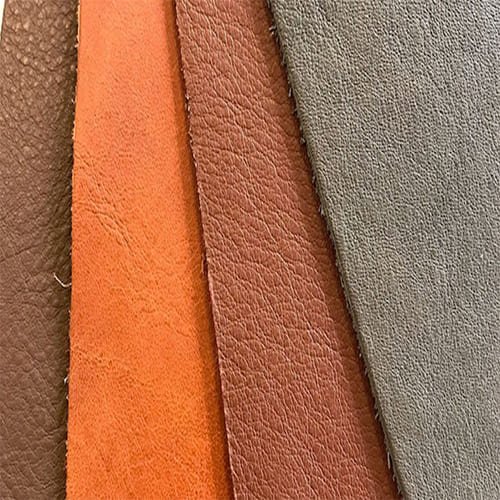
You’ve fallen in love with that sleek, cruelty-free tote or those stylish vegan leather sneakers—but how long will they really last? As the market for vegan leather explodes, from budget-friendly PU to cutting-edge plant-based materials, consumers increasingly wonder: Can this alternative truly stand the test of time? Whether you’re dressing for work, hitting the gym, or jetting off on an epic adventure, your accessories need to be both ethical and enduring.
Vegan leather’s lifespan varies by type: high-grade polyurethane (PU) can last 3–5 years with proper care, while polyvinyl chloride (PVC) variants often endure 5–10 years before cracking. Emerging plant-based leathers (cork, pineapple) can rival PU’s durability, provided they’re reinforced and maintained. Key factors—material quality, environmental exposure, and maintenance routines—determine real-world longevity.
What Is Vegan Leather and How Is It Made?
Vegan leather—also called faux leather or leatherette—is crafted from synthetic polymers like PU and PVC or from plant-derived materials such as cork, pineapple leaf fibers, and mushroom mycelium. PU varieties laminate a polyurethane layer onto fabric backings, while PVC blends use plasticized polyvinyl chloride. Plant-based versions bond natural fibers with bio-resins. Production methods affect breathability, durability, and environmental footprint, setting the stage for each type’s performance and care requirements.
Vegan leather emerged in the 20th century as an animal-free alternative to hide. Early PVC-based “Naugahyde” was prized for durability but criticized for stiffness. Today’s market boasts three primary categories:
PU-Based Vegan Leather
- Composition: A base fabric (usually polyester or cotton) coated with polyurethane.
- Properties: Soft, flexible, and breathable; more eco-friendly than PVC; prone to UV yellowing and edge peeling if low-quality.
- Manufacturing: Solvent-based PU is layered and cured; water-based PU uses fewer volatile organic compounds (VOCs), reducing odor and environmental impact.
PVC-Based Vegan Leather
- Composition: A blend of plasticized PVC coated onto textile backings.
- Properties: Highly water-resistant and abrasion-proof; less breathable; susceptible to cracking over long-term flex.
- Manufacturing: PVC mixed with plasticizers (phthalates or newer non-phthalate alternatives) is extruded or calendared onto fabrics.
Plant-Based Alternatives
- Cork Leather: Harvested from cork oak bark, bonded to fabric—water-resistant, lightweight, biodegradable at end-of-life.
- Pineapple (Piñatex): Made from discarded pineapple leaf fibers; strong, textured, and breathable; typically backed with PU for durability.
- Mushroom Leather (Mylo): Grown from fungal mycelium in controlled conditions; soft, suede-like finish; emerging technology with promising eco credentials.
Key Manufacturing Steps:
- Surface Coating: Polymer dispersion is applied via knife-over-roll or rotary pressing.
- Embossing: Heat-pressed patterns simulate animal grain.
- Finishing: Topcoats add UV inhibitors, anti-scratch layers, and water repellents.
Durability Trade-Offs:
- PU vs. PVC: PU offers flexibility and an animal-like drape but wears faster at high-stress points; PVC resists abrasion but becomes brittle over time.
- Plant-Based: Biodegradable end-of-life but often needs synthetic lamination to boost mechanical strength.
How Durable Is Vegan Leather Compared to Genuine Leather?
Genuine full-grain leather typically lasts 10–20 years or more, developing a rich patina, while high-grade PU vegan leather endures 3–5 years with proper care. PVC variants can last 5–10 years before surface cracking. Plant-based leathers show 2–4 years of daily wear. Differences arise from polymer breakdown, flex fatigue, and environmental stress—areas where genuine leather’s natural fiber structure has a clear edge.
Comparing vegan and genuine leather durability hinges on material science:
Tensile Strength & Tear Resistance
- Full-Grain Leather: Molecular collagen structure offers tensile strength of 15–25 MPa and tear resistance up to 60 N.
- PU Leather: Synthetic polymers deliver 8–12 MPa and 25–40 N tear resistance—adequate for light to moderate loads but prone to micro-tearing under high stress.
- PVC Leather: Slightly higher strength (10–15 MPa) but lower elongation (10–20%) versus PU (30–50%), leading to cracking at fold lines.
Flex and Fatigue Life
- Genuine Leather: Survives 100,000+ flex cycles with minimal delamination or cracking.
- PU Leather: Withstands 30,000–50,000 cycles before surface crazing appears—sufficient for handbags but challenged under constant bending (e.g., wallets).
- PVC: Generally endures 50,000–80,000 cycles but once cracks initiate, they propagate rapidly.
Environmental Degradation
- UV Exposure: Genuine leather resists UV better but can fade; PU discolors and becomes brittle; PVC resists UV but ages to chalky white without additives.
- Moisture & Humidity: Leather handles humidity by breathing; PU and PVC trap moisture, risking mold growth under poor drying conditions.
- Temperature Fluctuations: Genuine leather tolerates wide temperature ranges; PU softens in heat and stiffens in cold, accelerating polymer breakdown.
Patina vs Aging
- Natural Leather: Develops a warm patina, smoothing grain and enhancing water resistance.
- Vegan Leather: Lacks true patina; surface coatings wear away instead of mellowing, leading to exposed fabric backing and uneven fading.
Real-World Lifespans
| Material | Expected Lifespan (Daily Use) | Key Failure Mode |
|---|---|---|
| Full-Grain Leather | 10–20+ years | Surface scratches, stretch |
| PU Vegan Leather | 3–5 years | Peeling, edge cracking |
| PVC Vegan Leather | 5–10 years | Brittle cracking |
| Piñatex/ Cork | 2–4 years | Delamination, fraying |
| Mylo Mushroom | 2–3 years | Wear-through areas |
What Factors Influence the Lifespan of Vegan Leather?
Vegan leather longevity hinges on material grade, thickness, exposure to UV and heat, frequency and type of use, care regimen, and quality of construction. Thicker coatings, UV stabilizers, reinforced edges, and protective finishes extend life. High-stress bending, abrasive contact, and neglect (dust buildup, poor storage) accelerate wear, cracking, and delamination.
Several interrelated factors determine how long a vegan leather product will last:
Material Quality & Thickness
- Coating Thickness: PU layers of 0.8–1.2 mm resist abrasion better than thinner 0.4–0.6 mm finishes.
- Base Fabric: Polyester backings maintain structure; cotton blends breathe more but stretch.
- Finish Additives: UV absorbers, anti-oxidants, and plasticizer stabilizers slow polymer degradation.
Environmental Exposure
- Sunlight: UV radiation breaks polymer chains—look for products tested to 500+ hours of QUV exposure with <10% tensile loss.
- Heat & Humidity: High temperatures (above 40 °C) soften PU, allowing surface deformation; humidity stalls breathability and fosters mold under poor airflow.
- Pollutants & Chemicals: Oils, solvents, and harsh cleaners strip protective coatings, unveiling the raw polymer or fabric beneath.
Usage Patterns
- Load & Stress: Overloading a vegan leather tote accelerates flex fatigue at seams and handles.
- Abrasion: Constant rubbing against rough surfaces (seat edges, concrete walls) wears through the coating.
- Bending Frequency: Wallets and phone cases experience frequent folding—demanding higher flex life (>50,000 cycles).
Construction & Craftsmanship
- Edge Sealing: Painted or waxed edges prevent water ingress and coating lift. Unsealed edges can delaminate quickly.
- Stitching Quality: Tight, consistent stitches avoid gaps where moisture and dirt accumulate—weak stitching leads to split seams.
- Hardware Integration: Improperly set rivets or clasps pry at the polymer surface, causing localized cracking.
Protective Treatments
- Topcoat Reapplication: Periodic sprays replenish water repellents and UV barriers.
- Conditioners: Specialized PU conditioners maintain suppleness and reduce surface micro-cracks.
How Do Maintenance and Care Practices Extend Its Longevity?
Regular cleaning with a soft cloth and mild soap, conditioning with PU-specific creams, and avoiding prolonged sun or water exposure can extend vegan leather’s life by 1–2 years. Store items away from heat and humidity, stuff bags to retain shape, and reapply protective topcoats biannually. Promptly remove stains and dust to prevent abrasive wear and polymer breakdown.
Effective care transforms a 3-year lifespan into 5 or more—here’s how:
- Cleaning
- Daily Wipe-Down: Use a microfiber cloth to remove surface dust and dirt.
- Mild Soap Solution: Mix 1 drop of pH-neutral soap with water; gently wipe with a damp cloth, then pat dry. Avoid harsh detergents that strip coatings.
- Stain Removal: For ink or oil, apply a small amount of isopropyl alcohol on a cotton swab—test in an inconspicuous area first.
- Conditioning & Protection
- PU Conditioner: Use products formulated for synthetic leather to replenish plasticizers and maintain flexibility.
- Topcoat Spray: Biannual application of a UV-blocking, water-repellent finish protects against sun damage and liquid ingress.
- Preventing Cracking
- Avoid Extreme Folding: Keep the item flat or gently stuffed when not in use.
- Temperature Control: Store between 15–25 °C; excessive heat or cold accelerates polymer brittleness.
- Humidity Management: Use desiccant packets in storage to maintain 40–60% RH—prevents mold and coating delamination.
- Storage & Handling
- Stuff Bags: Use acid-free tissue paper to preserve shape and prevent creases.
- Dust Bags: Store in breathable fabric pouches to shield from dust and light.
- Avoid Hanging Heavy Bags: Stress on straps can deform polymer-coated areas.
- Repair & Refurbishment
- Edge Touch-Ups: Repaint edges with matching vegan leather edge paint to seal cracks.
- Patch Kits: For small tears, use vinyl repair kits—apply color-matched patches under the damaged area.
- Professional Servicing: Some specialists offer re-coating services, extending life by reapplying surface finishes.
Which Types of Vegan Leather Last the Longest?
The most durable vegan leathers are high-grade PU with thick coatings (0.8–1.2 mm), advanced PVC blends stabilized against UV and plasticizer migration, and hybrid plant-based materials reinforced with synthetic laminates. Lab tests show premium PU lasts 4–6 years, stabilized PVC 6–10 years, and cork-PU composites 3–5 years under everyday use. Choosing top-tier materials and construction methods is key to extended longevity.
Not all vegan leathers are created equal. Here’s a breakdown of the longest-lasting varieties:
- High-Grade PU Leathers
- Coating Thickness: ≥0.8 mm; provides a barrier against abrasion.
- Stabilizers: UV absorbers and anti-oxidants reduce polymer chain scission.
- Expected Lifespan: 4–6 years with proper care.
- Stabilized PVC Variants
- Advanced Plasticizers: Non-phthalate plasticizers with low migration rates prevent embrittlement.
- Pigment Integration: Color pigments throughout the thickness mask minor surface scratches.
- Expected Lifespan: 6–10 years in average conditions.
- Plant-Based Leathers with Synthetic Reinforcement
- Cork Composite: Cork bonded to a PU backing offers water resistance and unique texture; holds up for 3–5 years.
- Piñatex (Pineapple Leather): Fibers impregnated with PU; best-in-class plant alternative—3–4 years before fiber breakdown.
- Mylo Mushroom Leather: Emerging durability data suggests 2–3 years; improvements in coating technology likely to extend this.
- Hybrid & Recycled Leathers
- Recycled PU: Maintains similar durability to virgin PU if properly compounded.
- Bio-Based PU Blends: Incorporate plant oils into the polymer backbone—early data shows comparable flex life with reduced carbon footprint.
Durability Matrix
| Vegan Leather Type | Coating Thickness (mm) | UV Stabilizers | Expected Lifespan | Breathability |
|---|---|---|---|---|
| High-Grade PU | 0.8–1.2 | Yes | 4–6 years | Medium |
| Stabilized PVC | 0.6–1.0 | Yes | 6–10 years | Low |
| Cork Composite | 0.5–0.8 | Optional | 3–5 years | High |
| Piñatex | 0.7–1.0 | No | 3–4 years | High |
| Mylo Mushroom | 0.5–0.8 | No | 2–3 years | High |
Are There High-Quality and Sustainable Vegan Leather Options Available?
Yes—bio-based and recycled vegan leathers now achieve near-parity with synthetics. Brands like Desserto (cactus), Piñatex (pineapple), and Bolt Threads (Mylo) offer plant-derived options, often certified by OEKO-TEX® or Global Recycle Standard (GRS). Recycled PU and PVC use post-industrial waste, cutting CO₂ emissions by 40–60%. Look for LWG LCA-rated suppliers and eco-labels to ensure both performance and green credentials.
Sustainability drives innovation in vegan leather—here’s what to watch for:
Bio-Based Polymer Leathers
Cactus Leather (Desserto):
- Composition: Nopal cactus fibers + PU resin.
- Eco Impact: 98% plant-based content; water-efficient cultivation.
- Performance: 3–5 year lifespan; supple, breathable, mild UV resistance.
Mushroom Mycelium (Mylo):
- Grown on agricultural byproducts; energy-efficient mycelium cultivation.
- Certifications: Cradle to Cradle Bronze.
- Performance: 2–3 year lifespan so far; rapid innovation promises enhanced durability.
Recycled Synthetic Leathers
- Recycled PU:
- Feedstock: Post-industrial PU scrap.
- Benefits: 40–50% reduced carbon footprint; retains high-grade durability of virgin PU.
- Certifications: GRS, EU Ecolabel.
- Recycled PVC:
- Feedstock: Post-consumer plastic waste.
- Benefits: Diverts PVC from landfills; maintains longevity.
- Challenges: Plasticizer stability must be verified.
Certifications & Eco-Labels
- Global Recycle Standard (GRS): Verifies recycled content claims and chain of custody.
- OEKO-TEX® Standard 100: Ensures absence of harmful chemicals.
- Leather Working Group (LWG): Expanding scope to synthetic materials through lifecycle assessments.
Leading Brands & Innovations
- Svoid: High-performance PU from bio-based polyols—adds up to 30% plant content without compromising durability.
- Alcantara®: Proprietary microfiber blend with 45% recycled content and superior abrasion resistance (≥100,000 Wyzenbeek cycles).
The Future of Vegan Leather
- Circular Models: Chemical recycling of PU back into monomer feedstock—pilot programs underway in Europe.
- Hybrid Laminates: Thin PU layers over mushroom mycelium cores, combining strength and biodegradability.
Ready to Source Durable Vegan Leather Goods?
At Szoneier Leather, we blend 18 years of R&D with cutting-edge materials science to offer:
- Premium Vegan Leather Grades: High-grade PU, stabilized PVC, and plant-based composites
- Custom Finishes: UV stabilizers, water repellents, and anti-scratch topcoats
- Eco-Certified Options: GRS, OEKO-TEX®, and bio-based content verification
- Low MOQ Sampling: Prototype runs starting at 100 pieces; mass production from 500 pieces
Contact us to explore custom vegan leather solutions that balance durability, style, and sustainability.
What Can I Do For You?
Here, developing your OEM/ODM private label leather goods collection is no longer a challenge,it’s an excellent opportunity to bring your creative vision to life.
Make A Sample First?
If you have your own tech packs, logo design artwork, or just an idea,please provide details about your project requirements, including preferred fabric, color, and customization options,we’re excited to assist you in bringing your leather goods designs to life through our sample production process.