 Skip to content
How Long Does Top Grain Leather Last: A Comprehensive Guide
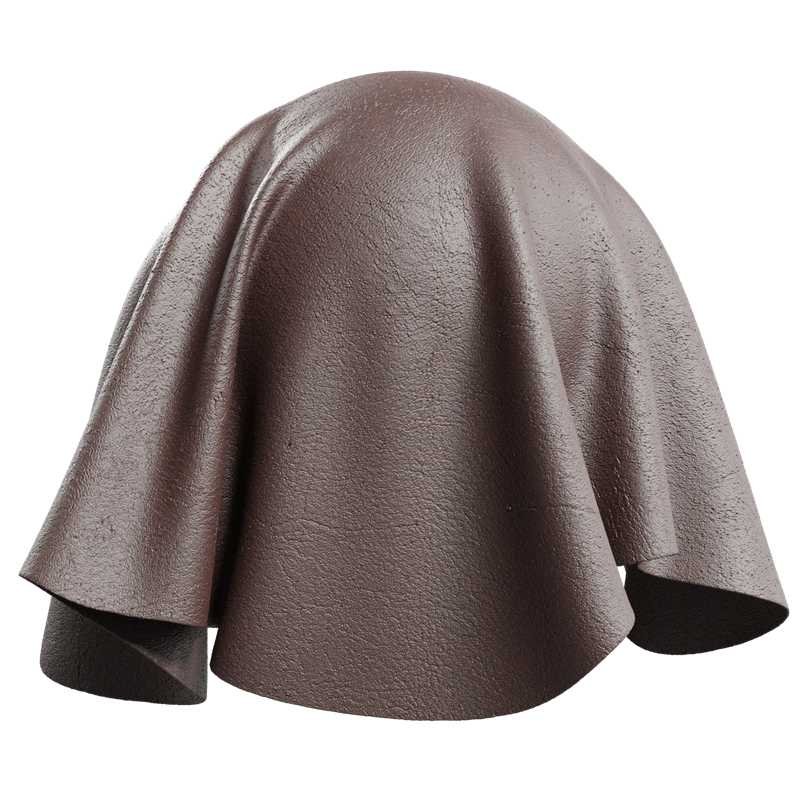
Leather has always stood as a symbol of durability, luxury, and timeless appeal. But not all leathers are created equal. Among the different categories, top grain leather sits in a fascinating middle ground—more refined than full grain but sturdier than cheaper alternatives. If you’ve ever considered investing in a leather bag, wallet, or belt, chances are you’ve come across this term and wondered: how long will top grain leather really last?
Top grain leather typically lasts between 10 to 20 years or more with proper care. Its longevity depends on several factors, including the quality of the tanning process, usage frequency, exposure to elements, and how well it’s maintained. Compared to lower grades like bonded or genuine leather, top grain offers far greater durability and resistance to wear, though it may not quite match the raw endurance of full grain.
Picture this: a family-owned workshop in Florence, Italy, where a top grain leather satchel has been passed down for nearly two decades. Despite scratches and softened edges, the bag remains functional, elegant, and full of character. Stories like these are common because top grain leather, when treated right, can age gracefully while retaining its beauty. And that’s exactly why discerning buyers keep choosing it.
So let’s break down everything you need to know—from definitions and comparisons to maintenance tips and investment value—to help you decide whether top grain leather is the right choice for you.
What Is Top Grain Leather?
Top grain leather is the second-highest grade of natural leather, crafted from the outer layer of the animal hide and refined through sanding, buffing, and finishing to remove natural imperfections. This process results in a smoother, more uniform surface than full grain leather, while still retaining the durability and strength of the top layers of the hide.
The Definition and Structure of Top Grain
When a hide is processed, it’s split into different layers. The top portion contains the strongest fibers because it’s closest to the animal’s skin surface. In top grain leather, this layer is carefully sanded down to eliminate blemishes, scars, or uneven textures. The end product is sleek, supple, and consistent—qualities that consumers often associate with high-end leather goods.
Unlike synthetic materials, top grain is still 100% real leather. It offers the same luxurious touch and natural smell that people expect, but with an added polish that appeals to fashion-forward buyers.
Why It’s Popular
Top grain leather is often chosen for products like handbags, wallets, belts, straps, and upholstery because it balances practicality, beauty, and longevity. While full grain might be too rugged and heavy for certain applications, top grain provides flexibility and a lighter weight without compromising too much on strength.
Designers and manufacturers appreciate top grain because:
- It accepts dyes and finishes evenly, resulting in vibrant, consistent colors.
- It’s easier to cut and shape compared to stiffer full grain hides.
- Its resistance to staining and dirt makes it more consumer-friendly.
The Role of Finishing
One defining feature of top grain leather is its finish. After sanding, a protective coating or pigment is often applied. This adds water resistance, improves stain resistance, and ensures the leather maintains its appearance for longer. However, this finish also means that top grain leather develops a subtler patina than full grain. Instead of dramatic darkening and deepening, top grain ages more slowly and with more consistency—a benefit for customers who want their leather to look “new” for longer.
Top Grain vs Full Grain Leather
Full grain is the most durable and natural form of leather. Unlike top grain, it’s not sanded, so it develops a rich patina over time. While full grain can last longer (20–30 years), it’s also stiffer and more expensive. Top grain, by contrast, balances refinement with endurance, making it more practical for everyday goods.
Top Grain Leather vs Genuine Leather
Genuine leather is a marketing term for lower-grade leather, often made from leftover layers of the hide. While affordable, it usually lasts only 3–5 years before cracking or peeling. Top grain, though more costly, easily outperforms genuine leather in durability, comfort, and appearance.
Top Grain vs Bonded Leather
Bonded leather is essentially leather scraps glued together with polyurethane. It’s inexpensive but short-lived, often deteriorating within 2–3 years. Top grain is infinitely more reliable, both in strength and longevity, and is considered a proper investment rather than a disposable option.
How Long Does Top Grain Leather Last?
With proper care, top grain leather typically lasts 10–20 years or more, depending on the quality of the hide, tanning method, and daily use. In some cases, especially for well-made bags, belts, or furniture, it can even surpass two decades of service life without losing functionality.
Leather Quality and Tanning Process
The tanning process has a massive impact on durability.
- Vegetable-tanned top grain leather often lasts longer because the process embeds natural tannins into the fibers, making them stronger and resistant to wear.
- Chrome-tanned leather (faster and cheaper to produce) still offers decent lifespan, but may not endure as long under heavy use.
A top grain wallet made from vegetable-tanned cowhide may last 15–20 years, while a chrome-tanned equivalent might start showing serious wear at 8–12 years.
Frequency and Type of Use
- Daily-use products (wallets, phone cases) naturally wear faster due to friction and bending. Expect closer to the 8–12 year range with heavy use.
- Occasional-use items (dress belts, luxury handbags) may last over 20 years if properly stored.
- Furniture upholstery in busy households might show wear sooner than bags, but with regular conditioning it still holds up for well over a decade.
Environmental Conditions
Leather is sensitive to heat, humidity, and sunlight. Constant sun exposure can fade colors and dry out fibers, while excessive moisture can cause warping or mildew. For example, a top grain briefcase stored in a damp basement may deteriorate in under 5 years, whereas the same bag stored in a dry, climate-controlled environment can last over 15 years.
Maintenance and Care
Consistent care extends the lifespan significantly. Studies in leather conservation suggest that conditioned leather retains tensile strength up to 40% longer than unconditioned leather. Owners who clean and condition their bags every 6–12 months often see decades of durability compared to those who neglect upkeep.
Case Example: Product Lifespan Ranges
| Product Type | Expected Lifespan (with care) | Expected Lifespan (without care) |
|---|---|---|
| Wallets (daily use) | 8–12 years | 3–6 years |
| Belts | 12–18 years | 5–7 years |
| Handbags | 15–20 years | 6–8 years |
| Upholstery (furniture) | 10–15 years | 4–6 years |
Is Top Grain Leather Durable?
Yes, top grain is considered highly durable. While it may not reach the 25–30 year potential of full grain, it holds up significantly better than genuine or bonded leather. Its durability makes it an excellent balance between rugged longevity and sleek, uniform appearance.
Does Top Grain Leather Peel Off?
No, true top grain leather does not peel the way bonded or faux leathers do. What sometimes appears as “peeling” is actually the protective finish wearing off due to neglect. With routine conditioning, top grain leather maintains its structural integrity for years, even under frequent use.
How to Extend the Lifespan of Top Grain Leather
The best way to make top grain leather last 10–20 years or more is through consistent care: regular cleaning, periodic conditioning, careful storage, and protection from environmental stress. Without proper maintenance, even high-quality leather can dry out, fade, or crack prematurely.
1. Regular Cleaning
Top grain leather should be wiped down every few weeks with a soft, slightly damp cloth to remove dust, sweat, and dirt. Dirt particles can act like sandpaper, gradually eroding the finish. Avoid chemical cleaners, which strip away natural oils. For bags and belts, spot cleaning with a leather-safe soap once every 2–3 months is ideal.
Example: A wallet that is wiped clean monthly retains its color and suppleness years longer than one neglected until dirt embeds into the fibers.
2. Conditioning
Leather is skin—it needs moisture. Conditioning replenishes the oils that prevent fibers from drying out and cracking. Apply a thin coat of leather conditioner every 6–12 months (more often in dry climates). Choose neutral, pH-balanced conditioners without silicones or waxes, which can clog pores.
3. Safe Storage
How you store leather directly impacts its longevity.
- Keep bags in breathable dust bags, never sealed plastic, which traps moisture.
- Store belts flat or rolled loosely to avoid creases.
- Upholstery should be shielded from direct sunlight and extreme heat.
Temperature-controlled environments (18–24°C, 40–60% humidity) are optimal for long-term preservation.
4. Protection Against Environment
Leather is sensitive to both light and water:
- Sunlight: Causes fading and weakens fibers. Always store leather away from windows.
- Water: Top grain has a finish that offers some resistance, but it’s not waterproof. Blot spills immediately and allow items to air dry—never use a hairdryer or heater.
- Humidity: High humidity leads to mold; use silica gel packets in storage boxes to regulate moisture.
5. Smart Usage Habits
- Rotate items: Don’t wear the same belt or use the same bag every day.
- Avoid overstuffing wallets or bags, which stretches seams.
- Use leather protectant sprays if items will face rain or snow.
A handbag used only 2–3 times a week and rotated with others often lasts 50% longer than one used daily.
Care Timeline for Top Grain Leather
| Care Activity | Frequency | Purpose |
|---|---|---|
| Wiping with soft cloth | Weekly | Remove dust & prevent buildup |
| Spot cleaning | Every 2–3 months | Maintain color & surface integrity |
| Conditioning | Every 6–12 months | Prevent cracks, restore flexibility |
| Storage check | Seasonally (3–4 months) | Ensure no mold, fading, or dryness |
Common Misconceptions About Top Grain Leather
Top grain leather is often misunderstood because of confusing marketing terms, inconsistent product labeling, and myths that circulate among consumers. These misconceptions can make buyers hesitant or cause them to undervalue what is actually a durable, high-quality leather. Let’s clear up the most common myths.
Myth 1: Top Grain Leather Isn’t Real Leather
Some believe that because top grain leather is sanded and finished, it is “fake” or “synthetic.”
- Reality: Top grain is absolutely genuine leather. It comes from the top layer of the hide, the same part used for full grain. The only difference is that the surface has been treated to remove scars or blemishes. This makes it more uniform in appearance, but it’s still authentic animal hide, not an imitation.
- Why the myth exists: Marketing terms like “genuine leather” confuse customers. Ironically, “genuine leather” refers to a lower-quality grade, not the authenticity of the leather itself.
Myth 2: Top Grain Leather Peels Easily
Because bonded and faux leathers are notorious for peeling, many assume top grain has the same weakness.
- Reality: True top grain leather does not peel. What sometimes peels is the protective pigment or finish layer when the item has been neglected for years. The leather fibers underneath remain intact. By conditioning top grain leather, you prevent this finish from drying out and cracking.
- Example: A bonded leather sofa might start peeling after 2–3 years, but a top grain leather sofa with regular care can last 12–15 years without peeling.
Myth 3: It’s Not as Durable as Full Grain, So It’s Weak
It’s true that full grain is the most durable form of leather, but this doesn’t make top grain weak.
- Reality: Top grain retains the strong fiber structure of the hide, making it highly resistant to tearing and stretching. It may not reach the 25–30 year potential of full grain, but it still comfortably lasts 10–20 years—far outlasting genuine or bonded leather.
- Consumer insight: Many customers actually prefer top grain because it’s softer, lighter, and easier to maintain, while still providing long-term reliability.
Myth 4: Top Grain Leather Doesn’t Age Well
Some think that because it doesn’t develop a strong patina like full grain, it ages poorly.
- Reality: Top grain ages differently, not worse. Instead of developing a rustic, weathered look, it maintains a cleaner, more consistent finish over time. For many buyers, especially in fashion and business accessories, this uniform look is more desirable.
- Example: A top grain leather briefcase used for 10 years will look polished and refined, while a full grain equivalent may look rugged and heavily patinated. It depends on personal style preference.
Myth 5: All Top Grain Leather Is the Same
Some buyers assume that all top grain leather products are equal in quality.
- Reality: The lifespan of top grain leather depends heavily on the tanning process, thickness, finishing, and craftsmanship. A high-quality vegetable-tanned top grain bag from a reputable manufacturer can last 15+ years, while a poorly made chrome-tanned wallet may wear out much faster.
- Tip for buyers: Always check the source, craftsmanship, and brand reputation before making a purchase.
Conclusion
Top grain leather remains one of the most reliable choices for anyone seeking a balance of durability, comfort, and refined aesthetics. While it may not reach the extreme toughness of full grain, its 10–20 year lifespan (with proper care) far surpasses genuine or bonded leather, making it a wise investment for long-term use. For products like bags, wallets, belts, and accessories, top grain leather delivers both practicality and elegance.
Whether you’re building a new product line or sourcing high-quality leather goods, now is the time to explore what top grain leather can do for your business.
What Can I Do For You?
Here, developing your OEM/ODM private label leather goods collection is no longer a challenge,it’s an excellent opportunity to bring your creative vision to life.
Make A Sample First?
If you have your own tech packs, logo design artwork, or just an idea,please provide details about your project requirements, including preferred fabric, color, and customization options,we’re excited to assist you in bringing your leather goods designs to life through our sample production process.